
Reliable Expanded Metal Mesh Manufacturers for Hesco Barriers
When engineering high-strength perimeter defense or flood control systems, the integrity of the structural core is paramount. Hesco-style barriers represent a critical evolution in rapid-deployment fortification, combining the flexibility of a foldable frame with the immense stability of earth-filled mass. These systems are designed to provide immediate protection in volatile environments, where speed of installation must be balanced with long-term durability.
For procurement managers and project engineers, selecting a reliable source among various expanded metal mesh manufacturers is about more than just wire gauge; it is about ensuring the synergy between the zinc-aluminum coating, the non-woven geotextile lining, and the mechanical strength of the helical joints. This combination ensures that the barrier can withstand extreme lateral pressure while remaining resistant to corrosion in diverse climates, from the arid regions of Saudi Arabia to the humid landscapes of Zambia.

Engineering Specifications of Welded Zinc-Aluminum Coated Steel Mesh
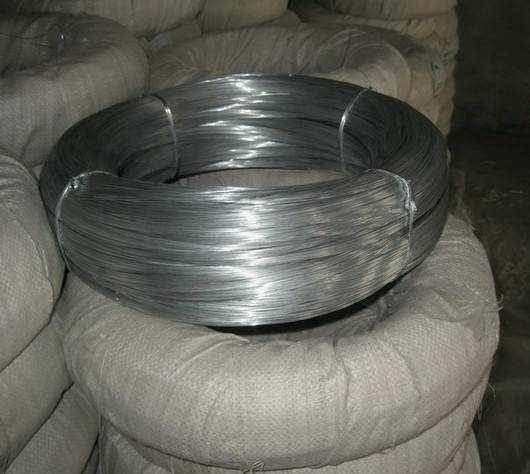
The structural foundation of the Hesco barrier is its heavy-duty welded wire mesh. Unlike standard galvanized steel, the zinc-aluminum coating provides a superior sacrificial layer that protects the core steel from oxidation, which is essential for military, municipal, and water conservancy projects. The mesh is meticulously welded to ensure that the grid remains rigid under the weight of graded stone fill, preventing bulging or structural failure during impact.
To enhance the operational life and functional performance of the unit, the steel wire mesh is integrated with a heavy-duty non-woven polypropylene geotextile. This fabric lining serves two critical purposes: it prevents the stone fill from leaking through the mesh openings and filters water while retaining soil particles. This prevents the "washing out" effect during heavy rain or flooding, maintaining the barrier's structural integrity over extended periods of deployment.
- Core Material: Welded zinc-aluminum coated steel wire.
- Joint System: Vertical, helical-coil joints for rapid assembly.
- Lining: Non-woven polypropylene geotextile for filtration and retention.
- Structural Goal: Exceptional strength and structural integrity when filled.

Step-by-Step Deployment and Installation Logic
The efficiency of a barrier system is measured by its deployment speed. The installation process is designed to be intuitive, requiring minimal specialized tools. It begins with the placement of the bottom section of the wire mesh, upon which the ends, diaphragms, and front/back panels are set upright. The use of spiral binders allows the operator to secure adjacent panels quickly through the mesh openings, creating a stable, three-dimensional cell.
Diagonal bracing is a critical engineering step to prevent the structure from shifting under the load of the fill. Stiffeners are placed across corners, specifically 300mm from the corner edge, and crimped over the line and cross wires. Once the frame is secure, the interior is filled with graded stone using manual labor or mechanical shovels. The process concludes by closing the lid and securing it with spiral binders at all critical joints.
For vertical expansion, the system allows for stacking tiers. The lid of the lower tier effectively serves as the base for the upper tier. Before filling the upper cells, pre-formed stiffeners must be added to the exterior cells to maintain vertical alignment and prevent the stack from leaning under gravitational pressure.
Strategic Applications in Infrastructure and Defense
The versatility of the Hesco system makes it a primary choice for high-risk environments. In military and prison applications, these barriers provide rapid blast protection and perimeter security. Because they can be filled with local materials, the logistical burden of transporting heavy concrete is eliminated. In municipal administration and tourism parks, they are often used as temporary flood defenses or erosion control structures along riverbanks.
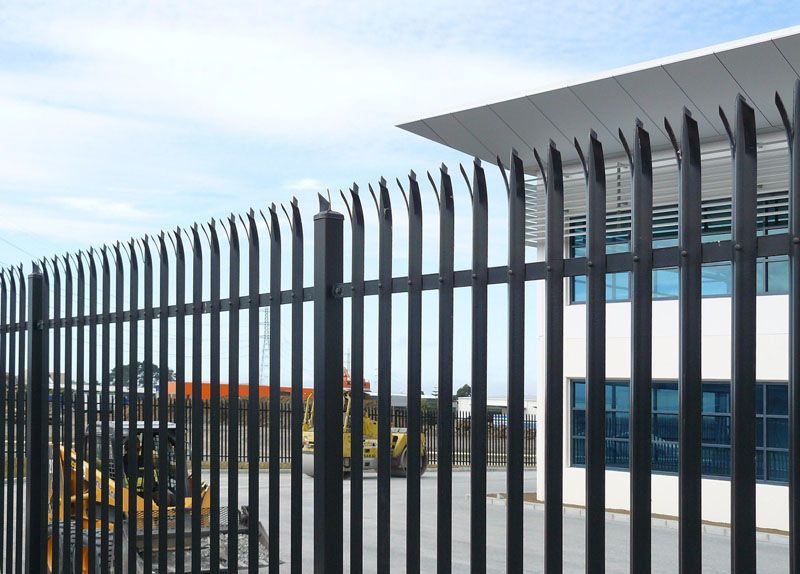
Highway and railway projects frequently utilize these systems for sound barriers or protective fencing in areas prone to landslides. The ability to integrate the barrier into a larger network of protective fences, such as Concertina razor wire or antiglare fences, allows project managers to create a multi-layered security perimeter. The structural integrity provided by the welded mesh ensures that the barrier remains an effective deterrent and physical shield regardless of the environmental stressors.
Technical Evaluation and Application Suitability
| Application Scenario | Material Priority | Installation Speed | Structural Requirement |
|---|---|---|---|
| Flood Control | High Corrosion Resistance | Rapid | High Permeability/Retention |
| Military Fortification | High Tensile Strength | Immediate | Maximum Impact Resistance |
| Water Conservancy | Zinc-Aluminum Coating | Moderate | Long-term Stability |
| Prison Perimeter | Welded Steel Rigidity | Moderate | Anti-climb/High Strength |
| Railway Protection | Industrial Grade Mesh | Planned | Lateral Load Stability |
Supplier Evaluation: Quality Management and Certifications
When sourcing barriers, the manufacturer's quality management system is the only guarantee of consistency. For industrial-scale projects, certifications such as ISO-9001 (Quality), ISO-14001 (Environmental), and OHSAS 18001 (Occupational Health) are not merely badges but indicators of a controlled production environment. These standards ensure that every weld is secure and every geotextile sheet is correctly bonded.
A professional manufacturer must integrate production, sales, and installation services to minimize on-site errors. The ability to handle OEM and ODM orders further indicates a technical capacity to adapt product specifications—such as mesh aperture or wire thickness—to meet specific regional engineering codes. This comprehensive approach reduces the risk of structural failure and ensures that the delivered product matches the design intent of the project engineer.
Future Trends in Rapid-Deployment Protective Systems
The trend in metal wire mesh products is moving toward higher sustainability and improved material science. We are seeing an increased demand for coatings that offer even greater longevity in saline or acidic environments. Furthermore, the integration of smarter filling materials—such as lightweight synthetic aggregates—is being explored to reduce the physical effort required during the filling process while maintaining the same structural mass.
For international buyers, the focus is shifting toward modularity. Systems that can be easily reconfigured or relocated are becoming more valuable than permanent installations. By optimizing the helical-coil joint design, manufacturers are reducing assembly time even further, allowing for the creation of complex defensive perimeters in a fraction of the time previously required. This evolution ensures that the Hesco barrier remains a relevant and critical tool for global infrastructure and security.
Frequently Asked Questions About Hesco Barrier Systems
What is the primary advantage of zinc-aluminum coating over standard galvanization?
Zinc-aluminum coating provides superior corrosion resistance, particularly in harsh environments, by creating a more stable protective layer that lasts longer than traditional hot-dip galvanizing, which is critical for outdoor barriers exposed to moisture.
Why is the non-woven polypropylene geotextile necessary?
The geotextile acts as a filter; it allows water to drain through the system while preventing the stone fill from escaping through the mesh, thereby maintaining the barrier's shape and preventing structural erosion.
Can these barriers be stacked vertically for increased height?
Yes, the units are designed for stacking. The lid of the lower tier serves as the base for the next tier, provided that pre-formed stiffeners are added to the exterior cells to ensure vertical stability.
What materials are typically used to fill the gabion boxes?
Graded stone, sand, or local earth are commonly used. The choice depends on the intended use; for example, graded stone is preferred for maximum structural strength and stability.
Do you support custom specifications for OEM projects?
Yes, professional manufacturers can provide OEM and ODM services to adjust wire thickness, mesh size, and coating types to meet specific project requirements or regional standards.
How are the panels secured during the installation process?
Panels are secured using spiral binders that are screwed through the mesh openings in adjacent panels, creating a rigid frame before the filling process begins.
Technical References and Industry Standards
- ISO 9001 Quality Management Systems Standards
- ASTM International Materials Testing Standards
- International Bridge and Infrastructure Engineering Guidelines
- Global Steel Wire Coating Technical Specifications
Whether you are securing a critical infrastructure site or developing a municipal flood defense, the quality of your wire mesh system determines the safety of your project. We invite you to provide your project specifications, and our technical team will assist you in selecting the optimal configuration for your specific environmental challenges.
Explore More Industrial Wire Mesh Solutions