


Architectural Expanded Metal Mesh: Durable, Sustainable Solutions for Modern Design
Why Architectural Expanded Metal Mesh is Revolutionizing Modern Design
If you’ve ever walked past a building wrapped in a delicate yet strong metallic screen, you’ve likely seen architectural expanded metal mesh in action. This material isn’t just an aesthetic choice; it’s a functional marvel that’s making waves worldwide—across urban design, industrial safety, and even humanitarian efforts.
Globally, as cities densify and demands for sustainable, cost-effective, and durable architectural elements swell, this versatile material offers an elegant solution. But what exactly makes architectural expanded metal mesh so pivotal? More importantly, why does it matter in the global context? Let’s unpack this fascinating subject together.
Global Relevance of Architectural Expanded Metal Mesh
To start, consider this: According to the United Nations’ World Urbanization Prospects, by 2030, nearly 60% of the world's population will live in urban areas. That means vertical expansion, sustainable facades, and building resilience have never been more critical. Architectural expanded metal mesh plays a big role in this evolving landscape.
Not just a design trend, but a practical solution — it addresses challenges like ventilation, natural lighting balance, and structural reinforcement, all while cutting costs and lowering carbon footprints. Oddly enough, despite its industrial origins, this mesh has become a darling of modern architects and engineers worldwide.
What is Architectural Expanded Metal Mesh?
Simply put, architectural expanded metal mesh is a sheet of metal that has been cut and stretched to form a diamond-shaped pattern — think of it as a metal web that is continuous and integral, not woven or knitted. This process creates the mesh without wasting material as opposed to traditional perforation.
Its unique structure offers both strength and flexibility, which is why it’s widely used across industries — from building facades that reduce heat gain to security barriers that don’t feel like barriers at all.
In modern industry, it’s a go-to for environments where airflow, visibility, and durability matter, such as in factories, airports, or even remote humanitarian housing projects — reducing overall construction time and material costs.
Core Components and Key Factors
1. Durability
Architectural expanded metal mesh is often made from stainless steel, aluminum, or galvanized steel, which means it can withstand harsh weather conditions without corroding quickly. This robustness is crucial in coastal cities or industrial zones where exposure to corrosive elements is common.
2. Scalability & Customization
One great thing about expanded metal mesh is that it’s easy to tailor. The size of the diamonds, the thickness of the sheet, and the metal variety can be adapted for different architectural needs — whether that’s light filtering on a high-rise or security on a warehouse fence.
3. Cost Efficiency
Because it’s made from a single sheet, waste is minimal. Also, installation times are lower than with more complex claddings or perforated panels. This savings extends beyond money — also in carbon emissions and project timelines.
4. Aesthetics & Functionality
The mesh weaves together beauty and utility. It can be powder-coated in various colors or combined with LED lighting for dynamic effects — quite the mix of form and function.
Product Specifications of Architectural Expanded Metal Mesh
| Specification | Details |
|---|---|
| Material | Stainless steel, aluminum, galvanized steel |
| Mesh Opening (Diamond Size) | Ranges from 3 mm to 100 mm (customizable) |
| Sheet Thickness | 0.5 mm to 6 mm |
| Finish | Powder coating, anodized, natural metal |
| Weight | Varies by metal and gauge |
Comparing Leading Architectural Expanded Metal Mesh Vendors
| Vendor | Material Options | Customization | Price Range | Lead Time |
|---|---|---|---|---|
| MeshMasters Inc. | Aluminum, Stainless steel | Fully Custom | $$$ | 4-6 weeks |
| UrbanMesh Ltd. | Galvanized Steel, Aluminum | Standard Sizes + Custom | $$ | 3-5 weeks |
| EcoMesh Solutions | Recycled Aluminum, Stainless steel | Eco-Friendly Focus | $$$ | 6-8 weeks |
Real-World Applications Worldwide
The versatility of architectural expanded metal mesh is evident when you look around:
- Urban Facades: Cities from New York to Tokyo are using it as sunshades on building exteriors, reducing cooling loads by up to 30% (according to ISO standards on energy efficiency).
- Industrial Safety Zones: Factories implement it for fencing, guarding machinery while allowing visibility and airflow — important where ventilation meets safety standards.
- Humanitarian Efforts: NGOs have utilized mesh panels in formulating quick, sturdy shelter frameworks where traditional materials are scarce. It’s light enough for transport but strong in assembly.
- Transportation Hubs: Airports and train stations benefit from its combination of security and transparency, allowing light, airflow, and crowd management.
Pretty fascinating how a simple sheet of metal can serve so many diverse needs worldwide.
Advantages & Long-Term Value
What’s compelling about architectural expanded metal mesh is really multifaceted:
- Cost Savings: Installation tends to be fast, cutting labor costs. Plus, minimal waste during manufacture.
- Environmental Impact: Often made from recyclable or recycled metals, meshes contribute to sustainable building practices, aligning with green building certifications like LEED.
- Safety & Social Impact: Durable protection creates safe spaces without the oppressive feel of solid walls — preserving dignity especially in humanitarian contexts.
- Longevity & Low Maintenance: Less prone to damage or corrosion equals fewer repairs and replacements over decades.
Frankly, it’s the sort of innovation where beauty meets brains — a testament to thoughtful engineering and environmental stewardship.
Future Trends & Innovations
Looking ahead, there’s a lot to be excited about. Advances in eco-friendly coatings mean meshes can be even more weather-resistant without toxic chemicals. Digital fabrication techniques like CNC cutting and robotics are making custom designs more affordable and precise.
Smart building trends also play a role: integrating solar panels or LED lighting directly onto expanded metal meshes creates dynamic façades that can generate power or change appearance based on environmental inputs.
Plus, policies from international bodies like the International Organization for Standardization (ISO) are pushing for higher sustainability and safety standards in building materials, which favor materials like expanded metal mesh with proven longevity and recyclability.
Challenges & Solutions
Of course, some challenges exist — for example, the upfront cost can be a burden on smaller projects or those in developing regions. And in some settings, installation requires specialized knowledge to avoid structural or aesthetic issues.
Thankfully, many firms now offer modular, pre-engineered panels to simplify assembly. Training programs and collaboration between architects, engineers, and manufacturers help overcome these hurdles, ensuring wider adoption.
Frequently Asked Questions About Architectural Expanded Metal Mesh
- What are the primary advantages of using architectural expanded metal mesh over perforated panels?
- Expanded metal mesh is generally stronger and more rigid than perforated panels because it is created by stretching the metal rather than drilling holes, which maintains material integrity and offers better load-bearing capacity. It also provides more surface area coverage, enhancing both aesthetics and function.
- Is architectural expanded metal mesh suitable for coastal environments?
- Yes, especially when made from stainless steel or aluminum with appropriate protective coatings. These materials handle corrosion challenges posed by salt air effectively, offering long service life in coastal cities or marine facilities.
- Can architectural expanded metal mesh contribute to LEED or other green building certifications?
- Absolutely. Because it reduces energy use through shading and ventilation, is often recyclable, and reduces material waste during manufacture, it earns points toward sustainability credits in building certification programs.
- How customizable is the mesh for unique architectural projects?
- Very customizable. The size of openings, metal type, sheet thickness, and finish can all be tailored. Many manufacturers offer CAD services to help realize complex architectural visions precisely.
- Is installation complicated and does it require special tools?
- While installation is generally straightforward, complexity depends on the project. Some systems are modular and easy to install, while others for large façades may need engineering support and specialized fastening systems.
Conclusion: Embrace Architectural Expanded Metal Mesh for the Future
In sum, architectural expanded metal mesh promises long-term value: economical, sustainable, and visually striking. It’s a modern classic that helps architects and engineers meet the pressing needs of our growing, urbanizing, and environmentally-aware world.
If you want to learn more or explore tailored solutions, I highly recommend visiting this platform — they specialize in innovative expanded metal mesh products designed with future needs in mind.
So next time you see a metallic screen glinting in the sun on a building, remember — it’s more than decoration. It’s a carefully engineered response to global challenges, blending beauty, strength, and sustainability.
Consider how such materials might transform not only skylines but lives worldwide.
Quick Takeaway: Architectural expanded metal mesh skillfully balances design, durability, and sustainability — a true material for the 21st-century built environment.
References:
Latest News About CHENG CHUANG
-
 Heavy Duty 6 gauge welded wire mesh for Security and StrengthWhen it comes to heavy-duty containment, security, and structural reinforcement, choosing the right material is critical. The 6 gauge welded wire mesh stands as a premier choice for those requiring a balance of extreme rigidity and precise spacing. Whether you are securing a commercial perimeter, building industrial livestock panels, or creating reinforced concrete structures, this specific thickness provides the structural integrity needed to withstand significant pressure and impact. In this comprehensive guide, we will explore the technical specifications, primary applications, and why this mesh is the gold standard for high-security fencing solutions.Read more >
Apr 16 2026
-
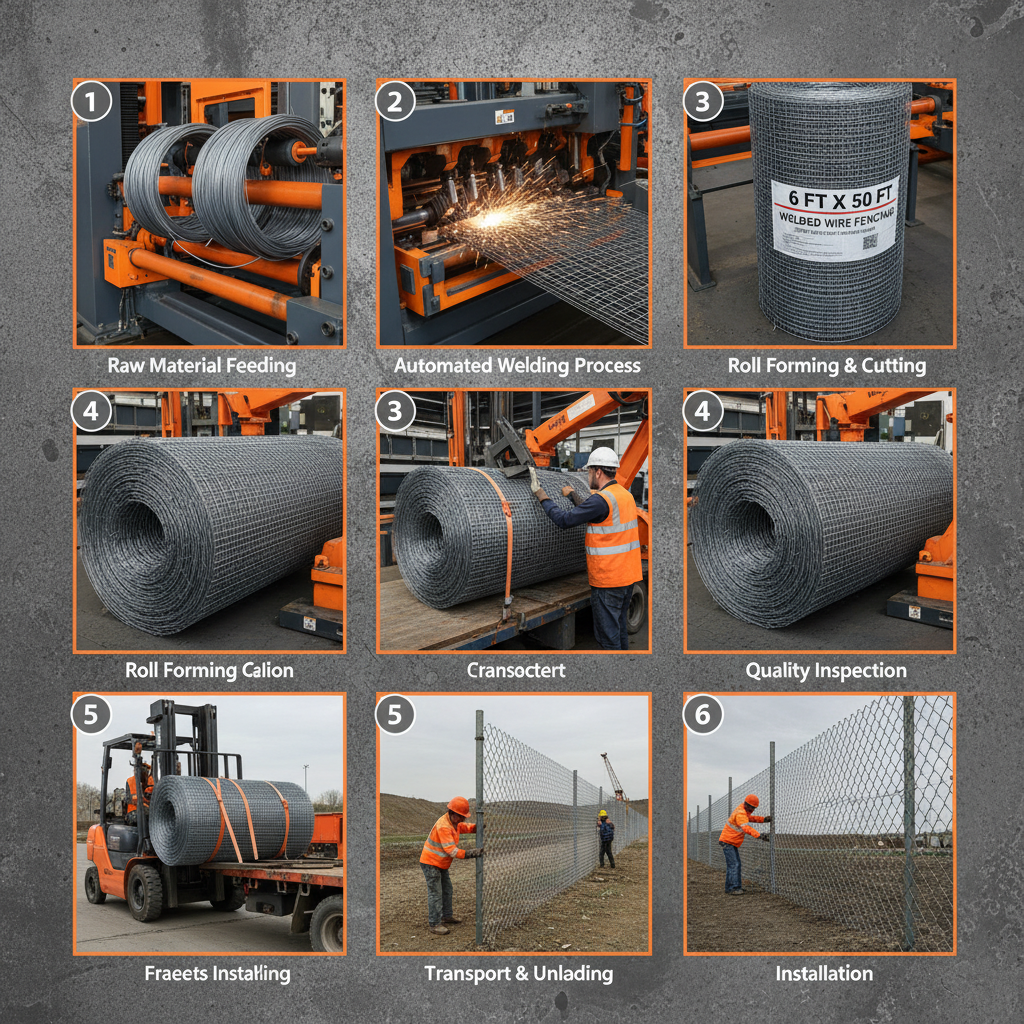 Durable 6 ft x 50 ft welded wire fencing for Security and GardensWhen it comes to securing a perimeter, whether for agricultural use, garden protection, or industrial boundaries, the dimensions and material of your fence matter. The 6 ft x 50 ft welded wire fencing offers an ideal balance of height and length, providing a robust barrier that is easy to install and maintain. Choosing a welded wire system ensures that the intersections are fused together, preventing the shifting and sagging often found in woven alternatives. In this guide, we will explore why this specific size is a preferred choice for property owners and how to maximize its effectiveness for your specific project.Read more >
Apr 09 2026
-
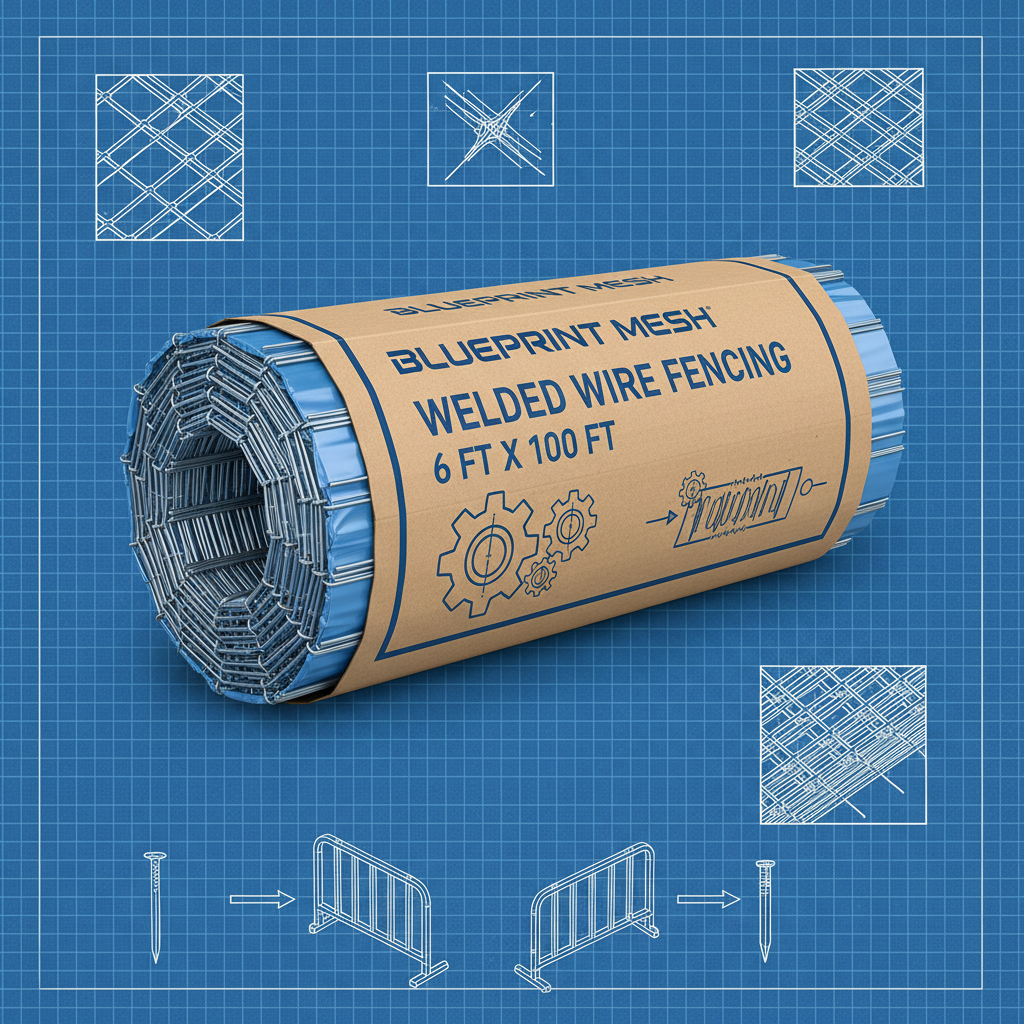 Comprehensive Guide to Choosing the Best 6 ft x 100 ft Welded Wire FencingWelded wire fencing is a versatile and cost-effective solution for a wide range of applications, from agricultural containment to residential security. Understanding the nuances of different types, especially when considering a size like 6 ft x 100 ft welded wire fencing, is crucial for making the right investment. This article will guide you through the essential factors to consider, helping you select the fencing that best suits your specific requirements.Read more >
Apr 07 2026
-
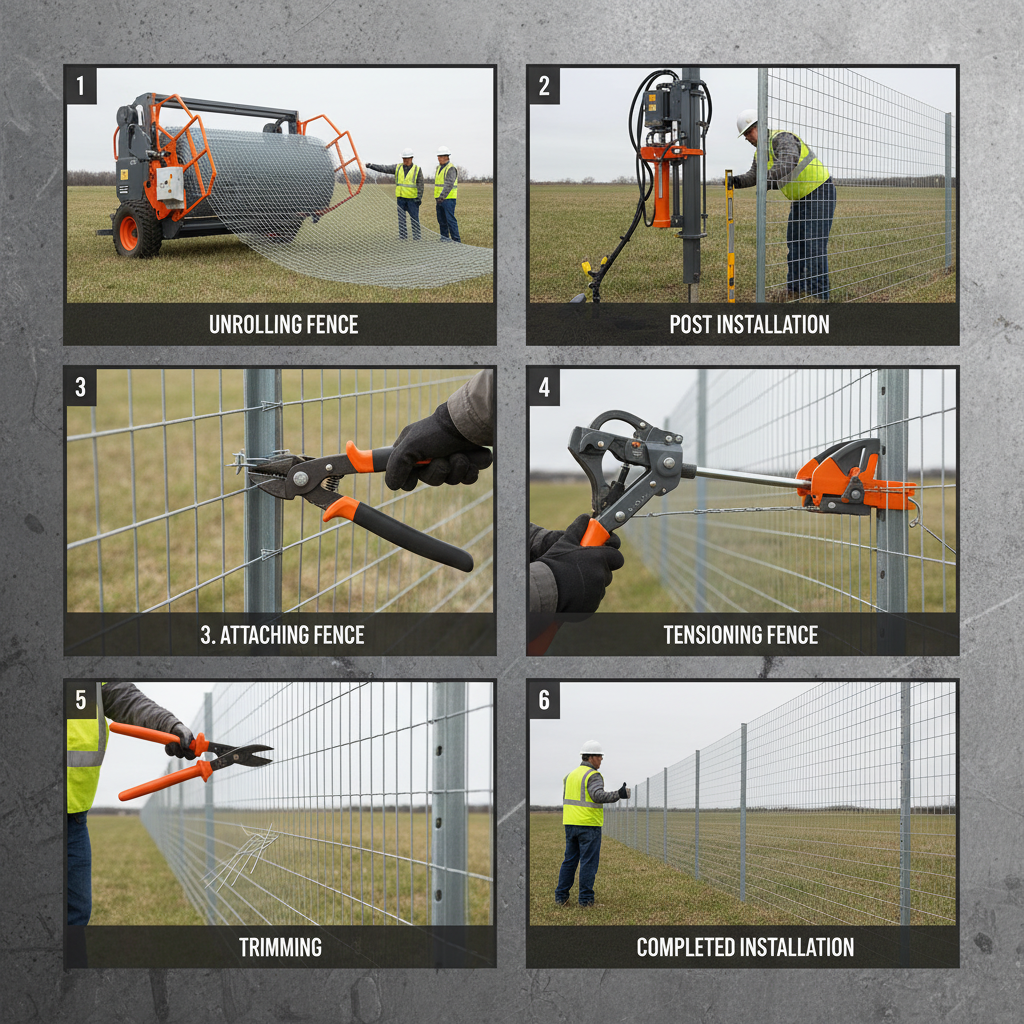 Comprehensive Guide to Choosing a 6 ft x 100 ft 12.5 Gauge Welded Wire FenceSelecting the appropriate fence for your property requires careful consideration. A 6 ft x 100 ft 12.5 gauge welded wire fence offers a robust and versatile solution for a variety of applications, from pet containment to garden protection and security. This guide will explore the benefits, applications, installation tips, and considerations when choosing this type of fencing. Understanding its construction and comparing it to other fencing options will help you make an informed decision.Read more >
Apr 04 2026
-
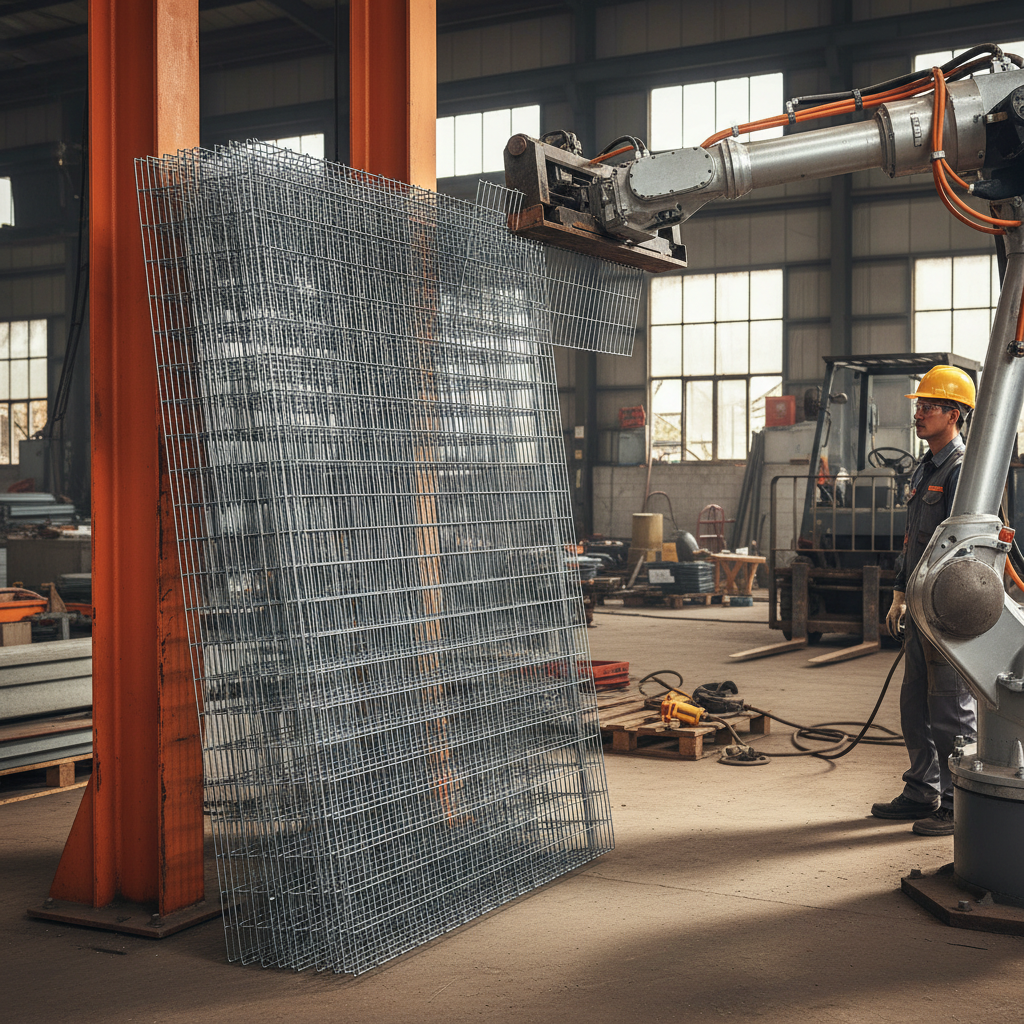 Comprehensive Guide to Durable 6 ft Welded Wire Fencing Panels and ApplicationsWhen selecting fencing for your property, 6 ft welded wire fencing panels offer a robust and versatile solution. These panels combine strength, security, and ease of installation, making them a popular choice for both residential and commercial applications. This article delves into the benefits, applications, installation, and maintenance of these panels, helping you make an informed decision.Read more >
Mar 31 2026