


Buy Razor Wire for Sale - High-Security Fencing & Protection
Industry Trends in Perimeter Security and razor wire for sale
The global perimeter security market is experiencing robust growth, driven by escalating security concerns across critical infrastructure, industrial facilities, and high-value asset protection. Recent market analysis projects the perimeter security market to reach approximately $28.2 billion by 2027, with a compound annual growth rate (CAGR) of 8.9% from 2022 to 2027. This expansion underscores the increasing demand for advanced, deterrent physical barriers. Within this landscape, razor wire for sale continues to be a cornerstone solution, valued for its formidable deterrent capabilities and cost-effectiveness.
Key trends include the integration of physical barriers with electronic surveillance systems, such as CCTV and motion sensors, to create multi-layered security frameworks. Furthermore, there's a growing emphasis on enhanced material durability, corrosion resistance, and simplified installation protocols to reduce lifecycle costs. For applications requiring heightened security, the demand for specialized configurations like flat wrap razor wire and razor mesh wire fence solutions is steadily rising, pushing manufacturers to innovate in material science and design. The market is also seeing a shift towards solutions that offer both high security and aesthetic consideration for less aggressive environments, though for primary deterrents, the classic profile of razor wire remains paramount.
The increasing complexity of threats, from industrial espionage to vandalism and theft, necessitates a proactive approach to perimeter defense. Consequently, industries are investing in comprehensive security systems where physical barriers like razor wire for sale play a critical, foundational role in delaying and deterring unauthorized access before electronic systems are breached. This strategic positioning reinforces its indispensability in modern security planning.
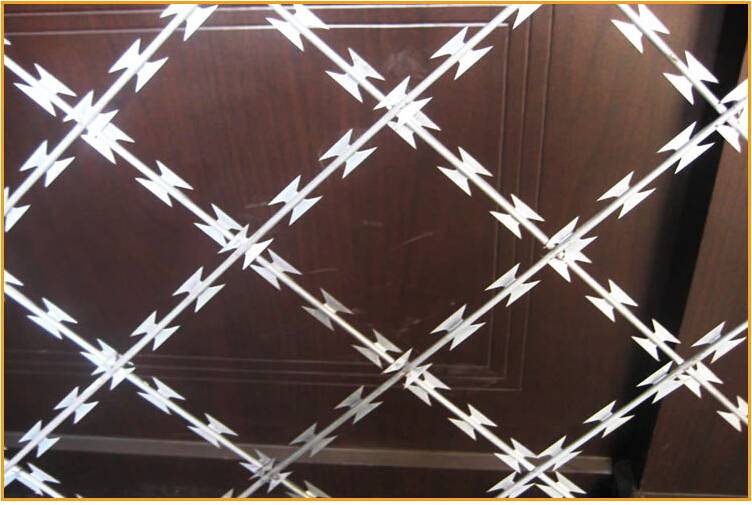
Technical Specifications and Parameters of Razor Wire Systems
Understanding the technical specifications of razor wire for sale is crucial for effective perimeter security planning. These systems are engineered for maximum deterrence and physical impedance, incorporating specific material properties and design configurations.
Core Material and Blade Profiles
The core wire typically consists of high-tensile steel, often galvanized for corrosion resistance, with a diameter ranging from 2.5mm to 3.0mm. The razor blades are precision-stamped from galvanized steel sheets (often G90 or G120 for superior zinc coating mass) or stainless steel (SS304, SS316) for extreme environmental conditions. Common blade profiles include:
- BTO-22 (Barbed Tape Obstacle 22): Blade length ~22mm, width ~15mm. Standard and widely used for general security.
- CBT-65 (Concertina Barbed Tape 65): Blade length ~65mm, width ~21mm. Offers increased deterrent effect due to longer, sharper blades.
- BTO-10, BTO-12, BTO-30: Other variations catering to specific security needs and aesthetic preferences.
Configuration Types
- Single Coil Razor Wire: A single strand of razor wire formed into a continuous coil.
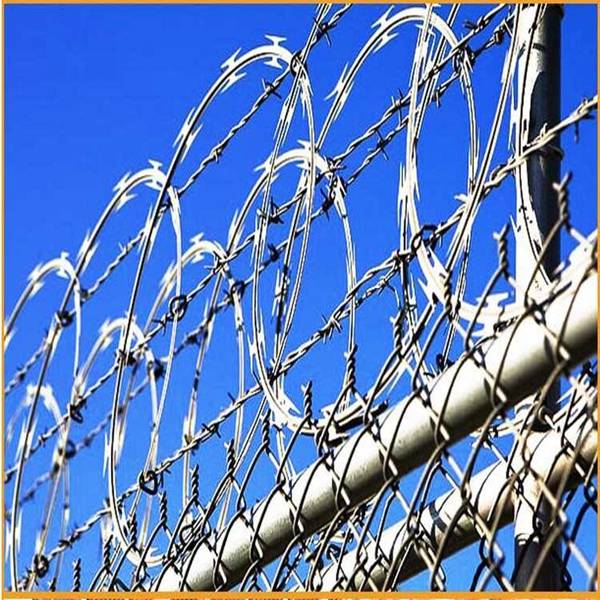
- Concertina (Crossed) Razor Wire: Two adjacent coils fastened together at multiple points with clips, creating a denser, more effective barrier. This is the most common and robust configuration for perimeter fencing.
- Flat Wrap Razor Wire: Coiled into a flat disc, often installed against existing vertical fences or walls for a less aggressive appearance while maintaining high security.
- Razor Wire Mesh Fence: A welded or woven mesh panel constructed entirely from razor wire, providing an impenetrable barrier. This type, like the razor wire mesh fence product, offers a continuous, rigid security solution.
Key Product Specifications Table
| Parameter | Standard Specification | ASTM/ISO Reference |
|---|---|---|
| Material (Core Wire) | High Tensile Galvanized Steel Wire (Hot-dip) | ASTM A641/A641M |
| Material (Blade) | Galvanized Steel Sheet (e.g., Q195) / Stainless Steel (SS304/SS316) | ASTM A653/A653M, ASTM A240/A240M |
| Core Wire Diameter | 2.5 mm – 3.0 mm (±0.05mm) | ISO 2232 |
| Blade Thickness | 0.5 mm – 0.6 mm (±0.05mm) | N/A (manufacturer specific tolerance) |
| Coil Diameter (Expanded) | 450mm, 600mm, 750mm, 900mm, 1000mm | ISO 2232 |
| Number of Loops per Coil | 33 - 56 (depending on expanded length) | N/A |
| Clips per Coil | 3-5 clips per loop interval | N/A |
| Coating Thickness (Zinc) | Min 100 g/m² (Hot-dip galvanized) | ISO 1461, ASTM A90/A90M |
Application Scenarios and Target Industries for Razor Wire Solutions
The versatility and high-security attributes of razor wire for sale make it an indispensable asset across a wide spectrum of industrial and governmental applications. Its primary function is to create a physical and psychological barrier that deters unauthorized entry and significantly delays any breach attempts.
Target Industries
- Petrochemical Industry: Securing refineries, storage tanks, and pipelines against sabotage, theft, and unauthorized access. The robust nature of razor wire fencing can withstand harsh environmental conditions common in these facilities.
- Metallurgy and Mining: Protecting valuable raw materials, equipment, and sensitive operational areas. The physical barrier prevents intrusion and minimizes material loss.
- Water Supply & Drainage: Safeguarding reservoirs, treatment plants, pumping stations, and critical infrastructure from tampering or contamination.
- Energy Sector: Defense for power plants (nuclear, thermal, hydro), substations, and transmission lines. Essential for preventing energy grid disruptions.
- Military & Correctional Facilities: Providing primary and secondary perimeter defense due to its high deterrence and difficulty of penetration.
- Logistics & Warehousing: Securing distribution centers, freight yards, and storage facilities for high-value goods.
- Border Security: Utilized in conjunction with other fencing solutions to delineate and protect national borders.
- High-Security Research & Data Centers: Protecting sensitive intellectual property and critical data infrastructure.
Typical Application Scenarios and Advantages
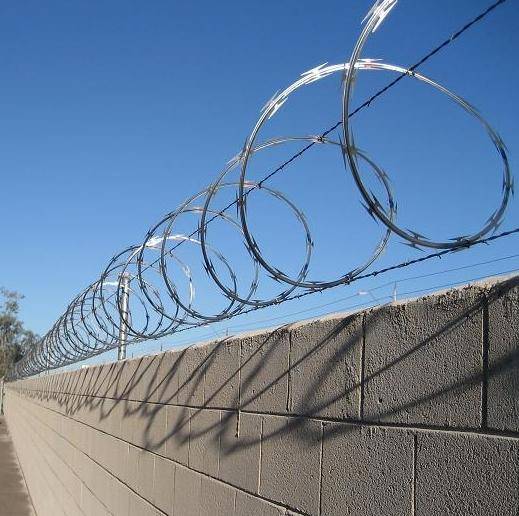
- Perimeter Fencing Topping: Installed atop existing chain-link, welded mesh, or brick walls to significantly increase their effective height and deterrent capability. This is a cost-effective upgrade for enhanced security.
- Stand-alone Razor Fence for Sale: Constructed as an independent barrier, providing a formidable, almost impenetrable line of defense for critical sites. These can often be referred to as a razor wire fence for sale or a dedicated razor fencing wire for sale solution.
- Gate Security: Reinforcing entry and exit points to prevent unauthorized access, often integrated with automatic gate systems.
- Internal Exclusion Zones: Creating secure areas within a larger facility to restrict access to sensitive equipment or materials.
- Temporary Security Barriers: Rapid deployment for event security, disaster zones, or construction sites needing quick, effective deterrence.
The primary advantages include unparalleled physical deterrence, effective slowing of intrusion attempts (providing valuable response time for security personnel), and strong psychological discouragement due to its aggressive appearance. Furthermore, modern galvanized and PVC-coated razor wire offers excellent corrosion resistance, extending its service life significantly even in harsh environments, reducing the need for frequent maintenance and replacement. This translates into long-term operational cost savings for security infrastructure.
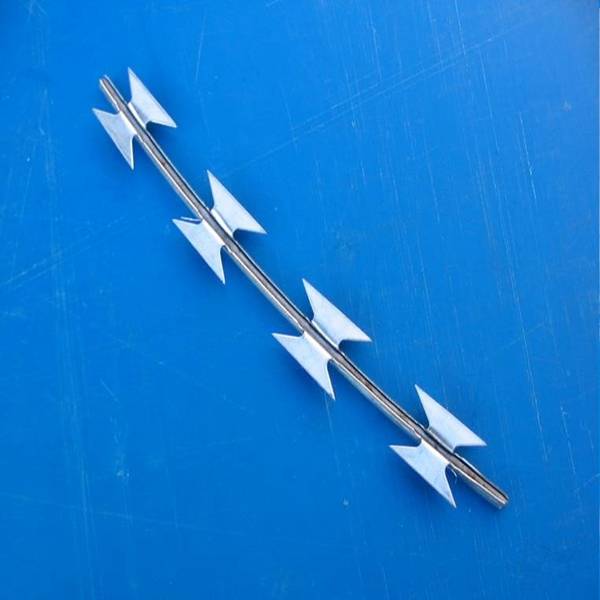
Manufacturing Process Flow of High-Grade Razor Wire
The production of high-quality razor wire for sale involves a meticulous process, ensuring durability, corrosion resistance, and optimal deterrent properties. Adherence to international standards like ISO 9001 for quality management is paramount throughout this flow.
1. Material Sourcing & Inspection
- Core Wire: High-carbon steel wire (typically AISI 1060-1080) with a tensile strength of 1000-1600 MPa is sourced, primarily hot-dip galvanized for a minimum zinc coating of 100 g/m² as per ASTM A641/A641M.
- Blade Material: Galvanized steel sheets (Q195 or equivalent) with a minimum thickness of 0.5mm, or stainless steel sheets (SS304/SS316) for superior corrosion resistance in marine or chemical environments.
- Quality Check: Raw materials undergo spectrometer analysis, tensile strength tests, and coating thickness verification to ensure compliance with specifications.
2. Precision Blade Stamping
- High-speed precision stamping machines equipped with specialized dies are used to cut and form the razor blades (e.g., BTO-22, CBT-65 profiles) from the steel sheets.
- This process ensures consistent blade geometry, sharpness, and burr-free edges, critical for both deterrence and safe handling during installation.
3. Blade and Wire Assembly (Crimping)
- The pre-cut galvanized core wire is fed into an automated assembly machine.
- Stamped razor blades are mechanically crimped onto the core wire at precise, uniform intervals. This robust mechanical bond ensures blades remain securely attached even under stress.
- For PVC-coated razor wire, the core wire would be coated prior to blade crimping, or the entire assembly might be coated afterwards in specialized processes, enhancing corrosion resistance and offering color options for specific aesthetic requirements.
4. Coil Forming and Configuration
- The continuous razor wire is then coiled into its final configuration: single coil, concertina (crossed) coil, or flat wrap coil.
- For concertina coils, adjacent loops are securely fastened together at multiple points using heavy-duty clips (typically galvanized or stainless steel), forming a dense, spring-like barrier. The number of clips per loop is critical for structural integrity, often 3 or 5 clips per rotation.
5. Quality Control and Testing Standards
- Visual Inspection: Checking for blade uniformity, secure crimping, and overall finish.
- Dimensional Accuracy: Verification of coil diameter, blade length, and pitch according to ISO 2232 standards.
- Coating Adhesion & Thickness: Salt spray tests (ASTM B117) for galvanized and PVC-coated products to assess corrosion resistance. Coating thickness measurements (ISO 1461, ASTM A90/A90M).
- Tensile Strength: Random samples of core wire are tested to ensure they meet specified breaking loads, guaranteeing the wire’s resistance to cutting and stretching.
- Service Life: With proper galvanization (100-275 g/m² zinc coating), the service life of standard razor wire is typically 7-15 years in moderate environments, and up to 25+ years for heavily galvanized or stainless steel variants, minimizing lifecycle costs and ensuring long-term security.
Vendor Comparison and Customized Solutions for Razor Wire
When procuring razor wire for sale, selecting the right vendor and exploring customized solutions are critical to ensuring optimal performance and cost-efficiency. Factors such as manufacturing quality, material certifications, customization capabilities, and after-sales support differentiate leading suppliers.
Vendor Comparison Factors
| Criterion | Tier 1 Vendor (e.g., CHCH Fence) | Standard Vendor |
|---|---|---|
| Material Quality & Traceability | High-grade galvanized/stainless steel (ASTM, ISO certified), full material traceability. | Standard galvanized steel, limited traceability. |
| Manufacturing Standards | ISO 9001, rigorous QC, consistent blade geometry & crimping. | Basic QC, potential inconsistencies in production. |
| Corrosion Resistance & Service Life | Min 100 g/m² zinc coating, 10-25+ years life, optional PVC/PVDF coating. | Lower zinc coating (e.g., 30-60 g/m²), 3-7 years life. |
| Customization Capability | Extensive options: blade profiles, coil diameters, materials (SS316, galvanized, PVC), specialized clips. | Limited standard options only. |
| Technical Support & Warranty | Detailed pre-sales consultation, engineering support, comprehensive warranty. | Basic product information, limited post-purchase support. |
Customized Solutions
The specific security demands of industrial and critical infrastructure projects often necessitate tailor-made razor fence for sale solutions. Leading manufacturers provide extensive customization options:
- Material Specifications: Beyond standard galvanized steel, options include marine-grade SS316 stainless steel for coastal or highly corrosive industrial environments, or specialized alloy steels for extreme tensile strength requirements.
- Blade Profiles and Density: Custom blade designs for enhanced psychological deterrence or specific aesthetic integration. Variable blade density along the wire for targeted high-risk zones.
- Coil Diameter and Loop Count: Exact coil diameters (e.g., 850mm, 1200mm) and specific numbers of loops per coil to match existing fence structures or achieve precise coverage.
- Coating Options: PVC or PVDF coating in specific RAL colors for camouflage or environmental blending, while adding an extra layer of corrosion protection.
- Attachment Hardware: Custom-designed brackets, clips, and tensioning systems for unique installation requirements, including integration with security sensors or existing infrastructure.
- Razor Mesh Panels: Fabrication of razor mesh wire for sale into rigid panels, offering a flat, robust, anti-climb barrier that can be seamlessly integrated into high-security fencing systems for a visually imposing and physically impenetrable wall.
Engaging with a vendor that offers robust engineering support and a proven track record in customized solutions ensures that the deployed security system precisely meets the unique challenges of each site, optimizing both effectiveness and long-term value.
Application Case Studies and Customer Feedback
Real-world application demonstrates the efficacy and reliability of razor wire for sale in diverse, demanding environments. These case studies highlight successful implementations and validate the product's performance.
Case Study 1: Perimeter Upgrade for a Major Oil & Gas Refinery
- Challenge: An aging chain-link fence at a large petrochemical refinery faced increased security threats, necessitating an upgrade without full fence replacement. The corrosive atmosphere demanded highly durable materials.
- Solution: Installation of concertina razor wire for sale (CBT-65 profile, 900mm expanded diameter) atop 3.0-meter existing fences, utilizing heavily galvanized wire (200 g/m² zinc coating) and stainless steel clips. A total of 12 km of razor wire was deployed over 3 months.
- Outcome: A significant increase in physical deterrence and a 75% reduction in attempted perimeter breaches within the first year, as reported by the refinery's security department. The enhanced corrosion resistance has ensured a projected service life exceeding 15 years, reducing maintenance cycles.
Case Study 2: Protecting a Sensitive Data Center in a Urban Environment
- Challenge: A new data center required robust perimeter security that offered maximum deterrence while maintaining a relatively discreet profile suitable for its urban location.
- Solution: Implementation of flat-wrap razor fence for sale installed flush against a 4.0-meter rigid welded mesh fence. The flat configuration of BTO-22 blades provided a high-security barrier without the aggressive projection of traditional concertina coils. The razor mesh fence panels were used around critical access points for added rigidity and protection.
- Outcome: The integrated system achieved Tier 3 security compliance, successfully deterring unauthorized entry attempts. The flat-wrap design satisfied local planning requirements for visual impact while delivering superior physical security.
Customer Feedback Highlights
- "The quality of the razor wire we received was exceptional, exceeding our previous supplier's products. The installation was straightforward, and the durability in our harsh industrial environment has been impressive." – Head of Security, National Power Grid Operator
- "We needed a rapid deployment solution for a temporary high-value storage site. The flat-wrap razor wire was perfect; easy to install, yet highly effective. The team's technical support was invaluable." – Logistics Manager, International Aid Organization
- "Our existing prison perimeter required significant reinforcement. The concertina razor wire supplied was robust and has dramatically improved our overall security posture, reducing escape attempts by a measurable margin." – Director of Facilities, Correctional Services Department
Frequently Asked Questions (FAQ) about Razor Wire Systems
Q1: What is the primary difference between barbed wire and razor wire?
A1: While both serve as deterrents, razor wire for sale offers a significantly higher level of security. Barbed wire consists of steel wire with intermittent sharp barbs. Razor wire, conversely, features continuous strands of steel tape stamped into sharp blades, providing a more formidable, difficult-to-breach barrier due to its cutting edges and coil configuration. Razor wire is designed to snag and cut, whereas barbed wire primarily snags.
Q2: What are the common materials used for razor wire, and how does it affect lifespan?
A2: The most common materials are high-tensile galvanized steel (core wire and blades) and stainless steel (SS304 or SS316 for extreme corrosion resistance). Galvanized razor wire typically has a zinc coating of 100-275 g/m², providing a service life of 7-25 years depending on environmental conditions. Stainless steel variants offer exceptional durability, often exceeding 25 years even in highly corrosive marine or industrial settings. PVC or PVDF coatings can further extend life and offer additional protection.
Q3: Can razor wire be installed on top of existing fences or walls?
A3: Yes, this is one of the most common applications. Razor wire fence for sale is often installed as a topping on existing chain-link fences, welded mesh fences, brick walls, or concrete barriers to significantly increase their height and security. Specialized brackets and extension arms are used to secure the coils, ensuring maximum deterrent effect and preventing easy bypass.
Q4: What safety precautions should be taken during installation?
A4: Due to its extremely sharp blades, razor wire installation requires strict safety protocols. This includes wearing heavy-duty cut-resistant gloves, eye protection, long-sleeved clothing, and using specialized tools like razor wire clips, tensioners, and coil expanders. Only trained personnel should undertake installation to prevent injuries and ensure proper deployment.
Q5: Is razor wire legal for private property use?
A5: The legality of installing razor wire on private property varies by jurisdiction. Many areas have regulations concerning the height, visibility, and placement of aggressive barriers to prevent accidental injury to the public. It is crucial to consult local zoning laws, ordinances, and property regulations before purchasing and installing razor fencing wire for sale for any application to ensure compliance.
Lead Time, Warranty, and Customer Support
Lead Time and Fulfillment
Standard razor wire for sale products, such as BTO-22 or CBT-65 concertina coils of common diameters (e.g., 450mm, 750mm, 900mm), typically have a lead time of 7-14 business days for quantities up to 10,000 meters. Larger orders or customized solutions, including specific blade profiles, stainless steel materials, or specialized coatings, may require 3-6 weeks, depending on complexity and current production schedules. We maintain strategic inventory levels for commonly requested specifications to facilitate expedited shipments for urgent requirements. Detailed lead times are provided upon quotation and order confirmation.
Warranty Commitments
Our products are backed by comprehensive warranties that reflect our confidence in their quality and durability. Standard hot-dip galvanized razor wire comes with a 5-year anti-corrosion warranty for the zinc coating. For heavily galvanized (200g/m²+) or stainless steel options, the anti-corrosion warranty extends to 10-15 years. All products are warranted against manufacturing defects for a period of 12 months from the date of purchase. This warranty covers material failure and defects in craftsmanship under normal operational conditions. Exclusions apply for damage due to improper installation, misuse, or external force majeure events. Full warranty details are available upon request.
Customer Support and Technical Assistance
We are committed to providing exceptional customer service and technical support to ensure successful project implementation. Our dedicated team of B2B specialists and engineers offers:
- Pre-Sales Consultation: Expert guidance on product selection, material suitability, and configuration based on specific security requirements and environmental factors.
- Technical Documentation: Provision of detailed product specifications, installation guides, and safety recommendations.
- Installation Support: Remote assistance and advice for installation best practices, ensuring optimal performance and safety.
- After-Sales Service: Prompt response to inquiries, troubleshooting assistance, and support for warranty claims.
Our goal is to forge long-term partnerships by delivering reliable products and unparalleled support, from initial inquiry through to post-installation and beyond.
Conclusion
In an increasingly complex security landscape, the strategic deployment of razor wire for sale remains a critical component of robust physical perimeter defense systems. Its proven efficacy in deterring unauthorized access, combined with continuous advancements in material science and manufacturing processes, solidifies its position as an indispensable security asset for diverse industries. From petrochemical facilities to data centers, the adaptability of razor wire solutions, including specialized configurations like razor mesh fencing, provides tailored answers to stringent security demands. Investing in high-quality, certified razor wire from a reputable vendor, supported by comprehensive technical assistance and warranty, ensures long-term security effectiveness and optimized total cost of ownership. The evolution of perimeter security will undoubtedly continue, but the foundational role of physical barriers such as razor wire will remain paramount in establishing initial lines of defense against evolving threats.
References
- MarketsandMarkets. "Perimeter Security Market - Global Forecast to 2027." Published [specific year if available, e.g., 2022].
- ASTM International. "Standard Specifications for Zinc-Coated (Galvanized) Steel Barbed Tape." ASTM A641/A641M.
- ISO. "Wire ropes - Steel wire for ropes - Part 2: High tensile steel wire." ISO 2232.
- International Journal of Security Studies. "Physical Barrier Effectiveness in Critical Infrastructure Protection." Vol. X, Issue Y.
Latest News About CHENG CHUANG
-
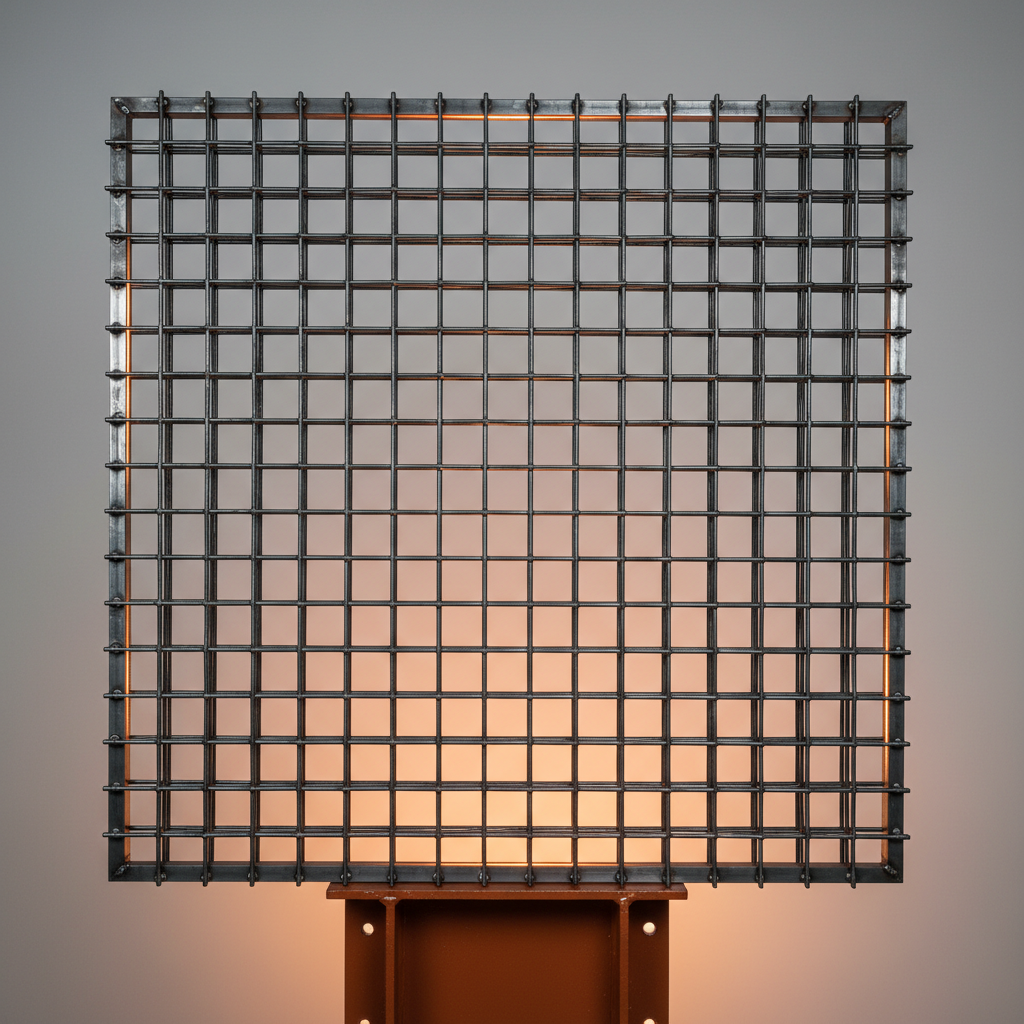 Heavy Duty 6 gauge welded wire mesh for Security and StrengthWhen it comes to heavy-duty containment, security, and structural reinforcement, choosing the right material is critical. The 6 gauge welded wire mesh stands as a premier choice for those requiring a balance of extreme rigidity and precise spacing. Whether you are securing a commercial perimeter, building industrial livestock panels, or creating reinforced concrete structures, this specific thickness provides the structural integrity needed to withstand significant pressure and impact. In this comprehensive guide, we will explore the technical specifications, primary applications, and why this mesh is the gold standard for high-security fencing solutions.Read more >
Apr 16 2026
-
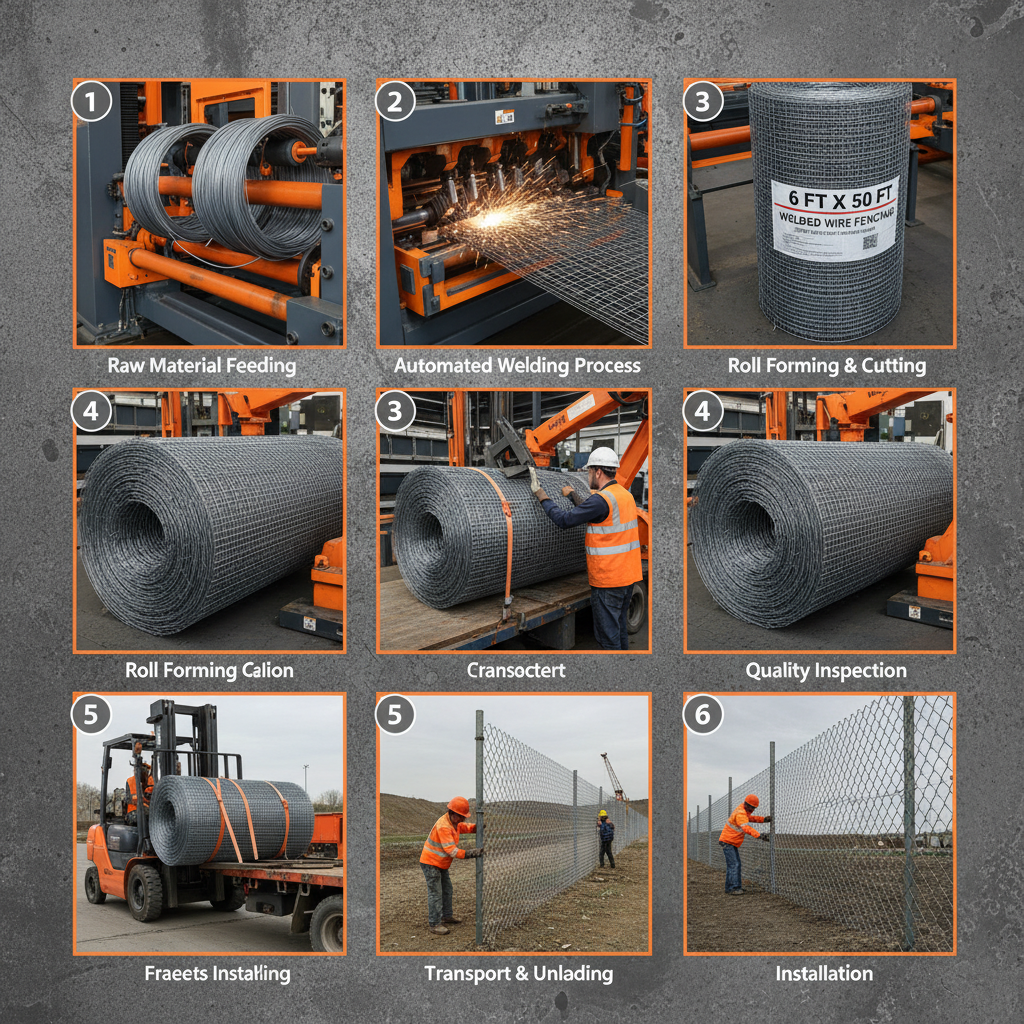 Durable 6 ft x 50 ft welded wire fencing for Security and GardensWhen it comes to securing a perimeter, whether for agricultural use, garden protection, or industrial boundaries, the dimensions and material of your fence matter. The 6 ft x 50 ft welded wire fencing offers an ideal balance of height and length, providing a robust barrier that is easy to install and maintain. Choosing a welded wire system ensures that the intersections are fused together, preventing the shifting and sagging often found in woven alternatives. In this guide, we will explore why this specific size is a preferred choice for property owners and how to maximize its effectiveness for your specific project.Read more >
Apr 09 2026
-
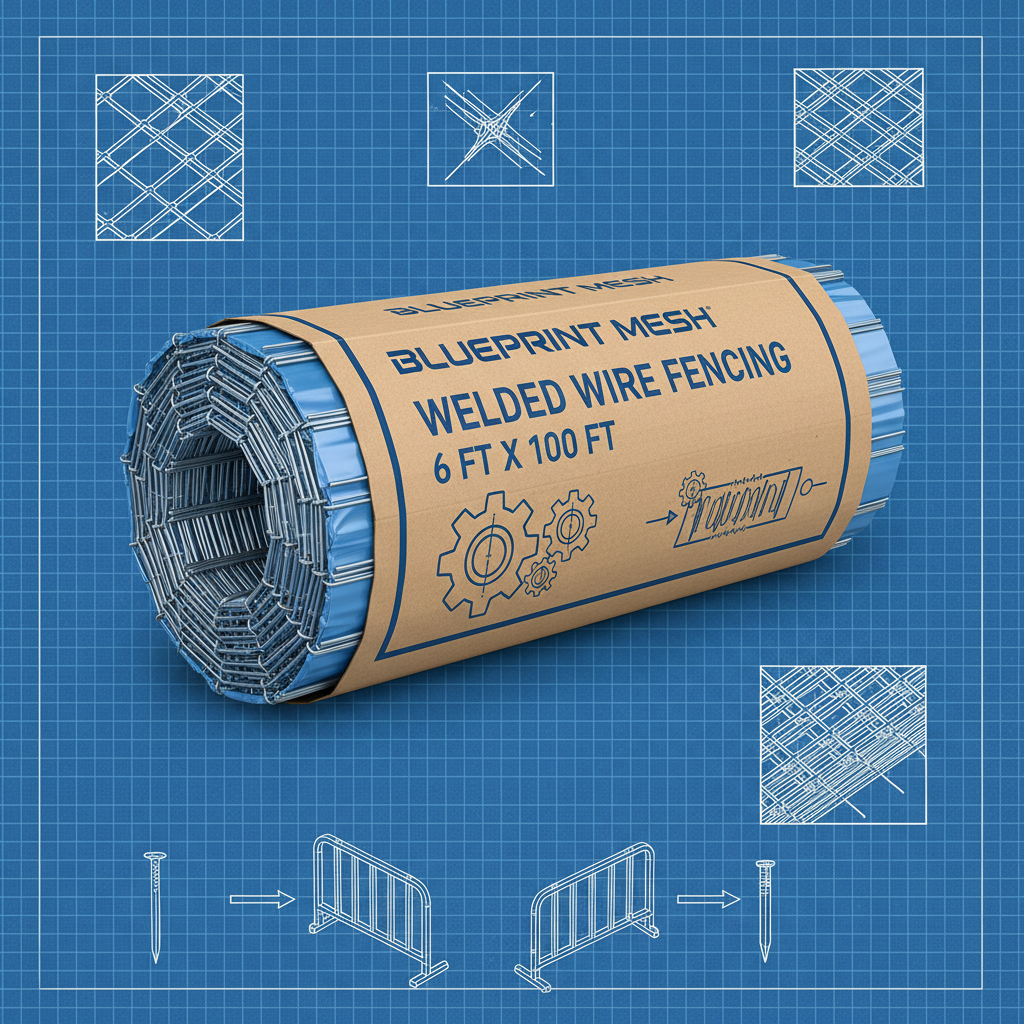 Comprehensive Guide to Choosing the Best 6 ft x 100 ft Welded Wire FencingWelded wire fencing is a versatile and cost-effective solution for a wide range of applications, from agricultural containment to residential security. Understanding the nuances of different types, especially when considering a size like 6 ft x 100 ft welded wire fencing, is crucial for making the right investment. This article will guide you through the essential factors to consider, helping you select the fencing that best suits your specific requirements.Read more >
Apr 07 2026
-
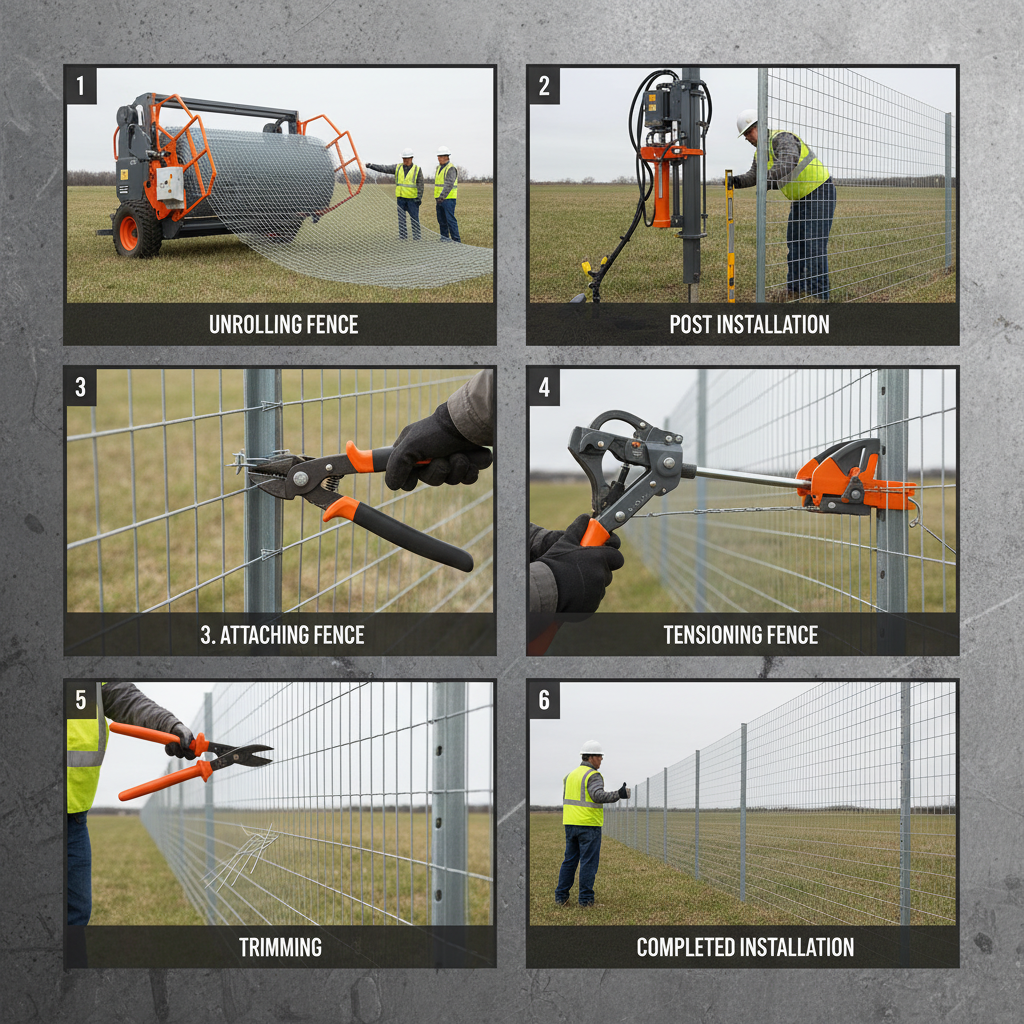 Comprehensive Guide to Choosing a 6 ft x 100 ft 12.5 Gauge Welded Wire FenceSelecting the appropriate fence for your property requires careful consideration. A 6 ft x 100 ft 12.5 gauge welded wire fence offers a robust and versatile solution for a variety of applications, from pet containment to garden protection and security. This guide will explore the benefits, applications, installation tips, and considerations when choosing this type of fencing. Understanding its construction and comparing it to other fencing options will help you make an informed decision.Read more >
Apr 04 2026
-
 Comprehensive Guide to Durable 6 ft Welded Wire Fencing Panels and ApplicationsWhen selecting fencing for your property, 6 ft welded wire fencing panels offer a robust and versatile solution. These panels combine strength, security, and ease of installation, making them a popular choice for both residential and commercial applications. This article delves into the benefits, applications, installation, and maintenance of these panels, helping you make an informed decision.Read more >
Mar 31 2026