


Common Nails Are Versatile
From ancient woodworking to modern construction sites, common nails remain indispensable fasteners binding our built world. These unassuming heroes, technically categorized as common wire nail products, combine simplicity with brute-force functionality. When evaluating project costs, the common nail price consistently proves economical compared to specialized alternatives. Their smooth shanks and diamond-point tips penetrate wood fibers cleanly, while flat heads provide hammering surfaces and load distribution. Unlike threaded screws or coated finishes, common nails prioritize speed and shear strength over removability or corrosion resistance. This article explores their enduring relevance across industries, examining manufacturing standards, sizing systems, and cost-efficiency that cement their status as fundamental building blocks. Whether framing houses or assembling pallets, understanding these nails unlocks smarter material choices.
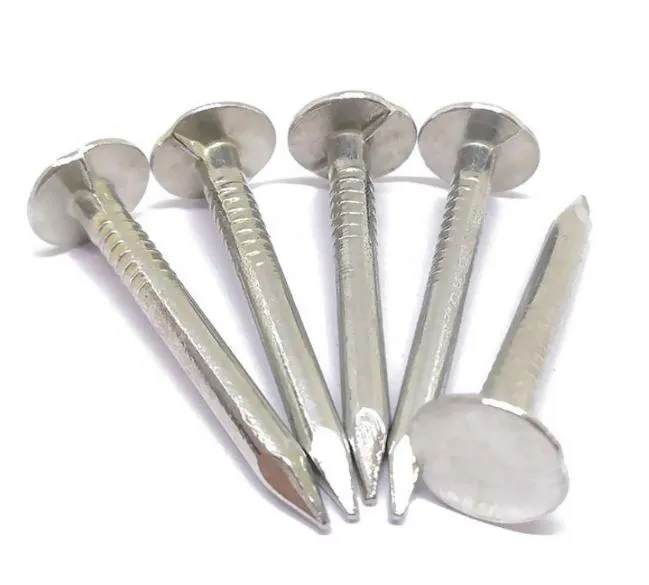
Understanding the Anatomy of a common wire nail
A common wire nail features four distinct components defining its performance. The head, typically flat and circular, prevents pull-through while offering a striking surface. The shank, the nail’s body, is smooth and cylindrical, minimizing wood splitting versus twisted or ringed designs. The point, sharpened to a diamond or chisel shape, initiates material penetration with minimal resistance. Finally, the tip transfers driving force upward. Manufactured from carbon steel wire coils, these nails undergo cutting, heading, and pointing processes. Higher-grade variants receive galvanization or vinyl coating, enhancing rust resistance for outdoor use. The common wire nail excels in applications demanding sheer holding power rather than clamp load, making it ideal for structural joints where vibration isn’t a primary concern. Its simplicity ensures compatibility with any hammer or nail gun, eliminating need for specialized drivers.
Decoding Common Nails Size and Measurement Systems
Common nail size follows the "penny" system (abbreviated "d"), a historical term denoting length and gauge. Sizes range from 2d (1-inch) to 60d (6-inches), with diameter thickening proportionally. A 16d common nail, for example, measures 3.5 inches long and 0.162 inches thick – the standard for framing walls. Smaller sizes like 8d (2.5 inches) suit sheathing and decking, while 10d (3 inches) fastens joists. Selection depends on material thickness: nail length should triple the depth of the top material. Using undersized nails compromises holding strength; oversized ones risk splitting wood or protruding hazards. Metric equivalents exist but penny sizing dominates North American markets. Always cross-reference penny size with actual dimensions, as regional variations occur. Understanding common nail size ensures structural integrity and prevents costly rework from fastener failure.
Factors Influencing common nail price in Global Markets
Raw material volatility heavily sways common nail price. Steel constitutes 60-70% of production cost, making nails vulnerable to iron ore and scrap metal price fluctuations. Manufacturing scale also matters: high-volume automated mills produce cheaper nails than boutique forges. Coatings add expense – hot-dip galvanized nails cost 20-30% more than uncoated due to zinc consumption. Packaging impacts price too; bulk 50-pound boxes offer lower per-unit costs than retail packs. Import tariffs and shipping fees create regional disparities, with landlocked areas paying premiums. Surprisingly, common nail price remains resilient against inflation compared to complex fasteners, thanks to efficient mass production. Seasonal demand spikes during construction booms may temporarily elevate costs, but market competition keeps long-term prices accessible. Always compare prices per pound, not per box, for accurate budgeting.
Versatile Applications Where common nails Excel
Common nails dominate rough construction and temporary assemblies. In framing, their thick shanks withstand lateral forces in wall plates and roof trusses. For wooden scaffolding or concrete formwork, they allow rapid disassembly without damaging lumber. Pallet manufacturers rely on them for high-speed nailing of stringers and deck boards. Even in demolition, common nails temporarily brace unstable structures. Landscaping projects use them for securing fence posts or garden beds. Their holding power in end-grain applications surpasses screws, making them preferred for attaching studs to sole plates. While unsuitable for finish carpentry (where heads mar surfaces) or hardwoods (risk of splitting), their brute strength is unmatched in softwood structural connections. Always predrill near wood edges to prevent splitting in critical applications.
FAQS about Expert Answers on Common Nails Usage
What is the weight capacity of a standard common wire nail?
A 16d common wire nail in softwood withstands 112-150 lbs shear load. Capacity varies by wood density, nail orientation, and installation angle. Always engineer critical connections.
How does common nail price compare to screws or bolts?
Common nail price is 70-90% lower than equivalent screws. Bolts cost 5-10x more but offer adjustable tension. Nails win in high-volume, non-disassembly scenarios.
Can common nails be used in pressure-treated lumber?
Yes, but specify hot-dip galvanized or stainless common nails. Standard steel corrodes rapidly due to treatment chemicals, risking structural failure.
What common nails size is best for attaching subflooring?
Use 8d (2.5-inch) common nails spaced 6-8 inches along joists. Ring-shank nails offer superior pull-out resistance but cost more than smooth common nails.
Are common wire nails recyclable after removal?
Yes! Clean steel common wire nails are 100% recyclable. Separate from wood debris and take to scrap metal facilities – some even pay by the pound.
Don’t let inferior fasteners compromise your craftsmanship. Our mill-direct common nails meet ASTM F1667 standards, guaranteeing unmatched tensile strength and consistency. Explore unbeatable common nail price options – from galvanized bulk coils for contractors to retail packs for DIYers. Whether you need rugged 60d common wire nail stakes or precision 4d brads, our inventory delivers. Every batch undergoes rigorous bend-testing and coating inspections. Partner with us for technical guidance on common nail size selection and load calculations.Build confidently; build with the world’s most trusted fastener. Contact our team now for a quote and nail your next project!
Latest News About CHENG CHUANG
-
 Heavy Duty 6 gauge welded wire mesh for Security and StrengthWhen it comes to heavy-duty containment, security, and structural reinforcement, choosing the right material is critical. The 6 gauge welded wire mesh stands as a premier choice for those requiring a balance of extreme rigidity and precise spacing. Whether you are securing a commercial perimeter, building industrial livestock panels, or creating reinforced concrete structures, this specific thickness provides the structural integrity needed to withstand significant pressure and impact. In this comprehensive guide, we will explore the technical specifications, primary applications, and why this mesh is the gold standard for high-security fencing solutions.Read more >
Apr 16 2026
-
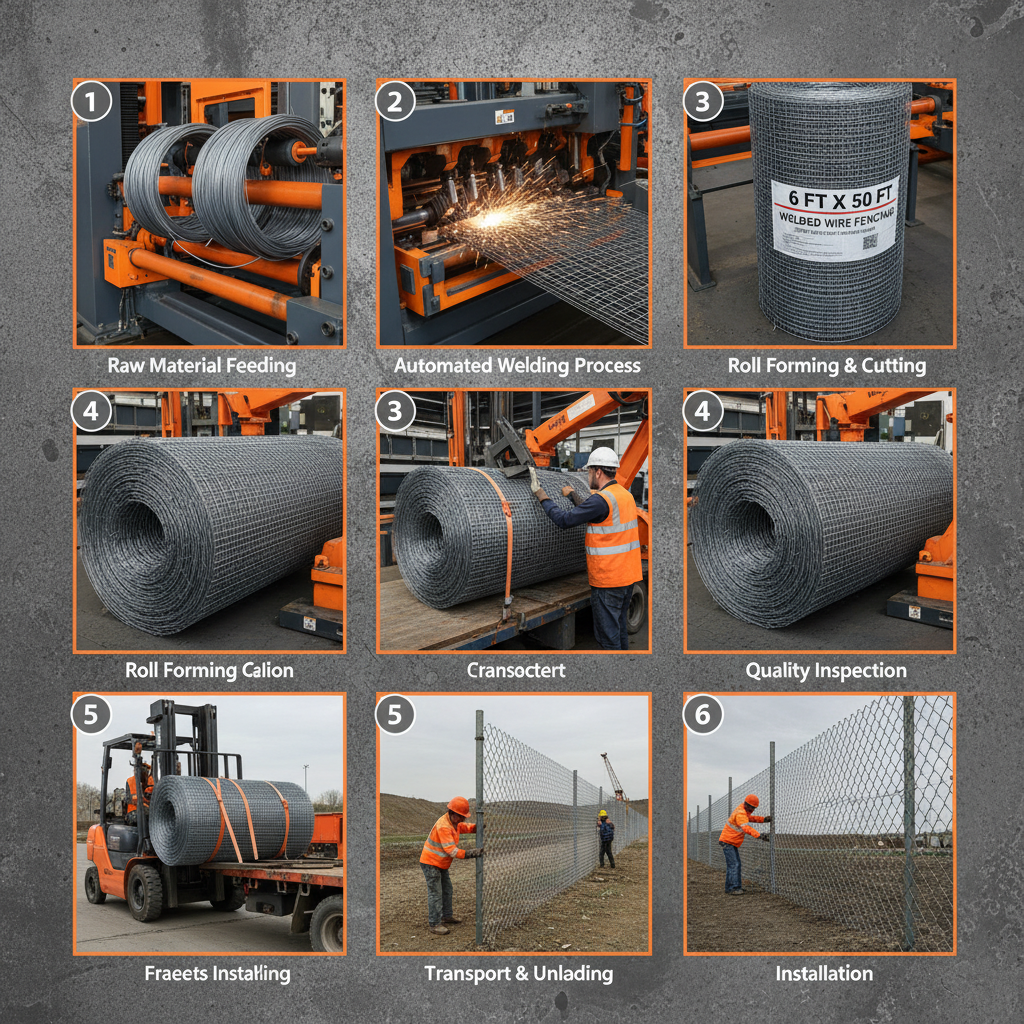 Durable 6 ft x 50 ft welded wire fencing for Security and GardensWhen it comes to securing a perimeter, whether for agricultural use, garden protection, or industrial boundaries, the dimensions and material of your fence matter. The 6 ft x 50 ft welded wire fencing offers an ideal balance of height and length, providing a robust barrier that is easy to install and maintain. Choosing a welded wire system ensures that the intersections are fused together, preventing the shifting and sagging often found in woven alternatives. In this guide, we will explore why this specific size is a preferred choice for property owners and how to maximize its effectiveness for your specific project.Read more >
Apr 09 2026
-
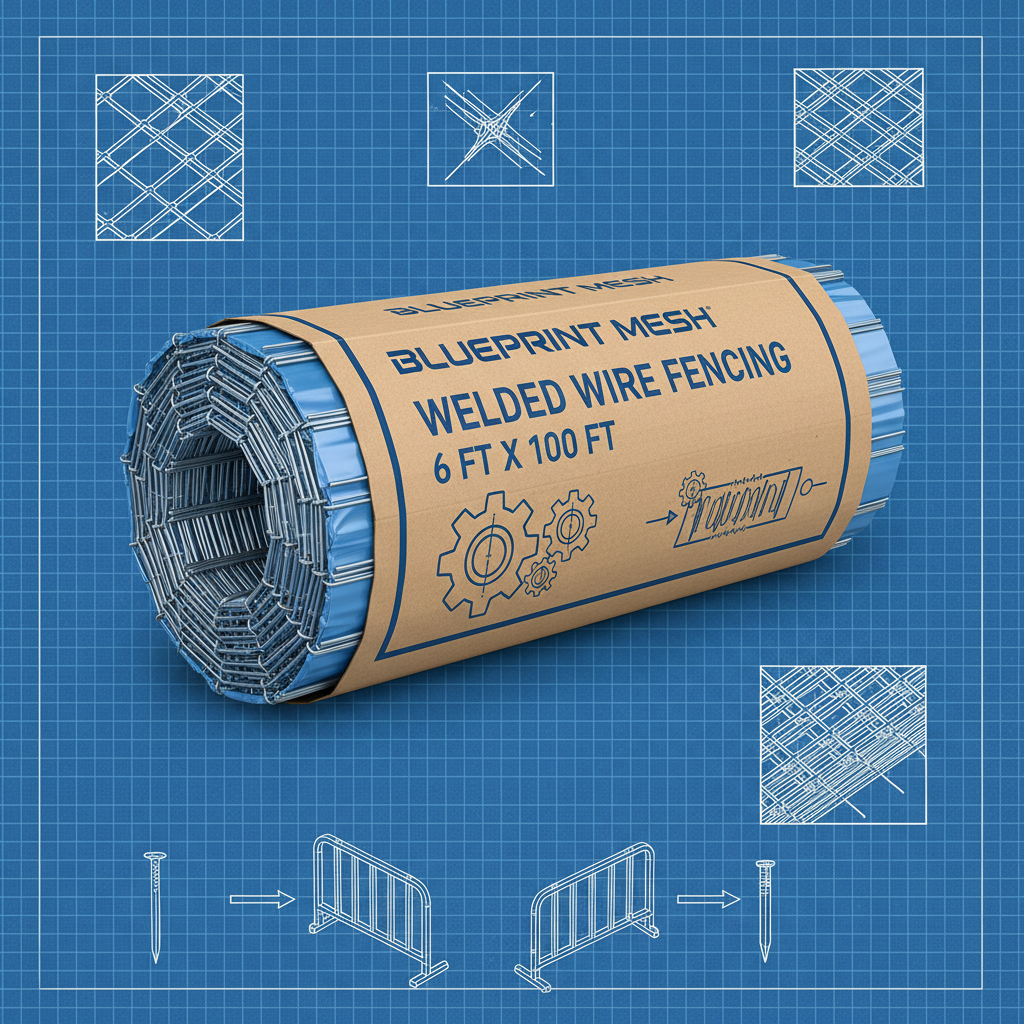 Comprehensive Guide to Choosing the Best 6 ft x 100 ft Welded Wire FencingWelded wire fencing is a versatile and cost-effective solution for a wide range of applications, from agricultural containment to residential security. Understanding the nuances of different types, especially when considering a size like 6 ft x 100 ft welded wire fencing, is crucial for making the right investment. This article will guide you through the essential factors to consider, helping you select the fencing that best suits your specific requirements.Read more >
Apr 07 2026
-
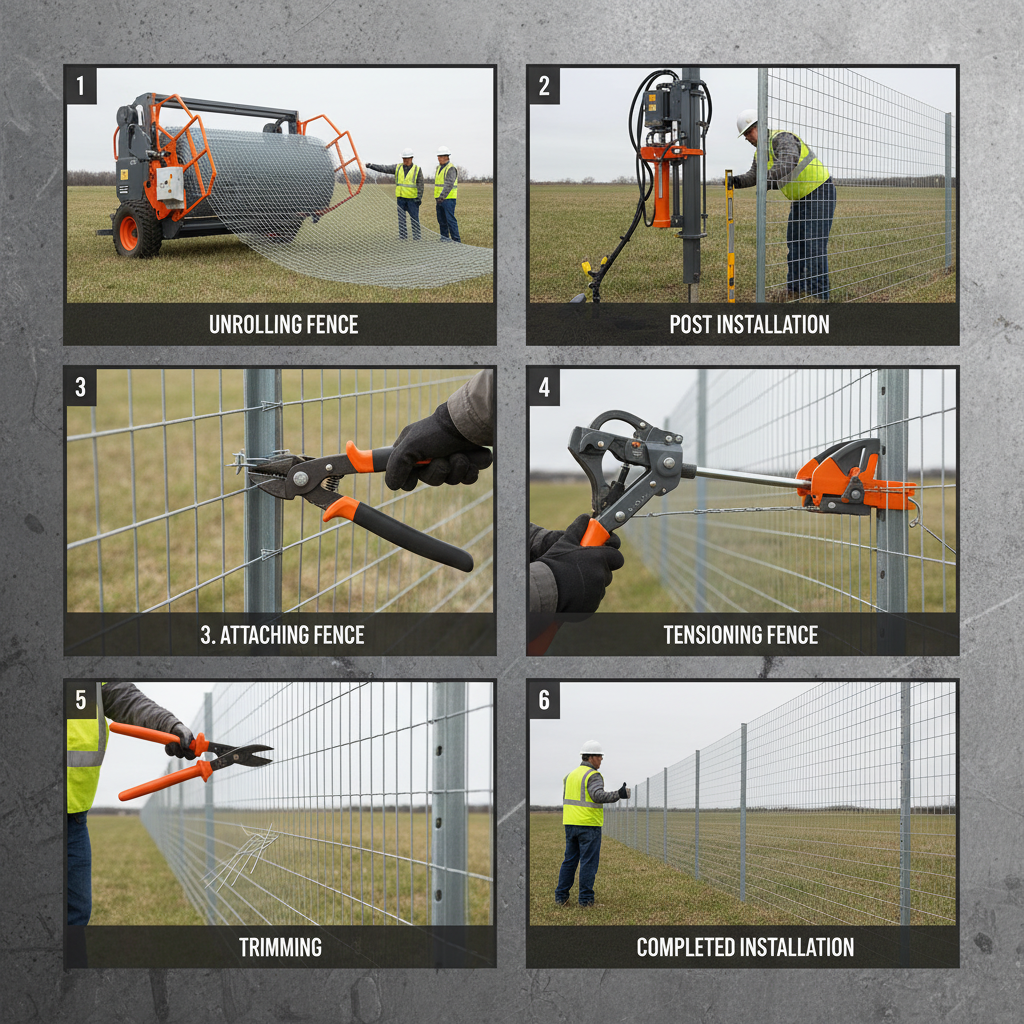 Comprehensive Guide to Choosing a 6 ft x 100 ft 12.5 Gauge Welded Wire FenceSelecting the appropriate fence for your property requires careful consideration. A 6 ft x 100 ft 12.5 gauge welded wire fence offers a robust and versatile solution for a variety of applications, from pet containment to garden protection and security. This guide will explore the benefits, applications, installation tips, and considerations when choosing this type of fencing. Understanding its construction and comparing it to other fencing options will help you make an informed decision.Read more >
Apr 04 2026
-
 Comprehensive Guide to Durable 6 ft Welded Wire Fencing Panels and ApplicationsWhen selecting fencing for your property, 6 ft welded wire fencing panels offer a robust and versatile solution. These panels combine strength, security, and ease of installation, making them a popular choice for both residential and commercial applications. This article delves into the benefits, applications, installation, and maintenance of these panels, helping you make an informed decision.Read more >
Mar 31 2026