


Comprehensive Guide to 5 ft Welded Wire Fencing for Homes and Businesses
Understanding 5 ft Welded Wire Fencing: A Comprehensive Guide
5 ft welded wire fencing is a popular choice for a variety of applications, from containing pets to securing gardens and agricultural areas. Its durability, affordability, and ease of installation make it a go-to solution for many homeowners and businesses. This article will delve into the features, benefits, and applications of this versatile fencing option, providing a thorough overview to help you determine if it's the right choice for your needs. We'll explore the different types available, installation tips, and long-term maintenance to ensure your fence provides years of reliable service. Learn more about our fencing solutions at CHCH Fence.
What is 5 ft Welded Wire Fencing?
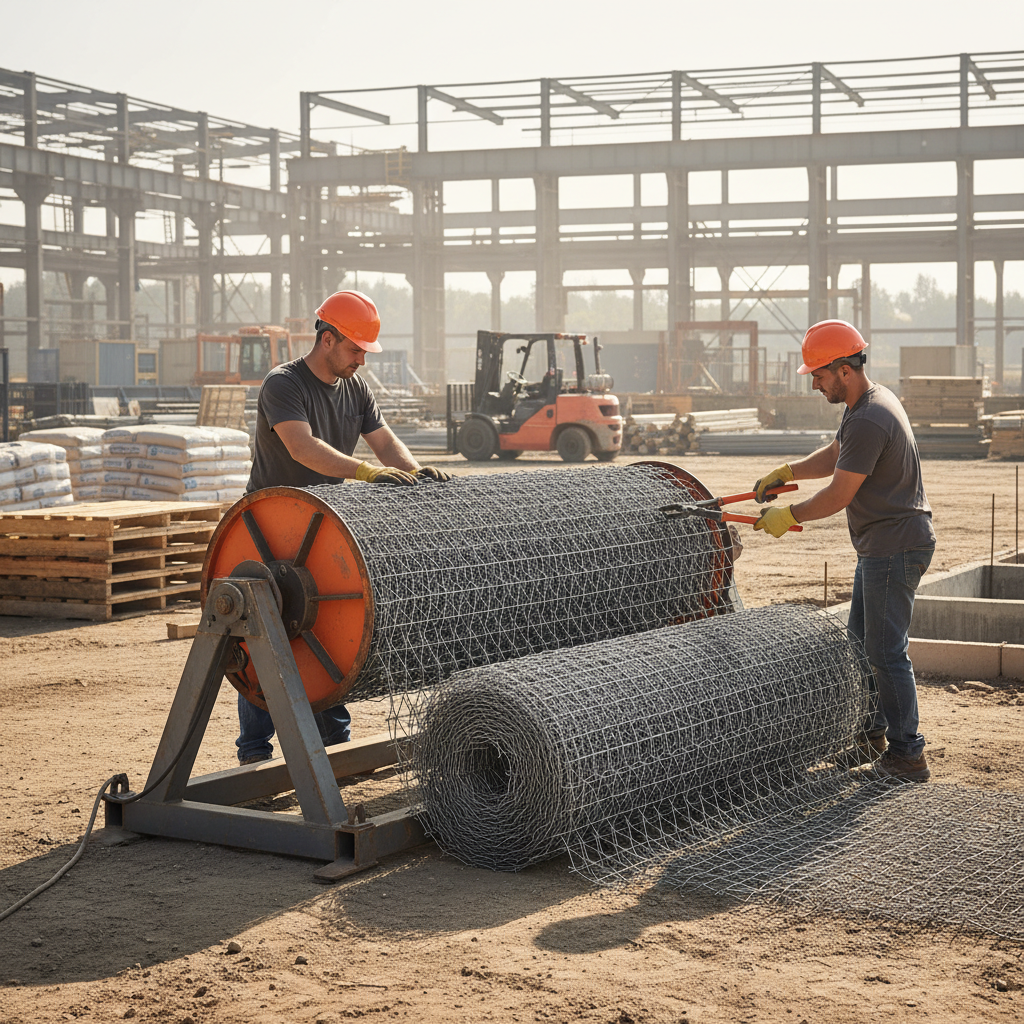
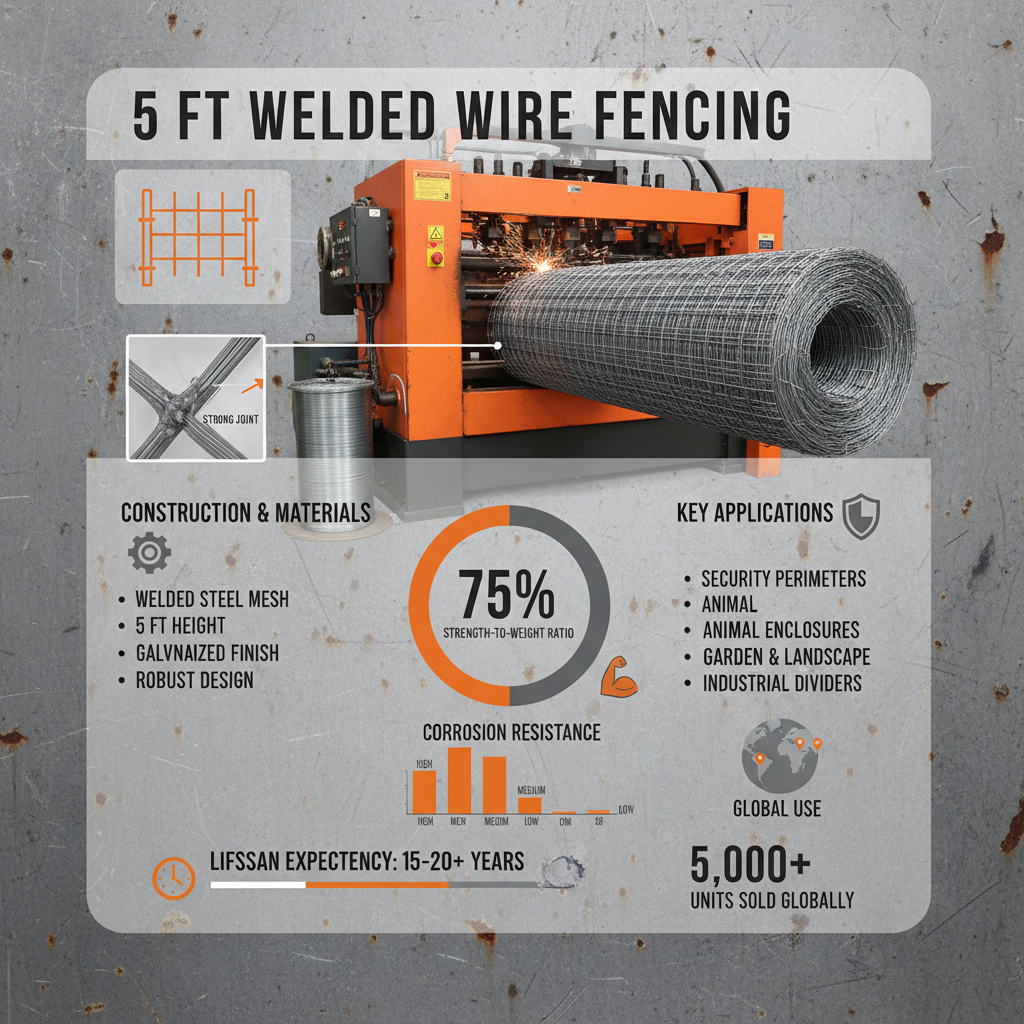
5 ft welded wire fencing, also known as wire mesh fencing, is constructed by welding vertical and horizontal wires together to create a robust and rigid panel. The '5 ft' refers to the height of the fencing. It’s typically made from galvanized steel wire, providing excellent resistance to rust and corrosion. This makes it suitable for outdoor use in various climates. The wire gauge (thickness) also varies, with heavier gauges offering increased strength and durability. CHCH Fence offers a wide range of gauges to meet your specific requirements.
Key Highlights: Durable, affordable, easy to install, and versatile. Ideal for containing animals, protecting gardens, and providing perimeter security.
Key Benefits of Choosing 5 ft Welded Wire Fencing
The popularity of 5 ft welded wire fencing stems from its numerous benefits. It provides a cost-effective security solution, particularly when compared to wood or wrought iron fencing. Its open weave design allows for good visibility, which is beneficial for maintaining aesthetic appeal and monitoring activity. Installation is relatively straightforward, requiring minimal specialized tools or expertise. Furthermore, it's a low-maintenance option, requiring only occasional cleaning to maintain its appearance.
Benefits at a Glance:
• Cost-Effective
• Good Visibility
• Easy Installation
• Low Maintenance
5 ft Welded Wire Fencing: Applications and Uses
The versatility of 5 ft welded wire fencing makes it suitable for a wide range of applications. Common uses include: containing pets (dogs, cats, rabbits), creating garden enclosures to protect plants from animals, establishing temporary or permanent animal pens for livestock, and providing perimeter security for residential or commercial properties. It's also frequently used in agricultural settings for creating pasture divisions or protecting crops. CHCH Fence can advise you on the best fencing solution for your specific application.
Choosing the Right 5 ft Welded Wire: Factors to Consider
Several factors should influence your decision when selecting 5 ft welded wire fencing. The type of animal or object you're containing is crucial. Larger, stronger animals require heavier gauge wire and closer spacing. The terrain also plays a role; uneven ground may necessitate more posts for added stability. Consider the climate; in areas with heavy snowfall, a taller fence may be required to prevent animals from jumping over drifts. Finally, think about the aesthetic appeal and choose a wire finish (galvanized, black coated) that complements your surroundings.
Installation and Maintenance Tips
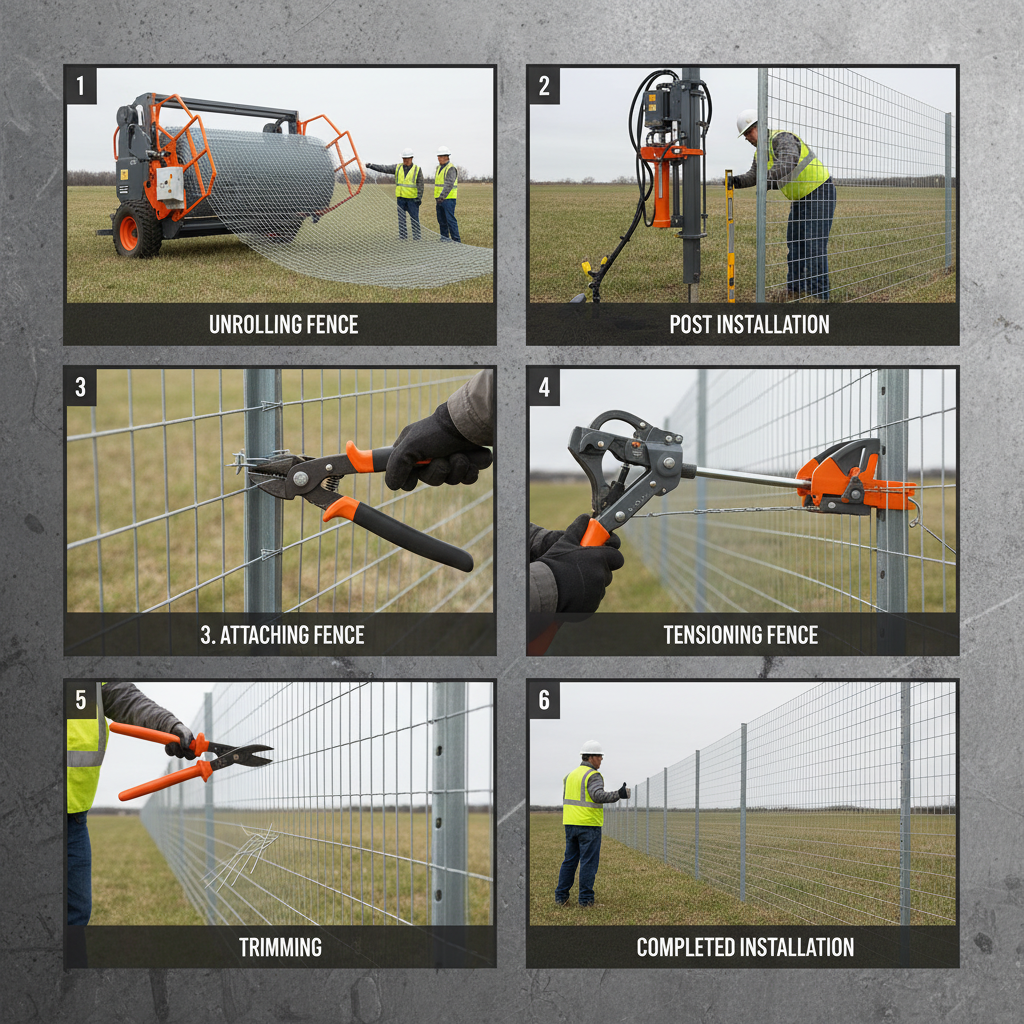
Proper installation is key to ensuring the longevity and effectiveness of your 5 ft welded wire fencing. Start by setting posts securely in concrete, ensuring they are evenly spaced. Stretch the wire tightly between posts, using tension bars or wires to maintain a smooth, straight line. Secure the wire to the posts using wire ties or clips. For maintenance, regularly inspect the fence for damage, such as broken wires or loose connections. Repair any damage promptly to prevent further deterioration. Occasional cleaning with a mild detergent can help remove dirt and debris. For more detailed installation guidance, visit CHCH Fence's resource center.
Conclusion: A Practical and Reliable Fencing Solution
5 ft welded wire fencing offers a compelling combination of affordability, durability, and versatility. Whether you need to contain pets, protect a garden, or secure a property, this fencing option provides a practical and reliable solution. By carefully considering your specific needs and following proper installation and maintenance practices, you can enjoy years of trouble-free service. Explore the options at CHCH Fence to find the perfect fit for your project.
Frequently Asked Questions (FAQs)
What is the typical lifespan of 5 ft welded wire fencing?
The lifespan of 5 ft welded wire fencing depends on several factors, including the wire gauge, coating quality, climate, and maintenance. Generally, galvanized welded wire fencing can last 10-20 years or more with proper care. Heavier gauge wire and thicker coatings offer greater durability. Regular inspection and prompt repair of any damage are crucial for maximizing lifespan. Exposure to saltwater or harsh chemicals can accelerate corrosion and reduce longevity.
How much does 5 ft welded wire fencing typically cost?
The cost of 5 ft welded wire fencing varies depending on the wire gauge, coating, and quantity purchased. As of late 2023/early 2024, prices generally range from $2 to $5 per linear foot for the fencing itself. Additional costs include posts, hardware (ties, clips, tension bars), concrete, and labor if you hire a professional installer. CHCH Fence offers competitive pricing and can provide a customized quote based on your specific project requirements.
Can 5 ft welded wire fencing be used for animal containment?
Yes, 5 ft welded wire fencing is commonly used for animal containment, but the suitability depends on the type of animal. It’s effective for containing dogs, cats, rabbits, and poultry. For larger or more determined animals like horses or cattle, a taller and more robust fence is recommended. The wire gauge also matters; heavier gauges are needed for stronger animals. Ensure the spacing between wires is small enough to prevent escapes.
What is the difference between galvanized and black coated welded wire?
Galvanized welded wire is coated with zinc to protect against rust and corrosion. It’s a durable and long-lasting option, ideal for most outdoor applications. Black coated welded wire is typically galvanized first and then coated with a black powder coating for aesthetic appeal. While the black coating enhances appearance, it may be less resistant to abrasion and could potentially chip or fade over time. Both options provide good protection against the elements, but galvanized is generally considered more durable.
Latest News About CHENG CHUANG
-
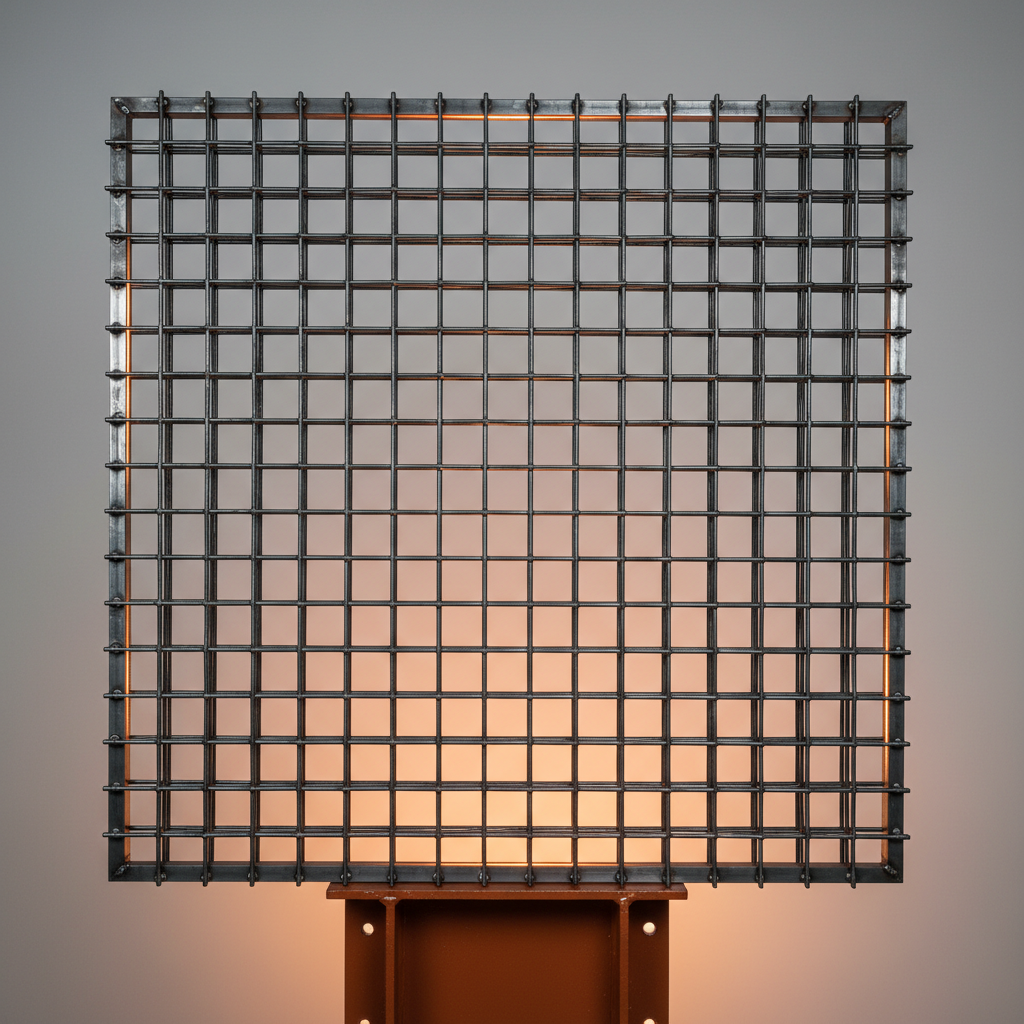 Heavy Duty 6 gauge welded wire mesh for Security and StrengthWhen it comes to heavy-duty containment, security, and structural reinforcement, choosing the right material is critical. The 6 gauge welded wire mesh stands as a premier choice for those requiring a balance of extreme rigidity and precise spacing. Whether you are securing a commercial perimeter, building industrial livestock panels, or creating reinforced concrete structures, this specific thickness provides the structural integrity needed to withstand significant pressure and impact. In this comprehensive guide, we will explore the technical specifications, primary applications, and why this mesh is the gold standard for high-security fencing solutions.Read more >
Apr 16 2026
-
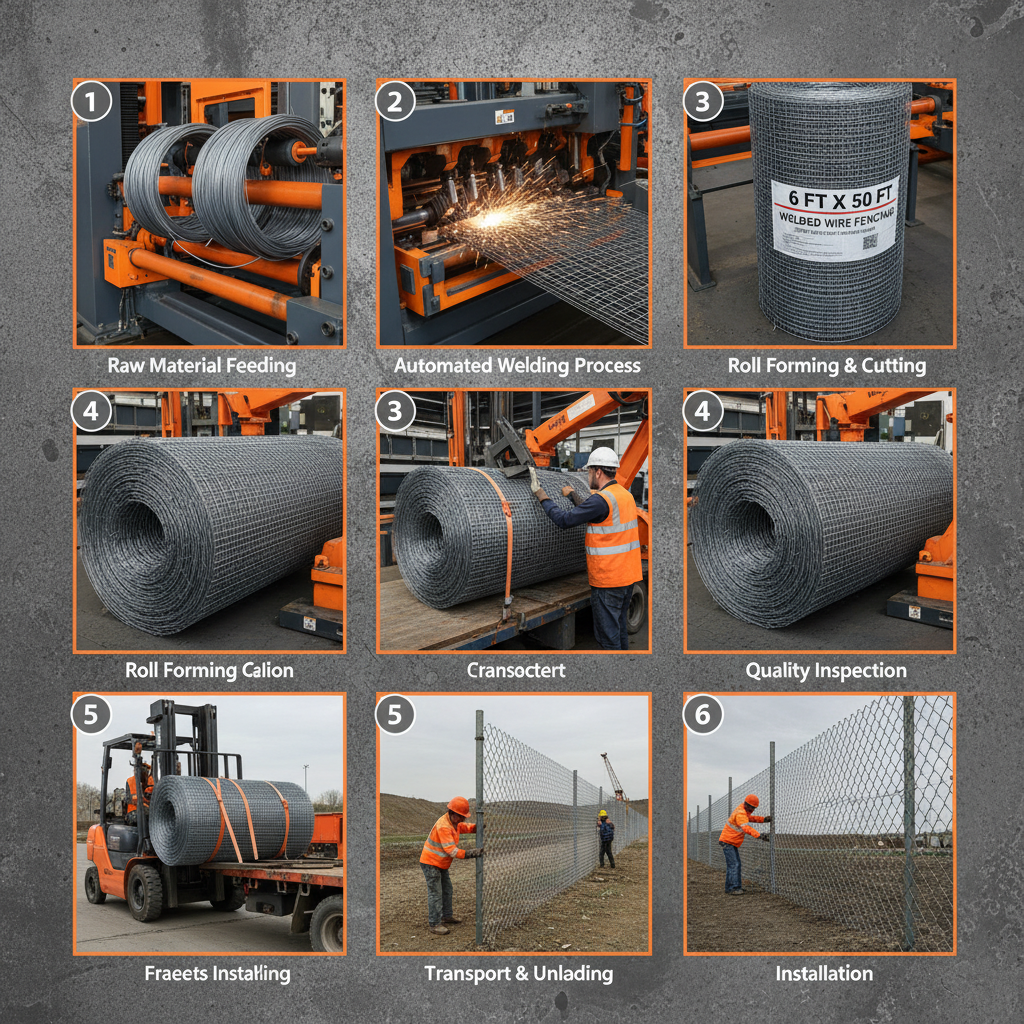 Durable 6 ft x 50 ft welded wire fencing for Security and GardensWhen it comes to securing a perimeter, whether for agricultural use, garden protection, or industrial boundaries, the dimensions and material of your fence matter. The 6 ft x 50 ft welded wire fencing offers an ideal balance of height and length, providing a robust barrier that is easy to install and maintain. Choosing a welded wire system ensures that the intersections are fused together, preventing the shifting and sagging often found in woven alternatives. In this guide, we will explore why this specific size is a preferred choice for property owners and how to maximize its effectiveness for your specific project.Read more >
Apr 09 2026
-
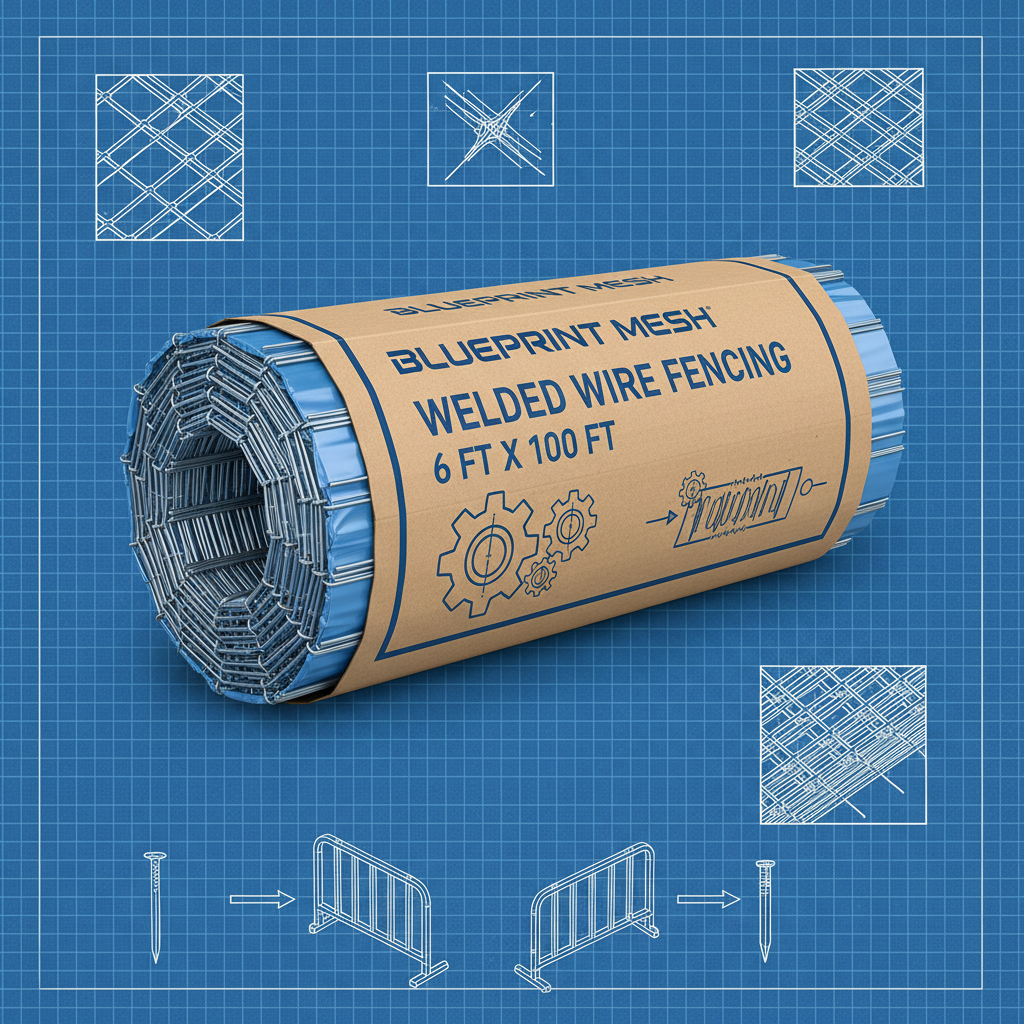 Comprehensive Guide to Choosing the Best 6 ft x 100 ft Welded Wire FencingWelded wire fencing is a versatile and cost-effective solution for a wide range of applications, from agricultural containment to residential security. Understanding the nuances of different types, especially when considering a size like 6 ft x 100 ft welded wire fencing, is crucial for making the right investment. This article will guide you through the essential factors to consider, helping you select the fencing that best suits your specific requirements.Read more >
Apr 07 2026
-
 Comprehensive Guide to Choosing a 6 ft x 100 ft 12.5 Gauge Welded Wire FenceSelecting the appropriate fence for your property requires careful consideration. A 6 ft x 100 ft 12.5 gauge welded wire fence offers a robust and versatile solution for a variety of applications, from pet containment to garden protection and security. This guide will explore the benefits, applications, installation tips, and considerations when choosing this type of fencing. Understanding its construction and comparing it to other fencing options will help you make an informed decision.Read more >
Apr 04 2026
-
 Comprehensive Guide to Durable 6 ft Welded Wire Fencing Panels and ApplicationsWhen selecting fencing for your property, 6 ft welded wire fencing panels offer a robust and versatile solution. These panels combine strength, security, and ease of installation, making them a popular choice for both residential and commercial applications. This article delves into the benefits, applications, installation, and maintenance of these panels, helping you make an informed decision.Read more >
Mar 31 2026