


Comprehensive Guide to 50 ft Welded Wire Fencing for Security and Containment
Understanding 50 ft Welded Wire Fencing: A Comprehensive Guide
When considering perimeter security or animal containment, 50 ft welded wire fencing offers a robust and versatile solution. This guide will explore the features, benefits, applications, and installation considerations of this popular fencing option. We'll cover everything from material specifications to cost-effectiveness, helping you determine if it's the right choice for your needs. Choosing the right fencing is crucial for ensuring long-term security and functionality.
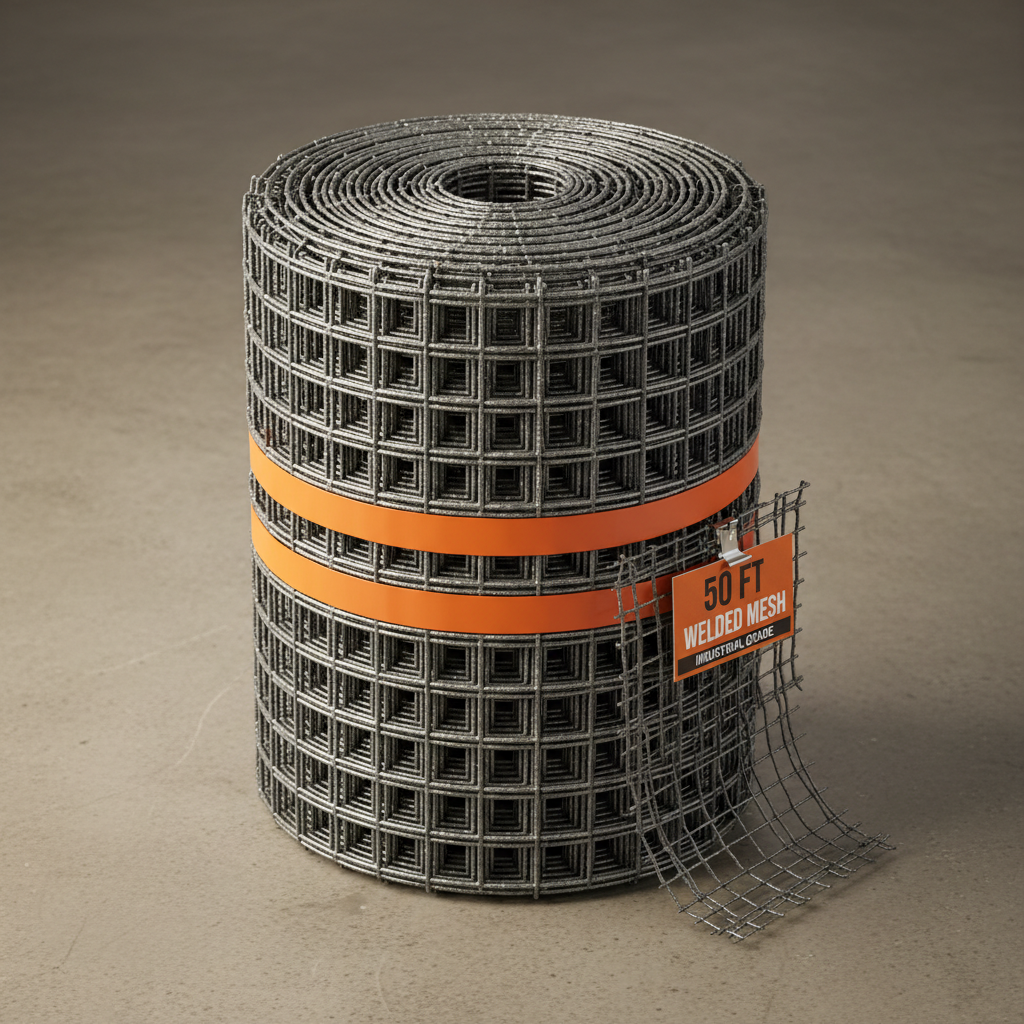
What is 50 ft Welded Wire Fencing?
50 ft welded wire fencing, as the name suggests, is a type of fencing constructed from a series of steel wires welded together at each intersection. These wires are typically galvanized – coated with zinc – to prevent rust and corrosion, increasing the fencing's lifespan. The "50 ft" refers to the standard roll length, providing convenient handling and installation. It's known for its strength, durability, and relatively affordable price point, making it a popular choice for both residential and commercial applications. This type of fencing offers excellent value for money and a secure barrier.
Key Benefits of Choosing 50 ft Welded Wire Fencing
There are numerous advantages to selecting 50 ft welded wire fencing. Firstly, its welded construction provides superior strength and stability compared to woven wire fencing. Secondly, the galvanized coating ensures long-lasting protection against the elements. It’s also relatively easy to install, especially for those with basic DIY skills. Further benefits include its versatility – suitable for various applications – and its cost-effectiveness. Finally, welded wire fencing provides excellent visibility, which can be an important consideration for security purposes.
Key Highlights: Superior strength and stability, long-lasting galvanized coating, easy installation, versatile applications, cost-effectiveness, and excellent visibility.
Applications for 50 ft Welded Wire Fencing
The versatility of 50 ft welded wire fencing makes it suitable for a wide range of applications. Common uses include creating secure perimeters for residential properties, containing livestock and pets on farms and ranches, establishing animal enclosures at zoos or wildlife rehabilitation centers, and providing security for commercial and industrial sites. It is also frequently used for garden fencing to protect plants from animals. Ultimately, any application requiring a strong, durable, and relatively affordable barrier can benefit from this type of fencing.
Common Applications:
• Residential perimeter security
• Livestock and pet containment
• Animal enclosures
• Commercial and industrial security
• Garden fencing
50 ft Welded Wire Fencing: Specifications & Comparison
Understanding the different specifications of 50 ft welded wire fencing is crucial for selecting the right product. Key factors include wire gauge (thickness), mesh size (opening size), fence height, and the type of coating. Here’s a table summarizing common specifications:
Installation Considerations for 50 ft Welded Wire Fencing
Proper installation is essential for ensuring the longevity and effectiveness of your 50 ft welded wire fencing. Begin by carefully planning your fence line and marking the post locations. Use sturdy posts, such as metal or treated wood, and space them appropriately (typically 8-10 feet apart). Securely attach the welded wire fencing to the posts using fence ties or clips. Ensure the fence is taut and properly tensioned to prevent sagging. Finally, consider adding a top rail for added stability, especially for taller fences. For more detailed guidance, consider consulting a professional fencing contractor or referring to online resources.
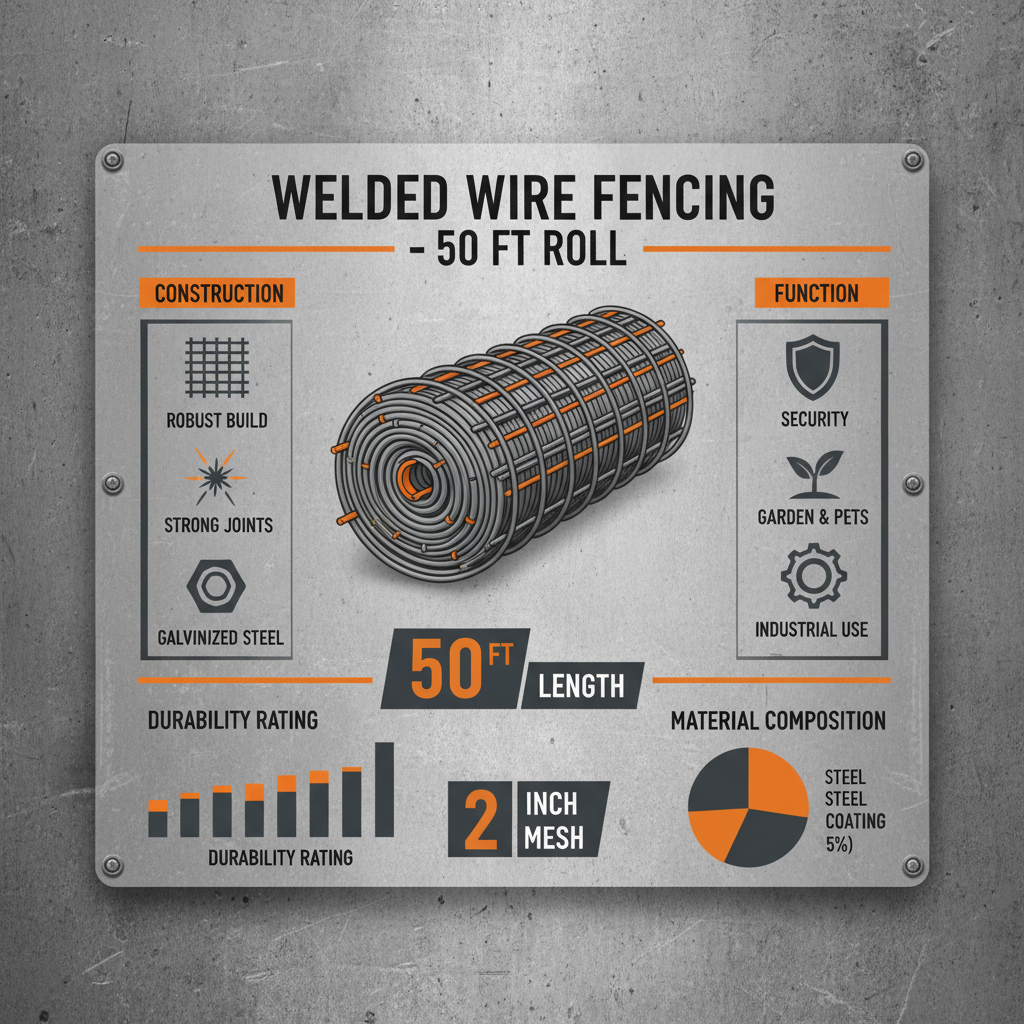
Conclusion: Choosing the Right Welded Wire Fence
Selecting the right 50 ft welded wire fencing involves considering your specific needs and application. With its strength, durability, and affordability, it's a versatile option for various projects. By understanding the specifications, installation requirements, and potential applications, you can make an informed decision and ensure a secure and long-lasting fence.
Frequently Asked Questions (FAQs)
What is the typical lifespan of galvanized welded wire fencing?
The lifespan of galvanized welded wire fencing typically ranges from 10 to 20 years, depending on environmental factors such as exposure to salt air, humidity, and corrosive chemicals. Heavier galvanization coatings will provide longer protection. For increased longevity, consider opting for a PVC-coated fence, which offers an additional layer of protection against the elements. Regular inspections and timely repairs can also extend the lifespan of your fence. Proper installation, ensuring good ground contact and avoiding direct contact with standing water, can also contribute to a longer-lasting fence.
How much does 50 ft welded wire fencing typically cost?
The cost of 50 ft welded wire fencing varies depending on the wire gauge, mesh size, height, and coating type. Generally, you can expect to pay between $30 and $80 per roll. PVC-coated fencing will typically be more expensive than galvanized fencing. Additional costs include posts, fasteners, and installation labor (if you choose not to DIY). It’s best to get quotes from multiple suppliers to compare prices and ensure you're getting the best value. Chchfence.com offers competitive pricing and a wide selection of welded wire fencing options.
Can welded wire fencing be used for retaining walls?
While welded wire fencing can provide some support, it is generally not recommended for use as a primary retaining wall structure. Retaining walls require significant structural integrity to withstand the pressure of the soil they are holding back. Welded wire fencing lacks the necessary strength and rigidity for this purpose. If you need a retaining wall, it’s best to consult with a qualified engineer and use materials specifically designed for retaining wall construction, such as concrete blocks or timber.
What tools are needed to install welded wire fencing?
To install welded wire fencing, you'll typically need the following tools: post hole digger, level, measuring tape, wire cutters, fence staples or clips, a staple gun or hammer, gloves, and safety glasses. A fence stretcher can be helpful for tightening the fencing and preventing sagging. Depending on the terrain, you may also need a chainsaw or brush cutter to clear the fence line. For larger projects, a power post driver can significantly speed up the installation process.
Latest News About CHENG CHUANG
-
 Heavy Duty 6 gauge welded wire mesh for Security and StrengthWhen it comes to heavy-duty containment, security, and structural reinforcement, choosing the right material is critical. The 6 gauge welded wire mesh stands as a premier choice for those requiring a balance of extreme rigidity and precise spacing. Whether you are securing a commercial perimeter, building industrial livestock panels, or creating reinforced concrete structures, this specific thickness provides the structural integrity needed to withstand significant pressure and impact. In this comprehensive guide, we will explore the technical specifications, primary applications, and why this mesh is the gold standard for high-security fencing solutions.Read more >
Apr 16 2026
-
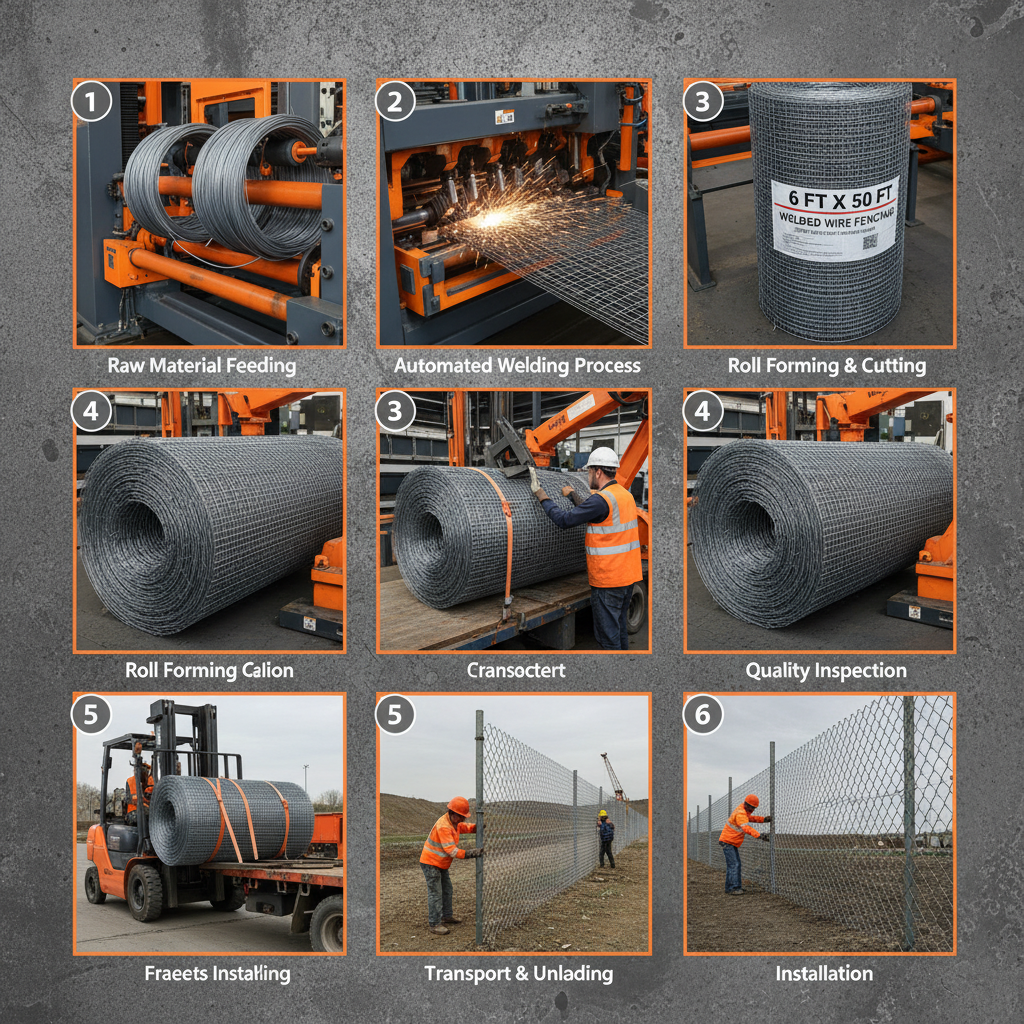 Durable 6 ft x 50 ft welded wire fencing for Security and GardensWhen it comes to securing a perimeter, whether for agricultural use, garden protection, or industrial boundaries, the dimensions and material of your fence matter. The 6 ft x 50 ft welded wire fencing offers an ideal balance of height and length, providing a robust barrier that is easy to install and maintain. Choosing a welded wire system ensures that the intersections are fused together, preventing the shifting and sagging often found in woven alternatives. In this guide, we will explore why this specific size is a preferred choice for property owners and how to maximize its effectiveness for your specific project.Read more >
Apr 09 2026
-
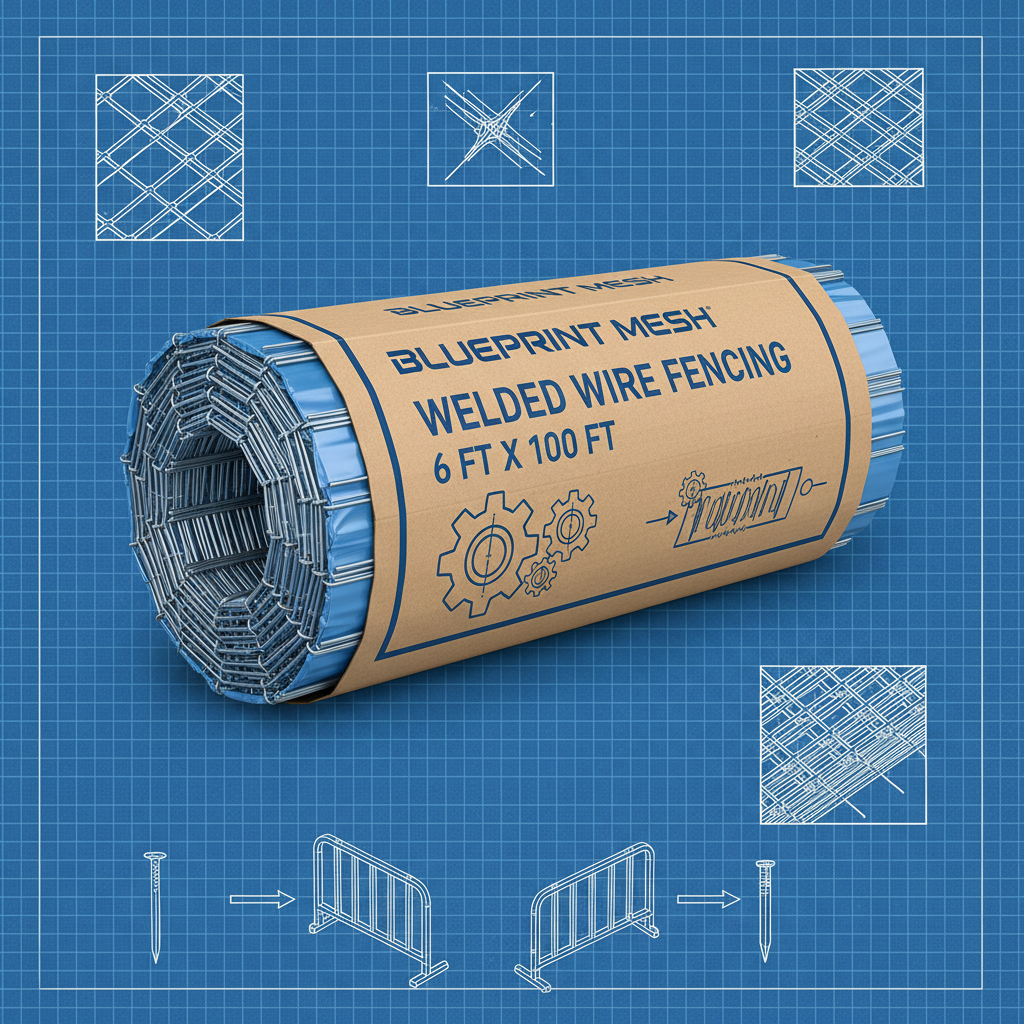 Comprehensive Guide to Choosing the Best 6 ft x 100 ft Welded Wire FencingWelded wire fencing is a versatile and cost-effective solution for a wide range of applications, from agricultural containment to residential security. Understanding the nuances of different types, especially when considering a size like 6 ft x 100 ft welded wire fencing, is crucial for making the right investment. This article will guide you through the essential factors to consider, helping you select the fencing that best suits your specific requirements.Read more >
Apr 07 2026
-
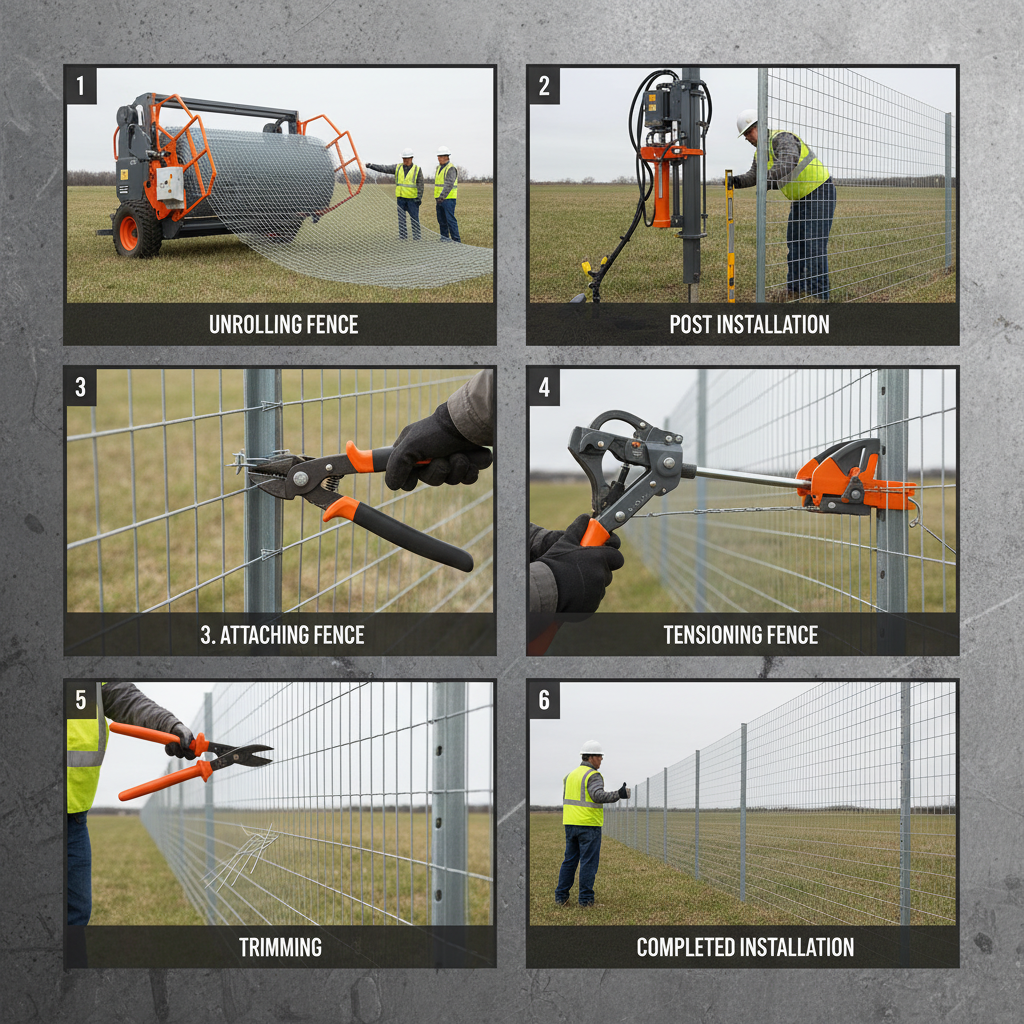 Comprehensive Guide to Choosing a 6 ft x 100 ft 12.5 Gauge Welded Wire FenceSelecting the appropriate fence for your property requires careful consideration. A 6 ft x 100 ft 12.5 gauge welded wire fence offers a robust and versatile solution for a variety of applications, from pet containment to garden protection and security. This guide will explore the benefits, applications, installation tips, and considerations when choosing this type of fencing. Understanding its construction and comparing it to other fencing options will help you make an informed decision.Read more >
Apr 04 2026
-
 Comprehensive Guide to Durable 6 ft Welded Wire Fencing Panels and ApplicationsWhen selecting fencing for your property, 6 ft welded wire fencing panels offer a robust and versatile solution. These panels combine strength, security, and ease of installation, making them a popular choice for both residential and commercial applications. This article delves into the benefits, applications, installation, and maintenance of these panels, helping you make an informed decision.Read more >
Mar 31 2026