


Discover the Versatility of Metal Cloth – Industrial Strength Meets Flexibility
Understanding Metal Cloth: Why It Matters Globally
Metal cloth might sound like a niche industrial term, but its relevance spans continents and industries. Simply put, metal cloth refers to a woven or knitted fabric made from fine metallic wires. You’ll find it in everything from protective gear and filtration systems to architectural facades and humanitarian sheltering solutions. Its incredible durability paired with flexibility offers unique benefits that modern industries deeply need.
In a world increasingly challenged by climate change, supply chain bottlenecks, and evolving industrial standards, understanding metal cloth and its applications becomes essential. It’s a material that helps solve problems, often quietly, behind the scenes — from filtering polluted water in remote areas to creating ventilated roofing for emergency shelters. Quite literally, it meshes utility with innovation.
Global Context: Why the World Needs Metal Cloth
As of recent reports from the International Organization for Standardization (ISO) and the World Bank, industries linked to construction, water treatment, and security are growing rapidly worldwide. This growth fuels the demand for materials that can survive tough environments while maintaining ease of use and adaptability.
Consider that global water scarcity affects over 2 billion people, a number projected to worsen. Metal cloth, especially in mesh form, is pivotal for filtration and purification — making a direct impact on health and safety in vulnerable communities. Simultaneously, with urbanization rates soaring, metal cloth finds new roles in architecture, providing light but protective facades that help buildings breathe but resist harsh weather.
The problem metal cloth is addressing? The gap between traditional materials’ durability and the need for lightweight, multipurpose fabrics. Metal cloth answers by merging both in one flexible solution.
So, What Exactly Is Metal Cloth?
Put simply, metal cloth is a fabric made from interwoven metallic wires. Picture a fine mesh, similar to a typical textile but composed of corrosion-resistant metals like stainless steel, copper, or aluminum. Unlike rigid metal sheets, this cloth is flexible, allowing it to be folded, shaped, or rolled while retaining metallic strength.
Its uses cross a spectrum from protective wear — like armor or gloves for welding — to industrial filters that trap tiny particulates, ensuring cleaner air or water. Humanitarian organizations often leverage it in temporary sheltering solutions where durability and ventilation are critical. It bridges the divide between structural integrity and practical flexibility.
Core Components of Metal Cloth
1. Durability
Metal cloth is famously tough. Whether resisting abrasion, heat, or chemical exposure, it outperforms many synthetic fabrics. Many engineers swear by stainless steel meshes for harsh industrial settings because they last years with minimal maintenance.
2. Flexibility
Despite its metal composition, the woven wires allow flexibility. This means it can be molded or sewn into complex shapes, making it ideal for custom applications — from precision filters to innovative architectural elements.
3. Corrosion Resistance
Depending on the metal choice, these cloths resist rust and degradation in moist or chemically aggressive environments — essential for outdoor or marine applications.
4. Scalability
Manufacturing techniques allow metal cloth to be produced in rolls, sheets, or panels of varying sizes. This versatility accommodates mass production or highly customized orders.
5. Cost Efficiency
While initially seeming pricier than some synthetic fabrics, metal cloth's longevity and multi-use adaptability often reduce total lifecycle costs.
Real-World Applications of Metal Cloth
- Water Filtration in Remote Areas: NGOs use stainless steel mesh filters to purify drinking water in disaster zones, cutting down disease spread.
- Industrial Safety Equipment: Welders and machinists wear gloves reinforced with metal cloth for cut and heat protection.
- Architectural Facades: Modern buildings incorporate metal cloth facades that provide shade and airflow while resisting weather erosion.
- Military and Defense: Used in protective gear and shielding components to provide lightweight toughness.
- Construction and Mining: Screens and filters made with metal cloth separate raw materials, improving efficiency.
For example, in Southeast Asia, metal cloth filters have improved the quality of potable water for rural communities by filtering harmful bacteria without relying on expensive chemical treatments. Oddly enough, the simplicity and reusability of these filters impress local operators, noting the cost savings and ease of maintenance.
Advantages and Long-Term Value of Metal Cloth
The logical benefits are clear: low maintenance, high durability, and cost savings over time. Emotionally, it represents trust and safety — knowing protective equipment will hold up, or emergency shelters won't fail in high winds, offers peace of mind. Sustainability-wise, metal cloth is often recyclable, aligning with global calls for greener manufacturing.
In social impact terms, it supports creating dignified, safe living and working conditions. When metal cloth helps provide clean water or protects workers from injury, its value becomes very tangible.
| Specification | Detail |
|---|---|
| Material | Stainless Steel 304 |
| Wire Diameter | 0.2 mm |
| Mesh Count | 100 strands per inch |
| Tensile Strength | 520 MPa |
| Corrosion Resistance | Excellent in fresh water and mild chemical environments |
| Roll Widths Available | 0.5 m to 2 m |
The Future of Metal Cloth: Innovations and Trends
Technology marches forward, and metal cloth is evolving alongside cutting-edge digital fabrication. We’re starting to see automation in weaving processes, enabling complex patterns at industrial scales. Additive manufacturing has opened doors to "smart" metal cloth embedded with sensors to monitor structural integrity or environmental conditions.
Sustainability gains momentum too. Some researchers are experimenting with metal cloth made from recycled sources, reducing environmental footprints. Hybrid fabrics combining metal cloth with bio-materials also hint at new applications, merging strength with biodegradability.
Challenges & Expert Solutions
One stumbling block is weight; metal cloth can be heavier than synthetic alternatives, which complicates some uses. Yet, alloy research and thinner wire diameters help cut this without losing strength. Another challenge is price — upfront costs can deter smaller users, though lifecycle cost analysis often recommends metal cloth in the long term.
To overcome distribution challenges, especially in remote or developing regions, partnerships between manufacturers and NGOs have proven flexible and effective. Custom packaging and localized training help ensure metal cloth’s maximum impact.
Vendor Comparison: A Quick Look
| Vendor | Material Options | Customization | Lead Time | Price Range |
|---|---|---|---|---|
| AeroMesh Co. | Stainless Steel, Aluminum | High (custom patterns) | 2-3 weeks | $$$ |
| Metallux Fabrics | Copper, Stainless Steel | Medium (standard meshes) | 1-2 weeks | $$ |
| Global WireWorks | Aluminum, Titanium | Low (limited sizes) | 3-4 weeks | $$$ |
FAQ: Common Questions About Metal Cloth
Q1: What makes metal cloth better than synthetic mesh for filtration?
A1: Metal cloth excels with durability and heat resistance, making it preferable for industrial filtration where chemicals or high temperatures can damage synthetic fabrics. Plus, metal is easier to clean and reuse, reducing long-term costs.
Q2: Can metal cloth be used outdoors without rusting?
A2: Yes, if made from corrosion-resistant metals like stainless steel or coated alloys, metal cloth withstands outdoor exposure for years. Proper material selection is key to avoid rust and maintain strength.
Q3: How customizable are metal cloth products?
A3: Very customizable! Manufacturers can vary wire diameter, mesh count, metal type, and weave pattern to suit specific needs — whether for fine filtration, shielding, or architectural uses.
Q4: Is metal cloth recyclable?
A4: Absolutely. Metal cloth made from stainless steel and other metals can be recycled repeatedly, making it an eco-friendly choice compared to many synthetic alternatives.
Wrapping It Up
Metal cloth is more than just a material; it’s a bridge between tradition and innovation, industry and sustainability. From filtering water in remote villages to reinforcing urban architecture, it meets urgent global challenges with strength and flexibility.
If you want to explore reliable metal cloth options or learn about product ranges, don’t hesitate to visit our partnered site metal cloth. The future may well be woven with strands of metal.
1. Wikipedia - Wire Mesh
2. ISO Standards for Wire Mesh
3. World Bank - Water and Sanitation Statistics
Latest News About CHENG CHUANG
-
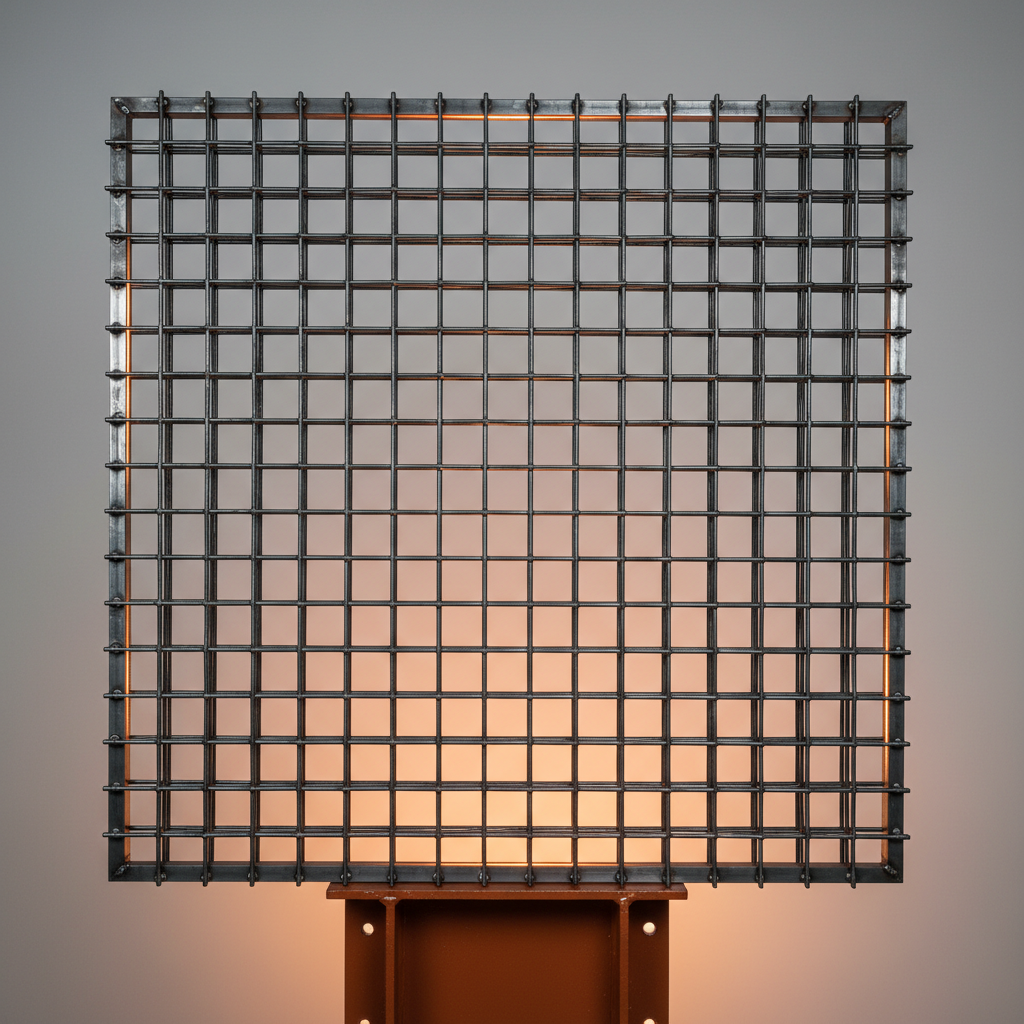 Heavy Duty 6 gauge welded wire mesh for Security and StrengthWhen it comes to heavy-duty containment, security, and structural reinforcement, choosing the right material is critical. The 6 gauge welded wire mesh stands as a premier choice for those requiring a balance of extreme rigidity and precise spacing. Whether you are securing a commercial perimeter, building industrial livestock panels, or creating reinforced concrete structures, this specific thickness provides the structural integrity needed to withstand significant pressure and impact. In this comprehensive guide, we will explore the technical specifications, primary applications, and why this mesh is the gold standard for high-security fencing solutions.Read more >
Apr 16 2026
-
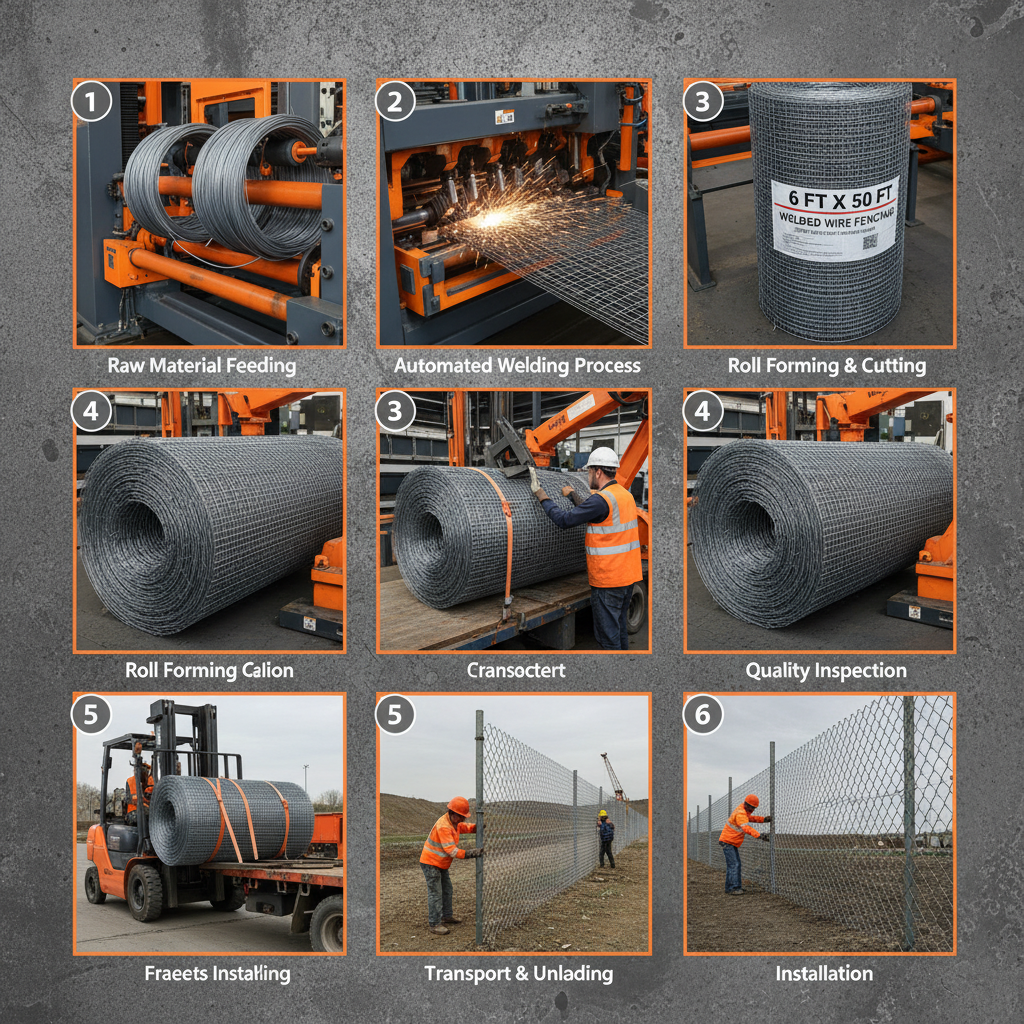 Durable 6 ft x 50 ft welded wire fencing for Security and GardensWhen it comes to securing a perimeter, whether for agricultural use, garden protection, or industrial boundaries, the dimensions and material of your fence matter. The 6 ft x 50 ft welded wire fencing offers an ideal balance of height and length, providing a robust barrier that is easy to install and maintain. Choosing a welded wire system ensures that the intersections are fused together, preventing the shifting and sagging often found in woven alternatives. In this guide, we will explore why this specific size is a preferred choice for property owners and how to maximize its effectiveness for your specific project.Read more >
Apr 09 2026
-
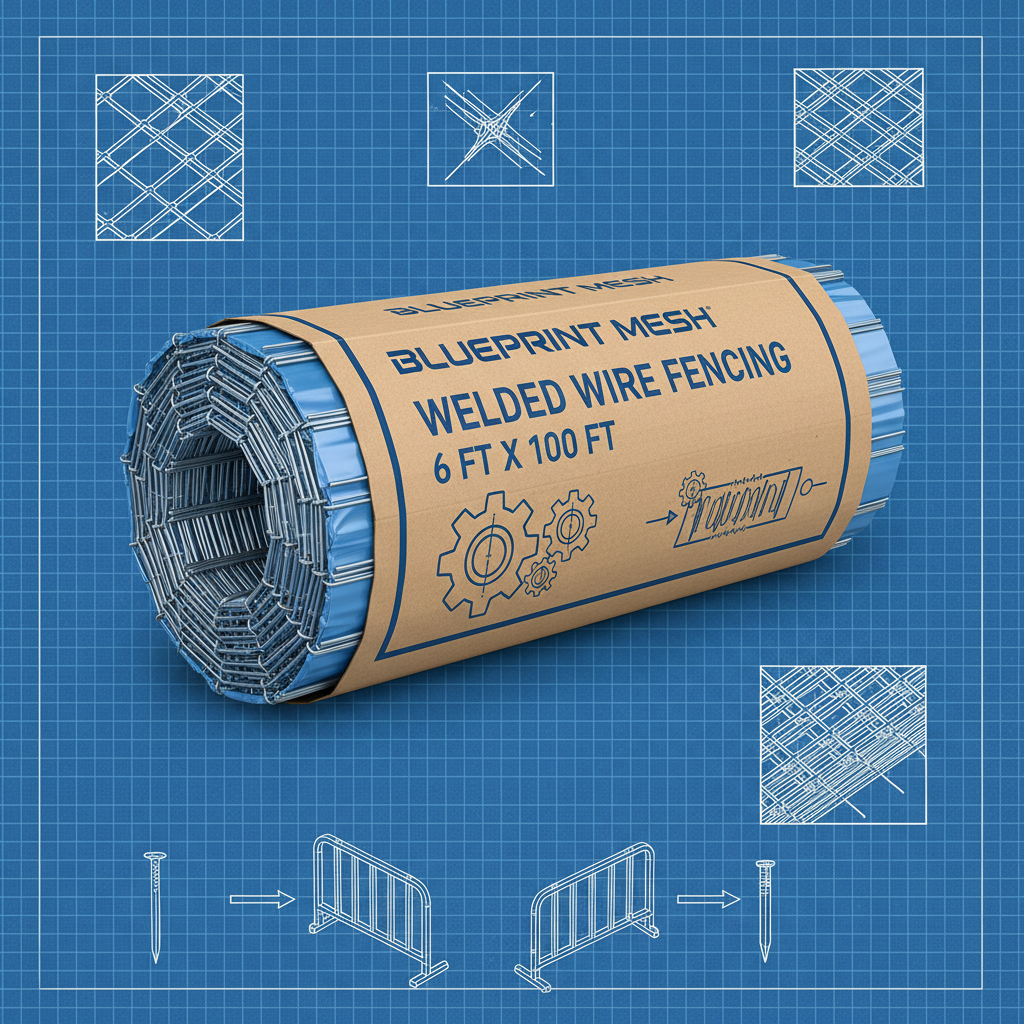 Comprehensive Guide to Choosing the Best 6 ft x 100 ft Welded Wire FencingWelded wire fencing is a versatile and cost-effective solution for a wide range of applications, from agricultural containment to residential security. Understanding the nuances of different types, especially when considering a size like 6 ft x 100 ft welded wire fencing, is crucial for making the right investment. This article will guide you through the essential factors to consider, helping you select the fencing that best suits your specific requirements.Read more >
Apr 07 2026
-
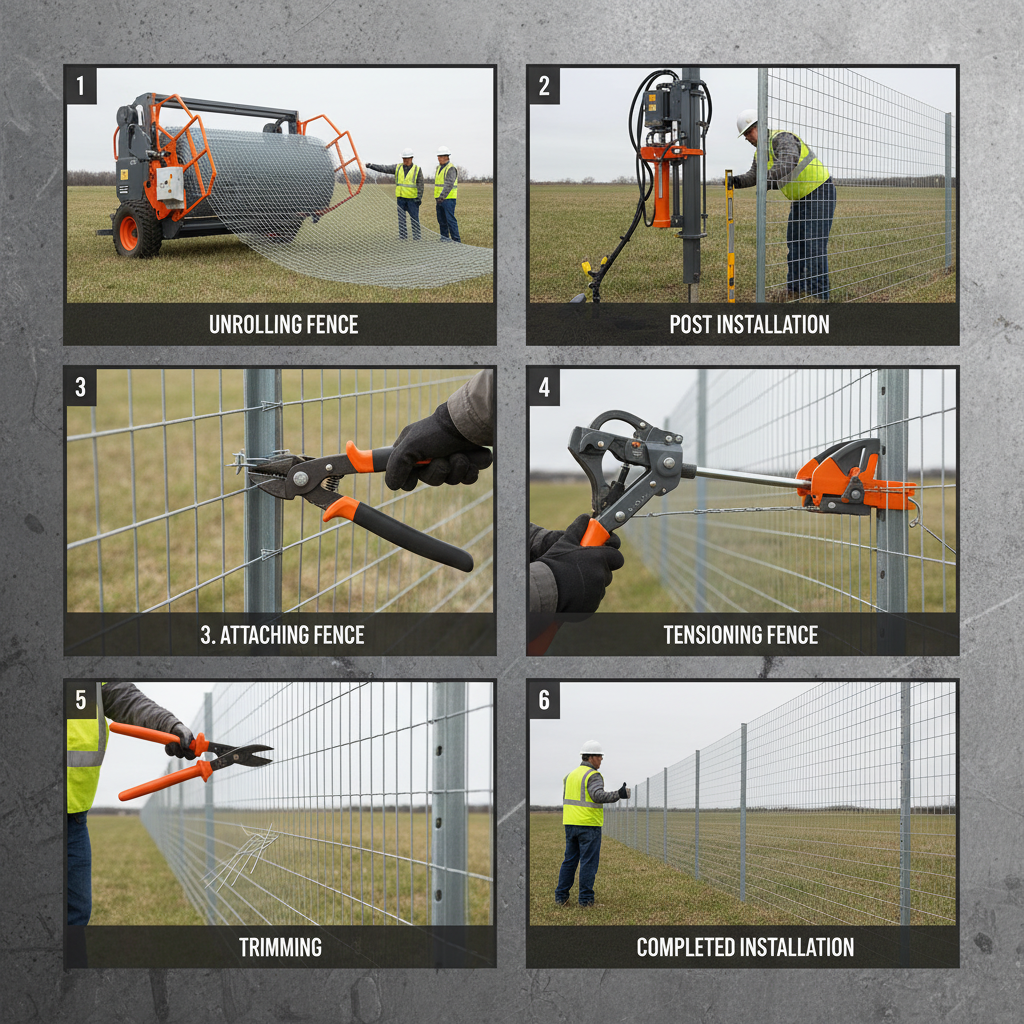 Comprehensive Guide to Choosing a 6 ft x 100 ft 12.5 Gauge Welded Wire FenceSelecting the appropriate fence for your property requires careful consideration. A 6 ft x 100 ft 12.5 gauge welded wire fence offers a robust and versatile solution for a variety of applications, from pet containment to garden protection and security. This guide will explore the benefits, applications, installation tips, and considerations when choosing this type of fencing. Understanding its construction and comparing it to other fencing options will help you make an informed decision.Read more >
Apr 04 2026
-
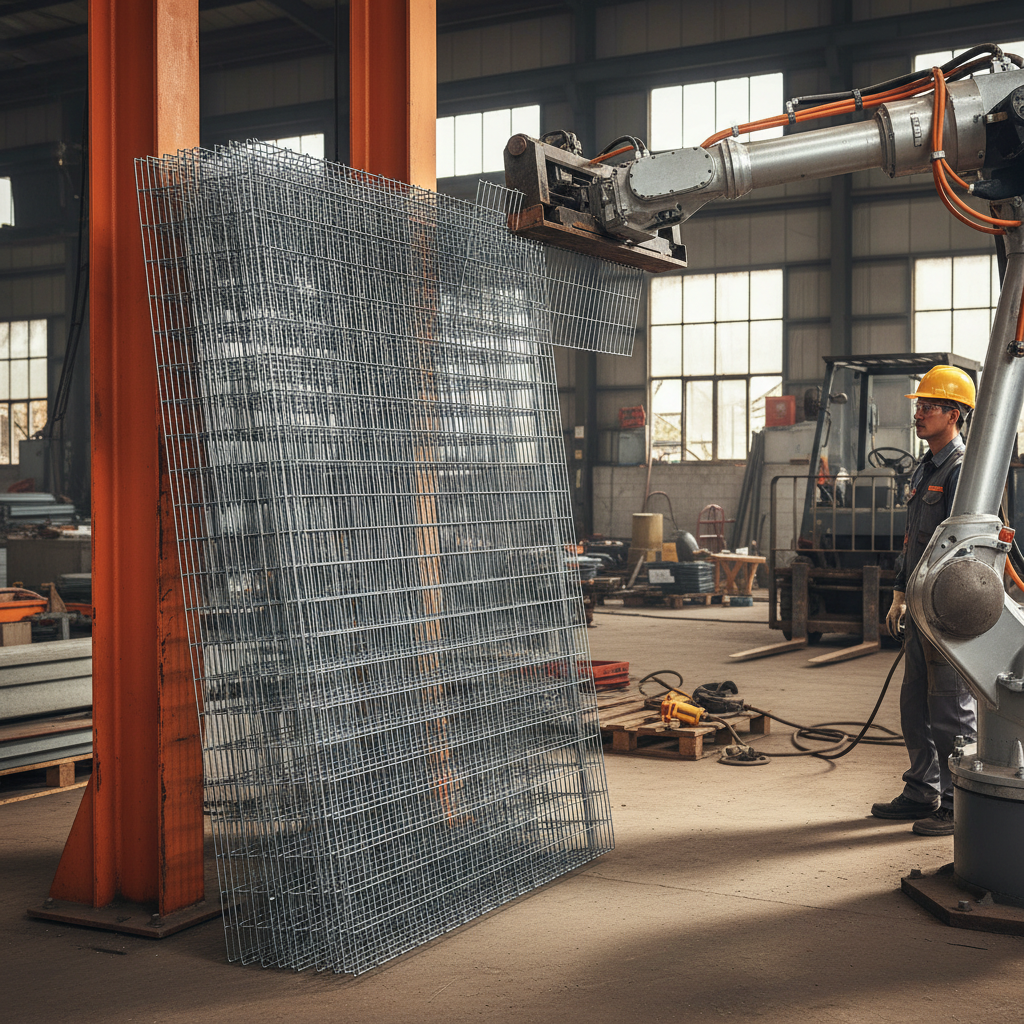 Comprehensive Guide to Durable 6 ft Welded Wire Fencing Panels and ApplicationsWhen selecting fencing for your property, 6 ft welded wire fencing panels offer a robust and versatile solution. These panels combine strength, security, and ease of installation, making them a popular choice for both residential and commercial applications. This article delves into the benefits, applications, installation, and maintenance of these panels, helping you make an informed decision.Read more >
Mar 31 2026