


Durable and Cost-Efficient Metal Fencing Rolls for Global Security Needs
The Quiet Power of Metal Fencing Rolls: Why They Matter Across the Globe
Metal fencing rolls aren't just another product on the construction list; they’re one of those unsung heroes that quietly shape how we secure spaces, protect assets, and even rebuild communities after crises. From sprawling industrial complexes in Asia to remote refugee camps in Africa, these rolls of metal wire form invisible yet tough barriers that keep order and safety intact.
Understanding metal fencing rolls means grasping more than just steel and wire — it means grasping a vital link in the chain of infrastructure, security, and humanitarian aid worldwide. And frankly, you’d be surprised how often this topic matters, from economic stability in emerging markets to disaster resilience and environmental sustainability.
Why Metal Fencing Rolls Are a Global Game Changer
On a global scale, metal fencing is a critical element in securing assets and controlling access — a need that only grows as urbanization and industrial activities expand. According to the International Organization for Standardization (ISO), steel-based fencing solutions contribute significantly to reducing unauthorized access and accidental injuries in industrial settings (ISO standards).
Additionally, the United Nations has highlighted secure fencing as a necessity in humanitarian operations, especially in refugee camps and disaster relief zones. Metal fencing rolls solve the challenge of transportability and rapid installation when time and resources are tight. They’re lightweight, modular, and flexible — which explains their global popularity.
At the same time, challenges remain — improper fencing can threaten wildlife corridors or become vulnerable to corrosion in humid climates. But the drive to improve metal fencing materials and coatings reflects an industry responding to both human and environmental demands.
So, What Exactly Are Metal Fencing Rolls?
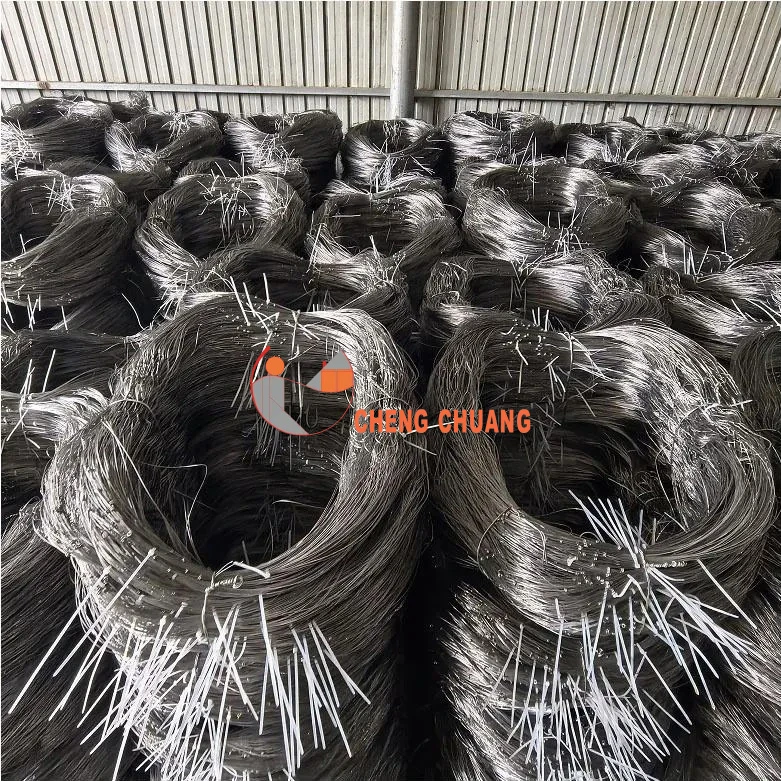
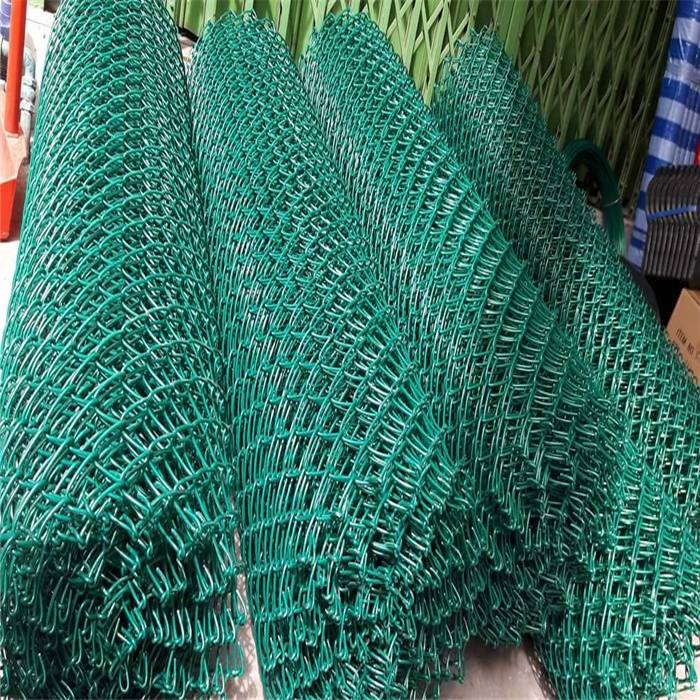
Put simply, metal fencing rolls are long strips or coils of interconnected metal wire, often galvanized steel, rolled up for easy transport and installation. These rolls can be unrolled and fixed vertically to create fences that serve many purposes: security, perimeter marking, livestock containment, or even erosion control. The beauty lies in their simplicity and adaptability.
In modern industry, these rolls link closely to supply chain needs — they’re easy to ship, store, and deploy. In humanitarian settings, their rapid setup helps protect vulnerable populations quickly. So metal fencing rolls aren’t just an object; they’re a tool of resilience and organization in chaotic scenarios.
Key Components and Considerations for Metal Fencing Rolls
Durability
Durability is king when it comes to fencing. Most metal fencing rolls are galvanized to resist rust, but in salty or humid environments, additional PVC coating might be necessary. This ensures years of service without constant maintenance, which is especially important in remote locations.
Scalability
Because of their modular nature, metal fencing rolls can cover small gardens or huge industrial perimeters without redesign. This scalability is part of why businesses and NGOs alike prefer them — they can tailor solutions rather than buy fixed panels.
Cost Efficiency
Compared to welded panel fences, rolls tend to be less expensive to produce and ship. This lowers upfront capital but also reduces installation labor time. The overall lifecycle cost is often better, making them attractive for large projects where budgets are tight but quality can’t be compromised.
Installation Flexibility
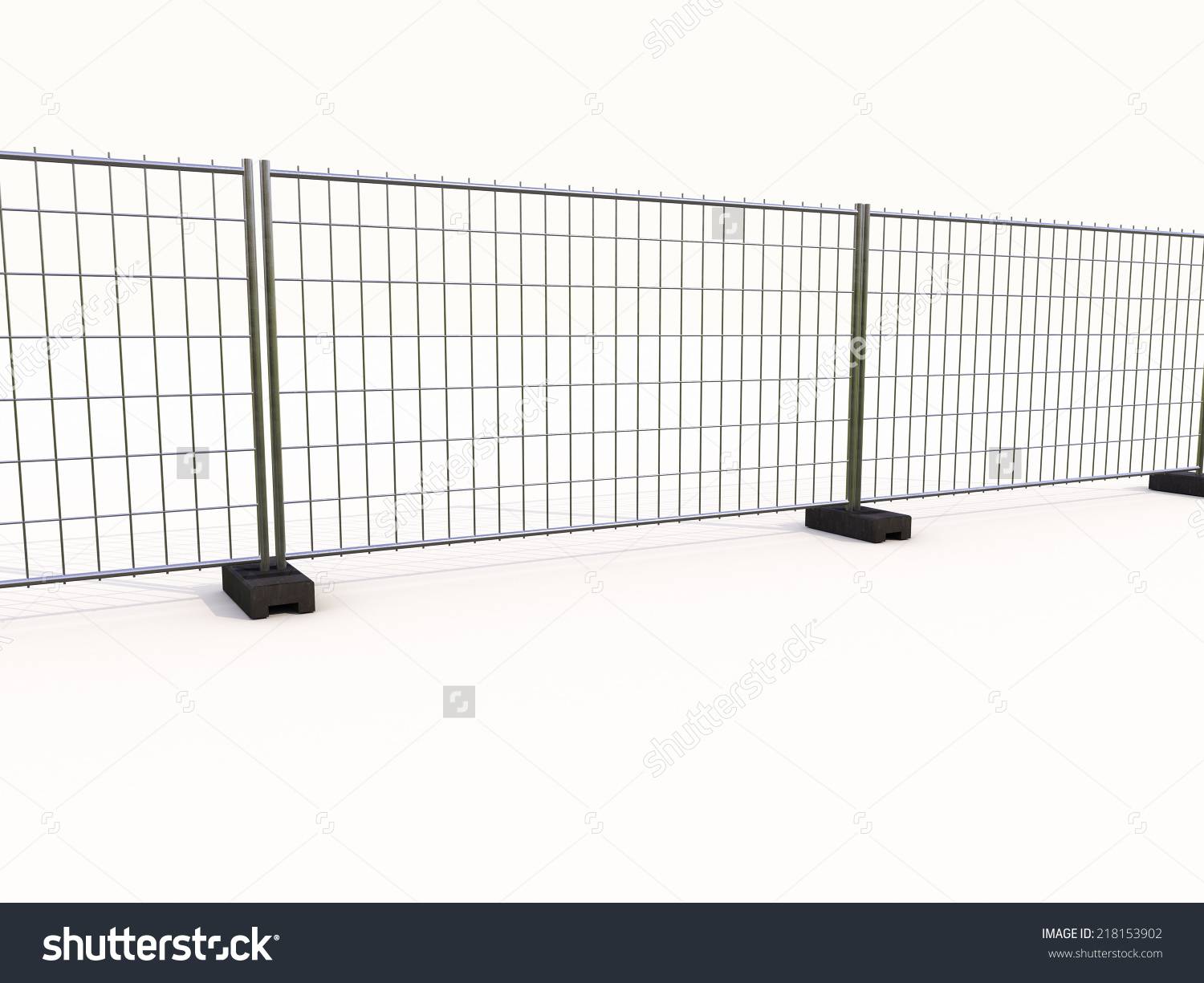
Metal fencing rolls are favored because they conform to uneven terrain better than rigid panels. Plus, they can be combined with various post types—wood, metal, concrete—which broadens their applicability.
Security Features
Depending on the gauge and mesh size, fencing rolls can offer different security levels. For example, smaller mesh makes climbing or cutting harder, which is vital for critical infrastructure.
Mini Takeaway:
Metal fencing rolls mix strength, cost-efficiency, and flexibility in one package — making them a staple in both everyday fencing and specialized applications worldwide.
Global Use Cases: How Metal Fencing Rolls Serve Real People Everywhere
- Post-Disaster Relief: After natural disasters, rapid deployment of fencing rolls helps define safe zones and protect emergency shelters.
- Industrial Complexes in Asia-Pacific: Expanding factories rely on tough fences that discourage theft but withstand tropical weather.
- Agricultural Boundaries in Sub-Saharan Africa: Metal fences help keep livestock safe from predators and prevent crop damage.
- Refugee Camps: Agencies use fencing rolls to create secure perimeters that support order and distribution control.
- Environmental Conservation: Some areas use fencing to guide wildlife movement and protect sensitive zones.
In all these cases, fencing rolls deliver a balance of rapid setup, portability, and lasting performance that other materials struggle to match.
Practical Specifications for Metal Fencing Rolls
| Specification | Details |
|---|---|
| Material | Galvanized Steel (often PVC-coated) |
| Gauge Thickness | Typically 12-16 gauge (2.5 to 1.5 mm) |
| Mesh Size | Ranges from 1"x1" to 4"x4" |
| Roll Length | 10-50 meters per roll (varies by vendor) |
| Weight | 15-30 kg per 10-meter roll |
| Installation | Nails/Wire Ties on posts, adjustable tension |
Vendor Comparisons: A Quick Look at Popular Suppliers
| Supplier | Material Quality | Customization | Lead Time | Price Range |
|---|---|---|---|---|
| Global Steel Fencing Co. | High-quality galvanized and PVC coated | Full custom mesh sizes and lengths | 2-3 weeks | $$$ |
| Economy Fence Supplies | Standard galvanized steel | Limited sizes, stock rolls | 1-2 weeks | $ |
| Industrial Wire Mesh Ltd. | Premium steel, weather resistant coating | Moderate customization options | 3-4 weeks | $$ |
Long-Term Benefits of Metal Fencing Rolls: More Than Just a Barrier
Using metal fencing rolls isn’t just about keeping a boundary visible — it’s about safety, trust, and even dignity in cases like refugee camps or disaster shelters. When these fences stand strong, people feel protected. Property owners feel secure. And industries can operate without constant worrying about trespassing or theft.
On a sustainability note, the longevity and recyclability of steel mean less frequent replacements and waste. And, oddly enough, there's a kind of beauty in their modular, simple design — which engineers and architects appreciate for its balance of function and form.
Innovation and Future Trends in Metal Fencing Rolls
The future isn’t just about steel anymore. Researchers and manufacturers are exploring eco-friendly coatings and corrosion-resistant alloys to extend fencing life even in harsh environments. Digital transformation plays a part too — with smart fencing embedded with sensors for breach detection or automated gates, increasing security layers.
There’s also a push towards integrating fences with solar-powered lighting or camera systems, dovetailing fencing rolls with green energy ambitions you might not expect from something so simple.
Facing Challenges Head-On: Solutions in Metal Fencing
Challenges like corrosion, installation complexity in uneven terrains, or even regulatory compliance can trip up projects. However, advances in coating technology and better on-site installation training help mitigate these issues. It's not perfect — but it keeps improving.
Experts often recommend pairing metal rolls with sustainable post materials and modern fastening techniques to boost overall stability and lifespan.
Frequently Asked Questions About Metal Fencing Rolls
- Q: How long do metal fencing rolls typically last outdoors?
- A: With proper galvanization and optional PVC coating, metal fencing rolls can last 15 to 30 years outdoors, depending on climate and maintenance.
- Q: Can these fencing rolls be installed on uneven ground?
- A: Yes, one big advantage is their flexibility. The rolls can be attached to posts spaced variably, following the terrain contours smoothly.
- Q: Are metal fencing rolls recyclable?
- A: Absolutely. Steel is one of the most recycled materials globally, making metal fencing rolls an eco-friendlier fencing choice overall.
- Q: Where can I find bulk metal fencing rolls for industrial projects?
- A: Reputable suppliers often provide large-volume discounts—check vendors like metal fencing rolls for tailored industrial solutions.
- Q: How quickly can I deploy fencing rolls in emergency situations?
- A: With a skilled crew, fencing rolls can be installed rapidly, often covering hundreds of meters within a day, perfect for temporary yet secure boundaries.
Wrapping Up: Why Metal Fencing Rolls Are a Smart Investment
When you look at metal fencing rolls from all angles — cost, durability, adaptability, and global relevance — you see why they remain a staple across industries and communities. Whether it’s securing a remote industrial zone or helping contain a fragile humanitarian camp, these rolls work as a trusted ally.
If you’re considering fencing solutions for your next project, do explore the latest options and trusted suppliers. For a start, feel free to visit our website: metal fencing rolls for more details and consultations.
Mini Reflection
It’s intriguing how such a simple product embodies the complexities of global infrastructure and humanitarian aid. Next time you see a wire fence, you might just wonder about the stories it quietly holds...
References:
1. ISO Technical Committee on Structural Steel and Steel Products
2. UNHCR Emergency Handbook: Site Planning and Fencing
3. Wikipedia: Fence
Latest News About CHENG CHUANG
-
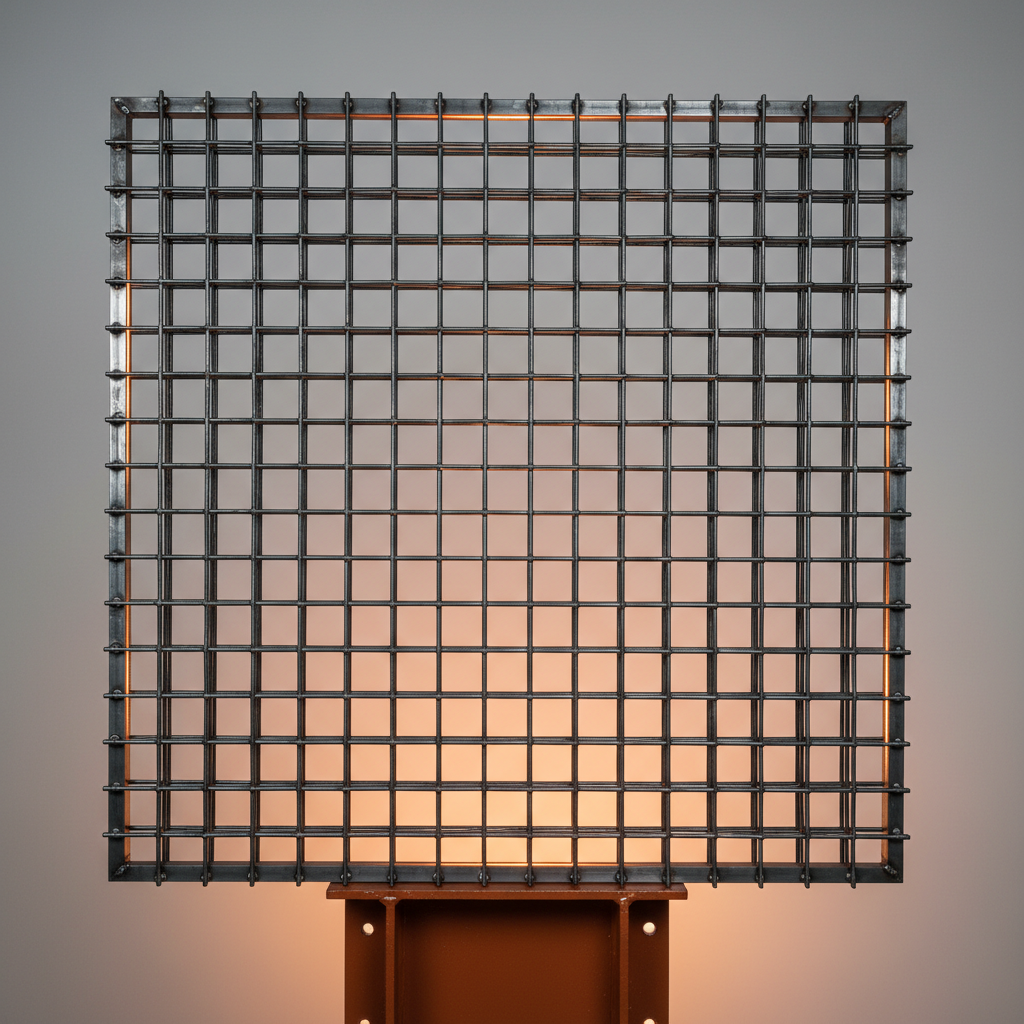 Heavy Duty 6 gauge welded wire mesh for Security and StrengthWhen it comes to heavy-duty containment, security, and structural reinforcement, choosing the right material is critical. The 6 gauge welded wire mesh stands as a premier choice for those requiring a balance of extreme rigidity and precise spacing. Whether you are securing a commercial perimeter, building industrial livestock panels, or creating reinforced concrete structures, this specific thickness provides the structural integrity needed to withstand significant pressure and impact. In this comprehensive guide, we will explore the technical specifications, primary applications, and why this mesh is the gold standard for high-security fencing solutions.Read more >
Apr 16 2026
-
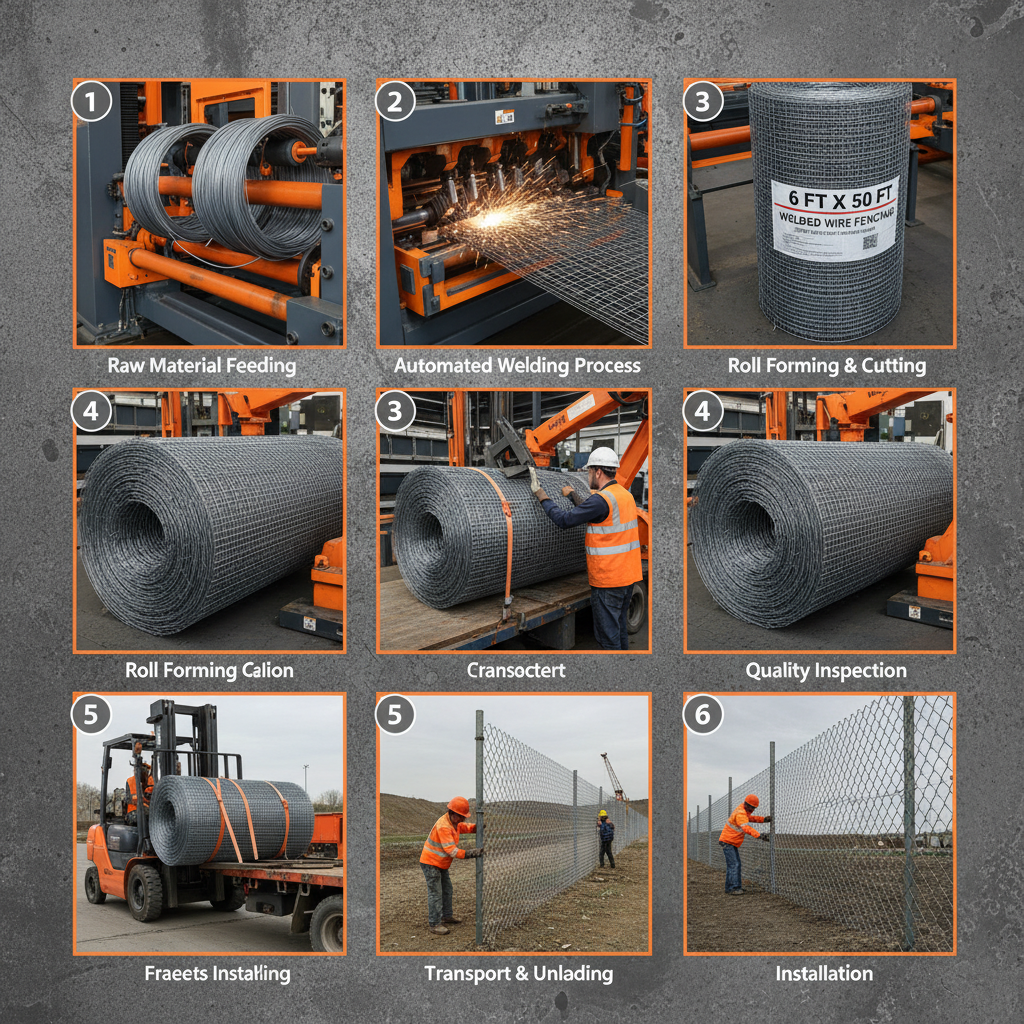 Durable 6 ft x 50 ft welded wire fencing for Security and GardensWhen it comes to securing a perimeter, whether for agricultural use, garden protection, or industrial boundaries, the dimensions and material of your fence matter. The 6 ft x 50 ft welded wire fencing offers an ideal balance of height and length, providing a robust barrier that is easy to install and maintain. Choosing a welded wire system ensures that the intersections are fused together, preventing the shifting and sagging often found in woven alternatives. In this guide, we will explore why this specific size is a preferred choice for property owners and how to maximize its effectiveness for your specific project.Read more >
Apr 09 2026
-
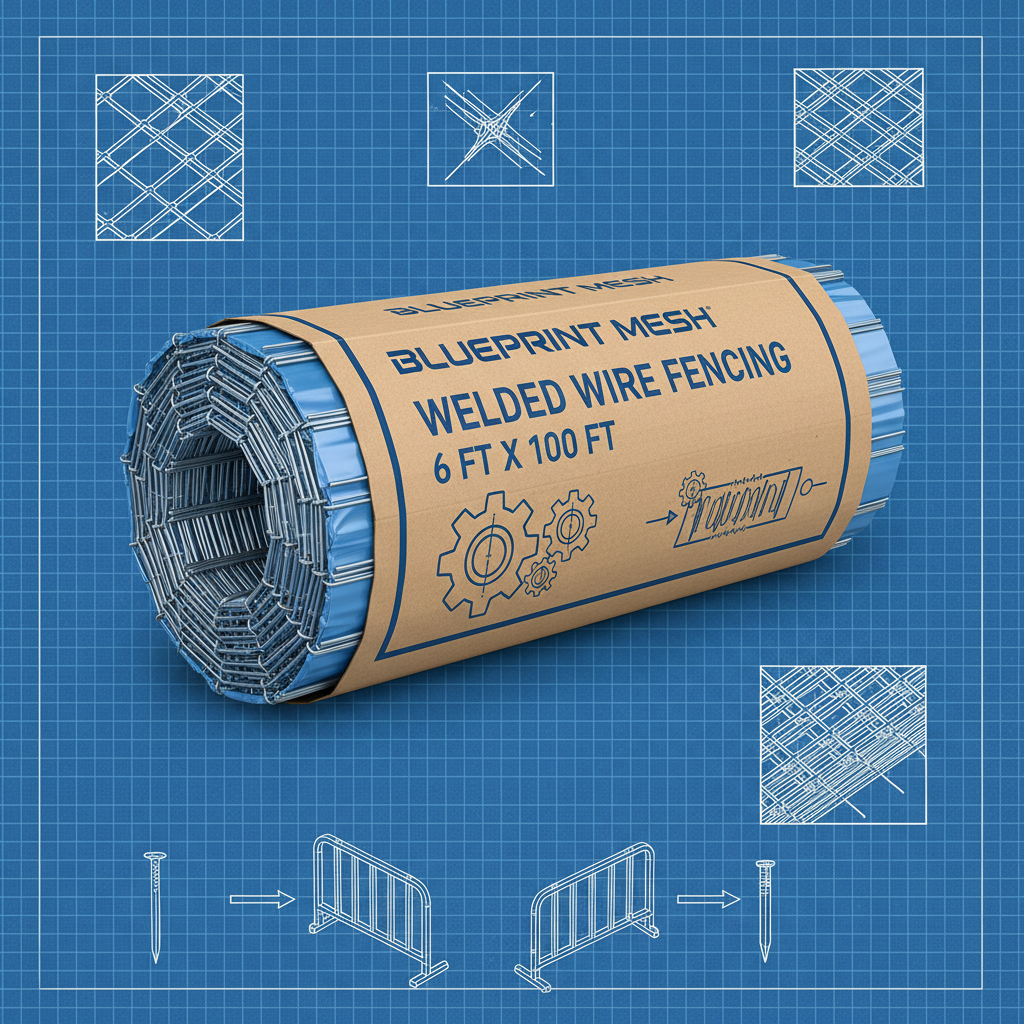 Comprehensive Guide to Choosing the Best 6 ft x 100 ft Welded Wire FencingWelded wire fencing is a versatile and cost-effective solution for a wide range of applications, from agricultural containment to residential security. Understanding the nuances of different types, especially when considering a size like 6 ft x 100 ft welded wire fencing, is crucial for making the right investment. This article will guide you through the essential factors to consider, helping you select the fencing that best suits your specific requirements.Read more >
Apr 07 2026
-
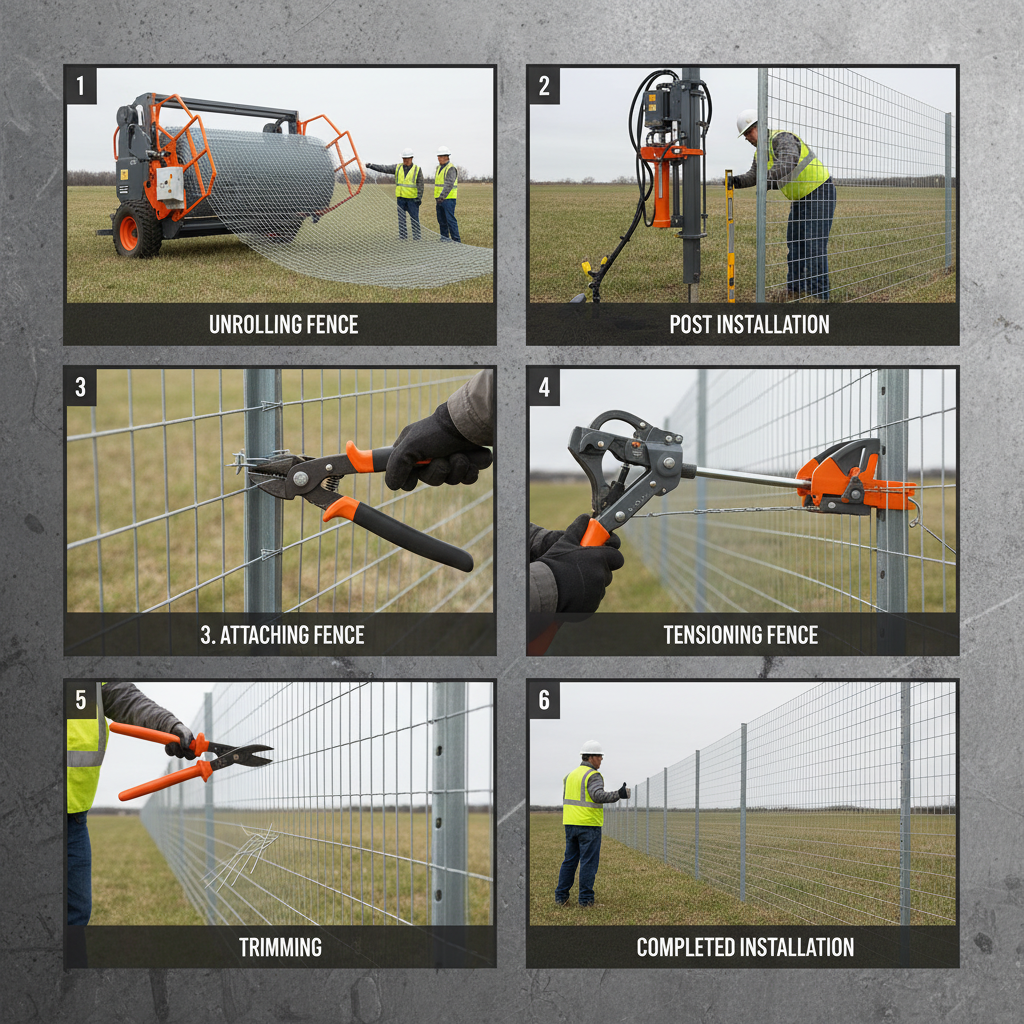 Comprehensive Guide to Choosing a 6 ft x 100 ft 12.5 Gauge Welded Wire FenceSelecting the appropriate fence for your property requires careful consideration. A 6 ft x 100 ft 12.5 gauge welded wire fence offers a robust and versatile solution for a variety of applications, from pet containment to garden protection and security. This guide will explore the benefits, applications, installation tips, and considerations when choosing this type of fencing. Understanding its construction and comparing it to other fencing options will help you make an informed decision.Read more >
Apr 04 2026
-
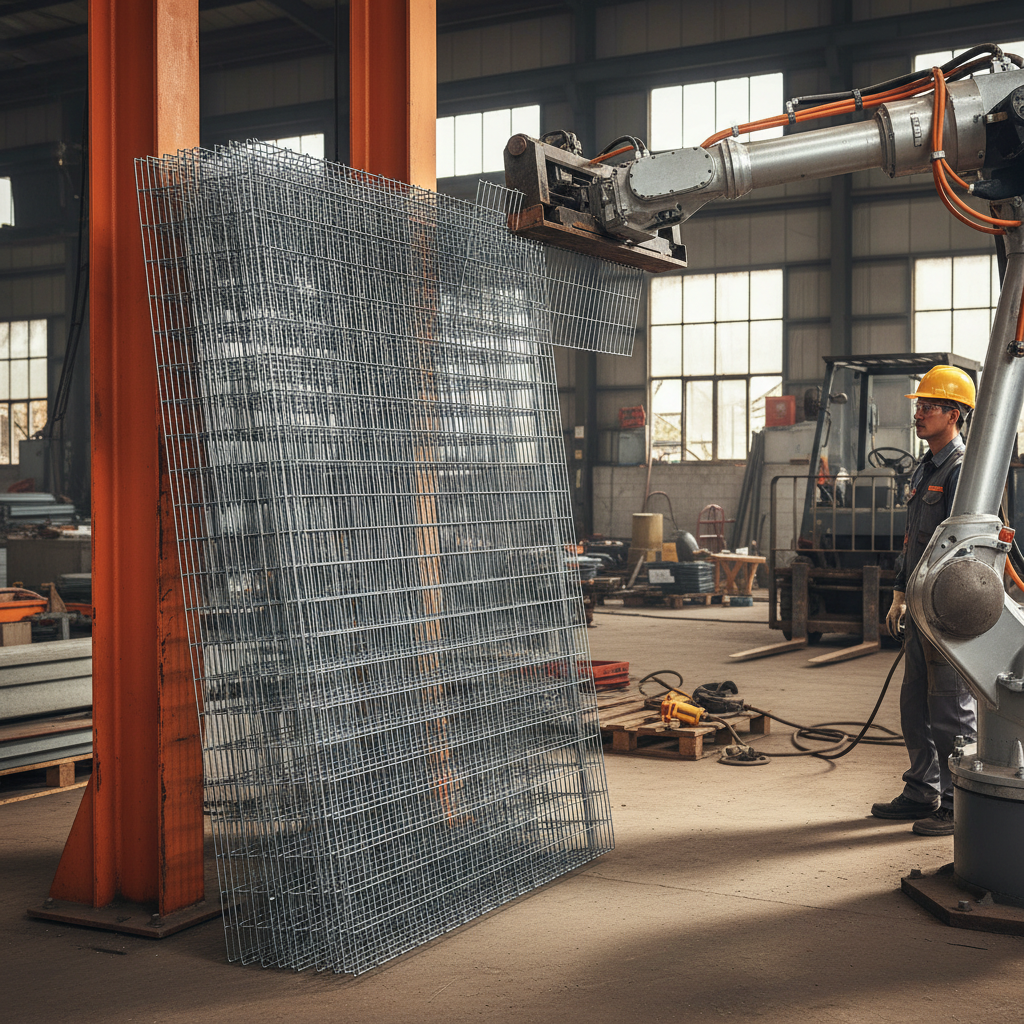 Comprehensive Guide to Durable 6 ft Welded Wire Fencing Panels and ApplicationsWhen selecting fencing for your property, 6 ft welded wire fencing panels offer a robust and versatile solution. These panels combine strength, security, and ease of installation, making them a popular choice for both residential and commercial applications. This article delves into the benefits, applications, installation, and maintenance of these panels, helping you make an informed decision.Read more >
Mar 31 2026