


Durable and Versatile Metal Net for Cage Solutions | Global Applications & Benefits
Understanding Metal Net for Cage: Why It Matters Globally
At first glance, “metal net for cage” might sound straightforward — just a mesh or fencing material, right? But if you think about it, these metal nets serve as unsung heroes in industries and humanitarian efforts worldwide. From securing industrial equipment to providing makeshift wildlife shelters or disaster relief structures, these metal nets play crucial roles that often go unnoticed. Understanding their design, strengths, and applications opens a window into how modern challenges—whether industrial, ecological, or humanitarian—get solved with surprisingly simple, yet ingenious solutions.
Why does this matter globally? Well, with increasing urbanization and industrial intensification, secure containment solutions have become essential for safety and operational efficiency. According to the International Organization for Standardization (ISO), standardized materials like metal nets improve safety and reduce failure risks across sectors. Plus, with heightened awareness of animal conservation and disaster response, metal nets for cages also appear in wildlife sanctuaries and rapid housing or containment in crisis zones.
Mini takeaway: Metal nets act as flexible, durable barriers that address multifunctional needs worldwide — industrial, environmental, and humanitarian.
The Global Context: A Closer Look at Metal Nets
Metal netting is more than a local fix — it’s a globally traded commodity deeply entwined with supply chains and industrial safety standards. The global fence and mesh market segment is projected to cross $5 billion by 2025 (World Bank), driven by demand in construction, agriculture, and security.
Yet challenges remain. How do you balance affordability with durability? Or ensure quick deployment in disaster-prone regions where time is life? That’s where the right metal net for cage comes in—engineered to meet these very constraints while delivering practical reliability.
What Exactly is a Metal Net for Cage?
Simply put, a metal net for cage is a grid-like mesh made from metals such as steel, aluminum, or galvanized iron, configured specifically to form cages or containment structures. These cages might hold animals, protect equipment, or even be part of temporary shelters. The metal wires are interwoven or welded to create a robust lattice that’s tough yet sometimes flexible enough to adapt to different shapes.
In industrial terms, these nets align with safety standards that prevent accidental falls or unauthorized access. For humanitarian needs, the metal mesh can quickly become part of secure enclosures for people, animals, or supplies. Oddly enough, this basic woven metal structure underpins many modern functions you wouldn’t immediately credit it for.
Key Components That Make Metal Nets Stand Out
1. Durability and Corrosion Resistance
Metal nets are typically galvanized or coated with protective layers to resist rust and environmental wear. This makes them reliable even in coastal or humid regions, ensuring longevity—many engineers I know specifically ask about coating thickness because it so heavily influences lifespan.
2. Flexibility and Scalability
Whether you need a small cage for wildlife or expansive fencing for industrial use, metal nets can be tailored or scaled. Multipurpose by design, they can be welded for sturdiness or made from lighter gauge wire where flexibility is critical.
3. Ease of Installation
Fast deployment is a big selling point. In emergency shelter construction or temporary storage, these nets allow for quick assembly — something that nonprofits and field engineers appreciate a lot when time is short.
4. Cost Efficiency
Compared to other materials, metal nets strike a balance between upfront cost and maintenance. In many cases, the reduced replacement frequency pays off over years.
5. Safety Compliance
They meet many international standards for containment and safety — crucial for industries dealing with hazardous materials or restricted environments.
Mini takeaway:
- Strong corrosion resistance extends the timespan and usability.
- Adaptability ensures metal nets fit diverse needs globally.
- Affordability and fast installation make metal nets invaluable in crises.
How Is Metal Net for Cage Used Globally?
Metal nets are everywhere, but here’s a rundown of some surprising and important use cases:
- Agriculture: Protecting livestock and crops from predators while allowing ventilation.
- Wildlife Conservation: Temporary enclosures for animal rescue; cited in wildlife conservation efforts worldwide.
- Disaster Relief: Quick-build cages to secure relief supplies, or temporary animal shelters post-calamity.
- Industrial Safety: Machinery guards, worker safety enclosures, and zone delineation.
- Construction: Fall protection fences at heights to comply with safety laws.
Regions with harsh climates—like northern Europe or parts of Asia—favor galvanized steel meshes for corrosion resistance, whereas in wetter tropical zones, PVC-coated options are more common. Oddly, even in urban settings, you’ll see metal nets disguised in green paint to blend into parks or school yards.
Metal Net for Cage Specifications
| Specification | Details |
|---|---|
| Material | Galvanized Steel, Stainless Steel, Aluminum |
| Mesh Size | 10mm x 10mm to 50mm x 50mm (customizable) |
| Wire Diameter | 1.5mm to 5mm |
| Coating | Galvanized, PVC Coated, Powder Coated |
| Tensile Strength | Up to 550 MPa |
| Standard Compliance | ISO 10223, ASTM A641 |
Comparing Vendors: What to Look For
| Feature | Vendor A | Vendor B | Vendor C |
|---|---|---|---|
| Material Options | Galv Steel, Aluminum | Stainless Steel, Galv | Galv Steel Only |
| Customization | High (mesh, size, coating) | Medium (size only) | Low (standard sizes only) |
| Lead Times | 2-3 weeks | 4-6 weeks | 1-2 weeks |
| Price Range | $$$ | $$$$ | $ |
| Warranty | 5 years | 7 years | 3 years |
Why Choose Metal Net for Cage? The Clear Advantages
- Cost-effective longevity: Durable coatings and strong wire mean fewer replacements and repairs.
- Environmental sustainability: Many nets can be recycled and their long lifespan reduces waste.
- Enhanced safety and protection: Safely secure equipment, animals, or resources, giving peace of mind.
- Flexibility in design: It’s easy to adapt for specific needs, whether industrial cages or humanitarian enclosures.
- Fast deployment: Particularly vital in disaster relief, where time truly is a matter of life and death.
Where Metal Nets for Cage are Headed: Future Innovations
Technology isn’t standing still. We’re seeing new trends like corrosion-resistant nano-coatings and incorporating smart sensors into metal nets for real-time monitoring—helpful for security or wildlife tracking. Also, greener manufacturing methods are reducing the carbon footprint of these metal products.
Digital transformation lets buyers customize orders online with exact dimensions and test virtual strength. Automation in manufacturing, combined with advanced materials, is making metal nets lighter yet stronger. In sustainability terms, these innovations align with the global trend toward more responsible, circular economy materials.
Common Challenges and How to Overcome Them
Of course, no solution is perfect. One recurring challenge is balancing strength and weight: heavier cages are stronger but harder to transport and install. Another is corrosion issues in particularly harsh climates, despite coatings. Experts now advise a combo of protective coatings and regular maintenance to extend service life—that “two-pronged” strategy makes a real difference.
Also, in rapidly changing environments like disaster zones, customizing nets can be tough if vendors can’t react quickly. That’s why networks of local suppliers or modular designs that ship flat and assemble fast are gaining ground.
FAQ: Your Questions About Metal Net for Cage, Answered
Q1: What makes metal nets better than plastic alternatives for cages?
A1: Metal nets generally offer superior strength, weather resistance, and longevity compared to plastic mesh. They withstand tough environments better and can be recoated or repaired more easily, making them more reliable over time.
Q2: Can metal nets be used in coastal areas without rusting?
A2: Yes, galvanized or stainless steel nets with proper coatings are designed specifically to resist salt corrosion common near oceans. Selecting the right finish and maintenance schedule is key to longevity.
Q3: How quickly can metal nets for cages be deployed in emergency situations?
A3: Many metal net cages are designed for rapid installation, often capable of being assembled within hours. This speed is critical during disasters for securing supplies or creating safe zones.
Q4: Are there eco-friendly metal net options available?
A4: Increasingly, vendors offer nets made with recycled metals and use environmentally friendly coatings. Additionally, their durability reduces replacement frequency, contributing to sustainability.
Q5: How can international buyers import specialized metal nets?
A5: Working with vendors who handle export compliance and offer customization is essential. Some provide documentation aligning with ISO standards, streamlining customs processes and ensuring quality.
Wrapping It Up: Why Metal Net for Cage Should Be on Your Radar
Whether securing an industrial site, building wildlife habitats, or quick emergency containment, metal nets for cages represent a versatile, dependable solution. Their blend of durability, affordability, and adaptability fits into so many global needs that ignoring them feels like missing a critical piece of the puzzle. If you’re curious or need custom designs, I suggest checking the latest models and offers from reliable suppliers, like the team at metal net for cage providers who combine engineering and practical know-how seamlessly.
After all, it’s these practical solutions that often make the world a bit safer and smarter—one wire mesh at a time.
References
Latest News About CHENG CHUANG
-
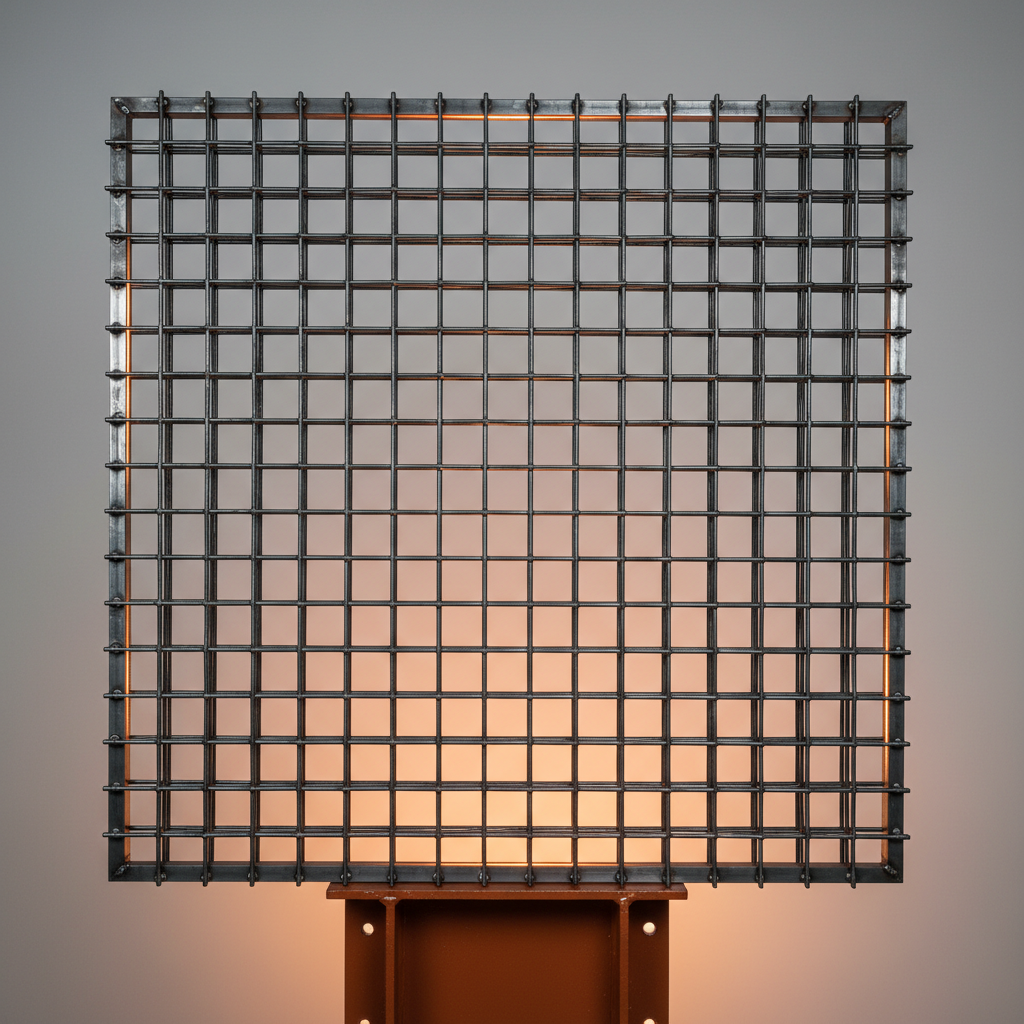 Heavy Duty 6 gauge welded wire mesh for Security and StrengthWhen it comes to heavy-duty containment, security, and structural reinforcement, choosing the right material is critical. The 6 gauge welded wire mesh stands as a premier choice for those requiring a balance of extreme rigidity and precise spacing. Whether you are securing a commercial perimeter, building industrial livestock panels, or creating reinforced concrete structures, this specific thickness provides the structural integrity needed to withstand significant pressure and impact. In this comprehensive guide, we will explore the technical specifications, primary applications, and why this mesh is the gold standard for high-security fencing solutions.Read more >
Apr 16 2026
-
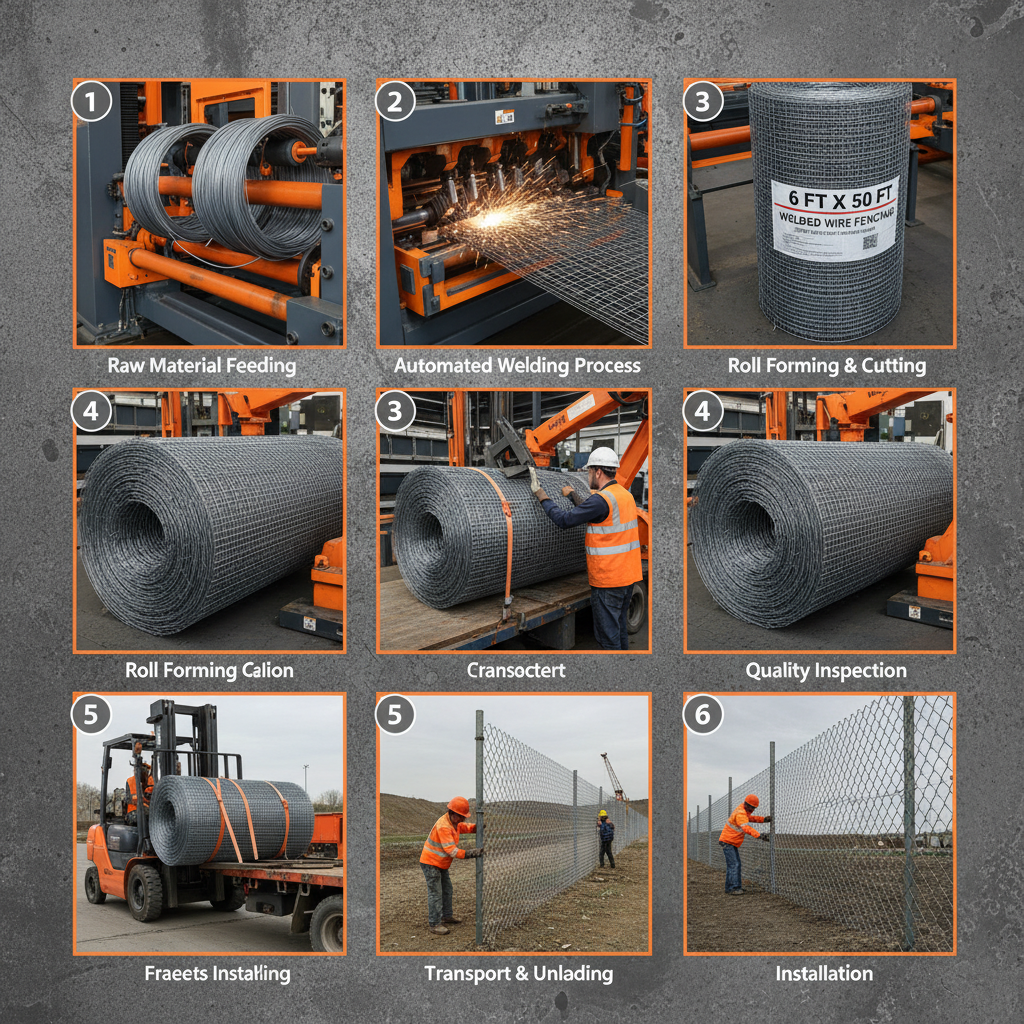 Durable 6 ft x 50 ft welded wire fencing for Security and GardensWhen it comes to securing a perimeter, whether for agricultural use, garden protection, or industrial boundaries, the dimensions and material of your fence matter. The 6 ft x 50 ft welded wire fencing offers an ideal balance of height and length, providing a robust barrier that is easy to install and maintain. Choosing a welded wire system ensures that the intersections are fused together, preventing the shifting and sagging often found in woven alternatives. In this guide, we will explore why this specific size is a preferred choice for property owners and how to maximize its effectiveness for your specific project.Read more >
Apr 09 2026
-
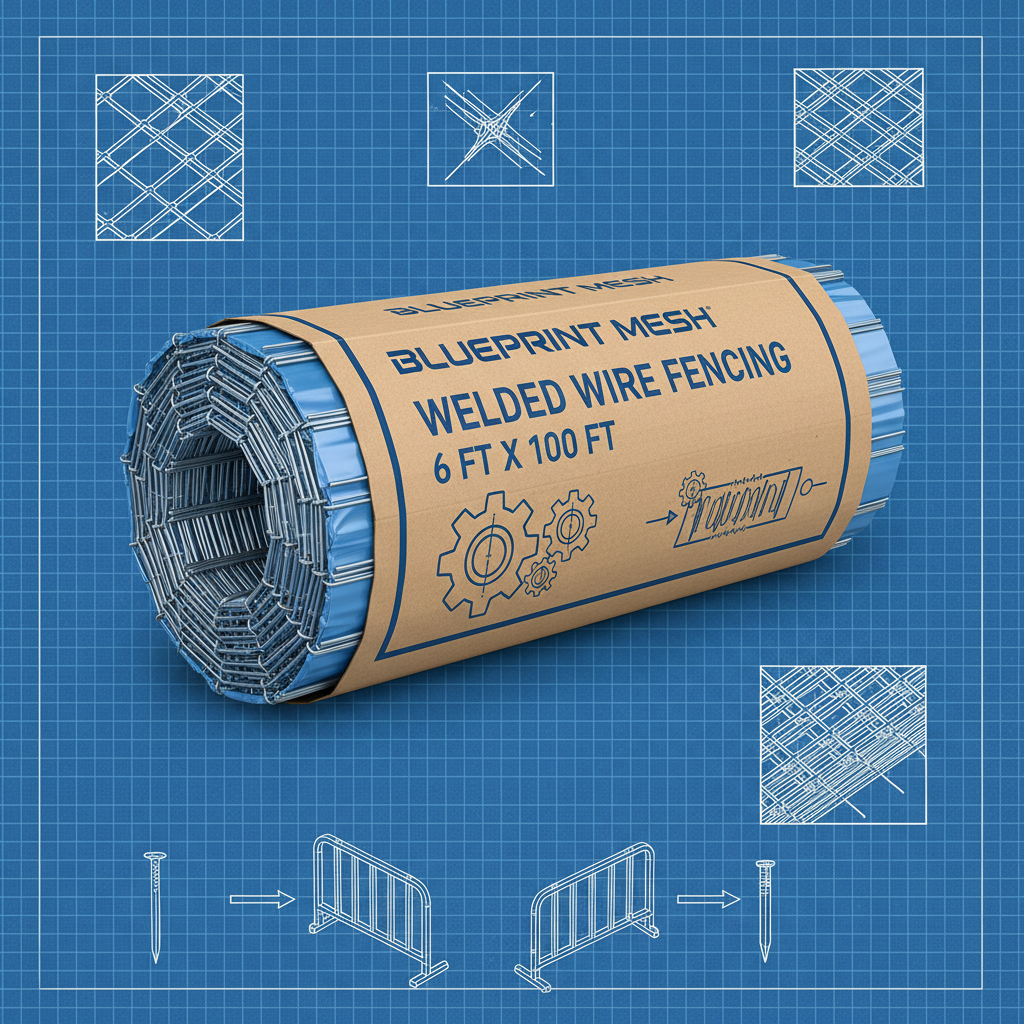 Comprehensive Guide to Choosing the Best 6 ft x 100 ft Welded Wire FencingWelded wire fencing is a versatile and cost-effective solution for a wide range of applications, from agricultural containment to residential security. Understanding the nuances of different types, especially when considering a size like 6 ft x 100 ft welded wire fencing, is crucial for making the right investment. This article will guide you through the essential factors to consider, helping you select the fencing that best suits your specific requirements.Read more >
Apr 07 2026
-
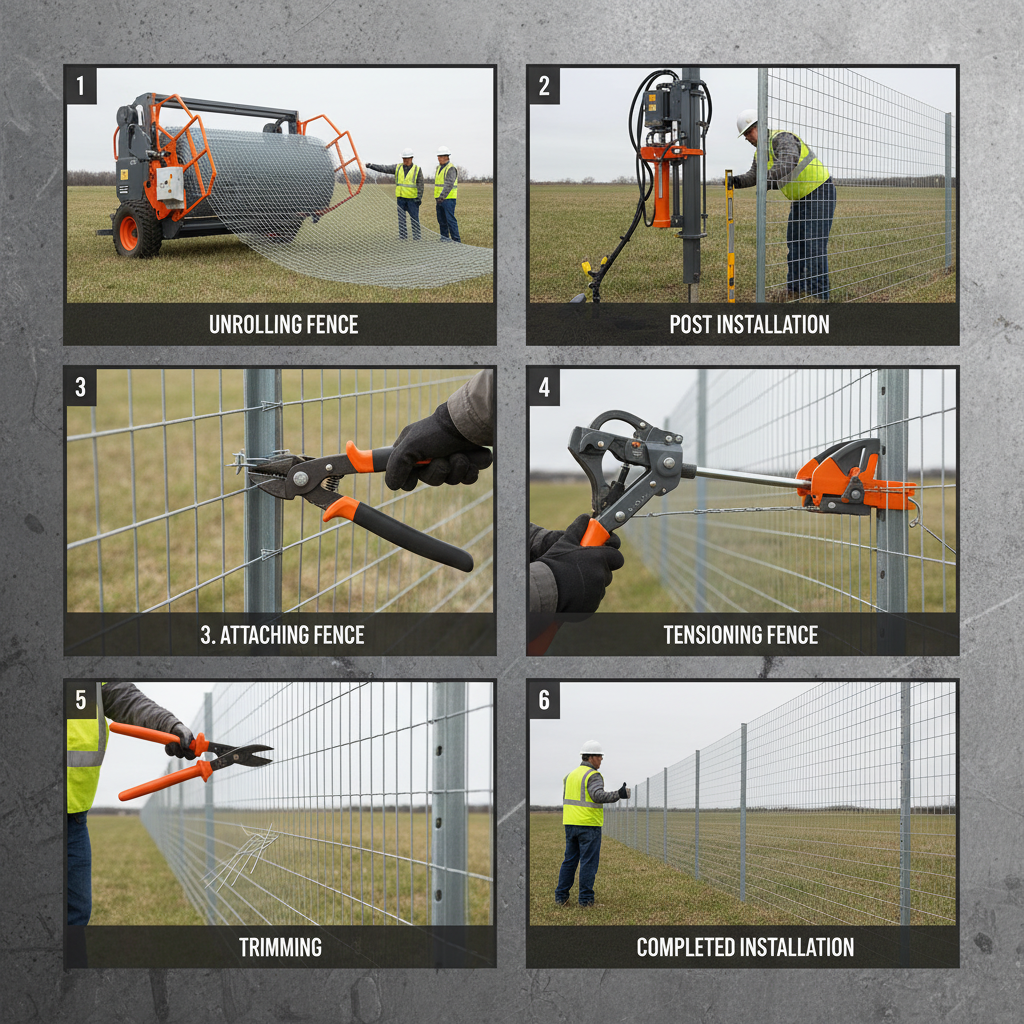 Comprehensive Guide to Choosing a 6 ft x 100 ft 12.5 Gauge Welded Wire FenceSelecting the appropriate fence for your property requires careful consideration. A 6 ft x 100 ft 12.5 gauge welded wire fence offers a robust and versatile solution for a variety of applications, from pet containment to garden protection and security. This guide will explore the benefits, applications, installation tips, and considerations when choosing this type of fencing. Understanding its construction and comparing it to other fencing options will help you make an informed decision.Read more >
Apr 04 2026
-
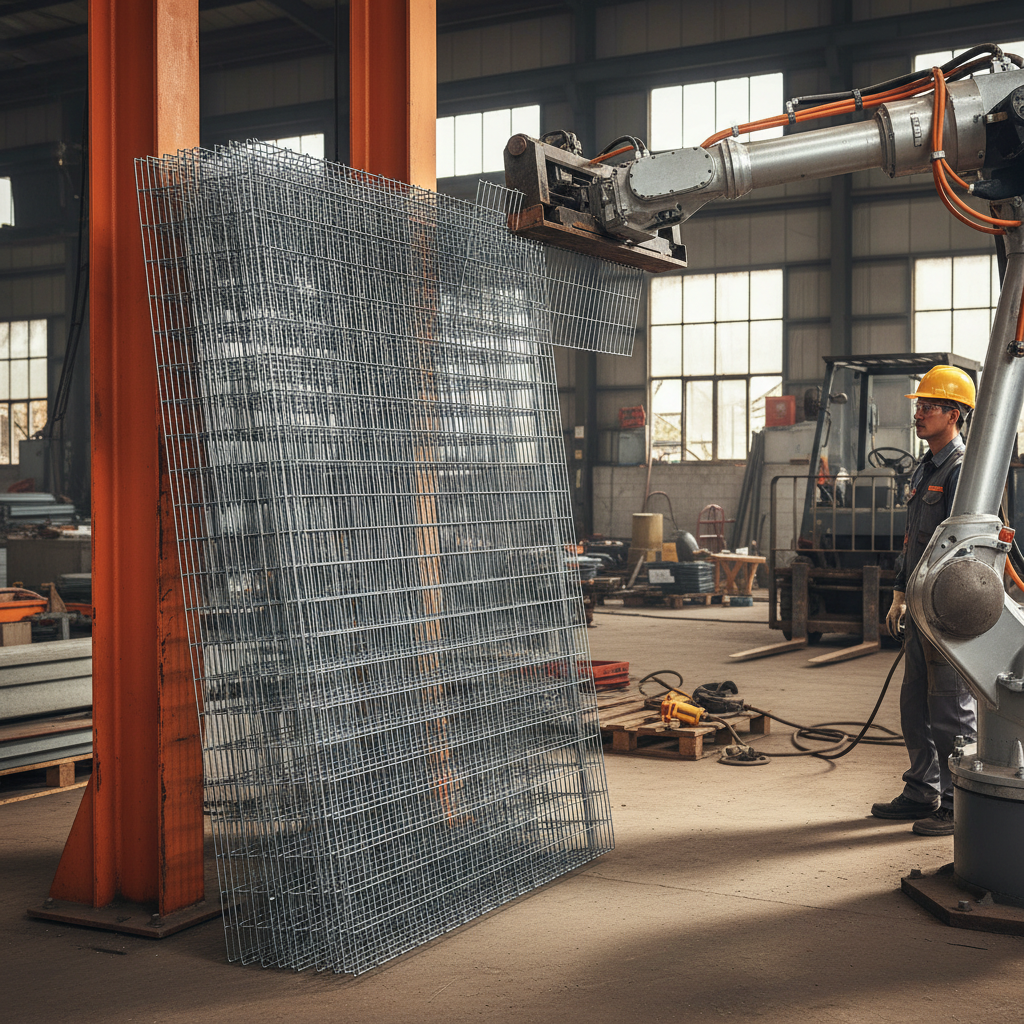 Comprehensive Guide to Durable 6 ft Welded Wire Fencing Panels and ApplicationsWhen selecting fencing for your property, 6 ft welded wire fencing panels offer a robust and versatile solution. These panels combine strength, security, and ease of installation, making them a popular choice for both residential and commercial applications. This article delves into the benefits, applications, installation, and maintenance of these panels, helping you make an informed decision.Read more >
Mar 31 2026