


Durable Iron Mesh Nets for Industrial Use | CHCHFence
Nov . 13, 2025 13:30
Why Iron Mesh Nets Remain a Staple in Industrial Equipment
If you’ve spent any meaningful time working around industrial equipment, you know that iron mesh nets are more than just simple fences or overlays. They’re the unsung heroes that often get overlooked until something goes sideways — say a stray object slips through or corrosion weakens the entire setup. Honestly, it feels like this material quietly shoulders a ton of responsibility, especially in industries where safety and durability matter the most. I still remember visiting a factory where the engineers swore by a particular type of iron mesh fence that didn’t just hold up under harsh weather but also resisted chemical exposure. That got me thinking: What really makes a quality iron mesh net? And why do operators keep coming back to these over other mesh types?Key Features & Specifications of Iron Mesh Nets
The answer lies largely in their design and materials. Iron, especially when treated, offers a sturdy, rigid structure that can be customized in weave density, thickness, and size. This customization means you can adapt the mesh for anything from guarding conveyor belts to separating hazardous zones on a plant floor. Here’s a rundown of a typical iron mesh net specification table that many vendors provide — they might vary slightly, but these specs give you a decent baseline:| Specification | Value |
|---|---|
| Material | Carbon Steel / Galvanized Iron |
| Wire Diameter | 2.0 mm – 6.0 mm |
| Mesh Opening Size | 10 mm × 10 mm to 50 mm × 50 mm |
| Coating | Hot-Dip Galvanized / Powder Coated |
| Standard Sheet Size | 2 m × 6 m (custom sizes available) |
| Tensile Strength | Up to 600 MPa |
Picking the Right Iron Mesh Net Vendor
It's a jungle out there with suppliers all claiming to offer the “best” mesh nets. I’ve been down this road more times than I can count. The truth is, beyond just specs and price, vendor reliability and custom support are often what separate an “okay” purchase from a real game-changer. Here’s a quick comparison of three prominent suppliers in the iron mesh net market, including CHCHFence, whose products I find particularly trustworthy:| Vendor | Customization Options | Lead Time | Price Range | Additional Services |
|---|---|---|---|---|
| CHCHFence | Full custom sizes, coatings, mesh patterns | 2–4 weeks | Mid to high | On-site consultation, technical support |
| SteelNet Co. | Standard sizes only | 1–3 weeks | Low to mid | Limited support |
| MetalWorx | Custom mesh sizes, limited coating options | 3–5 weeks | High | Design assistance |
Real-World Use and Advantages of Iron Mesh Nets
I won’t sugarcoat it: iron mesh nets get rough treatment. They get banged, scraped, even exposed to oils, greases, or harsh weather. Yet, while plastic or lighter materials fail or need constant replacement, a good iron mesh net holds strong. It’s kind of like the old reliable worker who just quietly makes sure the job gets done. Advantages tend to cluster around:- Durability - withstands physical and environmental impacts
- Security - robust barriers for safety and containment
- Customization - tailored mesh openings and coatings
- Cost efficiency over time - lower replacement frequency
Choosing Your Next Iron Mesh Net
So, whether you’re designing a new safety barrier, sorting out conveyor guards, or simply upgrading an existing fence, keep in mind the combination of material quality, vendor support, and specs that fit your operational demands. And naturally, if you want a straightforward place to start, consider checking out CHCHFence. They seem to be quite up to speed on everything from customization to quick delivery—something that not every supplier can claim. Remember, in an industry where reliability can’t be compromised, your iron mesh net really becomes part of the backbone infrastructure. Not glamorous, but utterly essential. ---References & Further Reading
- Industrial Mesh Solutions Report, 2023
- CHCHFence Product Catalog, 2024 edition
- Conversations with Plant Managers & Engineers, 2022-2023
Latest News About CHENG CHUANG
-
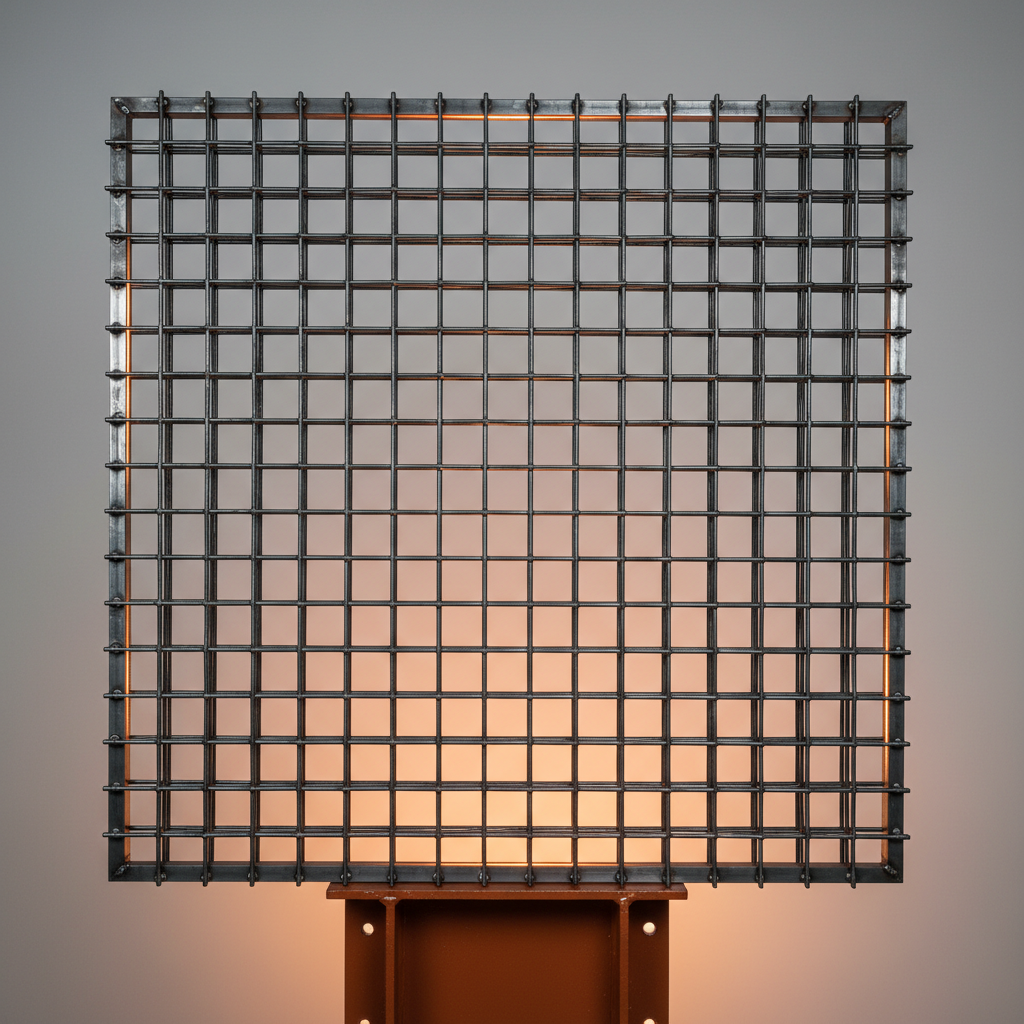 Heavy Duty 6 gauge welded wire mesh for Security and StrengthWhen it comes to heavy-duty containment, security, and structural reinforcement, choosing the right material is critical. The 6 gauge welded wire mesh stands as a premier choice for those requiring a balance of extreme rigidity and precise spacing. Whether you are securing a commercial perimeter, building industrial livestock panels, or creating reinforced concrete structures, this specific thickness provides the structural integrity needed to withstand significant pressure and impact. In this comprehensive guide, we will explore the technical specifications, primary applications, and why this mesh is the gold standard for high-security fencing solutions.Read more >
Apr 16 2026
-
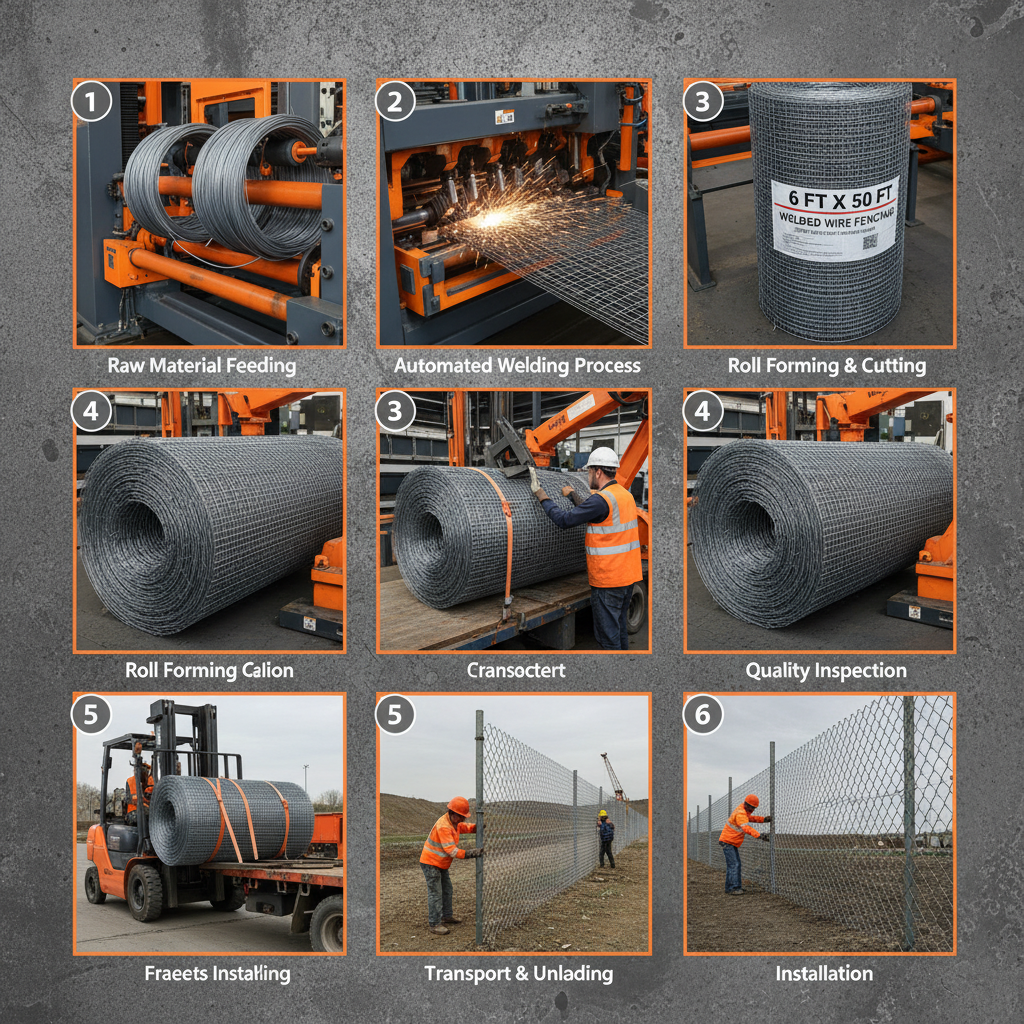 Durable 6 ft x 50 ft welded wire fencing for Security and GardensWhen it comes to securing a perimeter, whether for agricultural use, garden protection, or industrial boundaries, the dimensions and material of your fence matter. The 6 ft x 50 ft welded wire fencing offers an ideal balance of height and length, providing a robust barrier that is easy to install and maintain. Choosing a welded wire system ensures that the intersections are fused together, preventing the shifting and sagging often found in woven alternatives. In this guide, we will explore why this specific size is a preferred choice for property owners and how to maximize its effectiveness for your specific project.Read more >
Apr 09 2026
-
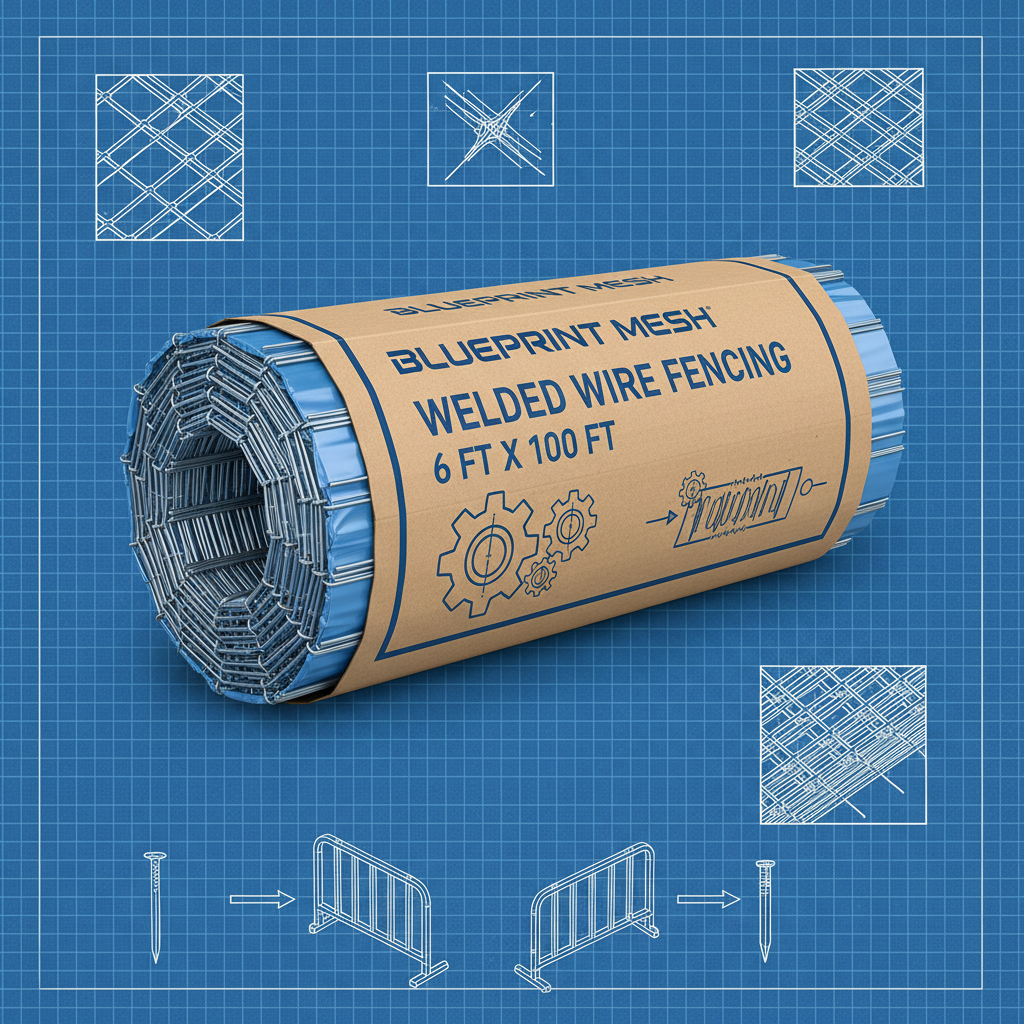 Comprehensive Guide to Choosing the Best 6 ft x 100 ft Welded Wire FencingWelded wire fencing is a versatile and cost-effective solution for a wide range of applications, from agricultural containment to residential security. Understanding the nuances of different types, especially when considering a size like 6 ft x 100 ft welded wire fencing, is crucial for making the right investment. This article will guide you through the essential factors to consider, helping you select the fencing that best suits your specific requirements.Read more >
Apr 07 2026
-
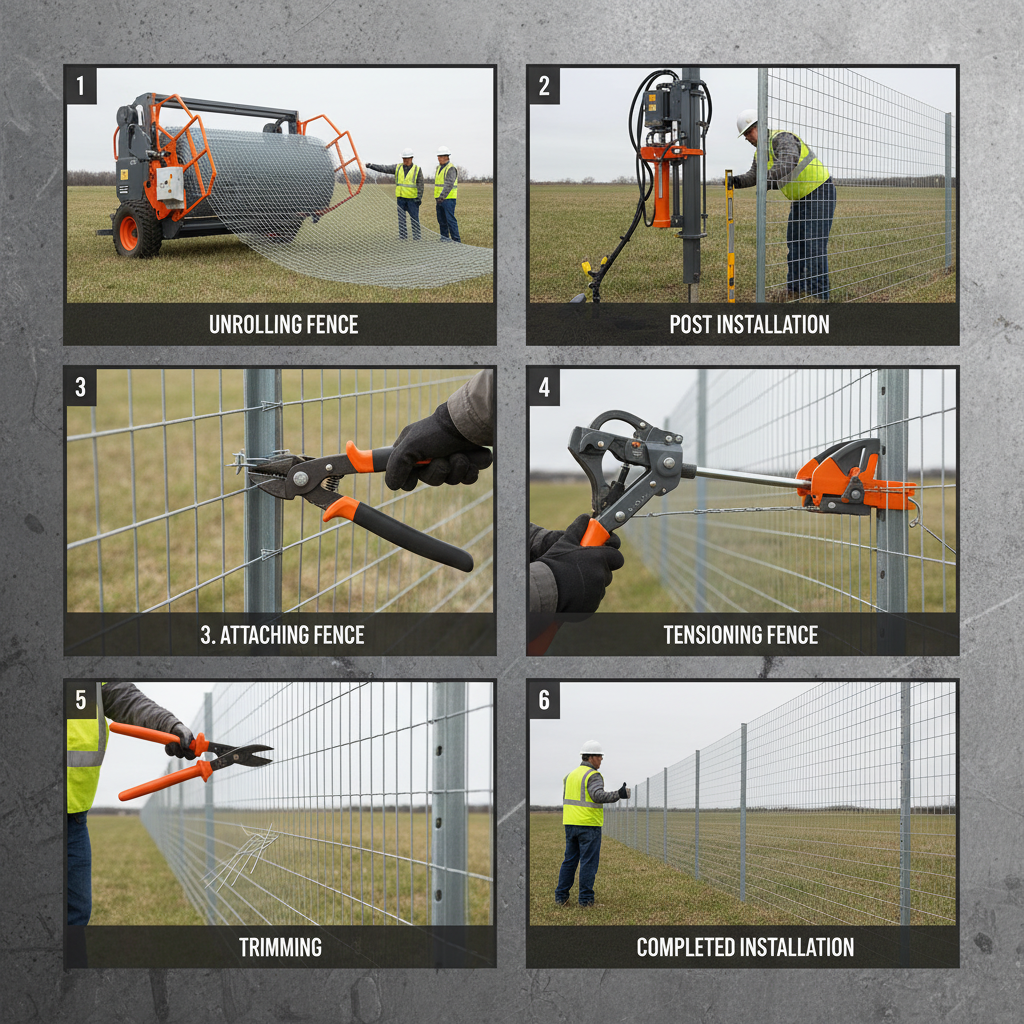 Comprehensive Guide to Choosing a 6 ft x 100 ft 12.5 Gauge Welded Wire FenceSelecting the appropriate fence for your property requires careful consideration. A 6 ft x 100 ft 12.5 gauge welded wire fence offers a robust and versatile solution for a variety of applications, from pet containment to garden protection and security. This guide will explore the benefits, applications, installation tips, and considerations when choosing this type of fencing. Understanding its construction and comparing it to other fencing options will help you make an informed decision.Read more >
Apr 04 2026
-
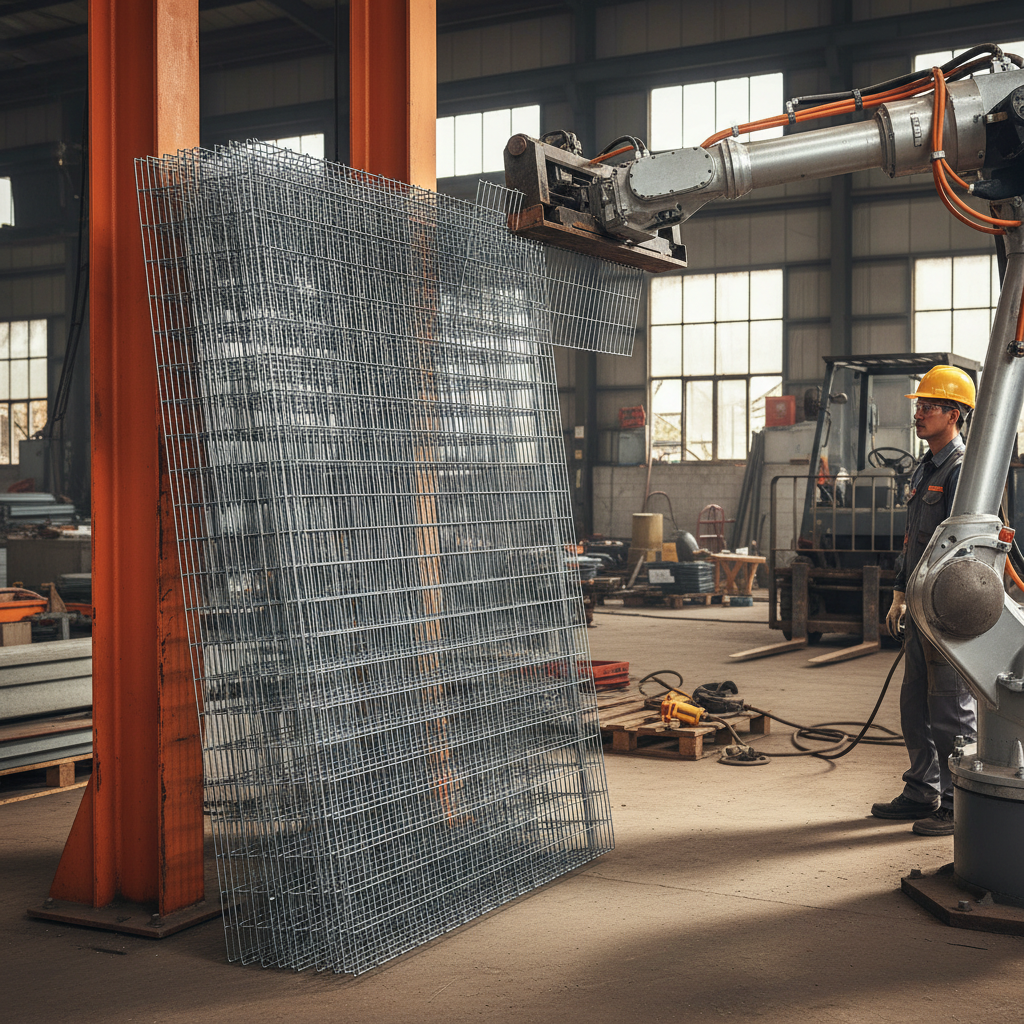 Comprehensive Guide to Durable 6 ft Welded Wire Fencing Panels and ApplicationsWhen selecting fencing for your property, 6 ft welded wire fencing panels offer a robust and versatile solution. These panels combine strength, security, and ease of installation, making them a popular choice for both residential and commercial applications. This article delves into the benefits, applications, installation, and maintenance of these panels, helping you make an informed decision.Read more >
Mar 31 2026