


Durable Metal Insect Mesh Solutions for Global Health & Industry | Reliable Protection Against Insects
Metal Insect Mesh: More Than Just a Screen
You might glance at a metal insect mesh as just a common household item — a screen that keeps pesky bugs at bay — but its applications stretch far beyond your average window frame. On a global scale, this seemingly simple technology plays a critical role in health, agriculture, and even disaster relief contexts. With insect-borne diseases still a massive threat worldwide, understanding metal insect mesh isn't just technical jargon; it’s a key to safeguarding millions.
The beauty lies in its modest promise: a durable shield that is lightweight, scalable, and effective. But metal insect mesh also speaks volumes about modern materials engineering and how we innovate to meet pressing global challenges.
Metal Insect Mesh: Tackling Global Health Challenges
Globally, vector-borne diseases like malaria and dengue fever account for hundreds of thousands of deaths each year — WHO estimates indicate over 400,000 annual malaria deaths alone. The World Bank highlights that many low-income countries lose significant economic output due to such health burdens.
Metal insect mesh provides a simple yet effective barrier against these threats. However, traditional forms might not always withstand local environmental stresses—wind, corrosion, or even vandalism. That’s why innovations in coatings, weave patterns, and metal alloys are so important to the ongoing global fight.
What Exactly Is Metal Insect Mesh?
At its core, metal insect mesh is a woven or perforated metal sheet designed to block insects while allowing airflow and visibility. Typically crafted from materials like stainless steel, aluminum, or galvanized steel, it's an engineered screen with pores small enough to keep out mosquitoes, flies, and other unwelcome pests.
Beyond homes and offices, the mesh connects with modern humanitarian needs—think mosquito nets in refugee camps, protective barriers over food stores in remote villages, or industrial filtration systems. It’s a mix of old-school craftsmanship and contemporary material science.
Core Factors Defining Metal Insect Mesh
Durability
The mesh must resist corrosion (especially in humid, tropical climates), withstand physical wear, and have a lifespan that justifies investment. For example, stainless steel versions often last 10+ years with minimal maintenance.
Mesh Aperture Size
The effectiveness depends on the pore size: too large, and it fails as a bug barrier; too small, and airflow suffers, which could worsen indoor air quality or increase cooling costs.
Material Composition
Aluminum meshes weigh less and resist corrosion but may dent easily, while galvanized steel offers strength but sometimes rusts if not properly coated. These choices influence price, lifespan, and appropriate use cases.
Cost Efficiency
Weighing upfront cost against maintenance and longevity is crucial. Cheaper meshes might rust quickly, leading to replacement costs that exceed the initial savings.
Scalability and Customization
Vendors today can customize mesh size, thickness, and surface treatments to match particular environments. Whether you need fine mesh for mosquito control or stronger grids for industrial safety, scalability helps meet diverse demands.
Environmental Impact
Sustainable production and recyclability are becoming increasingly important. Choosing metal insect mesh that supports circular economy principles can reduce environmental footprints.
Mini Takeaway:
Choosing the right metal insect mesh means balancing durability, cost, and practicality. It’s about fitting the mesh to the mission, whether that’s a tropical hospital ward or a grain silo on an industrial farm.
Global Applications & Real-World Use Cases
In Southeast Asia and Sub-Saharan Africa, metal insect mesh forms a frontline defense in clinics and homes to reduce malaria transmission. NGOs deploy large-scale installations in refugee camps, fitting durable mesh over ventilation openings to improve living conditions.
In the food and beverage industry, metal insect mesh protects crops, food stores, and production lines from contamination—think wineries in Europe or grain-storage facilities in Australia. Even in remote industrial zones, such as oil refineries or mining sites, mesh diverts insects away from critical machinery.
Post-disaster relief teams have started incorporating mesh into temporary shelters—these lightweight, reusable screens provide protection from insects without sacrificing airflow in hot climates.
Product Specifications at a Glance
| Specification | Detail |
|---|---|
| Material Options | Stainless Steel, Aluminum, Galvanized Steel |
| Typical Mesh Size | 16-36 mesh (0.5 - 1.5 mm openings) |
| Thickness | 0.15 - 0.5 mm |
| Coatings | Powder Coating, PVC Coated, Uncoated |
| Lifespan | 5 - 15 years depending on environment |
Comparing Leading Metal Insect Mesh Vendors
| Vendor | Material Range | Customization | Lead Time | Price Range |
|---|---|---|---|---|
| MeshMasters | SS, Al, Galv | High | 2-4 weeks | $$ |
| SteelGrid Co. | Galv Steel only | Medium | 1-3 weeks | $ |
| AeroMesh Tech | SS, Powder Coated | High | 3-5 weeks | $$$ |
Advantages That Make Metal Insect Mesh Indispensable
When I think about metal insect mesh, reliability immediately comes to mind. Unlike plastic or fiberglass nets that puncture or degrade, metal options combine strength with longevity. These qualities translate to cost savings over time and consistent protection in harsh climates.
From a social perspective, it’s about dignity and health — reducing disease risk enhances quality of life and opens doors to economic opportunity. This technology builds trust, too. People feel safer, especially in health-care facilities or educational settings where metal insect mesh acts as an invisible guardian.
Emerging Trends and Future Directions
Moving forward, expect more eco-friendly coatings that use fewer chemicals, lighter alloys engineered at nanoscale for superior strength, and integration with smart sensors for air quality or pest monitoring. Automation in production lines promises faster and cheaper custom mesh. The future is exciting if you’re into subtle yet vital innovations.
Challenges & Practical Solutions in Metal Insect Mesh Usage
Of course, no tech is flawless. Common issues include corrosion in extremely harsh environments, difficulty in large-scale deployment, and mismatch between mesh size and specific insect types. However, proactive R&D is addressing these through hybrid composites and modular installation designs.
Additionally, educating users on maintenance—like basics of cleaning and rust prevention—makes a big difference. Partnering with local manufacturers helps customize solutions, reducing import hassles and lead times.
FAQs — Your Metal Insect Mesh Questions Answered
- How long does metal insect mesh typically last outdoors?
- Depending on material and environment, metal insect mesh can last anywhere from 5 to 15 years. Stainless steel versions tend to have the longest lifespan, especially with protective coatings. Maintenance like cleaning and checking for rust helps extend durability.
- Can metal insect mesh be customized for different insect sizes?
- Absolutely. Mesh aperture size can be adjusted during manufacturing to block smaller or larger insects. This is key for tailoring solutions to regional pest species — for example, smaller mesh for mosquito-prone areas versus larger grid options for flies.
- Is metal insect mesh suitable for industrial filtration?
- Yes, many industries use metal insect mesh not just to keep bugs out but also as part of filtration systems, protecting sensitive equipment and maintaining hygiene standards. Its durability and ease of cleaning make it ideal for these applications.
- What maintenance is required for metal insect mesh in humid climates?
- Regularly removing dirt and debris, checking for signs of corrosion, and applying protective coatings if necessary are typical. In high-humidity areas, opting for stainless steel or coated aluminum mesh greatly reduces maintenance burdens.
Wrapping Up: Why Metal Insect Mesh Deserves Your Attention
So yes, metal insect mesh might sound mundane on the surface, but it’s quietly shaping healthier, safer communities worldwide—whether in urban hospitals, remote villages, or industrial complexes. Its mix of durability, flexibility, and innovation bridges technology and human well-being.
To explore products tailored for your needs, visit our website at metal insect mesh. Because sometimes the simplest solutions make the biggest difference.
References
Latest News About CHENG CHUANG
-
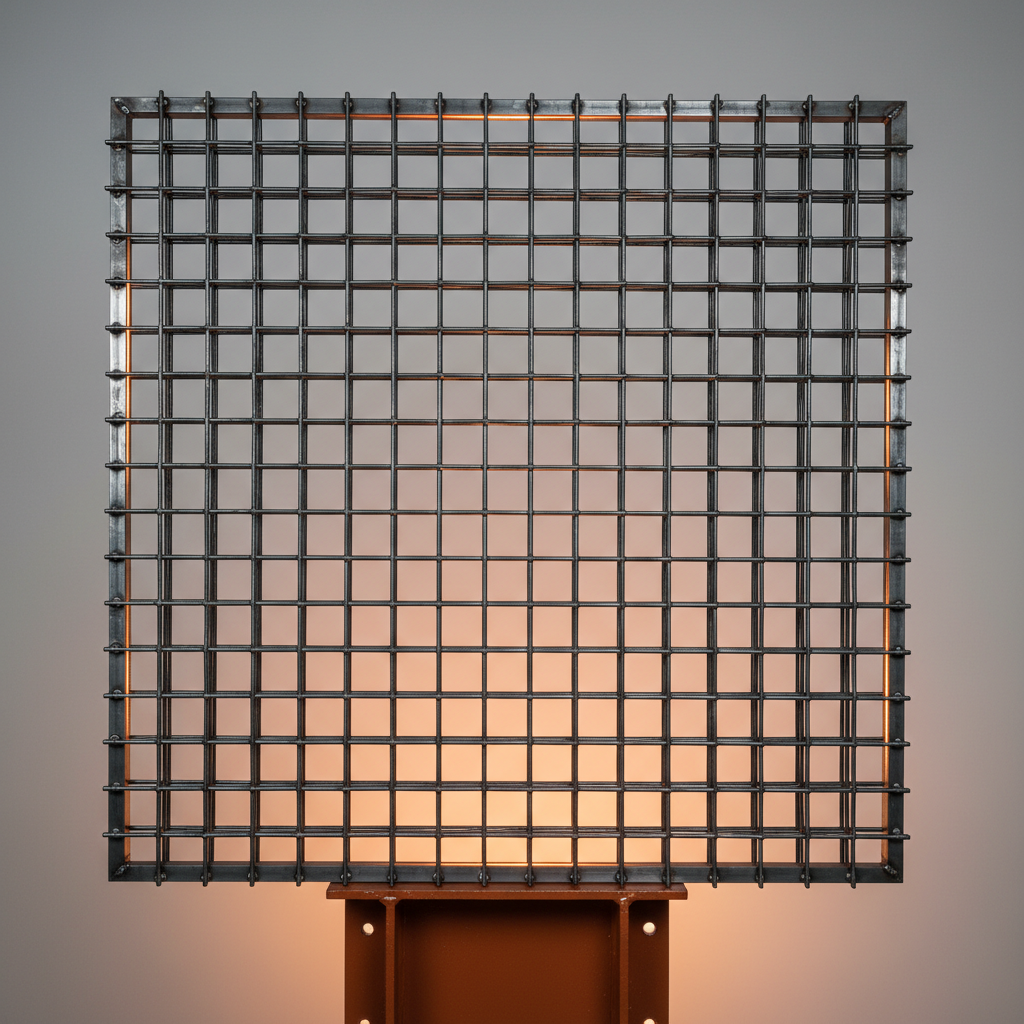 Heavy Duty 6 gauge welded wire mesh for Security and StrengthWhen it comes to heavy-duty containment, security, and structural reinforcement, choosing the right material is critical. The 6 gauge welded wire mesh stands as a premier choice for those requiring a balance of extreme rigidity and precise spacing. Whether you are securing a commercial perimeter, building industrial livestock panels, or creating reinforced concrete structures, this specific thickness provides the structural integrity needed to withstand significant pressure and impact. In this comprehensive guide, we will explore the technical specifications, primary applications, and why this mesh is the gold standard for high-security fencing solutions.Read more >
Apr 16 2026
-
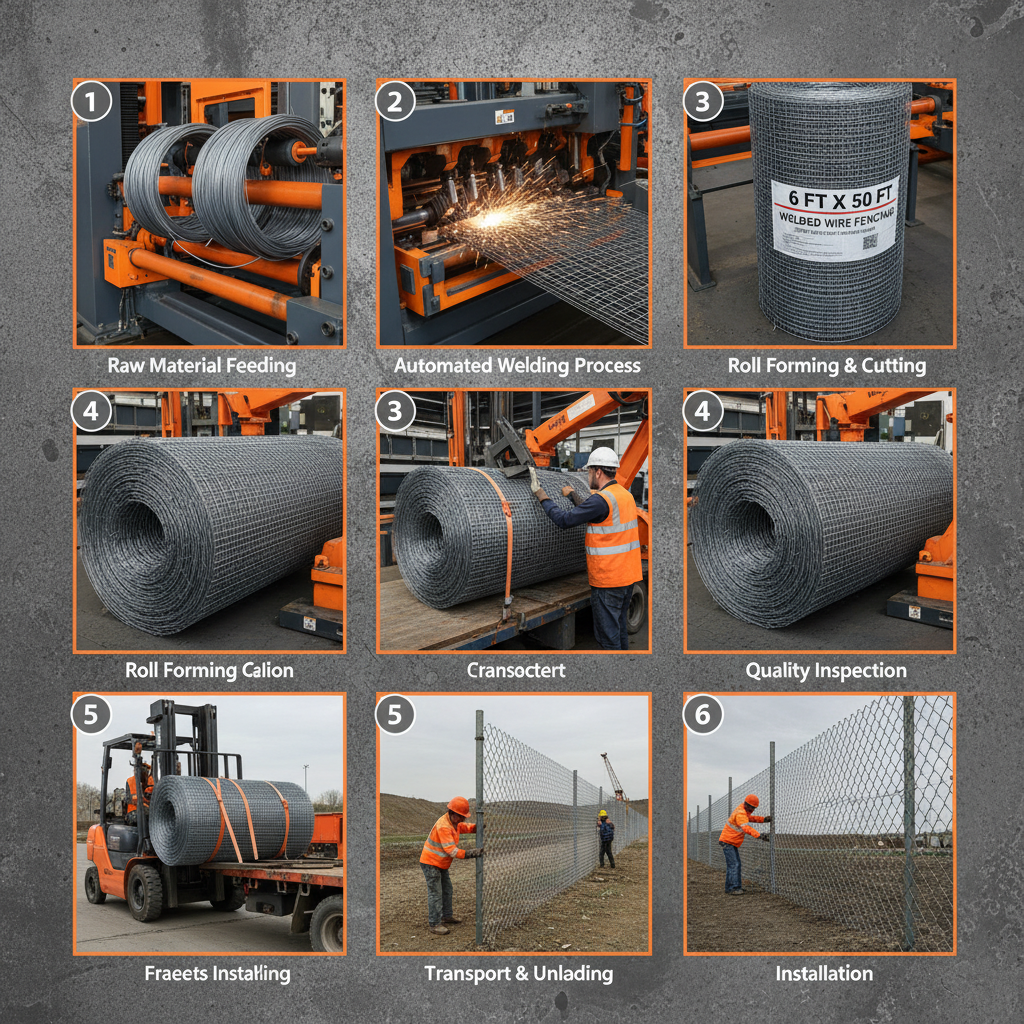 Durable 6 ft x 50 ft welded wire fencing for Security and GardensWhen it comes to securing a perimeter, whether for agricultural use, garden protection, or industrial boundaries, the dimensions and material of your fence matter. The 6 ft x 50 ft welded wire fencing offers an ideal balance of height and length, providing a robust barrier that is easy to install and maintain. Choosing a welded wire system ensures that the intersections are fused together, preventing the shifting and sagging often found in woven alternatives. In this guide, we will explore why this specific size is a preferred choice for property owners and how to maximize its effectiveness for your specific project.Read more >
Apr 09 2026
-
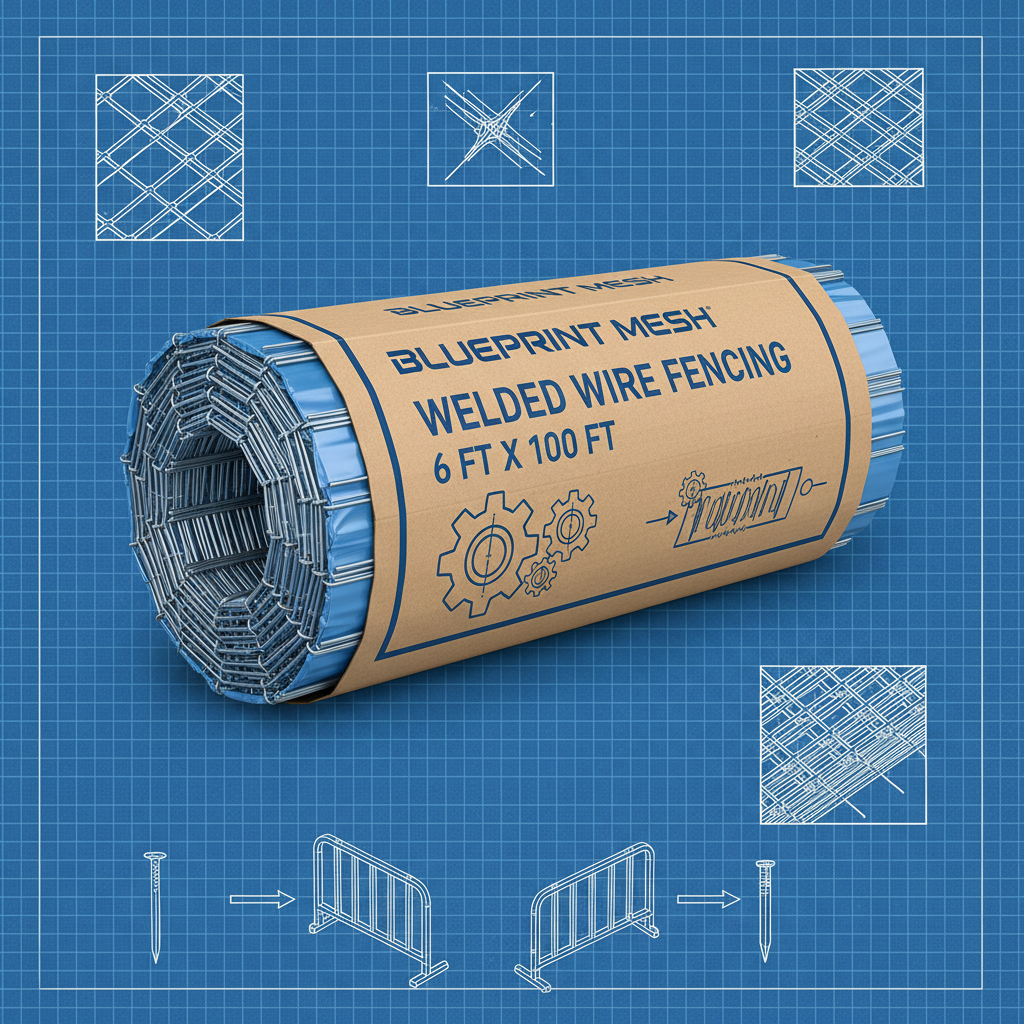 Comprehensive Guide to Choosing the Best 6 ft x 100 ft Welded Wire FencingWelded wire fencing is a versatile and cost-effective solution for a wide range of applications, from agricultural containment to residential security. Understanding the nuances of different types, especially when considering a size like 6 ft x 100 ft welded wire fencing, is crucial for making the right investment. This article will guide you through the essential factors to consider, helping you select the fencing that best suits your specific requirements.Read more >
Apr 07 2026
-
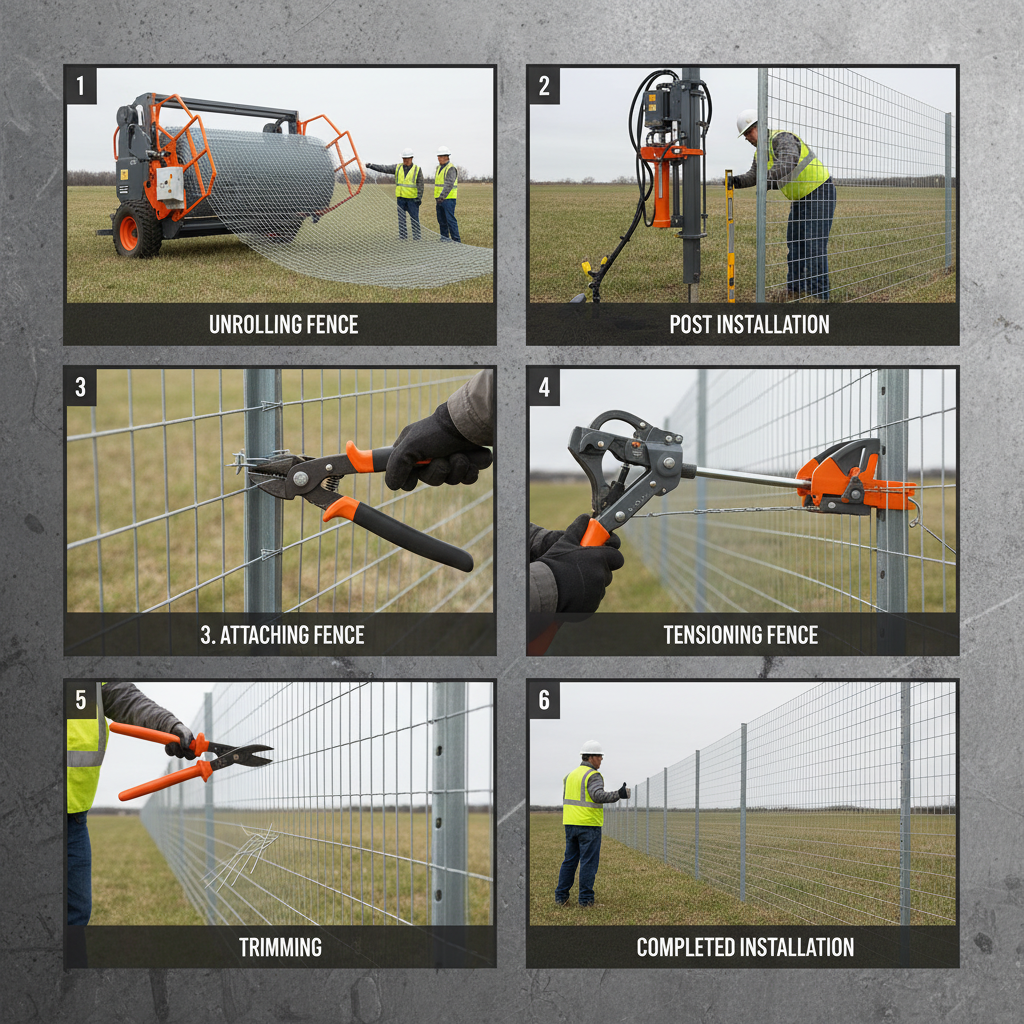 Comprehensive Guide to Choosing a 6 ft x 100 ft 12.5 Gauge Welded Wire FenceSelecting the appropriate fence for your property requires careful consideration. A 6 ft x 100 ft 12.5 gauge welded wire fence offers a robust and versatile solution for a variety of applications, from pet containment to garden protection and security. This guide will explore the benefits, applications, installation tips, and considerations when choosing this type of fencing. Understanding its construction and comparing it to other fencing options will help you make an informed decision.Read more >
Apr 04 2026
-
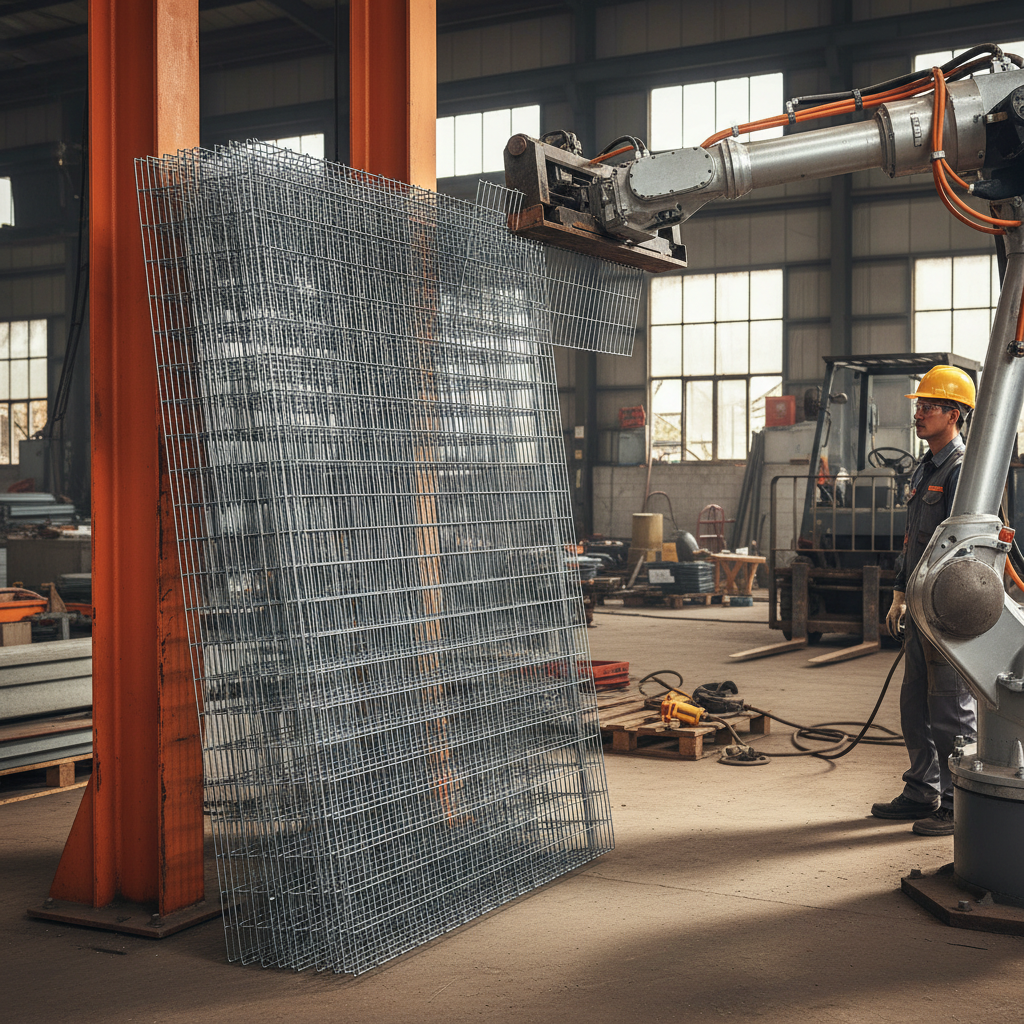 Comprehensive Guide to Durable 6 ft Welded Wire Fencing Panels and ApplicationsWhen selecting fencing for your property, 6 ft welded wire fencing panels offer a robust and versatile solution. These panels combine strength, security, and ease of installation, making them a popular choice for both residential and commercial applications. This article delves into the benefits, applications, installation, and maintenance of these panels, helping you make an informed decision.Read more >
Mar 31 2026