


Durable Metal Mesh for Mice – Effective Rodent Protection Solutions
Understanding Metal Mesh for Mice: A Small Solution to Big Problems
It's funny how something as tiny as mice can cause massive headaches worldwide. Whether in agriculture, food storage, construction, or health, mice are a common pest that spreads disease and damages property. Enter the humble metal mesh for mice—a simple yet surprisingly effective barrier designed to keep these rodents at bay. Globally, protecting crops, homes, and infrastructure from mice is crucial for food security and hygiene. Metal mesh solutions play a quiet but vital role in these efforts, offering durability and adaptability where conventional methods fall short.
The Global Context: Why Metal Mesh for Mice Matters
Mice infestations aren't just a nuisance; they represent a global economic and public health challenge. According to the Food and Agriculture Organization (FAO), rodent-related losses amount to billions of dollars annually in crop damages alone. Meanwhile, the World Health Organization (WHO) highlights rodents as carriers for multiple diseases affecting millions worldwide.
In developing countries and disaster-prone regions, controlling mice populations is vital to preserve limited food resources and prevent disease outbreaks. Yet in many industrialized nations, the demand for robust pest control in warehouses, farms, and urban settings drives innovation. That’s where specialized metal mesh for mice enters the scene. It’s not just a fence — but a frontline defense against persistent challenges.
Mini takeaway: Understanding the global scale of rodent issues reveals how metal mesh solutions are essential tools in public health, food security, and property protection worldwide.
What Exactly Is Metal Mesh for Mice?
At its core, metal mesh for mice is a woven or welded metal grid designed with openings small enough to prevent mice from slipping through. Typically made from stainless steel or galvanized steel, these meshes balance strength with breathability. Think of it as a metal net acting as a physical barricade — sturdy enough to resist gnawing but perforated enough to allow airflow and light.
This technology finds roots both in modern pest control and humanitarian aid. For example, in emergency food storage scenarios during crises, metal mesh covers prevent rodent access without needing chemicals. In industrial settings, it protects machinery and wiring, combined with other measures to ensure mice don't cause costly damage.
The Core Features of Metal Mesh for Mice
1. Durability and Corrosion Resistance
Metal mesh components must withstand gnawing, weather, and sometimes chemical exposure. Galvanizing or using stainless steel enhances lifespan. It's quite remarkable—you get a mesh that can last years, unlike plastic or fabric netting prone to tears.
2. Mesh Size and Design
Openings typically range from 1 to 6 millimeters, customized to the specific target rodent — sometimes even smaller to block younger mice or other pests. This precision prevents mice squeezing through or nesting nearby.
3. Ease of Installation and Flexibility
The mesh comes in rolls, sheets, or pre-cut panels, allowing application on vents, windows, doors, and even underground burrows. Many engineers mention its modular nature as ideal for rapid deployment.
4. Cost Efficiency
While initial costs may slightly exceed traditional wood or mesh fencing, the long-term savings—due to durability, maintenance reduction, and avoided infestations—make it a wise investment.
5. Environmental Safety
Unlike rodenticides, metal mesh is non-toxic and eco-friendly. This aligns well with green initiatives, especially in food storage and agricultural contexts.
Mini takeaway: When evaluating products, consider durability, mesh size precision, installation ease, cost efficiency, and environmental compatibility—these core aspects define performance.
Global Applications & Real-World Use Cases
Metal mesh for mice isn't one-size-fits-all; its applications span many industries and geographies:
- Agriculture: Protect grain silos and barns from infestation in rural areas, especially in countries like India and Brazil.
- Disaster Relief: Post-earthquake or flood zones benefit from rapid setup of food-safe storage areas secured by metal mesh barriers.
- Urban Infrastructure: In cities worldwide, vents and HVAC systems use mesh covers to prevent rodent ingress without blocking airflow.
- Industrial Sites: Chemical plants and factories often rely on metal mesh to protect wiring and cables, which mice otherwise tend to gnaw through, causing hazards.
As an example, a recent case study in a Midwest USA warehouse showed a 75% reduction in mouse-related damage after installing stainless steel mesh panels—cutting costs and increasing worker safety substantially.
Metal Mesh for Mice: Advantages & Long-Term Value
Let’s be frank. Investing in a metal mesh solution might seem like a small piece of the puzzle — but its ripple effects are significant. Here are the key benefits:
- Reliability: Unlike chemical traps or poisons, metal mesh is a physical barrier, less likely to fail or cause unintended harm.
- Sustainability: Reusable, recyclable, and environmentally friendly — it fits the bill for green construction and safety standards.
- Enhanced Safety & Hygiene: Prevents contamination in food storage, which is crucial not just economically but for human health (think disease vectors).
- Cost Savings: It reduces frequent repair and cleaning costs tied to rodent damage.
- Peace of Mind: There’s an emotional comfort knowing your investment in infrastructure and foodsecurity is protected against persistent pests.
Common Product Specifications
| Specification | Typical Range | Notes |
|---|---|---|
| Material | Galvanized Steel/Stainless Steel | Corrosion resistant |
| Mesh Opening Size | 1 mm – 6 mm | Depends on species targeted |
| Gauge/Thickness | 20 – 30 gauge | Balancing strength & flexibility |
| Roll Width | 24 – 48 inches | Prefabricated sizes common |
| Weight | 0.5 – 1.0 lbs/ft² | Varies with gauge & material |
Vendor Comparison: Choosing the Right Metal Mesh Supplier
| Vendor | Material Options | Customization | Price Range | Lead Time |
|---|---|---|---|---|
| Chch Fence Co. | Galv. Steel, Stainless Steel | Mesh size & sizes | $$ – $$$ | 1-3 weeks |
| SteelNet Solutions | Primarily Galv. Steel | Standard sizes only | $ – $$ | 2-4 weeks |
| EcoMesh Technologies | Stainless Steel, Eco-coated | Full customization | $$$ – $$$$ | 3-6 weeks |
Emerging Trends and Innovations in Metal Mesh for Mice
The industry isn’t standing still. With sustainability and automation top of mind, manufacturers experiment with:
- Eco-friendly coatings: Low-impact chemical treatments to enhance corrosion resistance without harming the environment.
- Smart mesh integration: Sensors embedded in mesh panels to detect rodent activity and alert facility managers in real-time.
- 3D-printed mesh frameworks: This offers ultra-customized designs for odd-shaped installations.
- Improved manufacturing: Advanced welding techniques provide finer mesh openings while maintaining strength.
These innovations promise smarter pest control that ties into digital building management and sustainability goals.
Challenges and How Experts Overcome Them
Of course, no solution is perfect. A few issues crop up with metal mesh for mice:
- Installation difficulties: Harsh site conditions or complex building geometries sometimes require specialized tools and training.
- Cost vs. budget constraints: Some projects struggle with upfront expenses, though most find the ROI worthwhile.
- Maintenance: Over time, mesh can clog with debris or rust if not properly maintained, reducing effectiveness.
Many specialists now combine metal mesh with complementary methods—such as improved sanitation and habitat management—to enhance performance. Plus, modular designs and clear installation protocols minimize errors.
FAQ: Practical Questions About Metal Mesh for Mice
- Q: How do I choose the right mesh size for my facility?
- A: Consider the target rodent species’ size and behavior. Smaller mesh openings (1-3 mm) prevent very young mice and other pests from getting through. Consulting a pest management professional can help tailor choices.
- Q: Is metal mesh more effective than plastic or fabric options?
- A: Generally, yes. Metal mesh withstands gnawing, weather, and fire risks better than alternatives. Plastic meshes can tear or degrade quicker, especially outdoors.
- Q: Can I install metal mesh myself, or should I hire a pro?
- A: For simple applications, DIY is possible with basic tools. But professional installation ensures proper tensioning and sealing, especially in critical infrastructure.
- Q: Are metal mesh solutions environmentally safe?
- A: Yes. They avoid toxic chemicals, are reusable, and can be recycled. Many manufacturers offer eco-friendly materials or coatings.
Conclusion: Investing in a Safer, More Secure Future
In a world where every resource counts, and pests pose real threats to food and health, metal mesh for mice stands out as a durable, effective, and sustainable defense. Sure, it’s just a mesh—but it’s a carefully engineered, thoughtfully applied solution that protects infrastructure, livelihoods, and communities alike.
Think of it as a guard quietly standing watch, letting humans rest a little easier. If you’re interested in exploring options for your next project, don’t hesitate to visit our website and discover a range of tailored solutions.
References
Latest News About CHENG CHUANG
-
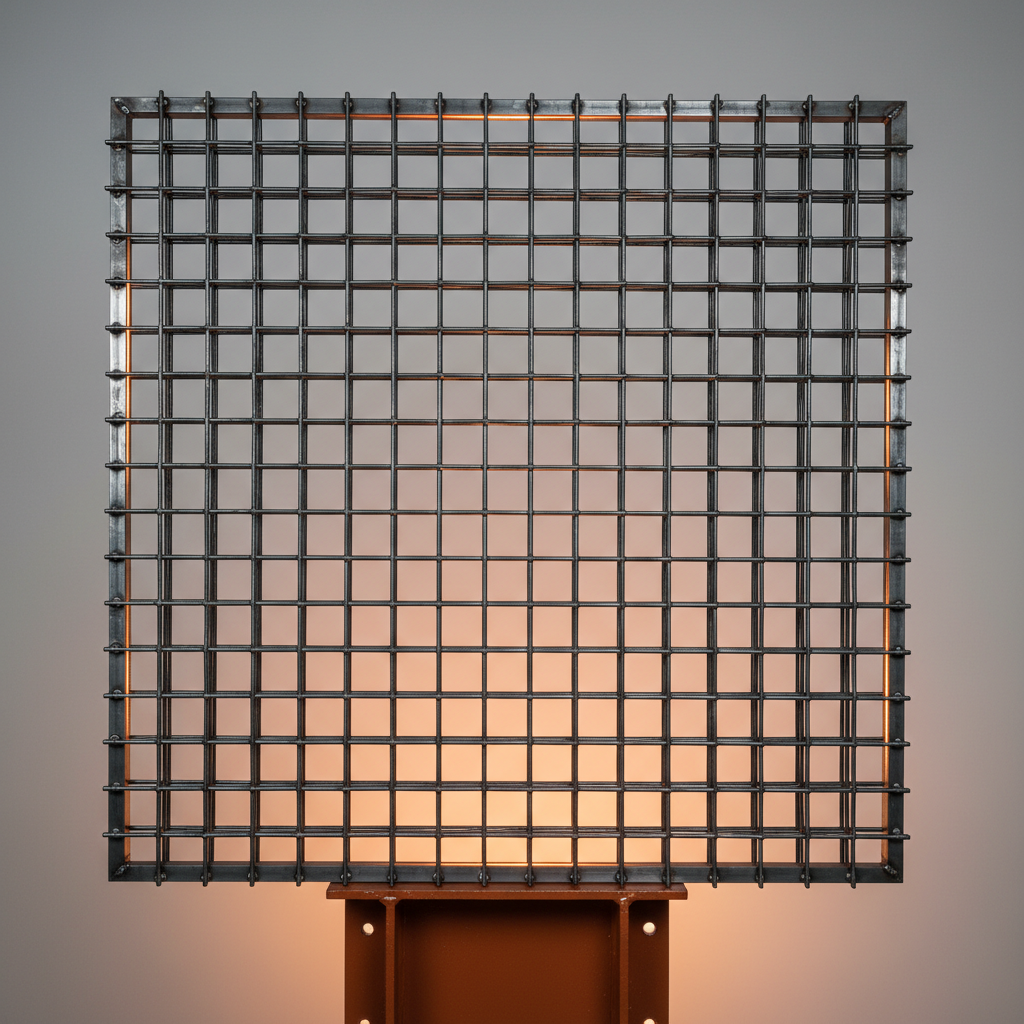 Heavy Duty 6 gauge welded wire mesh for Security and StrengthWhen it comes to heavy-duty containment, security, and structural reinforcement, choosing the right material is critical. The 6 gauge welded wire mesh stands as a premier choice for those requiring a balance of extreme rigidity and precise spacing. Whether you are securing a commercial perimeter, building industrial livestock panels, or creating reinforced concrete structures, this specific thickness provides the structural integrity needed to withstand significant pressure and impact. In this comprehensive guide, we will explore the technical specifications, primary applications, and why this mesh is the gold standard for high-security fencing solutions.Read more >
Apr 16 2026
-
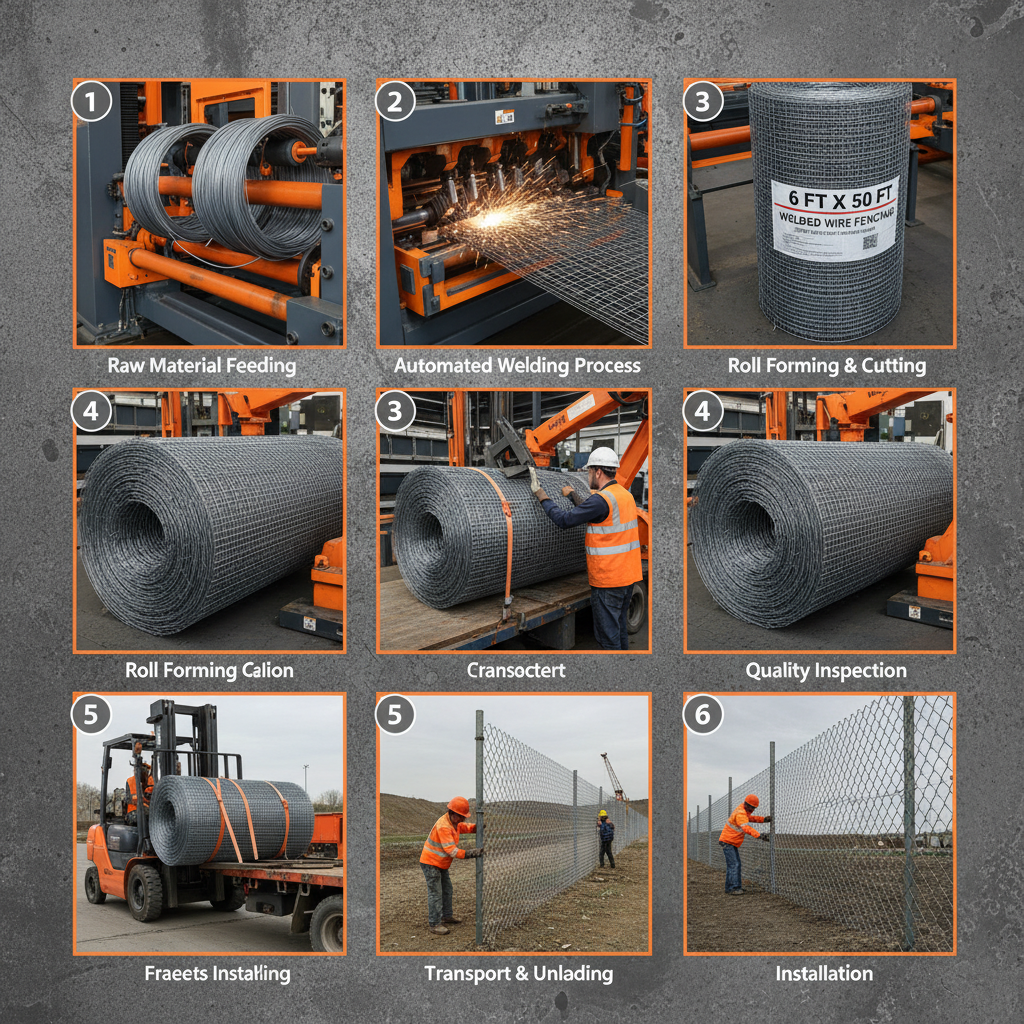 Durable 6 ft x 50 ft welded wire fencing for Security and GardensWhen it comes to securing a perimeter, whether for agricultural use, garden protection, or industrial boundaries, the dimensions and material of your fence matter. The 6 ft x 50 ft welded wire fencing offers an ideal balance of height and length, providing a robust barrier that is easy to install and maintain. Choosing a welded wire system ensures that the intersections are fused together, preventing the shifting and sagging often found in woven alternatives. In this guide, we will explore why this specific size is a preferred choice for property owners and how to maximize its effectiveness for your specific project.Read more >
Apr 09 2026
-
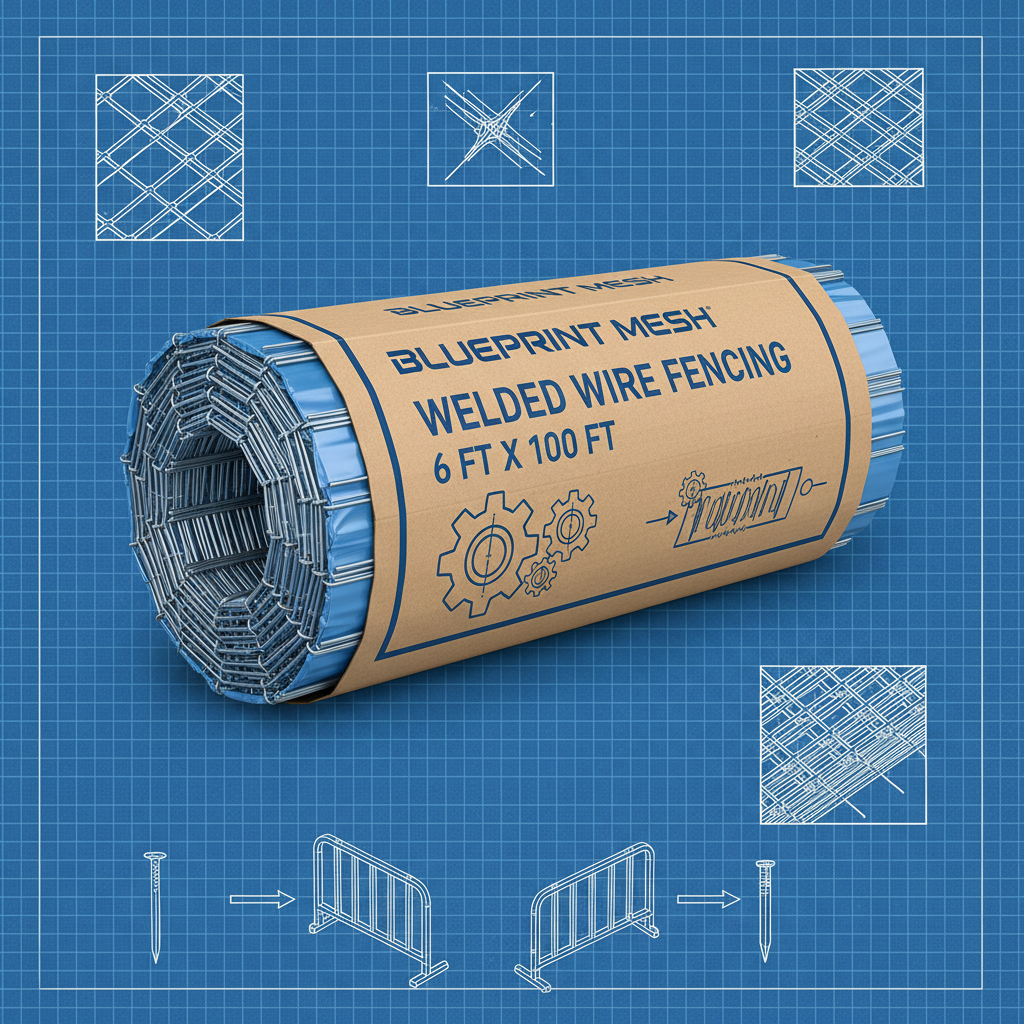 Comprehensive Guide to Choosing the Best 6 ft x 100 ft Welded Wire FencingWelded wire fencing is a versatile and cost-effective solution for a wide range of applications, from agricultural containment to residential security. Understanding the nuances of different types, especially when considering a size like 6 ft x 100 ft welded wire fencing, is crucial for making the right investment. This article will guide you through the essential factors to consider, helping you select the fencing that best suits your specific requirements.Read more >
Apr 07 2026
-
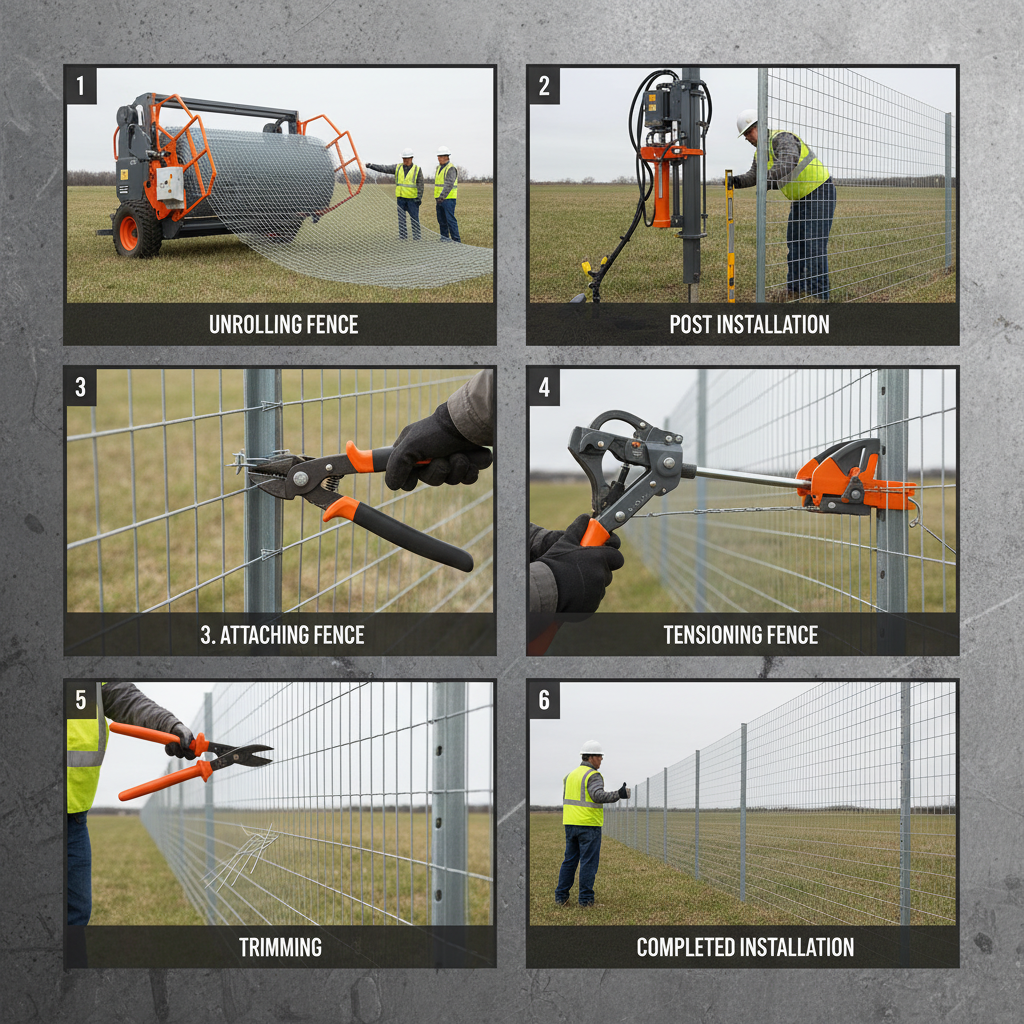 Comprehensive Guide to Choosing a 6 ft x 100 ft 12.5 Gauge Welded Wire FenceSelecting the appropriate fence for your property requires careful consideration. A 6 ft x 100 ft 12.5 gauge welded wire fence offers a robust and versatile solution for a variety of applications, from pet containment to garden protection and security. This guide will explore the benefits, applications, installation tips, and considerations when choosing this type of fencing. Understanding its construction and comparing it to other fencing options will help you make an informed decision.Read more >
Apr 04 2026
-
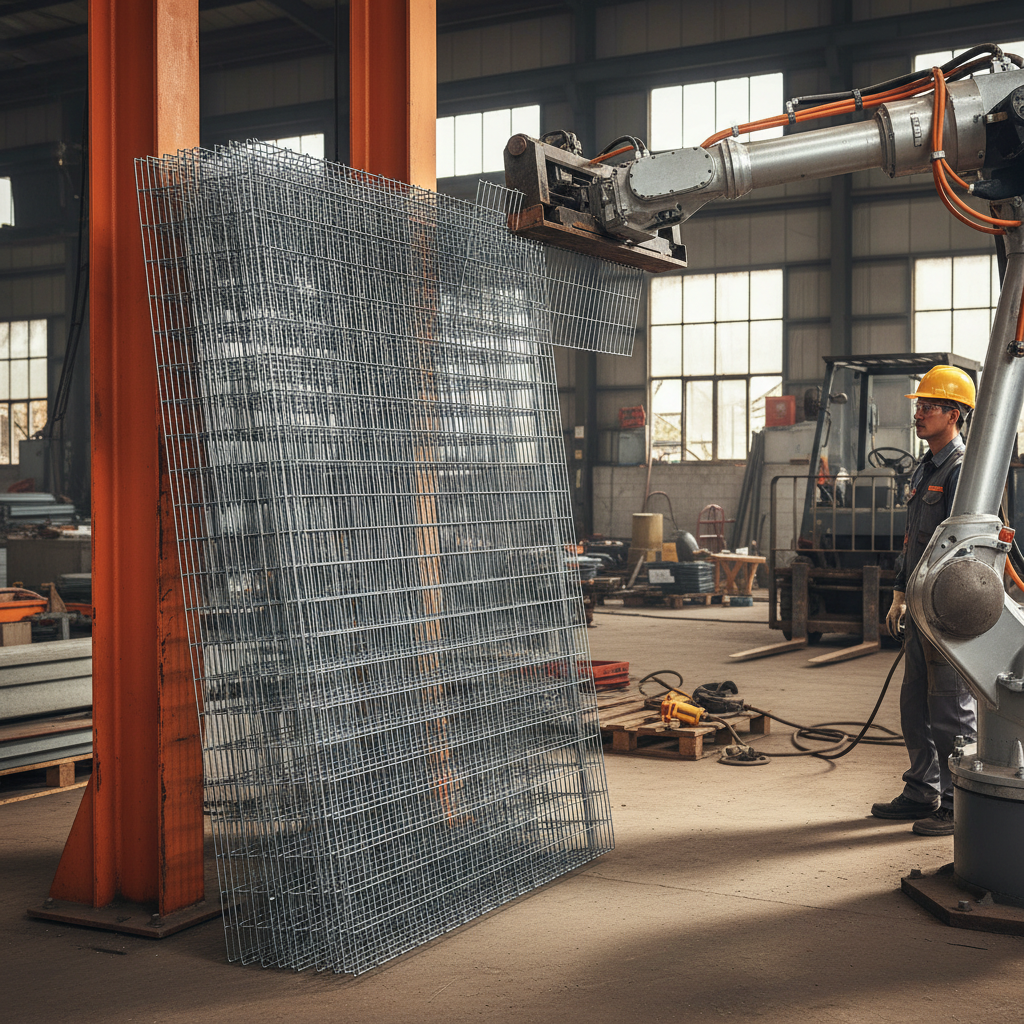 Comprehensive Guide to Durable 6 ft Welded Wire Fencing Panels and ApplicationsWhen selecting fencing for your property, 6 ft welded wire fencing panels offer a robust and versatile solution. These panels combine strength, security, and ease of installation, making them a popular choice for both residential and commercial applications. This article delves into the benefits, applications, installation, and maintenance of these panels, helping you make an informed decision.Read more >
Mar 31 2026