


Durable & Sustainable Metal Mesh Fencing Panels | Reliable Industrial & Security Solutions
Metal Mesh Fencing Panels: Why They’re More Important Than You Think
If you’ve ever strolled around an industrial site, a sports ground, or even a sprawling residential area, chances are you passed by some form of metal mesh fencing panels. Oddly enough, they’re everywhere, quietly shaping our environment and safety. But what makes these panels so globally relevant? Beyond just the obvious "keeping people or animals in or out," metal mesh fencing panels are essential components in infrastructure resilience, security frameworks, and even humanitarian responses.
The world’s growing urban sprawl, rising security needs, and growing awareness of sustainability have pushed metal mesh fencing into the spotlight — as a practical, scalable, and cost-effective solution that meets modern demands. Plus, as we stare down challenges like climate change and resource constraints, having fencing that’s sustainable, durable, and adaptable feels like a small but significant victory.
The Global Picture: Why Metal Mesh Fencing Panels Matter Today
World Bank data suggests urban populations will hit 68% by 2050, meaning more fenced spaces, controlled perimeters, and infrastructure boundaries. Metal mesh fencing panels offer a solution that balances cost and strength, supporting everything from protecting critical infrastructure, such as power plants and airports, to controlling foot traffic in urban parks and schools.
Globally, security concerns and shifting land use patterns create huge pressure on companies and governments to invest in durable and scalable fencing systems. According to ISO standards on steel reinforcement and fencing durability (ISO 1461), metal mesh panels offer corrosion resistance and long life spans that keep maintenance low – a major factor in stretching budgets while maximizing safety.
Yet the challenge remains: balancing security with aesthetics, sustainability, and ease of installation. Metal mesh fencing continues to evolve to meet these complex needs, especially in Africa and parts of Asia, where industrial zones and humanitarian sites demand quick, reliable fencing solutions to protect assets and people.
What Exactly Are Metal Mesh Fencing Panels?
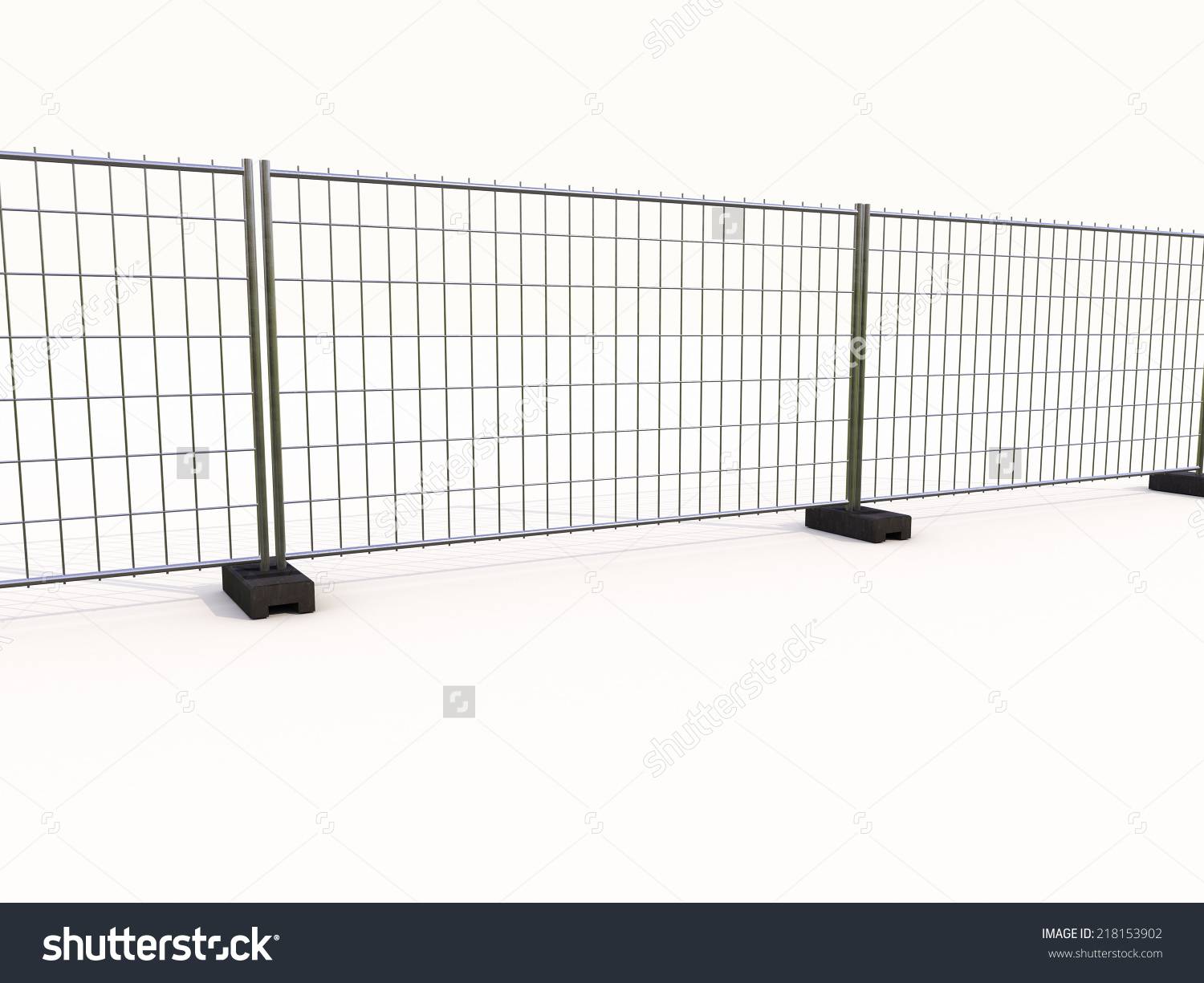
Simply put, metal mesh fencing panels are flat, framed sheets of welded or woven metal wire mesh secured within a rigid frame—usually steel or galvanized iron. This design creates a sturdy but see-through barrier that’s difficult to climb or cut through but still allows visibility and airflow.
They are the kind of solution that fits the modern world’s paradox of needing security without feeling overly imprisoning or closed off. Because of their mesh structure, these panels also lend themselves well to installation in areas with wildlife or airflow needs, such as agricultural farms or sports venues.
From an industrial perspective, these panels are the unsung heroes of secure perimeters, often paired with sensors or cameras for enhanced protection. Humanitarian groups also rely heavily on mesh panels to quickly create controlled zones for relief distribution or refugee camps.
Core Components and Key Factors in Metal Mesh Fencing Panels
1. Durability & Corrosion Resistance
Most fencing panels use galvanized steel or powder-coated metal, which fights rust and decay. This attribute is critical for long-term applications outdoors, wherever humidity, rain, or salt spray threaten structural integrity.
2. Scalability & Modular Design
Panels come in uniform sizes—commonly 2m x 2.5m or similar—that make them easy to stack, transport, and install in large numbers. This modularity helps meet demands from sprawling industrial parks to tiny urban yards.
3. Security Features
The tightness of the weave or welding pattern impacts climb-resistance and cutoff difficulty. Some panels integrate anti-climb spikes or reinforced edges for higher risk sites.
4. Cost Efficiency & Low Maintenance
Compared to solid barriers or walls, metal mesh fencing requires less material and fewer construction skills, bringing down project costs. Their longevity also reduces upkeep expenses in the long run.
5. Environmental Impact
Steel is one of the most recycled materials worldwide, and many panels use recycled or recyclable metals. This aspect appeals to green construction practices and sustainable urban development goals.
| Specification | Typical Value | Notes |
|---|---|---|
| Panel Dimensions | 2m x 2.5m (standard) | Custom sizes available |
| Wire Diameter | 4-8 mm | Depends on security level |
| Coating Type | Hot-dip Galvanized / Powder Coated | Enhances corrosion resistance |
| Mesh Aperture Size | 25mm x 50mm | Standard security screening aperture |
| Installation Method | Bolt or Clamp Fixing with Steel Posts | Allows modularity & scalability |
Real-World Applications: From Remote Zones to Urban Strongholds
Metal mesh fencing panels find homes in some surprisingly varied places. For example, in post-disaster relief operations—like after the 2015 Nepal earthquake—NGOs installed quick-deploy fencing to protect temporary shelters and supply areas from looting and wild animals.
Meanwhile, in remote industrial zones, such as mining operations in Australia or energy plants in Canada, these panels create secure perimeters around sensitive equipment, while withstanding harsh weather conditions.
Even in Europe and North America, many city parks and sports facilities use mesh panels to control access without blocking views, contributing to safer public spaces. Many municipalities favor the aesthetic flexibility and recyclability, aligning with their green urban planning goals.
For a closer look at available products, check out metal mesh fencing panels for a wide range of options tailored to industries and budgets.
Comparing the Leading Metal Mesh Panel Vendors
| Vendor | Material Quality | Customization | Price Range | Lead Time |
|---|---|---|---|---|
| ChCh Fence | Hot-dip Galvanized Steel | High (custom sizes & coatings) | $$$ | 2-3 weeks |
| Global Fence Co. | Powder-Coated Steel | Medium | $$ | 4-6 weeks |
| EcoFence Systems | Recycled Steel | Low (standard products only) | $ | 1-2 weeks |
Why Choose Metal Mesh Fencing Panels? The Long-Term Value
Choosing metal mesh fencing panels means opting for a product that mixes affordability, performance, and sustainability. They’re not only tough in the face of physical threats but also kind to budgets — roughly 30-40% cheaper than concrete or brick walls when considering installation and maintenance over 10 years.
On a social level, these panels communicate safety and order without suffocating a space. Communities often report feeling more secure, and trust between property owners and visitors tends to increase when boundaries are clearly marked but visually open.
Plus, the environmental benefits are nothing to sneeze at. Steel’s recyclability ensures less landfill waste compared to composite or plastic alternatives and supports circular economy goals pushed by both governments and corporations.
Emerging Trends & Innovations in Metal Mesh Fencing
There’s an interesting wave of innovation touching metal mesh fencing panels. For one, smart fences equipped with sensors and IoT devices are slowly becoming mainstream, especially on high-security sites or border areas. This digital transformation means panels aren’t just physical barriers; they become data points in a comprehensive security system.
On the materials front, manufacturers experiment with weatherproof alloys and coatings that extend life even further. Some companies are also integrating anti-microbial coatings, useful in medical or agricultural contexts.
Another trend is adapting panels for green energy projects — fences that enable solar panel mounting or facilitate wind flow for turbines in renewable energy farms.
These developments point to a future where metal mesh fencing panels aren’t just fences but multifunctional infrastructure components, cleverly blending security, sustainability, and technology.
Common Challenges and Expert Fixes
Of course, nothing is perfect. Metal mesh fencing panels can sometimes pose installation challenges when ground conditions are uneven. Also, without proper maintenance, weld points or coatings could degrade prematurely.
Installing companies increasingly use adjustable post systems and quality coatings to address these flaws. Expert installers recommend regular inspections and targeted spot repairs rather than full replacements for long-term cost savings.
Another big challenge is the “one-size-fits-all” mentality. Security expectations vary hugely by site. Experts suggest consulting with manufacturers or providers — like metal mesh fencing panels specialists — to tailor solutions for your exact needs.
FAQ: Quick Answers About Metal Mesh Fencing Panels
- How long do metal mesh fencing panels typically last outdoors?
- With proper galvanization and occasional maintenance, panels can last 15-25 years or more. Environmental factors like coastal salt spray may reduce longevity.
- Can these panels be customized for unusual site shapes?
- Yes, many vendors offer custom sizes, shapes, and coatings. Modular systems also allow cutting panels on-site for irregular terrain.
- Are metal mesh panels suitable for agricultural fencing?
- Definitely. Their visibility, airflow, and durable design make them ideal for livestock or crop protection.
- How quickly can metal mesh fencing panels be installed?
- Installation speed depends on site conditions but typically it takes 1-3 days for standard-sized lots by professional crews.
- Is metal mesh fencing environmentally friendly?
- Steel is highly recyclable, and many panels use recycled content. This reduces waste and environmental footprint compared to plastic or concrete barriers.
Wrapping It Up: Why Metal Mesh Panels Make Sense
At the end of the day, if you’re looking for a fencing solution that balances cost, strength, sustainability, and aesthetics, metal mesh fencing panels stand out as smart choices. From urban parks and factories to refugee camps and disaster relief centers, they deliver versatility and peace of mind. If you want to explore the options or need advice on finding the right fit, feel free to visit metal mesh fencing panels — the specialists you can trust.
Just as steel shapes the framework of our cities, mesh panels quietly map out safer, smarter boundaries within them. And oddly enough, once you see them this way, fences suddenly seem like part of the big picture, not just obstacles we walk past each day.
References
Latest News About CHENG CHUANG
-
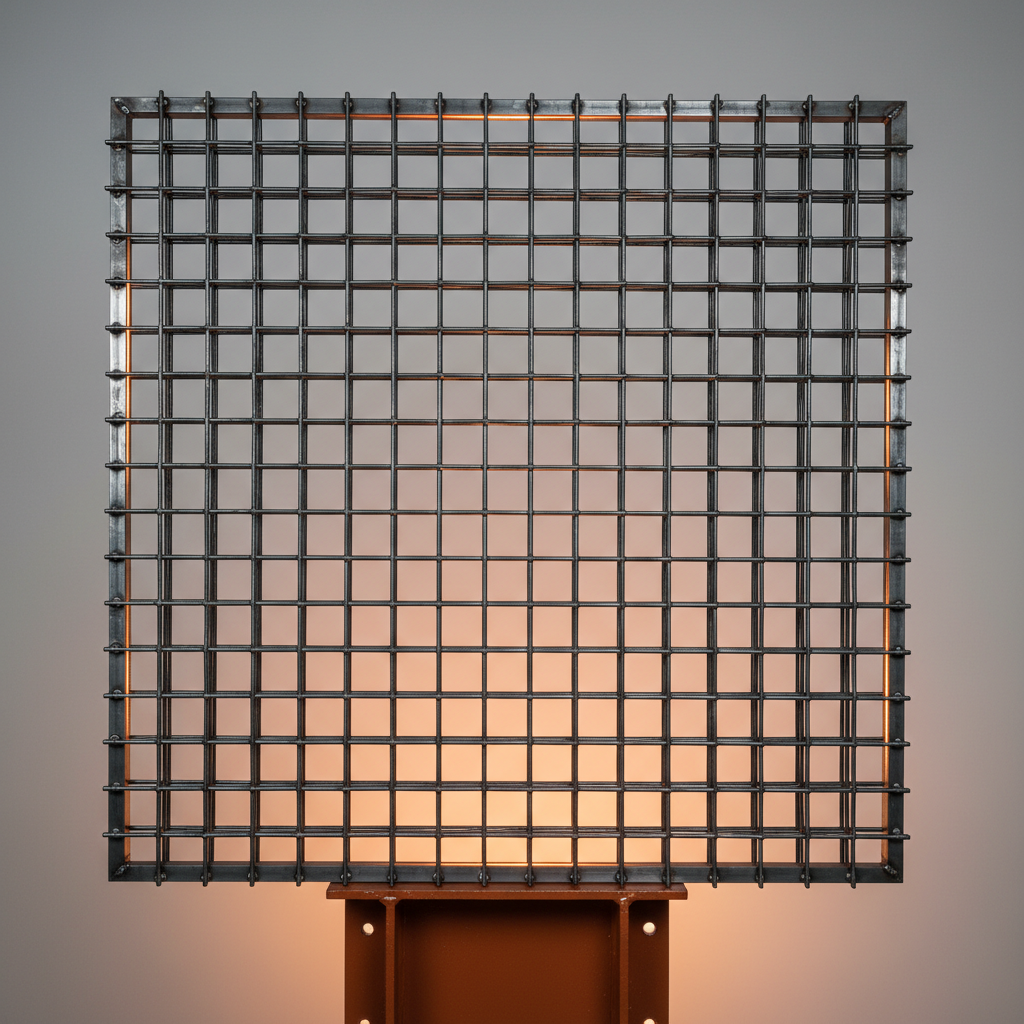 Heavy Duty 6 gauge welded wire mesh for Security and StrengthWhen it comes to heavy-duty containment, security, and structural reinforcement, choosing the right material is critical. The 6 gauge welded wire mesh stands as a premier choice for those requiring a balance of extreme rigidity and precise spacing. Whether you are securing a commercial perimeter, building industrial livestock panels, or creating reinforced concrete structures, this specific thickness provides the structural integrity needed to withstand significant pressure and impact. In this comprehensive guide, we will explore the technical specifications, primary applications, and why this mesh is the gold standard for high-security fencing solutions.Read more >
Apr 16 2026
-
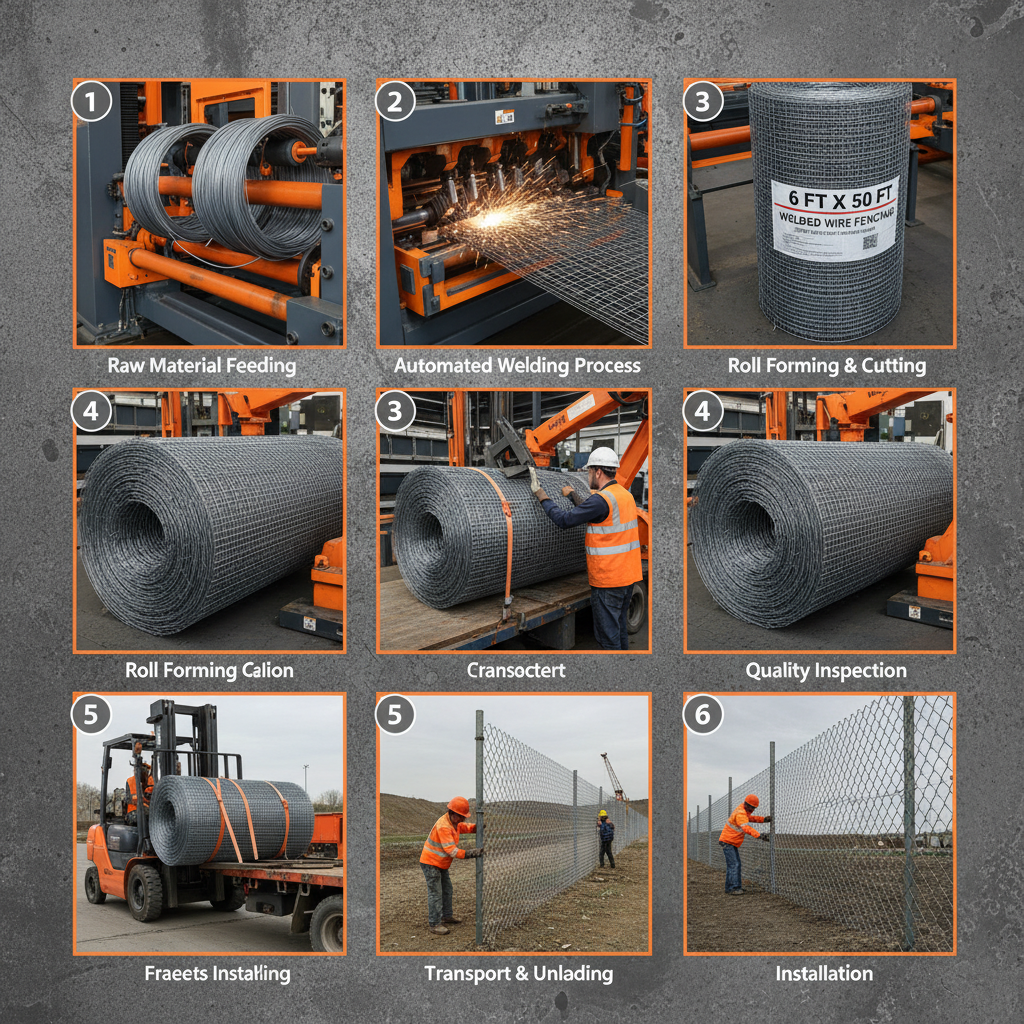 Durable 6 ft x 50 ft welded wire fencing for Security and GardensWhen it comes to securing a perimeter, whether for agricultural use, garden protection, or industrial boundaries, the dimensions and material of your fence matter. The 6 ft x 50 ft welded wire fencing offers an ideal balance of height and length, providing a robust barrier that is easy to install and maintain. Choosing a welded wire system ensures that the intersections are fused together, preventing the shifting and sagging often found in woven alternatives. In this guide, we will explore why this specific size is a preferred choice for property owners and how to maximize its effectiveness for your specific project.Read more >
Apr 09 2026
-
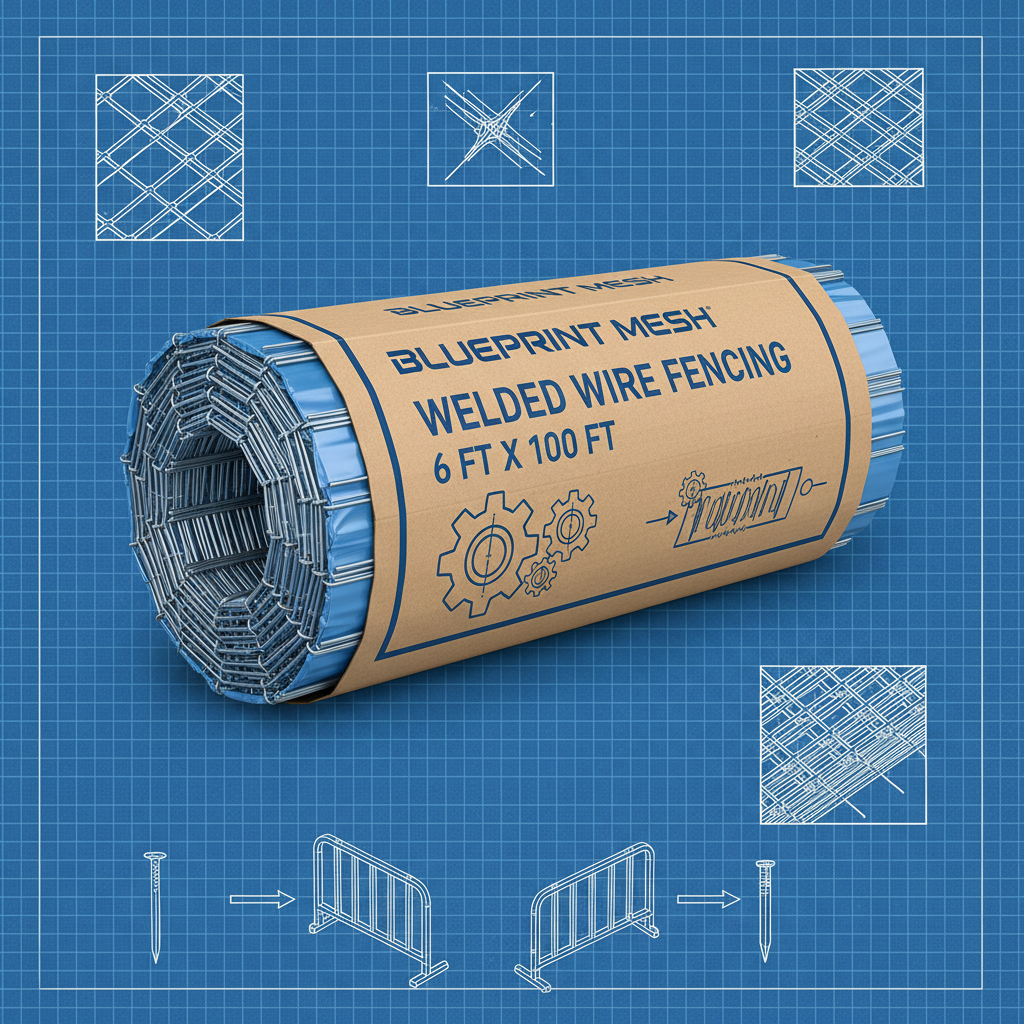 Comprehensive Guide to Choosing the Best 6 ft x 100 ft Welded Wire FencingWelded wire fencing is a versatile and cost-effective solution for a wide range of applications, from agricultural containment to residential security. Understanding the nuances of different types, especially when considering a size like 6 ft x 100 ft welded wire fencing, is crucial for making the right investment. This article will guide you through the essential factors to consider, helping you select the fencing that best suits your specific requirements.Read more >
Apr 07 2026
-
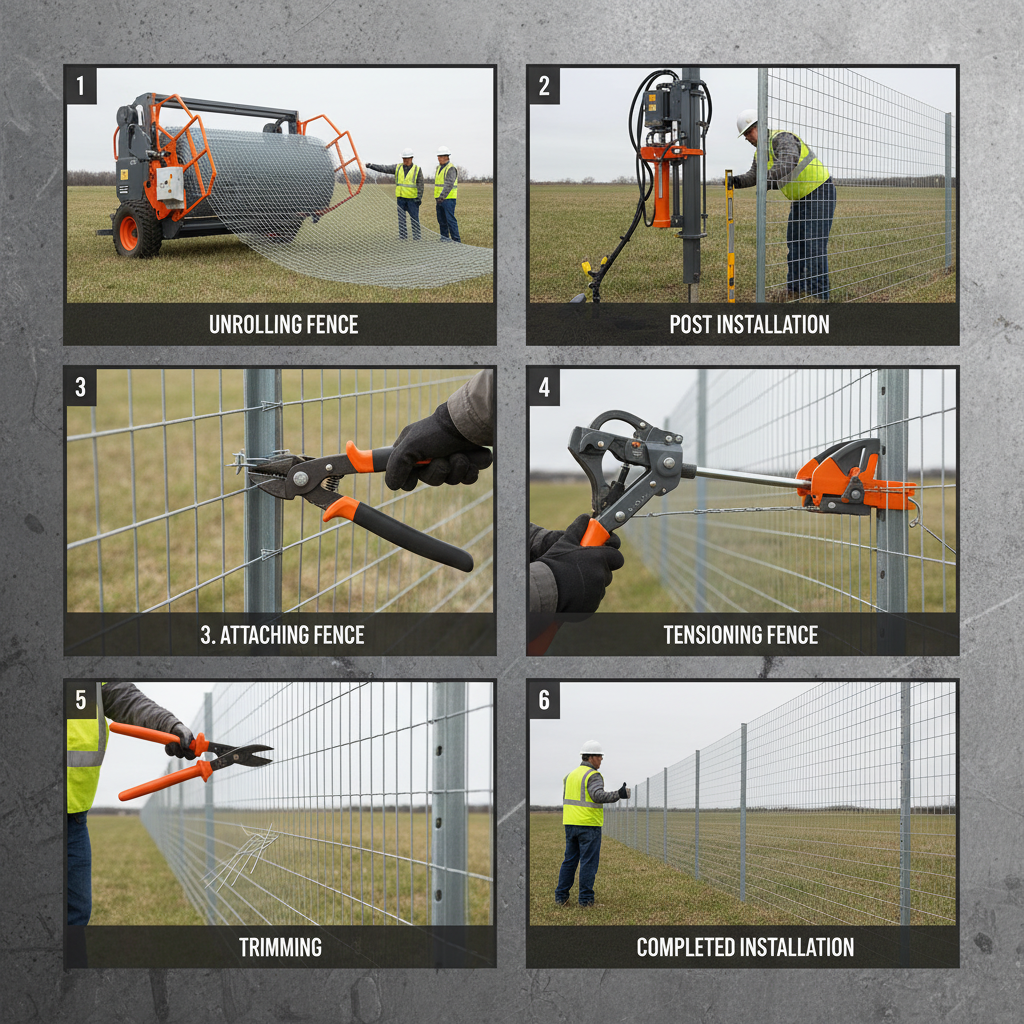 Comprehensive Guide to Choosing a 6 ft x 100 ft 12.5 Gauge Welded Wire FenceSelecting the appropriate fence for your property requires careful consideration. A 6 ft x 100 ft 12.5 gauge welded wire fence offers a robust and versatile solution for a variety of applications, from pet containment to garden protection and security. This guide will explore the benefits, applications, installation tips, and considerations when choosing this type of fencing. Understanding its construction and comparing it to other fencing options will help you make an informed decision.Read more >
Apr 04 2026
-
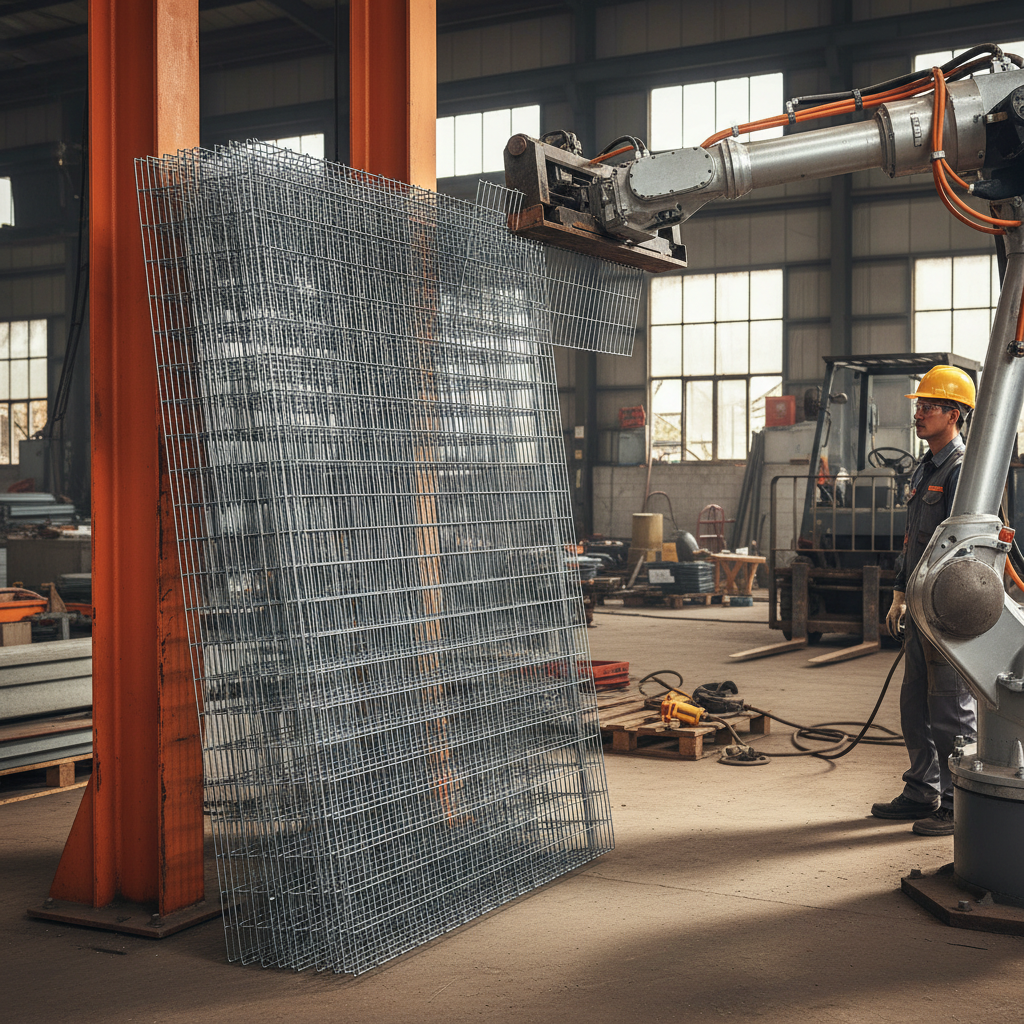 Comprehensive Guide to Durable 6 ft Welded Wire Fencing Panels and ApplicationsWhen selecting fencing for your property, 6 ft welded wire fencing panels offer a robust and versatile solution. These panels combine strength, security, and ease of installation, making them a popular choice for both residential and commercial applications. This article delves into the benefits, applications, installation, and maintenance of these panels, helping you make an informed decision.Read more >
Mar 31 2026