


Durable & Sustainable Plastic Wire Fencing Solutions for Global Use | ChCh Fence Co.
Plastic Wire Fencing: A Quiet Revolution in Safety and Sustainability
Plastic wire fencing is quietly turning into one of those smart, practical solutions everyone should know about. Globally, as issues like land degradation, border security, and wildlife preservation become increasingly complicated, a cost-effective, sustainable fencing option holds more importance than ever. Beyond its immediate use, understanding plastic wire fencing offers insights into how industries and communities are adapting to newer environmental and economic realities.
Global Context: Why Plastic Wire Fencing Matters More Than You Think
World Bank reports indicate that over 30% of rural farms worldwide lose productivity annually due to poor fencing — animal intrusions, vandalism, or even just erosion control failures. Traditionally, metal wire fences dominate, but they come with hefty costs: corrosion, maintenance needs, and environmental impact due to steel production. The introduction of plastic wire fencing responds to these challenges with a lighter footprint and competitive longevity.
UN Environment Programme’s push for sustainable infrastructure aligns well with the rise of polymer-based materials such as plastic fencing. Considering that fencing stretches across agriculture, wildlife corridors, and urban boundaries, the switch to plastic variants holds global environmental and economic promise. Yet, a lingering skepticism remains—how durable and secure can plastic really be?
Mini takeaway: Plastic wire fencing represents a global pivot toward combining sustainability with practical fencing needs, reflecting shifts in environmental policies and stakeholder priorities worldwide.
What Exactly Is Plastic Wire Fencing?
At its core, plastic wire fencing consists of woven or extruded polymer strands designed to serve the traditional fencing role — keeping animals in or out, marking boundaries, or safeguarding assets. Unlike metal, plastic wire fencing is made primarily from durable synthetic materials such as polyethylene or polypropylene, often reinforced with UV protection and sometimes embedded with metal cores for added strength.
This fusion of plastic’s lightness and the tension-holding capability of wire offers modern industries—from agriculture to humanitarian sectors—a fencing option that balances longevity and cost. For example, refugee camps or disaster relief zones often need rapid, temporary fencing solutions that are safe, easy to transport, and fairly robust — plastic wire fencing fits these use cases well.
Core Components and Key Considerations
Durability
One of the most important aspects engineering-wise is the resilience of plastic wire fencing to weather and wear. UV-resistant coatings and additives ensure these fences maintain integrity in harsh sun or cold environments. While it won’t rust like steel, extreme mechanical damages remain a risk, but for many applications, the trade-off works well.
Cost Efficiency
Plastic wire fencing usually costs less upfront and requires less intensive maintenance—no repainting, rust-proofing, or metal fatigue worries. Over roughly a decade-long lifespan, many farmers and companies find it more economical in real terms, especially in remote areas where maintenance crews are a hassle.
Scalability and Installation
Thanks to plastic’s lightweight nature, fencing sections are easier to handle and deploy quickly. It can be expanded with minimal extra tools, and repairs are less costly and complex, making scalability a practical reality for dynamic business or relief efforts.
Environmental Impact
Plastic wire fences’ environmental badge is a mixed bag—on one hand, reduced steel usage lowers carbon footprints; on the other, plastic production, if fossil-fuel based, remains problematic. However, recent innovations using recycled polymers and biodegradable options are promising trends you’ll want to watch.
Security and Visibility
While plastic wire fences may not offer the impassable security of heavy metal fences, they serve well in boundary delineation, livestock management, and crowd control. The visibility of bright-colored plastic fencing can reduce animal-vehicle accidents, a subtle but important safety feature.
Where and How Plastic Wire Fencing Is Making a Difference
- Agriculture: Countries like Australia and Kenya have adopted plastic wire fencing for efficient livestock containment, cutting down on corrosion and maintenance costs in dusty or humid environments.
- Humanitarian Rescue: During disaster relief efforts in Southeast Asia, NGOs have deployed plastic wire fencing to quickly section off vulnerable areas, creating safe zones within refugee camps.
- Conservation: In parts of Europe, wildlife reserves are using light, flexible plastic wire fencing to create corridors that prevent animal crossings on highways without harming animal movement patterns.
- Industrial and Urban Projects: Temporary construction sites and urban upgrading initiatives leverage plastic fencing for quick setup and removal, balancing safety with cost and environmental considerations.
Mini takeaway: From dusty farms to urban jungles, plastic wire fencing adapts surprisingly well, carving out a niche in scenarios where flexibility, speed, and cost matter as much as durability.
Advantages & Long-Term Value of Plastic Wire Fencing
Let's talk benefits — and not just the obvious "it's cheap." Long-term, plastic wire fencing delivers on:
- Reliability: Users consistently report fewer breakdowns and less routine upkeep compared to metal fencing.
- Safety & Dignity: In social contexts, well-maintained fencing supports secure, humane environments—especially important in refugee camps or protected zones.
- Sustainability: The increasingly recycled or biodegradable composition of newer plastic materials supports circular economy goals.
- Emotional Value: Communities appreciate fences that signify boundaries without appearing hostile or oppressive.
Future Trends Shaping Plastic Wire Fencing
What’s coming next? Oddly enough, you can expect automation and “smart” materials to sneak into the fencing sector:
- Embedded Sensors: Imagine fencing that detects breaches or environmental conditions, sending alerts to farmers or security personnel.
- Advanced Recycling: Closed-loop systems using 100% recycled plastics to make the wire itself, shrinking the carbon footprint.
- Biodegradable Components: New polymers that break down harmlessly if the fencing is abandoned or removed.
- Hybrid Models: Combining metal cores with plastic coatings to achieve unprecedented strength-to-weight ratios.
Addressing Challenges: What Holds Plastic Wire Fencing Back?
Sure, it isn’t perfect yet. Common critiques include:
- Strength Limitations: Heavy livestock or industrial uses can stress plastics beyond their limits, risking damage.
- Environmental Concerns: Some plastics still rely on non-renewable resources, raising pollution questions.
- UV Degradation: Despite additives, prolonged sun exposure can weaken plastic over very long terms.
Experts recommend integrating plastics with metal where needed, optimizing polymer blends, or adopting replacement schedules within infrastructure planning — all practical, incremental fixes rather than wholesale rejections.
Product Specification Table
| Specification | Typical Value | Notes |
|---|---|---|
| Material | Polyethylene (UV-stabilized) | Common, highly durable |
| Wire Diameter | 2.5 - 5 mm | Varies by load requirements |
| Tensile Strength | 600 - 1200 MPa | Comparable to coated steel wire |
| UV Protection | > 10 years lifespan | Depends on local climate |
| Weight per meter | 150 - 300 g | Lightweight, easy to install |
Vendor Comparison Table
| Vendor | Material Quality | Price Range (USD per m) | UV Warranty | Special Features |
|---|---|---|---|---|
| ChCh Fence Co. | High-density polyethylene | $2.00 - $3.50 | 10 years | Recycled materials option |
| EcoFence Solutions | Polypropylene blend | $1.80 - $3.20 | 8 years | Biodegradable additives |
| SafeLine Fencing | Composite with metal core | $3.00 - $4.50 | 12 years | Integrated sensor options |
Frequently Asked Questions About Plastic Wire Fencing
1. How long does plastic wire fencing typically last outdoors?
With proper UV stabilization, plastic wire fences last around 8 to 12 years, depending on climate and physical wear. Harsh sun or mechanical stresses can shorten lifespan, but regular inspections extend durability.
2. Can plastic wire fencing withstand heavy livestock like cattle or horses?
In many cases, yes — especially when reinforced with metal cores or thicker materials. However, extremely aggressive or large animals might damage the fence faster than metal options. It’s about balancing cost and risk.
3. Is plastic wire fencing environmentally friendly?
It depends. Traditional plastic fences use fossil-based polymers, though some vendors incorporate recycled or biodegradable materials, significantly reducing environmental impact compared to steel fences.
4. How quickly can plastic fencing be installed compared to traditional metal wire fences?
Because plastic wire is lighter and easier to handle, installation can be 20-30% faster, especially in remote or rugged areas with fewer heavy tools available.
5. Where can I buy reliable plastic wire fencing?
You can explore specialized vendors like plastic wire fencing suppliers who offer product ranges tailored to different regional needs and budgets.
Conclusion: Why Plastic Wire Fencing Should Be on Your Radar
Plastic wire fencing isn’t just a cheap alternative — it’s a versatile, sustainable, and increasingly smart fencing solution adaptable to diverse global challenges. Whether you're managing livestock, safeguarding construction sites, or setting up rapid humanitarian boundaries, it offers reliability with an eye towards the future. For innovation, cost-effectiveness, and environmental awareness, it’s a smart choice worth exploring. If you want to see what options exist, dive into the market offerings — say at plastic wire fencing — and test for your context.
Sometimes, the simplest materials make the biggest difference.
References
Latest News About CHENG CHUANG
-
 Heavy Duty 6 gauge welded wire mesh for Security and StrengthWhen it comes to heavy-duty containment, security, and structural reinforcement, choosing the right material is critical. The 6 gauge welded wire mesh stands as a premier choice for those requiring a balance of extreme rigidity and precise spacing. Whether you are securing a commercial perimeter, building industrial livestock panels, or creating reinforced concrete structures, this specific thickness provides the structural integrity needed to withstand significant pressure and impact. In this comprehensive guide, we will explore the technical specifications, primary applications, and why this mesh is the gold standard for high-security fencing solutions.Read more >
Apr 16 2026
-
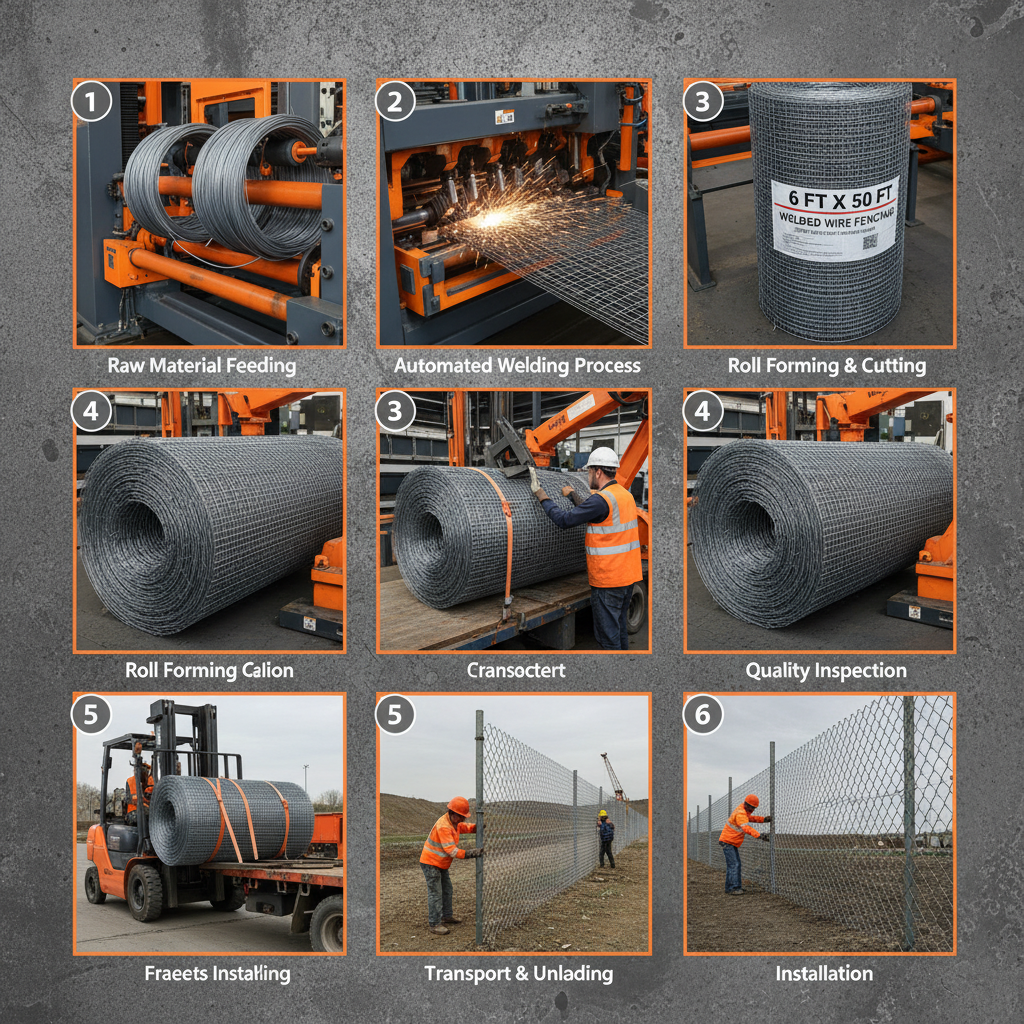 Durable 6 ft x 50 ft welded wire fencing for Security and GardensWhen it comes to securing a perimeter, whether for agricultural use, garden protection, or industrial boundaries, the dimensions and material of your fence matter. The 6 ft x 50 ft welded wire fencing offers an ideal balance of height and length, providing a robust barrier that is easy to install and maintain. Choosing a welded wire system ensures that the intersections are fused together, preventing the shifting and sagging often found in woven alternatives. In this guide, we will explore why this specific size is a preferred choice for property owners and how to maximize its effectiveness for your specific project.Read more >
Apr 09 2026
-
 Comprehensive Guide to Choosing the Best 6 ft x 100 ft Welded Wire FencingWelded wire fencing is a versatile and cost-effective solution for a wide range of applications, from agricultural containment to residential security. Understanding the nuances of different types, especially when considering a size like 6 ft x 100 ft welded wire fencing, is crucial for making the right investment. This article will guide you through the essential factors to consider, helping you select the fencing that best suits your specific requirements.Read more >
Apr 07 2026
-
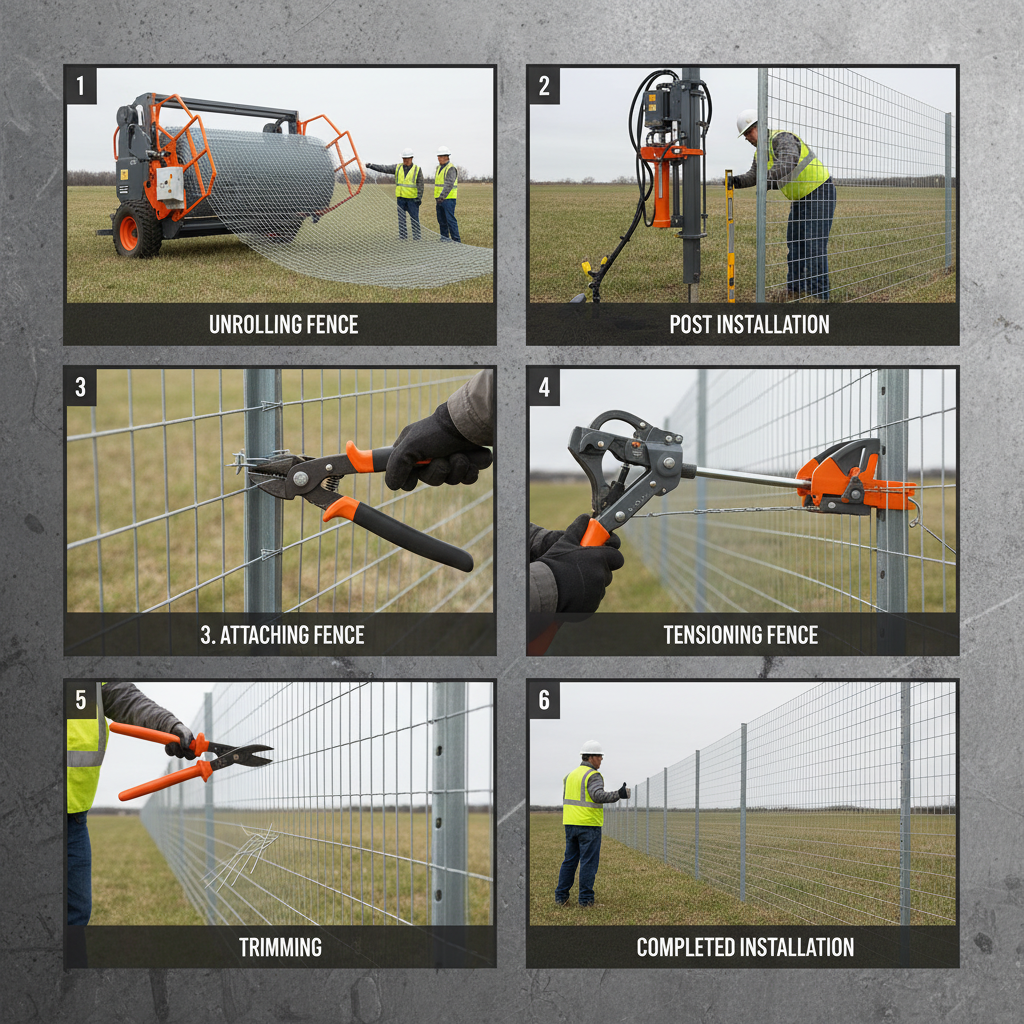 Comprehensive Guide to Choosing a 6 ft x 100 ft 12.5 Gauge Welded Wire FenceSelecting the appropriate fence for your property requires careful consideration. A 6 ft x 100 ft 12.5 gauge welded wire fence offers a robust and versatile solution for a variety of applications, from pet containment to garden protection and security. This guide will explore the benefits, applications, installation tips, and considerations when choosing this type of fencing. Understanding its construction and comparing it to other fencing options will help you make an informed decision.Read more >
Apr 04 2026
-
 Comprehensive Guide to Durable 6 ft Welded Wire Fencing Panels and ApplicationsWhen selecting fencing for your property, 6 ft welded wire fencing panels offer a robust and versatile solution. These panels combine strength, security, and ease of installation, making them a popular choice for both residential and commercial applications. This article delves into the benefits, applications, installation, and maintenance of these panels, helping you make an informed decision.Read more >
Mar 31 2026