


Easy Guide to Putting Up Chicken Wire Fence | Benefits & Best Practices
Understanding the Art and Science of Putting Up Chicken Wire Fence
At first glance, putting up a chicken wire fence might seem like a simple backyard chore — something many of us did as kids or maybe once in a makeshift garden. Yet, zoom out to the global scale, and this humble technique takes on a whole new dimension. From securing crops and livestock to defining property boundaries, the installation of chicken wire fencing plays a vital role that touches agricultural sustainability, community safety, and even humanitarian relief efforts worldwide.
Why care about this in the grand scheme? Because fencing is often the first line of defense against wildlife incursions, crop destruction, or unauthorized access. Knowing how to properly put up chicken wire fencing translates directly to improved food security, cost savings, and environmental protection — a triple win across countless rural and urban contexts.
Global Relevance: More Than Just Backyard Protection
Globally, the FAO (Food and Agriculture Organization) estimates that crop losses due to wild animals cost billions annually, hitting developing countries hardest. Meanwhile, World Bank data shows that nearly 70% of rural communities rely on small-scale livestock farming, making simple but efficient barriers essential. The demand for cost-effective, easy-to-install fencing solutions like chicken wire has never been higher.
But here’s an interesting challenge: As urban sprawl eats into rural land and climate change shifts habitats, these fences don’t just protect chickens or gardens anymore; they're becoming critical tools for managing human-wildlife conflicts, safeguarding food supply chains, and even assisting in emergency zones where infrastructure is compromised. That subtle wire mesh? It holds more strategic value than one might think.
What Does Putting Up Chicken Wire Fence Really Mean?
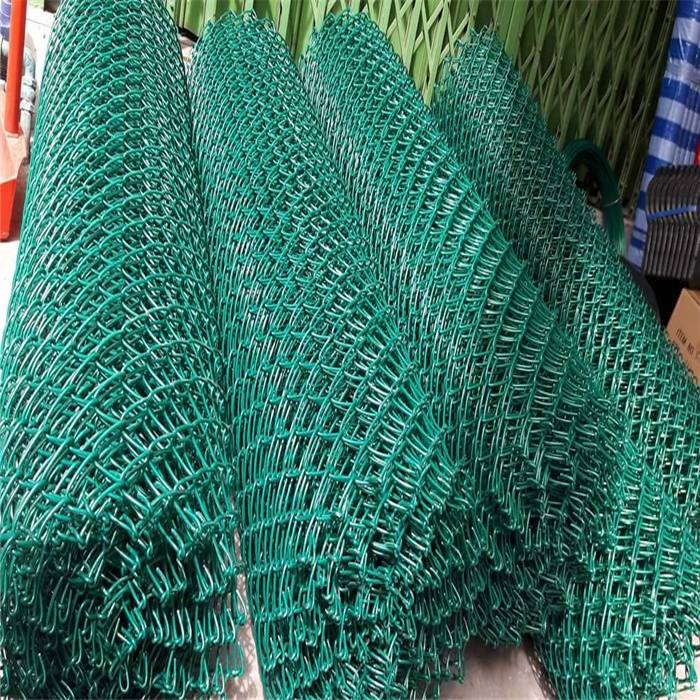
Simply put, putting up chicken wire fence involves installing a mesh of galvanized or coated wire, often hexagonal in shape, stretched and secured over posts to create a flexible yet sturdy barrier. It's one of the oldest and most accessible fencing techniques designed primarily to prevent small animals from passing through, while allowing visibility and ventilation.
In contemporary terms, it's a method that interconnects traditional craftsmanship with modern material science. It answers immediate needs — whether for commercial farmers protecting poultry, homeowners keeping their gardens safe, or NGOs building temporary animal enclosures in post-disaster zones.
Core Components to Consider When Installing Chicken Wire Fence
1. Durability and Material Quality
The fence’s lifespan depends largely on the wire’s coating and thickness. Galvanized steel resists rust, while PVC-coating adds extra weather protection. Good quality wire — generally between 19 to 23 gauge — balances protection and flexibility. A well-done fence can last over a decade if properly maintained, which is quite impressive.
2. Installation Techniques
Tensioning the wire tightly onto posts is key — sagging mesh invites animals through. Use staples, hog rings, or specialized clips to fasten securely. Posts can be wood, metal, or sturdier composite materials, depending on the environment.
3. Scalability and Customization
One of the neat things about putting up a chicken wire fence is how scalable it is. Large farms might cover acres, while a single backyard could need just a few meters. Adjusting mesh height and post spacing tailors protection to the animals involved, from small birds to larger mammals.
4. Cost Efficiency
Compared to other fencing types, chicken wire is economically friendly — both in materials and labor. It offers a cost-to-benefit balance that appeals to subsistence farmers and commercial operations alike.
5. Environmental Impact
Since it uses minimal raw material and is often recyclable, chicken wire fencing is a relatively green choice. Plus, its permeability allows wildlife movement patterns to remain less disrupted than more solid barriers.
6. Maintenance and Longevity
Minor repairs — tightening loose links or replacing worn posts — keep a fence functional for years. Understanding this is half the battle for anyone putting up chicken wire fence effectively.
Mini takeaway: Quality wire, correct installation, and regular upkeep make putting up chicken wire fence a reliable and sustainable fencing solution.
Real-World Applications: Where and How Chicken Wire Fence Makes a Difference
In sub-Saharan Africa, smallholder farmers use chicken wire fences extensively to protect poultry from predators, a critical income source for many families. In rural Australia, these fences help manage kangaroo movement to prevent crop losses. In North American emergency shelters, parts of reinforced chicken wire fencing create secure yet breathable containment zones for animals and supplies.
NGOs in post-disaster areas often put up chicken wire fences to mark safe zones for livestock or to quickly establish perimeter controls where infrastructure was destroyed. Even in urban gardening movements, fences protect community crops from neighborhood pests and stray animals.
Product Specification Table: Typical Chicken Wire Fence Characteristics
| Specification | Details |
|---|---|
| Material | Galvanized steel, PVC-coated options |
| Wire Gauge | 19 - 23 gauge (0.9mm - 0.55mm diameter) |
| Mesh Size | Approximately 1-inch hexagonal openings |
| Fence Height | Typically 3 - 6 feet, customizable |
| Post Material | Wood, metal, fiberglass |
| Coating Lifespan | 5 - 10 years (galvanized), up to 15 years with PVC coating |
Vendor Comparison Table: Choosing Your Chicken Wire Supplier
| Vendor | Wire Gauge Options | Coating Types | Pricing (Per Roll) | Lead Time |
|---|---|---|---|---|
| Chchfence Co. | 19 - 22 gauge | Galvanized, PVC-coated | $45 - $70 | 3-5 days |
| WireGuard Supplies | 20 - 23 gauge | Galvanized only | $40 - $65 | 5-7 days |
| FarmEdge Materials | 18 - 20 gauge | PVC-coated premium | $60 - $80 | 2-4 days |
Why Putting Up Chicken Wire Fence Still Makes Sense
In a world moving towards high-tech security and virtual barriers, chicken wire fences hold their ground by being foundationally simple yet incredibly adaptive. Their affordability makes them accessible, their durability keeps them reliable, and their flexibility fits diverse needs. For small-scale farmers, urban gardeners, and humanitarian agencies alike, the fence is not just a product; it’s peace of mind and protection.
Plus, as sustainability drives more choices, chicken wire fencing with eco-conscious coatings and recyclable materials gains fresh appeal. It's a reminder that sometimes the best solutions don’t have to be complicated.
Future Innovations in Chicken Wire Fencing
The future sees chicken wire evolving beyond plain galvanized steel. We're talking about integrating lightweight composites for better rust resistance, using solar-powered sensors mounted on fences to monitor breaches, and combining fencing installation with soil health-monitoring tech in agricultural zones.
Additionally, manufacturers are exploring biodegradable coatings that maintain strength without long-lasting environmental impact. The digital transformation of agriculture even touches fencing — apps predicting fence failure or damage based on weather conditions could become standard in the next decade.
Challenges and Solutions: Handling What Could Go Wrong
Not all installations are smooth sailing. The most common headaches? Sagging fences, wire breaks, rust, and inadequate post anchoring. In windy or rough terrains, a poorly installed fence is as good as no fence at all. Luckily, companies now provide detailed installation kits and guides. Some even offer pre-assembled panels to speed deployment.
Preventive maintenance and choosing the right materials are critical. For instance, consulting local farming extension services or fencing experts can help tailor solutions to specific environments, whether that’s high humidity or rocky soil.
FAQs: Common Questions About Putting Up Chicken Wire Fence
Q1: How do I ensure my chicken wire fence stays tight and doesn’t sag over time?
Proper tensioning during installation is key — use a wire stretcher or come-along tool. Attach the wire firmly to sturdy posts spaced no more than 8 feet apart. Regularly check for loosened staples or clips and fix immediately. A little upkeep goes a long way.
Q2: Can chicken wire fence keep out larger animals like raccoons or foxes?
While chicken wire is excellent for birds and small mammals, larger animals can sometimes tear through or climb it. For better protection, consider combining it with stronger fencing materials or electric deterrents where necessary.
Q3: What post material is best for different climates?
Wood posts work well in temperate zones if treated against rot. Metal posts resist pests and last longer but may rust if not galvanized or coated. Fiberglass is lightweight and weather-resistant but more expensive. Match your choice to budget and local conditions.
Q4: Is there an eco-friendly way to dispose of old chicken wire?
Absolutely. Steel chicken wire is recyclable and can be taken to metal recycling centers. Before recycling, remove any non-metal parts like staples or wooden posts. Opting for PVC-coated wire requires extra care — some specialized recyclers handle this material.
Q5: How fast can I install a chicken wire fence compared to other fencing types?
One of the big perks is speed: with proper tools, a small fence can go up in a day or two. Larger installations take longer but still tend to be faster than alternatives requiring concrete posts or heavy machinery.
Final Thoughts: Safe, Sustainable, and Smart
Putting up chicken wire fence may not dominate headlines, yet its impact resonates quietly in fields, backyards, and relief zones worldwide. It's a reminder that even the simplest solutions, done well, carry immense value. Whether securing your smallholding or contributing to sustainable agriculture, understanding this craft offers both practical benefits and a connection to global efforts in food security and safety.
Ready to start? For quality materials and expert advice, check out putting up chicken wire fence with trusted vendors.
References:
Latest News About CHENG CHUANG
-
 Heavy Duty 6 gauge welded wire mesh for Security and StrengthWhen it comes to heavy-duty containment, security, and structural reinforcement, choosing the right material is critical. The 6 gauge welded wire mesh stands as a premier choice for those requiring a balance of extreme rigidity and precise spacing. Whether you are securing a commercial perimeter, building industrial livestock panels, or creating reinforced concrete structures, this specific thickness provides the structural integrity needed to withstand significant pressure and impact. In this comprehensive guide, we will explore the technical specifications, primary applications, and why this mesh is the gold standard for high-security fencing solutions.Read more >
Apr 16 2026
-
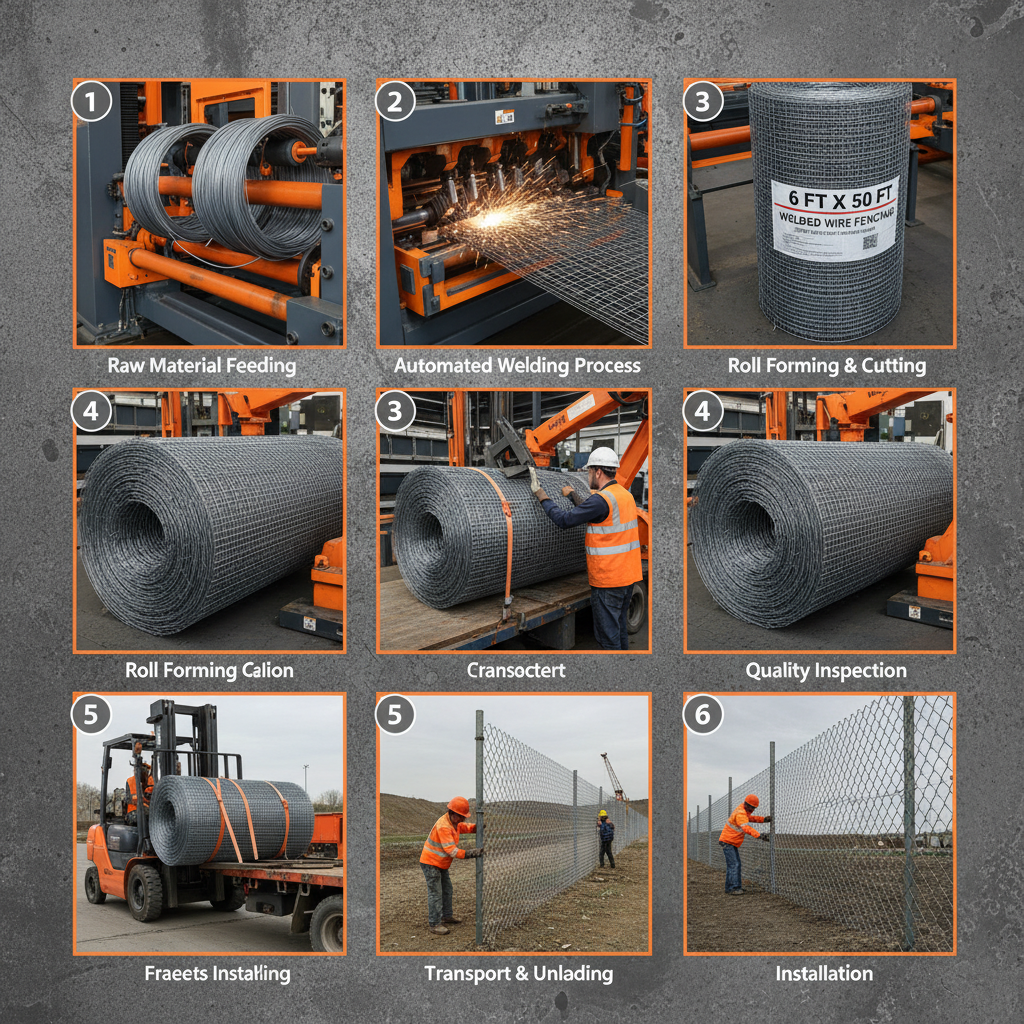 Durable 6 ft x 50 ft welded wire fencing for Security and GardensWhen it comes to securing a perimeter, whether for agricultural use, garden protection, or industrial boundaries, the dimensions and material of your fence matter. The 6 ft x 50 ft welded wire fencing offers an ideal balance of height and length, providing a robust barrier that is easy to install and maintain. Choosing a welded wire system ensures that the intersections are fused together, preventing the shifting and sagging often found in woven alternatives. In this guide, we will explore why this specific size is a preferred choice for property owners and how to maximize its effectiveness for your specific project.Read more >
Apr 09 2026
-
 Comprehensive Guide to Choosing the Best 6 ft x 100 ft Welded Wire FencingWelded wire fencing is a versatile and cost-effective solution for a wide range of applications, from agricultural containment to residential security. Understanding the nuances of different types, especially when considering a size like 6 ft x 100 ft welded wire fencing, is crucial for making the right investment. This article will guide you through the essential factors to consider, helping you select the fencing that best suits your specific requirements.Read more >
Apr 07 2026
-
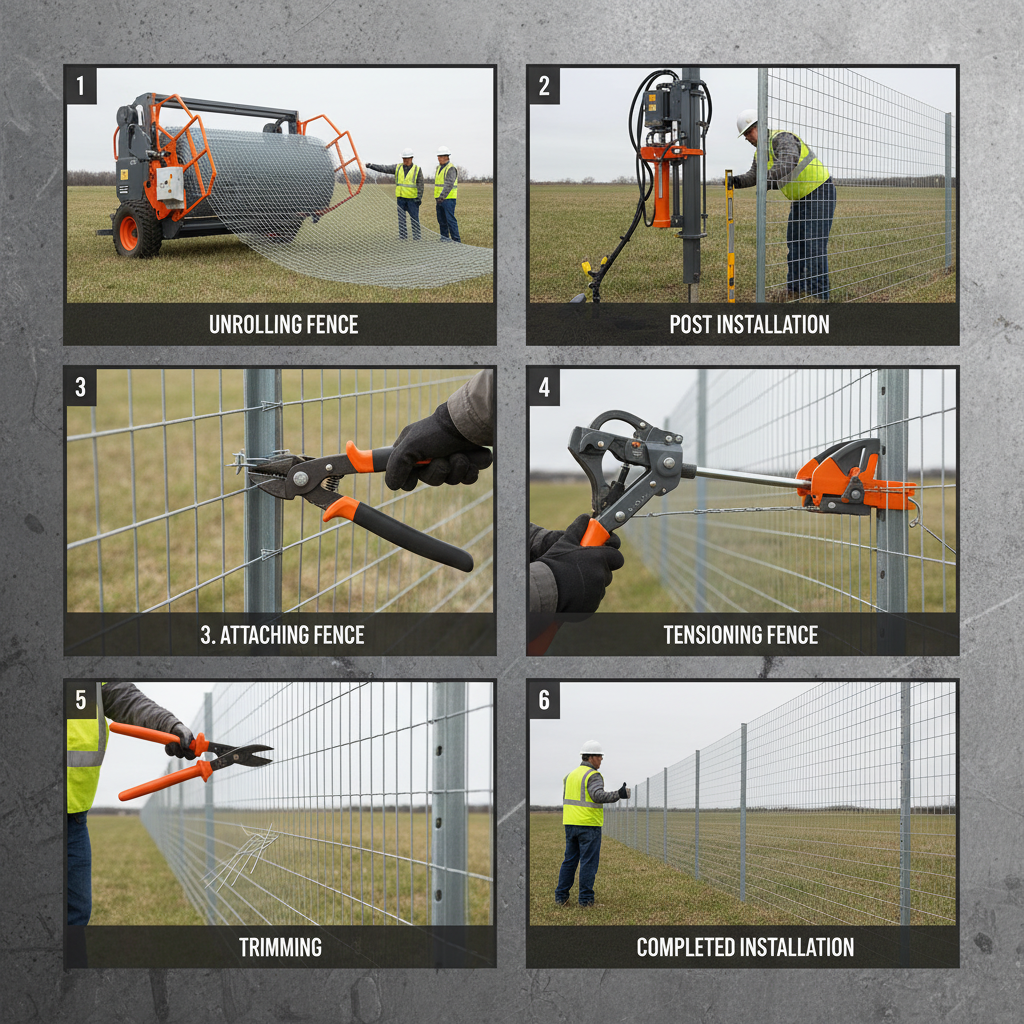 Comprehensive Guide to Choosing a 6 ft x 100 ft 12.5 Gauge Welded Wire FenceSelecting the appropriate fence for your property requires careful consideration. A 6 ft x 100 ft 12.5 gauge welded wire fence offers a robust and versatile solution for a variety of applications, from pet containment to garden protection and security. This guide will explore the benefits, applications, installation tips, and considerations when choosing this type of fencing. Understanding its construction and comparing it to other fencing options will help you make an informed decision.Read more >
Apr 04 2026
-
 Comprehensive Guide to Durable 6 ft Welded Wire Fencing Panels and ApplicationsWhen selecting fencing for your property, 6 ft welded wire fencing panels offer a robust and versatile solution. These panels combine strength, security, and ease of installation, making them a popular choice for both residential and commercial applications. This article delves into the benefits, applications, installation, and maintenance of these panels, helping you make an informed decision.Read more >
Mar 31 2026