


Expanded Diamond Mesh: Industrial Versatility and Global Applications Explained
Understanding Expanded Diamond Mesh: A Globally Relevant Industrial Solution
Expanded diamond mesh might sound a bit niche, but it’s actually an essential material that's quietly shaping industries worldwide. At its core, this type of mesh is a flexible yet robust metal sheet, distinguished by its diamond-shaped openings. Why does it matter so much globally? Well, it offers a combination of durability, ventilation, security, and cost-effectiveness. In both humanitarian contexts and industrial sectors, understanding expanded diamond mesh is key to solving problems related to fencing, security barriers, filtration, or even construction reinforcements.
Introduction: The Global Significance of Expanded Diamond Mesh
Let’s zoom out for a moment. According to the World Bank, infrastructure development and security concerns have skyrocketed in regions across Asia, Africa, and South America, sparking demand for versatile materials that can be deployed quickly and safely. Expanded diamond mesh answers some of these challenges. For example, industries experience an increasing need for secure fencing that balances visibility with protection—think high-security sites or industrial plants. On the humanitarian front, agencies often need durable, lightweight materials for temporary shelters and fencing after disasters. The versatility here is no accident.
Globally, the market for metal fencing and mesh products is expected to grow by over 5% annually according to recent ISO reports, propelled by urbanization and security demands. But more than that – expanded diamond mesh offers scalability in applications, a trait many other materials struggle with. It’s an energy-efficient choice too, particularly when employed in sustainable building designs. Without this material, progress in these fronts would be harder, costlier, or frankly less reliable.
Mini takeaway: Expanded diamond mesh isn’t just industrial jargon. It’s a practical solution meeting diverse global needs, from safety to sustainable infrastructure.
What is Expanded Diamond Mesh?
Simply put, expanded diamond mesh is a sheet of metal that has been simultaneously cut and stretched—imagine a grid of diamond-shaped holes across the metal surface. This process turns a flat sheet into a resilient and somewhat elastic mesh, usually made of steel, aluminum, or stainless steel. The “diamond” part refers to the shape of the openings, which aren’t just aesthetic; they contribute to the strength and flexibility of the mesh.
It’s closely tied to modern construction, security fencing, industrial filtration, and humanitarian relief efforts. For instance, in disaster zones, the mesh can be quickly erected as fencing or structural support, thanks to its lightweight and durability. The mesh allows airflow and light while still providing protection, which is vital in temporary shelters or ventilation panels.
Key Aspects of Expanded Diamond Mesh
1. Durability
Perhaps the most talked-about feature. The mesh’s metal composition, often galvanized for corrosion resistance, ensures it withstands harsh environments—from salty coastal air to dusty industrial sites. It lasts years without losing integrity.
2. Scalability
Expanded diamond mesh can be produced in vast sheets or custom panels, allowing it to scale from small fencing projects to large industrial enclosures. Its installation is relatively straightforward, making large-scale deployment possible with fewer complexities.
3. Cost Efficiency
The manufacturing process, which uses a single sheet to create the mesh, minimizes waste. Plus, the durability means replacement cycles lengthen, saving costs in the long-term.
4. Versatility
Used not only for fencing but also in architectural facades, air vents, walkways, machine guards, and more. The diamond pattern provides an excellent balance of strength and visibility.
5. Environmental Compatibility
The material is recyclable, and some producers now focus on sourcing sustainable metals, aligning with global green initiatives.
Product Specification Table
| Specification | Details |
|---|---|
| Material | Galvanized Steel / Stainless Steel / Aluminum |
| Thickness | 0.8 mm – 3.2 mm |
| Mesh Opening Size | 10mm to 50mm (diamond-shaped) |
| Sheet Size | Standard: 1m x 2m (custom available) |
| Finish | Hot-dip galvanized, Painted, Powder Coated |
Global Applications and Use Cases
Where don’t you see expanded diamond mesh? That’s the question some engineers joke about. It’s everywhere from very practical scenarios—like fencing in industrial plants in Germany—to more delicate humanitarian uses, such as providing quick physical boundaries after earthquakes in Southeast Asia.
- Industrial Security: Expanded diamond mesh is widely used in factories, warehouses, and utility plants worldwide due to its strength and visibility.
- Construction: In modern architecture, it doubles as cladding and safety barriers on stairwells or walkways, especially in Europe and North America.
- Disaster Relief: NGOs have adopted the mesh for temporary fencing and shelter supports, especially after floods and earthquakes in countries like Haiti and Nepal.
- Agriculture: It works as livestock fencing in Australia and South America, reducing escape routes without compromising air flow.
Mini takeaway: The mesh’s application breadth and global footprint speak to its design craft and adaptability.
Advantages and Long-Term Value
It’s not just about holding things in or out. Expanded diamond mesh brings a host of benefits that make it both a logical choice and a humane one. Cost-wise, it often undercuts alternatives like welded wire or chain-link fencing. The material’s durability means fewer replacements and repairs, easing long-term budgets. Emotionally, it provides safety — essential for people in vulnerable conditions. It conveys a sense of order and security without feeling oppressive, because the diamond openings let light and eyes through, maintaining dignity.
Vendor Comparison Table
| Vendor | Material Options | Lead Time | Custom Sizing | Eco Credentials |
|---|---|---|---|---|
| ChchFence Co. | Galvanized Steel, Aluminum | 2-3 weeks | Yes | ISO 14001 certified |
| Global Mesh Ltd. | Stainless Steel, Galvanized Steel | 3-5 weeks | Limited | Some eco initiatives |
| EcoGrid Solutions | Recycled Aluminum | 4 weeks | Yes | 100% Green materials |
Future Trends and Innovations in Expanded Diamond Mesh
Innovation in this area isn’t just about making things stronger — it’s about smarter materials and sustainable practices. With advances in powder coating technologies and heat-resistant metals, expanded diamond mesh is becoming more weather-proof and longer-lasting. Green energy efforts mean more recycled metals are entering production, reducing carbon footprints.
Oddly enough, digital fabrication methods like laser cutting and automation have begun to improve precision and reduce manufacturing time. You also find growing attention on modular or foldable panels that incorporate expanded diamond mesh, streamlining shipping and on-site assembly.
Challenges and Expert Solutions
It’s not perfect (nothing is). One challenge is corrosion in extremely harsh saline or industrial environments, though galvanization helps. Another is the balance between security and visibility—some clients want smaller diamond openings to restrict access, which can increase cost and weight.
Experts suggest combining coatings with smart maintenance schedules and sometimes integrating the mesh with layered security systems. In humanitarian contexts, innovators use mesh panels that snap together, improving speed and reducing logistical costs.
FAQ: Common Questions About Expanded Diamond Mesh
- What makes expanded diamond mesh superior to traditional chain-link fencing?
- Expanded diamond mesh typically offers greater strength and rigidity, allowing for longer spans without support. Its diamond openings also provide better visibility and airflow, and the manufacturing process generates less waste.
- How long does expanded diamond mesh last in outdoor settings?
- With proper galvanization or coating, it can last 15-25 years depending on environmental conditions. Regular maintenance significantly extends its lifespan.
- Is expanded diamond mesh suitable for eco-friendly building projects?
- Absolutely. Many manufacturers now use recycled metals and environmentally friendly coatings, aligning well with green building certifications like LEED.
- How quickly can expanded diamond mesh be deployed in disaster relief zones?
- Due to its lightweight and modular nature, installation can be completed within hours or days, depending on scale, making it a preferred material for rapid deployment fencing or paneling.
Conclusion & Call to Action
Ultimately, expanded diamond mesh embodies a smart blend of resilience, versatility, and practicality. Whether your needs are industrial security, construction safety, or humanitarian aid, this material stands out as a reliable choice that’s built to last and adapt to the challenges of the modern world.
If you want to explore more about expanded diamond mesh and how it could fit your project, check out the leading specialists at ChchFence Co. Their expertise and environmentally responsible products might be exactly what you need.
It’s one of those quietly versatile materials that once you understand it, the possibilities seem endless.
References:
Latest News About CHENG CHUANG
-
 Heavy Duty 6 gauge welded wire mesh for Security and StrengthWhen it comes to heavy-duty containment, security, and structural reinforcement, choosing the right material is critical. The 6 gauge welded wire mesh stands as a premier choice for those requiring a balance of extreme rigidity and precise spacing. Whether you are securing a commercial perimeter, building industrial livestock panels, or creating reinforced concrete structures, this specific thickness provides the structural integrity needed to withstand significant pressure and impact. In this comprehensive guide, we will explore the technical specifications, primary applications, and why this mesh is the gold standard for high-security fencing solutions.Read more >
Apr 16 2026
-
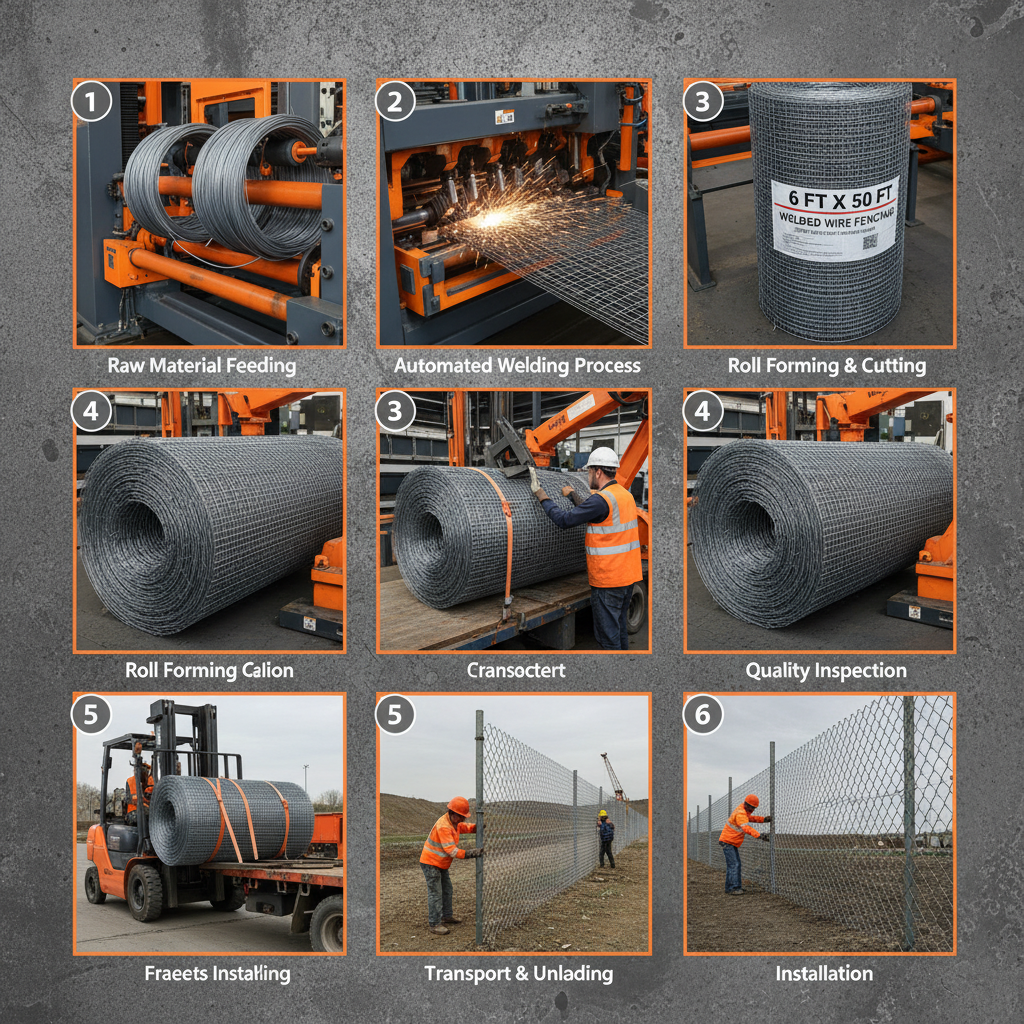 Durable 6 ft x 50 ft welded wire fencing for Security and GardensWhen it comes to securing a perimeter, whether for agricultural use, garden protection, or industrial boundaries, the dimensions and material of your fence matter. The 6 ft x 50 ft welded wire fencing offers an ideal balance of height and length, providing a robust barrier that is easy to install and maintain. Choosing a welded wire system ensures that the intersections are fused together, preventing the shifting and sagging often found in woven alternatives. In this guide, we will explore why this specific size is a preferred choice for property owners and how to maximize its effectiveness for your specific project.Read more >
Apr 09 2026
-
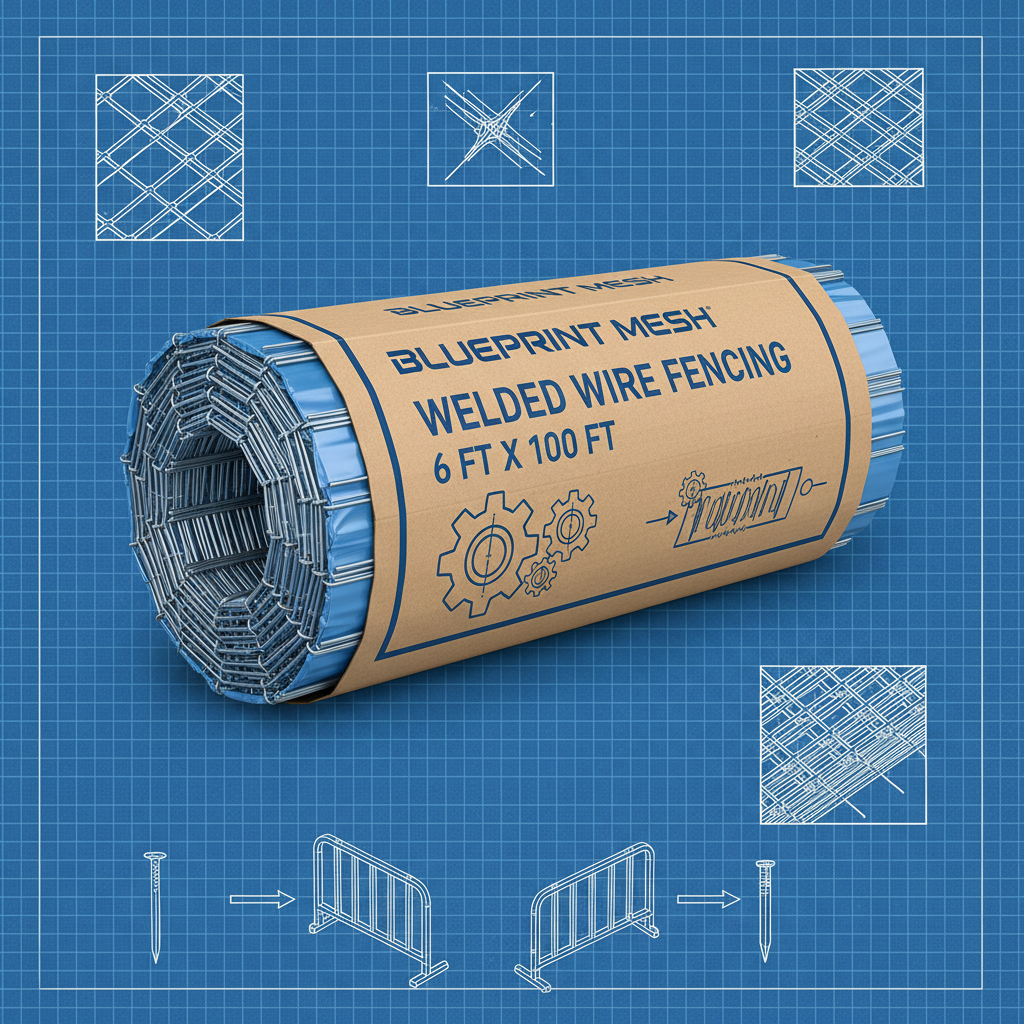 Comprehensive Guide to Choosing the Best 6 ft x 100 ft Welded Wire FencingWelded wire fencing is a versatile and cost-effective solution for a wide range of applications, from agricultural containment to residential security. Understanding the nuances of different types, especially when considering a size like 6 ft x 100 ft welded wire fencing, is crucial for making the right investment. This article will guide you through the essential factors to consider, helping you select the fencing that best suits your specific requirements.Read more >
Apr 07 2026
-
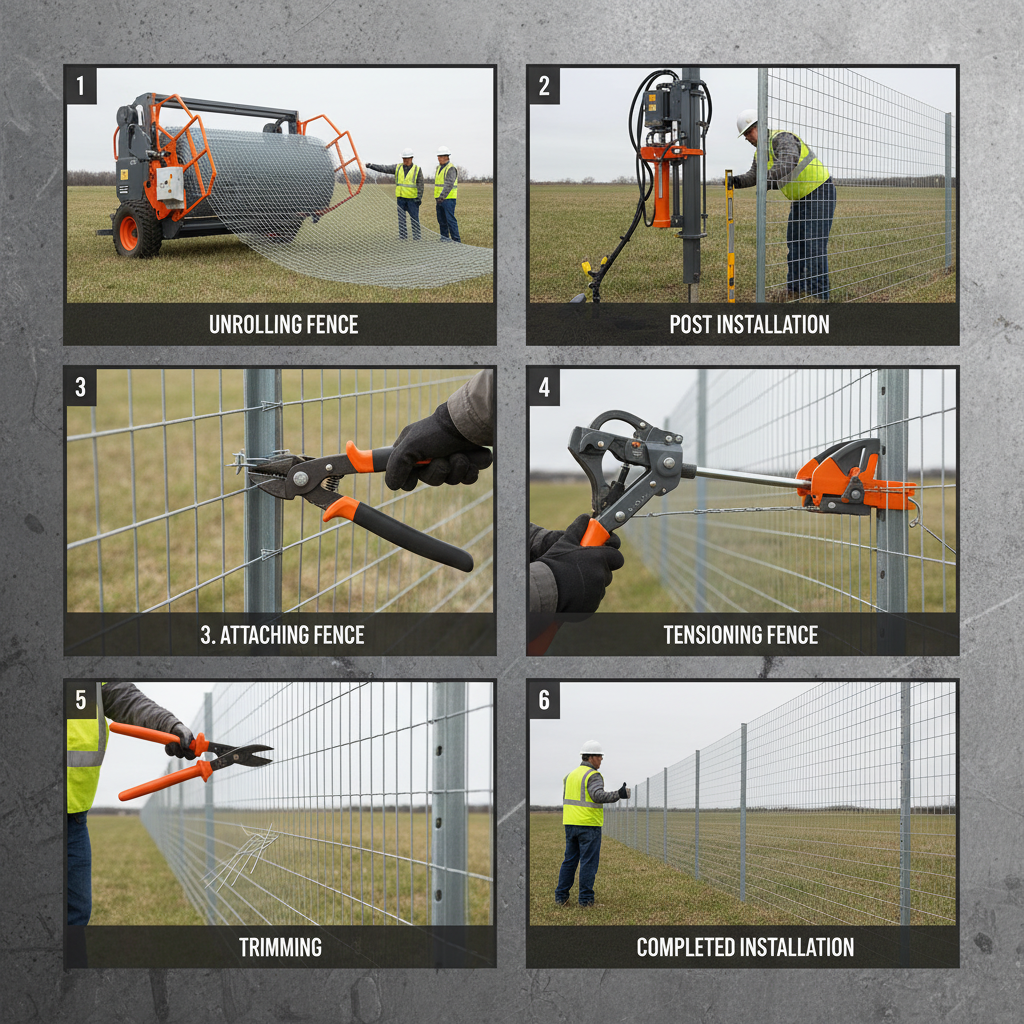 Comprehensive Guide to Choosing a 6 ft x 100 ft 12.5 Gauge Welded Wire FenceSelecting the appropriate fence for your property requires careful consideration. A 6 ft x 100 ft 12.5 gauge welded wire fence offers a robust and versatile solution for a variety of applications, from pet containment to garden protection and security. This guide will explore the benefits, applications, installation tips, and considerations when choosing this type of fencing. Understanding its construction and comparing it to other fencing options will help you make an informed decision.Read more >
Apr 04 2026
-
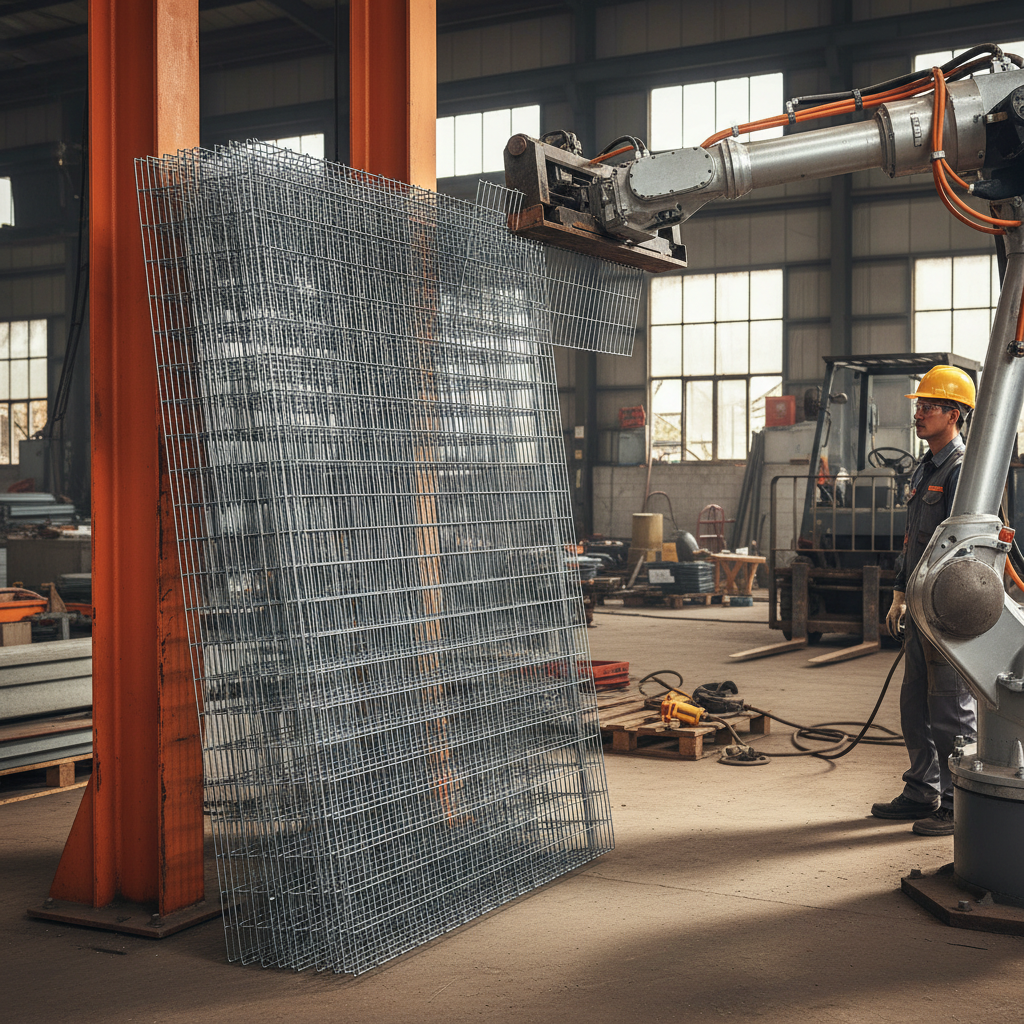 Comprehensive Guide to Durable 6 ft Welded Wire Fencing Panels and ApplicationsWhen selecting fencing for your property, 6 ft welded wire fencing panels offer a robust and versatile solution. These panels combine strength, security, and ease of installation, making them a popular choice for both residential and commercial applications. This article delves into the benefits, applications, installation, and maintenance of these panels, helping you make an informed decision.Read more >
Mar 31 2026