


Expanded Mesh Screen: Versatile Metal Mesh for Global Infrastructure & Security
Expanded Mesh Screen: A Global Perspective on Versatile Mesh Solutions
Expanded mesh screen might sound like niche industrial jargon, but its impact stretches far beyond factory floors or construction sites. Globally, this simple yet ingeniously crafted product plays a pivotal role in infrastructure, security, environmental projects, and even humanitarian relief efforts. Understanding expanded mesh screen is not only about appreciating a physical product, but also about realizing how such an element contributes to safer, more sustainable, and cost-effective solutions worldwide.
Introduction: Why Expanded Mesh Screen Matters Globally
In 2023, global infrastructure investments topped $3.5 trillion, according to the World Bank, with an increasing focus on urban renewal and resilient construction. The demand for materials that combine strength, adaptability, and cost-efficiency has spiked accordingly. Expanded mesh screen, which is a metal sheet that's been cut and stretched to form a diamond-shaped mesh, fits this bill perfectly. From architectural façades in booming Asian megacities to protective fencing in European wind farms, the versatility of expanded mesh addresses challenges like security, environmental sustainability, and airflow management all at once.
Yet, there are ongoing challenges — supply chain disruptions, evolving environmental regulations, and the need for more eco-friendly alternatives. The expanded mesh screen industry is innovating in response, making it a timely topic to explore.
What Is Expanded Mesh Screen?
Put simply, an expanded mesh screen is a metal sheet transformed into an open network by slitting and then stretching it into a mesh pattern — usually diamond-shaped openings. This process doesn't just create a pattern; it enhances the sheet’s strength-to-weight ratio, increases its surface area, and provides excellent visibility or ventilation, depending on the application.
Modern industries, from mining ventilation systems to architectural sunshades, rely on expanded mesh for its balance of strength, airflow, and light filtering capabilities. Humanitarian projects, like constructing temporary fencing or emergency shelters, value its quick deployment and durability.
Key Factors of Expanded Mesh Screen
Durability
Often made of steel, aluminum, or stainless steel, expanded mesh screens endure extreme weather, corrosion, and mechanical stress. This robustness makes them ideal in industrial and outdoor settings.
Scalability & Customization
The mesh size, thickness, and metal type can be tailored. It’s scalable — from tiny screens for filtering applications to massive panels for architectural use.
Cost Efficiency
Compared to woven wire meshes, expanded mesh eliminates waste because the metal is only slit and stretched, not melted or reformed. This leads to savings and often lower environmental impacts.
Versatility
Beyond fencing, applications include walkways, safety guards, facades, and even artistic installations. Its multifunctionality opens many doors.
Lightweight yet Strong
Despite appearing airy, expanded mesh supports heavy loads and withstands impacts — a sometimes surprising feature often highlighted by engineers.
Product Specification Table
| Specification | Typical Value | Notes |
|---|---|---|
| Material | Stainless steel (grade 304/316), Aluminum, Galvanized steel | Options vary by application |
| Mesh Opening | 5mm to 100mm (variable) | Controls airflow, visibility |
| Sheet Thickness | 0.5mm to 6mm | Depends on load requirements |
| Weight | Variable, approx. 2–20 kg/m² | Lightweight compared to solid sheets |
| Finish | Powder coated, anodized, galvanized | Enhances corrosion resistance |
Global Applications & Use Cases
- Architecture & Urban Design: Sunshades, exterior cladding, and balcony guards — for ventilation and aesthetics, especially in hot climates like the Middle East and Southeast Asia.
- Mining & Industrial Safety: Protective guards and walkways that allow airflow but block debris, common in Australia, Canada, and South Africa's mining hubs.
- Agricultural & Aquaculture Sectors: Expanded mesh screens protect plants or marine farms from pests while allowing light and water to pass.
- Security Fencing: At airports, military bases, or sensitive installations globally—expanded mesh combines visibility with a strong barrier.
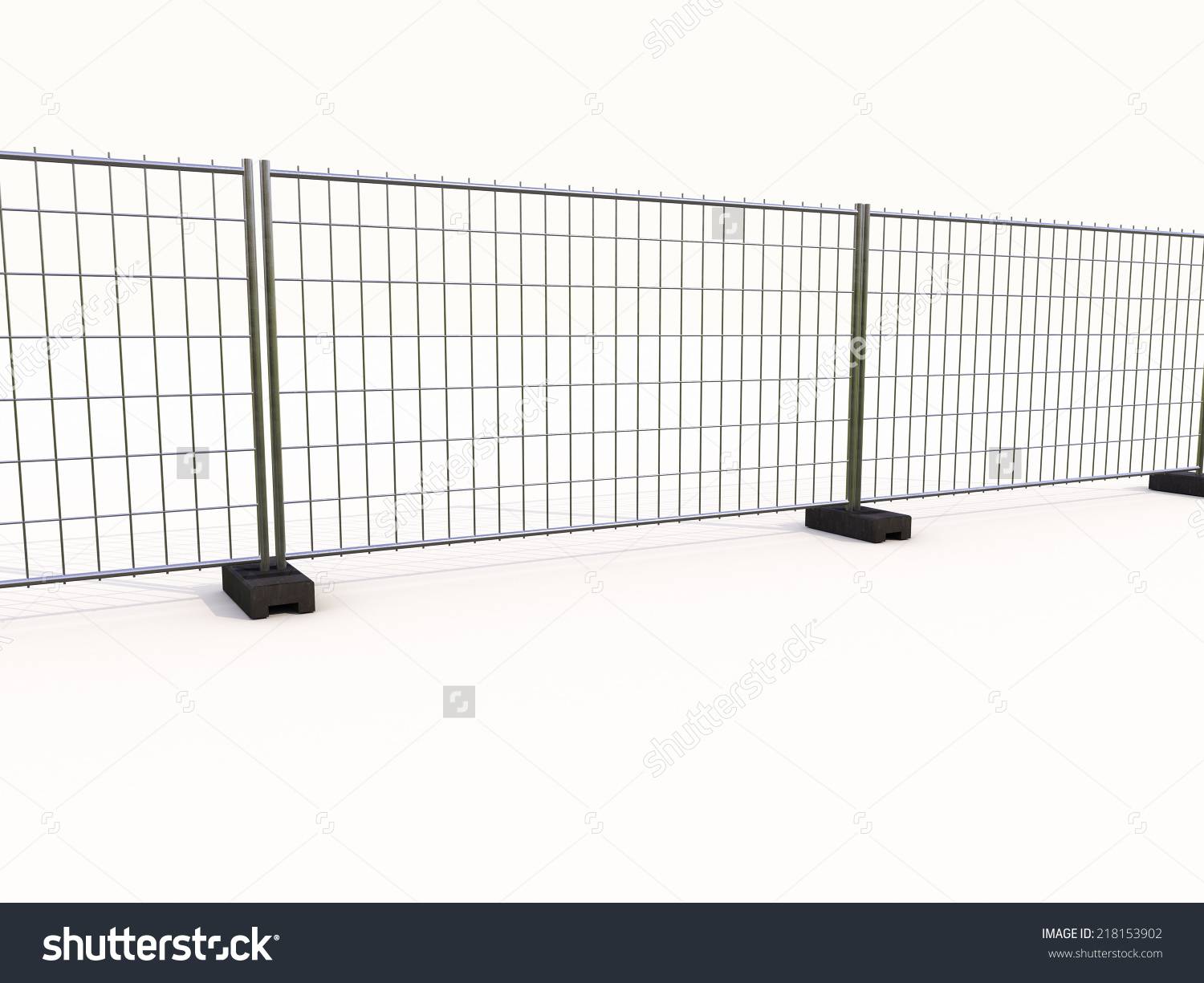
- Disaster Relief Efforts: NGOs often use quick-install fencing (sometimes combined with expanded mesh screen) to secure relief zones or protect water resources.
Mini takeaway: From remote industrial zones to bustling city centers, the expanded mesh screen is a quietly powerful enabler of safety, efficiency, and design innovation worldwide.
Advantages & Long-Term Value
One of the most straightforward benefits is cost savings—not just in initial outlay but throughout the lifecycle. The mesh’s durability reduces maintenance frequency, and its lightweight nature cuts shipping and installation expenses.
Then there's sustainability. Unlike solid sheets that require more raw material, expanded mesh uses metal more efficiently, generating less waste. Plus, many finished products are recyclable. For organizations concerned with social impact, the mesh transmits light and airflow — crucial for safe work environments and humane living spaces, a subtle but essential factor.
And frankly? It inspires trust. Security fencing that doesn’t obscure visibility is less intimidating yet effective, encouraging community acceptance in places like schools or parks.
Vendor Comparison Table
| Vendor | Material Options | Customization | Lead Time | Environmental Certifications |
|---|---|---|---|---|
| MeshPro Inc. | Stainless steel, Aluminum | Full range (mesh size, thickness, finishes) | 4-6 weeks | ISO 14001 certified |
| EcoMesh Ltd. | Galvanized steel, Recycled materials | Standard product lines only | 2-3 weeks | Cradle to Cradle certified |
| SteelGrid Corp. | Steel, Stainless steel | Partial customization | 6-8 weeks | None |
Future Trends & Innovations
The future’s looking bright—and green—for expanded mesh screens. As environmental regulations tighten globally, vendors are exploring bio-based coatings and recyclable raw materials to lower carbon footprints. Meanwhile, digital fabrication technologies like CNC cutting and robotic mesh stretching allow for unprecedented precision and design complexity.
In infrastructure, smart mesh—embedded with sensors to monitor stress, corrosion, or temperature—is an emerging concept, offering real-time data for predictive maintenance. Oddly enough, we’re also seeing more mesh integrated into renewable energy setups, like wind turbine guards or solar panel shades, capitalizing on its lightweight strength.
Challenges & Solutions
No product is perfect. Some challenges with expanded mesh screens include susceptibility to corrosion if not properly finished, potential difficulty sourcing specialized sizes during supply chain slowdowns, and variability in quality across manufacturers. But manufacturers are addressing these issues by improving coating technologies, localizing supply chains, and implementing stricter quality controls.
For end-users, working with reputable suppliers who provide certifications and guarantees is key. And frankly, targeted training on installation and maintenance can significantly extend product life.
FAQ: Frequently Asked Questions About Expanded Mesh Screen
- What materials are best suited for expanded mesh in coastal environments?
- Stainless steel, particularly grade 316, is highly recommended due to its superior corrosion resistance in salty, humid conditions. Aluminum with protective coatings can also work but may require more frequent maintenance.
- Can expanded mesh screen be customized for aesthetic architectural features?
- Absolutely. Mesh size, pattern, thickness, and finish can be tailored. Some architects even use colored coatings or layered mesh to create striking visual effects.
- How does expanded mesh compare to welded wire mesh in terms of strength?
- Expanded mesh has the advantage of being a single piece of metal, which often translates to greater strength and durability under impact and load. Welded wire mesh can have weak points at joints.
- Is installation complicated for temporary fencing using expanded mesh?
- Not really. Expanded mesh panels are lightweight and often designed for modular assembly, making it straightforward for rapid deployment in disaster relief or event security.
- Are there environmental certifications I should look for when purchasing expanded mesh?
- Yes, ISO 14001 for environmental management or Cradle to Cradle certification is a good starting point to ensure suppliers adhere to eco-friendly practices.
Conclusion & Call to Action
Expanded mesh screen is much more than just metal stretched into a pattern — it’s a foundational material influencing safety, design, and sustainability worldwide. Its adaptability meets diverse challenges, from industrial needs to humanitarian crises. Looking toward the future, innovation and environmental responsibility will continue driving this unassuming material's evolution.
If you’re interested in exploring quality expanded mesh screen products or want expert advice tailored to your needs, visit our website at https://www.chbarrier.com. We’re here to help you find the best mesh solutions for your projects.
Mini takeaway: Expanded mesh screens weave together utility, strength, and elegance, quietly supporting industries and communities around the globe.
References
Latest News About CHENG CHUANG
-
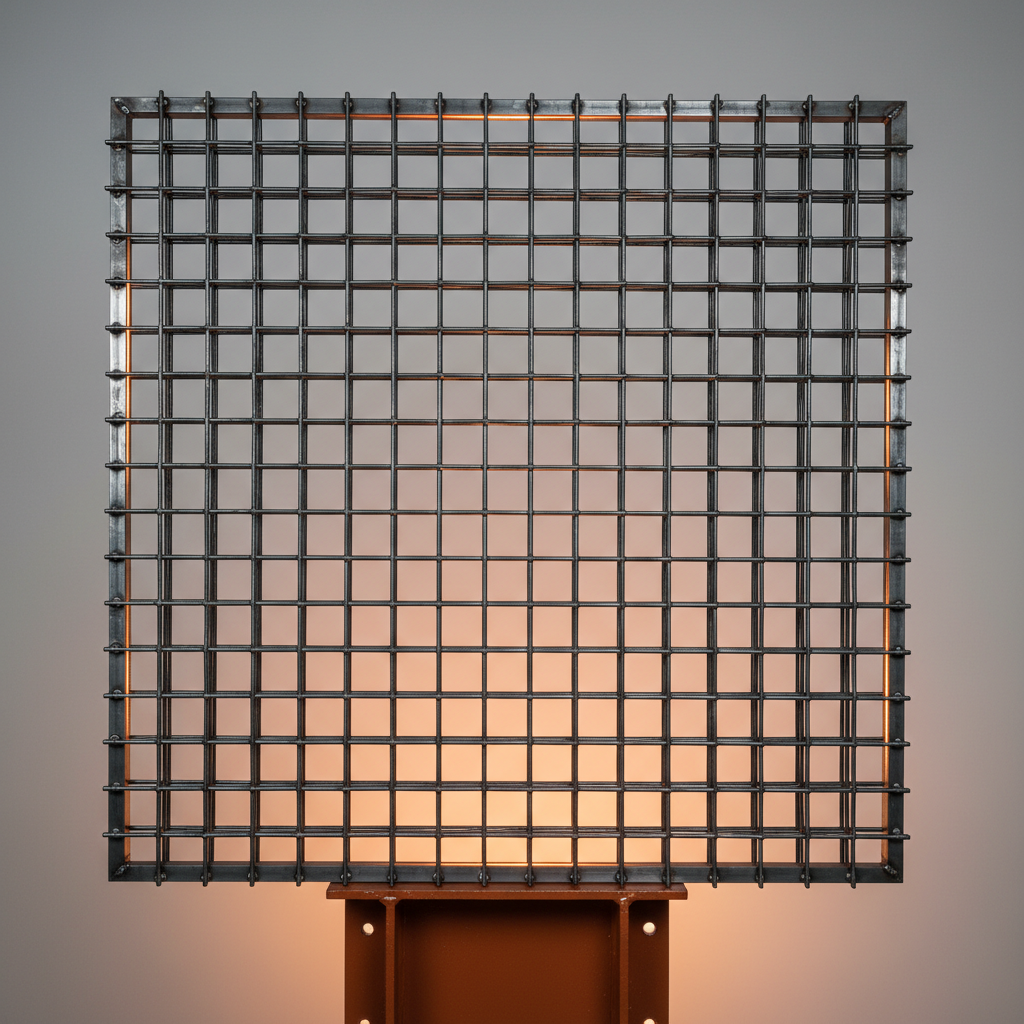 Heavy Duty 6 gauge welded wire mesh for Security and StrengthWhen it comes to heavy-duty containment, security, and structural reinforcement, choosing the right material is critical. The 6 gauge welded wire mesh stands as a premier choice for those requiring a balance of extreme rigidity and precise spacing. Whether you are securing a commercial perimeter, building industrial livestock panels, or creating reinforced concrete structures, this specific thickness provides the structural integrity needed to withstand significant pressure and impact. In this comprehensive guide, we will explore the technical specifications, primary applications, and why this mesh is the gold standard for high-security fencing solutions.Read more >
Apr 16 2026
-
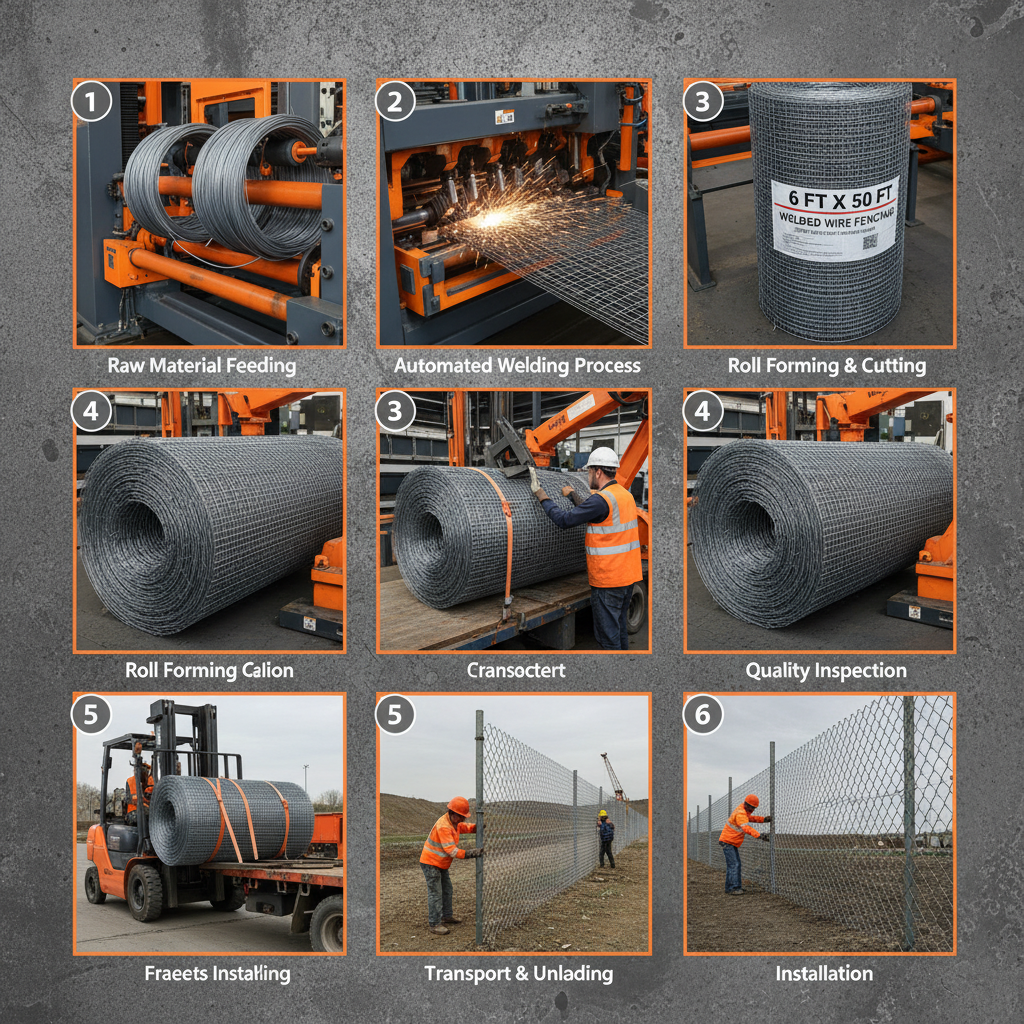 Durable 6 ft x 50 ft welded wire fencing for Security and GardensWhen it comes to securing a perimeter, whether for agricultural use, garden protection, or industrial boundaries, the dimensions and material of your fence matter. The 6 ft x 50 ft welded wire fencing offers an ideal balance of height and length, providing a robust barrier that is easy to install and maintain. Choosing a welded wire system ensures that the intersections are fused together, preventing the shifting and sagging often found in woven alternatives. In this guide, we will explore why this specific size is a preferred choice for property owners and how to maximize its effectiveness for your specific project.Read more >
Apr 09 2026
-
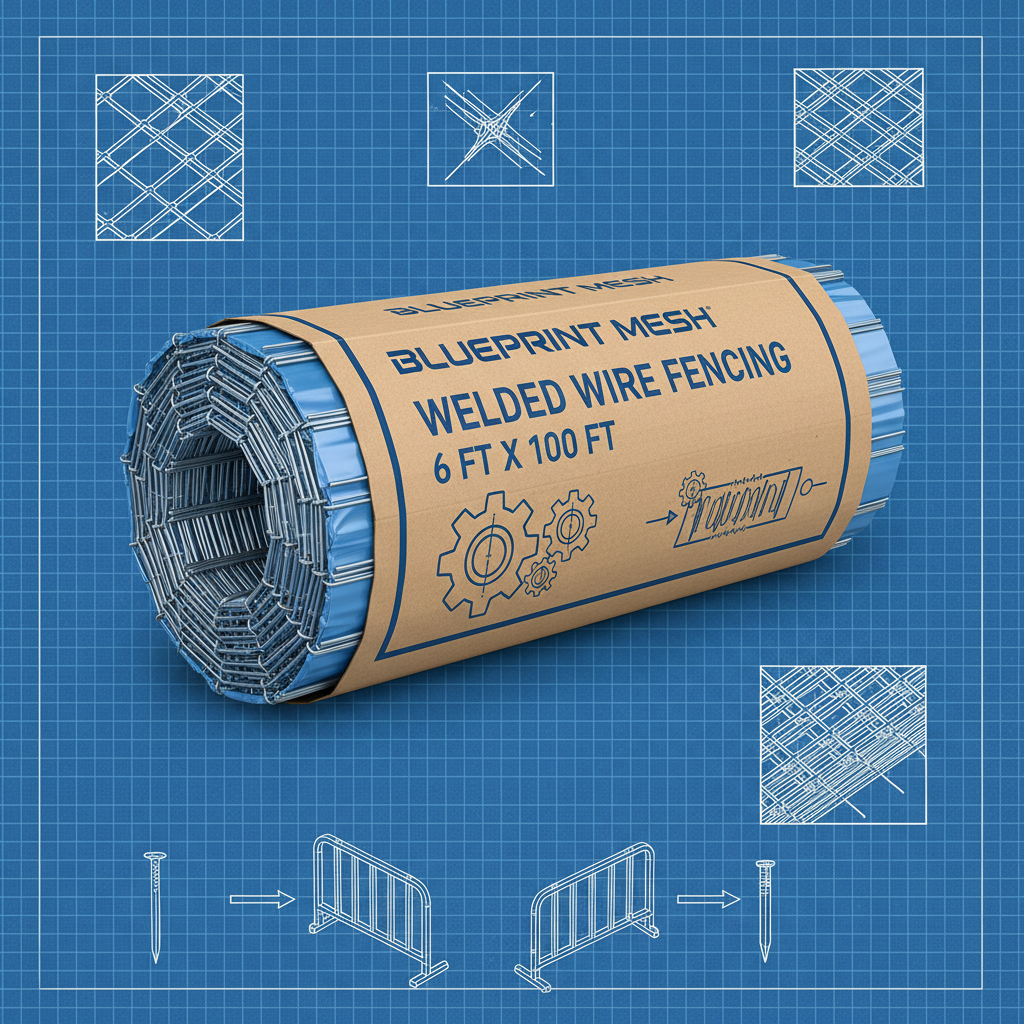 Comprehensive Guide to Choosing the Best 6 ft x 100 ft Welded Wire FencingWelded wire fencing is a versatile and cost-effective solution for a wide range of applications, from agricultural containment to residential security. Understanding the nuances of different types, especially when considering a size like 6 ft x 100 ft welded wire fencing, is crucial for making the right investment. This article will guide you through the essential factors to consider, helping you select the fencing that best suits your specific requirements.Read more >
Apr 07 2026
-
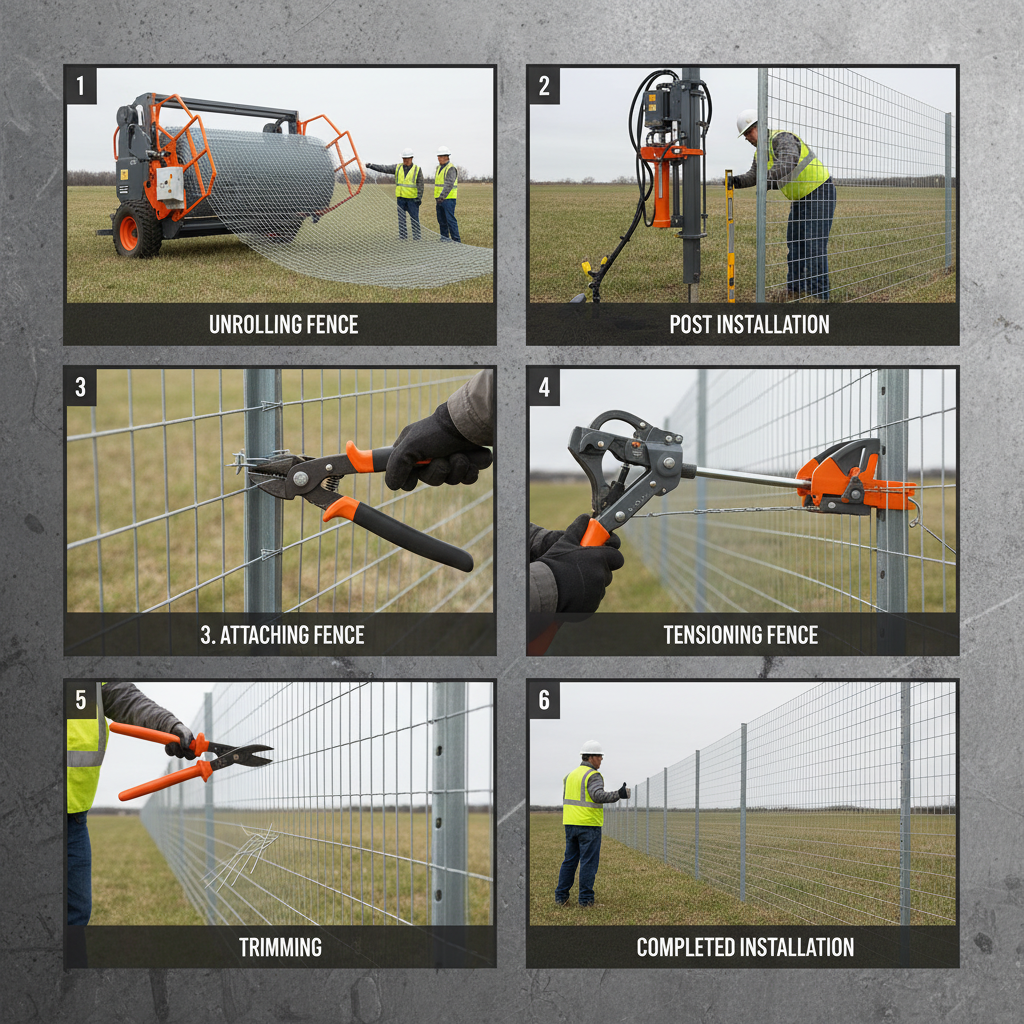 Comprehensive Guide to Choosing a 6 ft x 100 ft 12.5 Gauge Welded Wire FenceSelecting the appropriate fence for your property requires careful consideration. A 6 ft x 100 ft 12.5 gauge welded wire fence offers a robust and versatile solution for a variety of applications, from pet containment to garden protection and security. This guide will explore the benefits, applications, installation tips, and considerations when choosing this type of fencing. Understanding its construction and comparing it to other fencing options will help you make an informed decision.Read more >
Apr 04 2026
-
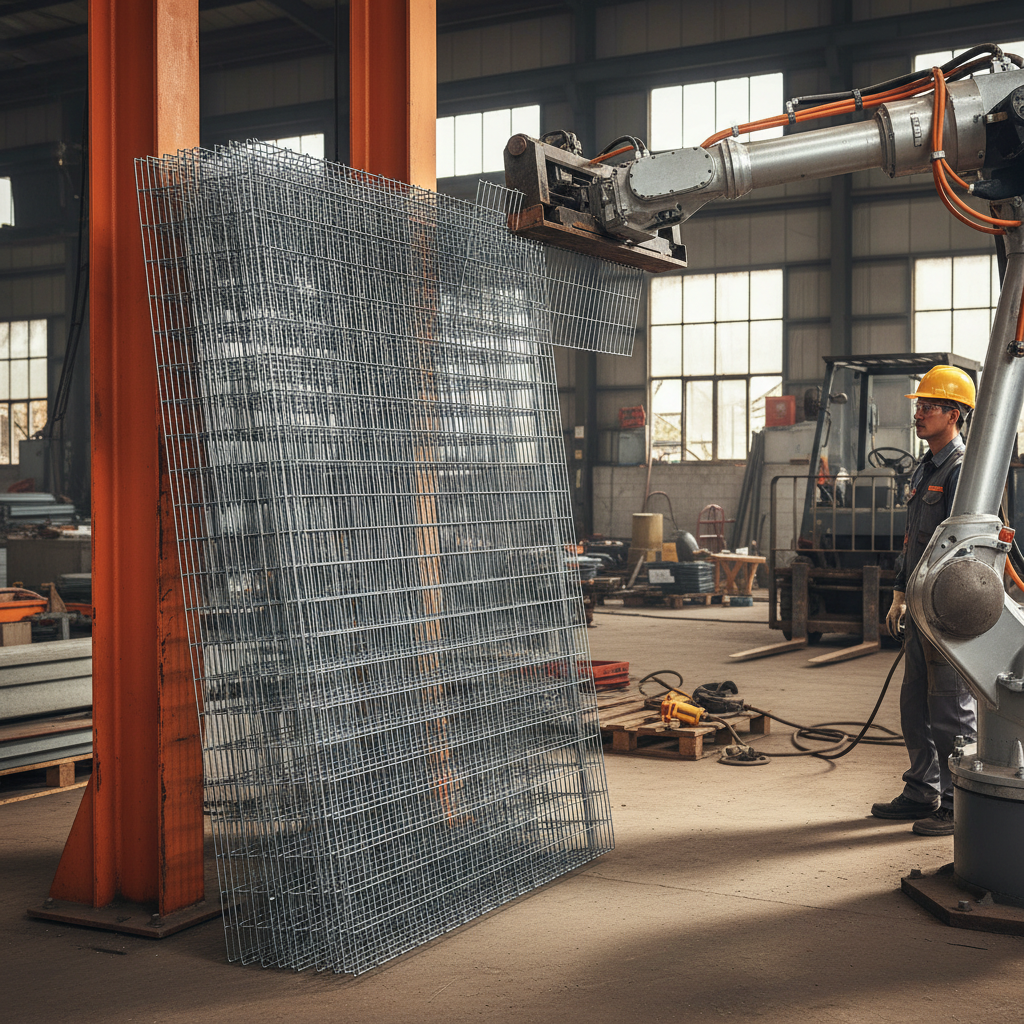 Comprehensive Guide to Durable 6 ft Welded Wire Fencing Panels and ApplicationsWhen selecting fencing for your property, 6 ft welded wire fencing panels offer a robust and versatile solution. These panels combine strength, security, and ease of installation, making them a popular choice for both residential and commercial applications. This article delves into the benefits, applications, installation, and maintenance of these panels, helping you make an informed decision.Read more >
Mar 31 2026