


Expanded Mesh Wire: Durable, Cost-Effective Solutions for Industry and Security
Expanded Mesh Wire: A Versatile Solution for Modern Industry and Beyond
Expanded mesh wire might sound like a niche technical term, but it actually plays a surprisingly broad role across industries worldwide — from construction to security, even humanitarian aid. At its core, this product offers a blend of strength, flexibility, and economy that addresses many industrial challenges. As infrastructure demands evolve globally, understanding expanded mesh wire can unlock smarter, more sustainable solutions.
Introduction: Why Expanded Mesh Wire Matters on a Global Scale
The global infrastructure market is expected to exceed $11 trillion by 2025, according to the International Data Corporation (IDC), which means that the materials we rely on must adapt to complexity and scale. Expanded mesh wire fits right into this picture because it offers a lightweight yet durable option that supports diverse applications — especially where traditional solid metals fall short due to weight or cost.
In areas affected by rapid urbanization or climate-driven disasters, for example, the need for fast-deploying, robust materials makes products like expanded mesh wire central to success. Oddly enough, as more industries focus on circular economies and sustainability, this wire mesh’s recyclability and material efficiency make it particularly relevant.
What Is Expanded Mesh Wire?
Simply put, expanded mesh wire is metal sheet that has been simultaneously slit and stretched to form a diamond-shaped mesh pattern. Unlike woven wire meshes, it’s a single piece of material without welding or joints, which reduces weak points and provides better load distribution.
In many modern industrial uses, such as fencing, machine guards, or architectural cladding, this form of wire balances security with transparency and airflow—properties critical in everything from industrial safety to urban design. More recently, its significance has grown in humanitarian contexts, where it’s used in makeshift shelters and fencing in refugee camps due to its rapid installation and durability.
Core Components and Key Factors of Expanded Mesh Wire
- Durability: Typically made from galvanized steel, stainless steel, or aluminum, expanded mesh resists corrosion and physical damage, lasting decades in tough environments.
- Weight and Strength Ratio: It offers exceptional strength without excessive weight, reducing handling costs and strain on supporting structures.
- Cost Efficiency: Since it's made by cutting and expanding a single sheet, the manufacturing process minimizes waste and cuts production time and material costs — a win-win.
- Versatility: Available in various thicknesses, aperture sizes, and materials, expanded mesh wire adapts well to different tasks — from industrial flooring to security fencing.
- Customization: It can be easily shaped, bent, or welded, allowing architects and engineers to tailor it precisely — even for artistic or acoustic applications.
Mini takeaway: Expanded mesh wire’s balance of strength, versatility, and cost-efficiency makes it one of those quietly indispensable materials that you might overlook but rely on heavily once you know its benefits.
Product Specifications: Typical Expanded Mesh Wire Types
| Specification | Standard Gauge | Mesh Aperture (mm) | Material | Finish | Typical Uses |
|---|---|---|---|---|---|
| Light Gauge | 0.8-1.2 mm | 5 x 10 mm | Galvanized Steel | Powder Coated / Plain | Security Screens, Architectural Panels |
| Medium Gauge | 1.5-2.5 mm | 10 x 20 mm | Stainless Steel | Polished / Brushed | Industrial Flooring, Walkways |
| Heavy Gauge | 3.0-5.0 mm | 20 x 40 mm | Carbon Steel | Hot Dip Galvanized | Fencing, Load-Bearing Platforms |
Global Applications & Use Cases of Expanded Mesh Wire
When you think about it, expanded mesh wire somehow pops up everywhere, but maybe unnoticed. In construction and infrastructure projects, countries like China and India deploy huge volumes of it in safety barriers and scaffolding protections, benefiting from its load-bearing capacity and ease of installation.
In the security sector, it’s prevalent in perimeters for airports, prisons, and industrial complexes worldwide — from North America to Europe. It allows surveillance and airflow while maintaining a physical barrier that’s resistant to cutting or breaching.
A humanitarian angle is also noteworthy: At disaster-response sites in places like the Philippines or sub-Saharan Africa, expanded mesh wire forms temporary fencing and shelters that strike a balance between durability and rapid deployment. The ability to ship light rolls and assemble on site has proved essential in these fragile environments.
Oddly enough, architects love it too — in urban design and public art. Its aesthetic flexibility and structural qualities let designers create facades that are both functional and visually striking.
Vendor Comparison: Popular Expanded Mesh Wire Suppliers
| Vendor | Material Range | Customization | Global Reach | Lead Time | Price Level |
|---|---|---|---|---|---|
| MeshCo | Galvanized & Stainless Steel | Full (Sizes, Apertures, Coatings) | Asia, Europe | 2-3 Weeks | Mid |
| SteelWorks | Carbon Steel / Aluminum | Limited (Standard Sizes) | North America | 1 Week | Low |
| GlobalMesh | Stainless Steel, Galvanized | Extensive (Custom Finishes) | Global | 3-4 Weeks | High |
Advantages & Long-Term Value of Expanded Mesh Wire
Looking beyond just specs, expanded mesh wire brings clear, tangible benefits that go past price tags and weights. It’s cost-effective mainly because you end up using less raw material for the same surface coverage compared to traditional mesh. Plus, it’s incredibly durable — resale or recycling potential adds environmental value too.
There’s also a human side to consider. In security fencing, it provides safer, transparent barriers that lower anxiety and improve visibility. In construction, its lightweight nature can reduce injury risk when handling. And its adaptability encourages innovation in design — flexing with new construction trends and regulations.
Future Trends and Innovations in Expanded Mesh Wire
The future looks interesting — not least because green energy and sustainability increasingly shape industry choices. We see experimental coatings to make expanded mesh wire more corrosion-resistant with less environmental impact, or incorporation of lightweight composites for hybrid products.
Automation also creeps in: manufacturing lines with digital precision ensure tighter tolerances and consistent quality, cutting down defects and waste. On the application side, cutting-edge architecture is blending 3D printing concepts with expanded mesh wire to produce complex shapes once thought impossible.
Challenges & Solutions
No material is perfect, and expanded mesh wire does face issues like vulnerability to corrosion if improperly coated or damaged, and limitations in very high-security contexts where solid barriers may be preferred. The key, many engineers agree, is specifying the right material grade and finish, alongside thoughtful installation.
Innovations such as self-healing coatings and improved galvanization technologies are promising solutions. Plus, combining expanded mesh wire with sensor tech for security or stress monitoring could address current shortcomings in real-time.
FAQ: Frequently Asked Questions About Expanded Mesh Wire
- Q: What are the benefits of expanded mesh wire over traditional fencing?
A: Expanded mesh wire offers better strength-to-weight ratio, easier installation due to flexible rolls, and improved visibility for security. Plus, its welded-free design reduces weak points. - Q: How long does expanded mesh wire typically last outdoors?
A: Depending on material and finish, it can last 15-30 years or more outdoors. Galvanized and stainless steel varieties offer excellent corrosion resistance. - Q: Can expanded mesh wire be customized for different projects?
A: Absolutely. It is highly adaptable in aperture size, thickness, material, and surface coatings, making it fit for applications from industrial flooring to decorative cladding. - Q: Is it recyclable and eco-friendly?
A: Yes, mostly made of steel or aluminum, it is highly recyclable. Plus, producing expanded mesh uses less raw material than woven meshes, lowering environmental impact. - Q: How do international organizations source expanded mesh wire for emergency projects?
A: Importers usually rely on global suppliers with established logistics and rapid lead times, ensuring materials arrive quickly to disaster zones. Pre-fabrication helps too.
Conclusion: The Long-Term Promise of Expanded Mesh Wire
Frankly, expanded mesh wire might not always steal the spotlight, but its quiet strength and versatility secure its place across diverse fields. From high-tech buildings to emergency relief, the combination of durability, cost-effectiveness, and adaptability ensures its relevance far into the future.
Want to learn more or see how expanded mesh wire solutions can fit your projects? Visit our website: https://www.chbarrier.com
Mini takeaway: Less is more. Expanded mesh wire uses less material but offers more in strength, durability, and flexibility — quite literally the mesh that holds modern industry together.
References
Latest News About CHENG CHUANG
-
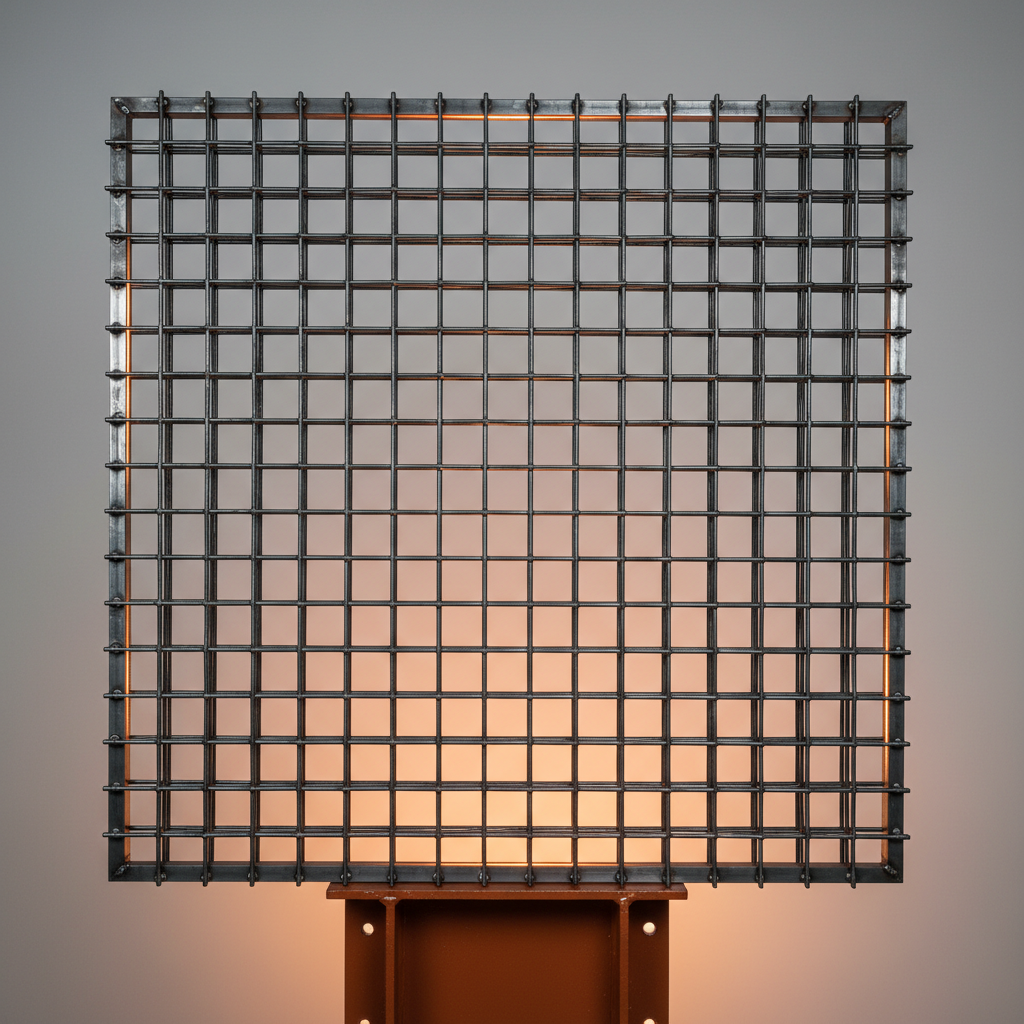 Heavy Duty 6 gauge welded wire mesh for Security and StrengthWhen it comes to heavy-duty containment, security, and structural reinforcement, choosing the right material is critical. The 6 gauge welded wire mesh stands as a premier choice for those requiring a balance of extreme rigidity and precise spacing. Whether you are securing a commercial perimeter, building industrial livestock panels, or creating reinforced concrete structures, this specific thickness provides the structural integrity needed to withstand significant pressure and impact. In this comprehensive guide, we will explore the technical specifications, primary applications, and why this mesh is the gold standard for high-security fencing solutions.Read more >
Apr 16 2026
-
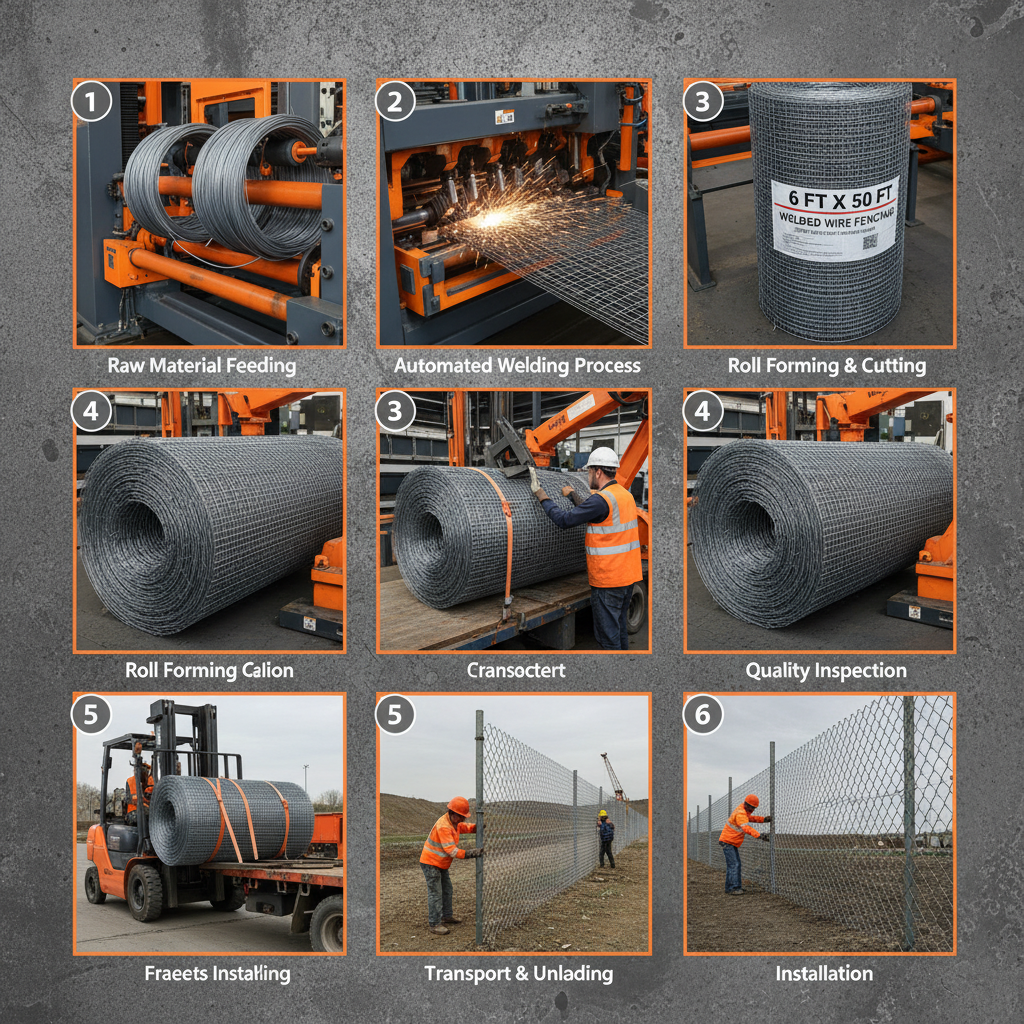 Durable 6 ft x 50 ft welded wire fencing for Security and GardensWhen it comes to securing a perimeter, whether for agricultural use, garden protection, or industrial boundaries, the dimensions and material of your fence matter. The 6 ft x 50 ft welded wire fencing offers an ideal balance of height and length, providing a robust barrier that is easy to install and maintain. Choosing a welded wire system ensures that the intersections are fused together, preventing the shifting and sagging often found in woven alternatives. In this guide, we will explore why this specific size is a preferred choice for property owners and how to maximize its effectiveness for your specific project.Read more >
Apr 09 2026
-
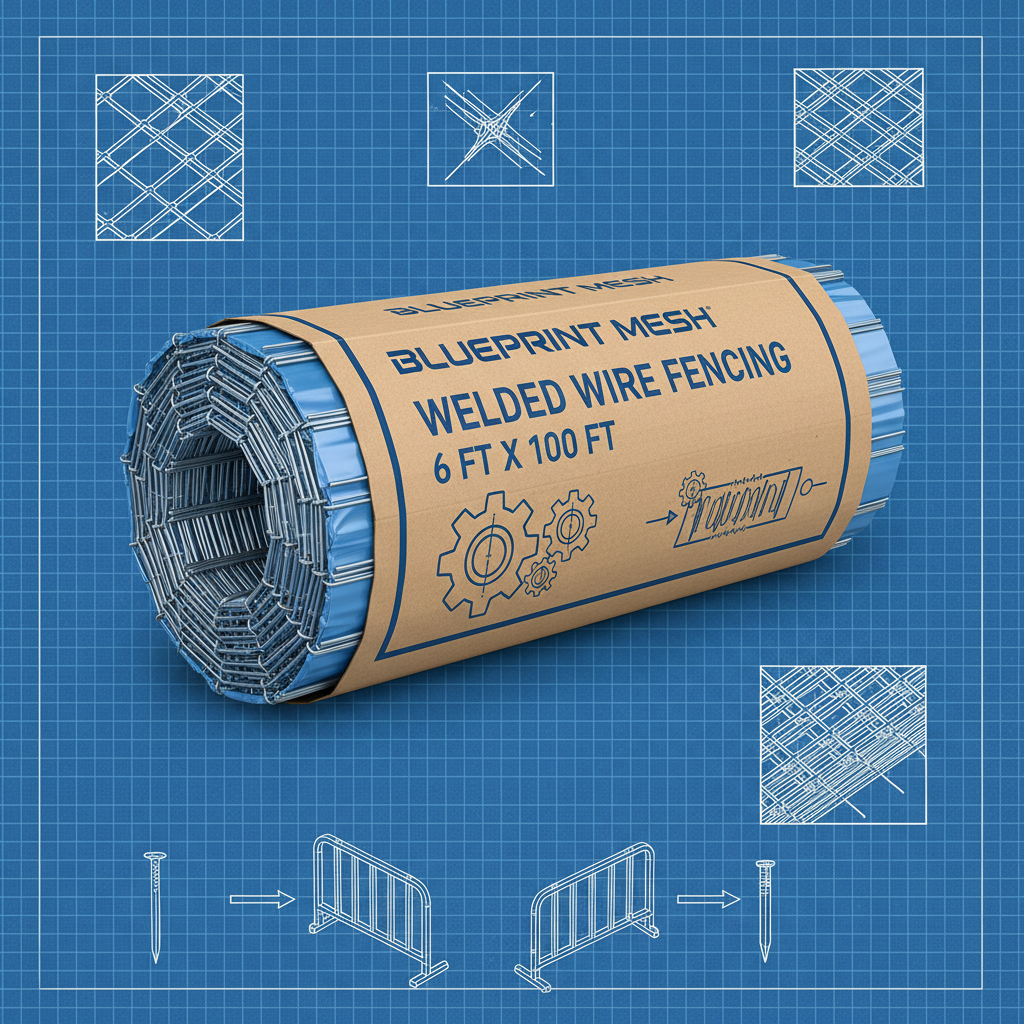 Comprehensive Guide to Choosing the Best 6 ft x 100 ft Welded Wire FencingWelded wire fencing is a versatile and cost-effective solution for a wide range of applications, from agricultural containment to residential security. Understanding the nuances of different types, especially when considering a size like 6 ft x 100 ft welded wire fencing, is crucial for making the right investment. This article will guide you through the essential factors to consider, helping you select the fencing that best suits your specific requirements.Read more >
Apr 07 2026
-
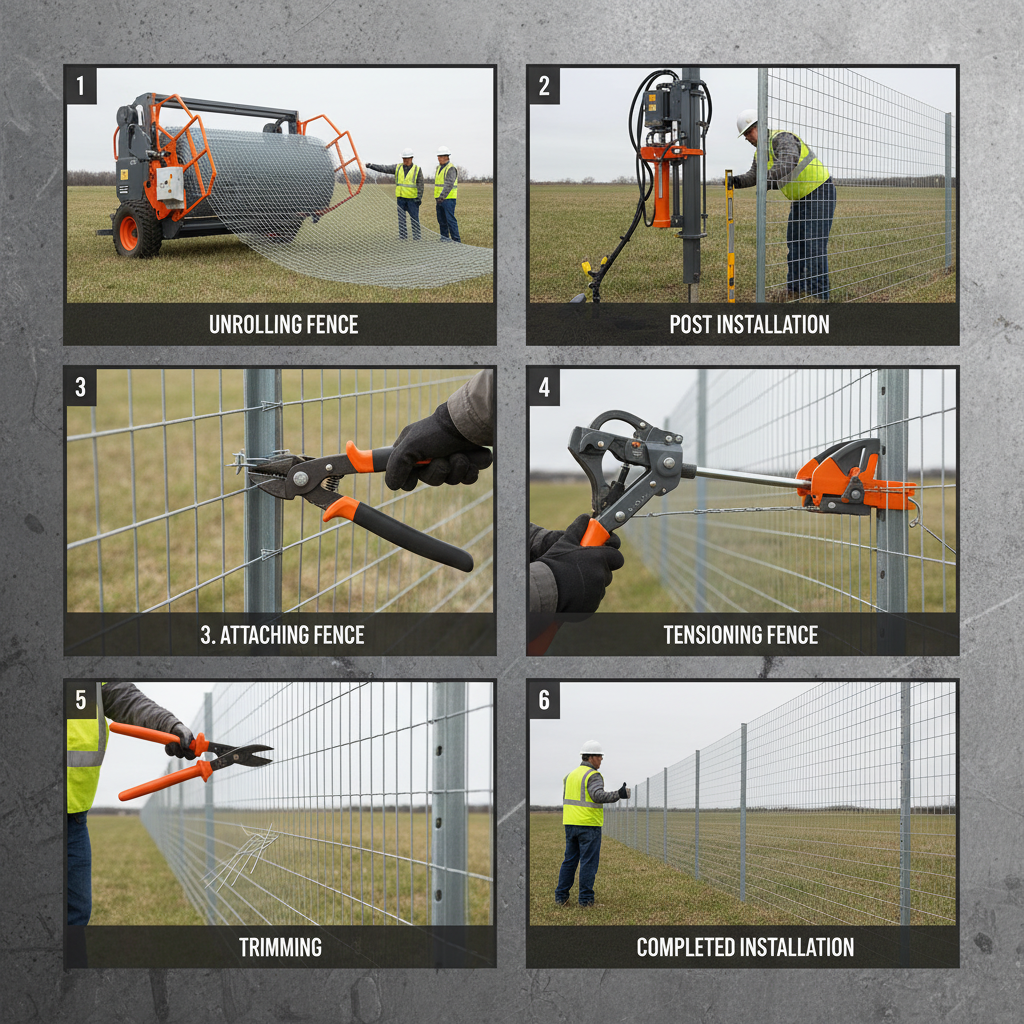 Comprehensive Guide to Choosing a 6 ft x 100 ft 12.5 Gauge Welded Wire FenceSelecting the appropriate fence for your property requires careful consideration. A 6 ft x 100 ft 12.5 gauge welded wire fence offers a robust and versatile solution for a variety of applications, from pet containment to garden protection and security. This guide will explore the benefits, applications, installation tips, and considerations when choosing this type of fencing. Understanding its construction and comparing it to other fencing options will help you make an informed decision.Read more >
Apr 04 2026
-
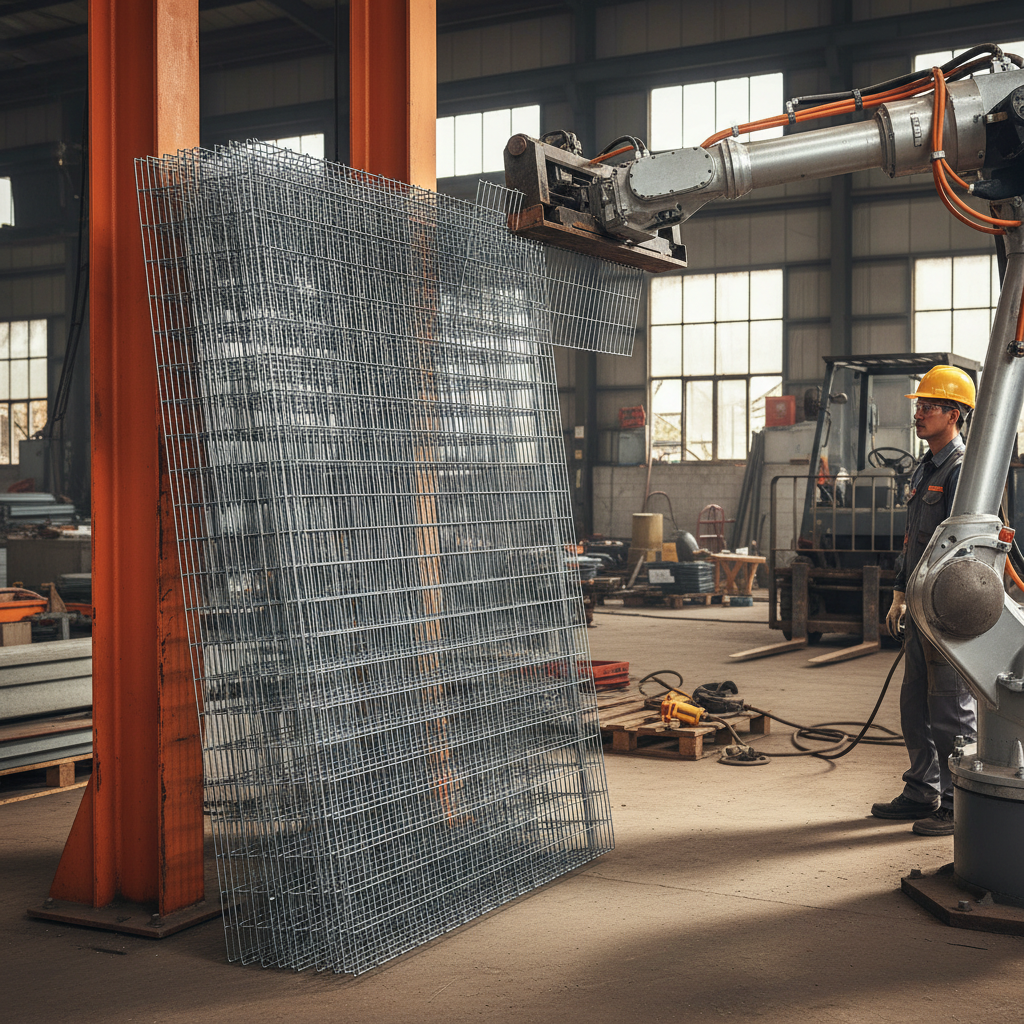 Comprehensive Guide to Durable 6 ft Welded Wire Fencing Panels and ApplicationsWhen selecting fencing for your property, 6 ft welded wire fencing panels offer a robust and versatile solution. These panels combine strength, security, and ease of installation, making them a popular choice for both residential and commercial applications. This article delves into the benefits, applications, installation, and maintenance of these panels, helping you make an informed decision.Read more >
Mar 31 2026