


Expanded Metal Mesh for Plastering – Durable Reinforcement Solutions
Expanded Metal Mesh for Plastering: A Practical Perspective
Having spent a good chunk of my career around industrial equipment and construction materials, I can tell you that expanded metal mesh for plastering isn’t just another generic product on the shelf. It’s a subtle but crucial ingredient that often goes unnoticed, but without it, even the sturdiest plaster job could crack or delaminate prematurely. In real terms, this mesh acts as a reinforcement layer, providing tensile strength to plaster applied on uneven or rigid surfaces, especially in exterior and façade works.
Now, what I notice about expanded metal mesh versus other reinforcing materials (like fiberglass netting) is its raw durability and adaptability. It’s usually made from low-carbon steel or galvanized steel, which means it’s resistant to rust — or at least far less prone than plain wire mesh. Some suppliers even offer stainless steel variants for highly corrosive environments. And frankly, when you've been on many outdoor construction sites where moisture and weather are the enemy, that’s a real advantage.
A common misconception I’ve encountered is that all expanded metal mesh is the same. Not quite. The way it’s manufactured — by slitting and stretching sheets of metal into diamond-shaped openings — results in a rigid, self-supporting net that's easier to fix mechanically to substrates than welded wire mesh. It’s odd but practical: the diamond pattern distributes loads evenly and bonds well with plaster layers. Many structural engineers swear by it when ensuring long-term crack resistance on thick render coats.
In my experience, the ideal mesh size is a balancing act. Too fine, and plaster won’t get anchorage; too coarse, and you risk uneven plaster thickness. Typical meshes for plastering have strands around 1 to 2.5 mm thick, with diamond openings roughly 25x50 mm. It feels kind of like Goldilocks — just right — when you hit that sweet spot. I recall a regional contractor boasting about how switching to a 2 mm thick galvanized expanded metal really improved the adhesion on their high-humidity coastal projects.
Product Specifications
| Parameter | Typical Value | Notes |
|---|---|---|
| Material | Galvanized Carbon Steel | Standard corrosion resistance |
| Strand Thickness | 1.5 - 2.5 mm | Depends on strength requirements |
| Mesh Opening | 25 x 50 mm (approx.) | Promotes good plaster keying |
| Sheet Width | 1.0 - 1.2 m | Standard for wall applications |
| Coating | Zinc (galvanized) or PVC coated | Enhanced weather resistance |
Comparing Vendors: What to Look For
| Vendor | Material Quality | Customization Options | Price Range | Lead Time |
|---|---|---|---|---|
| CHCH Fence | High - Galvanized & PVC coating | Strand thickness & mesh size | Mid-range | 1-2 weeks typical |
| Vendor B | Medium - Galvanized only | Limited mesh sizes | Lower range | 3-4 weeks |
| Vendor C | High - Stainless Steel options | Custom sizes & coatings | Premium pricing | 2 weeks |
In the field, it feels like the selection really boils down to what your project truly demands. If you’re plastering a facade in a coastal or industrial environment, I’d definitely recommend opting for galvanized or coated mesh for longevity. Sometimes, just switching mesh types saved a contractor I know from costly re-plastering after premature failure.
Anecdotally, I’ve seen expanded metal mesh make a difference especially when combined with skilled application practices — like ensuring the mesh is securely fastened and embedded fully within the plaster layers. It’s one of those materials where you truly get out what you put in, yet its contribution stays largely invisible to the untrained eye.
In closing, while expanded metal mesh for plastering might feel like a small cog in the larger machine of construction, overlooking its nuances can cost you, literally and figuratively.
Takeaway: Choose wisely and install carefully — your plaster’s life depends on it.
References & Further Reading
- Industry Standards for Expanded Metal Mesh, ASTM A123-21
- “Best Practices in Render Reinforcement,” Construction Journal, 2022
- CHCH Fence Product Catalog and Technical Specs (verified supplier data)
Latest News About CHENG CHUANG
-
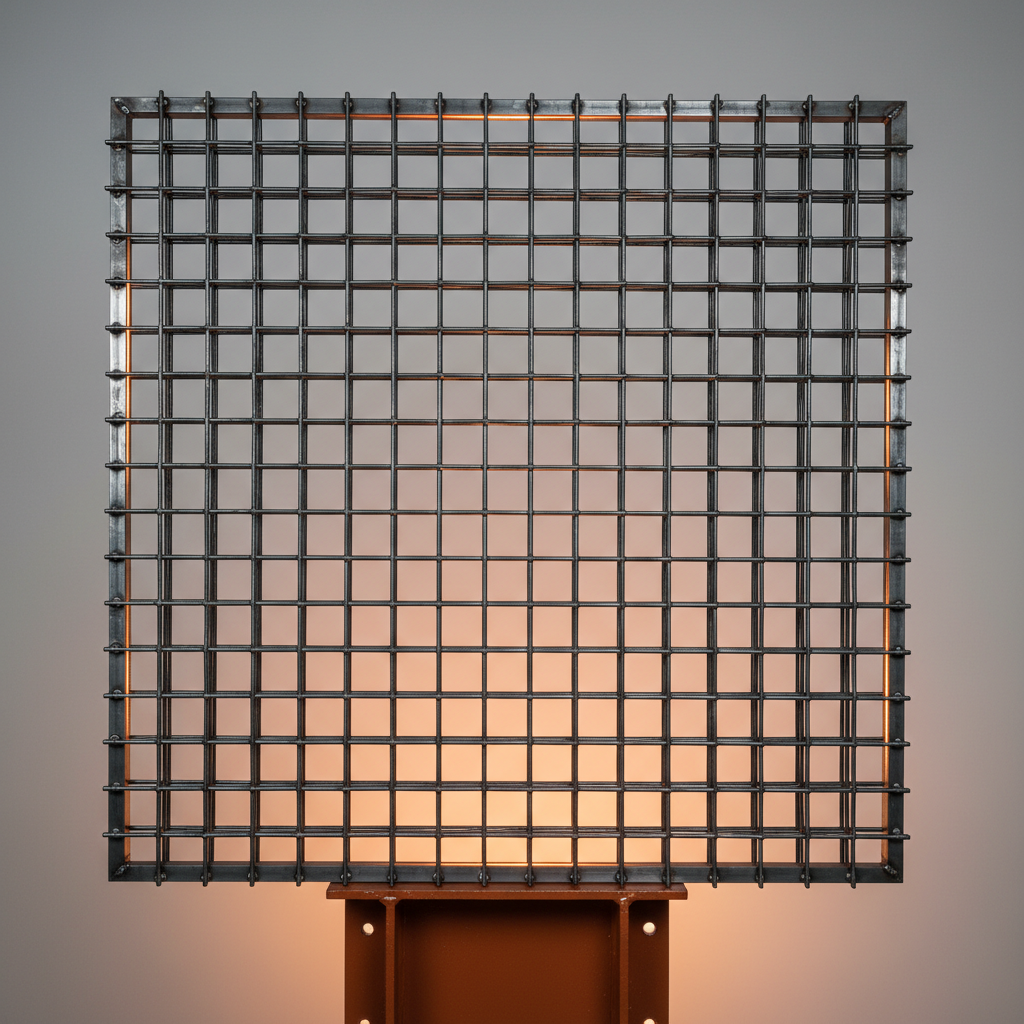 Heavy Duty 6 gauge welded wire mesh for Security and StrengthWhen it comes to heavy-duty containment, security, and structural reinforcement, choosing the right material is critical. The 6 gauge welded wire mesh stands as a premier choice for those requiring a balance of extreme rigidity and precise spacing. Whether you are securing a commercial perimeter, building industrial livestock panels, or creating reinforced concrete structures, this specific thickness provides the structural integrity needed to withstand significant pressure and impact. In this comprehensive guide, we will explore the technical specifications, primary applications, and why this mesh is the gold standard for high-security fencing solutions.Read more >
Apr 16 2026
-
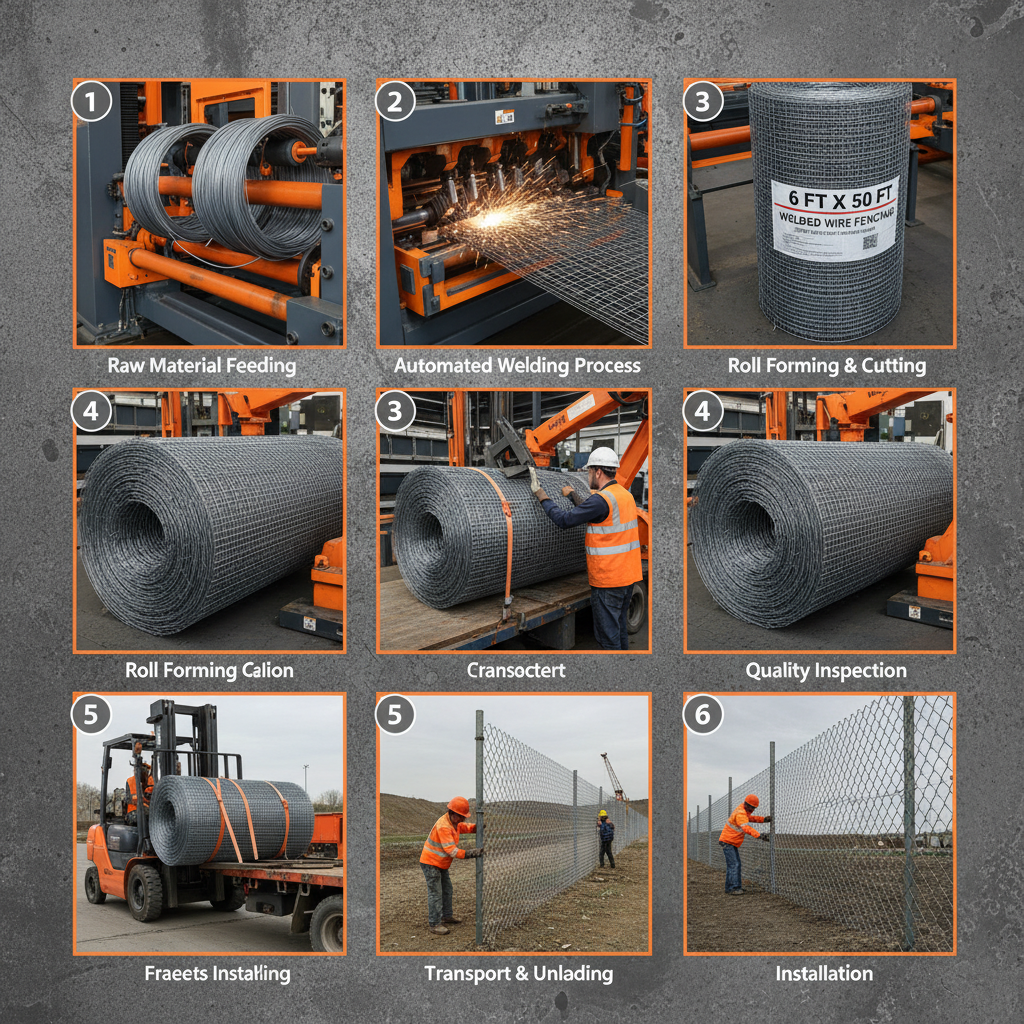 Durable 6 ft x 50 ft welded wire fencing for Security and GardensWhen it comes to securing a perimeter, whether for agricultural use, garden protection, or industrial boundaries, the dimensions and material of your fence matter. The 6 ft x 50 ft welded wire fencing offers an ideal balance of height and length, providing a robust barrier that is easy to install and maintain. Choosing a welded wire system ensures that the intersections are fused together, preventing the shifting and sagging often found in woven alternatives. In this guide, we will explore why this specific size is a preferred choice for property owners and how to maximize its effectiveness for your specific project.Read more >
Apr 09 2026
-
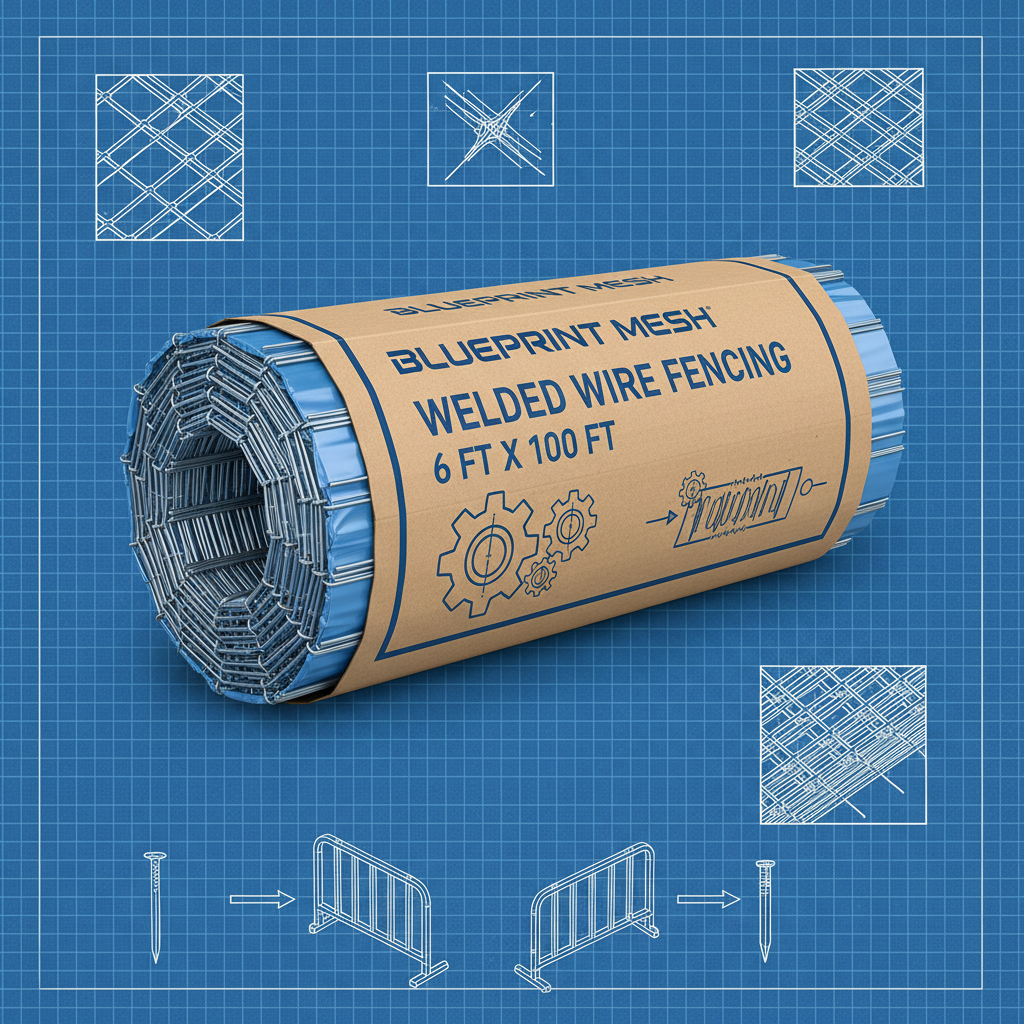 Comprehensive Guide to Choosing the Best 6 ft x 100 ft Welded Wire FencingWelded wire fencing is a versatile and cost-effective solution for a wide range of applications, from agricultural containment to residential security. Understanding the nuances of different types, especially when considering a size like 6 ft x 100 ft welded wire fencing, is crucial for making the right investment. This article will guide you through the essential factors to consider, helping you select the fencing that best suits your specific requirements.Read more >
Apr 07 2026
-
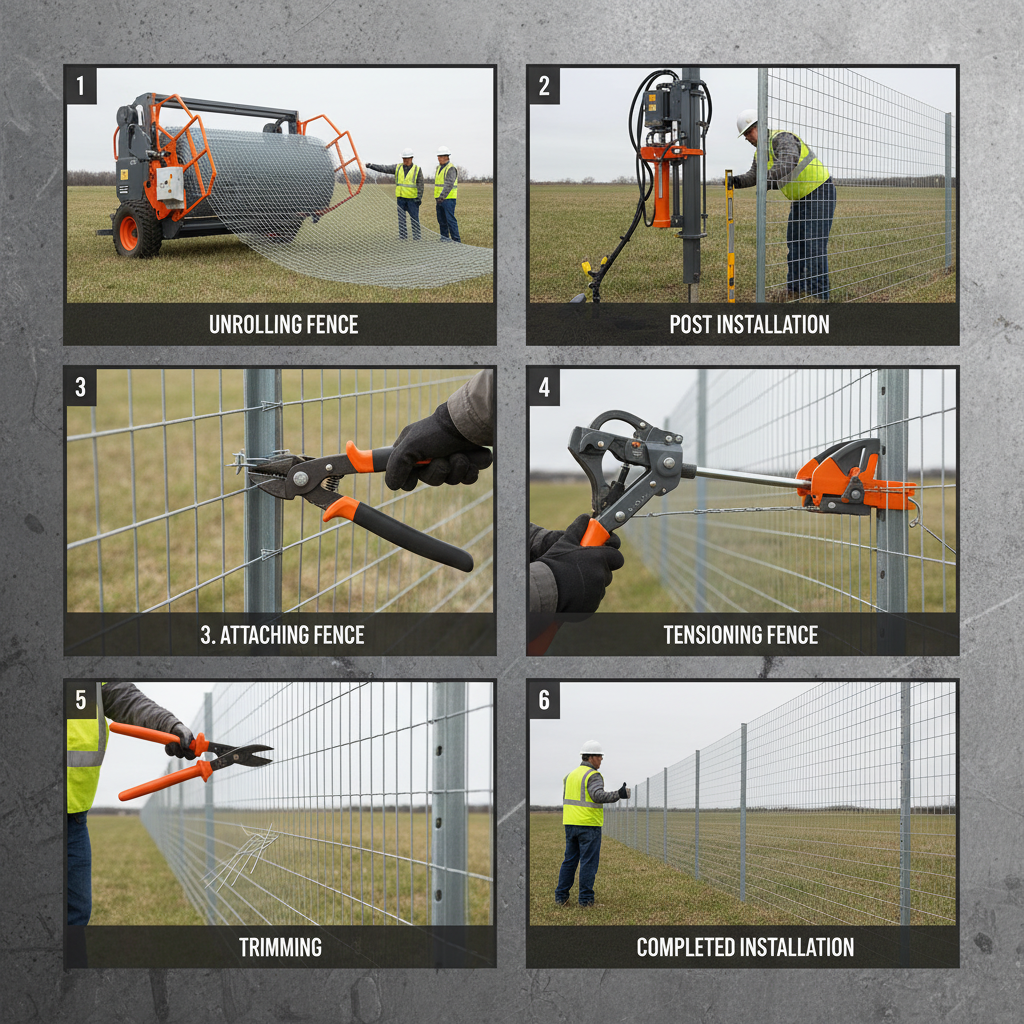 Comprehensive Guide to Choosing a 6 ft x 100 ft 12.5 Gauge Welded Wire FenceSelecting the appropriate fence for your property requires careful consideration. A 6 ft x 100 ft 12.5 gauge welded wire fence offers a robust and versatile solution for a variety of applications, from pet containment to garden protection and security. This guide will explore the benefits, applications, installation tips, and considerations when choosing this type of fencing. Understanding its construction and comparing it to other fencing options will help you make an informed decision.Read more >
Apr 04 2026
-
 Comprehensive Guide to Durable 6 ft Welded Wire Fencing Panels and ApplicationsWhen selecting fencing for your property, 6 ft welded wire fencing panels offer a robust and versatile solution. These panels combine strength, security, and ease of installation, making them a popular choice for both residential and commercial applications. This article delves into the benefits, applications, installation, and maintenance of these panels, helping you make an informed decision.Read more >
Mar 31 2026