


Expanded Metal Mesh: Versatility, Strength, and Style for Every Application
If you're in construction, architecture, manufacturing, or even interior design, you've likely come across expanded metal mesh. Known for its strength, flexibility, and wide range of uses, this material has become an essential solution across industries. Whether you’re looking for expanded metal mesh for sale, trying to compare products and expanded metal mesh price, or want to understand the types of expanded metal mesh available, this guide will help you make the right decision.
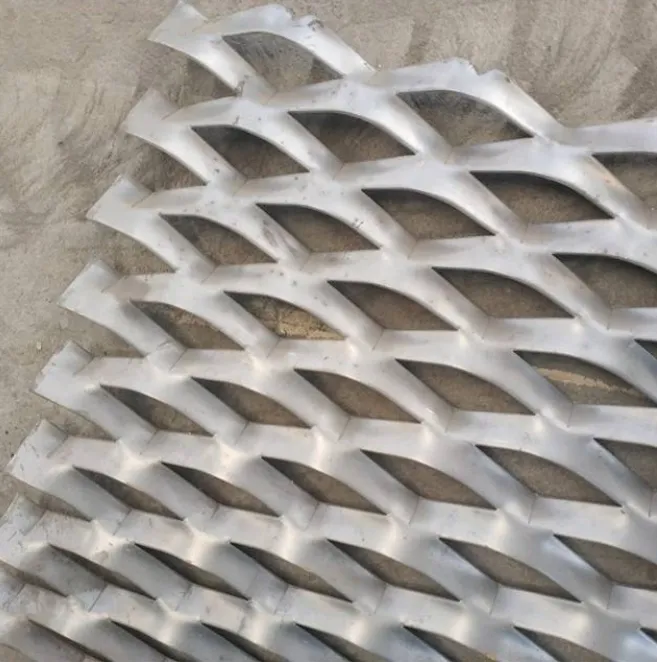
What Is Expanded Metal Mesh?
Expanded metal wire mesh is made by simultaneously slitting and stretching a metal sheet to form diamond-shaped openings. This process results in a single-piece mesh that’s structurally sound, lightweight, and cost-effective. Unlike woven or welded wire mesh, there are no welds or weak points, making it stronger and more durable for heavy-duty applications.
Types of Expanded Metal Mesh
When browsing types of expanded metal mesh, you'll find different categories based on application, design, and material:
1. Standard (Raised) Expanded Mesh
The mesh is raised with an angled surface. This gives it excellent grip, making it ideal for walkways, stairs, ramps, and platforms where slip resistance is essential.
2. Flattened Expanded Mesh
After expansion, the mesh is rolled flat to create a smooth surface. This type is better suited for decorative use, screening, or areas where a clean appearance is needed.
3. Micro Expanded Mesh
Used in filtration and precision applications, micro-mesh features small openings and thin strands, offering control over airflow or particle movement.
4. Heavy-Duty Expanded Mesh
Made from thicker sheets of steel or other metals, this is used in high-stress environments such as machinery guards, security screens, and fencing.
5. Architectural Expanded Mesh
Designed with aesthetics in mind, these meshes come in different shapes, finishes, and materials like aluminum or stainless steel for use in facades, ceilings, and partitions.
Each of these types of expanded metal mesh serves a specific function, depending on the strength, openness, and visual appeal required.
Materials Used in Expanded Metal Wire Mesh
The performance and durability of expanded metal wire mesh largely depend on the material. Common choices include:
Mild Steel: Affordable and versatile for general construction and fencing.
Stainless Steel: Corrosion-resistant and ideal for harsh environments.
Aluminum: Lightweight, rust-resistant, and easy to work with; often used in architectural designs.
Galvanized Steel: Offers added rust protection, great for outdoor applications.
Copper or Brass: Used in artistic, decorative, or specialty projects.
Choosing the right material depends on the environment and desired longevity of your mesh installation.
Applications of Expanded Metal Mesh
Expanded metal mesh is found everywhere—from industrial sites to high-end commercial spaces. Here are some common uses:
Construction: Walkways, scaffolding platforms, wall reinforcements.
Security: Window screens, machine guards, fencing panels.
Infrastructure: Road barriers, grating, ventilation covers.
Interior Design: Ceiling panels, room dividers, stair railings.
Filtration: In HVAC systems and water treatment plants.
Its ability to combine strength, light weight, and airflow makes it a go-to material in both practical and design-focused environments.
Understanding Expanded Metal Mesh Price
When comparing expanded metal mesh price, several factors will influence the cost:
Material: Stainless steel and specialty metals like copper or brass cost more than mild or galvanized steel.
Mesh Type and Size: Thicker meshes and larger sheets cost more due to higher raw material usage.
Coatings and Finishes: Powder coating, anodizing, or galvanizing will add to the cost but increase lifespan.
Customization: Cutting, shaping, or painting will increase prices but may save you labor costs later.
Quantity: Buying in bulk usually reduces the per-unit cost significantly.
On average, the price can range from $1–$5 per square foot for basic options, and higher for specialized designs or materials.
Benefits of Using Expanded Metal Wire Mesh
Choosing expanded metal wire mesh comes with several advantages:
Strength Without Weight: The mesh structure offers rigidity while using less metal.
Ventilation and Visibility: Allows air and light to pass through, while still providing a barrier.
Slip Resistance: Raised mesh provides grip underfoot, reducing the risk of accidents.
Cost Efficiency: Minimal waste and no welding make it an economical solution.
Customizability: Easily fabricated into different shapes and sizes for a range of uses.
These benefits make it a practical and efficient material across industrial, commercial, and residential sectors.
Expanded Metal Mesh FAQs
Q1: What is the difference between expanded metal and perforated metal?
A: Expanded metal is slit and stretched to form mesh, while perforated metal has holes punched through a solid sheet. Expanded mesh retains its structural integrity better.
Q2: Can expanded metal mesh be customized?
A: Yes, many suppliers offer custom sizes, patterns, and finishes to match your project requirements.
Q3: How is expanded metal mesh installed?
A: It can be welded, bolted, or framed, depending on the application and mesh thickness.
Q4: Is expanded metal mesh suitable for outdoor use?
A: Absolutely—especially if it's made from galvanized or stainless steel, which resist rust and weathering.
Q5: Where can I get accurate pricing for expanded metal mesh?
A: Contacting expanded metal wire mesh suppliers directly will give you the most accurate and current pricing, especially for bulk or custom orders.
Latest News About CHENG CHUANG
-
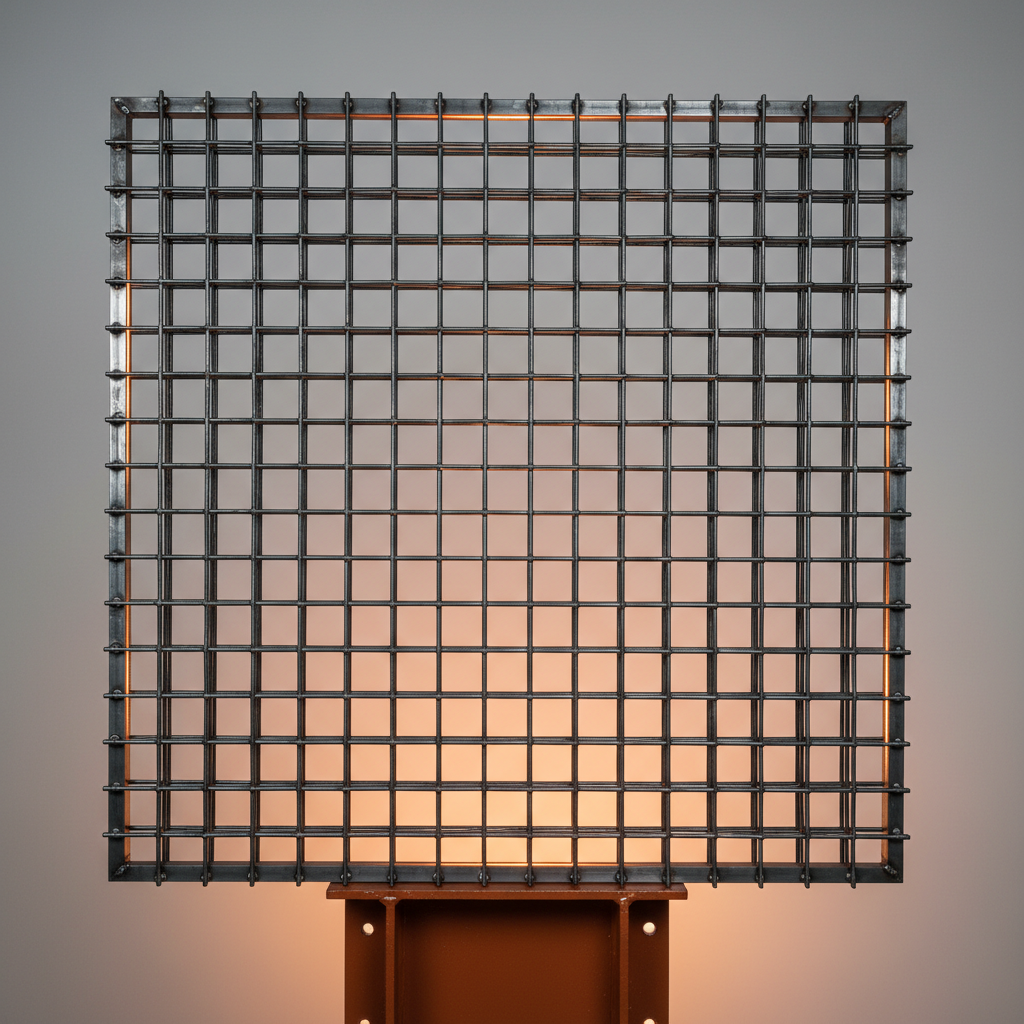 Heavy Duty 6 gauge welded wire mesh for Security and StrengthWhen it comes to heavy-duty containment, security, and structural reinforcement, choosing the right material is critical. The 6 gauge welded wire mesh stands as a premier choice for those requiring a balance of extreme rigidity and precise spacing. Whether you are securing a commercial perimeter, building industrial livestock panels, or creating reinforced concrete structures, this specific thickness provides the structural integrity needed to withstand significant pressure and impact. In this comprehensive guide, we will explore the technical specifications, primary applications, and why this mesh is the gold standard for high-security fencing solutions.Read more >
Apr 16 2026
-
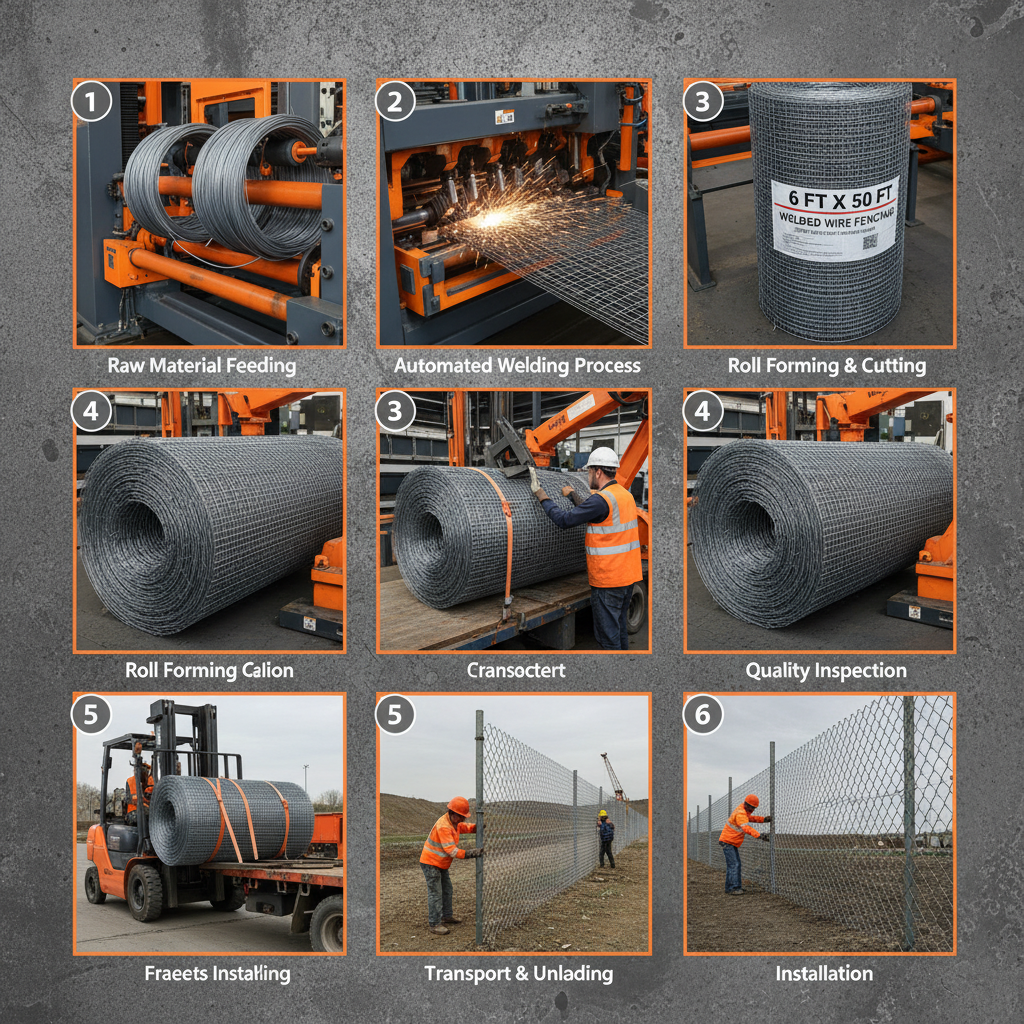 Durable 6 ft x 50 ft welded wire fencing for Security and GardensWhen it comes to securing a perimeter, whether for agricultural use, garden protection, or industrial boundaries, the dimensions and material of your fence matter. The 6 ft x 50 ft welded wire fencing offers an ideal balance of height and length, providing a robust barrier that is easy to install and maintain. Choosing a welded wire system ensures that the intersections are fused together, preventing the shifting and sagging often found in woven alternatives. In this guide, we will explore why this specific size is a preferred choice for property owners and how to maximize its effectiveness for your specific project.Read more >
Apr 09 2026
-
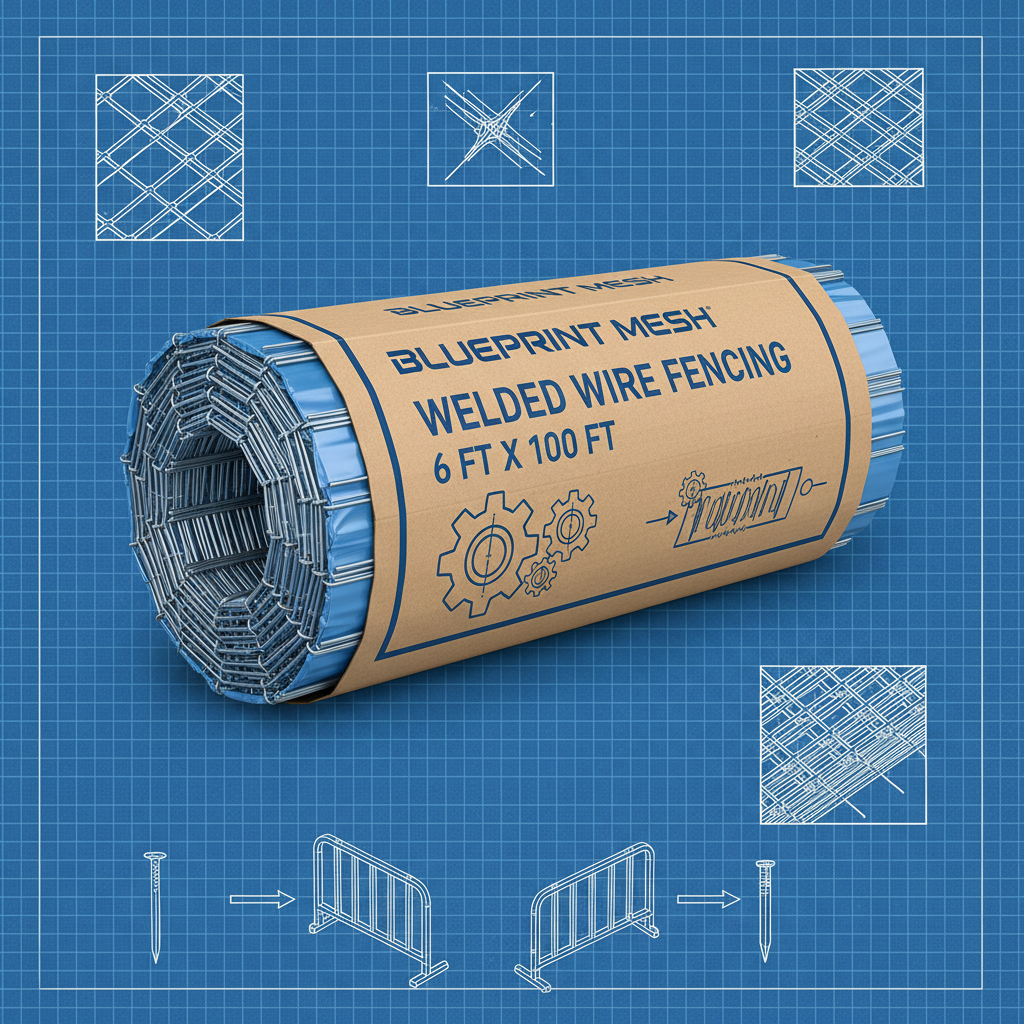 Comprehensive Guide to Choosing the Best 6 ft x 100 ft Welded Wire FencingWelded wire fencing is a versatile and cost-effective solution for a wide range of applications, from agricultural containment to residential security. Understanding the nuances of different types, especially when considering a size like 6 ft x 100 ft welded wire fencing, is crucial for making the right investment. This article will guide you through the essential factors to consider, helping you select the fencing that best suits your specific requirements.Read more >
Apr 07 2026
-
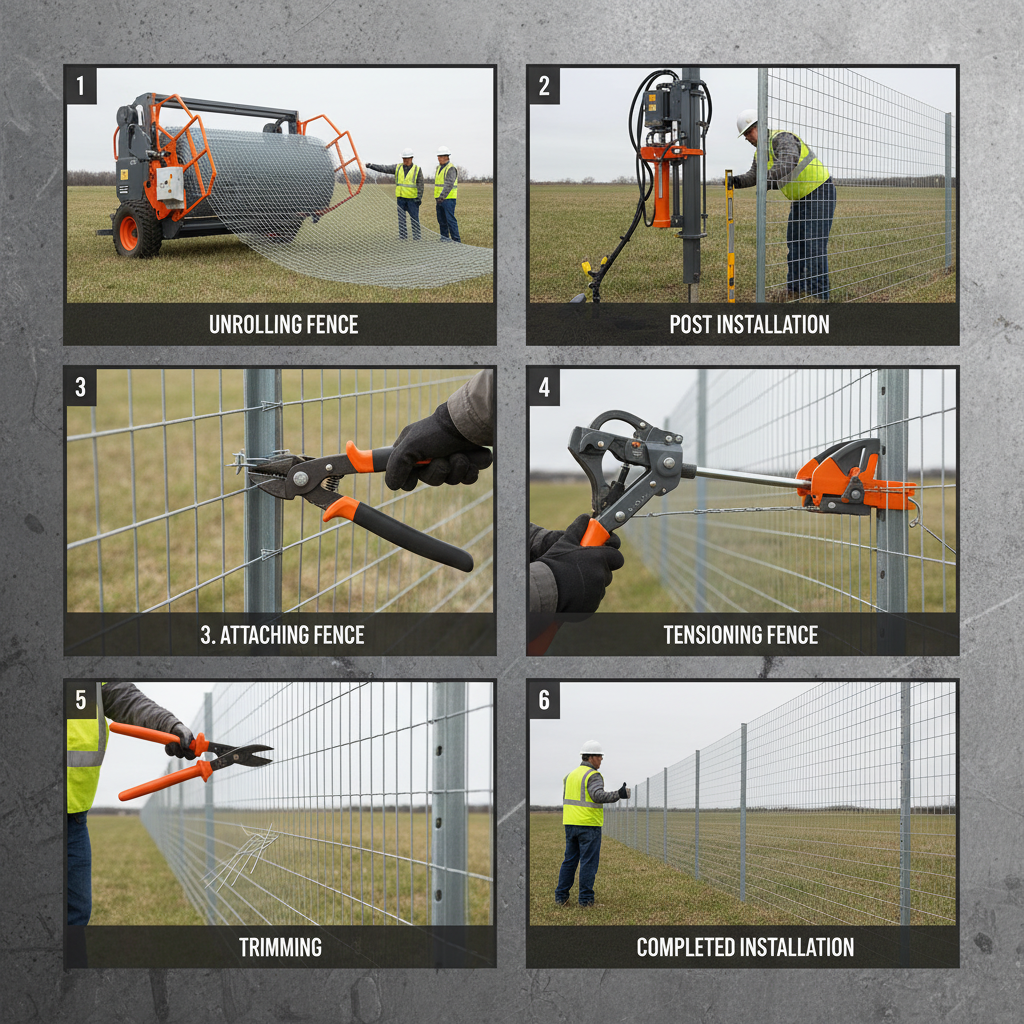 Comprehensive Guide to Choosing a 6 ft x 100 ft 12.5 Gauge Welded Wire FenceSelecting the appropriate fence for your property requires careful consideration. A 6 ft x 100 ft 12.5 gauge welded wire fence offers a robust and versatile solution for a variety of applications, from pet containment to garden protection and security. This guide will explore the benefits, applications, installation tips, and considerations when choosing this type of fencing. Understanding its construction and comparing it to other fencing options will help you make an informed decision.Read more >
Apr 04 2026
-
 Comprehensive Guide to Durable 6 ft Welded Wire Fencing Panels and ApplicationsWhen selecting fencing for your property, 6 ft welded wire fencing panels offer a robust and versatile solution. These panels combine strength, security, and ease of installation, making them a popular choice for both residential and commercial applications. This article delves into the benefits, applications, installation, and maintenance of these panels, helping you make an informed decision.Read more >
Mar 31 2026