


Expanded Metal Security Mesh: Global Uses, Benefits & Future Trends
Understanding Expanded Metal Security Mesh: A Global Perspective
Expanded metal security mesh might not sound glamorous at first — it's essentially a sheet of metal that's been cut and stretched to form a diamond-shaped grid. But frankly, it’s something that silently plays a critical role worldwide. Whether securing a construction site or protecting vital infrastructure, it’s an unsung hero in the realm of security solutions. And beyond mere protection, understanding it helps industries and humanitarian efforts alike build safer, more durable, and cost-effective environments wherever security is paramount.
Why does this matter globally? Well, consider how urbanization and critical infrastructure development are soaring in regions from Southeast Asia to Latin America. According to the United Nations, over 55% of the world’s population now lives in urban areas, pushing safety requirements up a notch. In that context, expanded metal security mesh is not just a product but a vital component in safeguarding assets, workers, and sometimes even entire communities.
Introduction: Global Context & Challenges Addressed by Expanded Metal Security Mesh
When you look across industries — construction, energy, transportation — one challenge repeats itself: how to secure sites quickly, affordably, and reliably without compromising transparency or airflow. The World Bank reports increasing infrastructure investments worldwide, but security risks keep pace too. Theft, vandalism, and unauthorized access present tangible threats.
Expanded metal security mesh answers these concerns by offering a barrier that’s tough yet transparent, discouraging intrusion but allowing visibility. In industrial zones or remote worksites, where fixed surveillance might not be viable, this mesh often becomes the first line of defense.
What Is Expanded Metal Security Mesh?
Simply put, expanded metal security mesh is manufactured by slitting and stretching metal sheets into meshes with diamond or square patterns. This process doesn’t waste metal, making it more economical than welded or woven meshes. Unlike chain-link or wire fencing, it’s rigid and difficult to cut or deform.
This mesh is closely tied to today’s industrial needs, humanitarian projects, and even architecture. For example, in disaster relief, it can secure temporary shelters quickly; in factories, it protects machinery without obstructing light or airflow.
Key Components and Factors of Expanded Metal Security Mesh
1. Durability
Made typically from steel — often galvanized or powder-coated for rust resistance — this mesh endures harsh environments. It can withstand impact, weathering, and even attempts at forced entry. That’s why it’s favored in outdoor security fencing or securing windows and vents.
2. Transparency and Visibility
This mesh allows for clear sight lines, essential for surveillance and safety. Security personnel can monitor areas without obstruction, making it preferable to solid barriers in many contexts.
3. Cost Efficiency
Expanded metal is cheaper to produce than welded wire alternatives because the manufacturing process minimizes waste. Plus, it requires less maintenance over time, offering lower total ownership costs.
4. Versatility and Scalability
Available in different weights, thicknesses, and mesh sizes, expanded metal security mesh adapts to various needs — from lightweight window guards to heavy-duty perimeter fences.
5. Ease of Installation
Because of its rigidity and form, it can easily be mounted on existing frames or structures, allowing fast deployment — a feature appreciated especially in emergency setups.
Product Specification Table for Expanded Metal Security Mesh
| Specification | Details |
|---|---|
| Material | Galvanized Steel, Stainless Steel |
| Thickness Range | 0.7 mm to 3.0 mm |
| Mesh Opening Size | 6 mm to 50 mm (varies by use case) |
| Finish | Hot-dip galvanized, Powder coating |
| Typical Uses | Fencing, Machine guarding, Disaster relief housing |
Global Applications & Use Cases
Across continents, expanded metal security mesh finds diverse applications. In Southeast Asia, rapidly urbanizing cities use it to secure transportation hubs like train stations where large crowds and theft risks coincide. In sub-Saharan Africa, NGOs utilize it to protect temporary shelters and clinics during emergencies.
Oddly enough, in cold climates — Scandinavia or Canada — this mesh is often paired with insulated panels to protect industrial equipment exposed to both security risks and extreme weather.
In real industrial zones in the Middle East, it’s not unusual to see this mesh guarding oil pipelines or chemical plants, where both safety and visibility are non-negotiable.
For a hands-on example, I recently spoke to a site manager in Chile who uses expanded metal fencing after a string of thefts interrupted operations. He appreciated how its transparency deterred trespassers because guards could spot suspicious activity well before an incident.
Advantages & Long-Term Value
- Cost Savings: Fewer replacements and repairs over time mean less ongoing expense.
- Sustainability: Made from recyclable metals with efficient manufacturing, it aligns with green building trends.
- Safety & Trust: Its strength provides peace of mind for operators and communities alike.
- Innovation: Its compatibility with modern coatings and treatments enhances durability and aesthetics.
Emotionally, there's also something reassuring about a well-secured perimeter that doesn’t feel oppressive. The openness of the mesh sends a message of vigilance, not exclusion. That dignity matters, especially in humanitarian contexts.
Future Trends & Innovations
As sustainability grows central, innovations in coatings using nanomaterials and eco-friendly finishes are emerging to extend lifespan without harmful chemicals. Also, integrating expanded metal security mesh with digital sensors and IoT devices — for example, motion detection embedded in fence panels — is gaining traction.
Another development is the use of lightweight alloys to ease transport and installation. Automation in production means customization of mesh sizes and shapes at scale is more affordable, too.
Challenges & Solutions
Certainly, expanded metal security mesh is not perfect. One challenge is that while it’s difficult to cut with hand tools, industrial cutters can breach it given time. Some solutions include layering the mesh or combining it with electronic alarm systems.
Another limitation is corrosion in extreme environments. Coating innovations and regular maintenance schedules help mitigate degradation.
Vendor Comparison Table
| Vendor | Material Options | Lead Time | Customization | Price Range |
|---|---|---|---|---|
| SecureMetals Inc. | Steel, Stainless Steel | 2-3 weeks | High (mesh size, coatings) | $$$ |
| Global Fence Supplies | Galvanized Steel only | 1-2 weeks | Medium (limited sizes) | $$ |
| EcoSteel Mesh | Recycled Steel, Powder Coated | 3-4 weeks | High (eco-friendly focus) | $$$ |
FAQ: Frequently Asked Questions About Expanded Metal Security Mesh
Q1: How strong is expanded metal security mesh compared to chain-link fencing?
A1: Expanded metal security mesh is generally stronger due to its solid steel construction and rigid design. Unlike chain-link fences, it resists deformation and cutting better, making it ideal for high-security applications.
Q2: Can expanded metal security mesh be customized for different security needs?
A2: Absolutely. Mesh sizes, thicknesses, and coatings can be tailored to specific environments and threats. For example, smaller mesh openings offer more security but reduce airflow, so customization balances these factors.
Q3: Is it suitable for temporary or rapid deployment situations?
A3: Yes, the rigidity and ease of installation allow rapid set-up in emergency or construction zones. Plus, it can be reused and transported efficiently, making it a favorite for temporary or mobile security needs.
Q4: How does expanded metal security mesh perform in harsh weather conditions?
A4: When properly coated, typically galvanized or powder-coated, it withstands moisture, UV exposure, and corrosion effectively. Routine inspection can extend its lifespan even further.
Q5: Where can I source quality expanded metal security mesh?
A5: Reliable suppliers include specialized manufacturers that offer certifications and custom solutions. For more information and sourcing, you can visit expanded metal security mesh vendors.
Conclusion: The Lasting Value of Expanded Metal Security Mesh
To sum up, expanded metal security mesh is more than just a fence material. It’s a practical answer to evolving security demands around the world, balancing strength, transparency, and cost-effectiveness. From protecting vital infrastructure to securing humanitarian projects, its adaptability offers long-term value others struggle to match.
If you’re thinking about enhancing your project's security with proven materials, or simply want to explore options, I encourage you to visit our website for detailed product info, expert advice, and tailored solutions.
Quick Takeaway: Expanded metal security mesh combines strength and transparency, proving that good security needn’t sacrifice visibility or affordability.
References
Latest News About CHENG CHUANG
-
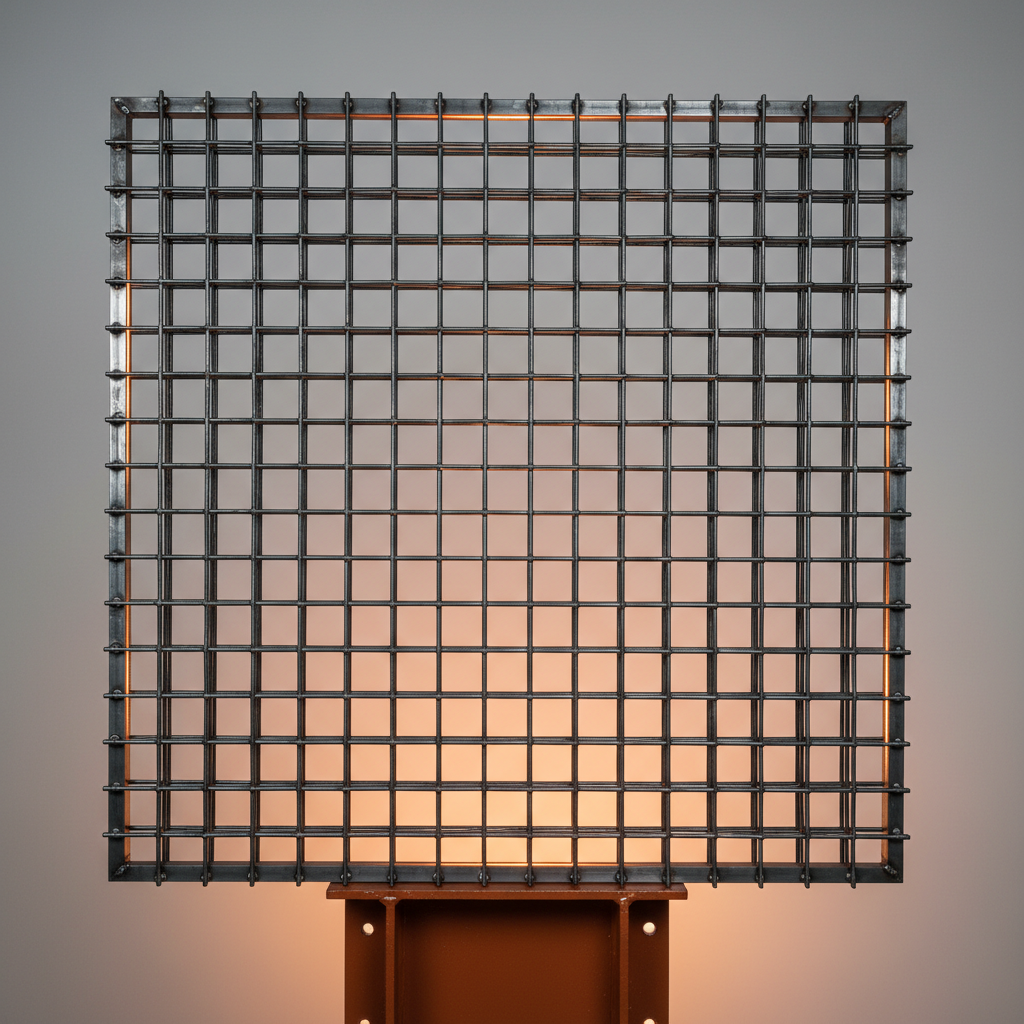 Heavy Duty 6 gauge welded wire mesh for Security and StrengthWhen it comes to heavy-duty containment, security, and structural reinforcement, choosing the right material is critical. The 6 gauge welded wire mesh stands as a premier choice for those requiring a balance of extreme rigidity and precise spacing. Whether you are securing a commercial perimeter, building industrial livestock panels, or creating reinforced concrete structures, this specific thickness provides the structural integrity needed to withstand significant pressure and impact. In this comprehensive guide, we will explore the technical specifications, primary applications, and why this mesh is the gold standard for high-security fencing solutions.Read more >
Apr 16 2026
-
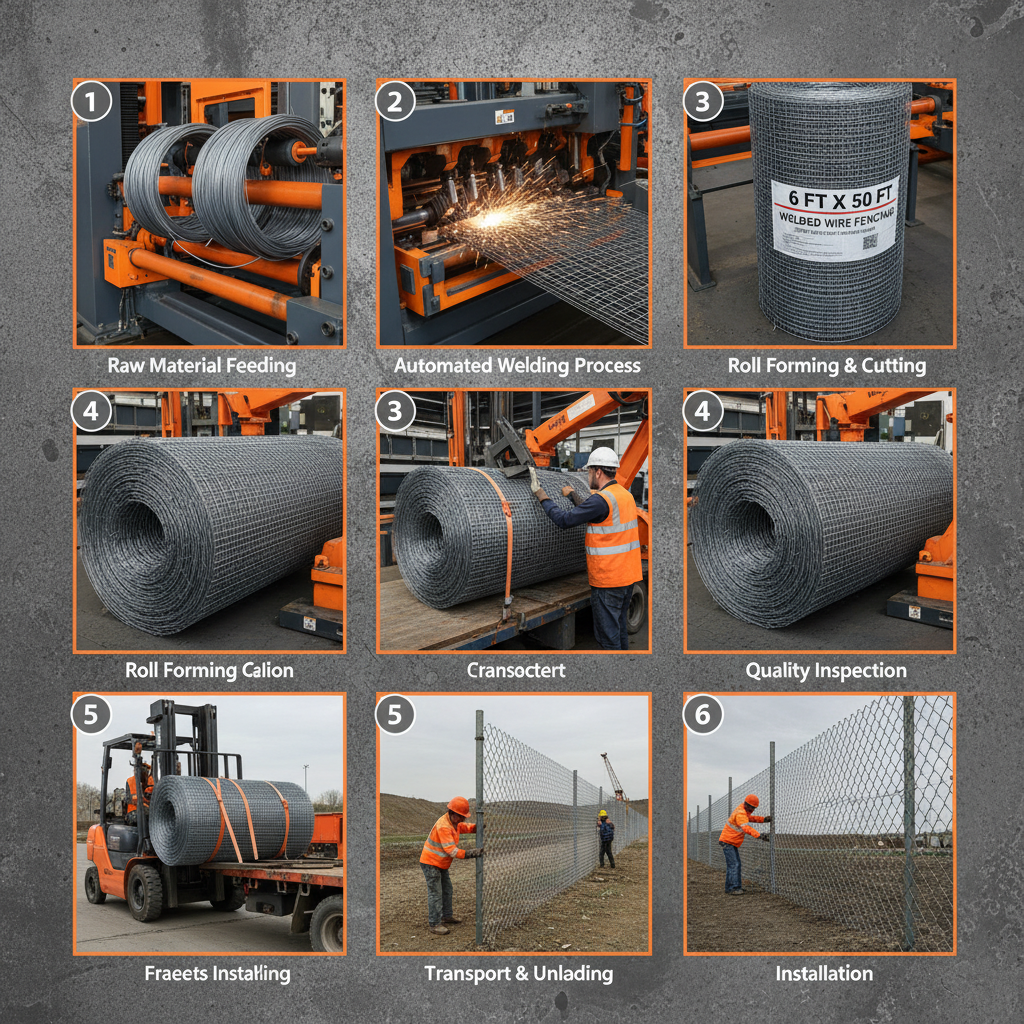 Durable 6 ft x 50 ft welded wire fencing for Security and GardensWhen it comes to securing a perimeter, whether for agricultural use, garden protection, or industrial boundaries, the dimensions and material of your fence matter. The 6 ft x 50 ft welded wire fencing offers an ideal balance of height and length, providing a robust barrier that is easy to install and maintain. Choosing a welded wire system ensures that the intersections are fused together, preventing the shifting and sagging often found in woven alternatives. In this guide, we will explore why this specific size is a preferred choice for property owners and how to maximize its effectiveness for your specific project.Read more >
Apr 09 2026
-
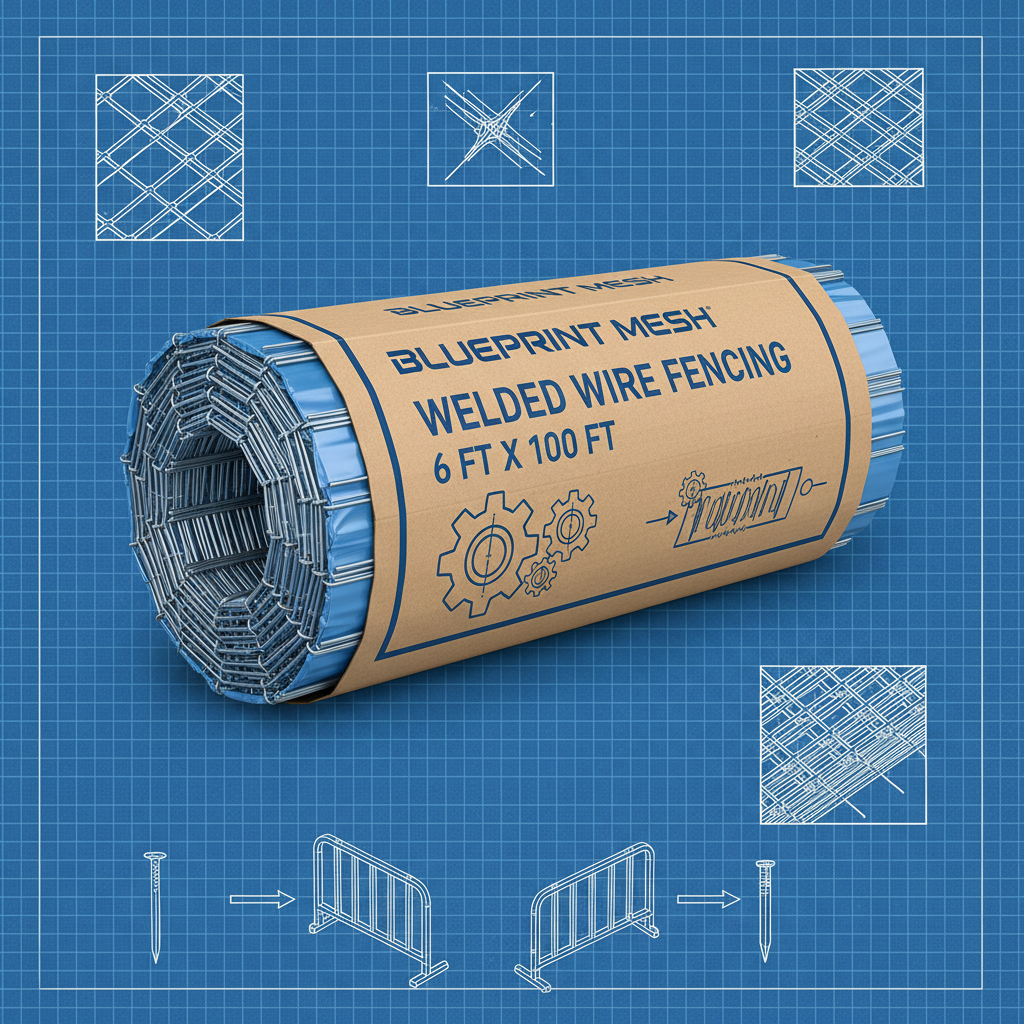 Comprehensive Guide to Choosing the Best 6 ft x 100 ft Welded Wire FencingWelded wire fencing is a versatile and cost-effective solution for a wide range of applications, from agricultural containment to residential security. Understanding the nuances of different types, especially when considering a size like 6 ft x 100 ft welded wire fencing, is crucial for making the right investment. This article will guide you through the essential factors to consider, helping you select the fencing that best suits your specific requirements.Read more >
Apr 07 2026
-
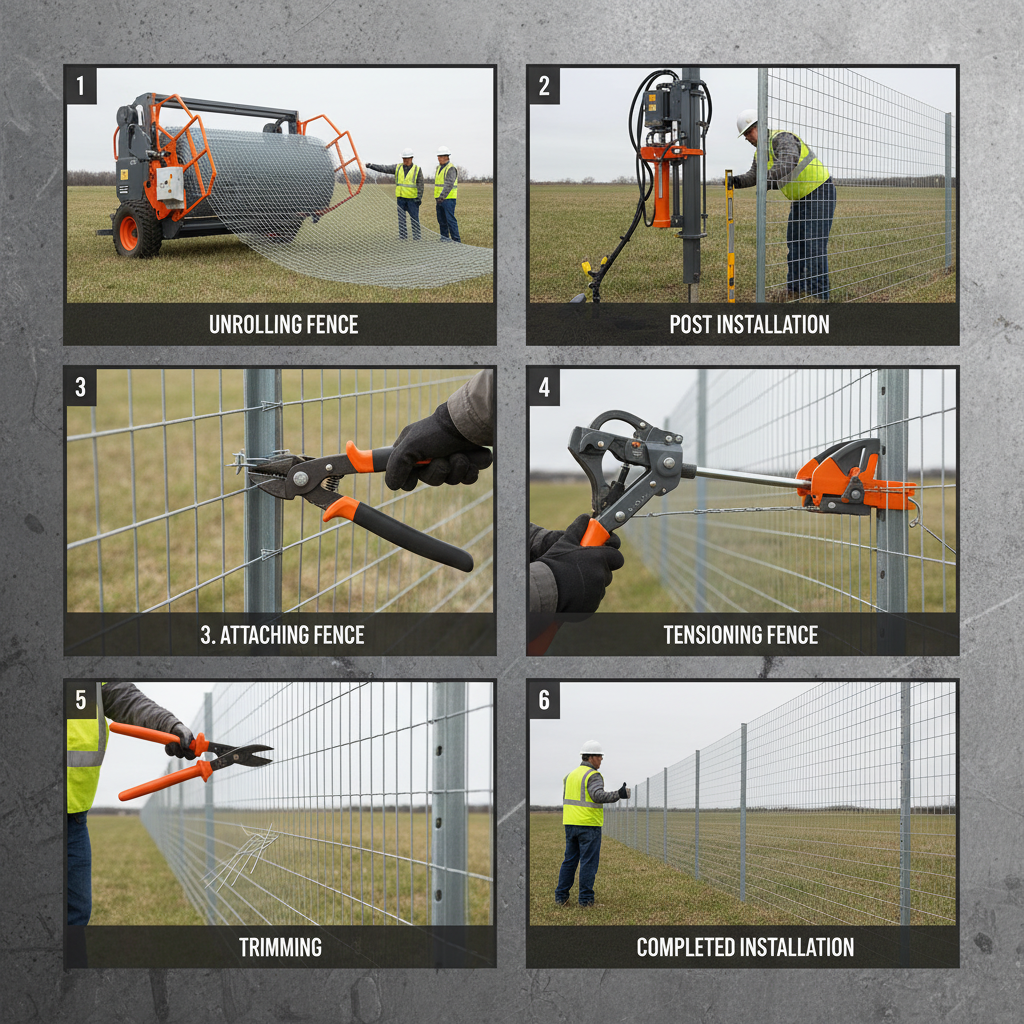 Comprehensive Guide to Choosing a 6 ft x 100 ft 12.5 Gauge Welded Wire FenceSelecting the appropriate fence for your property requires careful consideration. A 6 ft x 100 ft 12.5 gauge welded wire fence offers a robust and versatile solution for a variety of applications, from pet containment to garden protection and security. This guide will explore the benefits, applications, installation tips, and considerations when choosing this type of fencing. Understanding its construction and comparing it to other fencing options will help you make an informed decision.Read more >
Apr 04 2026
-
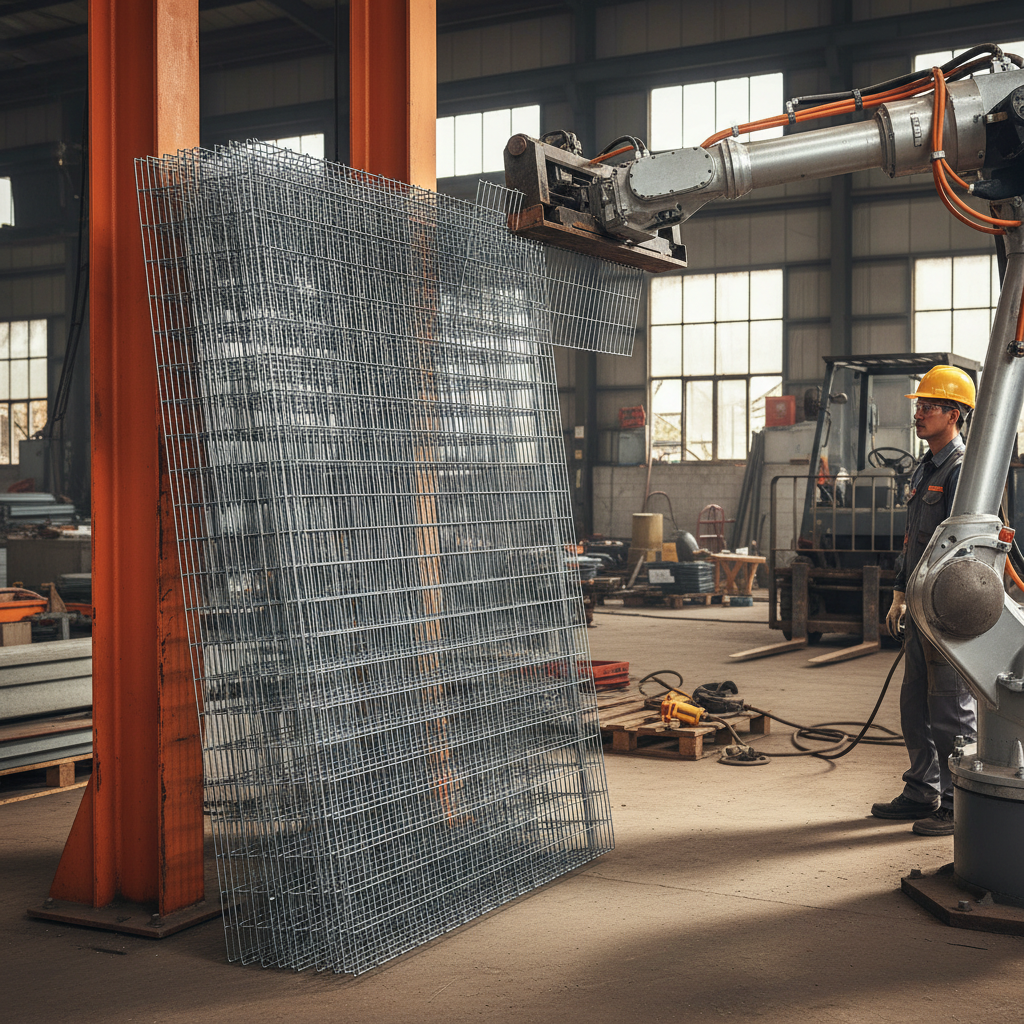 Comprehensive Guide to Durable 6 ft Welded Wire Fencing Panels and ApplicationsWhen selecting fencing for your property, 6 ft welded wire fencing panels offer a robust and versatile solution. These panels combine strength, security, and ease of installation, making them a popular choice for both residential and commercial applications. This article delves into the benefits, applications, installation, and maintenance of these panels, helping you make an informed decision.Read more >
Mar 31 2026