


Expanded Metal Square Mesh – Durable, Versatile Industrial Solutions
Expanded Metal Square Mesh: A Global Game-Changer for Industry and Infrastructure
At first glance, expanded metal square mesh might sound like just another industrial material—but it's much more than that. Around the world, it’s quietly solving challenges in construction, security, and humanitarian relief. Its unique structure offers strength and versatility, answering needs as varied as building facades in dense urban centers to protective flooring in remote industrial sites. As we explore expanded metal square mesh, we’ll see why it matters globally and how its benefits ripple across industries and communities alike.
Understanding the Global Importance
From manufacturing hubs in Asia to infrastructure projects in Africa, expanded metal meshes surface everywhere. According to the United Nations Industrial Development Organization (UNIDO), materials that provide durability with cost-efficiency are crucial to sustainable development goals, especially in urbanization and resilient infrastructure sectors. Expanded metal square mesh fits this bill — addressing the need for robust yet adaptable materials in a world facing rapid urban growth and environmental challenges.
One challenge is that traditional solid panels or welding-heavy junctions can be expensive and transport-heavy. Expanded metal, particularly the square mesh variant, offers a lighter yet sturdy alternative — easy to handle, fabricate, and install.
Mini takeaway: Expanded metal square mesh isn’t just industrial jargon; it represents a practical response to global infrastructure demands, balancing strength, cost, and sustainability in a changing world.
What is Expanded Metal Square Mesh?
Put simply, expanded metal square mesh is a sheet of metal that’s been slit and stretched to form a grid of diamond or square-shaped openings. Unlike welded wire or perforated metal, it's created from a single piece, which boosts its strength and reduces waste. The “square mesh” descriptor tells you about the pattern — openings arranged as squares rather than diamonds, which some projects prefer for uniformity or aesthetic reasons.
This material links directly to modern industrial needs: protective barriers that don’t block visibility, ventilation panels that remain strong under stress, and scaffolding supports that must bear heavy loads while staying lightweight. Humanitarian efforts also use expanded metal square mesh in temporary shelters or secure fencing, where durability and quick installation are key.
Key Attributes that Make Expanded Metal Square Mesh Essential
1. Durability and Strength
Made from steel, aluminum, or stainless steel, it holds up to heavy-duty use. Since it’s one continuous piece rather than assembled, its tensile strength is impressive, supporting weight without warping. This avoids common problems found in welded meshes, like joint failure. Engineers often praise its reliability in harsh environments.
2. Scalability and Flexibility
You can order expanded metal square mesh in various thicknesses, sizes, and coating types. Whether it’s half a meter square for a small project or huge spans for industrial fencing, it adapts. Large sheets reduce installation joints, facilitating quicker deployment.
3. Cost Efficiency
Because it’s manufactured by expanding a single sheet, material wastage is minimal compared to perforated metal. It’s lighter too, which lowers shipping and handling costs. For projects with tight budgets or those that require fast turnaround, these savings add up.
4. Versatility
Whether used as a security mesh, flooring grating, sunshade façade, or machine guard, its functional scope is extensive. Its pattern can be specified to meet ventilation requirements while retaining safety or privacy standards.
5. Sustainability
Since expanded metal involves no melting or waste from stamping holes, it often has a lower environmental footprint than similar products. Plus, materials like aluminum are recyclable, which aligns with green building practices.
| Property | Details |
|---|---|
| Materials | Steel, Aluminum, Stainless Steel |
| Sheet Thickness | 0.5 mm to 4 mm |
| Opening Size | 10 mm to 50 mm square |
| Sheet Size | Customizable, often 1000 mm x 2000 mm |
| Coating | Galvanized, Powder Coating, Anodized (for aluminum) |
| Weight | Varies by thickness, typically 1.2 - 4.5 kg/m² |
Global Applications and Real-World Use Cases
Expanded metal square mesh is hardly niche — it flourishes in diverse contexts worldwide:
- Urban architecture: Used as protective grilles on windows, vented shading panels, or decorative facades. In cities like Dubai and Singapore, designers exploit its patterns for aesthetic and functional purposes.
- Industrial safety: Factories and warehouses in Europe and North America install it as machine guards or anti-slip flooring, especially in chemical or manufacturing plants.
- Humanitarian relief: NGOs working in disaster zones often deploy fencing and temporary shelters reinforced with expanded metal mesh to ensure rapid setup without sacrificing security.
- Agriculture: Farms across Africa and South America use it for animal enclosures and crop protection, favoring the durability against weather and pests.
In real terms, an aid organization reported that using expanded metal panels reduced shelter setup times by 35% in post-hurricane Haiti, while local communities appreciated the increased airflow and visibility for safety.
Mini takeaway: The material’s combination of strength, ventilation, and visibility makes it a favorite in applications requiring both protection and comfort.
Advantages and Long-Term Value
The logical benefits are tangible: reduced costs, improved safety, lower maintenance. Yet there’s also an emotional value: communities feel safer behind sturdy yet open barriers rather than feeling enclosed or caged. Engineers point to its predictable performance under stress as a mark of trustworthiness in structural applications.
Sustainability considerations make it a reliable choice for future-proof projects — taking into account evolving environmental standards and recyclable materials.
Vendor Comparison: A Quick Look at Leading Suppliers
| Vendor | Material Options | Lead Time | Customization | Eco-Certifications |
|---|---|---|---|---|
| MetalMesh Co. | Steel, Stainless Steel | 2-3 weeks | Standard sizes, limited pattern options | ISO 14001 |
| EcoMesh Solutions | Aluminum, Galvanized Steel | 1-2 weeks | High customization & coatings | LEED Compliant |
| GlobalExpanded Inc. | Alloys + Stainless Steel | 3-4 weeks | Custom panel sizes & mesh configurations | ISO 9001 & ISO 14001 |
Looking Ahead: Trends and Innovations
Oddly enough, a century-old material is becoming high-tech. Nowadays, expect digital tools that precisely model mesh patterns for optimal strength or airflow. Advanced coatings improve corrosion resistance and lifespan, linking to sustainability efforts like green energy buildings.
Automation in cutting and expanding processes also helps reduce costs and turnaround times. Some research even examines integrating smart sensors within mesh panels for structural health monitoring — a quiet but promising innovation.
Challenges and Expert Solutions
Despite many upsides, expanded metal square mesh isn’t perfect. Corrosion remains a concern in marine or chemical-exposed environments if coatings fail. Installation can be tricky if sheets aren’t perfectly aligned, causing gaps or compromised security.
Experts suggest premium coating processes like hot-dip galvanizing combined with powder coating for harsh settings. Training installers properly and using modular framing systems simplifies alignment issues — often a simple fix that saves headaches later.
FAQs: Expanded Metal Square Mesh
- Q: What applications are best suited for expanded metal square mesh?
A: It’s ideal for protective barriers, ventilation panels, flooring grates, sunshades, and fencing, especially where strength and airflow are important. - Q: How long does expanded metal mesh typically last outdoors?
A: With proper coating, expect 15 to 25 years or more, depending on environmental exposure and maintenance. - Q: Can this mesh be used in coastal areas prone to corrosion?
A: Yes, but it requires specialized corrosion-resistant coatings like marine-grade galvanizing and powder coatings to increase durability. - Q: How customizable is expanded metal square mesh?
A: Very flexible. Vendors offer custom sheet sizes, thicknesses, and opening dimensions to suit specific application needs. - Q: Is expanded metal more cost-effective than perforated metal?
A: Generally, yes. Because it’s produced by stretching rather than punching holes, material waste drops and manufacturing costs are lower.
Conclusion
Summing up, expanded metal square mesh is more than a steel grid. It’s a solution that spans continents and industries by offering strength, versatility, and sustainability rolled into one material. Whether your project calls for industrial safety, architectural elegance, or humanitarian relief, this mesh makes a tangible difference.
Curious to see how expanded metal square mesh can fit your next project? Visit our website: expanded metal square mesh and explore options tailored for your needs.
Sometimes, the simplest meshes hold the strongest connections.
References
Latest News About CHENG CHUANG
-
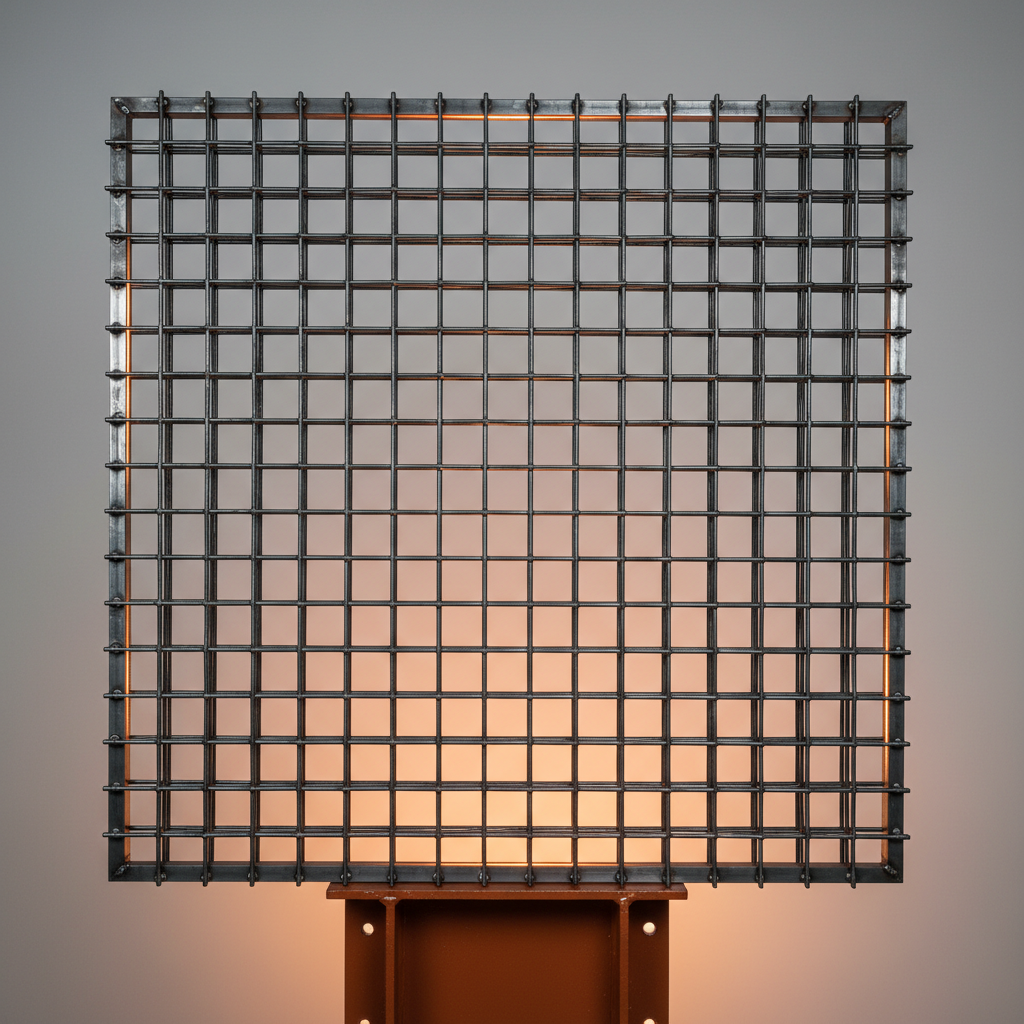 Heavy Duty 6 gauge welded wire mesh for Security and StrengthWhen it comes to heavy-duty containment, security, and structural reinforcement, choosing the right material is critical. The 6 gauge welded wire mesh stands as a premier choice for those requiring a balance of extreme rigidity and precise spacing. Whether you are securing a commercial perimeter, building industrial livestock panels, or creating reinforced concrete structures, this specific thickness provides the structural integrity needed to withstand significant pressure and impact. In this comprehensive guide, we will explore the technical specifications, primary applications, and why this mesh is the gold standard for high-security fencing solutions.Read more >
Apr 16 2026
-
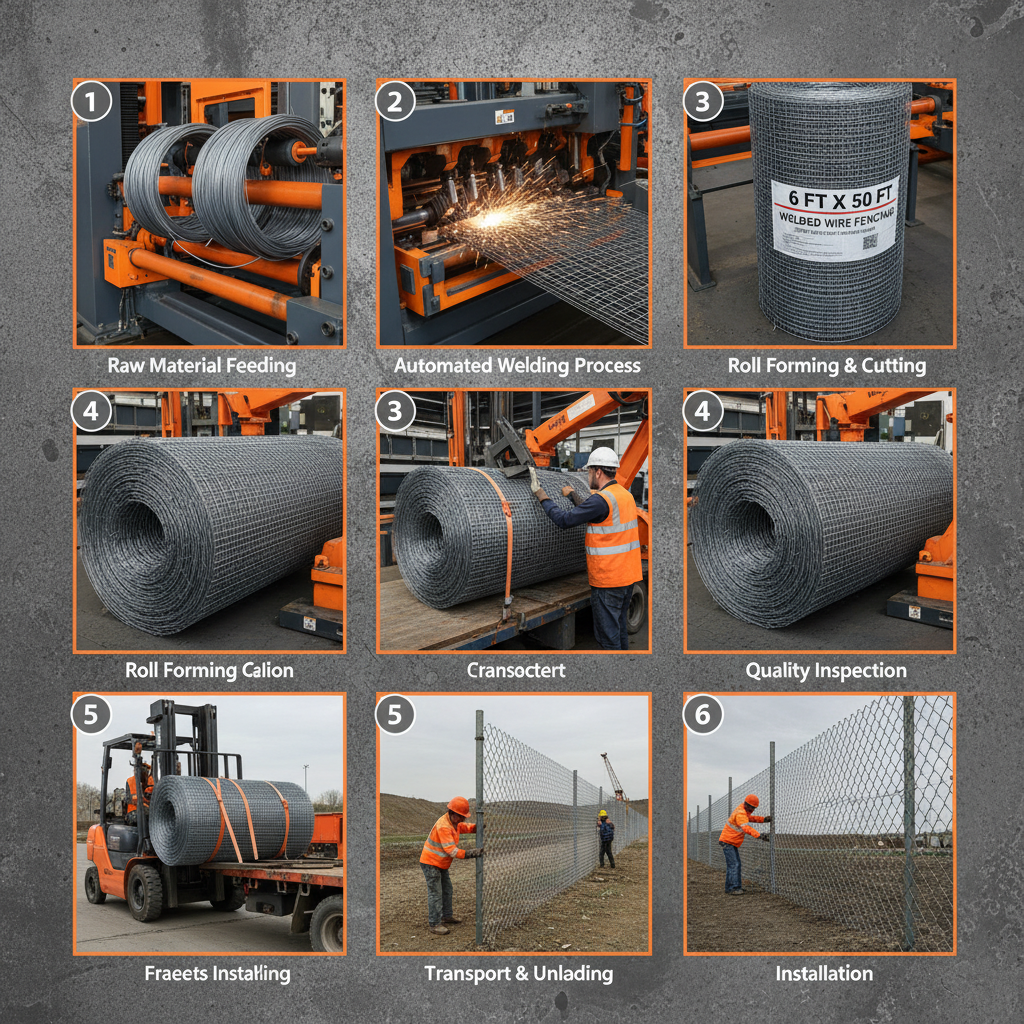 Durable 6 ft x 50 ft welded wire fencing for Security and GardensWhen it comes to securing a perimeter, whether for agricultural use, garden protection, or industrial boundaries, the dimensions and material of your fence matter. The 6 ft x 50 ft welded wire fencing offers an ideal balance of height and length, providing a robust barrier that is easy to install and maintain. Choosing a welded wire system ensures that the intersections are fused together, preventing the shifting and sagging often found in woven alternatives. In this guide, we will explore why this specific size is a preferred choice for property owners and how to maximize its effectiveness for your specific project.Read more >
Apr 09 2026
-
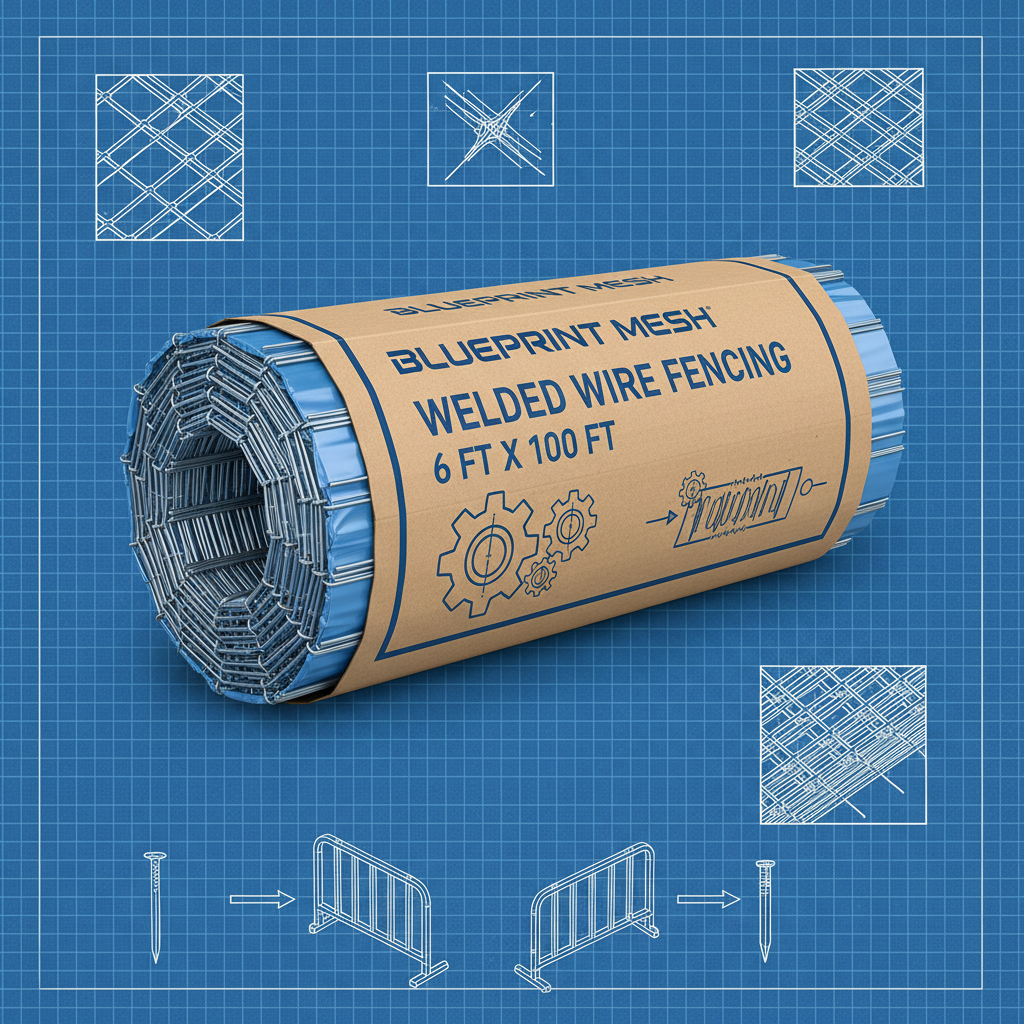 Comprehensive Guide to Choosing the Best 6 ft x 100 ft Welded Wire FencingWelded wire fencing is a versatile and cost-effective solution for a wide range of applications, from agricultural containment to residential security. Understanding the nuances of different types, especially when considering a size like 6 ft x 100 ft welded wire fencing, is crucial for making the right investment. This article will guide you through the essential factors to consider, helping you select the fencing that best suits your specific requirements.Read more >
Apr 07 2026
-
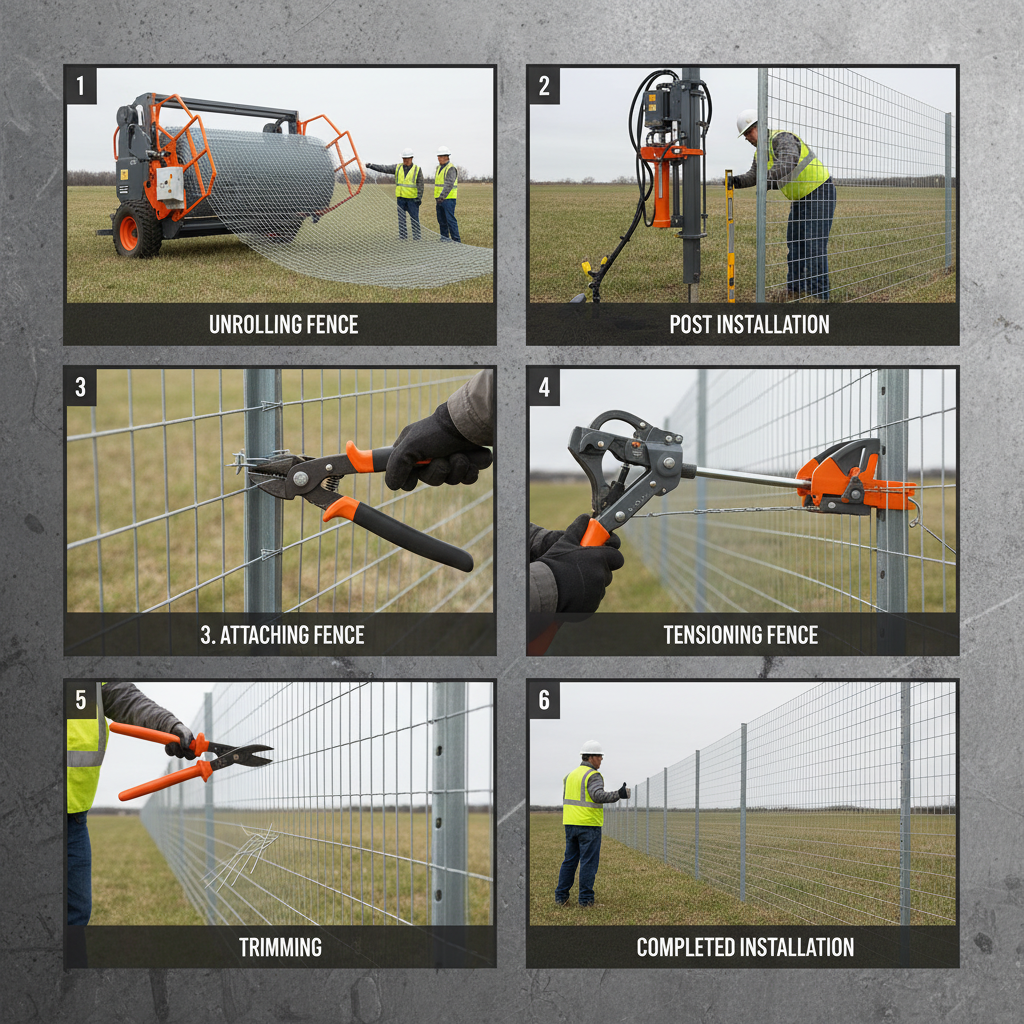 Comprehensive Guide to Choosing a 6 ft x 100 ft 12.5 Gauge Welded Wire FenceSelecting the appropriate fence for your property requires careful consideration. A 6 ft x 100 ft 12.5 gauge welded wire fence offers a robust and versatile solution for a variety of applications, from pet containment to garden protection and security. This guide will explore the benefits, applications, installation tips, and considerations when choosing this type of fencing. Understanding its construction and comparing it to other fencing options will help you make an informed decision.Read more >
Apr 04 2026
-
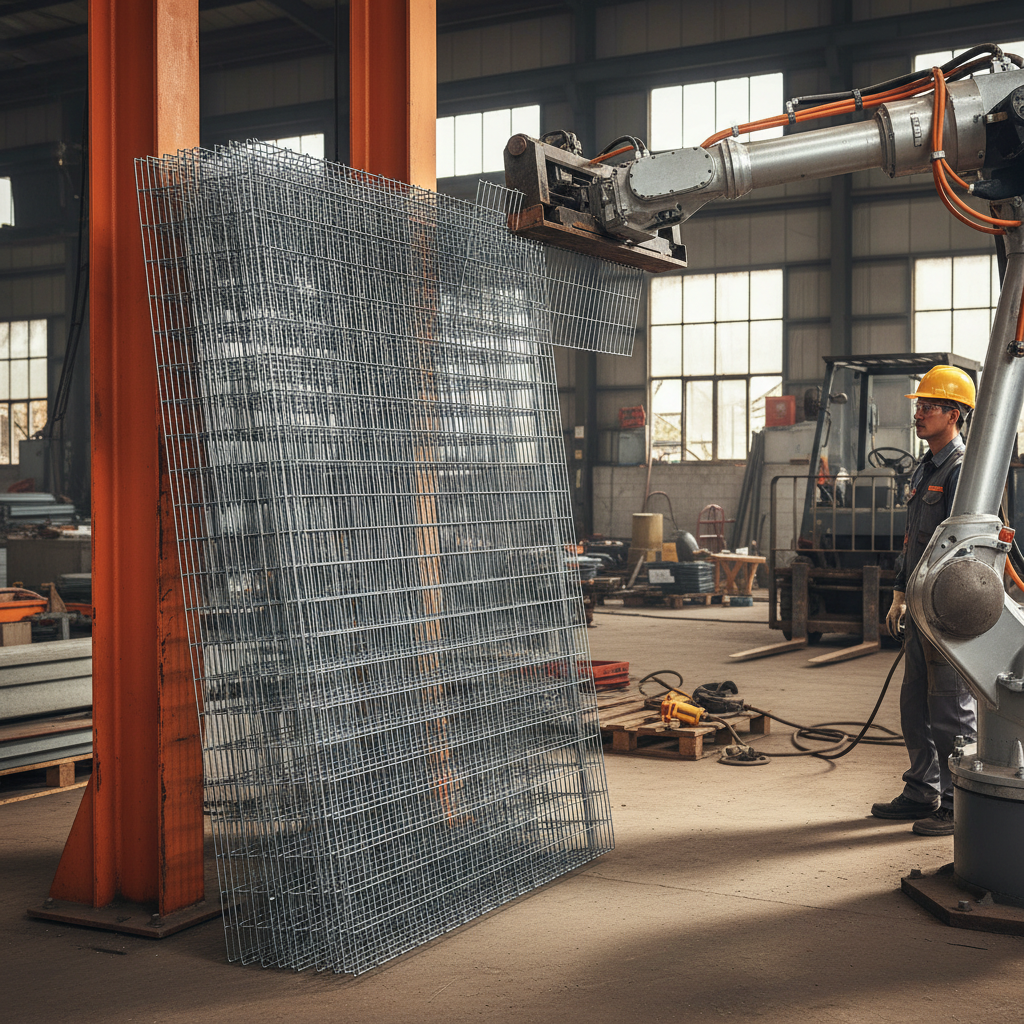 Comprehensive Guide to Durable 6 ft Welded Wire Fencing Panels and ApplicationsWhen selecting fencing for your property, 6 ft welded wire fencing panels offer a robust and versatile solution. These panels combine strength, security, and ease of installation, making them a popular choice for both residential and commercial applications. This article delves into the benefits, applications, installation, and maintenance of these panels, helping you make an informed decision.Read more >
Mar 31 2026