


Guide to Common Types of Nails
Nails are one of the most basic yet essential fasteners used in construction, woodworking, and various DIY projects. Choosing the right common nails can make a huge difference in the strength and durability of your work. In this guide, we’ll explore the common types of nails, top common nails manufacturers, factors affecting common nail price, and everything you need to know before buying.
Understanding the Common Types of Nails
There are various common types of nails, each designed for specific applications. Here are some of the most widely used nails:
Common Nails: These are the standard nails used in construction, known for their thick shank and strong holding power.
Box Nails: Lighter than common nails, box nails are ideal for attaching thinner pieces of wood to avoid splitting.
Finishing Nails: With a small, barely visible head, these nails are perfect for trim work and furniture making.
Brad Nails: Even smaller than finishing nails, brad nails are commonly used in delicate woodworking and crafting projects.
Roofing Nails: Designed with a large flat head, roofing nails help secure shingles and other roofing materials.
Masonry Nails: Made from hardened steel, these nails are designed to penetrate concrete or brick surfaces.
Duplex Nails: Also known as double-headed nails, they are used for temporary structures like scaffolding and concrete formwork.
Spiral or Ring-Shank Nails: These nails offer extra grip, making them perfect for flooring and decking.
By selecting the right common types of nails, you can ensure better fastening strength and long-term durability for your project.
Finding the Best Common Nails Manufacturers
The quality of common nails depends on the manufacturer. A trusted common nails manufacturer ensures high-quality materials, precise engineering, and consistent sizing. Here’s why you should buy from reputable common nails manufacturers:
Superior Quality: A reliable common nails manufacturer produces nails with uniform shank size, strong holding power, and anti-corrosion coatings.
Wide Variety: Whether you need galvanized nails, stainless steel nails, or aluminum nails, good manufacturers offer multiple options.
Custom Orders: Some common nails manufacturers provide custom sizes and finishes based on industry requirements.
Bulk Discounts: Large orders from direct manufacturers often come with cost savings.
Compliance with Industry Standards: A reputable common nails manufacturer ensures that their nails meet industry safety and strength standards.
When looking for high-quality common nails, choosing the right manufacturer ensures reliability, durability, and value for money.
Factors Affecting Common Nail Price
The common nail price varies based on multiple factors. Here’s what influences the cost of common nails:
Material Type: Stainless steel nails are more expensive than regular steel nails due to their rust resistance.
Nail Size & Length: Longer and thicker nails generally cost more than smaller nails.
Coating & Finish: Galvanized and coated nails (such as zinc-coated or epoxy-coated) have a higher common nail price than uncoated nails.
Packaging & Quantity: Bulk purchases usually come with discounts, while small retail packs may be more expensive per unit.
Brand & Manufacturer: Well-known common nails manufacturers may charge more due to their reputation for quality.
Market Demand & Supply: Prices can fluctuate based on raw material costs, global supply chain issues, and regional demand.
To find the best common nail price, it’s essential to compare multiple suppliers and consider bulk purchasing for better cost efficiency.
Choosing the Right Common Nails for Your Project
With so many common types of nails available, choosing the right one depends on your project needs. Here’s a quick guide:
For General Construction: Use common nails for framing, carpentry, and heavy-duty projects.
For Roofing: Opt for roofing nails with a corrosion-resistant finish to prevent rust.
For Trim Work & Finishing: Finishing nails or brad nails are ideal for delicate woodworking and moldings.
For Outdoor Projects: Galvanized or stainless steel common nails resist rust and work well for fences, decks, and outdoor furniture.
For Temporary Structures: Duplex nails allow easy removal after use.
By selecting the right common nails, you can ensure that your project is strong, durable, and built to last.
Nail FAQs
What are the most common types of nails used in construction?
The most commonly used nails in construction are common nails, box nails, finishing nails, and spiral-shank nails. Common nails are the go-to choice for framing, while finishing nails are ideal for trim work.
Where can I find reliable common nails manufacturers?
You can find reputable common nails manufacturers online, at hardware stores, or through industrial suppliers. Look for manufacturers with positive reviews, quality certifications, and a wide range of nail options.
How much do common nails cost?
The common nail price depends on factors like material, size, and coating. Basic steel nails can cost a few cents per nail, while galvanized or stainless steel nails are more expensive. Bulk purchases often offer better pricing.
What’s the difference between common nails and box nails?
Common nails have a thicker shank and provide stronger holding power, making them ideal for heavy-duty construction. Box nails are thinner and reduce the risk of splitting wood, making them better for lighter projects.
Are galvanized common nails better than regular steel nails?
Yes, galvanized common nails are better for outdoor projects because they resist rust and corrosion. Regular steel nails can rust over time, making them less suitable for wet or humid environments.
By choosing high-quality common nails from trusted common nails manufacturers, you can ensure strength, durability, and cost efficiency for all your construction needs.
Latest News About CHENG CHUANG
-
 Heavy Duty 6 gauge welded wire mesh for Security and StrengthWhen it comes to heavy-duty containment, security, and structural reinforcement, choosing the right material is critical. The 6 gauge welded wire mesh stands as a premier choice for those requiring a balance of extreme rigidity and precise spacing. Whether you are securing a commercial perimeter, building industrial livestock panels, or creating reinforced concrete structures, this specific thickness provides the structural integrity needed to withstand significant pressure and impact. In this comprehensive guide, we will explore the technical specifications, primary applications, and why this mesh is the gold standard for high-security fencing solutions.Read more >
Apr 16 2026
-
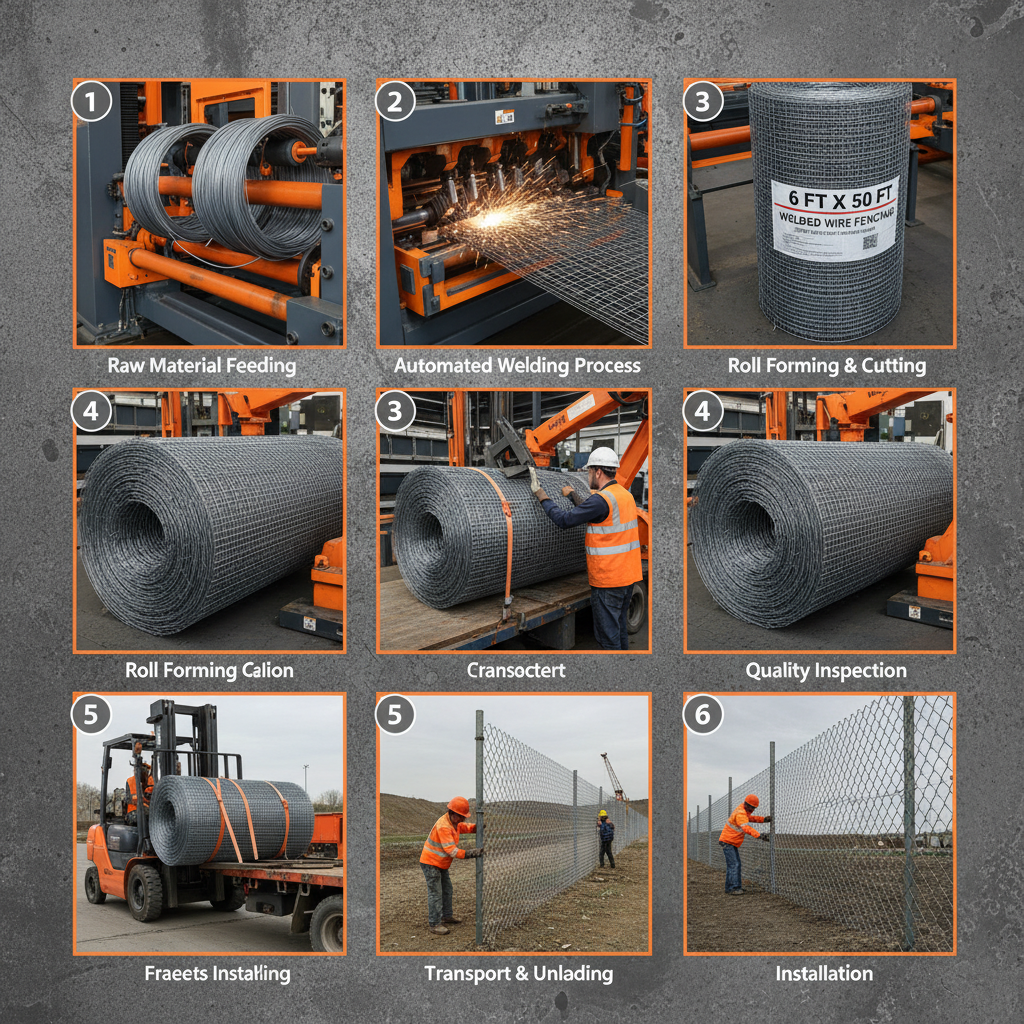 Durable 6 ft x 50 ft welded wire fencing for Security and GardensWhen it comes to securing a perimeter, whether for agricultural use, garden protection, or industrial boundaries, the dimensions and material of your fence matter. The 6 ft x 50 ft welded wire fencing offers an ideal balance of height and length, providing a robust barrier that is easy to install and maintain. Choosing a welded wire system ensures that the intersections are fused together, preventing the shifting and sagging often found in woven alternatives. In this guide, we will explore why this specific size is a preferred choice for property owners and how to maximize its effectiveness for your specific project.Read more >
Apr 09 2026
-
 Comprehensive Guide to Choosing the Best 6 ft x 100 ft Welded Wire FencingWelded wire fencing is a versatile and cost-effective solution for a wide range of applications, from agricultural containment to residential security. Understanding the nuances of different types, especially when considering a size like 6 ft x 100 ft welded wire fencing, is crucial for making the right investment. This article will guide you through the essential factors to consider, helping you select the fencing that best suits your specific requirements.Read more >
Apr 07 2026
-
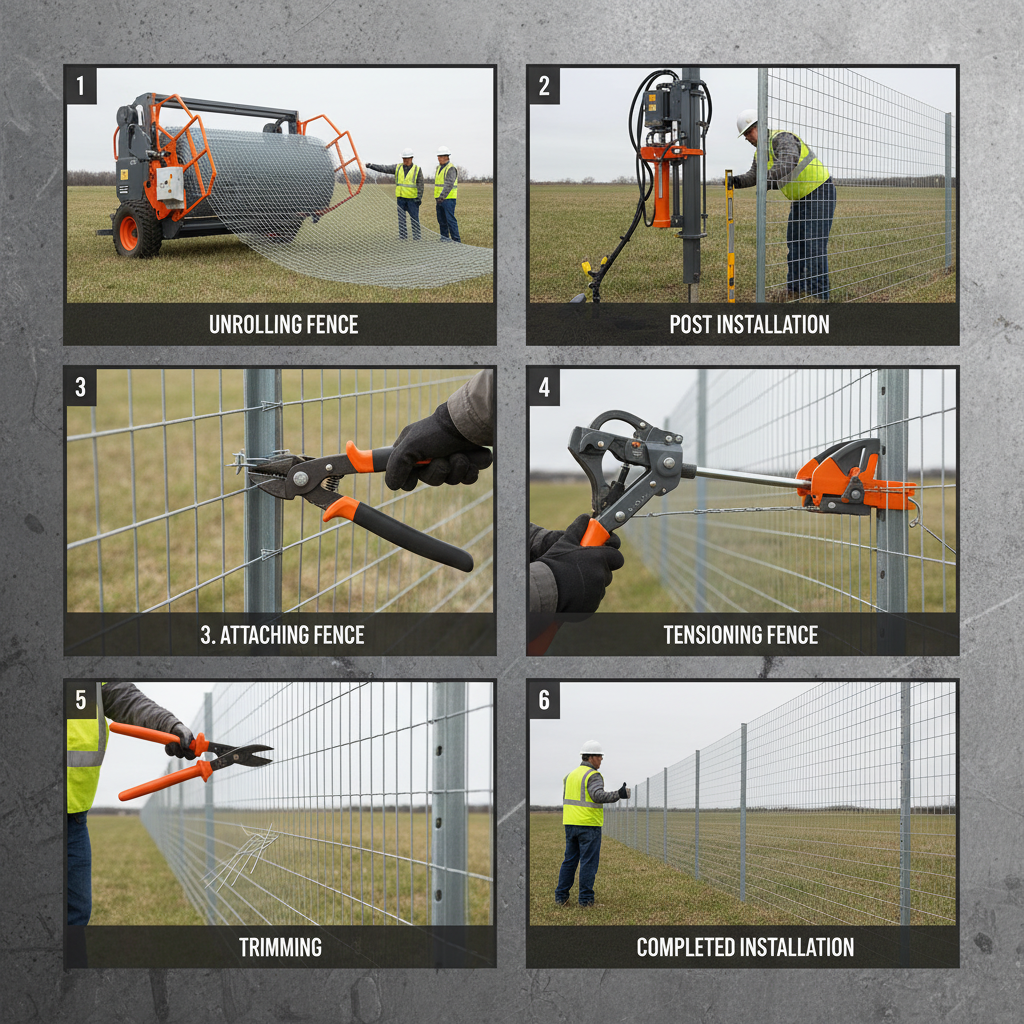 Comprehensive Guide to Choosing a 6 ft x 100 ft 12.5 Gauge Welded Wire FenceSelecting the appropriate fence for your property requires careful consideration. A 6 ft x 100 ft 12.5 gauge welded wire fence offers a robust and versatile solution for a variety of applications, from pet containment to garden protection and security. This guide will explore the benefits, applications, installation tips, and considerations when choosing this type of fencing. Understanding its construction and comparing it to other fencing options will help you make an informed decision.Read more >
Apr 04 2026
-
 Comprehensive Guide to Durable 6 ft Welded Wire Fencing Panels and ApplicationsWhen selecting fencing for your property, 6 ft welded wire fencing panels offer a robust and versatile solution. These panels combine strength, security, and ease of installation, making them a popular choice for both residential and commercial applications. This article delves into the benefits, applications, installation, and maintenance of these panels, helping you make an informed decision.Read more >
Mar 31 2026