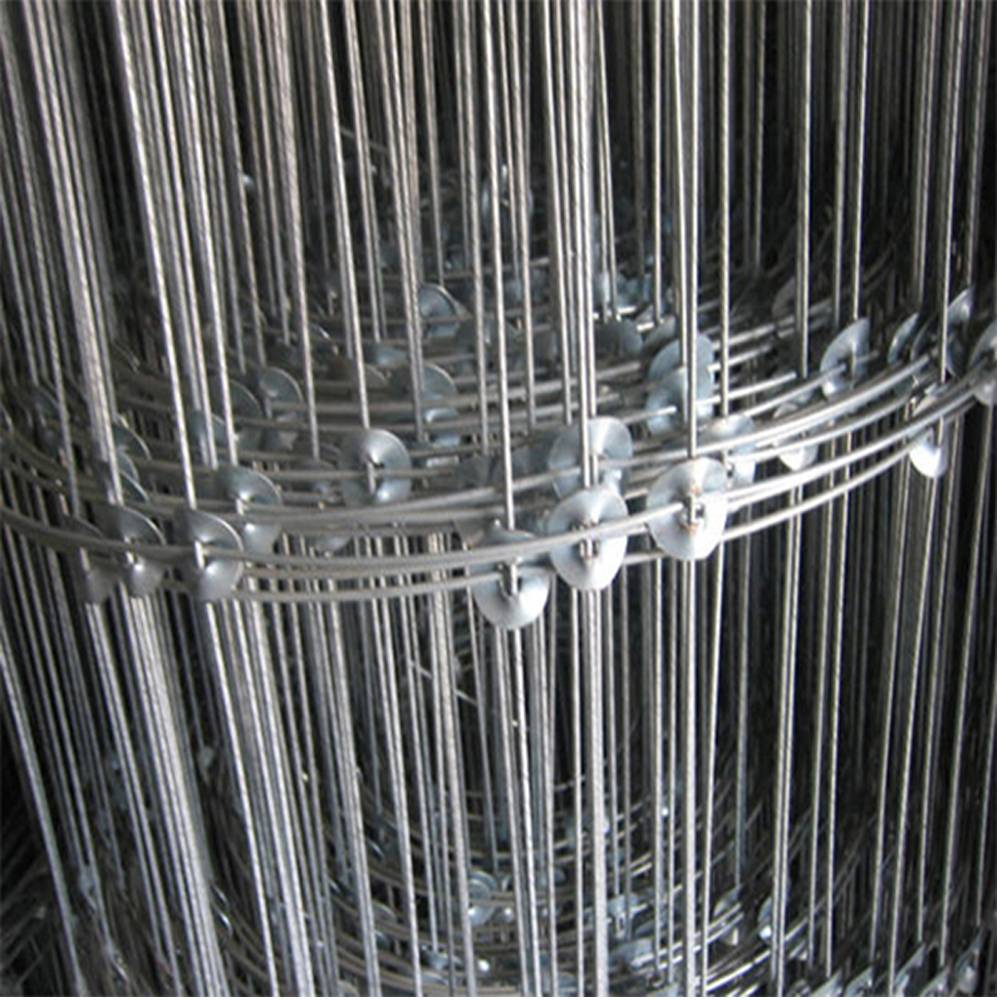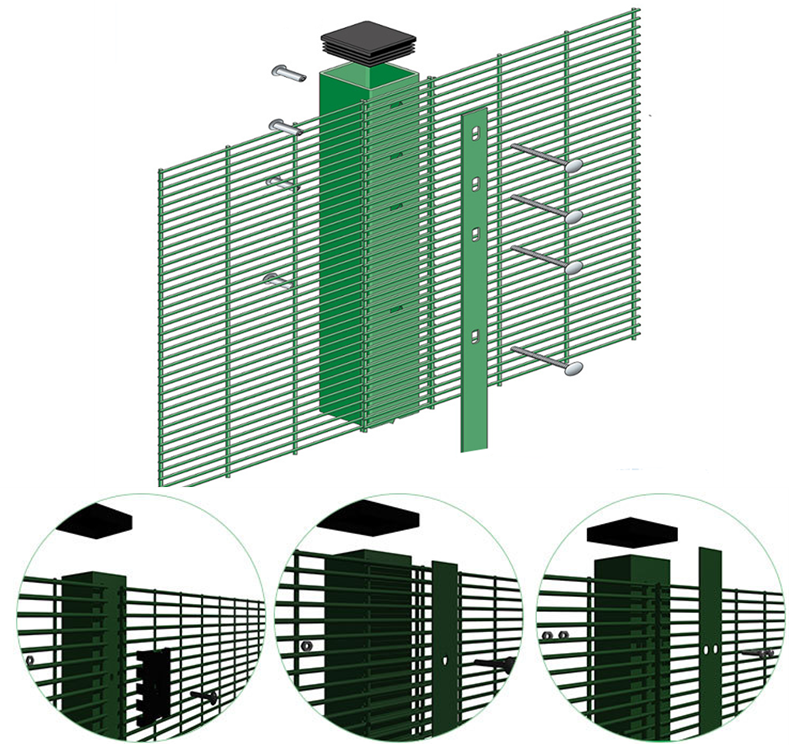
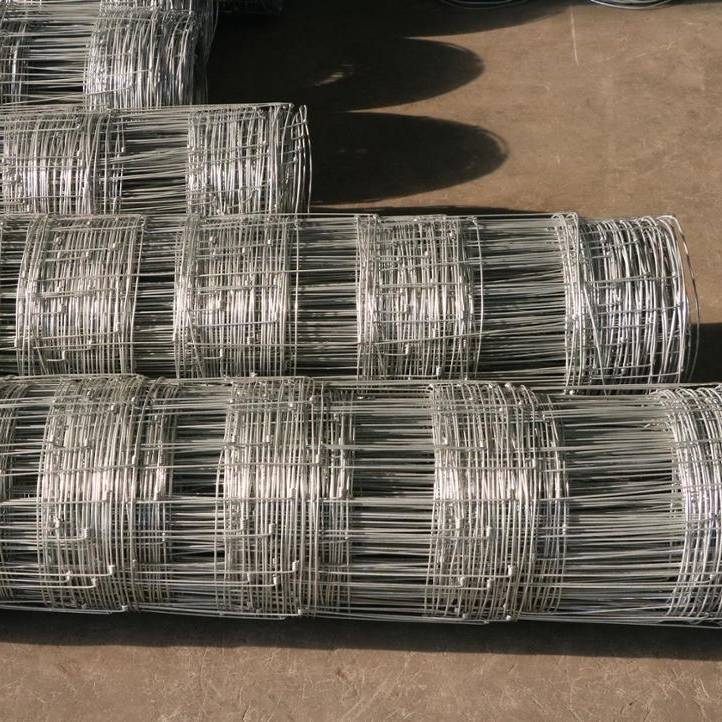
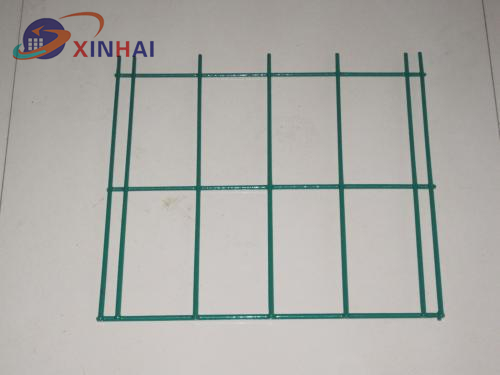
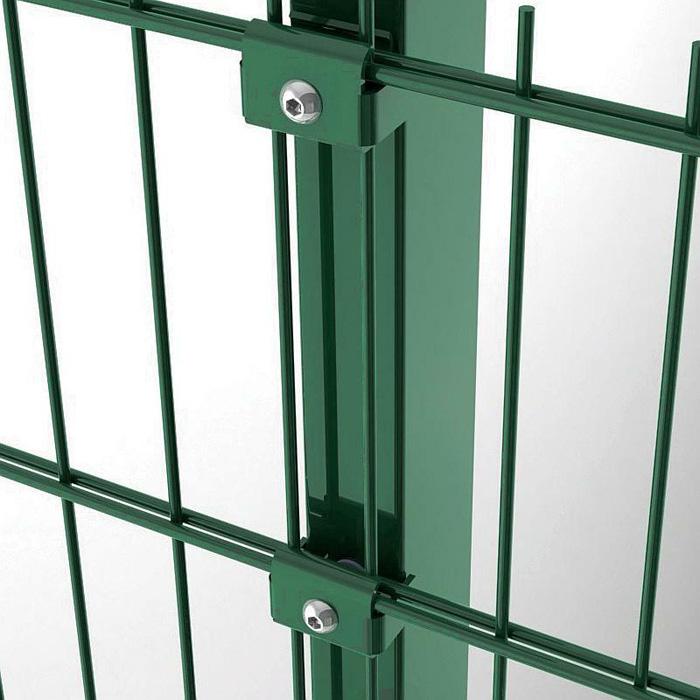
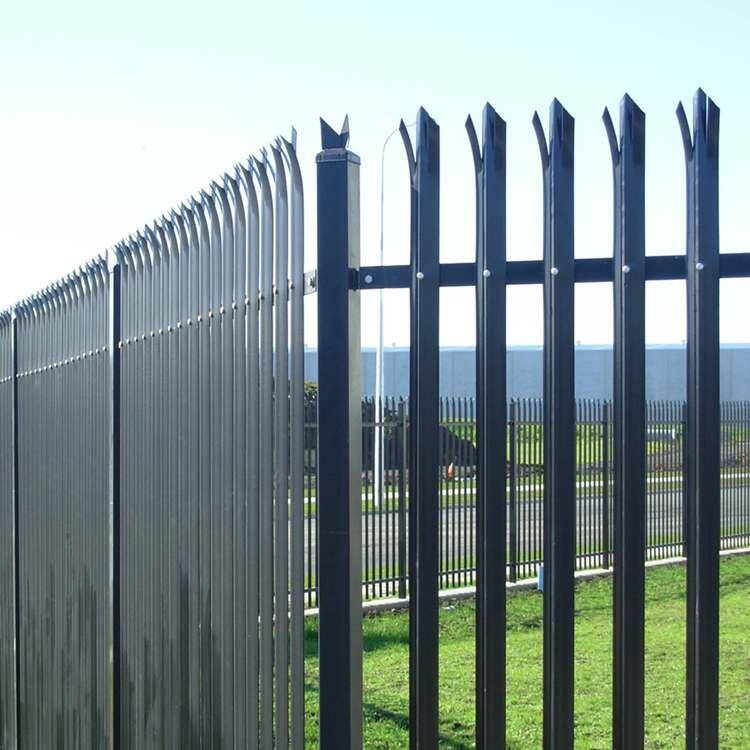
High-Performance Putanka wire Solutions for Norway's Perimeter Security

Advanced invisible obstacle systems designed to withstand Nordic climates while ensuring maximum security and minimal visual impact.

High-Performance Putanka wire Solutions for Norway's Perimeter Security

Specializing in the deployment of Inconspicuous barriers that integrate seamlessly into the Norwegian landscape without compromising on high-tensile strength or anti-intrusion capabilities.

The State of Security Fencing in Norway

Analyzing the intersection of extreme environmental demands and the need for discrete security.

Norway's unique geography, characterized by rugged fjords and dense forests, presents a significant challenge for traditional fencing. The demand for Inconspicuous Obstacle Fence systems has risen as facility managers seek to protect critical infrastructure without disturbing the natural aesthetic or violating strict local environmental zoning laws.

The harsh Nordic climate, featuring high humidity and extreme salt spray in coastal regions, accelerates the corrosion of standard metals. This has led to a market shift towards high-grade galvanized and PVC-coated barrage wire, which provides the necessary longevity against oxidation and freezing-thawing cycles.

Current security trends in the region emphasize "invisible protection." Many government and private installations are replacing bulky concrete walls with a Security barriere putanka, allowing for rapid deployment and high effectiveness in delaying unauthorized entry while remaining nearly undetectable from a distance.
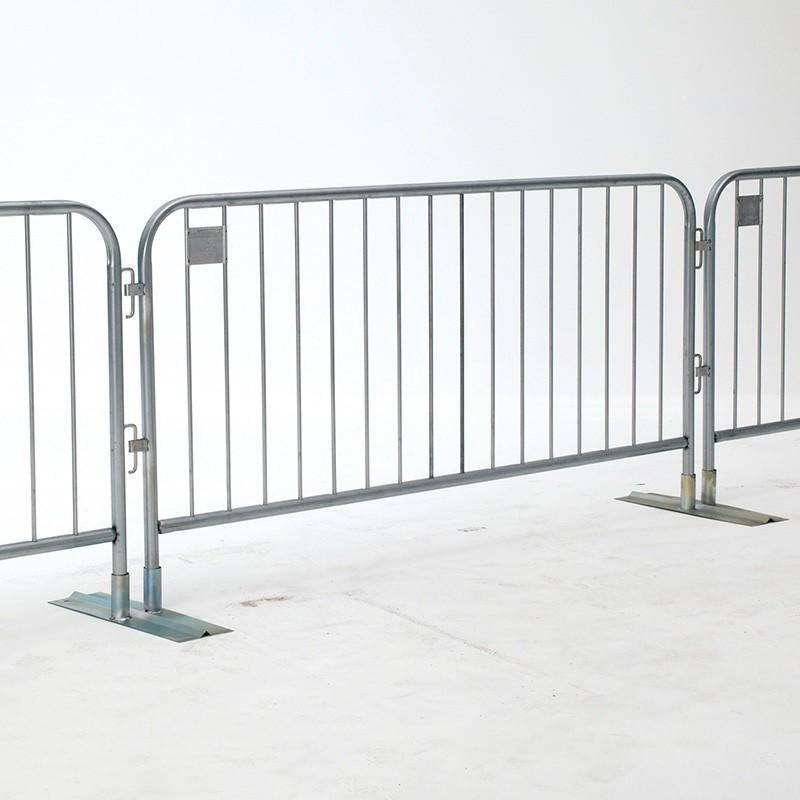
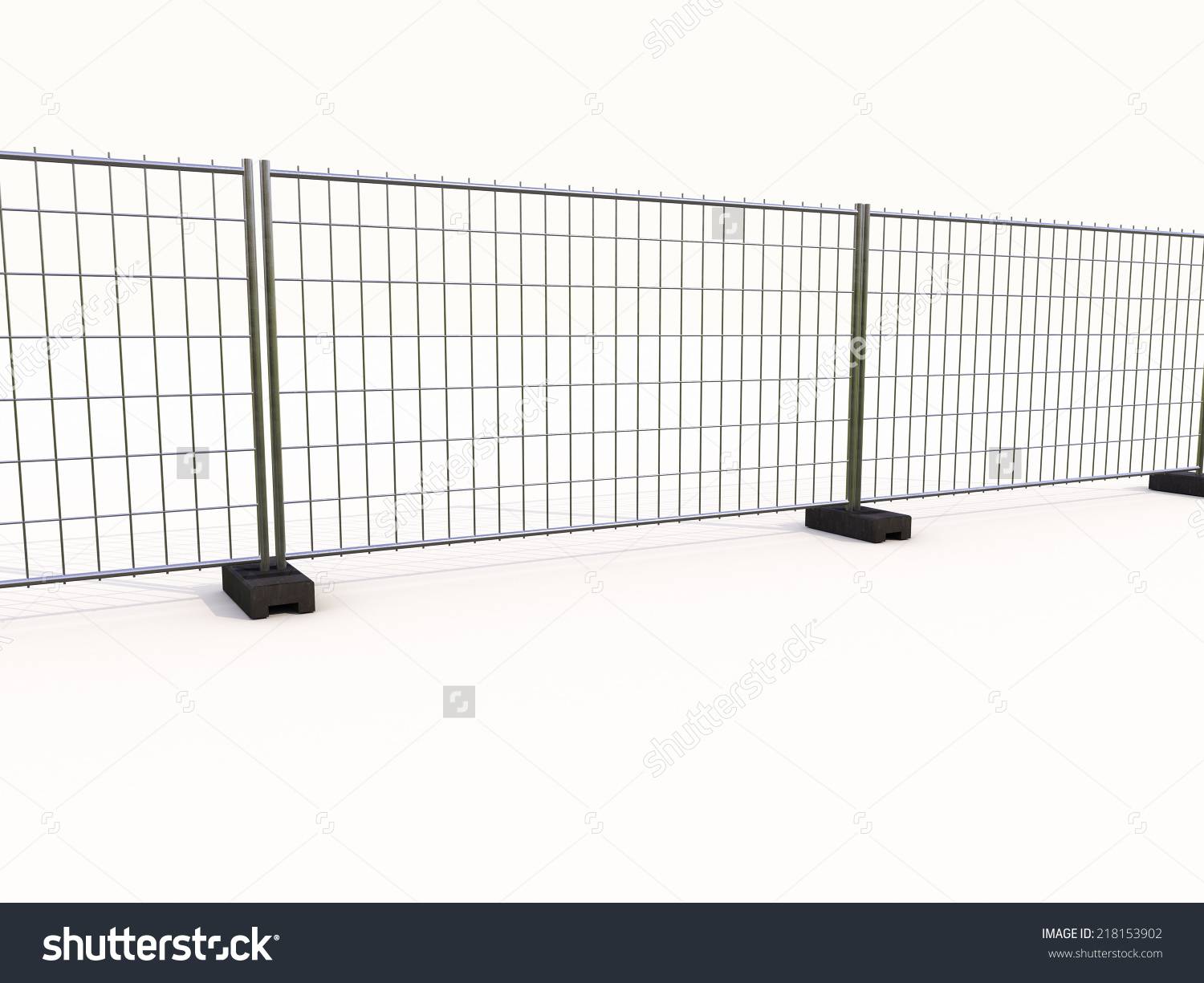
Evolution of Metal Obstacle Technology

From basic barbed wire to high-tech inconspicuous security systems.

Market Development History

In the early 20th century, perimeter security in Northern Europe relied on heavy-gauge iron fencing and basic barbed wire. These systems were visually intrusive and prone to rapid rust in the damp Norwegian climate, requiring constant maintenance.

Between 1980 and 2010, the industry transitioned toward galvanized steel and the introduction of concertina designs. The focus shifted to "deterrence through visibility," where the goal was to warn intruders through an imposing physical presence, though this often clashed with Norway's architectural preference for minimalism.

From 2015 to the present, the evolution has moved toward "stealth security." The integration of high-tensile alloys and specialized weaving techniques led to the rise of the Putanka wire, which offers superior strength-to-weight ratios and an inconspicuous profile.

Future Development Trends

Smart-Integrated Sensors

The next 3-5 years will see the integration of fiber-optic sensors directly into the wire core, transforming passive barriers into active detection systems that alert security teams in real-time.

Nano-Coating for Extreme Corrosion

Research is pivoting toward graphene-based nano-coatings to eliminate corrosion entirely, specifically for installations near the North Sea where salt air is most aggressive.

Biodegradable Support Structures

To align with Norway's sustainability goals, we expect a shift toward eco-friendly, recycled composite supports for metal wire systems, reducing the carbon footprint of large-scale installations.

Industry Trends and Future Outlook

Strategic directions for metal wire manufacturing in the European security sector.

Low-Visibility Engineering
Developing wire diameters that maximize tension while remaining visually transparent to satisfy aesthetic requirements.
Rapid Deployment Systems
Modular designs that allow for quick installation in remote Norwegian terrains with minimal heavy machinery.
Alloy Optimization
Developing new steel alloys that maintain flexibility at -30°C to prevent brittle fractures in winter.
Sustainability Focus
Implementing closed-loop recycling for end-of-life metal fences to meet EU Green Deal requirements.

Industry Outlook

The global trajectory indicates a move toward hybrid security. We expect a convergence where physical barriers like Inconspicuous barriers are no longer standalone products but components of a larger AI-driven surveillance ecosystem.

In Norway specifically, the growth of the energy sector (wind and hydropower) will drive increased demand for perimeter security that can protect remote assets while minimizing the visual footprint on protected lands.

Localized Application Scenarios in Norway

Practical deployments of high-security wire systems across various Norwegian sectors.

01. Coastal Energy Infrastructure

Securing offshore-linked power substations where salt-air corrosion is extreme. Utilizing PVC-coated barrage wire to prevent unauthorized access while ensuring 20+ years of lifespan.

02. Remote Mountain Research Stations

Deployment of Inconspicuous Obstacle Fence around sensitive meteorological equipment to prevent wildlife interference and human trespassing without altering the horizon.

03. Government and Diplomatic Perimeters

Using Security barriere putanka for high-security zones in Oslo, providing a deterrent that is effective against intruders but remains discrete for urban architectural harmony.

04. Industrial Warehousing in Logistics Hubs

Installation of high-tensile Putanka wire for perimeter reinforcement in port areas, ensuring a strong physical barrier that can be quickly modified or expanded.

05. Protected Nature Reserve Boundaries

Creating invisible boundaries using low-visibility alloys that allow wildlife migration where possible but prevent vehicle entry into protected ecological zones.

Brand Story

Global Development History of Anping Chengchuang Metal Products Co., Ltd.

Foundation of Excellence

Started in the heart of Anping, the world's wire mesh capital, focusing on the fundamental science of high-tensile metal drawing.

Technological Breakthrough

Developed proprietary weaving techniques that allowed for the creation of "invisible" yet impenetrable barrier systems, solving the conflict between security and aesthetics.

Global Market Expansion

Expanded operations to Europe, adapting products to meet the stringent EN standards and the specific climatic challenges of Nordic countries.

Commitment to Innovation

Invested in R&D for anti-corrosion coatings, ensuring that our security solutions remain operational in the most hostile environments on earth.

Vision for the Future

Striving to be the global leader in sustainable, high-security metal solutions that protect assets while respecting the environment.

Complete Security Product Portfolio for Norway

A comprehensive range of metal wire solutions tailored for the Nordic region's unique security and environmental needs.

Frequently Asked Questions for Norway Market

Expert answers to common technical and logistical queries regarding security barriers.

How does Putanka wire perform in extreme Norwegian winters?

Our Putanka wire is manufactured using low-carbon high-tensile steel that is specially treated to maintain ductility at sub-zero temperatures, preventing the brittleness common in lower-grade metals.

Can inconspicuous barriers be installed on uneven fjord terrain?

Yes, these barriers are designed for flexibility. The modular nature of our inconspicuous obstacle systems allows them to follow the natural contour of the land without losing tension or structural integrity.

What is the lifespan of a security barriere putanka in coastal areas?

With our advanced hot-dip galvanization and optional PVC coating, our security barriers are engineered to withstand high-salinity environments for over 20 years with minimal maintenance.

How does barrage wire differ from standard concertina wire?

Barrage wire utilizes a tighter, more complex weaving pattern and higher tensile strength, making it significantly harder to cut or penetrate than standard concertina wire.

Are inconspicuous obstacle fences compliant with EU safety regulations?

Absolutely. All our products are manufactured in accordance with international ISO standards and meet the specific safety and environmental directives required for deployment within the European Union.

What is the lead time for large-scale installations in Norway?

Depending on the customization requirements and total volume, production typically takes 15-30 days, followed by efficient shipping to Norwegian ports to ensure timely project completion.

Secure Your Perimeter Today

Consult with our experts for customized metal barrier solutions tailored for the unique environmental and security needs of Norway.

Contact Us Now

If you are interested in our products, you can choose to leave your information here, and we will be in touch with you shortly.