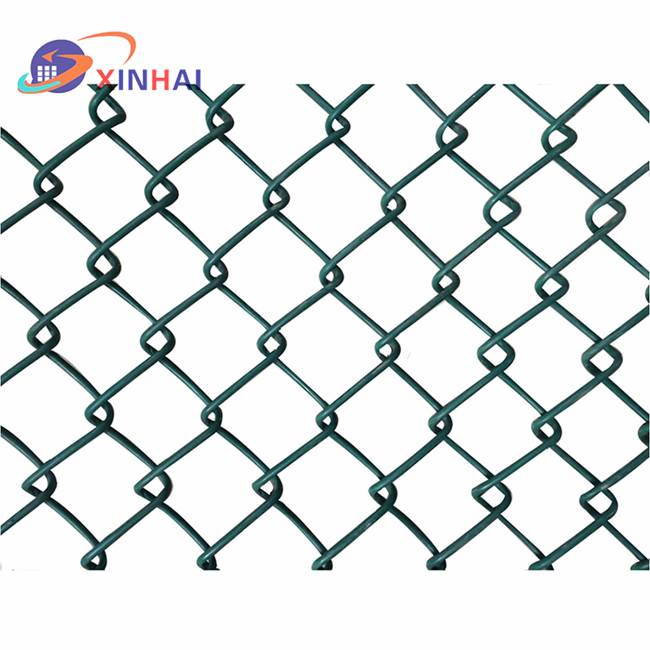
High-Security Putanka wire Solutions for Afghanistan

Professional perimeter protection and tactical barrier systems engineered for extreme terrains and high-risk security environments.

High-Security Putanka wire Solutions for Afghanistan

Providing Afghanistan with advanced military-grade obstacle systems that blend durability with rapid deployment capabilities to secure critical infrastructure.

Security Landscape of Afghanistan's Perimeter Defense

Analyzing the demand for high-tensile barriers in arid and mountainous regions.

Afghanistan's unique geography, characterized by rugged mountains and vast deserts, creates significant challenges for perimeter security. The high demand for Inconspicuous barriers arises from the need to secure sensitive sites without creating obvious targets, requiring materials that can withstand extreme temperature fluctuations and corrosive dust.

Current infrastructure projects in the region rely heavily on Security barriere putanka systems due to their versatility. In many provinces, traditional fencing is insufficient against determined intrusions, leading to a transition toward complex, multi-layered wire obstacles that provide both physical and psychological deterrence.

The economic environment necessitates cost-effective yet long-lasting solutions. This has led to the widespread adoption of galvanized and PVC-coated barrage wire, which prevents rapid oxidation in the dry Afghan climate and ensures structural integrity over long periods without intensive maintenance.
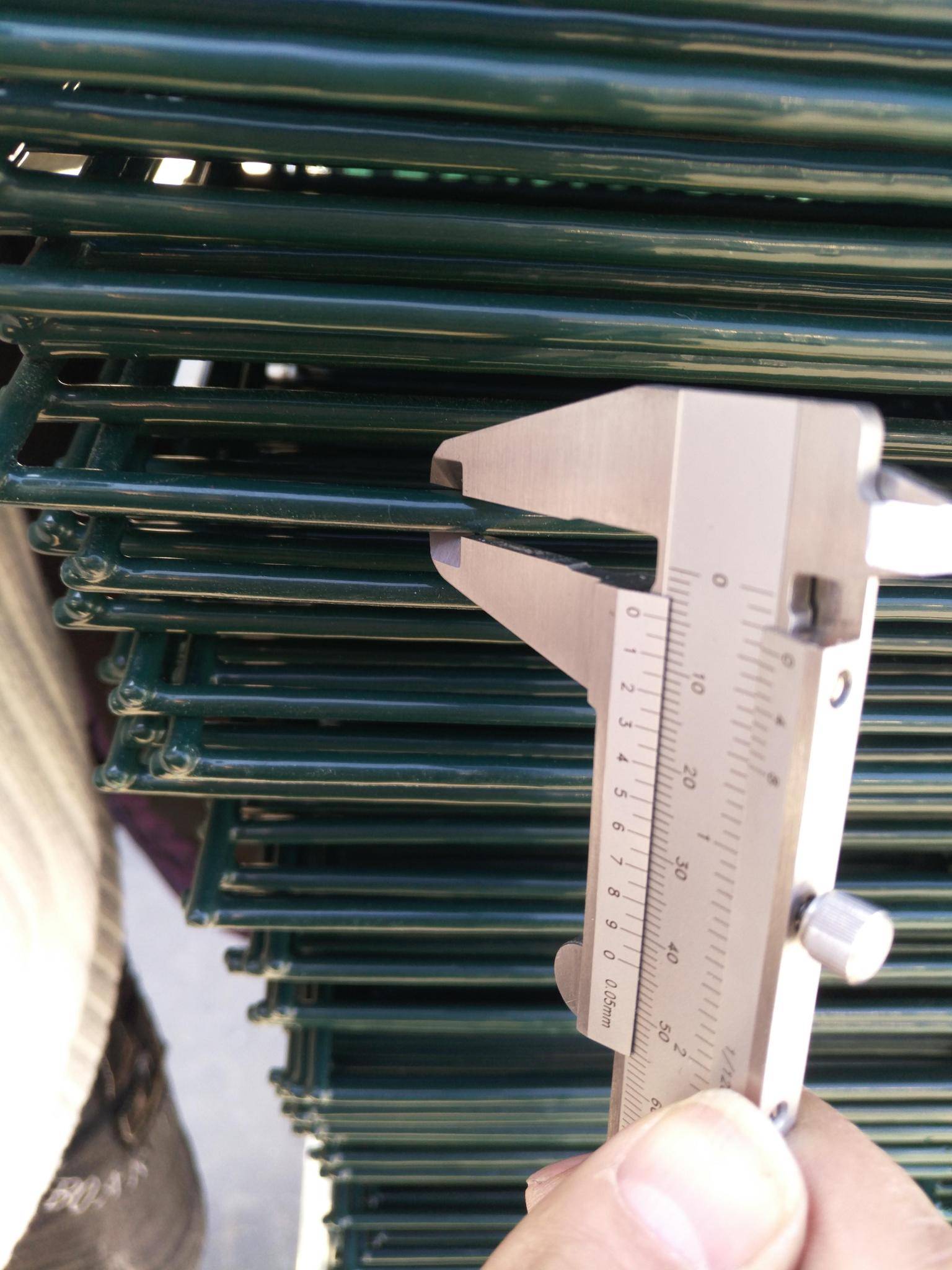
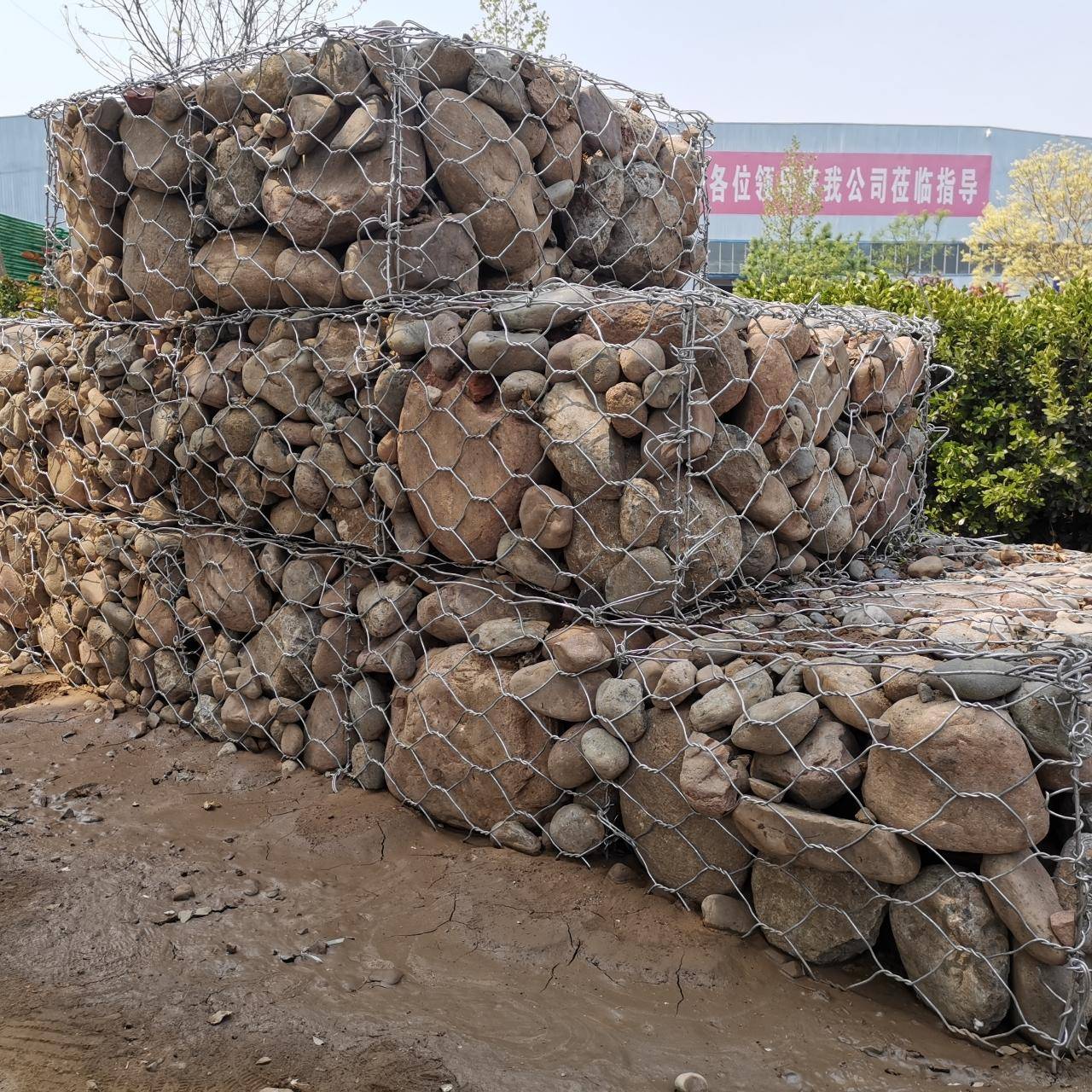
Evolution of Tactical Fencing in Afghanistan

From basic barbed wire to advanced concentric obstacle systems.

Market Development History

In the early 2000s, security in the region relied primarily on simple barbed wire and concrete walls. These provided basic demarcation but lacked the sophisticated deterrence required for high-security installations.

Between 2010 and 2020, there was a strategic shift toward the use of Inconspicuous Obstacle Fence designs. The focus moved from "visible walls" to "tactical delays," implementing concentric circles of razor wire to slow down intruders and allow security forces more reaction time.

By 2023, the industry has evolved into the era of modularity. Modern systems now feature rapid-deploy brackets and high-tensile steel cores, ensuring that barriers can be established in remote Afghan valleys within hours rather than days.

Future Development Trends

Integration of Smart Sensors

The next 3 years will see the merging of physical barriers with seismic and vibration sensors, turning static fences into active detection networks.

Anti-Corrosion Nano-Coatings

To combat the abrasive sands of the region, new zinc-aluminum-magnesium coatings are being developed to extend the lifespan of barriers by 50%.

Rapid-Folding Deployment

The trend is moving toward pre-assembled, foldable barrier modules that can be air-dropped into remote locations for immediate security setup.

Industry Outlook & Future Projections

Driving the future of metallic security solutions in Central Asia.

Material Strength Upgrade
Transitioning to ultra-high-carbon steel to increase cutting resistance in tactical barriers.
Logistics Optimization
Development of lightweight packaging to reduce transport costs to remote Afghan provinces.
Adaptive Design
Creating barriers that can be quickly modified based on real-time threat intelligence.
Eco-Friendly Galvanization
Implementing sustainable coating processes to reduce the environmental impact of production.

Industry Outlook

Based on Google search trends for "perimeter security Central Asia," there is a growing intersection between traditional wire barriers and electronic surveillance. The future market in Afghanistan will favor "hybrid" solutions where physical wire acts as the primary delay mechanism and AI-driven cameras act as the detection layer.

Moreover, the shift toward modularity is expected to accelerate. We predict a 20% increase in the demand for pre-fabricated barrier kits that allow for rapid deployment in emergency scenarios, reducing the need for on-site skilled labor.

Localized Application Scenarios in Afghanistan

Real-world deployments tailored to regional security needs.

1. High-Security Government Compound Protection

Deployment of multi-layered Security barriere putanka around administrative hubs in Kabul to prevent unauthorized vehicular and pedestrian access.

2. Critical Infrastructure & Power Plant Guarding

Using barrage wire in concentric spirals to secure electrical substations in remote mountainous provinces, ensuring a high delay factor for intruders.

3. Border Control and Checkpoint Perimeter

Implementation of Inconspicuous Obstacle Fence systems along strategic transit corridors to manage flow and detect illegal crossings without obstructing visibility.

4. Humanitarian Aid Warehouse Security

Rapid installation of temporary Putanka wire around food and medicine storage sites to prevent looting and ensure organized distribution.

5. Mining Site Perimeter Demarcation

Installing heavy-duty galvanized barriers around mineral extraction sites in the Hindu Kush region to protect equipment and personnel from wildlife and trespassers.

Brand Story

Global Development Journey of Anping Chengchuang Metal Products Co., Ltd.

Foundation & Local Mastery

Started in the heart of China's wire mesh capital, focusing on the fundamental science of high-tensile steel and galvanization.

Tactical Innovation

Expanded R&D to create military-grade barrier systems, solving the pain point of balancing strength with rapid deployability.

Global Market Entry

Began exporting to high-risk regions, adapting our product lines to meet the specific climatic and security needs of Central Asia.

Certification & Quality Lead

Achieved international quality certifications, ensuring every roll of wire meets the most stringent global security standards.

Future Vision

Striving to be the global leader in "intelligent" physical barriers, combining metallurgy with smart security technology.

Complete Security Barrier Portfolio for Afghanistan

A comprehensive range of metal wire products designed for the toughest environments.

Common Questions on Afghan Security Barriers

Expert answers to the most frequent technical inquiries.

How does Putanka wire hold up in extreme heat?

Our Putanka wire is treated with specialized anti-corrosive coatings that prevent thermal expansion and degradation, making it ideal for the Afghan desert.

What is the best way to install Inconspicuous barriers in rocky terrain?

We recommend using reinforced steel anchoring pins and adaptive tensioners that can be secured into hard rock surfaces without compromising the barrier's stability.

Can Security barriere putanka be deployed by a small team?

Yes, our systems are designed for rapid deployment. With modular components and intuitive assembly, a small team can establish a significant perimeter quickly.

What is the difference between barrage wire and standard razor wire?

Barrage wire is specifically engineered for tactical obstacles, featuring higher tensile strength and a more complex weave to create an impenetrable physical block.

How long does an Inconspicuous Obstacle Fence last in arid climates?

With our heavy-duty galvanization process, these fences typically maintain full structural integrity for over 15-20 years in arid conditions.

Are there customizable options for height and diameter?

Absolutely. We provide customizable specifications for all wire diameters and concertina heights to meet specific security protocols.

Secure Your Perimeter Today

Contact our engineering team for a customized security audit and shipment quote for Afghanistan.

Contact Us Now

If you are interested in our products, you can choose to leave your information here, and we will be in touch with you shortly.