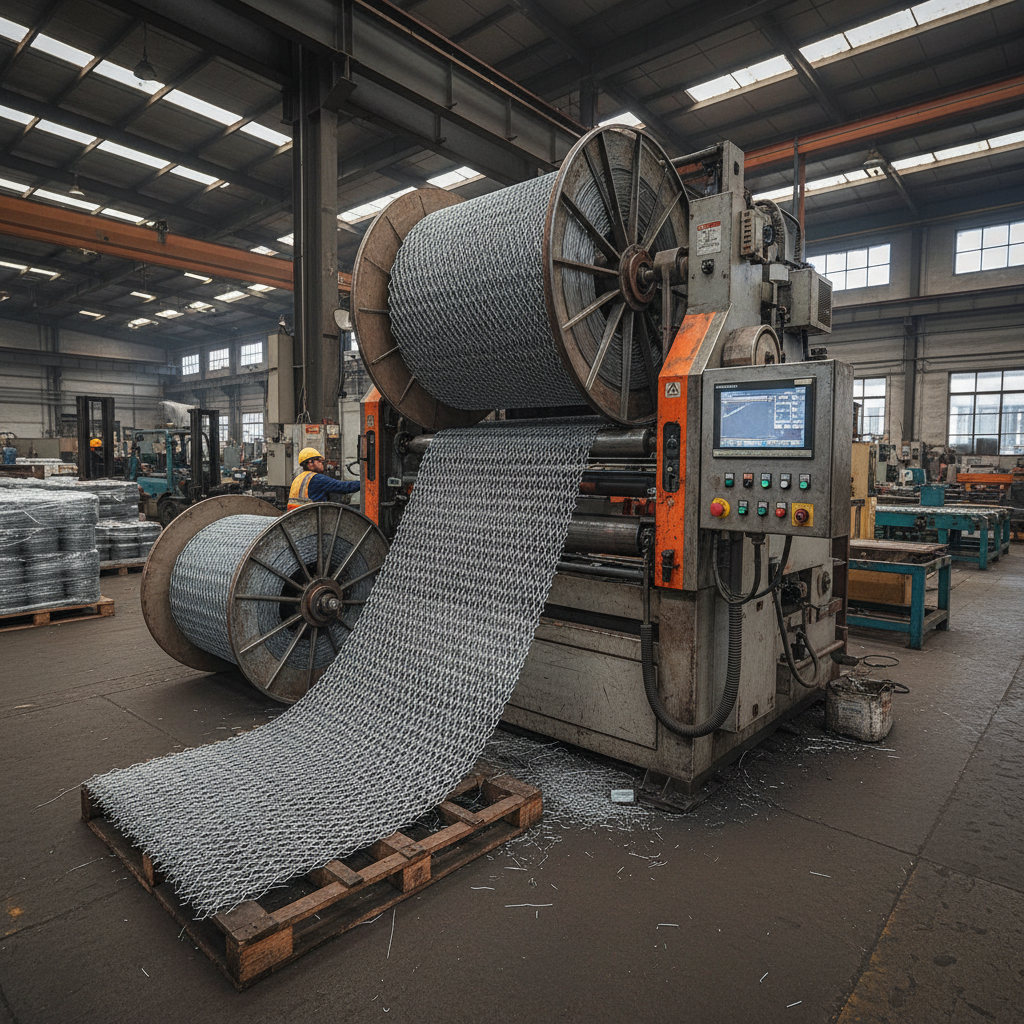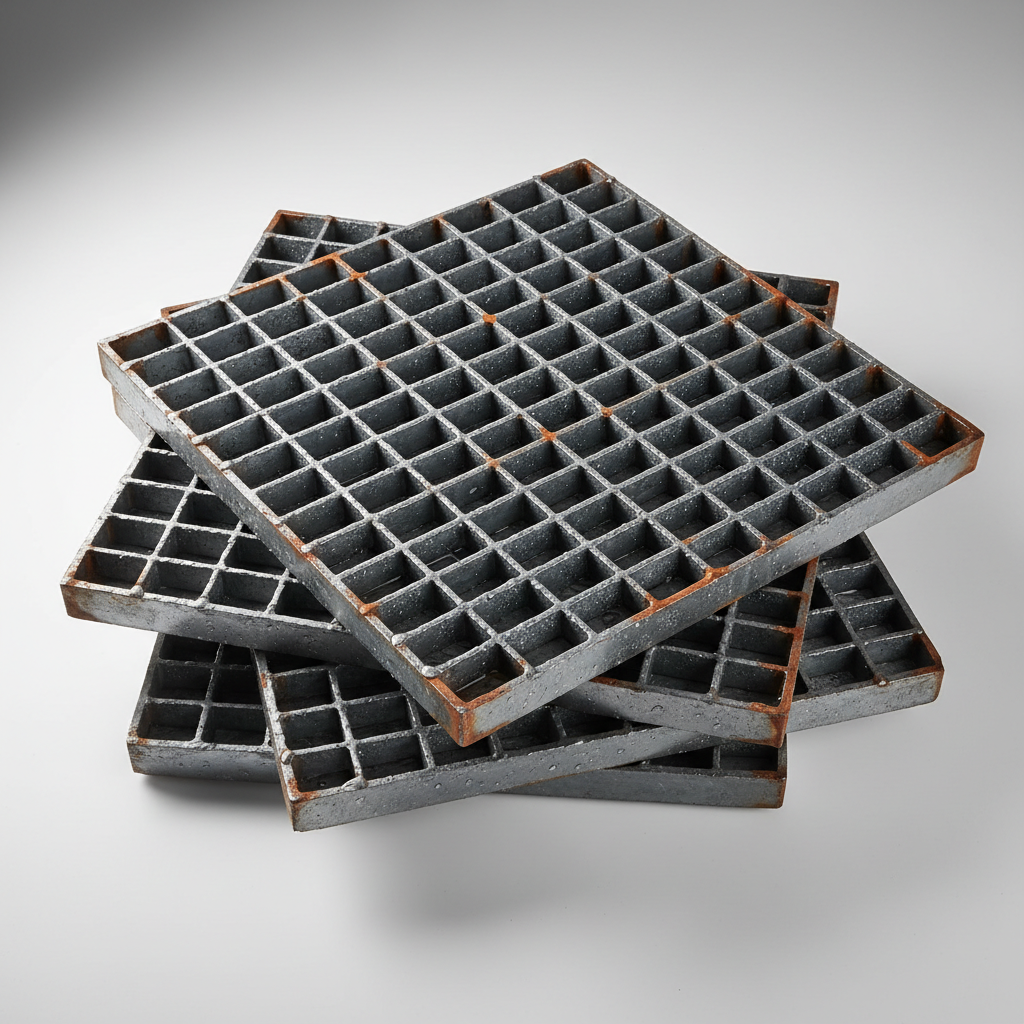

Selecting the right security infrastructure often begins with identifying reliable mesh suppliers who can balance structural integrity with specific site requirements. Whether the goal is high-security perimeter control or commercial demarcation, the technical specifications of the wire mesh determine the long-term effectiveness of the barrier.
In the professional metal fabrication industry, the distinction between a standard fence and a high-security system lies in the aperture size, wire gauge, and coating durability. For high-risk environments, the industry has shifted toward specialized designs that neutralize conventional hand tools and prevent climbing attempts through precise geometric engineering.
This guide examines the critical evaluation metrics for sourcing wire mesh solutions, comparing the technical trade-offs between heavy-duty prison mesh and lightweight commercial alternatives to ensure procurement alignment with operational security needs.

Evaluating Technical Specifications in High-Security Wire Mesh

The efficacy of a security barrier is not merely a product of its height but of its molecular and geometric composition. When auditing mesh suppliers, the primary focus must be on the "anti-climb" and "anti-cut" properties, which are derived from the wire gauge and aperture dimensions.
High-strength fencing relies on a tight mesh aperture that prevents finger holds and tool insertion. For instance, a specialized security panel might use a gauge that makes it nearly impossible to penetrate using conventional pliers or bolt cutters, creating a formidable psychological and physical deterrent.
Furthermore, the coating process—whether zinc-coated or RAL color powder—dictates the system's resistance to environmental degradation. In coastal or industrial zones, the corrosion resistance of the steel framework is as critical as the physical strength of the mesh itself to ensure long-term structural viability.
The Engineering Logic Behind 358 Security Fencing
The "358" designation is not a brand name but a technical measurement: 3" x 0.5" x 8 gauge (approx. 76.2mm x 12.7mm x 4mm). This specific configuration is engineered to eliminate the gaps necessary for climbing and the spacing required for cutting tools to grip the wire.
Beyond the mesh, the integration with a robust steel framework allows these panels to be bent in specific sections to enhance aesthetics without compromising security. This adaptability makes it suitable for environments where high security must coexist with urban design requirements.
For projects requiring slightly more visibility and lower weight, the 3510 security fencing offers a viable alternative. By utilizing 3mm wire instead of 4mm, it maintains many of the security attributes of the 358 system while reducing overall cost and weight, making it ideal for commercial applications.
Strategic Application Scenarios for Industrial Mesh Barriers
The deployment of professional wire mesh products varies significantly depending on the risk profile of the installation site. High-security 358 mesh is the industry standard for prisons, airports, and military installations where penetration is a critical risk.
In municipal and transport infrastructure, such as highway and railway projects, the focus shifts toward sound barriers and antiglare fences. These solutions must balance physical demarcation with environmental regulations, ensuring safety without creating acoustic pollution for surrounding residential areas.
Conversely, for temporary events or public gatherings, crowd control barriers and crowd fencing are utilized. These are designed for rapid deployment and portability, focusing on guiding human flow rather than preventing determined intrusions, representing a different end of the metal fabrication spectrum.
Comparative Performance Metrics of Security Mesh Systems
Quantifying the effectiveness of a mesh system requires looking at the relationship between wire thickness, aperture size, and the time required for a breach. A tighter mesh exponentially increases the difficulty of manual penetration.
When comparing standard commercial fencing with professional security mesh, the difference in "tool resistance" and "climb deterrence" becomes evident. The following metrics illustrate the relative performance increase when moving from standard solutions to specialized high-strength fencing.
mesh suppliers Performance Metrics
As indicated, the specialized 358 system provides a significant leap in anti-climb and anti-cut capabilities. While the initial investment is higher, the reduction in security breach risks and lower maintenance needs over the lifecycle of the installation often justify the cost.
Procurement Framework for Sourcing Global Mesh Solutions
Effective procurement starts with a rigorous audit of the manufacturer's quality management systems. ISO-9001, ISO-14001, and OHSAS18001 certifications are non-negotiable indicators of a supplier's ability to maintain consistency and safety standards.
Buyers should evaluate the supplier's capacity for OEM and ODM orders, as site-specific requirements often necessitate custom bending or specialized powder coatings to meet local environmental or aesthetic codes.
Additionally, verification of the supplier's export experience to regions like Canada, Australia, or Saudi Arabia can provide insight into their ability to meet diverse international standards and handle complex logistics for large-scale infrastructure projects.
Future Directions in Metal Perimeter Protection Technology
The evolution of wire mesh is moving toward a hybrid approach, where physical barriers are integrated with electronic detection systems. The future of high-security fencing likely involves the use of smarter materials that can resist oxidation more effectively in extreme climates.
We may see an increase in the adoption of modular, high-strength panels that allow for faster installation and easier replacement of damaged sections without compromising the integrity of the entire perimeter.
Furthermore, the industry is expected to focus on sustainable production methods, reducing the environmental footprint of the galvanizing and powder-coating processes while maintaining the high performance required for critical infrastructure.
Decision Matrix for Selecting Optimal Mesh Configurations
Choosing between different mesh types requires a trade-off analysis between security level, visibility, and budget. A prison-grade mesh is overkill for a commercial park, while a standard chain-link fence is insufficient for a data center.
The following matrix provides a comparative overview of different mesh solutions based on operational requirements and typical use cases.
| Solution Type | Primary Benefit | Ideal Application | Security Level |
|---|---|---|---|
| 358 Security Mesh | Extreme Anti-Climb | Prisons, Airports | Critical |
| 3510 Security Mesh | Weight/Cost Balance | Commercial Hubs | High |
| Crowd Control Barrier | Rapid Deployment | Public Events | Low |
| Metal Fence (Standard) | Basic Demarcation | Agricultural/Industrial | Moderate |
| Sound Barrier Mesh | Acoustic Reduction | Highways, Railways | Moderate |
| Inconspicuous Trap | Covert Protection | High-Value Assets | Specialized |
Ultimately, the selection process should be driven by a risk assessment of the site. Readers evaluating these options can review detailed product specifications and company capabilities through www.chbarrier.com to align their choice with actual project needs.
Frequently Asked Questions
Conclusion
The selection of high-performance wire mesh is a critical decision that impacts the long-term security and operational cost of any facility. By prioritizing technical specifications—such as gauge and aperture—over simple price points, organizations can deploy barriers that genuinely deter intrusions.
From the extreme rigidity of the 358 system to the versatile applications of the 3510 and crowd control barriers, the right solution depends on a precise understanding of the risk environment. For those seeking a professional partner in metal fabrication, the capabilities available at www.chbarrier.com provide a comprehensive resource for secure perimeter design.