


Iron Netting for Security & Industrial Use | Durable & Eco-Friendly Mesh Solutions
Iron Netting: A Backbone of Modern Industrial and Security Solutions
If you’ve ever glanced at a sturdy fencing panel, a prison security grid, or even a ventilated industrial partition, chances are you've seen iron netting in action—though maybe without realizing it. Iron netting is a deceptively simple technology, yet its impact is widespread, ranging from secure perimeter barriers to humanitarian relief settings. Today, as global construction and security demands rise, understanding iron netting—and why it remains so vitally important—has never been more essential.
Introduction: Why Iron Netting Matters on a Global Scale
Globally, over 30% of infrastructure security investments rely on traditional and modern fencing solutions, including iron netting. According to ISO standards on construction materials, iron-based mesh products maintain a crucial role because of their durability and adaptability across climates and industries. Whether securing border zones, protecting industrial plants, or supporting disaster relief efforts, iron netting responds to real-world challenges—especially where cost, reliability, and ease of deployment matter most.
Yet, there’s a persistent challenge: balancing strength, affordability, and environmental impact. While alternative materials like polymers are gaining ground, iron netting's robustness—paired with its recyclability—still puts it front and center in a variety of sectors.
Mini Takeaway: Iron netting isn’t just a perimeter fence; it’s a fundamental component enabling secure, sustainable infrastructure worldwide.
What Exactly Is Iron Netting?
At its core, iron netting is a mesh made by weaving, welding, or expanding iron wires or strips to form a net-like structure. Think of it as a metallic fabric, tough yet flexible enough to be adapted for different lengths, heights, and apertures. Its main purpose is to provide a strong physical barrier—whether to keep people, animals, or even unauthorized objects out—or in.
Iron netting is widely connected to industries producing security fencing, containment cages, and even specialized industrial partitions. On the humanitarian side, it helps create resilient, temporary structures for emergency shelters or safe zones quickly deployed post-disaster.
Key Components and Factors of Iron Netting
Durability
One thing engineers often emphasize is how iron netting stands the test of time. Many types are galvanized or powder-coated to resist corrosion, allowing them to be used in harsh coastal climates and industrial environments alike. This longevity means less frequent replacement—an important cost and resource saver.
Scalability and Flexibility
Since iron netting can be manufactured in various mesh sizes and thicknesses, it’s incredibly scalable. Need fine mesh for insect deterrence in greenhouses? Or heavy-duty bars for prison fencing? Iron netting covers that spectrum—oddly enough, it’s as versatile as your imagination permits.
Cost Efficiency
Iron remains one of the more budget-friendly metals for mesh production, especially compared to stainless steel or high-tech composites. Also, the ease of mass production combined with global supply chains keeps prices competitive for bulk buyers.
Environmental Sustainability
Being recyclable is a huge plus. Iron netting products can be re-melted and reused without significant degradation—helping industries inch toward circular economy goals. Moreover, many manufacturers now use eco-friendly coatings, reducing harmful chemical runoff.
Security Features
Thanks to its robust tensile strength, iron netting is a first line of defense. While no barrier is completely impervious, multiple layers—coupled with alarm systems—make unauthorized breach incredibly challenging.
Mini Takeaway: Iron netting scores highly on practicality factors that matter to both large- and small-scale users: durability, cost, environmental impact, and security.
Global Applications: Where Iron Netting Makes a Difference
From sprawling industrial complexes in Asia to refugee camps in Africa, iron netting proves its worth daily. Here are some examples:
- Industrial zones: Factories and power plants depend heavily on iron netting for perimeter security and safeguarding vital equipment.
- Agriculture: Farmers use iron mesh fencing to protect crops from wild animals and reduce soil erosion with windbreaks.
- Disaster Relief Efforts: Post-tsunami Japan and earthquake-affected Nepal saw iron netting used in quick-built shelters and secure storage units for aid materials.
- Border Security: Governments employ reinforced iron netting to create high-security barriers that withstand environmental and human pressures.
- Infrastructure Projects: Construction sites worldwide depend on iron netting for temporary fencing, enhancing safety standards.
| Spec | Details |
|---|---|
| Material | Galvanized mild steel / Powder-coated iron |
| Mesh Size | 10 mm to 100 mm openings |
| Wire Gauge | 1.6 mm to 6.0 mm diameter |
| Panel Dimensions | 1 m x 2 m to 2 m x 4 m |
| Weight | 6 kg - 20 kg per panel (varies by gauge) |
| Finish | Hot-dip galvanized or powder coated |
Advantages and Long-Term Value of Iron Netting
In real terms, what makes iron netting a go-to for manufacturers, contractors, and governments? Well:
- Cost Effectiveness: Affordable raw material and widespread production mean budgets stay in check.
- Reliability: Standards compliance and tested durability build trust over time.
- Eco-friendly: Recyclability and low-maintenance coatings promote greener practices.
- Social Impact: In disaster zones, iron netting supports rapid shelter construction, restoring a semblance of dignity and security.
- Innovation Potential: New galvanization techniques and hybrid alloys are pushing the boundaries.
Plus, there’s a sort of peace of mind you get with iron netting: it’s a material that’s been around, tested, and improved on for generations.
Looking Ahead: Future Trends in Iron Netting
Surprisingly enough, iron netting isn’t stuck in the past. Ongoing innovations include:
- Eco-coatings: Non-toxic, long-lasting finishes that further reduce environmental hazards.
- Smart Integration: Embedding sensors into netting for real-time monitoring in high-security sites.
- Automation in Manufacturing: More precise welding and forming techniques to enhance quality.
- Hybrid Mesh Solutions: Combining iron with composites or alloys for superior strength-to-weight ratios.
Mini Takeaway: The evolution of iron netting is quietly syncing with broader green and digital transformations worldwide.
Challenges and How Experts are Tackling Them
Of course, iron netting isn’t perfect. Several challenges come up often, such as corrosion risk in marine environments, weight concerns for shipping, and occasional difficulty fitting custom shapes.
Industry insiders suggest solutions like:
- Advanced coatings and galvanizing processes tailored specifically by region.
- Modular panel designs requiring less welding onsite.
- Hybrid installations mixing iron netting and lighter materials.
It’s a bit like magic—combining old-school metallurgy with new-school engineering to keep pushing forward.
FAQ: Common Questions About Iron Netting
Q1: How does iron netting compare to chain-link fencing in terms of strength?
A: Iron netting typically uses thicker gauge wire and tighter mesh compared to standard chain-link, offering enhanced protection against cutting or climbing. While chain-link is flexible and cost-effective, iron netting can be customized for higher security needs.
Q2: Is iron netting suitable for coastal or humid environments?
A: Yes, but galvanization or powder coatings are essential to prevent corrosion. Some specialized iron netting uses marine-grade finishes, making them durable even under salty air conditions.
Q3: Can iron netting be reused or recycled after use?
A: Absolutely. Iron netting’s core material can be fully recycled without quality loss, and panels can often be repurposed in less demanding applications, promoting sustainability.
Q4: What’s the typical lead time for custom iron netting orders?
A: Depends on specifications, but standard panels usually ship within 2–4 weeks. Custom orders with special coatings or shapes can take 6–8 weeks. Working with reliable vendors helps speed up the process.
Q5: Where can I buy high-quality iron netting?
A: Leading manufacturers tend to offer both standard and customized options. For localized supply, check providers specialized in security fencing or visit platforms iron netting—they often serve international buyers with comprehensive support.
Vendor Comparison: Iron Netting Suppliers at a Glance
| Vendor | Range of Products | Lead Time | Sustainability Focus | Global Shipping |
|---|---|---|---|---|
| IronMesh Inc. | Standard + Custom Panels | 3-5 weeks | Eco-friendly powder coatings | Yes |
| GlobalFence Solutions | Heavy-duty Security Meshes | 4-6 weeks | Recycling programs in place | Yes |
| Safeguard Nets Ltd. | Modular and Expandable Systems | 2-4 weeks | Low-emission manufacturing | Regional only |
Conclusion: Why Investing in Iron Netting Pays Off
Iron netting, despite its simple appearance, is a remarkably sophisticated solution in the security and industrial toolkit. Its combination of durability, eco-friendliness, and adaptable design means it will remain relevant for decades to come. If you’re evaluating fencing or containment materials, iron netting stands out for offering a reliable, cost-effective option with plenty of room for customization and future innovation.
To explore high-quality iron netting options and see how they can fit into your specific projects, visit https://www.chbarrier.com. Take that step toward smarter infrastructure today.
And really — next time you pass a simple wire mesh, you might just see a quiet hero of global industry and security right in front of you.
References
Latest News About CHENG CHUANG
-
 Heavy Duty 6 gauge welded wire mesh for Security and StrengthWhen it comes to heavy-duty containment, security, and structural reinforcement, choosing the right material is critical. The 6 gauge welded wire mesh stands as a premier choice for those requiring a balance of extreme rigidity and precise spacing. Whether you are securing a commercial perimeter, building industrial livestock panels, or creating reinforced concrete structures, this specific thickness provides the structural integrity needed to withstand significant pressure and impact. In this comprehensive guide, we will explore the technical specifications, primary applications, and why this mesh is the gold standard for high-security fencing solutions.Read more >
Apr 16 2026
-
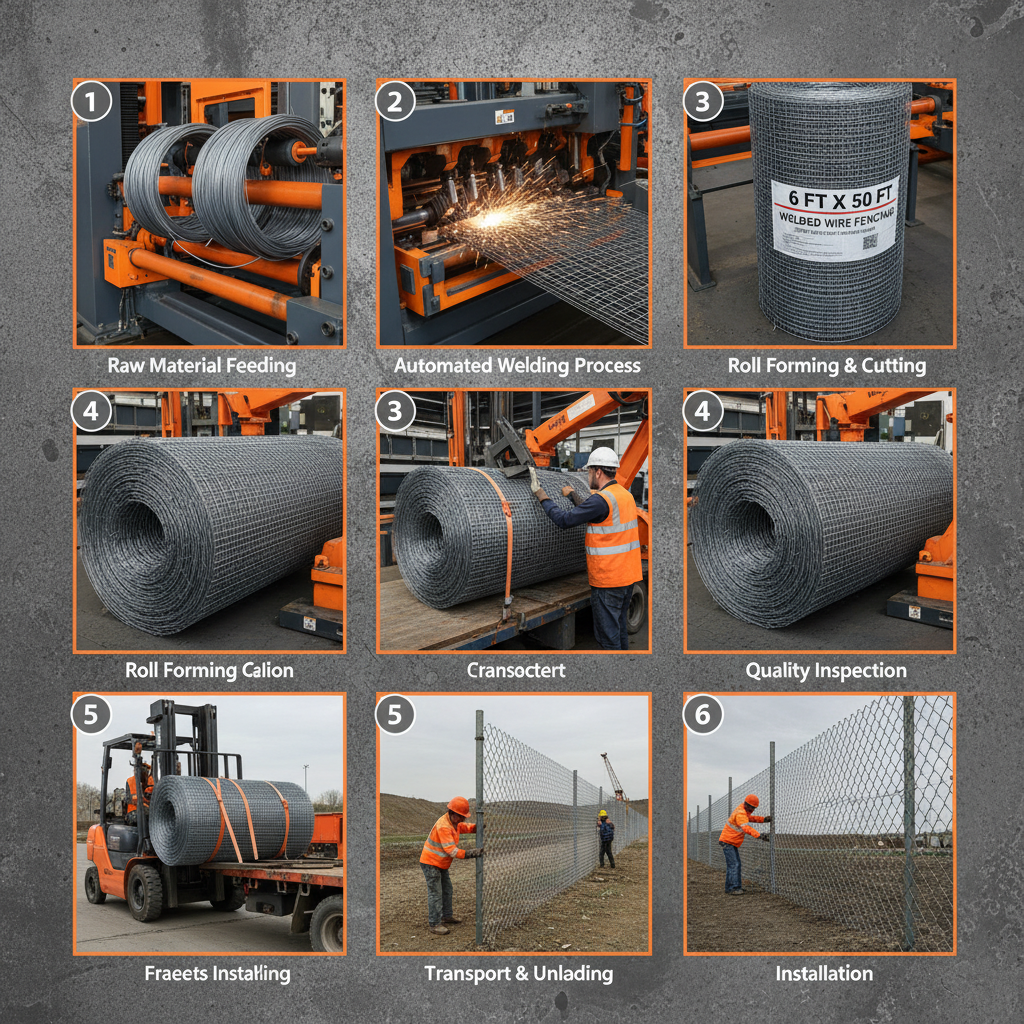 Durable 6 ft x 50 ft welded wire fencing for Security and GardensWhen it comes to securing a perimeter, whether for agricultural use, garden protection, or industrial boundaries, the dimensions and material of your fence matter. The 6 ft x 50 ft welded wire fencing offers an ideal balance of height and length, providing a robust barrier that is easy to install and maintain. Choosing a welded wire system ensures that the intersections are fused together, preventing the shifting and sagging often found in woven alternatives. In this guide, we will explore why this specific size is a preferred choice for property owners and how to maximize its effectiveness for your specific project.Read more >
Apr 09 2026
-
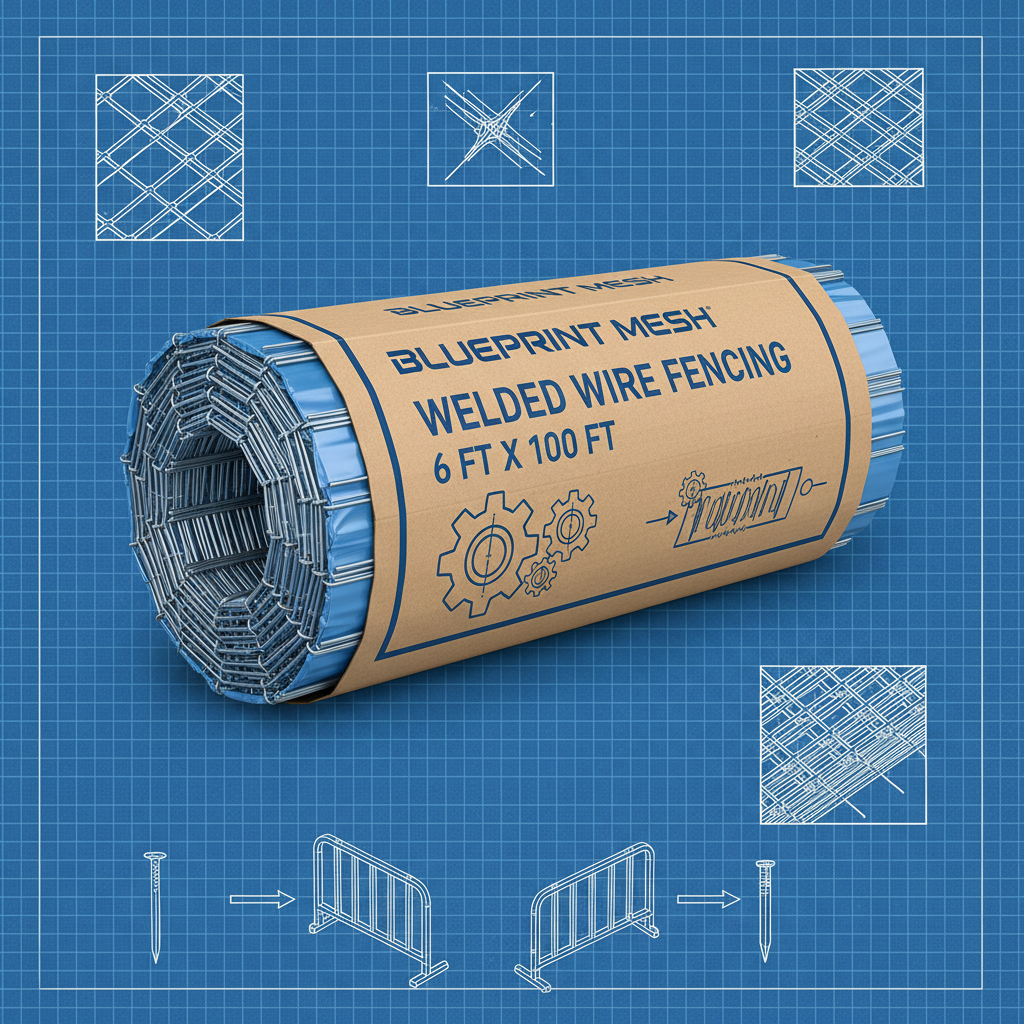 Comprehensive Guide to Choosing the Best 6 ft x 100 ft Welded Wire FencingWelded wire fencing is a versatile and cost-effective solution for a wide range of applications, from agricultural containment to residential security. Understanding the nuances of different types, especially when considering a size like 6 ft x 100 ft welded wire fencing, is crucial for making the right investment. This article will guide you through the essential factors to consider, helping you select the fencing that best suits your specific requirements.Read more >
Apr 07 2026
-
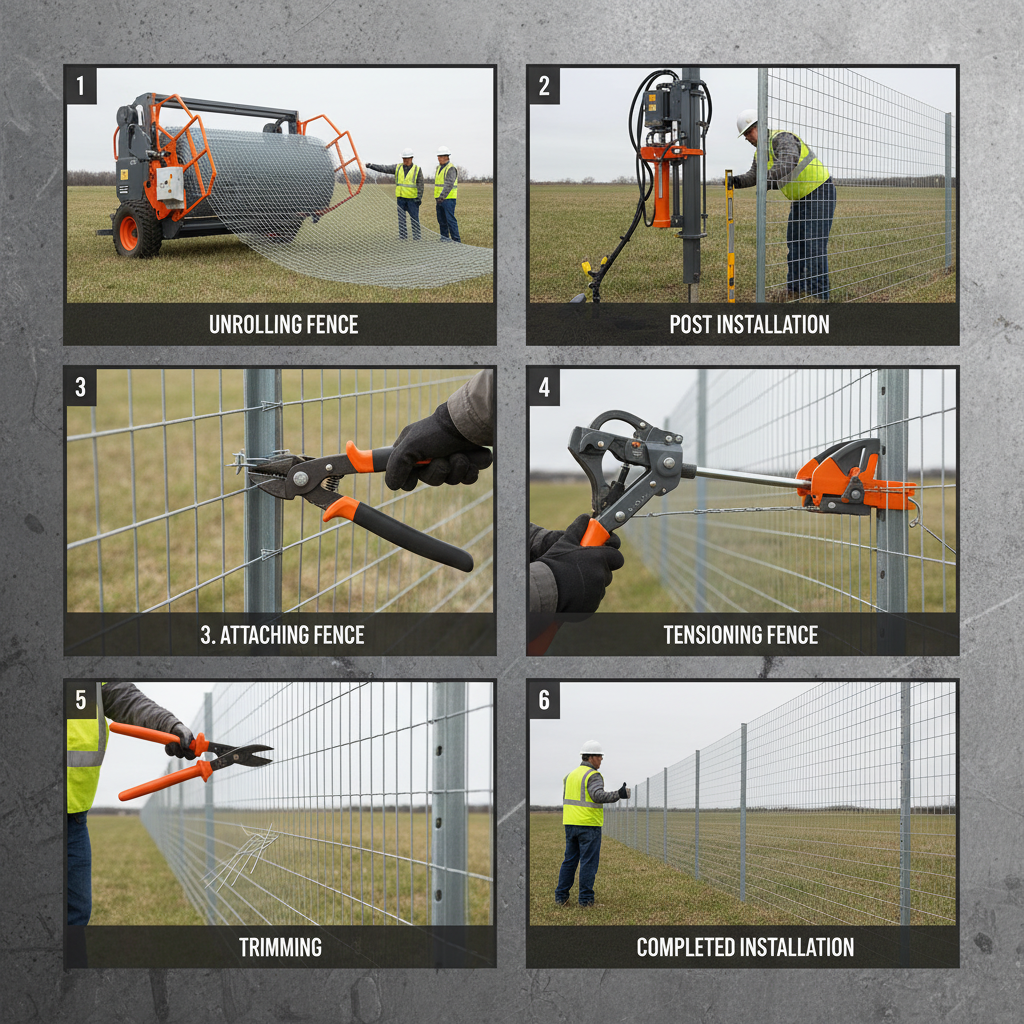 Comprehensive Guide to Choosing a 6 ft x 100 ft 12.5 Gauge Welded Wire FenceSelecting the appropriate fence for your property requires careful consideration. A 6 ft x 100 ft 12.5 gauge welded wire fence offers a robust and versatile solution for a variety of applications, from pet containment to garden protection and security. This guide will explore the benefits, applications, installation tips, and considerations when choosing this type of fencing. Understanding its construction and comparing it to other fencing options will help you make an informed decision.Read more >
Apr 04 2026
-
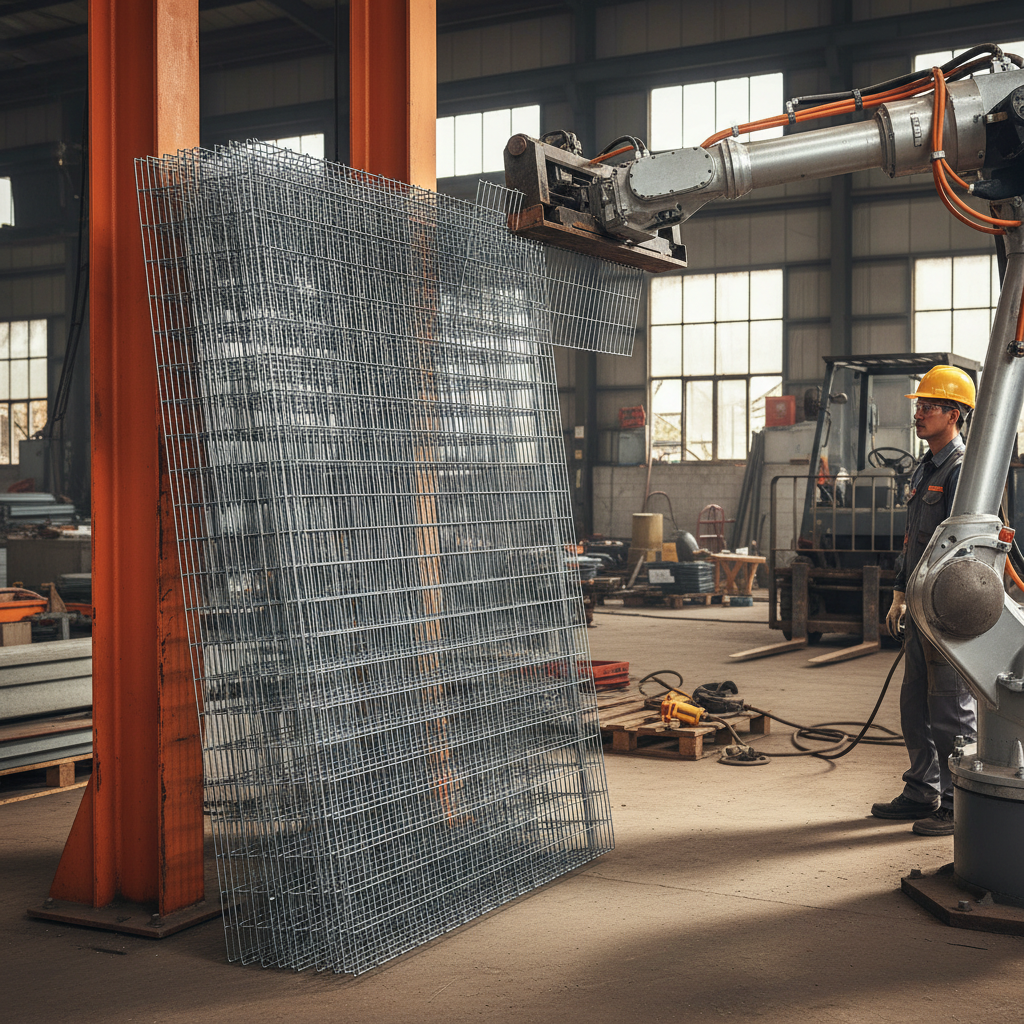 Comprehensive Guide to Durable 6 ft Welded Wire Fencing Panels and ApplicationsWhen selecting fencing for your property, 6 ft welded wire fencing panels offer a robust and versatile solution. These panels combine strength, security, and ease of installation, making them a popular choice for both residential and commercial applications. This article delves into the benefits, applications, installation, and maintenance of these panels, helping you make an informed decision.Read more >
Mar 31 2026