


Metal Mesh Cladding - Durable, Sustainable, and Stylish Building Solutions
Metal Mesh Cladding: A Global Solution for Modern Construction Challenges
Metal mesh cladding might sound niche or purely industrial at first glance, but its ripple effects are felt around the world—from skyscrapers to temporary shelters. At its core, it’s a way architects and engineers tastefully wrap buildings and structures in a lightweight, durable, and often aesthetically pleasing mesh made of metal wires. But the impact goes beyond looks.
Why does metal mesh cladding matter? As urbanization, climate demands, and sustainability goals collide globally, understanding this innovation becomes a smart move—whether you're a specifier, builder, or even a sustainability advocate. In a world moving toward resilient, eco-conscious construction, these seemingly humble meshes quietly lead the way.
Industry Context: Why Metal Mesh Cladding Is Trending Worldwide
The world’s urban population hit 56.2% in 2020 and is expected to reach 68.4% by 2050 (United Nations). Rapid urban growth pushes demand for durable yet innovative building materials. Traditional facades, often heavy, costly, or environmentally taxing, can’t always keep pace.
Against this backdrop, metal mesh cladding is increasingly favored for:
- Ventilated façades reducing heat buildup in hot climates
- Protective layers against weathering and damage
- Smart sunshading solutions that reduce energy consumption
It’s not just the aesthetics or novelty. It’s an answer to the building sector’s sustainability challenge—ISO standards have emphasized energy efficiency optimization for facades, and metal mesh cladding fits in neatly.
Plus, in areas prone to environmental disruptions—from hurricane-prone zones to post-disaster relief camps—the modular, flexible nature of mesh cladding helps structures adapt quickly and cost-effectively.
Mini takeaway: Metal mesh cladding integrates style, sustainability, and resilience into modern architecture globally, responding to booming urban populations and climate challenges.
What Exactly Is Metal Mesh Cladding?
Simply put, metal mesh cladding refers to a building’s exterior layer made from woven or welded metal wires—usually stainless steel, aluminum, or galvanized steel—arranged in mesh patterns. This cladding acts as a skin that protects, ventilates, or decorates a building.
Its versatility connects it to various industries beyond commercial construction, including:
- Industrial plant safety (screening hazardous zones)
- Humanitarian shelters (light and breathable yet secure coverings)
- Ventilated partitions in hospitals or clean rooms
The mesh allows airflow while serving as a barrier—a neat equilibrium of form and function that industries increasingly rely on.
Key Characteristics of Metal Mesh Cladding and Why They Matter
1. Durability
Metal mesh is inherently robust, resisting corrosion and physical wear. Many engineers praise stainless steel mesh for its lifespan of 25+ years even in harsh coastal environments.
2. Scalability & Customization
Whether covering a tiny kiosk or a stadium façade, mesh cladding scales well. Modular panels come in various panel sizes, mesh densities, and metal gauges tailored to project size, budget, and purpose.
3. Cost Efficiency
Compared to stone or glass façades, metal mesh is lighter and easier to install, saving labor costs and foundation burdens. Plus, its recyclability contributes to economic sustainability.
4. Environmental Performance
A ventilated cladding system can reduce heat build-up and decrease reliance on HVAC systems, pushing energy efficiency metrics forward.
5. Aesthetic Flexibility
Designers can play with mesh patterns, colors (via powder coating), and layering effects, achieving a modern 'industrial chic' look or more subtle elegant profiles.
Mini takeaway: Metal mesh cladding’s durability, adaptability, and sustainability make it a practical choice for a wide variety of building projects.
Worldwide Applications & Real-Life Examples
From Sydney’s iconic Opera House renovation to new airport terminals in Dubai, metal mesh cladding has found a cozy spot. Here are some worth noting:
- Post-disaster relief: Aid organizations use mesh cladding in modular shelters to provide ventilation and security in tropical climates.
- Industrial zones: Factories in Europe and Asia prefer metallic meshes as protective barriers that still allow airflow for machine cooling.
- Public infrastructure: Bridges and pedestrian walkways use mesh cladding to balance safety, durability, and low maintenance.
A case in point—after wildfires ravaged housing in California, local authorities rebuilt eco-friendly homes using ventilated metal mesh cladding to reduce future fire risks and heat stress.
Advantages & Long-Term Value of Metal Mesh Cladding
If you strip it down to basics, the benefits practically sell themselves:
- Cost savings: Lower installation times and reduced energy bills.
- Sustainability: Recyclable materials and better thermal regulation.
- Safety and dignity: Especially in humanitarian contexts, breathable, durable shelter skin improves quality of life.
- Innovation: Trendy, customizable aesthetics build trust with modern clients and communities.
From a human perspective, knowing a building’s façade works with the environment not against it sparks a sense of confidence—and frankly, pride.
Product Specification: Typical Metal Mesh Cladding Panel
| Feature | Specification | Details |
|---|---|---|
| Material | Stainless Steel 316 | Best for corrosion resistance |
| Mesh Opening | 12 mm x 12 mm | Balanced airflow and protection |
| Panel Size | 1000 mm x 2000 mm | Modular attachment |
| Thickness | 1.2 mm wire diameter | Ensures strength and flexibility |
| Finish | Powder-coated | Custom colors available |
Vendor Comparison: Top Metal Mesh Cladding Suppliers
| Vendor | Material Options | Customization | Lead Time | Price Range |
|---|---|---|---|---|
| Chch Fence Ltd. | Stainless Steel, Galvanized Steel | Full custom mesh patterns & colors | 2–4 weeks | $$$ |
| MeshTech | Aluminum, Stainless Steel | Limited sizes; powder coating | 3–5 weeks | $$ |
| SecureMesh Inc. | Stainless Steel, Galvanized Steel | Standard patterns only | 1–3 weeks | $ |
Looking Ahead: Future Trends in Metal Mesh Cladding
Innovation in metal mesh cladding isn’t resting. We’re starting to see:
- Green coatings: Anti-pollution and self-cleaning nano layers
- Smart integration: Embedded sensors to monitor façade health and environmental conditions
- Digital fabrication: Robotics that customize complex mesh patterns with near-zero waste
- Hybrid materials: Combining metals with recyclable polymers for even lighter but strong panels
Such trends promise not only a cooler, more sustainable planet but also truly responsive buildings that “breathe” with their environment.
Common Challenges and Solutions With Metal Mesh Cladding
Metal mesh cladding is fantastic, but let’s not pretend it’s perfect. Some hurdles include:
- Cost hurdles on premium stainless steel meshes – a real issue for budget projects.
- Installation complexity: Requires skilled labor — misaligned panels can cause wind noise or water ingress.
- Maintenance concerns: Dirt accumulation in colors or coatings may affect appearance long term.
Experts recommend upfront planning, quality vendor relationships — like metal mesh cladding specialists — and regular inspections. Innovations like digital templates for precision fitting are smoothing these bumps.
FAQ: Your Burning Questions About Metal Mesh Cladding
- Q1: How does metal mesh cladding improve building energy efficiency?
- A: The mesh creates a ventilated gap between the cladding and the wall, helping reduce heat gain by shading and allowing airflow. This reduces reliance on air conditioning, lowering energy consumption.
- Q2: Can metal mesh cladding withstand harsh coastal environments?
- A: Yes, especially stainless steel grades like 316, which resist corrosion from salt and humidity. Proper coatings and maintenance further enhance durability.
- Q3: Is metal mesh cladding suitable for temporary or modular housing?
- A: Absolutely. Its lightweight, modular nature makes it easy to install and adapt, which is perfect for disaster relief shelters or fast deployment housing.
- Q4: How customizable are the mesh designs?
- A: Very. Providers often offer a range of mesh sizes, wire thicknesses, panel dimensions, and color finishes to fit both functional and aesthetic needs.
- Q5: Where can I find reliable suppliers of metal mesh cladding?
- A: It’s best to partner with established vendors like Chch Fence Ltd., which have proven track records in quality and support. Their expertise eases design and installation.
Wrapping Up
Metal mesh cladding stands tall as a versatile, durable, and eco-friendly solution shaping the future of construction worldwide. Whether your project demands sun protection, aesthetic flair, or rapid deployment, these meshes deliver long-term value and peace of mind.
Ready to explore how metal mesh cladding can serve your next project? Visit our website to learn more: https://www.chbarrier.com and discover tailored solutions from industry experts.
It’s funny how something as straightforward as metal wire, woven with precision, can redefine architecture and aid communities worldwide — but that’s the beauty of thoughtful design.
References:
1. United Nations, World Urbanization Prospects (2018): https://population.un.org/wup/
2. ISO 13790: Energy performance of buildings – Calculation of energy use for space heating and cooling (2017)
3. Wikipedia, Metal Mesh: https://en.wikipedia.org/wiki/Metal_mesh
Latest News About CHENG CHUANG
-
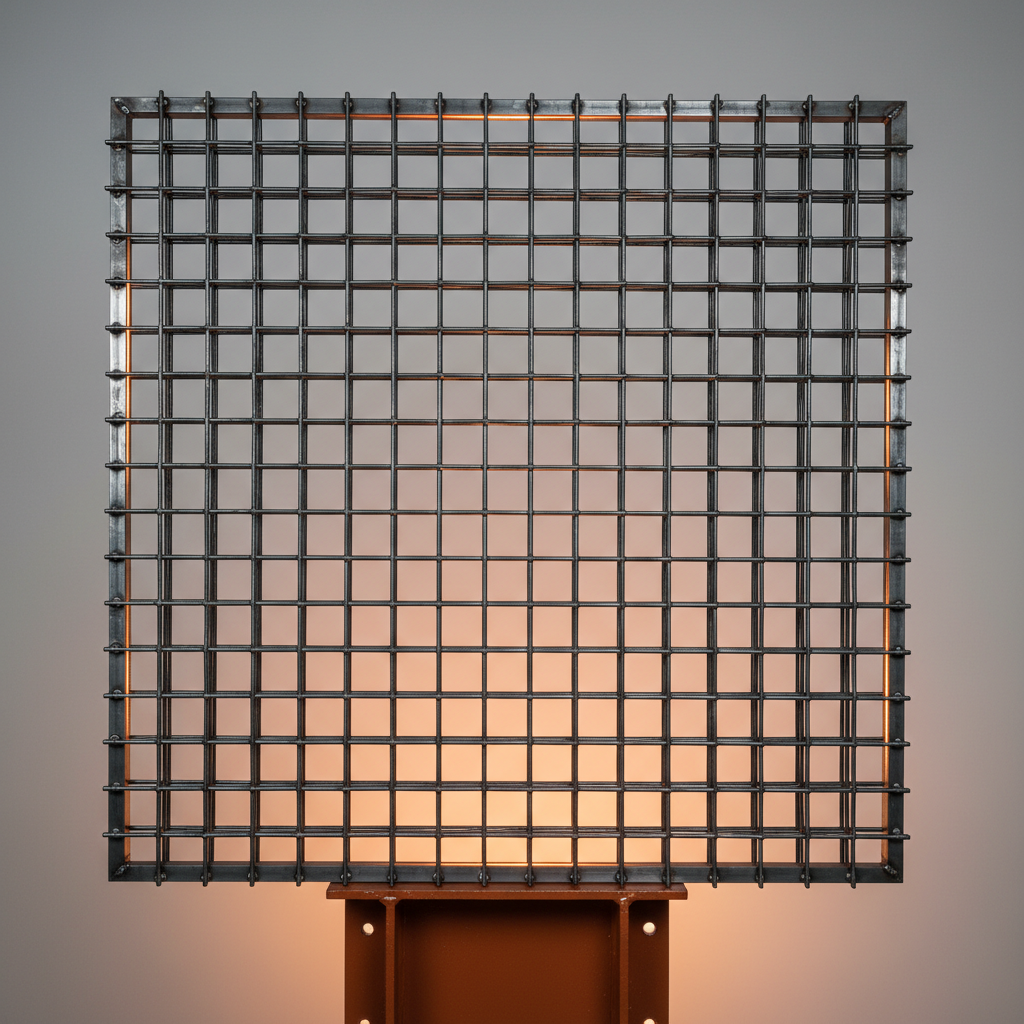 Heavy Duty 6 gauge welded wire mesh for Security and StrengthWhen it comes to heavy-duty containment, security, and structural reinforcement, choosing the right material is critical. The 6 gauge welded wire mesh stands as a premier choice for those requiring a balance of extreme rigidity and precise spacing. Whether you are securing a commercial perimeter, building industrial livestock panels, or creating reinforced concrete structures, this specific thickness provides the structural integrity needed to withstand significant pressure and impact. In this comprehensive guide, we will explore the technical specifications, primary applications, and why this mesh is the gold standard for high-security fencing solutions.Read more >
Apr 16 2026
-
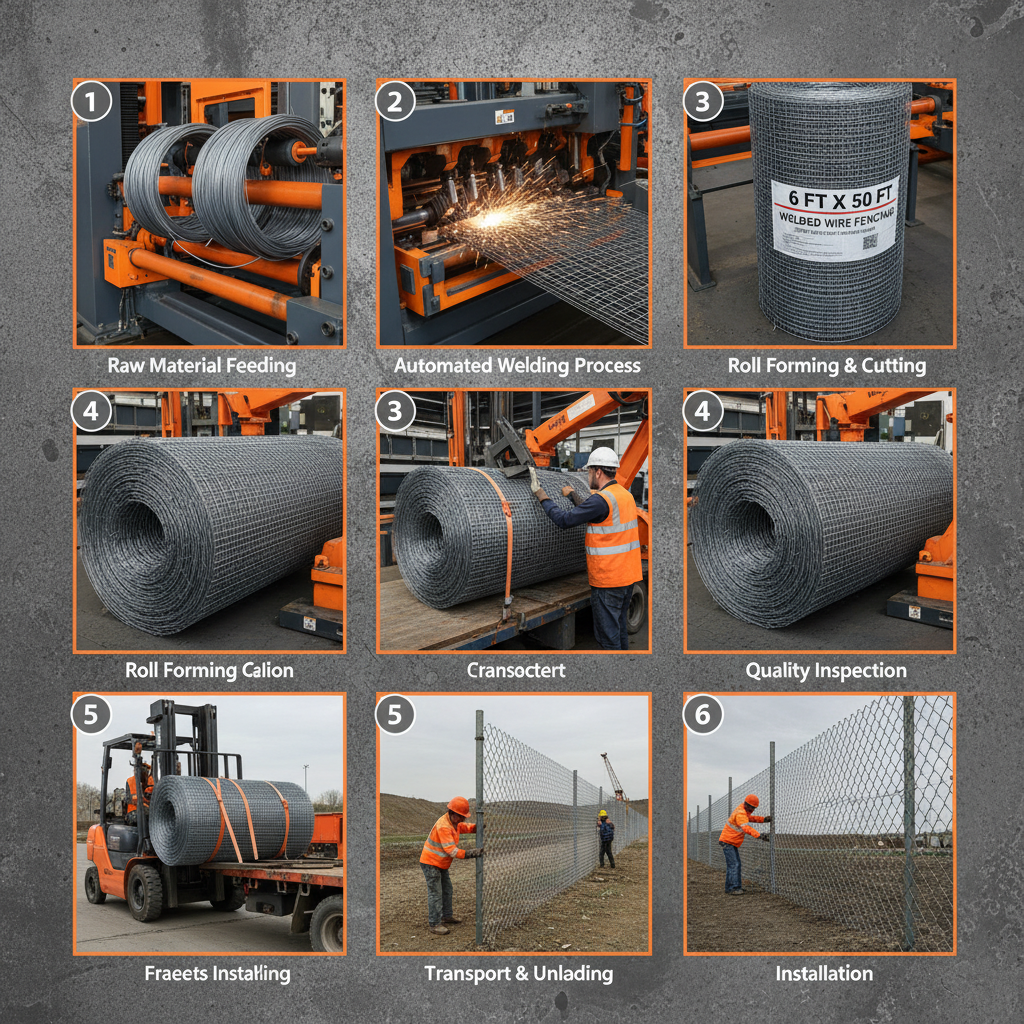 Durable 6 ft x 50 ft welded wire fencing for Security and GardensWhen it comes to securing a perimeter, whether for agricultural use, garden protection, or industrial boundaries, the dimensions and material of your fence matter. The 6 ft x 50 ft welded wire fencing offers an ideal balance of height and length, providing a robust barrier that is easy to install and maintain. Choosing a welded wire system ensures that the intersections are fused together, preventing the shifting and sagging often found in woven alternatives. In this guide, we will explore why this specific size is a preferred choice for property owners and how to maximize its effectiveness for your specific project.Read more >
Apr 09 2026
-
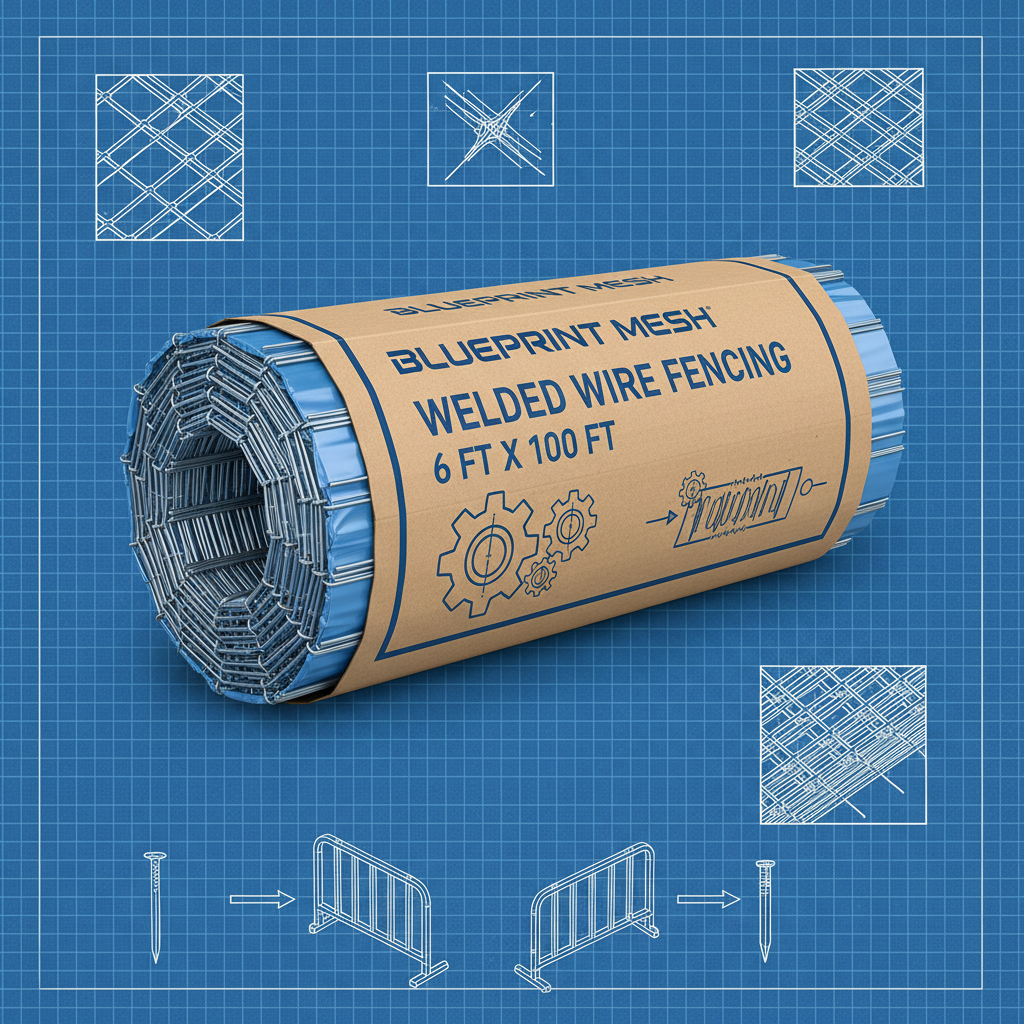 Comprehensive Guide to Choosing the Best 6 ft x 100 ft Welded Wire FencingWelded wire fencing is a versatile and cost-effective solution for a wide range of applications, from agricultural containment to residential security. Understanding the nuances of different types, especially when considering a size like 6 ft x 100 ft welded wire fencing, is crucial for making the right investment. This article will guide you through the essential factors to consider, helping you select the fencing that best suits your specific requirements.Read more >
Apr 07 2026
-
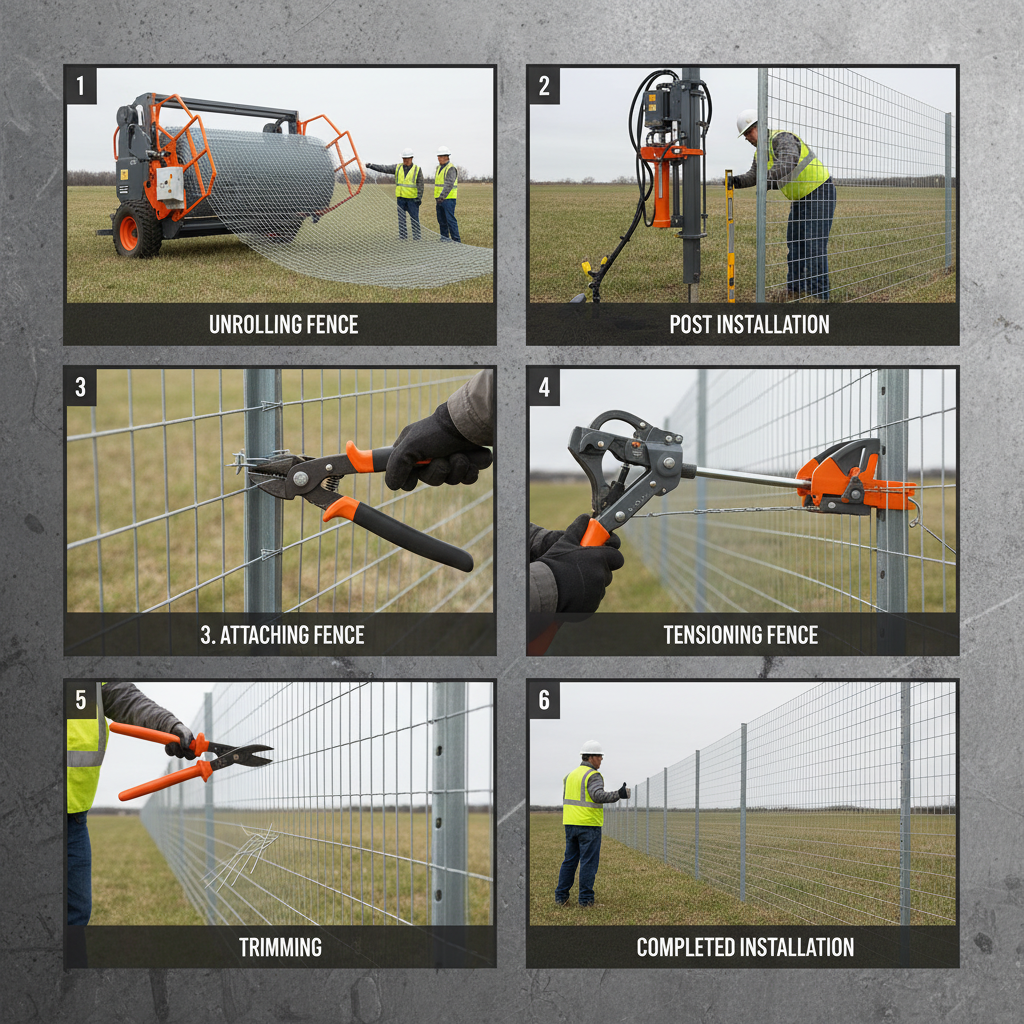 Comprehensive Guide to Choosing a 6 ft x 100 ft 12.5 Gauge Welded Wire FenceSelecting the appropriate fence for your property requires careful consideration. A 6 ft x 100 ft 12.5 gauge welded wire fence offers a robust and versatile solution for a variety of applications, from pet containment to garden protection and security. This guide will explore the benefits, applications, installation tips, and considerations when choosing this type of fencing. Understanding its construction and comparing it to other fencing options will help you make an informed decision.Read more >
Apr 04 2026
-
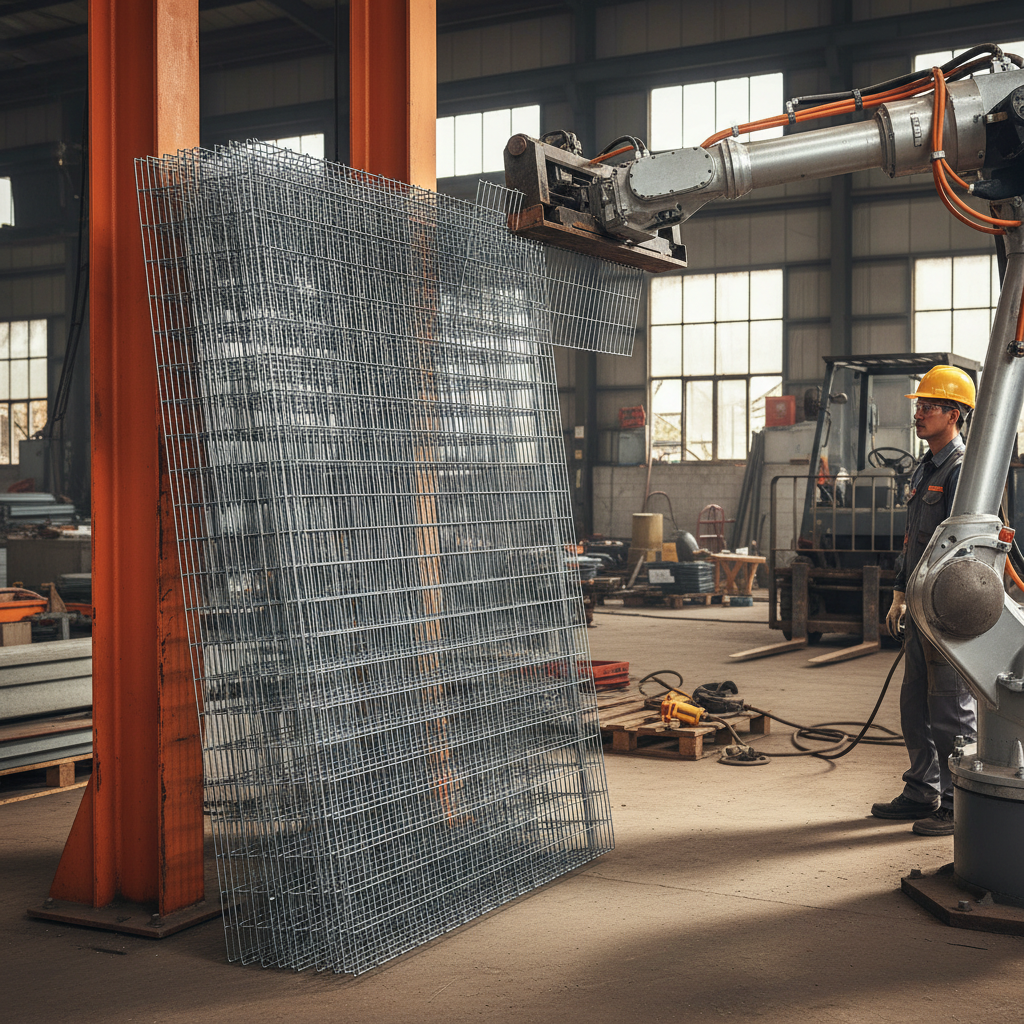 Comprehensive Guide to Durable 6 ft Welded Wire Fencing Panels and ApplicationsWhen selecting fencing for your property, 6 ft welded wire fencing panels offer a robust and versatile solution. These panels combine strength, security, and ease of installation, making them a popular choice for both residential and commercial applications. This article delves into the benefits, applications, installation, and maintenance of these panels, helping you make an informed decision.Read more >
Mar 31 2026