


Modular Noise Barrier Eases Installation
Urbanization intensifies noise pollution, making noise barrier systems essential for preserving human health and tranquility. These structures, ranging from massive highway walls to discreet noise reduction fence installations, physically block or absorb sound waves before they reach sensitive areas. Particularly vital are noise barriers residential solutions, shielding homes from relentless traffic, industrial activities, and construction clamor. Beyond mere acoustic function, modern barriers integrate aesthetic design, environmental sustainability, and structural resilience. This comprehensive guide examines the engineering principles, material innovations, regulatory frameworks, and transformative benefits of noise mitigation infrastructure. Whether safeguarding hospitals near airports or creating peaceful backyard sanctuaries, strategic noise control elevates quality of life while supporting community development goals in increasingly noisy environments.
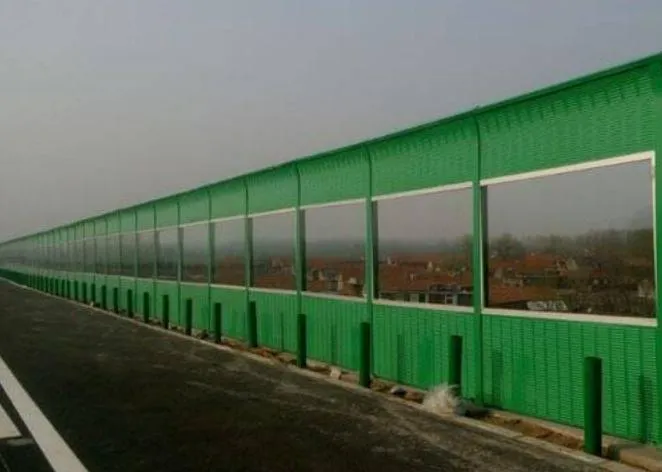
The Science Behind Effective noise barrier Performance
A noise barrier operates on fundamental acoustics: mass, density, and continuity determine its sound-blocking capability. Sound waves lose energy when encountering dense materials like concrete, mass-loaded vinyl, or earth berms. The Barrier Mass Law dictates that doubling a barrier’s weight typically reduces transmitted noise by approximately 6 decibels—a perceptible halving of loudness. Equally critical is eliminating gaps; even a 1% opening can degrade performance by 10 dB. Height remains paramount—barriers must visually intercept the noise source from the receiver’s perspective. For highways, this often requires 12-20 foot structures. Reflective barriers simply redirect noise, while absorptive types lined with mineral wool or recycled foam dissipate sound energy as heat. Computational modeling predicts site-specific effectiveness before installation. Properly engineered noise barrier systems achieve 10-15 dB reductions, transforming unbearable noise into background hum.
Design Innovations in Modern noise reduction fence Solutions
Today’s noise reduction fence transcends basic functionality through intelligent design. Transparent acrylic or polycarbonate panels maintain sightlines while blocking sound—ideal for scenic routes or historic districts. Living walls integrate hydroponic vegetation into barrier structures, combining noise absorption with air purification. Modular systems with interlocking concrete or steel components accelerate installation and allow future extensions. For railways, angled or T-shaped caps deflect noise upward. Photovoltaic-integrated barriers generate solar energy along highways. Key advances include composite materials like fiber-reinforced polymers offering strength-to-weight ratios 5x greater than steel, and micro-perforated absorbers targeting specific frequency ranges. Smart noise reduction fence prototypes even embed sensors monitoring structural integrity or traffic density. Customizable finishes—from wood textures to digital prints—enable seamless blending into urban landscapes or branding opportunities. These innovations deliver quieter environments without sacrificing visual appeal.
Implementing Effective noise barriers residential Communities
Noise barriers residential projects demand careful planning to address neighborhood-specific challenges. First, conduct professional noise mapping to identify hotspots—often homes near intersections, highways, or industrial zones. Community input ensures designs respect aesthetic preferences and property access. Freestanding barriers along property lines typically require 4-8 feet of space and deep foundations to withstand wind loads. For tighter spaces, attach solid barriers directly to existing fences or walls, augmenting mass. Vegetated berms with dense shrubs provide natural-looking alternatives where space permits. Critical specifications include minimum STC 25 Sound Transmission Class ratings and heights exceeding the direct line between noise source and receiver windows. Maintenance planning is vital—durable materials like precast concrete or powder-coated aluminum minimize upkeep. Successful noise barriers residential initiatives reduce indoor noise by 50-70%, restoring peaceful living environments.
Material Selection Guide for Durable noise barrier Systems
Choosing optimal materials dictates a noise barrier’s lifespan, cost, and acoustic performance. Concrete remains dominant for permanent highway barriers—precast panels offer rapid deployment, while cast-in-place suits complex geometries.Timber barriers suit natural settings but require chemical treatments against rot and insects. Recycled composites made from tire rubber or plastic waste deliver eco-friendly sound absorption. For lightweight needs, aluminum panels with mineral wool cores resist corrosion. Earth berms offer the lowest cost but demand significant land. Critical considerations: weather resistance (UV stability for plastics, freeze-thaw durability for concrete), fire ratings near roads, and graffiti-resistant coatings in urban areas.
Regulatory Compliance and Installation Protocols for noise reduction fence Projects
Installing a noise reduction fence involves navigating complex regulations.Local zoning codes govern height restrictions—typically 6-8 feet for residential zones unless variances are granted. Permitting requires structural engineering stamps verifying wind/shear resistance calculations. Installation starts with precise surveying, followed by foundation work: concrete footings below frost lines for permanent barriers, driven posts for fences. Modular panels then mount via crane or manual lifting with strict alignment tolerances. Sealing joints with acoustic caulk prevents flanking noise. Post-installation verification testing ensures design compliance. Maintenance protocols include annual inspections for cracks, vegetation encroachment, or vandalism. Non-compliant barriers risk removal orders and fines, making professional planning essential for code-adherent noise reduction fence systems.
FAQS about Expert Guidance on noise barrier Implementation
What is the typical noise reduction achieved by a highway noise barrier?
Properly designed noise barrier systems reduce perceived loudness by 50-70%, lowering levels 10-15 decibels. Effectiveness depends on barrier height, material density, and receiver proximity.
Can noise barriers residential installations increase property values?
Yes! Studies show noise barriers residential projects boost adjacent home values 5-15% by enhancing livability. Quieter properties sell faster and command premium prices.
How thick must a noise reduction fence be to block traffic noise?
A minimum 3-inch thickness with dense core materials is recommended for noise reduction fence efficacy. Thicker barriers with absorptive layers further improve low-frequency attenuation.
Do noise barriers require special foundations?
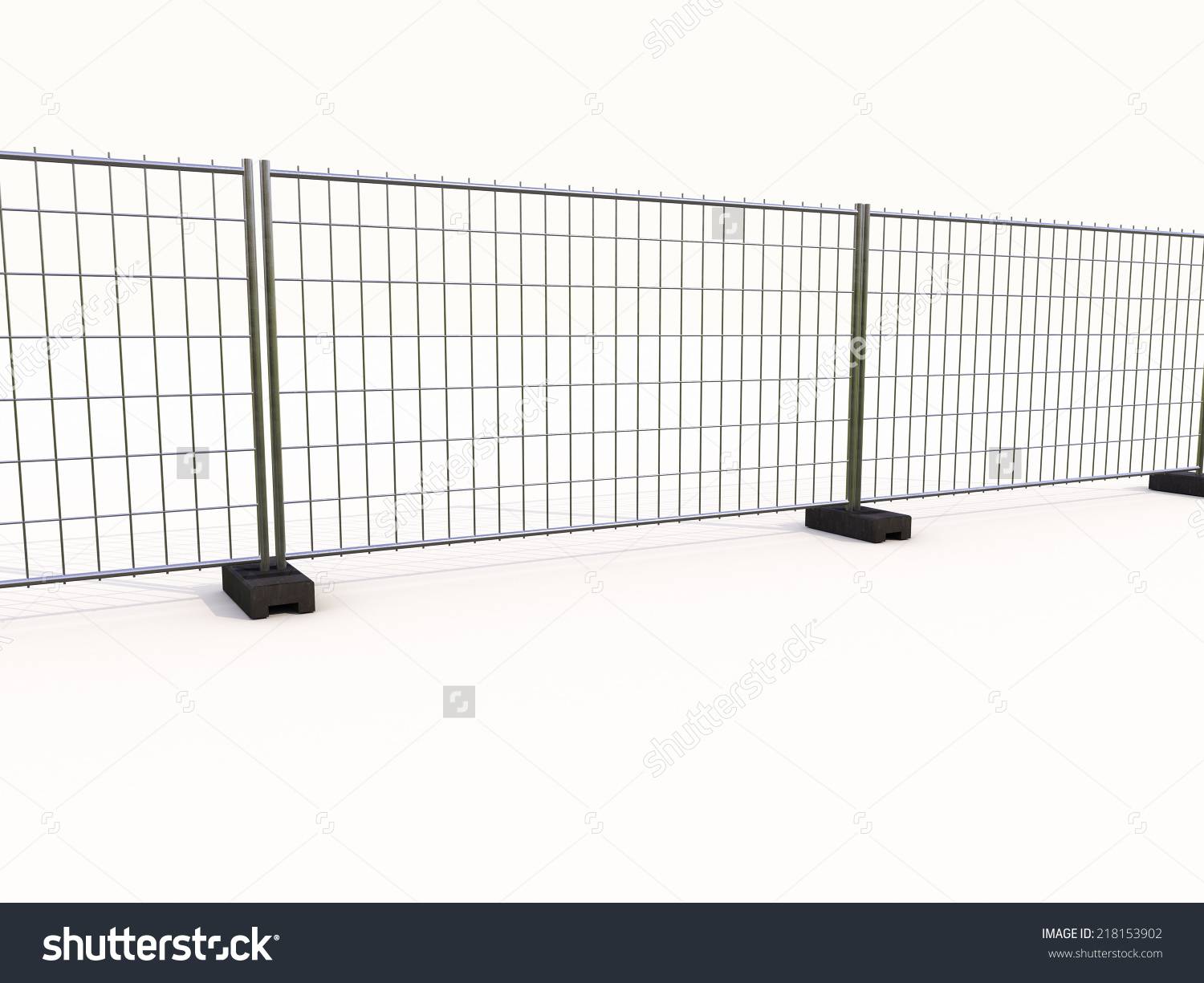
Permanent noise barrier systems need concrete foundations extending below frost lines. Temporary fences may use ballasted bases but require engineering approval against wind loads.
Are transparent noise barriers residential options as effective as opaque?
Modern acrylic noise barriers residential solutions achieve STC 25-30 ratings comparable to many solid barriers while preserving views and natural light transmission.
Stop compromising between peace and progress. Our company designs, manufactures, and installs premium noise barrier systems tailored to your unique acoustic challenges. Explore our extensive portfolio—from towering highway noise reduction fence installations to elegant noise barriers residential screens—all engineered to exceed ASTM and ISO acoustic standards. We utilize military-grade materials and proprietary sound-absorbing technologies guaranteeing 10-25 dB reductions. Request a free site assessment: our experts will conduct noise mapping, recommend optimal barrier types, and provide detailed cost-benefit analyses. With in-house manufacturing and certified installation crews, we deliver turnkey projects 30% faster than industry averages. Don’t endure another sleepless night—leverage our 20-year warranties and financing options to reclaim your tranquility.Download our product catalog. Silence is golden; invest in it now!
Latest News About CHENG CHUANG
-
 Heavy Duty 6 gauge welded wire mesh for Security and StrengthWhen it comes to heavy-duty containment, security, and structural reinforcement, choosing the right material is critical. The 6 gauge welded wire mesh stands as a premier choice for those requiring a balance of extreme rigidity and precise spacing. Whether you are securing a commercial perimeter, building industrial livestock panels, or creating reinforced concrete structures, this specific thickness provides the structural integrity needed to withstand significant pressure and impact. In this comprehensive guide, we will explore the technical specifications, primary applications, and why this mesh is the gold standard for high-security fencing solutions.Read more >
Apr 16 2026
-
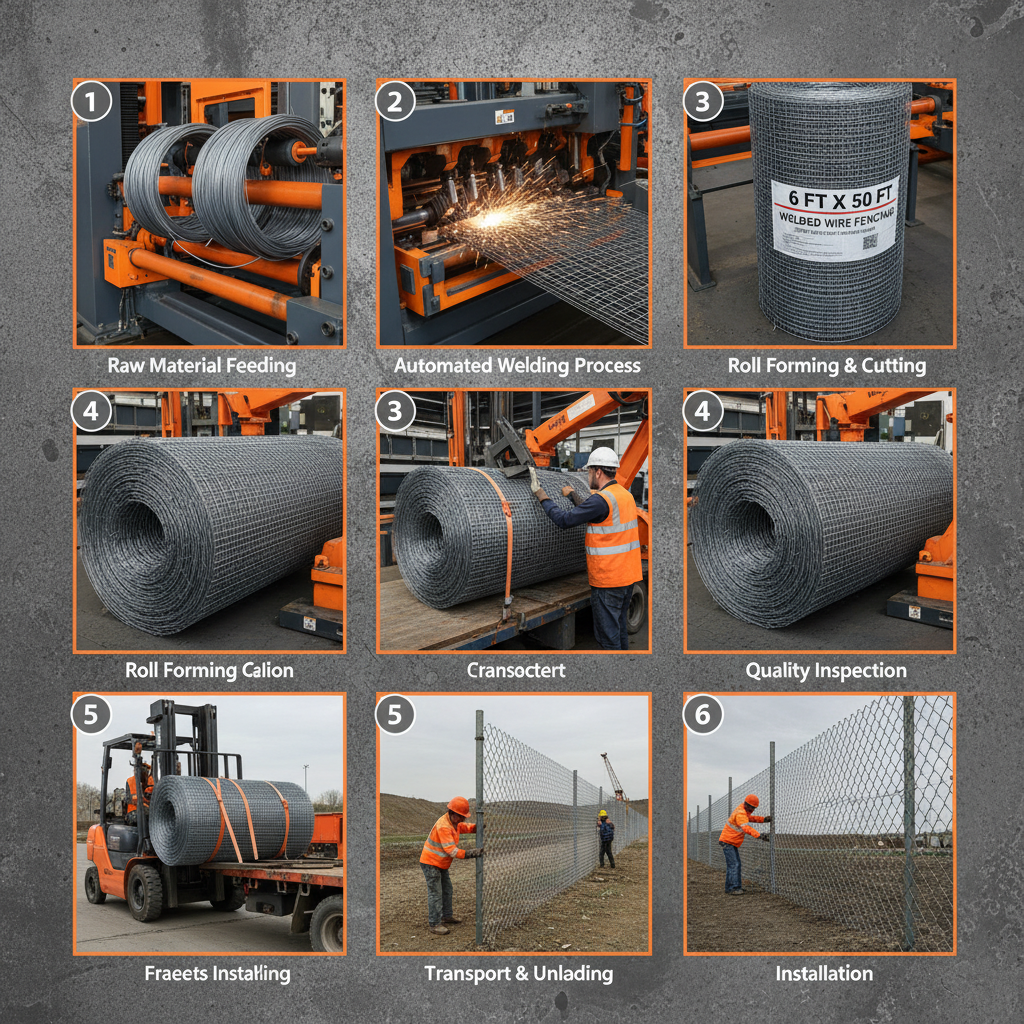 Durable 6 ft x 50 ft welded wire fencing for Security and GardensWhen it comes to securing a perimeter, whether for agricultural use, garden protection, or industrial boundaries, the dimensions and material of your fence matter. The 6 ft x 50 ft welded wire fencing offers an ideal balance of height and length, providing a robust barrier that is easy to install and maintain. Choosing a welded wire system ensures that the intersections are fused together, preventing the shifting and sagging often found in woven alternatives. In this guide, we will explore why this specific size is a preferred choice for property owners and how to maximize its effectiveness for your specific project.Read more >
Apr 09 2026
-
 Comprehensive Guide to Choosing the Best 6 ft x 100 ft Welded Wire FencingWelded wire fencing is a versatile and cost-effective solution for a wide range of applications, from agricultural containment to residential security. Understanding the nuances of different types, especially when considering a size like 6 ft x 100 ft welded wire fencing, is crucial for making the right investment. This article will guide you through the essential factors to consider, helping you select the fencing that best suits your specific requirements.Read more >
Apr 07 2026
-
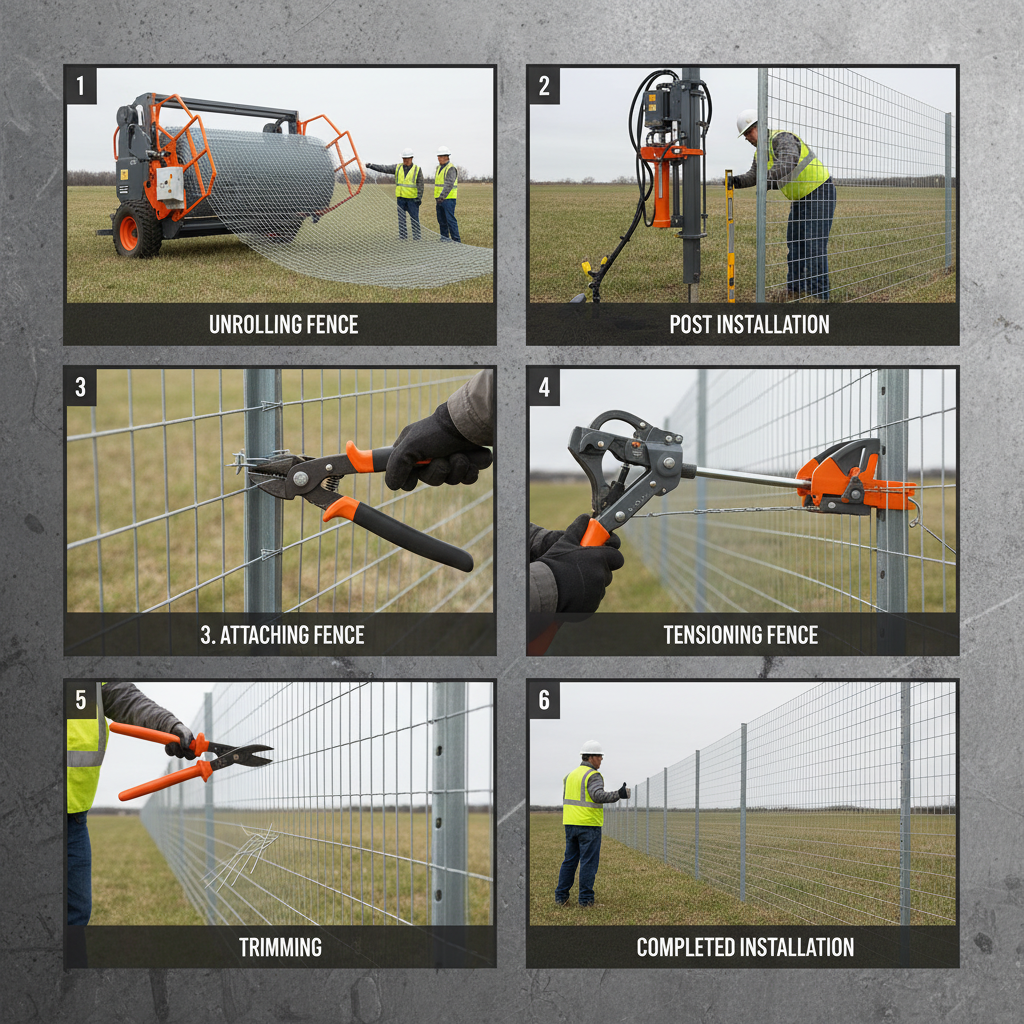 Comprehensive Guide to Choosing a 6 ft x 100 ft 12.5 Gauge Welded Wire FenceSelecting the appropriate fence for your property requires careful consideration. A 6 ft x 100 ft 12.5 gauge welded wire fence offers a robust and versatile solution for a variety of applications, from pet containment to garden protection and security. This guide will explore the benefits, applications, installation tips, and considerations when choosing this type of fencing. Understanding its construction and comparing it to other fencing options will help you make an informed decision.Read more >
Apr 04 2026
-
 Comprehensive Guide to Durable 6 ft Welded Wire Fencing Panels and ApplicationsWhen selecting fencing for your property, 6 ft welded wire fencing panels offer a robust and versatile solution. These panels combine strength, security, and ease of installation, making them a popular choice for both residential and commercial applications. This article delves into the benefits, applications, installation, and maintenance of these panels, helping you make an informed decision.Read more >
Mar 31 2026