


Nylon Wire Mesh – Durable, Sustainable, and Versatile Solutions Worldwide
What Is Nylon Wire Mesh and Why Does It Matter Globally?
At first glance, nylon wire mesh might sound like a niche industrial material — some kind of fancy plastic netting. But if you pause for a moment, you start to realize that it plays a surprisingly big role, especially worldwide. From agricultural fencing in remote regions to filtration systems in high-tech industries, this product offers solutions that perfectly balance durability, affordability, and versatility. Its global importance ties closely to sustainable development goals, infrastructure resilience, and even humanitarian relief projects. In other words: understanding nylon wire mesh isn't just for engineers or buyers—it's for anyone interested in how materials shape our future.
Introduction: The Global Context of Nylon Wire Mesh
According to recent ISO standards on industrial materials, synthetic meshes like nylon wire mesh have been seeing steady growth year over year—roughly a 5% compound annual growth rate worldwide over the past decade. Part of the reason? The rise of lightweight, cost-effective materials that can replace metals in many contexts with a carbon footprint advantage. Plus, the United Nations has highlighted the material’s role in improving soil retention in agriculture, pest control, and temporary protective barriers in disaster zones. However, there remains a challenge: balancing the need for strength with affordability while maintaining environmental consciousness. This is where nylon wire mesh shines — tough enough for many industrial applications but affordable and flexible enough to deploy nearly anywhere.
Defining Nylon Wire Mesh
In simple terms, nylon wire mesh is a woven or knitted netting made from nylon filaments or fibers. Unlike traditional wire meshes made of metal, this mesh uses synthetic fibers that provide excellent resistance to corrosion, UV rays, and chemical exposure. This means it can last longer in outdoor or harsh environments. Modern industry often relies on nylon wire mesh for various applications ranging from filtration to fencing, to reinforcement in composite products. In humanitarian contexts, this material often acts as a lightweight barrier or protection in emergency shelters, preserving dignity and safety.
Key Factors Behind Nylon Wire Mesh’s Rise
Durability
Nylon’s inherent strength combined with excellent abrasion resistance makes this mesh a reliable choice even for outdoor uses. It won't rust like steel, nor does it degrade quickly under UV exposure.
Flexibility & Lightweight
Unlike rigid metal wire, nylon mesh can flex to a degree without breaking, making installation easier — particularly in uneven terrain or complex shapes.
Cost Efficiency
Though slightly pricier than some plastics, nylon wire mesh often costs less than stainless steel wire mesh. Plus, long-term maintenance savings add up because you don’t have to replace or treat it frequently.
Environmental Resistance
Nylon is chemically inert in many cases, resisting acids, alkalis, and molds—great for agricultural or industrial settings where exposure to chemicals is common.
Customization & Scalability
Manufacturers can produce nylon wire mesh in varied aperture sizes, mesh thicknesses, and weaves, tailoring products for everything from delicate insect screens to heavy-duty industrial filters.
Mini takeaway:
- Nylon wire mesh combines toughness with lightness and chemical resistance.
- It offers practical advantages in installation, cost, and longevity.
Worldwide Applications of Nylon Wire Mesh
The funny thing about nylon wire mesh is how it quietly shows up everywhere. In Southeast Asia and parts of Africa, farmers use dense meshes to protect crops from insect damage and soil loss. Meanwhile, industries in North America and Europe have adopted it for air and water filtration systems — keeping factories running clean and compliant.
International NGOs often specify nylon wire mesh in post-disaster shelter kits. For example, during recent cyclone relief operations in Bangladesh, the mesh served as protective enclosures around temporary housing, easing airflow while keeping pests away. In remote mining or industrial work sites, nylon mesh fences ensure safety without heavy shipping or complicated construction.
If you’re curious about its industrial performances, technical spec sheets often distinguish mesh opening sizes and tensile strength, reflecting the range of uses from lightweight to reinforced meshes.
Nylon Wire Mesh – An Overview of Product Specifications
| Specification | Typical Value | Notes |
|---|---|---|
| Material | Nylon 6 or Nylon 66 | Most common synthetic fibers used |
| Mesh Aperture (Opening Size) | 0.5 mm – 50 mm | Customizable for applications from insect screening to fencing |
| Tensile Strength | Up to 90 MPa | Comparable to moderate steel grades under certain conditions |
| UV Resistance | Good (with stabilizers) | Additives improve outdoor performance |
| Typical Weight | 150–450 g/m2 | Varies by mesh density |
Vendor Comparison: Choosing the Right Nylon Wire Mesh Supplier
| Feature | Vendor A | Vendor B | Vendor C |
|---|---|---|---|
| Range of Aperture Sizes | 0.5–40 mm | 1–50 mm | 0.8–35 mm |
| UV Stabilization | Yes | Optional | Yes |
| Global Shipping | Yes, priority to Asia-Pacific | No - regional only | Yes, worldwide |
| Typical Lead Time | 2–3 weeks | 1–2 weeks | 3–4 weeks |
| Custom Orders | Yes | Limited | Yes |
The Advantages and Long-Term Value of Nylon Wire Mesh
Honestly, what many end-users appreciate the most is the combination of practical longevity with emotional peace of mind. It’s not just about fencing or filtering dirt particles—it's about creating environments where people feel protected, where crops grow safely, or where machinery runs without costly interruptions. Nylon wire mesh offers that sense of security and trust without the premium price tag of metals.
- Cost Savings: Lower maintenance and replacement costs add up significantly over time.
- Sustainability: Lightweight transport means less fuel consumption. Plus, many nylon meshes are recyclable or partly bio-based.
- Social Impact: Used in disaster zones and rural areas to improve living conditions quickly.
- Reliability: Resistance to corrosion and chemicals ensures long-term performance.
So if you think about it from a wider lens, nylon wire mesh helps foster dignity and resilience everywhere it’s deployed.
Looking Ahead: Innovations and Future Trends
There’s a quiet revolution brewing with nylon wire mesh tech. Industry insiders talk about integrating nanotechnology coatings that enhance anti-microbial properties or smart mesh that conducts sensors for industrial monitoring. Sustainability goals push R&D towards bio-based nylons and recycling-friendly designs.
We also see automation influencing how these meshes are produced and installed, making customization faster and more precise. With global green energy policies growing stricter, expect materials like nylon wire mesh—durable yet low-weight—to become even more attractive as substitutes for heavier metals.
Challenges and How Industry Experts Tackle Them
Of course, the material isn’t flawless. Nylon, while strong, can still degrade under extreme heat, and heavy mechanical loads sometimes require metal reinforcements. Also, some cheaper imports suffer from inconsistent quality.
Manufacturers address these concerns by:
- Adding UV and heat stabilizers during production.
- Collaborating with testing agencies for ISO certification and batch consistency.
- Encouraging tailored solutions rather than one-size-fits-all.
FAQ: Common Questions About Nylon Wire Mesh
Q1: What industries commonly use nylon wire mesh?
A1: Nylon wire mesh is popular in agriculture, filtration, construction, and disaster relief. Its flexibility and resistance make it suitable for fencing, crop protection, water filtration, and temporary shelter reinforcements.
Q2: How long does nylon wire mesh last outdoors?
A2: With proper UV stabilization, nylon meshes can last anywhere from 5 to 15 years outdoors, depending on exposure and maintenance. Quality of production significantly affects durability.
Q3: Is nylon wire mesh recyclable?
A3: Yes, nylon is recyclable, though processes vary by region. Some manufacturers focus on bio-based nylons to reduce environmental impact further.
Q4: Can nylon mesh replace metal mesh for heavy-duty applications?
A4: Sometimes. Nylon provides excellent corrosion resistance and flexibility but is not suited for extremely high-load scenarios without reinforcement.
Q5: How can organizations import nylon wire mesh internationally?
A5: Work with global vendors who offer export documentation and comply with international standards. Clear communication on specifications and certifications speeds customs clearance.
Conclusion
So, nylon wire mesh really is a bit of a silent hero. It quietly bolsters industries, supports sustainable farming, and even protects vulnerable populations across the globe. Its balance of versatility, durability, and affordability makes it a standout among synthetic materials. For anyone considering their next material investment or project design, diving into this mesh's options could open new doors.
If you want to learn more or check specific high-quality products, don’t hesitate to visit our site: nylon wire mesh.
References
Latest News About CHENG CHUANG
-
 Heavy Duty 6 gauge welded wire mesh for Security and StrengthWhen it comes to heavy-duty containment, security, and structural reinforcement, choosing the right material is critical. The 6 gauge welded wire mesh stands as a premier choice for those requiring a balance of extreme rigidity and precise spacing. Whether you are securing a commercial perimeter, building industrial livestock panels, or creating reinforced concrete structures, this specific thickness provides the structural integrity needed to withstand significant pressure and impact. In this comprehensive guide, we will explore the technical specifications, primary applications, and why this mesh is the gold standard for high-security fencing solutions.Read more >
Apr 16 2026
-
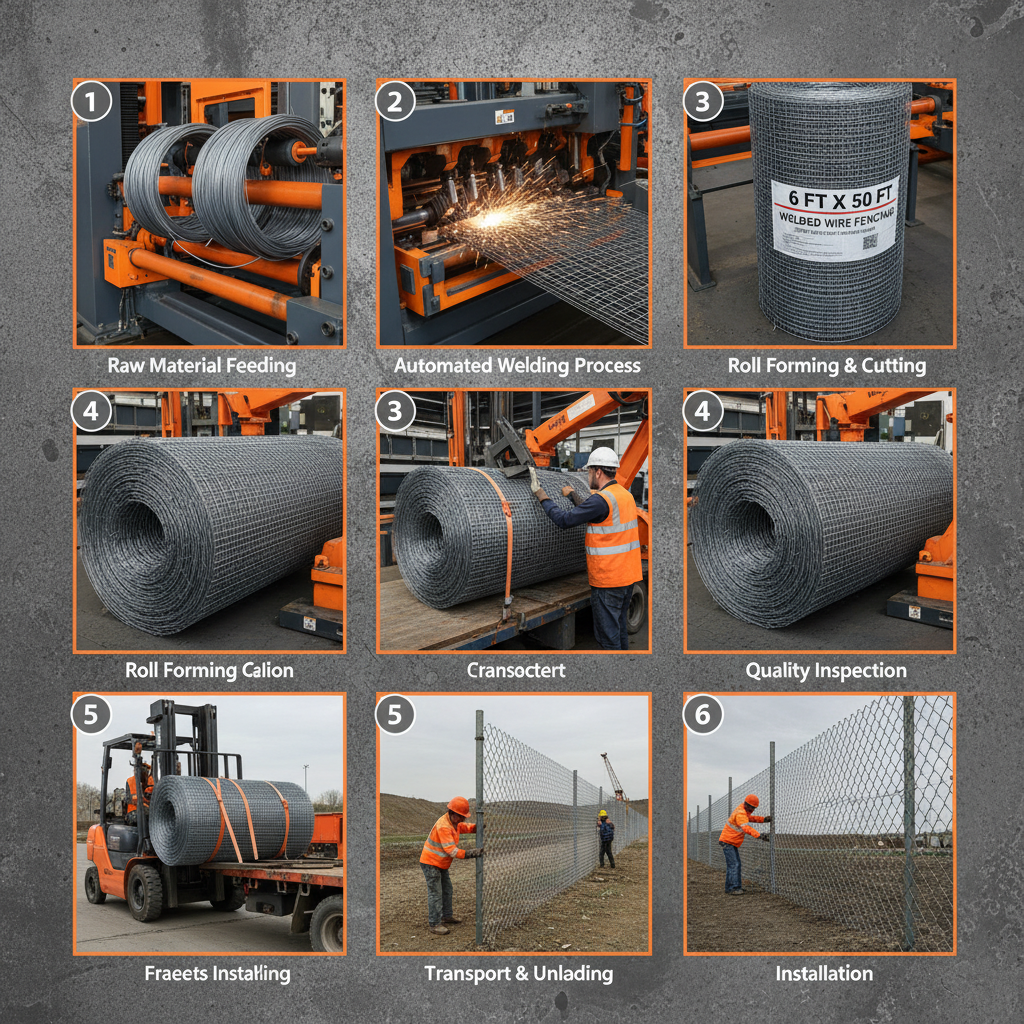 Durable 6 ft x 50 ft welded wire fencing for Security and GardensWhen it comes to securing a perimeter, whether for agricultural use, garden protection, or industrial boundaries, the dimensions and material of your fence matter. The 6 ft x 50 ft welded wire fencing offers an ideal balance of height and length, providing a robust barrier that is easy to install and maintain. Choosing a welded wire system ensures that the intersections are fused together, preventing the shifting and sagging often found in woven alternatives. In this guide, we will explore why this specific size is a preferred choice for property owners and how to maximize its effectiveness for your specific project.Read more >
Apr 09 2026
-
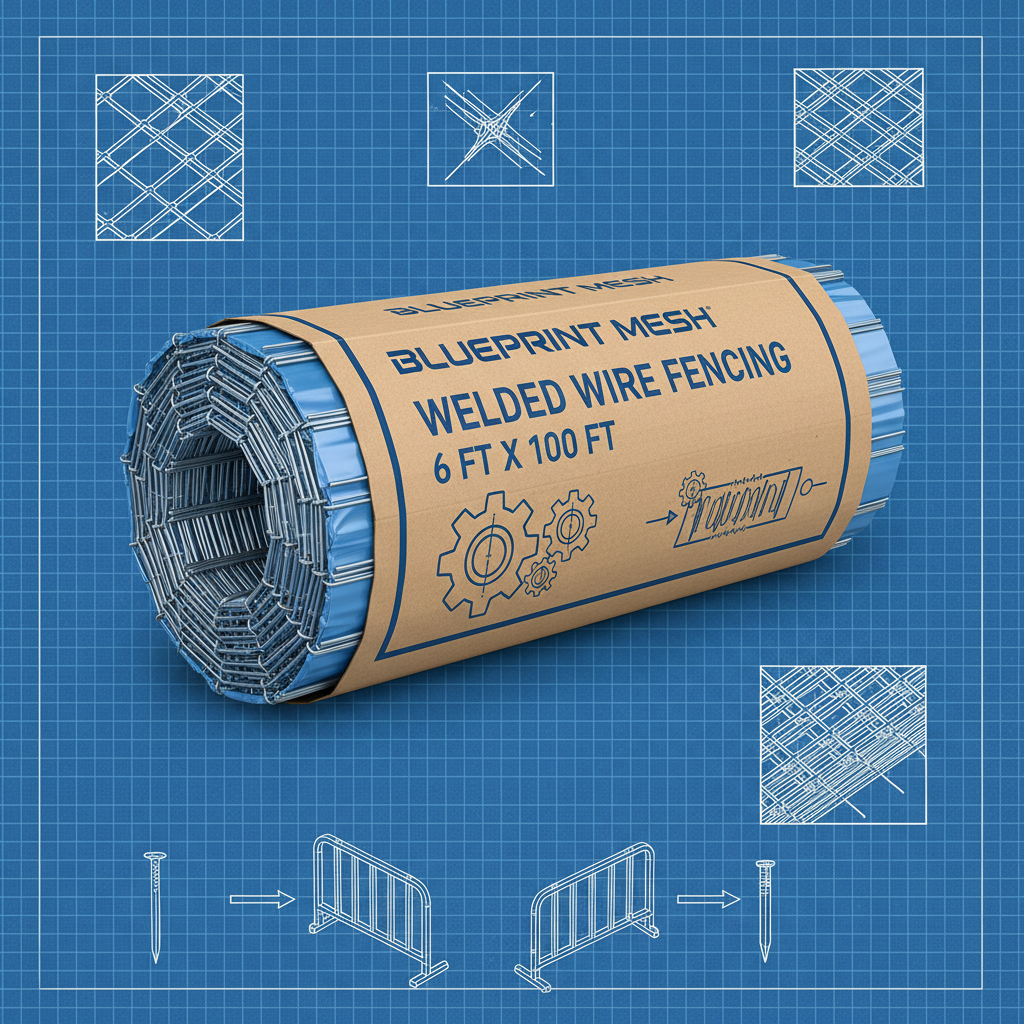 Comprehensive Guide to Choosing the Best 6 ft x 100 ft Welded Wire FencingWelded wire fencing is a versatile and cost-effective solution for a wide range of applications, from agricultural containment to residential security. Understanding the nuances of different types, especially when considering a size like 6 ft x 100 ft welded wire fencing, is crucial for making the right investment. This article will guide you through the essential factors to consider, helping you select the fencing that best suits your specific requirements.Read more >
Apr 07 2026
-
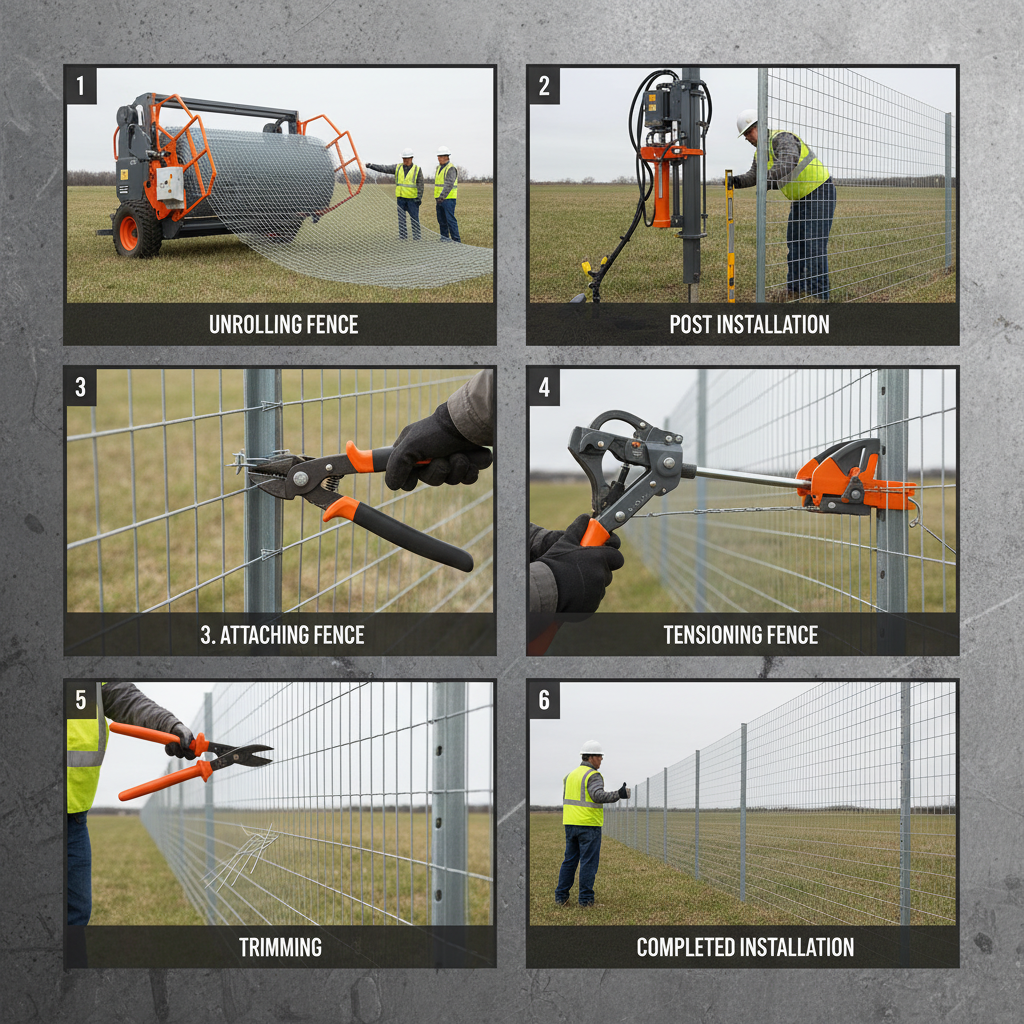 Comprehensive Guide to Choosing a 6 ft x 100 ft 12.5 Gauge Welded Wire FenceSelecting the appropriate fence for your property requires careful consideration. A 6 ft x 100 ft 12.5 gauge welded wire fence offers a robust and versatile solution for a variety of applications, from pet containment to garden protection and security. This guide will explore the benefits, applications, installation tips, and considerations when choosing this type of fencing. Understanding its construction and comparing it to other fencing options will help you make an informed decision.Read more >
Apr 04 2026
-
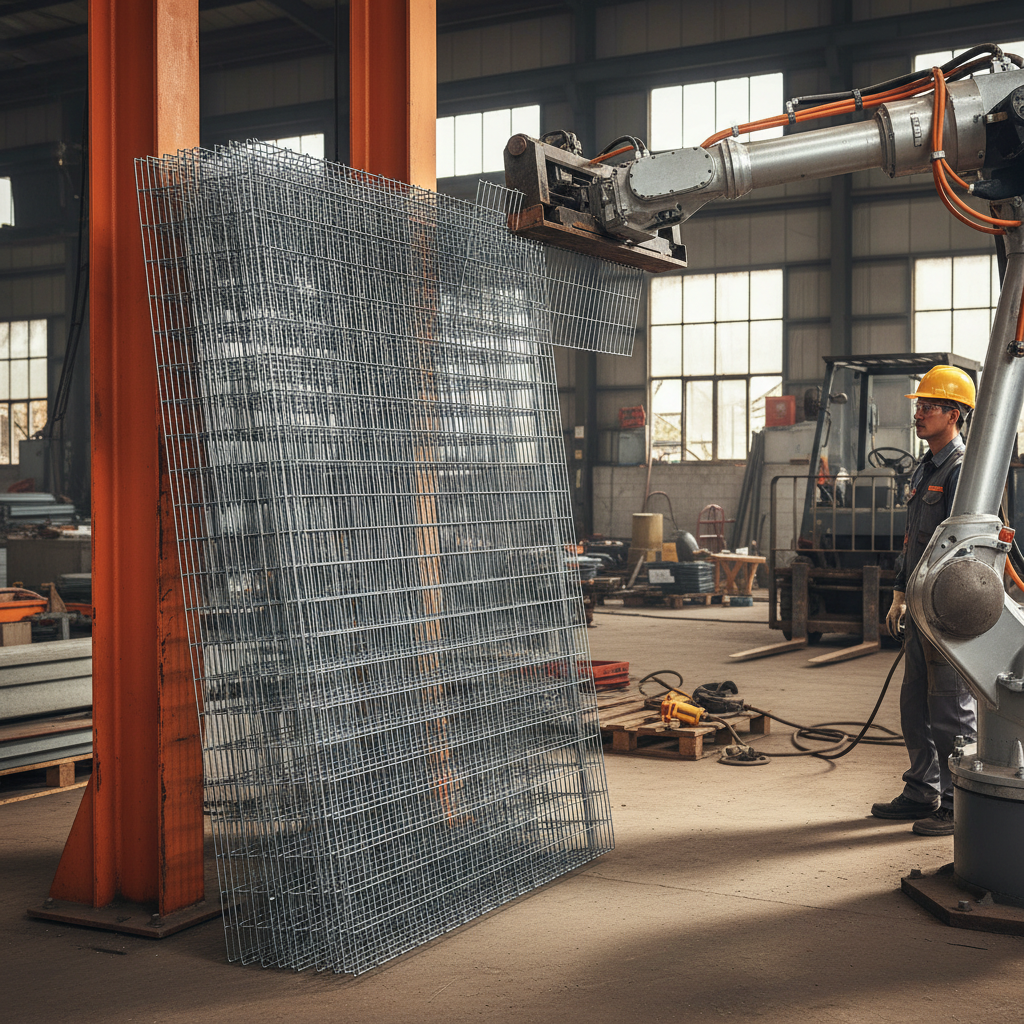 Comprehensive Guide to Durable 6 ft Welded Wire Fencing Panels and ApplicationsWhen selecting fencing for your property, 6 ft welded wire fencing panels offer a robust and versatile solution. These panels combine strength, security, and ease of installation, making them a popular choice for both residential and commercial applications. This article delves into the benefits, applications, installation, and maintenance of these panels, helping you make an informed decision.Read more >
Mar 31 2026