


Pest Control Wire Mesh – Durable, Eco-friendly Solutions for Global Pest Management
Understanding Pest Control Wire Mesh: Why It’s More Crucial Than Ever
When we think about pest control, our minds might jump to chemical sprays or perhaps traps. Yet one quietly essential technology has been working behind the scenes for decades—the pest control wire mesh. It’s that seemingly simple woven metal barrier that keeps the unwanted critters where they belong, protecting homes, crops, and industries worldwide. But why should we care? Because in a world grappling with food insecurity, global health challenges, and supply chain disruptions, reliable and sustainable pest control solutions like wire mesh have never been more vital.
The Growing Global Importance of Pest Control Wire Mesh
According to the United Nations Food and Agriculture Organization (FAO), pests damage roughly 20-40% of global crop production annually — a staggering figure when you consider the world’s rising population and food demands. Meanwhile, the World Bank highlights the enormous economic burden pest-borne diseases and pest-related damages place on developing countries. Pest control wire mesh, as a non-toxic, reusable, and often locally manufactured product, helps address these challenges tangibly. It’s not just for farms—its applications span humanitarian relief, urban settings, and industrial zones where pest intrusion risks safety and efficiency.
Frankly, pest control wire mesh stands at the crossroads of environmental, economic, and social solutions in pest management; its understated but crucial role deserves more spotlight.
Defining Pest Control Wire Mesh: What Exactly Are We Talking About?
Pest control wire mesh is essentially a woven or welded flat sheet made from metals like galvanized steel, stainless steel, or sometimes specialty alloys. The mesh sizes vary—from large grids that block rodents and birds to ultra-fine meshes designed to exclude insects while allowing airflow and light passage.
At its core, it acts as a physical barrier, preventing pests from accessing crops, homes, greenhouses, or storage units. Unlike chemical pesticides that may introduce toxicity or resistance, wire mesh is a durable, long-lasting solution embedded in modern agricultural and industrial pest control strategies.
Key Factors in Choosing and Using Pest Control Wire Mesh
Durability
Wire mesh must withstand weather, corrosion, and even attempts by rodents or birds to gnaw through. Materials like galvanized or stainless steel offer robust resistance, extending the mesh’s functional life for years.
Mesh Size & Type
Different pests require different mesh sizes. For example, protecting a fruit orchard from birds might need a 2cm mesh, while a vineyard targeting insect exclusion might require much finer mesh, sometimes less than 1mm.
Cost Efficiency
Upfront costs vary widely based on material and mesh size. However, many suppliers report that investing in quality mesh pays off by reducing pesticide use and crop losses, improving ROI in the long term.
Ease of Installation & Maintenance
Some meshes come pre-cut or are flexible enough for on-site adaptations, critical when working in remote or disaster-hit areas where standard tools may be scarce.
Environmental Impact
Knowing that pest control wire mesh is reusable and non-toxic is somewhat comforting in today's eco-conscious climate. Many manufacturers now also focus on recyclable materials to reduce waste further.
Scalability
Whether for small plots or large industrial farms, pest control wire mesh systems can be scaled, modified, or integrated with other pest management systems, such as netting or traps.
Mini Takeaway: Choosing the right pest control wire mesh is more about understanding your unique pest challenges and environmental factors than just picking the cheapest option.
Global Applications & Real-Life Examples of Pest Control Wire Mesh Usage
In sub-Saharan Africa, NGOs use fine wire mesh in shelter-and-food security programs post-natural disasters to protect grain stores from rodents and insects, preserving vital supplies.
Meanwhile, in Europe’s wine regions, farmers increasingly combine pest control wire mesh with organic farming practices, mitigating bird damage without harmful chemicals. In urban settings worldwide, municipal authorities employ heavy-duty wire meshes around waste disposal areas to limit rat populations, reducing public health risks.
The versatility is impressive—industries from agriculture and construction to pharmaceuticals rely on it for contamination control. For instance, chemical plants often use stainless steel mesh to keep out insects that could compromise product purity.
A Quick Look: Typical Specifications of Pest Control Wire Mesh
| Specification | Details |
|---|---|
| Material | Galvanized Steel, Stainless Steel, Aluminum |
| Aperture Size | From 0.5mm to 50mm (custom sizes available) |
| Wire Diameter | 0.3mm – 2.0mm |
| Coating | Galvanized, PVC Coated Options Available |
| Roll Length | 10m – 50m (custom cut lengths available) |
| Standard Compliance | ISO 4783, ASTM A392, BS4102 |
Comparing Pest Control Wire Mesh Vendors: What Should You Look For?
| Feature | Vendor A | Vendor B | Vendor C |
|---|---|---|---|
| Material Quality | Premium Stainless Steel | Galvanized Steel | Aluminum Alloy |
| Customization Options | High (mesh size & roll length) | Medium (mesh size only) | Low (standard sizes) |
| Eco-friendly Coatings | Yes (PVC free) | No | Yes (biodegradable coating) |
| Lead Time | 2 weeks | 3–4 weeks | 1 week |
| Price Range | $$$ | $$ | $ |
Advantages & Long-Term Value of Pest Control Wire Mesh
The beauty of wire mesh lies in its simplicity. It’s chemical-free, safe for all users, and avoids the environmental toxins associated with pesticides. Users often note reduced maintenance costs since the mesh usually needs little more than occasional cleaning or inspection. Its reliability fosters trust not just between farmers and their crops, but also in humanitarian contexts, where food security and dignity are vital.
Plus, by keeping pests out physically, you’re breaking pest life cycles without fuelling pesticide resistance—an increasing problem globally. Considering the emotional lift for communities protected from disease-bearing pests — that sense of safety can’t be underestimated.
Future Trends & Innovations on the Horizon
In the coming years, expect pest control wire mesh to blend more with smart technology — imagine mesh embedded with sensors that alert farmers to breaches or structural wear. Biodegradable or hybrid mesh materials made from recycled metals or composites could limit environmental footprints further.
At the policy level, standards like ISO 24346:2019 are increasingly pushing for safer, greener pest control materials worldwide. This means better quality, sustainable manufacturing processes, and enhanced global availability.
Green energy-powered production of pest control wire mesh? We’re sort of there. It’s not sci-fi anymore.
Challenges & Practical Solutions
Of course, pest control wire mesh is not a silver bullet. Some challenges include initial costs for premium meshes, especially for smallholder farmers, and the labor required for proper installation. Also, very fine mesh can reduce airflow and light, potentially affecting crop microclimates.
Innovations like modular mesh panels and community training programs help make installation more feasible. Combining mesh with organic repellents or traps helps mitigate airflow concerns. Importantly, local manufacturing initiatives can overcome cost and supply bottlenecks.
FAQ: Top Questions About Pest Control Wire Mesh
Q1: How durable is pest control wire mesh in humid or coastal environments?
A1: Stainless steel wire mesh tends to perform best in humid or salty coastal environments due to its rust and corrosion resistance. Galvanized mesh can be used as well but may require more frequent maintenance or replacement. Coatings like PVC can extend lifespan further.
Q2: Can pest control wire mesh completely eliminate pesticide use?
A2: While wire mesh significantly reduces the need for chemical pesticides by physically blocking pests, it usually works best as part of an integrated pest management system. Combining mesh with biological controls and good hygiene practices yields the best results.
Q3: Is it possible to customize mesh sizes for unusual pest problems?
A3: Absolutely. Many vendors offer customization to match local pest sizes—from tiny insect exclusion to blocking larger rodents and birds. Knowing your target pest’s size is critical to selecting appropriate mesh aperture dimensions.
Q4: How does installation complexity vary by application?
A4: For large farms or warehouses, installation can require frameworks, tensioning tools, and expertise. In small gardens or disaster shelters, lightweight, flexible mesh that can be stapled or clipped on may suffice. Some companies offer training or turnkey solutions.
Mini Takeaway: The right mesh choice and thoughtful installation plan can basically transform pest control outcomes and costs.
Wrapping It Up: Why Pest Control Wire Mesh Is Worth Your Attention
To put it simply, pest control wire mesh is a small investment with outsized returns—in sustainability, safety, and cost-effectiveness. From protecting precious crops to safeguarding urban environments, its global reach is only growing. If you’re looking to expand your pest control arsenal or explore innovative, eco-friendly options, pest control wire mesh deserves a spot on your checklist.
Visit our website at https://www.chbarrier.com to learn more about our selection of premium pest control wire mesh products tailored to meet diverse needs. Let’s keep pests at bay the smart way.
References:
1. FAO, Food and Agriculture Organization - Pest Control
2. World Bank, Food Security Data
3. ISO 24346:2019, International Standards for Pest Control Materials
Latest News About CHENG CHUANG
-
 Heavy Duty 6 gauge welded wire mesh for Security and StrengthWhen it comes to heavy-duty containment, security, and structural reinforcement, choosing the right material is critical. The 6 gauge welded wire mesh stands as a premier choice for those requiring a balance of extreme rigidity and precise spacing. Whether you are securing a commercial perimeter, building industrial livestock panels, or creating reinforced concrete structures, this specific thickness provides the structural integrity needed to withstand significant pressure and impact. In this comprehensive guide, we will explore the technical specifications, primary applications, and why this mesh is the gold standard for high-security fencing solutions.Read more >
Apr 16 2026
-
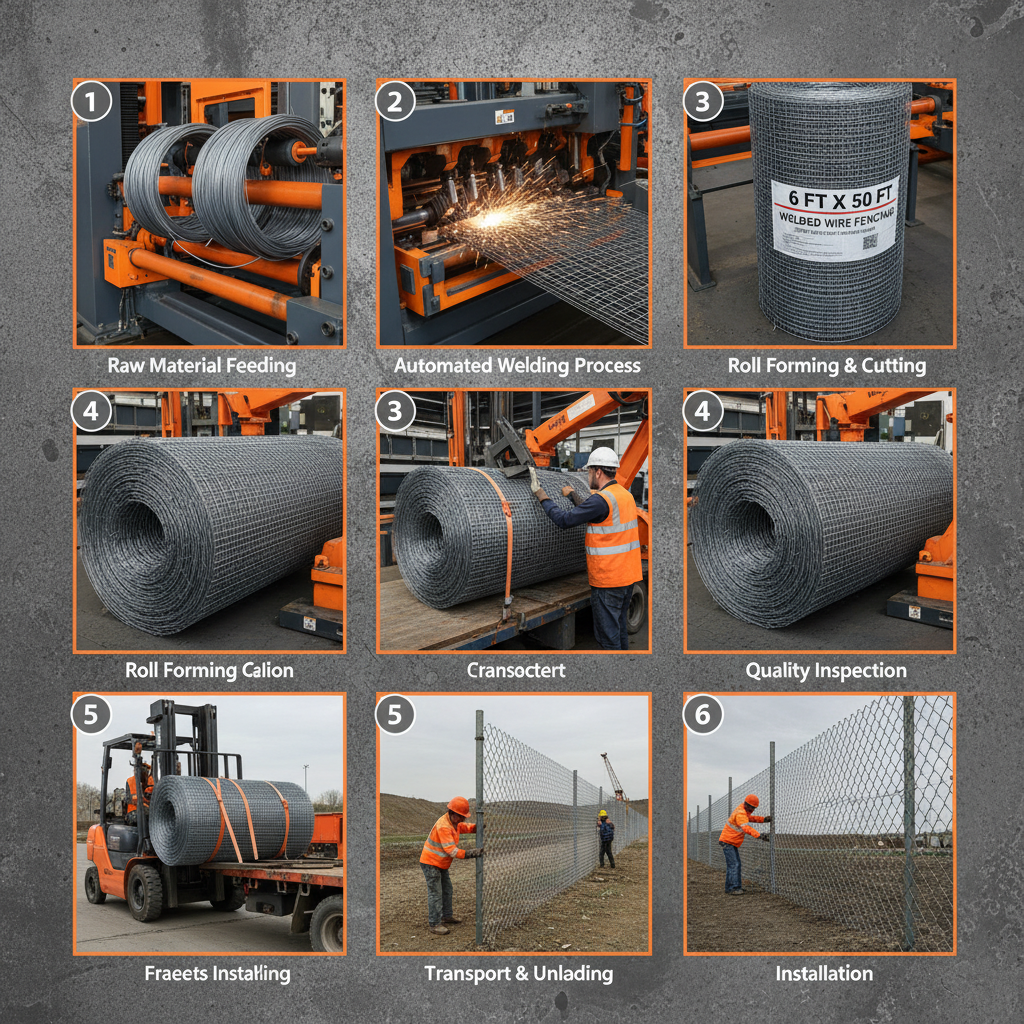 Durable 6 ft x 50 ft welded wire fencing for Security and GardensWhen it comes to securing a perimeter, whether for agricultural use, garden protection, or industrial boundaries, the dimensions and material of your fence matter. The 6 ft x 50 ft welded wire fencing offers an ideal balance of height and length, providing a robust barrier that is easy to install and maintain. Choosing a welded wire system ensures that the intersections are fused together, preventing the shifting and sagging often found in woven alternatives. In this guide, we will explore why this specific size is a preferred choice for property owners and how to maximize its effectiveness for your specific project.Read more >
Apr 09 2026
-
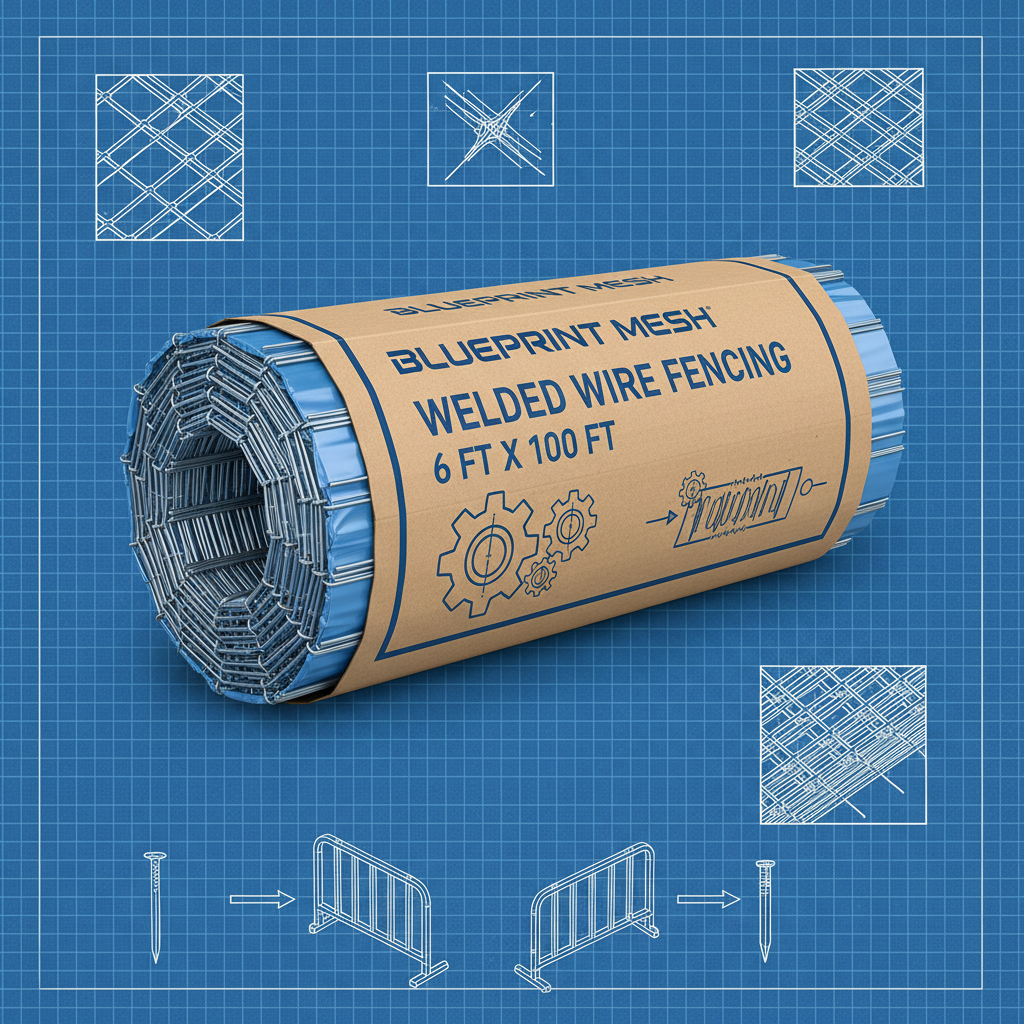 Comprehensive Guide to Choosing the Best 6 ft x 100 ft Welded Wire FencingWelded wire fencing is a versatile and cost-effective solution for a wide range of applications, from agricultural containment to residential security. Understanding the nuances of different types, especially when considering a size like 6 ft x 100 ft welded wire fencing, is crucial for making the right investment. This article will guide you through the essential factors to consider, helping you select the fencing that best suits your specific requirements.Read more >
Apr 07 2026
-
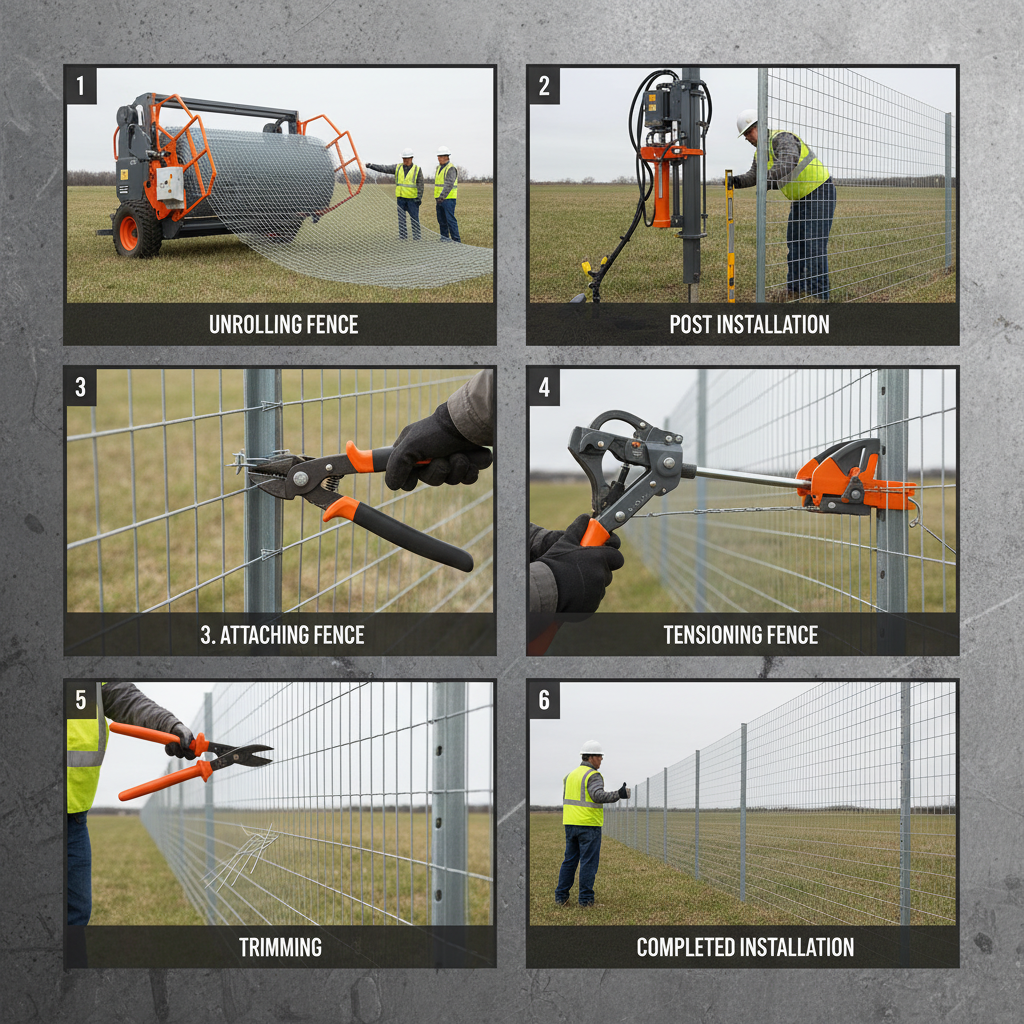 Comprehensive Guide to Choosing a 6 ft x 100 ft 12.5 Gauge Welded Wire FenceSelecting the appropriate fence for your property requires careful consideration. A 6 ft x 100 ft 12.5 gauge welded wire fence offers a robust and versatile solution for a variety of applications, from pet containment to garden protection and security. This guide will explore the benefits, applications, installation tips, and considerations when choosing this type of fencing. Understanding its construction and comparing it to other fencing options will help you make an informed decision.Read more >
Apr 04 2026
-
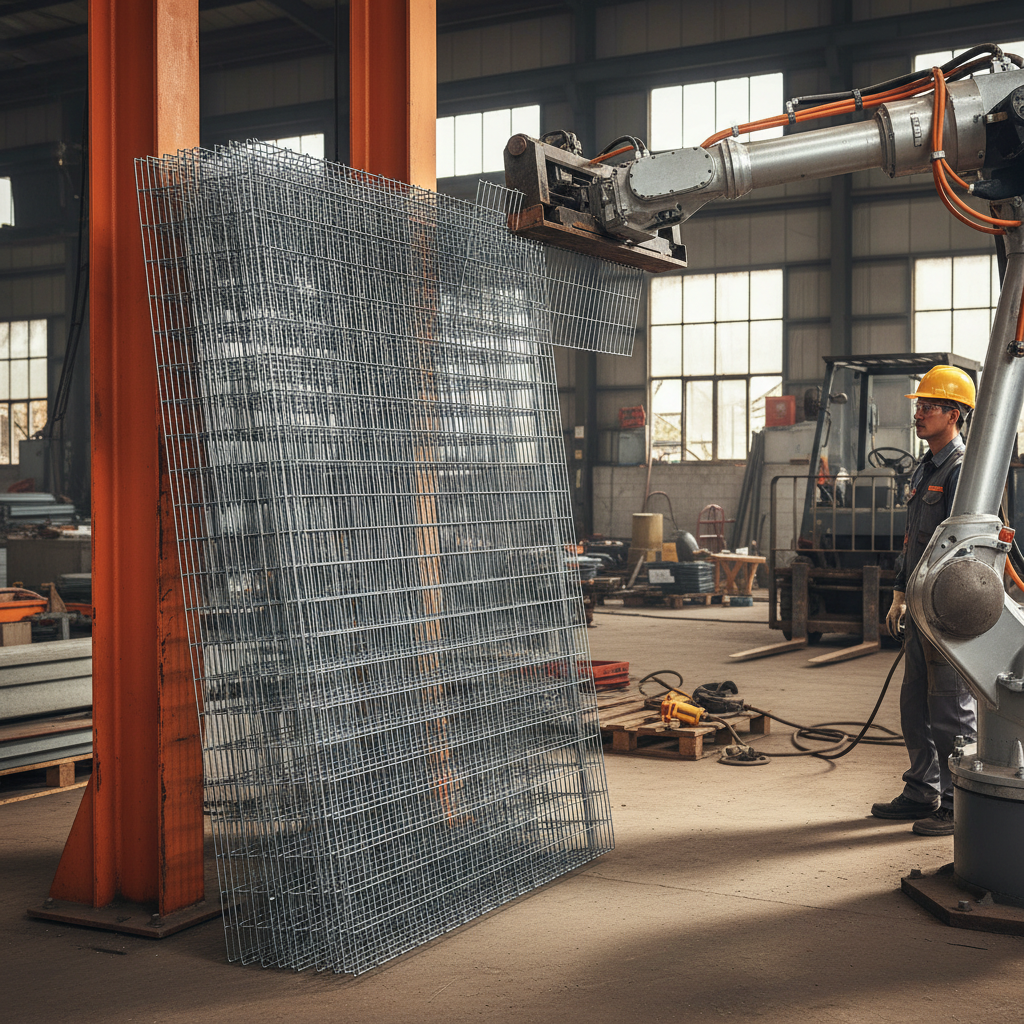 Comprehensive Guide to Durable 6 ft Welded Wire Fencing Panels and ApplicationsWhen selecting fencing for your property, 6 ft welded wire fencing panels offer a robust and versatile solution. These panels combine strength, security, and ease of installation, making them a popular choice for both residential and commercial applications. This article delves into the benefits, applications, installation, and maintenance of these panels, helping you make an informed decision.Read more >
Mar 31 2026