


Plastic Welding Mesh - Durable, Lightweight & Sustainable Solutions
Plastic Welding Mesh: What It Is and Why It Matters
If you’re involved in modern construction, manufacturing, or even disaster relief efforts, the term plastic welding mesh might have popped up more than once. But what exactly is this material, and why is it gaining such traction globally? Simply put, plastic welding mesh is a specialized material that fuses plastic strands in a grid-like formation for strength, flexibility, and durability. This mesh plays a quietly powerful role—from reinforcing lightweight structures to serving as a versatile building block for quick, resilient shelters.
Globally, mastering this technology means better efficiency, cost savings, and environmentally conscious building practices. And in sectors grappling with supply chain woes or disaster aftermaths, it can be a real game-changer.
Mini takeaway: Plastic welding mesh isn't just another material — it’s quietly revolutionizing industries that demand flexible, sturdy solutions with an eye on sustainability.
Why Plastic Welding Mesh Has Global Importance
The world’s population is expected to reach nearly 8.5 billion by 2030, pushing urban infrastructure and housing needs to the limit. According to the United Nations, more than 1 billion people still lack adequate housing worldwide. Enter plastic welding mesh—a cost-efficient material whose production aligns with many sustainable development goals (especially SDG 11: Sustainable Cities and Communities).
Here’s an odd thing: with all the engineering marvels around, many relief organizations still search for fast, sturdy, affordable materials to build temporary shelters or reinforce fragile infrastructure. Plastic welding mesh fills this niche with surprising efficiency. ISO standards for polymer materials are pushing development toward recyclable, durable mesh sheets that cater to industries like construction, agriculture, and even environmental protection.
Mini takeaway: Its global value rests on affordability, adaptability, and meeting urgent infrastructure demands in both developed and developing regions.
Breaking Down Plastic Welding Mesh
At its core, plastic welding mesh is a specially engineered fabric where plastic strands—usually polyethylene (PE) or polypropylene (PP)—are welded together via heat or ultrasonic methods. This results in a grid-like mesh that balances strength and flexibility. Unlike traditional metal mesh, it’s lightweight and corrosion-resistant, making it a favorite where exposure to chemicals or harsh weather is a concern.
This kind of mesh is not just a technical curiosity but a practical tool. Imagine building a temporary fence in a disaster zone, reinforcing erosion-prone hillsides, or even creating modular greenhouses in remote areas: plastic welding mesh handles these tasks without much fuss.
Mini takeaway: It’s an engineered plastic grid, combining the virtues of durability, lightness, and versatile application.
Key Features to Know
1. Durability & Weather Resistance
Plastic welding mesh can endure UV exposure, moisture, and extreme temperatures better than many conventional materials. Depending on the polymer type and treatment, some meshes last several years outdoors without losing structural integrity.
2. Scalability & Customization
Want a specific mesh size or thickness? Manufacturers offer customizable grids allowing adaptation to different practical needs, from fine filtration to large-scale fencing.
3. Cost Efficiency
The production costs tend to be lower than metal mesh or heavy-duty fabrics, especially considering lifespan and maintenance savings. I noticed even small-scale projects benefit from switching to plastic meshes—they save time and budget.
4. Lightweight & Easy Handling
This mesh is significantly lighter than metal alternatives, simplifying transport and installation in remote or challenging locations.
5. Eco-Friendliness & Recyclability
Many suppliers now focus on recyclable or bio-based polymers, helping reduce environmental footprints—a growing concern as more industries push for greener materials.
Where Plastic Welding Mesh Is Actually Used
The practical uses of plastic welding mesh seem almost endless once you start looking. It’s quite popular in:
- Construction: Temporary fencing, reinforcing plaster or concrete structures.
- Agriculture: Plant supports, shade structures, and animal enclosures.
- Disaster Relief: Rapid deployment shelters, debris containment, erosion control.
- Environmental projects: Protecting wetlands, controlling sediment, filtration liners.
For example, in post-disaster zones in Southeast Asia, NGOs rely on plastic welding mesh for building semi-permanent shelters quickly—especially when transport routes are disrupted. Similarly, reservoir projects in Africa use it for erosion control barriers, thanks to its adaptability and long lifespan.
Mini takeaway: From deserts to rainforests, plastic welding mesh finds sticky roles in tough and diverse environments.
Key Benefits and Longevity of Plastic Welding Mesh
Choosing plastic welding mesh comes with tangible advantages beyond the obvious low price and durability:
- Reliability: It doesn’t rust or rot, so less frequent replacement is needed.
- Safety: Non-conductive and often UV-stabilized, it reduces risks on construction sites.
- Social impact: Allows quick, dignified shelter solutions during emergencies.
- Environmental innovation: Newer biodegradable options mean long-term eco-benefits.
- Trust & Innovation: Field engineers and planners increasingly rely on this mesh for its consistency under pressure.
Looking Ahead: Future Trends in Plastic Welding Mesh
Innovation is humming along nicely here. The next wave incorporates smart plastics—embedding sensors to detect strain or punctures in meshes. Automation in manufacturing allows precise microstructure control, enabling meshes designed for highly specific applications, like filtration of nano-plastics from water.
Also, with massive pushes for green energy, composite meshes containing recycled plastics or bio-polymers are becoming mainstream. I’ve heard researchers even experimenting with solar-reactive coatings embedded during the welding process to make mesh self-cleaning or energy-harvesting.
Mini takeaway: Expect plastic welding mesh to morph from simple grids to smart, eco-friendly, multifunctional materials.
Challenges and Practical Solutions
No material is perfect, of course. Plastic welding mesh faces obstacles like potential brittleness in extreme cold, some polymer types losing strength over decades, and the risk of microplastic shedding.
But many companies now apply UV stabilizers, blend polymers for elasticity, and improve welding techniques to reduce weak points. To tackle environmental worries, closed-loop recycling programs are popping up—so used mesh can return to production safely.
FAQ: Your Plastic Welding Mesh Questions Answered
- What makes plastic welding mesh better than traditional metal mesh?
- Plastic welding mesh is lighter, corrosion-resistant, and often more cost-effective. It’s easier to handle and safer around electrical work, making it ideal for diverse environments, especially where rust or weight is a problem.
- How long can plastic welding mesh last outdoors?
- With proper UV treatment, many meshes last 5–10 years outside without significant degradation. Lifespan depends on polymer type and environmental exposure.
- Is plastic welding mesh eco-friendly compared to alternatives?
- Many meshes now use recyclable or bio-based materials, reducing environmental impact. Furthermore, their durability means fewer replacements, which indirectly conserves resources.
- Can plastic welding mesh be custom-made for specific applications?
- Absolutely. Vendors typically offer varied mesh sizes, tensile strengths, and thicknesses to suit different uses—from fencing to fine filtration.
- Where can I buy high-quality plastic welding mesh?
- Leading suppliers focus on certified products with ISO-compliant manufacturing. You can find reputable vendors offering samples and detailed specs—like plastic welding mesh.
Practical Product Specifications
| Specification | Typical Range | Notes |
|---|---|---|
| Material | Polyethylene (PE), Polypropylene (PP) | UV-stabilized variants available |
| Mesh Aperture Size | 1 mm to 50 mm | Customization common |
| Thickness | 0.5 mm to 3 mm | Depends on end-use |
| Tensile Strength | 20 to 60 MPa | Varies by polymer and welding quality |
| Weight per m² | 150 to 500 g | Lightweight compared to metal mesh |
Comparing Popular Plastic Welding Mesh Vendors
| Vendor | Material Options | Customization | Lead Time | Price Level |
|---|---|---|---|---|
| CHCH Fence Supply | PE, PP, UV-treated | High (mesh size, thickness) | 2-4 weeks | Moderate |
| PlastiMesh Co. | Standard PE only | Low (fixed options) | 1-2 weeks | Low |
| EcoGrid Materials | Bio-polymer blends | Moderate | 3-5 weeks | Higher |
Wrapping Up: Why Plastic Welding Mesh Is Here to Stay
It feels like the more we push for smarter, greener, and resilient building methods, the more materials like plastic welding mesh become central. Its blend of flexibility, durability, and affordability—paired with rising eco-friendly options—means it’s not just a passing trend. Whether you’re reinforcing infrastructure or helping communities rebuild after disaster, this material can simplify complex challenges.
If you’re curious to explore real product options or need technical advice, I recommend checking out trusted sources like plastic welding mesh. Stay tuned—this field is evolving rapidly, and honestly, it could surprise you with how versatile a simple plastic grid can be.
References
Latest News About CHENG CHUANG
-
 Heavy Duty 6 gauge welded wire mesh for Security and StrengthWhen it comes to heavy-duty containment, security, and structural reinforcement, choosing the right material is critical. The 6 gauge welded wire mesh stands as a premier choice for those requiring a balance of extreme rigidity and precise spacing. Whether you are securing a commercial perimeter, building industrial livestock panels, or creating reinforced concrete structures, this specific thickness provides the structural integrity needed to withstand significant pressure and impact. In this comprehensive guide, we will explore the technical specifications, primary applications, and why this mesh is the gold standard for high-security fencing solutions.Read more >
Apr 16 2026
-
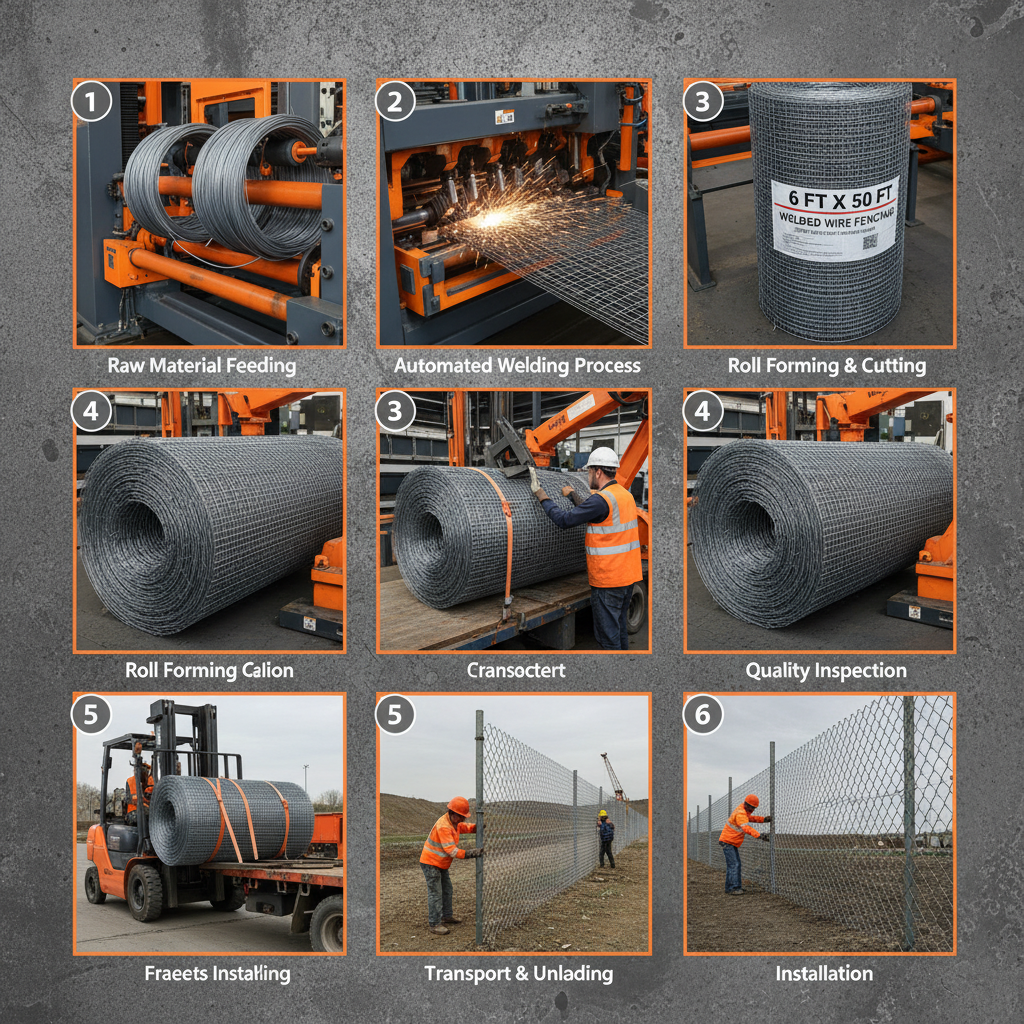 Durable 6 ft x 50 ft welded wire fencing for Security and GardensWhen it comes to securing a perimeter, whether for agricultural use, garden protection, or industrial boundaries, the dimensions and material of your fence matter. The 6 ft x 50 ft welded wire fencing offers an ideal balance of height and length, providing a robust barrier that is easy to install and maintain. Choosing a welded wire system ensures that the intersections are fused together, preventing the shifting and sagging often found in woven alternatives. In this guide, we will explore why this specific size is a preferred choice for property owners and how to maximize its effectiveness for your specific project.Read more >
Apr 09 2026
-
 Comprehensive Guide to Choosing the Best 6 ft x 100 ft Welded Wire FencingWelded wire fencing is a versatile and cost-effective solution for a wide range of applications, from agricultural containment to residential security. Understanding the nuances of different types, especially when considering a size like 6 ft x 100 ft welded wire fencing, is crucial for making the right investment. This article will guide you through the essential factors to consider, helping you select the fencing that best suits your specific requirements.Read more >
Apr 07 2026
-
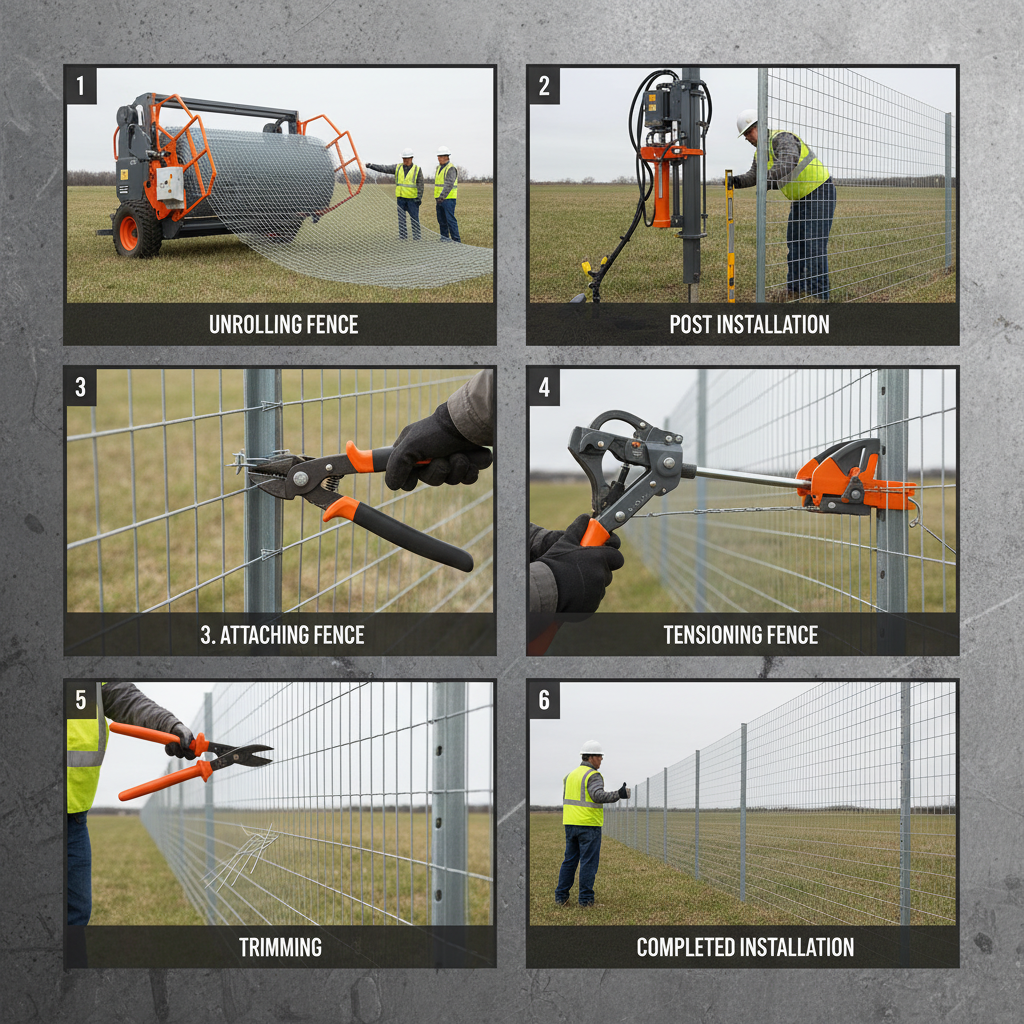 Comprehensive Guide to Choosing a 6 ft x 100 ft 12.5 Gauge Welded Wire FenceSelecting the appropriate fence for your property requires careful consideration. A 6 ft x 100 ft 12.5 gauge welded wire fence offers a robust and versatile solution for a variety of applications, from pet containment to garden protection and security. This guide will explore the benefits, applications, installation tips, and considerations when choosing this type of fencing. Understanding its construction and comparing it to other fencing options will help you make an informed decision.Read more >
Apr 04 2026
-
 Comprehensive Guide to Durable 6 ft Welded Wire Fencing Panels and ApplicationsWhen selecting fencing for your property, 6 ft welded wire fencing panels offer a robust and versatile solution. These panels combine strength, security, and ease of installation, making them a popular choice for both residential and commercial applications. This article delves into the benefits, applications, installation, and maintenance of these panels, helping you make an informed decision.Read more >
Mar 31 2026