


Rabbit Netting for Garden: Essential Guide to Durable Pest Protection
Understanding Rabbit Netting for Garden: A Practical Guide
Rabbit netting for garden plays a surprisingly big role in gardens everywhere—from small backyard patches to large-scale agricultural setups. It’s a seemingly simple barrier, yet its impact on protecting plants, promoting sustainable gardening, and enhancing crop yield is quite remarkable. Globally, garden and farm protection helps reduce food wastage and supports food security, a core goal recognized by organizations such as the United Nations. Knowing how to pick and use the right kind of rabbit netting isn’t just a “nice-to-have”—it’s essential for maintaining thriving green spaces and healthy ecosystems.
Global Context: Why Rabbit Netting Matters
Every year, millions of tons of crops are lost to pests—rabbits being a particularly pesky example. According to FAO data, post-harvest and pre-harvest losses remain a critical concern, especially in rural communities dependent on small-scale farming. Rabbit netting emerges as one of the affordable and eco-friendly solutions to this problem, helping both households and commercial farms protect their plants without resorting to harmful chemicals.
The bigger picture? Clear benefits for sustainable agriculture, reduced chemical use, and improving yields to meet growing global food demand. The World Bank estimates that protecting crops from pests in rural areas can increase food availability by up to 20%, which, frankly, can make a huge difference in food security efforts worldwide.
What Is Rabbit Netting for Garden?
Simply put, rabbit netting is a type of mesh fencing made from galvanized steel or plastic materials, designed to create a physical barrier against rabbits and other small animals. It is usually fine-meshed enough (often with squares around 1 inch or less) to prevent these critters from squeezing through, while still allowing sunlight, water, and airflow to nurture plants properly. It’s an unassuming but effective shield that helps gardeners protect fruits, vegetables, and ornamental plants.
This netting fits neatly into modern agricultural practices that emphasize environmentally conscious pest control methods. Unlike pesticides, rabbit netting is reusable, non-toxic, and easily deployed, reflecting a trend toward integrating simple mechanical barriers within sustainable food production systems.
Key Features of Rabbit Netting
Durability
Most rabbit netting is made from galvanized steel wire or UV-stabilized plastic that resists rust, degradation, and weathering—even in harsh outdoor environments. Durability matters because you want the investment to last at least 5 to 10 years without losing effectiveness, ensuring you don’t have to replace your fencing frequently.
Mesh Size
The mesh size defines how small the gaps in the netting are. For rabbit netting, this usually falls around 1 inch or smaller. If the gaps are too large, rabbits can squeeze through; too small, and it becomes more expensive and potentially limits airflow.
Height and Length
Plants vary in size, and rabbits can jump surprisingly high (up to 3 feet in some cases). Netting typically ranges from 2 to 4 feet tall, and is sold in rolls that can be cut to fit the garden perimeter. It’s flexible and readily customizable for all shapes of spaces.
Installation Ease
Gardeners appreciate netting that is lightweight yet sturdy, easy to unroll and attach to stakes or posts. The ability to create a stable barrier without heavy equipment is a big practical plus.
Cost Efficiency
Compared to chemical repellents or elaborate fencing, rabbit netting is cost-effective—especially when reused season after season.
| Specification | Typical Value |
|---|---|
| Material | Galvanized Steel or UV-Resistant PVC |
| Mesh Size | Approximately 1 inch (25mm) |
| Height | 2–4 feet (60–120 cm) |
| Roll Length | 25–50 meters |
| Durability | 5–10 years (with proper care) |
Real-World Applications of Rabbit Netting
Rabbit netting is not just a backyard whimsy but a practical tool with broad applications worldwide:
- Smallholder farms in Australia and New Zealand face massive losses from rabbits eating crops. Protective fencing reduces damage and increases yields, contributing to economic stability.
- Urban gardens in Europe often deploy netting to protect community plots from growing rabbit populations that flourish near suburban greenery.
- Post-disaster relief In certain humanitarian settings, such as rural communities recovering from floods or droughts, efficient and sustainable garden protection supports local food supply rebuilding efforts.
One interesting case is in the UK, where conservation groups use rabbit netting alongside native species reintroduction programs—ensuring young plants have a chance to grow amid herbivore pressure.
Advantages and Long-Term Value
Rabbit netting delivers tangible benefits beyond the obvious:
- Cost-effective protection that reduces plant losses without expensive chemicals.
- Sustainability benefits by facilitating organic cultivation methods.
- Emotional reassurance for gardeners who take pride in protecting their labors without harming wildlife.
- Versatility and adaptability for different garden sizes and plant types.
Innovations and Future Trends
Interestingly, rabbit netting is gradually evolving with technology. The move toward biodegradable materials is gaining traction, aiming to reduce plastic waste from discarded fence rolls. Meanwhile, some manufacturers are experimenting with smart fencing solutions—where sensors might detect breaches or pest pressures in real-time.
Also, laser cutting and automated mesh manufacturing improve quality and cut costs. It feels like even traditional tools like these are quietly catching up with the digital era.
Common Challenges & How to Overcome Them
It's not perfect—netting can sag over time or get damaged without maintenance. Rabbits are also clever and might try digging under fences. To solve this, experts recommend installing “skirts” buried a few inches underground or combining netting with low solar-powered deterrents.
| Vendor | Material Quality | Price per Roll | Customer Rating | Delivery Options |
|---|---|---|---|---|
| GardenGuard | High-grade galvanized steel | $45 | 4.7/5 | Standard and express |
| EcoFence Co. | UV-resistant plastic mesh | $38 | 4.3/5 | International shipping |
| FarmShield | Reinforced galvanized steel | $50 | 4.8/5 | Local pickup & shipping |
FAQ: Rabbit Netting for Garden
Q1: How do I choose the right mesh size for rabbit netting?
A: A mesh size of about 1 inch (25 mm) is ideal, as it prevents rabbits from slipping through while maintaining airflow. If you have smaller pests, consider mesh sizes with smaller openings, but beware of costs and reduced sunlight.
Q2: Can rabbit netting be reused year after year?
A: Yes. High-quality galvanized steel or UV-resistant plastic netting can last 5 to 10 years with proper care. Storing it dry during off-seasons further extends its life.
Q3: What’s the best way to prevent rabbits from digging under the netting?
A: Bury at least 6 inches of netting underground or shape the bottom edge outward. Some gardeners also add a skirt or combine netting with low-profile electric fencing.
Q4: Is rabbit netting environmentally friendly?
A: Generally yes, since it physically protects gardens without chemicals. Choosing biodegradable or recyclable materials further enhances sustainability.
Q5: Where can I buy rabbit netting for garden?
A: Many home improvement or agricultural suppliers stock rabbit netting. For reliable online purchases and information, visit rabbit netting for garden.
Wrapping It Up: Why Use Rabbit Netting?
In real terms, rabbit netting is a low-tech but highly effective solution rooted in solid material science and practical experience. It embodies simplicity while addressing an age-old problem gardeners face. The long-term value—supporting sustainability, protecting investment, and fostering peaceful coexistence with wildlife—is something many gardeners and farmers appreciate year after year. I suppose you could say that sometimes, the oldest tools prove themselves the most indispensable.
If you’re ready to protect your garden the smart way, do explore more detailed options and supplier choices. And of course, visit rabbit netting for garden to see what fits best for your space.
Quick takeaway: Rabbit netting is a practical, sustainable, and cost-effective gardening ally that stands the test of time—both in your backyard and across the globe.
References
Latest News About CHENG CHUANG
-
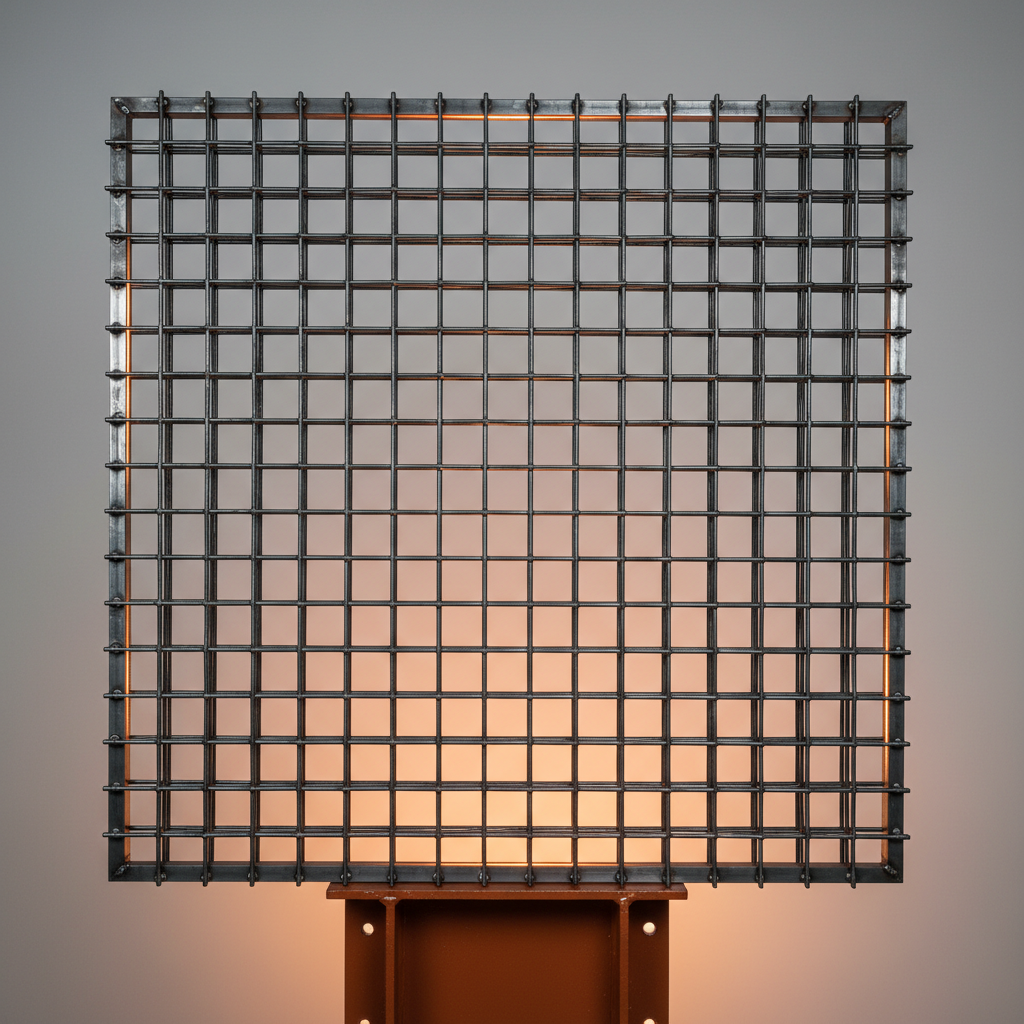 Heavy Duty 6 gauge welded wire mesh for Security and StrengthWhen it comes to heavy-duty containment, security, and structural reinforcement, choosing the right material is critical. The 6 gauge welded wire mesh stands as a premier choice for those requiring a balance of extreme rigidity and precise spacing. Whether you are securing a commercial perimeter, building industrial livestock panels, or creating reinforced concrete structures, this specific thickness provides the structural integrity needed to withstand significant pressure and impact. In this comprehensive guide, we will explore the technical specifications, primary applications, and why this mesh is the gold standard for high-security fencing solutions.Read more >
Apr 16 2026
-
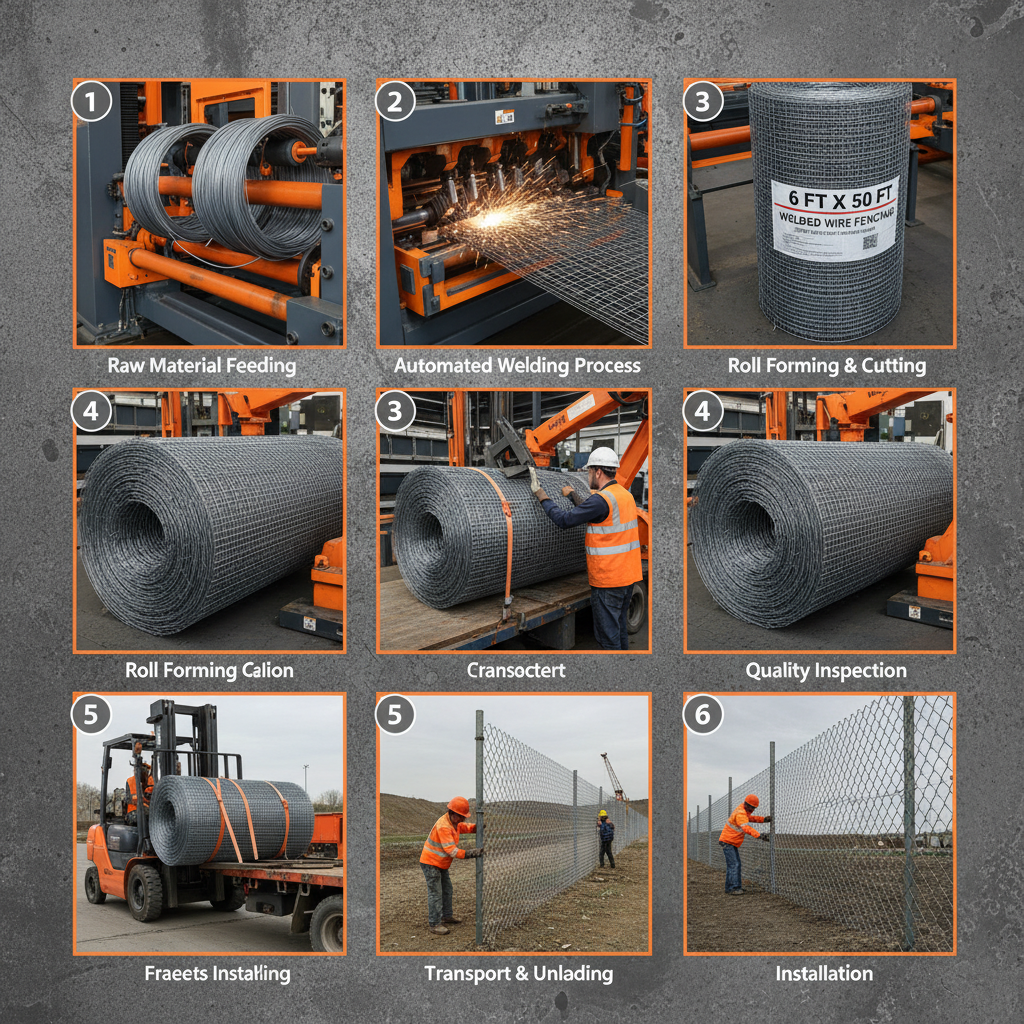 Durable 6 ft x 50 ft welded wire fencing for Security and GardensWhen it comes to securing a perimeter, whether for agricultural use, garden protection, or industrial boundaries, the dimensions and material of your fence matter. The 6 ft x 50 ft welded wire fencing offers an ideal balance of height and length, providing a robust barrier that is easy to install and maintain. Choosing a welded wire system ensures that the intersections are fused together, preventing the shifting and sagging often found in woven alternatives. In this guide, we will explore why this specific size is a preferred choice for property owners and how to maximize its effectiveness for your specific project.Read more >
Apr 09 2026
-
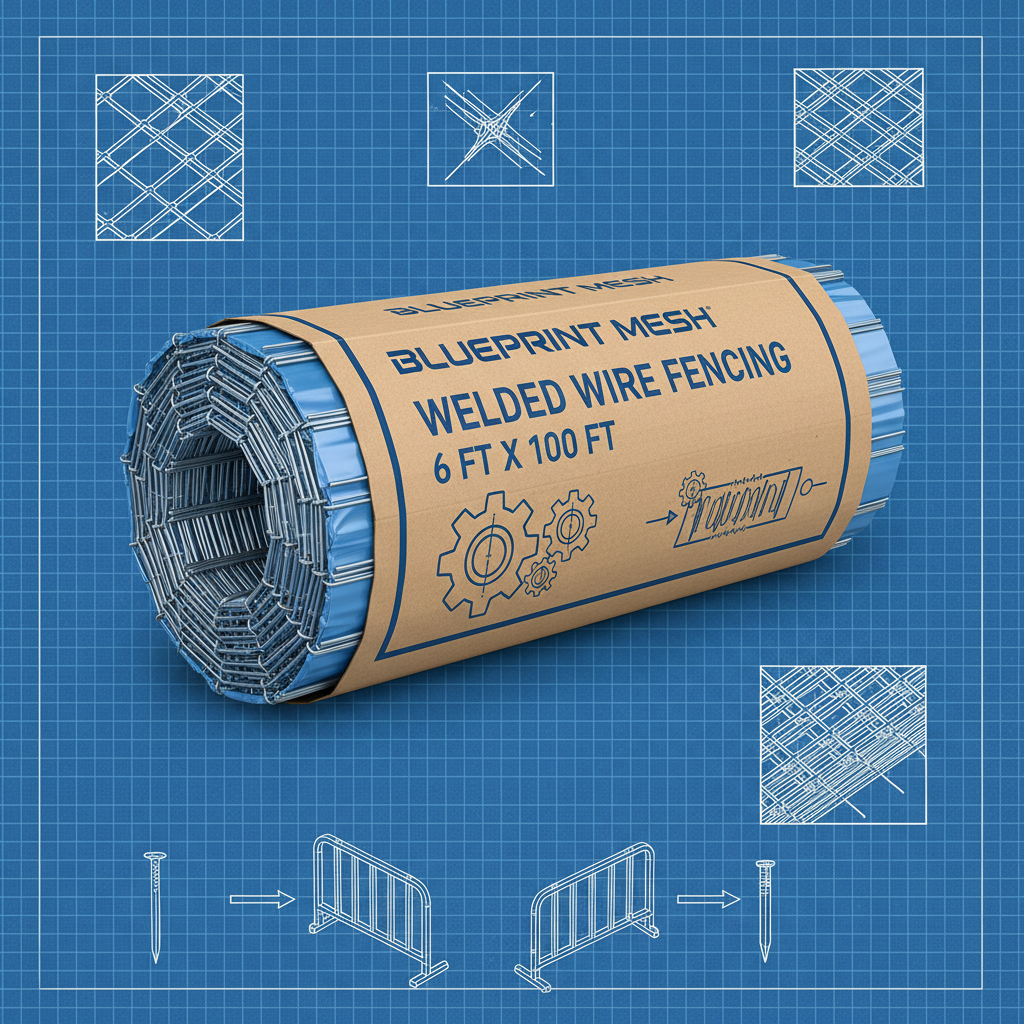 Comprehensive Guide to Choosing the Best 6 ft x 100 ft Welded Wire FencingWelded wire fencing is a versatile and cost-effective solution for a wide range of applications, from agricultural containment to residential security. Understanding the nuances of different types, especially when considering a size like 6 ft x 100 ft welded wire fencing, is crucial for making the right investment. This article will guide you through the essential factors to consider, helping you select the fencing that best suits your specific requirements.Read more >
Apr 07 2026
-
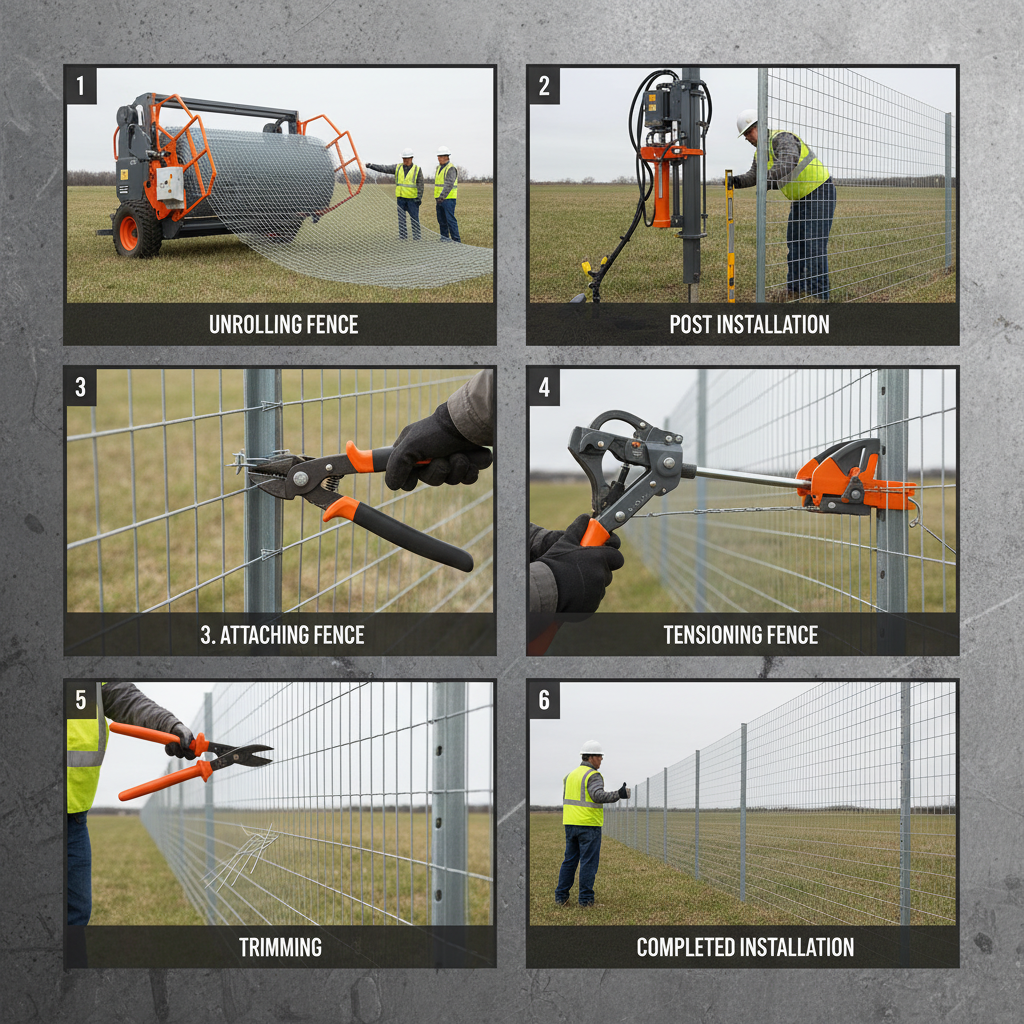 Comprehensive Guide to Choosing a 6 ft x 100 ft 12.5 Gauge Welded Wire FenceSelecting the appropriate fence for your property requires careful consideration. A 6 ft x 100 ft 12.5 gauge welded wire fence offers a robust and versatile solution for a variety of applications, from pet containment to garden protection and security. This guide will explore the benefits, applications, installation tips, and considerations when choosing this type of fencing. Understanding its construction and comparing it to other fencing options will help you make an informed decision.Read more >
Apr 04 2026
-
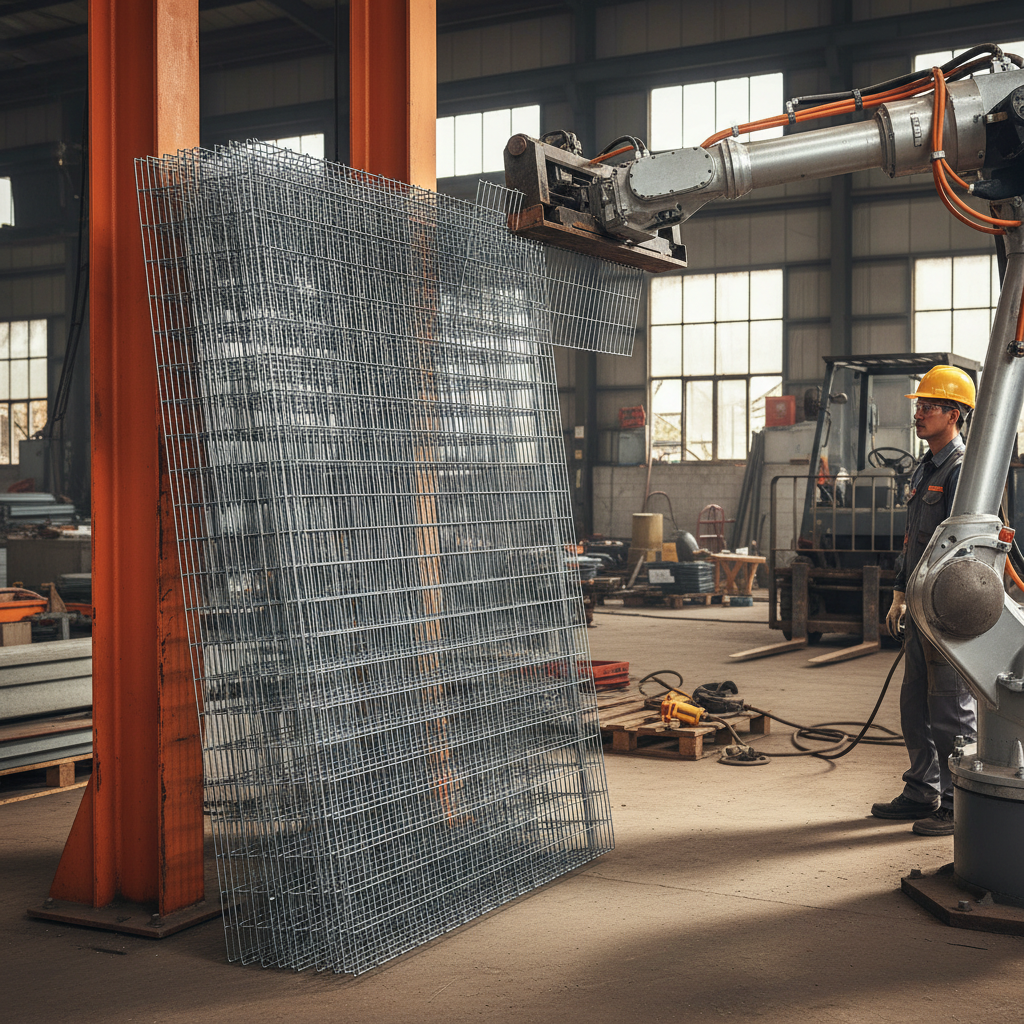 Comprehensive Guide to Durable 6 ft Welded Wire Fencing Panels and ApplicationsWhen selecting fencing for your property, 6 ft welded wire fencing panels offer a robust and versatile solution. These panels combine strength, security, and ease of installation, making them a popular choice for both residential and commercial applications. This article delves into the benefits, applications, installation, and maintenance of these panels, helping you make an informed decision.Read more >
Mar 31 2026