Stainless steel mesh is a versatile material rapidly gaining prominence across diverse industries, from filtration and security to architectural design and industrial processing. Its inherent properties – exceptional strength, corrosion resistance, and durability – make it an ideal solution for demanding applications where longevity and reliability are paramount. Understanding the nuances of stainless steel mesh, its manufacturing processes, and its wide range of applications is crucial for engineers, architects, procurement professionals, and anyone involved in projects requiring robust and long-lasting materials.
The global demand for stainless steel mesh is experiencing substantial growth, driven by factors such as increasing industrialization, stricter safety regulations, and a growing focus on sustainable infrastructure. According to recent industry reports, the stainless steel mesh market is projected to reach billions of dollars in the coming years. This surge in demand highlights the critical need for optimized production techniques and innovative applications to meet the evolving needs of various sectors. This material plays an increasingly vital role in addressing critical challenges related to security, hygiene, and environmental protection.
Beyond its practical applications, the rise of stainless steel mesh reflects a broader trend towards using high-performance materials that minimize lifecycle costs and environmental impact. As businesses and governments prioritize sustainability, materials like stainless steel mesh are poised to become even more integral to infrastructure development and industrial processes worldwide. Investing in understanding this material’s capabilities offers significant benefits for long-term efficiency and performance.
The Significance of Stainless Steel Mesh
Stainless steel mesh isn't merely a material; it’s a solution engineered for enduring performance in a wide spectrum of challenging environments. Its significance stems from its unique combination of properties – resilience, hygiene, and aesthetic appeal. From critical industrial filtration systems to high-security architectural applications, stainless steel mesh provides reliable functionality and a long service life, minimizing replacement costs and downtime.
The increasing emphasis on sustainability and long-term cost-effectiveness further solidifies its position as a preferred material. Unlike many alternatives, stainless steel mesh is recyclable, reducing its environmental footprint. Furthermore, its durability translates to lower maintenance requirements and reduced resource consumption over its lifecycle, contributing to a circular economy.
Defining Stainless Steel Mesh
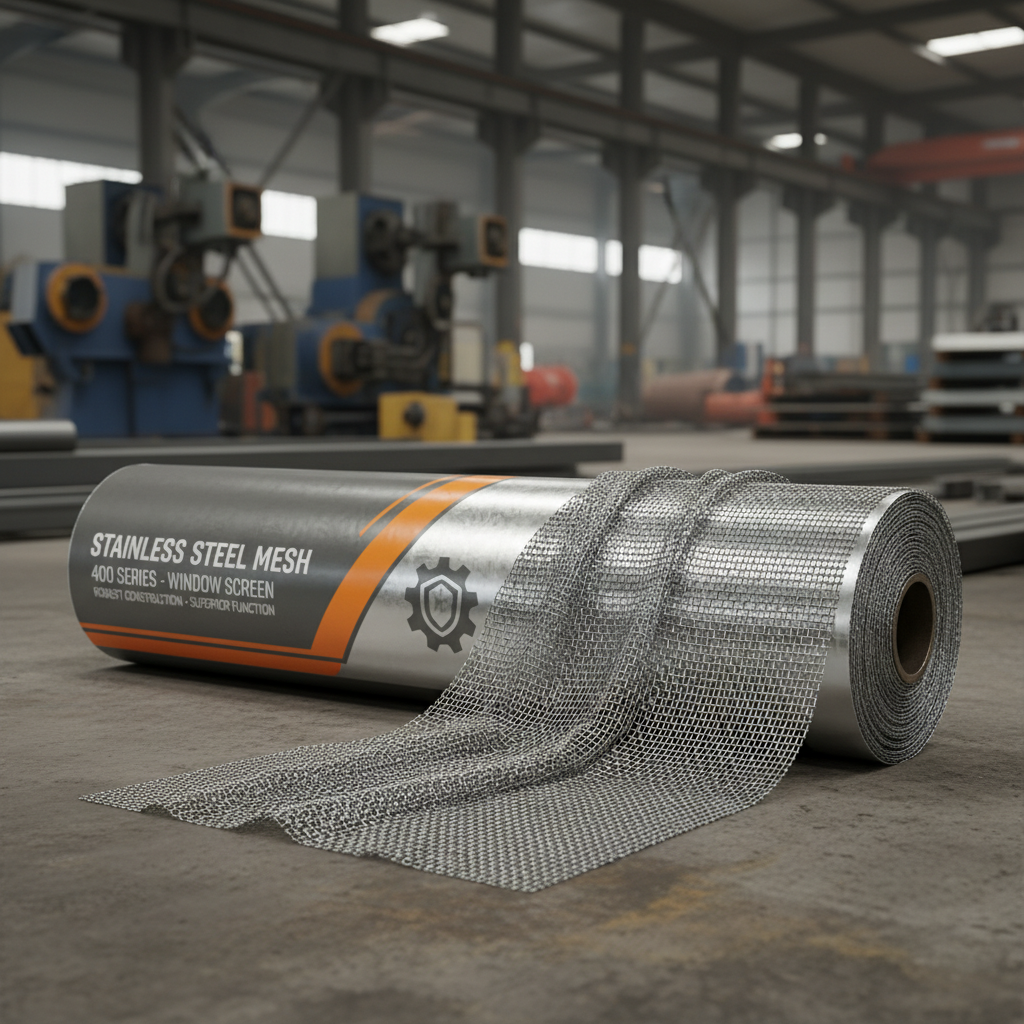
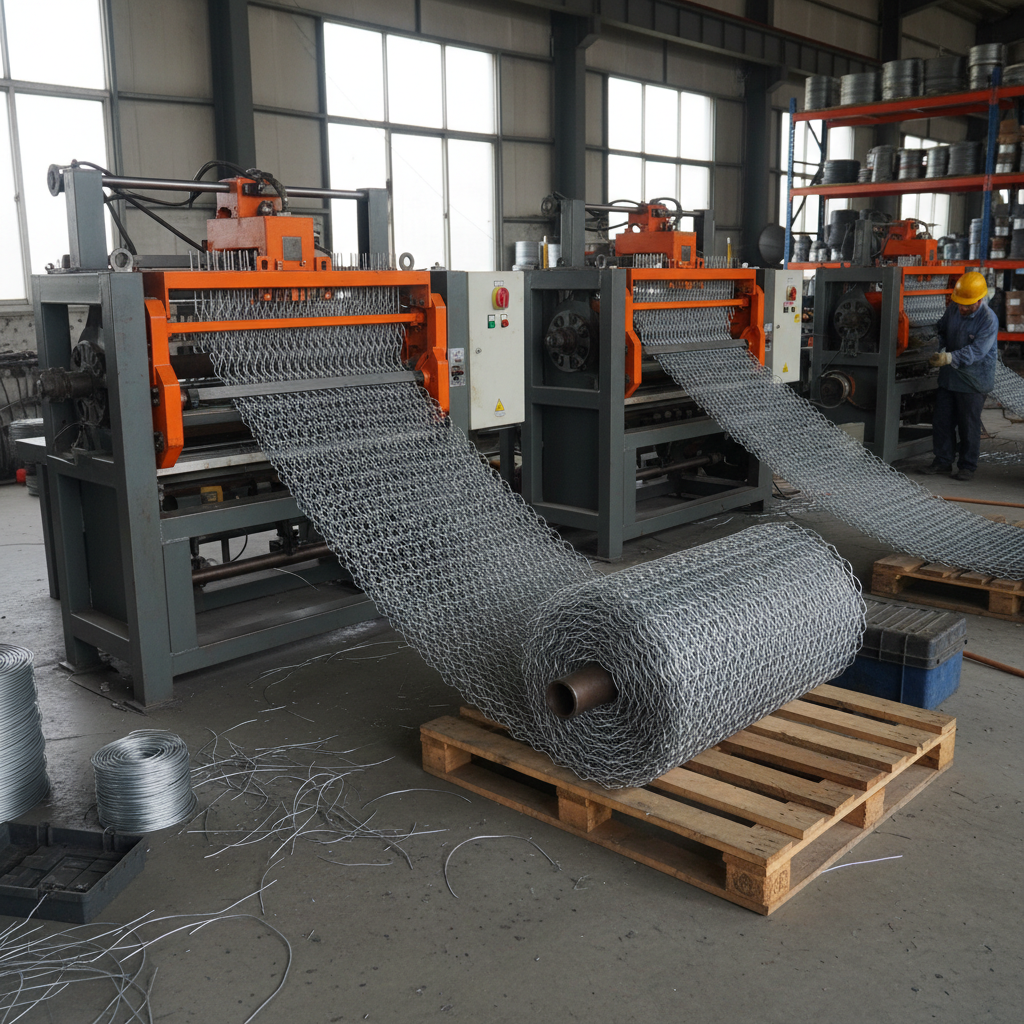
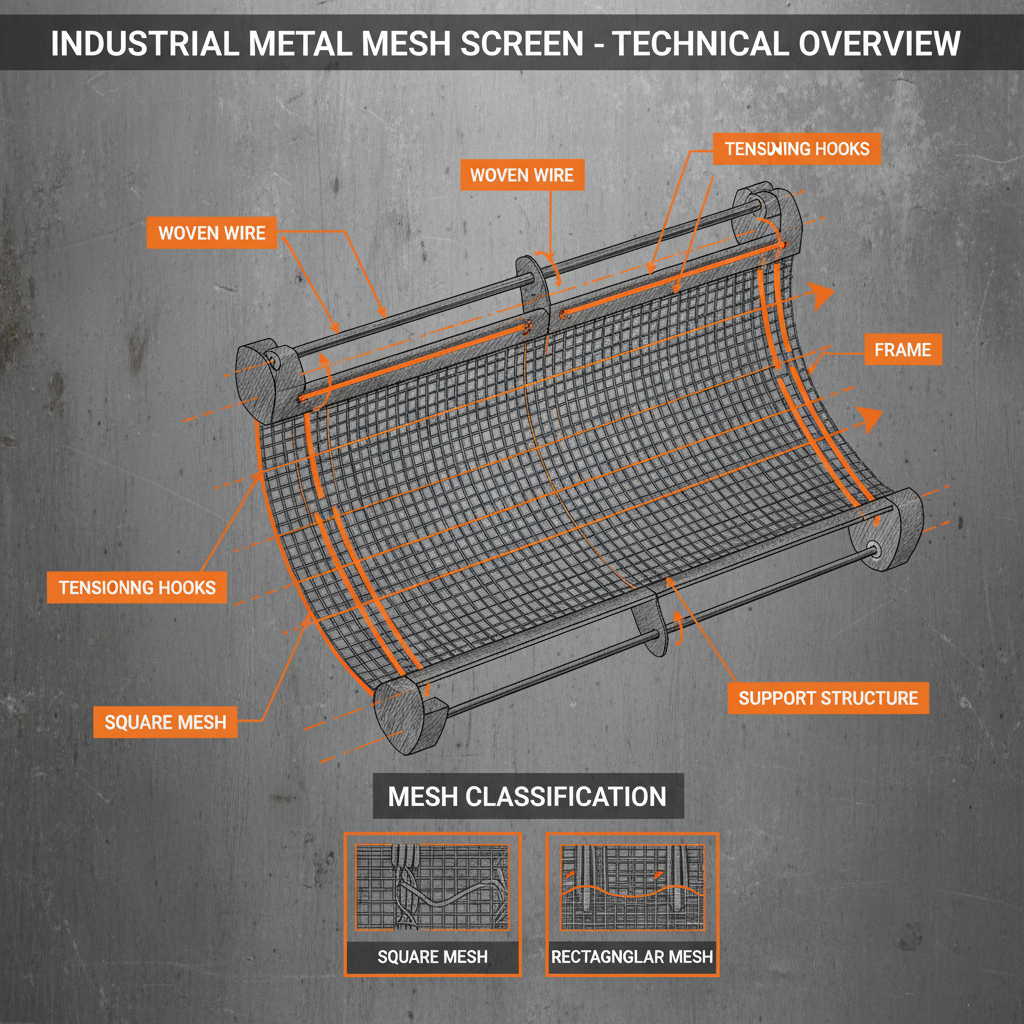
Stainless steel mesh is a woven fabric created from stainless steel wires. The specific weave pattern, wire diameter, and aperture size can be customized to meet a diverse range of application requirements. Unlike traditional woven materials, stainless steel mesh is renowned for its corrosion resistance, stemming from the chromium content within the steel alloy. This inherent property prevents rusting and degradation, even when exposed to harsh chemicals, extreme temperatures, or prolonged moisture.
The production of stainless steel mesh involves a meticulous process of wire drawing, weaving, and often, post-treatment processes like annealing or polishing. The choice of stainless steel grade (e.g., 304, 316, 316L) is critical and depends on the intended application’s specific environmental conditions and performance demands. Understanding these nuances is vital for selecting the optimal mesh for a given project.
This material serves as a cornerstone in modern industrial infrastructure and is also becoming increasingly prevalent in humanitarian aid scenarios. Its ability to provide robust filtration, secure containment, and durable protective barriers makes it an invaluable asset in addressing global challenges from water purification to disaster relief.
Key Characteristics of Stainless Steel Mesh
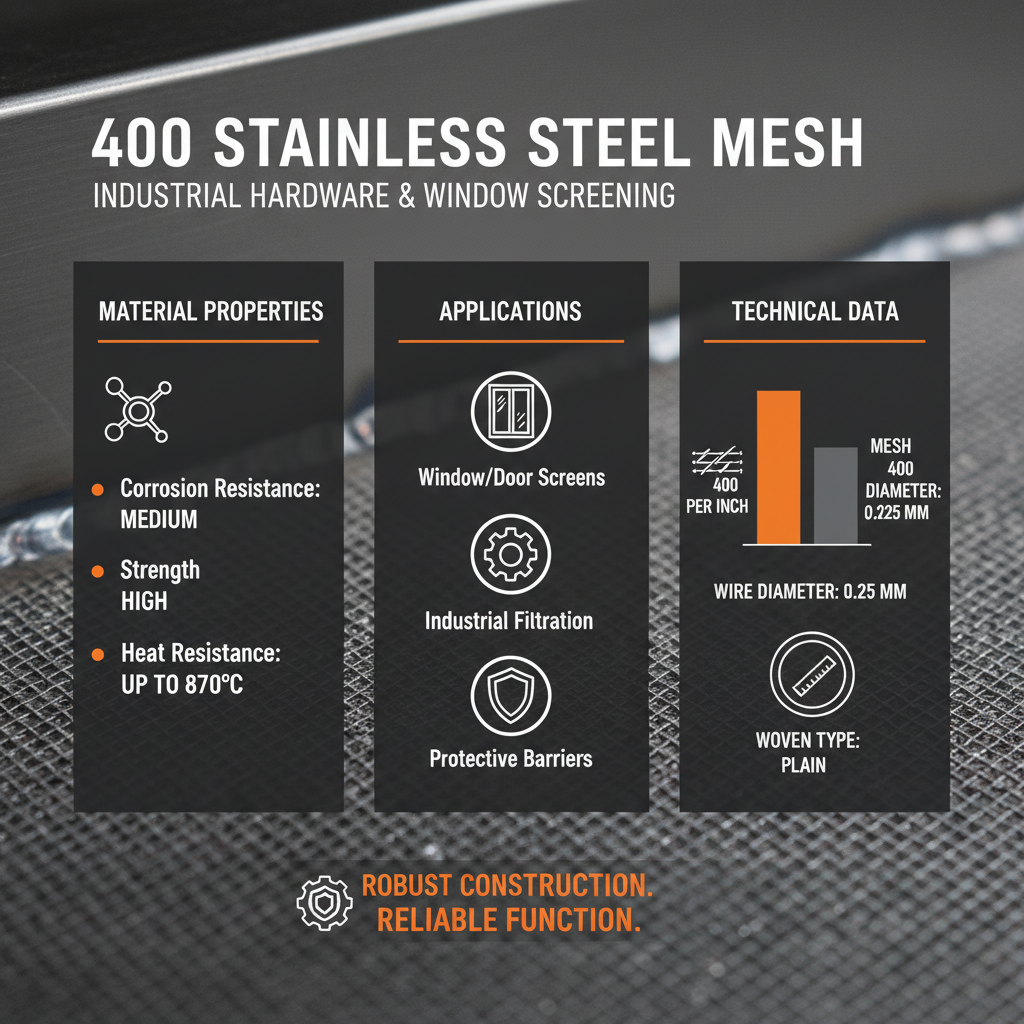
The exceptional properties of stainless steel mesh stem from its unique composition and manufacturing process. One key characteristic is its stainless steel mesh strength-to-weight ratio, offering considerable structural integrity without adding excessive bulk. This is particularly advantageous in applications where weight constraints are a concern, such as aerospace or architectural designs.
Corrosion resistance is arguably the most defining characteristic. The chromium content forms a passive layer that protects the underlying steel from oxidation, even in highly corrosive environments. This property makes it ideal for marine applications, chemical processing plants, and food and beverage industries where hygiene is paramount. Different grades of stainless steel offer varying levels of corrosion resistance, allowing for tailored solutions.
Furthermore, stainless steel mesh exhibits excellent thermal stability, maintaining its structural integrity across a wide range of temperatures. It is also readily cleanable and sterilizable, making it suitable for applications requiring strict hygiene standards. The material's aesthetic appeal, with its bright, metallic finish, is another key attribute that adds value in architectural and design contexts.
Versatility and Scalability in Applications
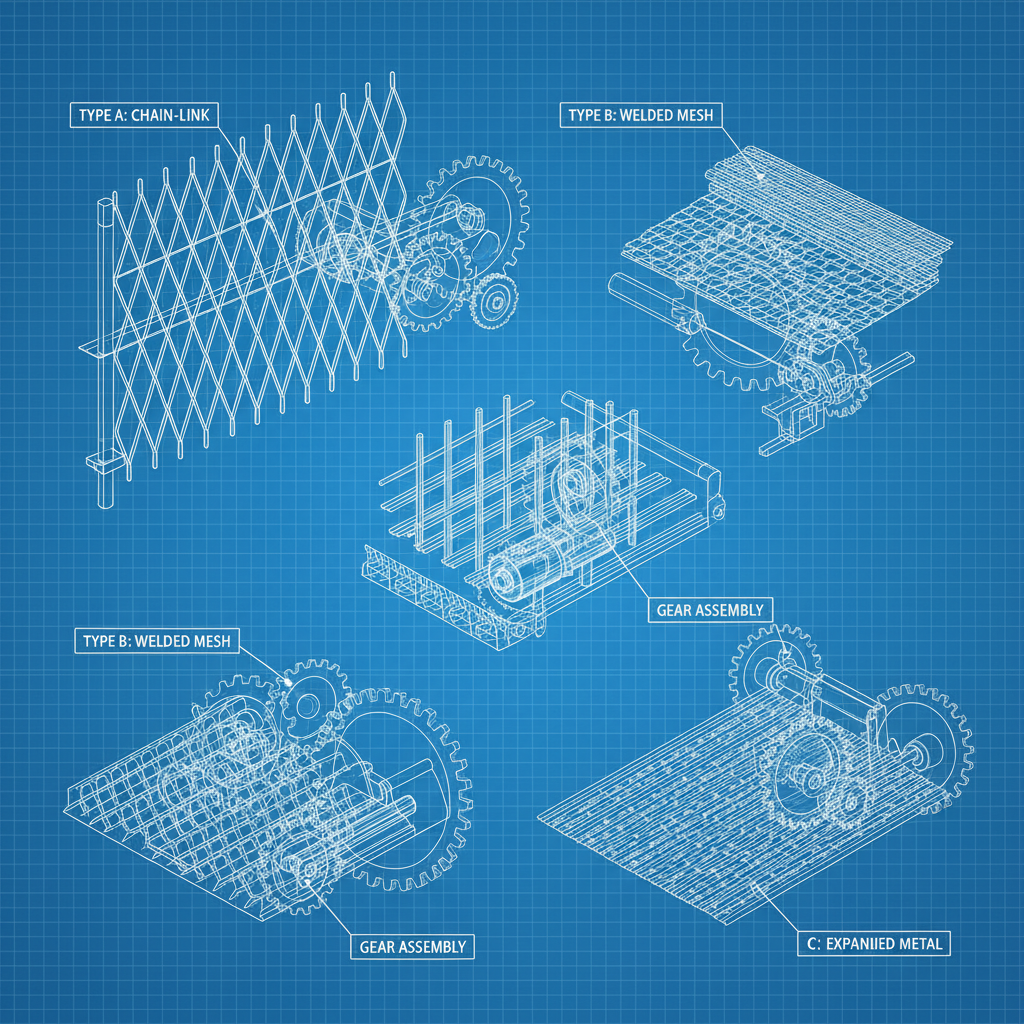
The inherent versatility of stainless steel mesh allows for its adaptation to a remarkably broad range of applications. From fine filtration in pharmaceutical manufacturing to robust security screens in public spaces, the material’s properties can be tailored to meet specific needs. This adaptability extends to different weave patterns – plain weave, twill weave, dutch weave, and reverse dutch weave – each offering distinct characteristics in terms of permeability, strength, and filtration efficiency.
Scalability is another key advantage. Stainless steel mesh can be produced in various widths and lengths, catering to projects of any size, from small-scale laboratory filters to large-scale architectural installations. The ability to customize aperture size and wire diameter further enhances its adaptability, ensuring optimal performance in diverse operational contexts.
Stainless Steel Mesh Performance Metrics
Global Applications of Stainless Steel Mesh
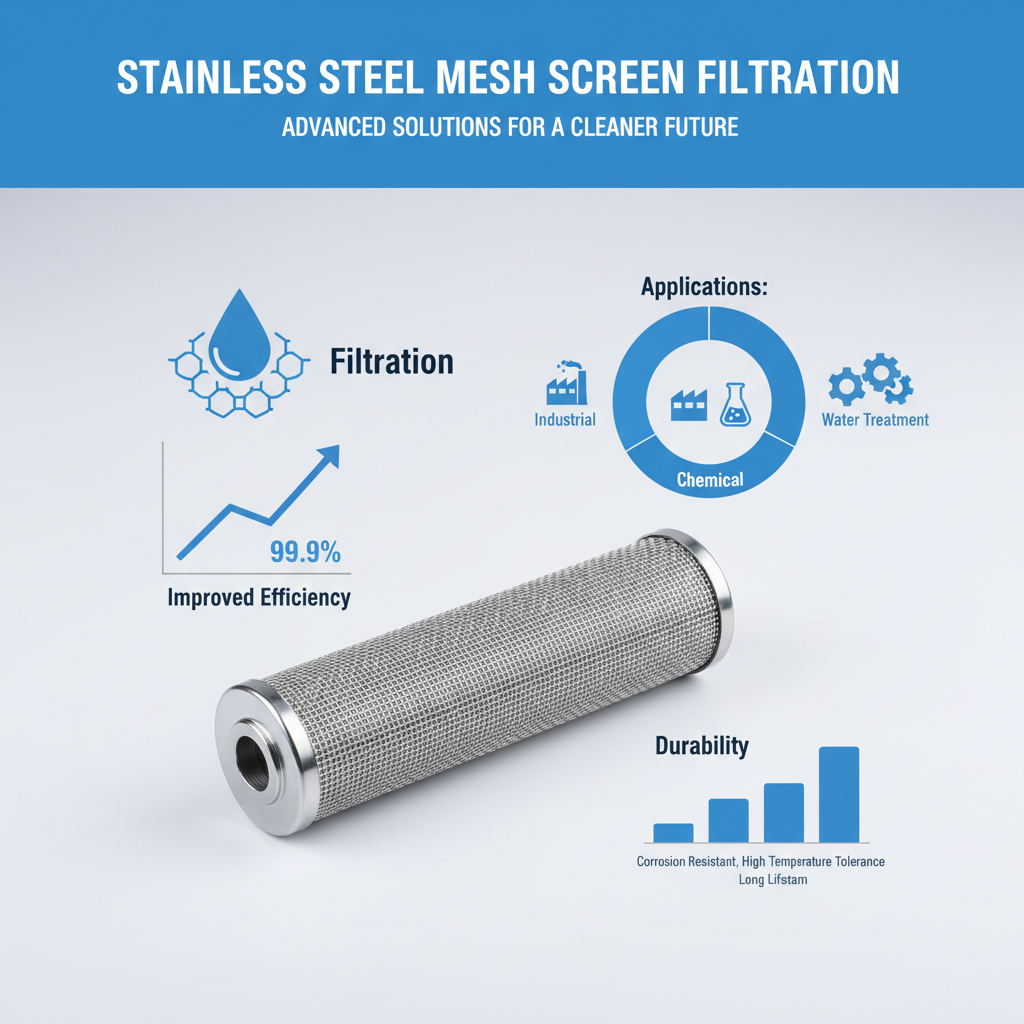
Stainless steel mesh finds widespread application across numerous industries globally. In the food and beverage sector, it is used for filtration, sieving, and conveying processes, ensuring product purity and hygiene. In the pharmaceutical industry, its precise filtration capabilities are critical for sterile manufacturing and drug development. In construction, it serves as a security screen, architectural façade element, and reinforcing material.
Across various regions, the demand for stainless steel mesh continues to grow. In Europe and North America, it is prevalent in high-end architectural projects and demanding industrial applications. In Asia-Pacific, rapid industrialization fuels demand for filtration and separation technologies, driving significant growth in the stainless steel mesh market. In post-disaster relief operations, stainless steel mesh can be rapidly deployed for water purification and temporary shelter construction, providing essential aid to affected communities.
Long-Term Benefits and Value Proposition
Investing in stainless steel mesh offers substantial long-term benefits that extend beyond its initial cost. Its exceptional durability translates to reduced maintenance and replacement expenses, minimizing lifecycle costs. The corrosion resistance safeguards against costly repairs and downtime, ensuring operational efficiency. Moreover, its recyclability aligns with sustainability goals and promotes responsible resource management.
The inherent safety and reliability of stainless steel mesh provide peace of mind. Its robust construction and resistance to degradation enhance security and protect critical infrastructure. Choosing this material demonstrates a commitment to quality, innovation, and long-term value, fostering trust with stakeholders and enhancing brand reputation.
Future Trends and Innovations
The future of stainless steel mesh is marked by exciting innovations and emerging trends. Research and development efforts are focused on enhancing its performance characteristics, such as increasing its strength-to-weight ratio and improving its resistance to extreme environments. The integration of nanotechnology is also being explored to create stainless steel mesh with self-cleaning properties or enhanced filtration capabilities.
The growing emphasis on sustainability is driving demand for eco-friendly manufacturing processes and the development of stainless steel alloys with higher recycled content. Digital transformation and automation are streamlining production processes, reducing costs and improving quality control. Furthermore, advancements in additive manufacturing (3D printing) are enabling the creation of complex stainless steel mesh structures with customized geometries, opening up new possibilities for innovative applications.
As industries continue to prioritize efficiency, safety, and environmental responsibility, stainless steel mesh will undoubtedly play an increasingly vital role in shaping the future of materials science and engineering.
Core Analysis of Future Trends in Stainless Steel Mesh
| Trend Category |
Impact on Performance |
Implementation Cost |
Time to Market (Years) |
| Nanomaterial Integration |
Enhanced Filtration Efficiency (Score: 9/10) |
High (Score: 7/10) |
5-10 |
| Additive Manufacturing |
Complex Geometry Capabilities (Score: 8/10) |
Medium (Score: 6/10) |
3-5 |
| Recycled Alloy Development |
Reduced Environmental Footprint (Score: 7/10) |
Low (Score: 4/10) |
2-3 |
| Automated Production Lines |
Increased Production Efficiency (Score: 9/10) |
Medium (Score: 6/10) |
1-2 |
| Self-Cleaning Coatings |
Reduced Maintenance Requirements (Score: 8/10) |
Medium (Score: 5/10) |
4-6 |
| High-Strength Alloy Development |
Enhanced Structural Integrity (Score: 9/10) |
High (Score: 7/10) |
5-7 |
FAQS
Stainless steel mesh offers superior corrosion resistance, higher tensile strength, and greater durability compared to other metal meshes like aluminum or carbon steel. Its inherent resistance to rust and oxidation makes it ideal for harsh environments and applications where hygiene is critical. Furthermore, it maintains its structural integrity across a wider temperature range, offering a longer service life and reducing the need for frequent replacements.
Different stainless steel grades possess varying levels of corrosion resistance and mechanical properties. 304 stainless steel is a general-purpose grade suitable for many applications, while 316 stainless steel contains molybdenum, enhancing its resistance to chloride corrosion, making it ideal for marine environments and chemical processing. 316L, a low-carbon variant of 316, offers improved weldability and further minimizes corrosion risk.
Yes, stainless steel mesh is highly customizable. Aperture size, weave pattern (plain, twill, Dutch, reverse Dutch), and wire diameter can all be tailored to meet specific application requirements. This allows for precise control over filtration efficiency, permeability, and mechanical strength. Customization options ensure the mesh is optimized for its intended purpose.
In the food and beverage industry, stainless steel mesh is widely used for filtration of liquids and solids, sieving of powders, and as a component in conveyor systems. Its hygienic properties and resistance to corrosion prevent contamination and ensure product purity. It is used in cheese making, juice clarification, and spice processing, among other applications.
Yes, stainless steel mesh is 100% recyclable, making it an environmentally responsible material choice. Recycling stainless steel reduces the need for virgin material extraction and minimizes energy consumption. Choosing stainless steel mesh contributes to a circular economy and supports sustainable manufacturing practices.
The lifespan of stainless steel mesh in a harsh outdoor environment depends on the grade of stainless steel used and the severity of the conditions. However, even in challenging environments like coastal areas, properly selected and maintained stainless steel mesh can last for decades with minimal degradation. Regular cleaning and inspection can further extend its service life.
Conclusion
In conclusion, stainless steel mesh stands out as a highly versatile and reliable material with a growing importance across a multitude of industries. Its unique combination of strength, corrosion resistance, scalability, and sustainability makes it an ideal solution for demanding applications worldwide. From improving the efficiency of industrial processes to safeguarding public health and protecting the environment, stainless steel mesh consistently delivers long-term value.
Looking ahead, continued innovation in alloy development, manufacturing techniques, and nanotechnology will further enhance the capabilities of stainless steel mesh. By embracing these advancements, businesses and organizations can unlock new possibilities and achieve even greater performance and sustainability. For all your stainless steel mesh needs, visit our website: www.chbarrier.com.