


The Ultimate Guide to PVC Coated Welded Wire Fence: Durable, Versatile Fencing Solutions
What Is a PVC Coated Welded Wire Fence and Why It Matters Globally
PVC coated welded wire fences might sound like a mouthful, but they play an outsized role in everything from agricultural security to humanitarian relief efforts worldwide. In simple terms, these fences combine welded wire mesh with a protective polyvinyl chloride (PVC) coating, enhancing durability and corrosion resistance — making them a modern go-to solution for fencing needs. But beyond just the technical specs, understanding their value really sheds light on how infrastructure adapts globally to demands for safety, sustainability, and longevity.
Why does this matter on a worldwide scale? Well, the demand for secure, cost-effective fencing solutions has been rising steadily. According to the International Trade Centre, fencing and wire products form a critical part of global agricultural and industrial supply chains. From large-scale farming in the U.S. to wildlife preserves in Africa, this technology helps protect land, livestock, and even people. The benefits? Enhanced safety, longer lifespan of structures, and lower long-term costs — all of which matter as economies and ecosystems alike face mounting pressure.
Quick takeaway:
- PVC coated welded wire fences are simple yet vital infrastructure components worldwide.
- Their impact goes well beyond fencing — touching security, sustainability, and economic resilience.
The Global Importance of PVC Coated Welded Wire Fence
Globally, fencing plays a surprisingly big role in everything from food security to conservation efforts. According to FAO reports, nearly 40% of global crop failures are related to inadequate land protection. Here, PVC coated welded wire fences address a fundamental challenge — creating robust barriers that withstand harsh environments without frequent replacement. More than that, these fences must comply with international standards like ISO 1461 for galvanized coatings, ensuring a minimum lifespan under various weather conditions.
Industries ranging from agriculture, manufacturing, to humanitarian aid rely heavily on these fences. Post-disaster zones, for instance, often require rapid deployment of durable fencing to secure aid facilities and shelters. Oddly enough, even wildlife parks leverage these fences to create invisible yet strong bonds between animals and humans, protecting endangered species without harsh visual intrusions.
Summary:
- These fences address global challenges in security and land management.
- They comply with international quality standards, enhancing trust and reliability.
Understanding PVC Coated Welded Wire Fence: Definitions & Core Components
Simply put, a pvc coated welded wire fence is a structure made of steel wires welded together in a grid pattern, then coated with a layer of PVC. This coating adds a protective barrier that resists rust, chemical exposure, and UV degradation. It's the chemistry of that PVC layer, plus the welding quality, that really defines a fence’s durability and lifespan.
Here’s how it connects to modern industry and humanitarian needs:
- Industrial fencing demands strength and vandal resistance.
- Agricultural fencing needs to be safe for animals, avoid rust, and last seasons.
- Humanitarian aid requires quick, reliable fencing for emergency shelters, often with portability.
Mini takeaway:
- Welding ensures strength; PVC coating ensures longevity.
- It's a versatile product bridging industry, agriculture, and emergency response needs.
Key Factors of PVC Coated Welded Wire Fence
Durability
One of the biggest selling points is how PVC coating protects the welded mesh from environmental damage. Harsh weather, moisture, and chemical pollutants typically corrode uncoated wire quickly. This coating can last 15-20 years, significantly extending fence lifespan and reducing maintenance costs.
Customization & Scalability
These fences come in different mesh sizes, wire gauges, and colors. Whether you need a high-security perimeter or a basic garden fence, the modular nature means easy customization and fast deployment — especially important in crisis zones.
Cost Efficiency
While upfront costs might be a little higher than bare wire, long-term savings from reduced maintenance and replacements make them cost-effective. Plus, installation is straightforward, which saves labor costs.
Environmental Impact
Since PVC coated fencing lasts longer, it means less frequent manufacturing and disposal. Additionally, many manufacturers use eco-friendlier PVC formulations nowadays, aligning with global sustainability goals.
Safety & Aesthetic Appeal
The smooth PVC surface minimizes injury risk from sharp edges. Plus, the coated finish comes in green, black, or white — which visually blends into landscapes better than plain wire.
Summary:
- Durability and design flexibility make PVC coated welded wire fences practical and cost-wise.
- They support safety and eco-friendly considerations.
Global Applications & Use Cases
Across continents and sectors, these fences come into play in surprising ways:
- Agriculture: Protecting livestock from predators across Australia and South America.
- Industrial sites: Security fencing in chemical plants in Europe where corrosion resistance is crucial.
- Wildlife reserves: In Sub-Saharan Africa, boundaries keep animals safe without harsh barriers.
- Humanitarian operations: Post-hurricane relief centers in the Caribbean rely on quick setups of these fences.
For example, in 2017 after Hurricane Maria, relief organizations used portable PVC coated welded wire fences to secure storage sites and protect campsites — saving precious time and money.
| Specification | Details |
|---|---|
| Material | Galvanized Steel Wire |
| Coating | PVC / Polyvinyl Chloride |
| Wire Diameter | 2.0mm - 5.0mm |
| Mesh Size | 25mm x 25mm to 100mm x 100mm |
| Color Options | Green, Black, White |
| Standard Length | 10 - 50 meters per roll |
Advantages & Long-Term Value of PVC Coated Welded Wire Fence
There's something reassuring about fencing that lasts decades. The emotional security of knowing your property, crops, or livestock are shielded from intrusions can’t be overstated. From a logical standpoint, you minimize maintenance costs, labor hours, and replacement expenses over time. This is especially relevant for NGOs working in resource-constrained settings where every dollar counts.
The PVC layer also preserves the wire’s structural integrity, which means fewer repairs and a smaller environmental footprint, tying directly to sustainability goals championed by bodies like the UN Environment Programme.
Mini summary:
- Your investment in PVC coated welded wire fencing pays off over years in safety, cost savings, and ecological impact.
- It inspires trust and enables innovation in challenging environments.
Future Trends & Innovations
Frankly, this industry is quietly evolving. Newer technologies emphasize recycled PVC coatings and nanotechnology to enhance UV resistance. Automation tools now allow vendors to customize and label fencing remotely, speeding the supply chain. We also see emerging policies pushing for greener manufacturing practices, which means fences with an even smaller carbon footprint.
Digital IoT integrations—such as sensors embedded into fences to detect breaches—are gaining momentum in industrial security sectors. And oddly enough, 3D-printed wire mesh prototypes are being explored for smart fencing solutions.
Challenges & Expert Solutions
There are still hurdles. For example, PVC coatings may crack over time in extremely cold climates. Also, while PVC inhibits rust, severe abrasion can expose the metal underneath. Many engineers recommend multi-layer coating systems or hybrid materials combining PVC with powder coating for extreme conditions.
Another challenge is waste management for expired fencing. Some manufacturers now offer take-back programs or use bio-based PVC alternatives, addressing circular economy concerns. Plus, training installers correctly reduces early damage and extends useful life.
| Vendor | Product Range | Certifications | Sustainability Initiatives |
|---|---|---|---|
| FenceCo | Standard & customrolls | ISO 1461, ISO 9001 | PVC recycling program, eco-friendly packaging |
| GlobalMesh | Heavy-duty, security fencing | EN 10244-2, SGS approved | Uses bio-based PVC alternatives |
| EcoWire | Agricultural & wildlife fencing | ISO 14001 certified | Take-back and recycling services |
FAQ: Frequently Asked Questions About PVC Coated Welded Wire Fence
Q1: How long does a PVC coated welded wire fence typically last?
A1: When properly installed and maintained, these fences often last 15 to 20 years or more. The PVC coating protects against rust, UV damage, and weather extremes, significantly extending lifespan compared to uncoated alternatives.
Q2: Is the PVC coating safe for animals and environmentally friendly?
A2: Generally, yes. PVC coatings are smooth and non-toxic in solid form, minimizing injury risks to animals. Newer formulations aim to reduce environmental impact and many manufacturers follow sustainability standards.
Q3: Can these fences be customized for unique installation needs?
A3: Absolutely. Mesh size, wire gauge, color, and roll length can all be tailored to fit specific project needs — whether industrial, agricultural, or humanitarian.
Q4: What’s the best way to maintain a PVC coated welded wire fence?
A4: Routine inspection to clean dirt buildup and check for mechanical damage is key. Prompt repairs of cuts or scratches on the coating prevent rust from forming underneath.
Q5: Are these fences cost-effective compared to traditional wood or chain link fences?
A5: Yes, especially in the long term. While initial costs may be slightly higher than wooden fencing, durability, low maintenance, and corrosion resistance make PVC coated fences a financially smart choice over years.
Conclusion: Why PVC Coated Welded Wire Fence Is a Smart Long-Term Investment
In the end, PVC coated welded wire fences represent more than just protection. They marry engineering, environmental sensibility, and adaptability into one resilient product. Whether you're securing farmland in Asia, protecting a warehouse in Europe, or stabilizing a refugee camp in the Americas, these fences deliver reliability and peace of mind.
For those intrigued by durable fencing solutions or needing customized fencing projects, do explore more about pvc coated welded wire fence options. It feels like an investment that truly pays off in trust and longevity.
Thanks for reading — it’s always worth pausing occasionally to discover the unsung staples of infrastructure that quietly shape our world.
Latest News About CHENG CHUANG
-
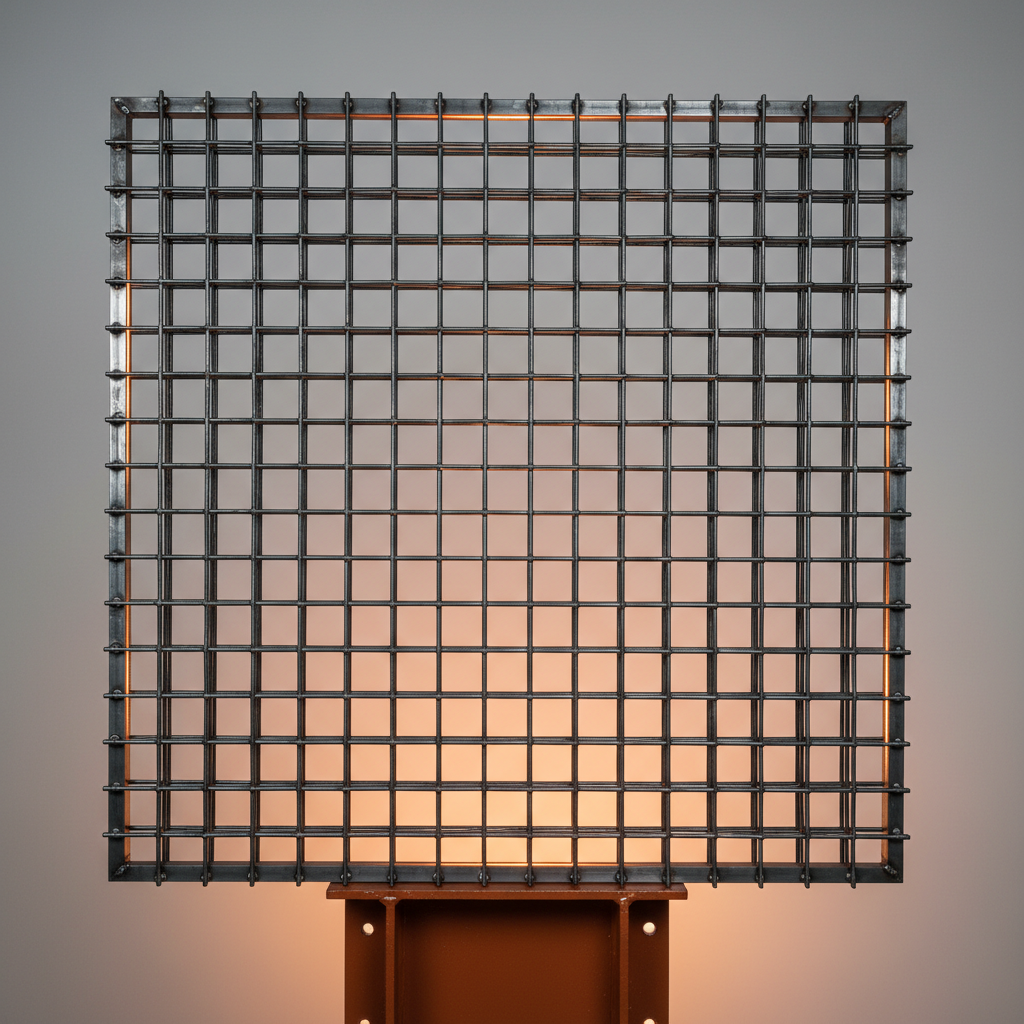 Heavy Duty 6 gauge welded wire mesh for Security and StrengthWhen it comes to heavy-duty containment, security, and structural reinforcement, choosing the right material is critical. The 6 gauge welded wire mesh stands as a premier choice for those requiring a balance of extreme rigidity and precise spacing. Whether you are securing a commercial perimeter, building industrial livestock panels, or creating reinforced concrete structures, this specific thickness provides the structural integrity needed to withstand significant pressure and impact. In this comprehensive guide, we will explore the technical specifications, primary applications, and why this mesh is the gold standard for high-security fencing solutions.Read more >
Apr 16 2026
-
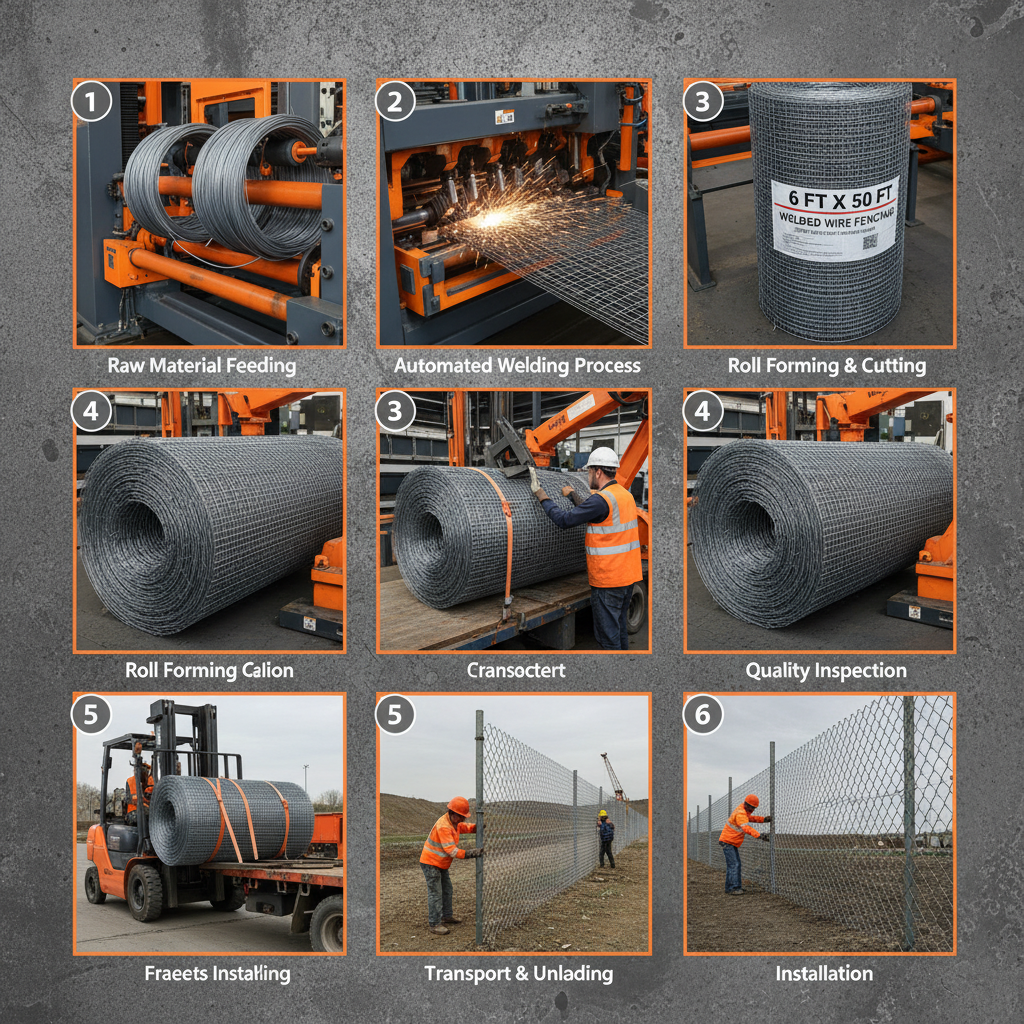 Durable 6 ft x 50 ft welded wire fencing for Security and GardensWhen it comes to securing a perimeter, whether for agricultural use, garden protection, or industrial boundaries, the dimensions and material of your fence matter. The 6 ft x 50 ft welded wire fencing offers an ideal balance of height and length, providing a robust barrier that is easy to install and maintain. Choosing a welded wire system ensures that the intersections are fused together, preventing the shifting and sagging often found in woven alternatives. In this guide, we will explore why this specific size is a preferred choice for property owners and how to maximize its effectiveness for your specific project.Read more >
Apr 09 2026
-
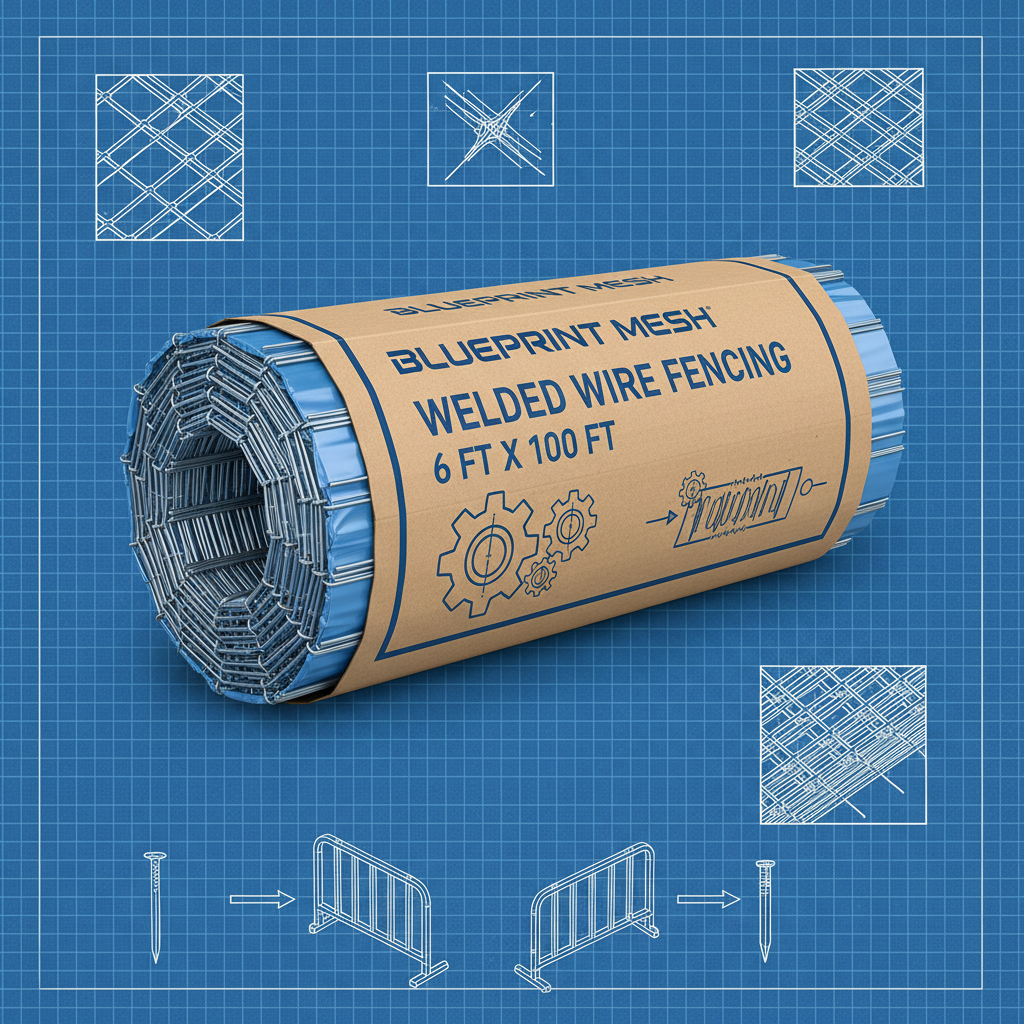 Comprehensive Guide to Choosing the Best 6 ft x 100 ft Welded Wire FencingWelded wire fencing is a versatile and cost-effective solution for a wide range of applications, from agricultural containment to residential security. Understanding the nuances of different types, especially when considering a size like 6 ft x 100 ft welded wire fencing, is crucial for making the right investment. This article will guide you through the essential factors to consider, helping you select the fencing that best suits your specific requirements.Read more >
Apr 07 2026
-
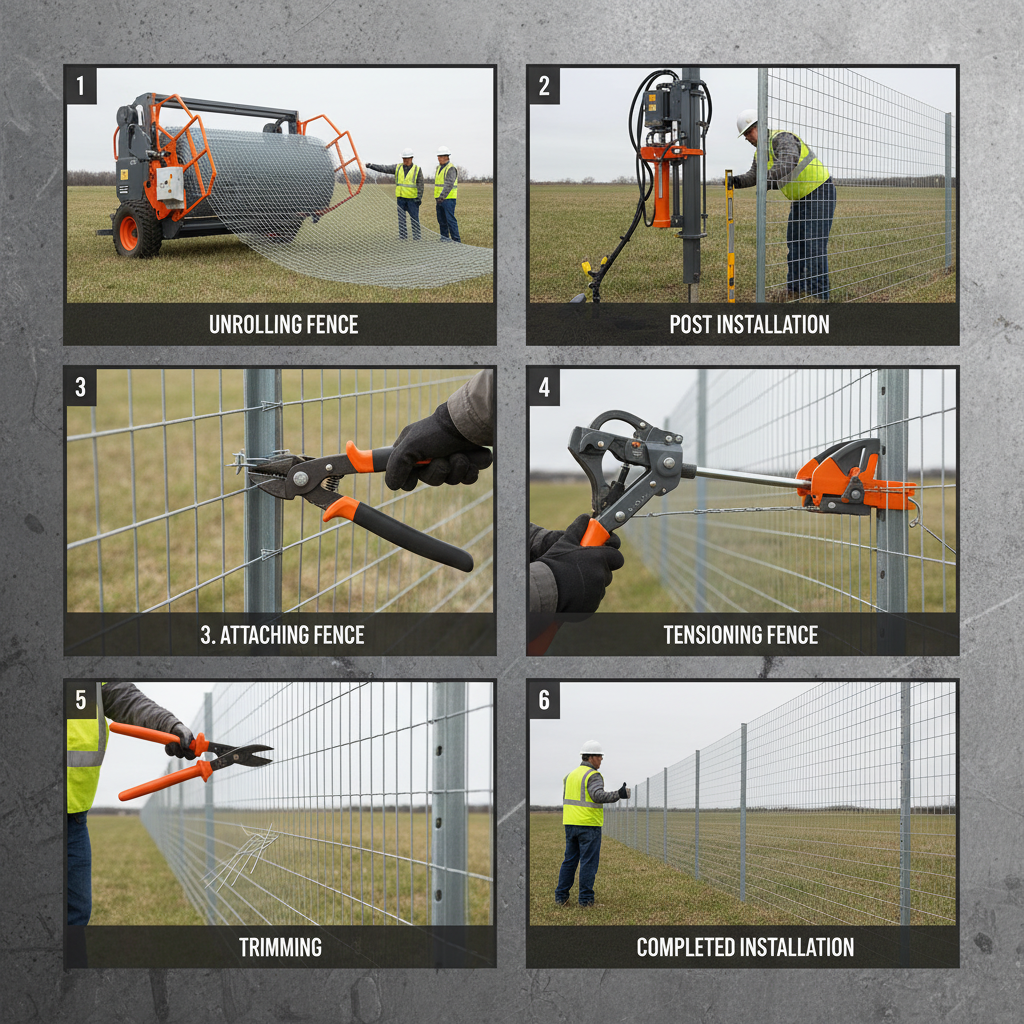 Comprehensive Guide to Choosing a 6 ft x 100 ft 12.5 Gauge Welded Wire FenceSelecting the appropriate fence for your property requires careful consideration. A 6 ft x 100 ft 12.5 gauge welded wire fence offers a robust and versatile solution for a variety of applications, from pet containment to garden protection and security. This guide will explore the benefits, applications, installation tips, and considerations when choosing this type of fencing. Understanding its construction and comparing it to other fencing options will help you make an informed decision.Read more >
Apr 04 2026
-
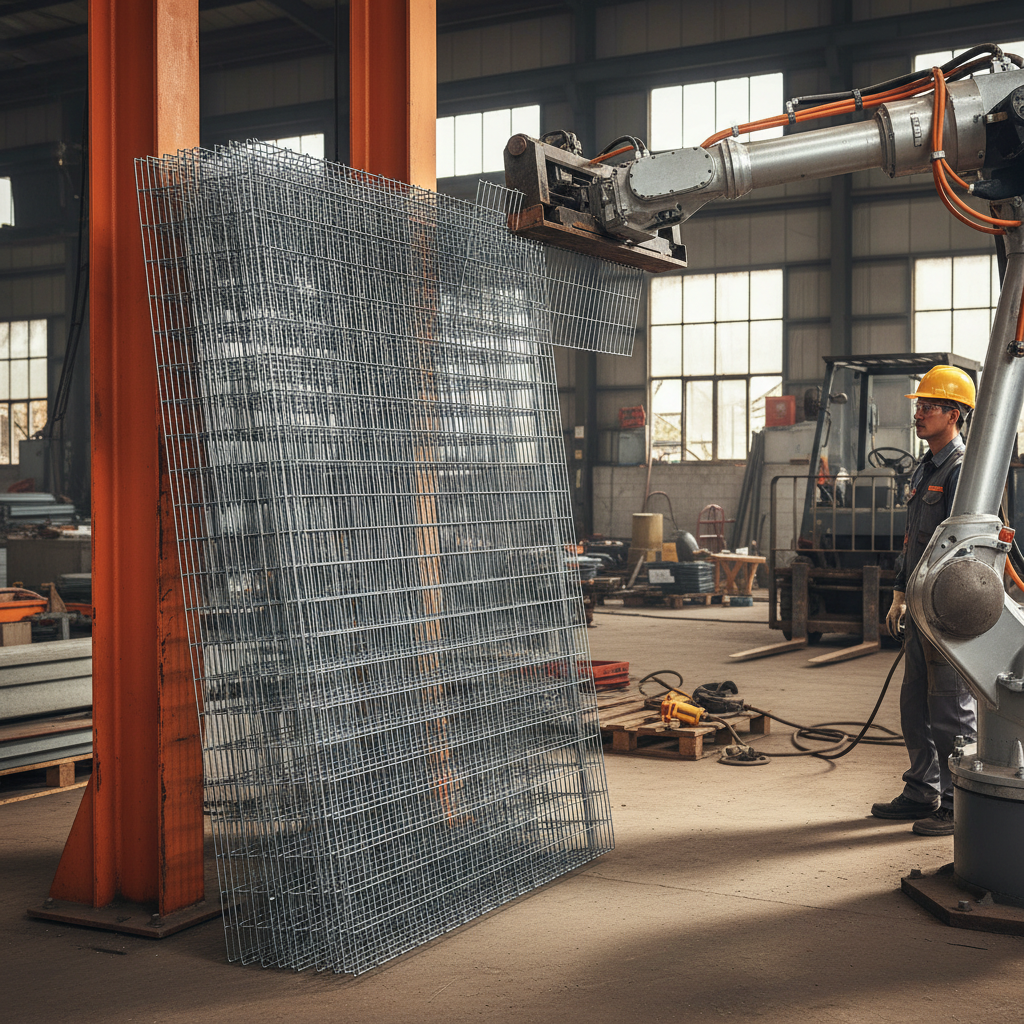 Comprehensive Guide to Durable 6 ft Welded Wire Fencing Panels and ApplicationsWhen selecting fencing for your property, 6 ft welded wire fencing panels offer a robust and versatile solution. These panels combine strength, security, and ease of installation, making them a popular choice for both residential and commercial applications. This article delves into the benefits, applications, installation, and maintenance of these panels, helping you make an informed decision.Read more >
Mar 31 2026