


Understanding Rigid Mesh Panels: Global Uses, Benefits, and Innovations
Rigid Mesh Panels: What They Are and Why They Matter Globally
Rigid mesh panels might not be something you think about daily, but these sturdy grids play a subtle, yet crucial role worldwide. Simply put, they’re the unsung heroes of secure fencing, industrial frameworks, and many protective barriers — holding strong where it counts. Understanding how rigid mesh panels work and why they’ve become essential is key not only for industries aiming for security and durability but also for humanitarian efforts that depend on rapid and reliable infrastructure. In a world where safety, scalability, and sustainability are growing concerns, knowing your mesh panels from your regular fencing feels pretty important.
Introduction: The Global Context of Rigid Mesh Panels
From bustling industrial hubs in Asia to sprawling construction sites in Europe, the use of rigid mesh panels has been on the rise. According to the International Organization for Standardization (ISO), fencing solutions that combine durability with ease of installation — like rigid mesh panels — are increasingly preferred for security perimeter fencing (ISO 17660-3). The global fencing market, valued at several billion dollars, reflects a significant shift towards modular, reliable solutions. Frankly, the challenge has always been balancing strength, longevity, and cost-efficiency, which rigid mesh panels address rather neatly.
Post-disaster relief, border security, and industrial safety all require something that can be deployed fast but won’t compromise on security or resilience. And oddly enough, rigid mesh panels fit the bill better than traditional wooden fences or flimsy wire mesh.
What Are Rigid Mesh Panels?
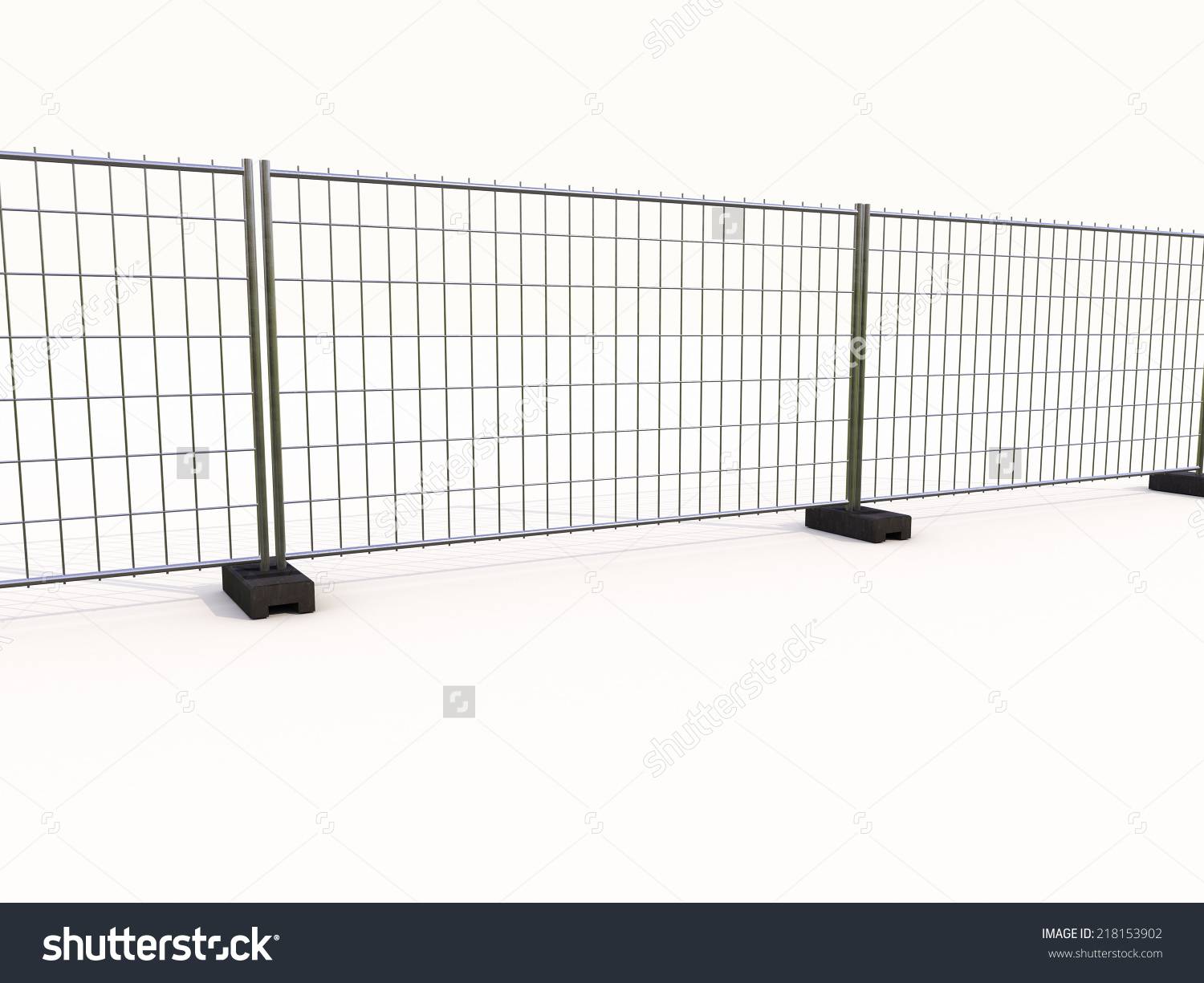
If you’re picturing a grid of thick steel wires welded firmly together, you’re pretty close. Rigid mesh panels are strong, welded wire mesh systems constructed from high-tensile steel — designed to resist cutting and deformation. They’re often coated in protective zinc or PVC layers to withstand corrosion and weathering, making them superb for long-term outdoor use. These features tie directly into modern industrial goals and humanitarian needs: fast installation, high security, and minimal maintenance. For rigid mesh panels, think strong but lightweight, hard-wearing yet adaptable.
Core Components of Rigid Mesh Panels
- Durability: Made from galvanized or PVC-coated steel, these panels resist rust and corrosion — vital for longevity.
- Security: The welded mesh design and narrow apertures prevent cutting or climbing, enhancing perimeter integrity.
- Scalability: Modular sizes allow fences to expand or reconfigure with relative ease, important for evolving sites.
- Cost Efficiency: Despite upfront costs, reduced maintenance and quick installation lower overall expenses.
- Aesthetic Flexibility: Available in various finishes and colors, so they blend well into both urban and rural settings.
- Compliance: Often meet international standards for environmental safety and security certifications.
These components combine to serve end-users across industries, no matter if it’s securing a warehouse in Canada or a refugee camp in Africa.
Global Applications & Use Cases
The versatility of rigid mesh panels really shines when you look from a global lens. In fast-moving humanitarian crises, NGOs often rely on modular fencing derived from rigid mesh panels to secure relief goods and create safe zones quickly. For example, temporary settlements in Southeast Asia regularly utilize these systems.
On industrial campuses in Europe, rigid mesh panels secure sensitive equipment and prevent unauthorized access. And in remote mining operations in Australia and South America, durability against harsh climates — plus easy transportation and setup — make them indispensable.
Oddly enough, you might even find rigid mesh panels in sports infrastructure or zoo enclosures, demonstrating their flexibility.
| Specification | Typical Range |
|---|---|
| Material | Galvanized Steel / PVC coated steel |
| Panel Size | 2m x 2.5m (common), customizable |
| Mesh Aperture | 50mm x 200mm typical |
| Wire Diameter | 4mm to 8mm |
| Coating Thickness | 45μm Zinc, 70-150μm PVC |
| Weight | 15-30 kg per panel |
Mini takeaway: Rigid mesh panels come in carefully engineered sizes and materials designed for strength, long life, and flexibility.
Advantages & Long-Term Value
In real terms, rigid mesh panels offer cost savings below the surface — though they might seem pricier upfront compared to wood or chain-link fencing, they rarely need replacement or heavy upkeep. They’re sustainable in this sense, especially with recyclable materials which aligns with ISO standards on environmental responsibility (ISO 14001).
There’s also a strong emotional aspect: workers and residents feel safer behind fences they know won’t fail abruptly. For business owners, it cultivates trust and reliability. Innovation keeps pushing coatings and weld methods that extend panel life while reducing weight. Smart thermal or anti-corrosion finishes are beginning to pop up too, integrating with green energy initiatives.
Comparing the Top Rigid Mesh Panel Vendors
| Vendor | Material Quality | Customization Options | Lead Time | Price Range |
|---|---|---|---|---|
| SecureMetal | High, galvanized steel with extra zinc layer | Panel sizes, coatings, mesh densities | 2-3 weeks | $$$ |
| FencePro | Standard galvanized | Basic sizing, limited coatings | 1-2 weeks | $$ |
| EcoFence | Recycled steel, PVC-coated | Custom colors and eco-friendly coatings | 3-4 weeks | $$$ |
Future Trends & Innovations
Looking ahead, the industry is quietly buzzing about integrating digital tracking on panels, kind of like how RFID tech helps logistics. Imagine inventory and maintenance records built right into your fence sections. Plus, newer coatings using nanotechnology promise even better resistance to UV and chemical damage. The green push isn’t slowing either; more producers are adopting recycled steel and low-impact manufacturing methods, aligning with United Nations Sustainable Development Goals on responsible production.
Challenges & How They’re Overcome
Let’s be honest — rigid mesh panels aren’t a magic solution. Limitations include the initial investment and potential difficulty in ultra-remote deployment without skilled installers (oddly, you really don’t want a half-installed security fence). Also, panels can be heavy and challenging to transport in bulk.
However, innovations in panel modularity and foldable designs, plus increasing automation in installation machinery, are tackling these issues head-on. Training programs tailored to local contexts also help NGOs and small contractors deploy much faster.
FAQ: Frequently Asked Questions About Rigid Mesh Panels
- Q: How do rigid mesh panels compare with chain-link fences in terms of security?
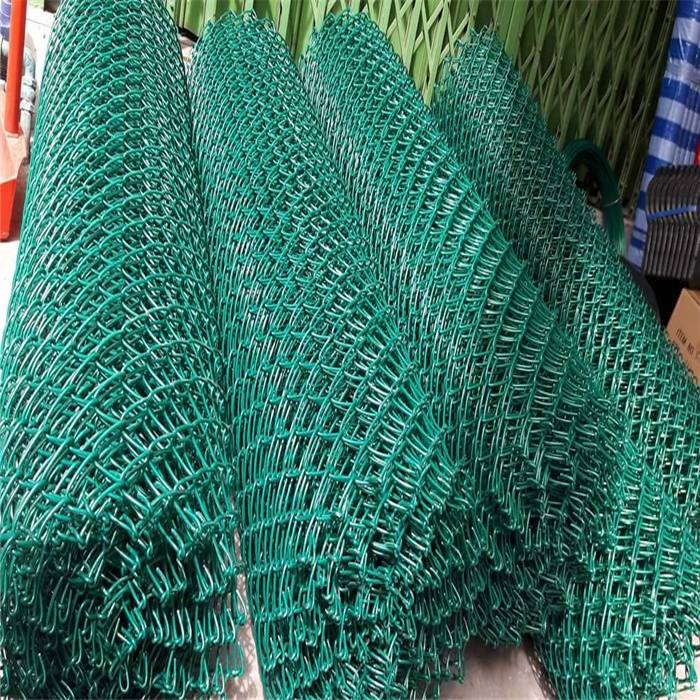
A: Rigid mesh panels generally provide superior security due to thicker, welded wires and smaller mesh apertures that make cutting or climbing more difficult, unlike flexible chain-link fences which can be more easily breached. - Q: Can rigid mesh panels withstand harsh weather conditions?
A: Yes, especially those galvanized or PVC coated. The corrosion-resistant coatings help panels survive rain, snow, and UV rays, making them suitable for long-term outdoor use. - Q: Are these panels reusable for temporary setups?
A: Absolutely. Their modular design enables easy disassembly and reinstallation, which is particularly useful for temporary or evolving sites like construction zones or humanitarian camps. - Q: What maintenance do rigid mesh panels require?
A: Minimal maintenance is needed if installed correctly. Periodic inspections for damage and occasional washing to remove corrosive residues suffice to keep them durable. - Q: How can NGOs import these solutions internationally?
A: Working with vendors experienced in global logistics and compliance reduces import hurdles. Many provide turnkey services including customs documentation and shipping directly to project sites.
Conclusion and Call to Action
In sum, rigid mesh panels combine strength, adaptability, and longevity — qualities that are increasingly invaluable across diverse industries and humanitarian contexts worldwide. Their balance of cost-effectiveness, security, and sustainability speaks volumes about why they’re becoming a go-to choice.
If you’re considering upgrading your fencing systems or supporting larger projects, I recommend taking a closer look at rigid mesh panels and their potential to deliver lasting value. After all, solid security begins with solid materials.
Mini takeaway: Rigid mesh panels — quietly reliable, globally relevant.
References:
1. International Organization for Standardization (ISO 17660-3).
2. ISO 14001 Environmental Management.
3. United Nations Sustainable Development Goals.
Latest News About CHENG CHUANG
-
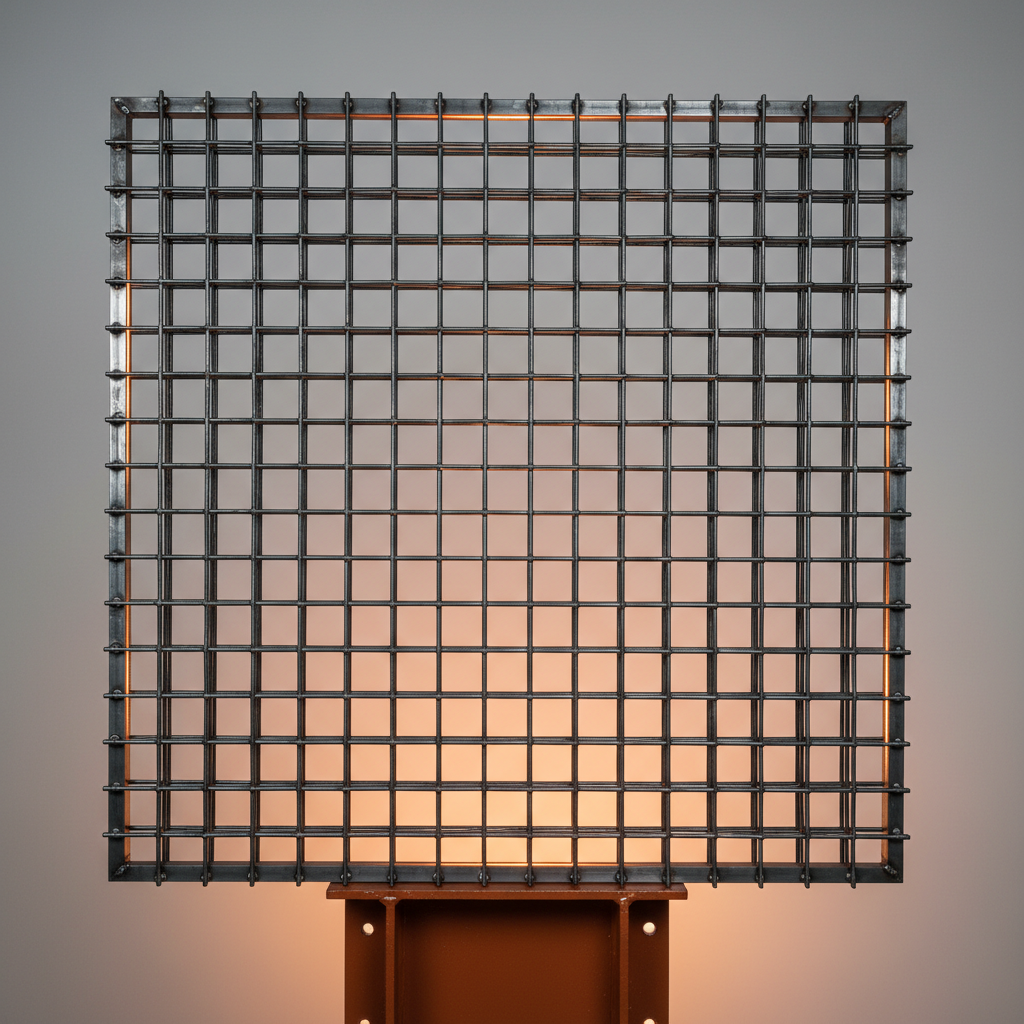 Heavy Duty 6 gauge welded wire mesh for Security and StrengthWhen it comes to heavy-duty containment, security, and structural reinforcement, choosing the right material is critical. The 6 gauge welded wire mesh stands as a premier choice for those requiring a balance of extreme rigidity and precise spacing. Whether you are securing a commercial perimeter, building industrial livestock panels, or creating reinforced concrete structures, this specific thickness provides the structural integrity needed to withstand significant pressure and impact. In this comprehensive guide, we will explore the technical specifications, primary applications, and why this mesh is the gold standard for high-security fencing solutions.Read more >
Apr 16 2026
-
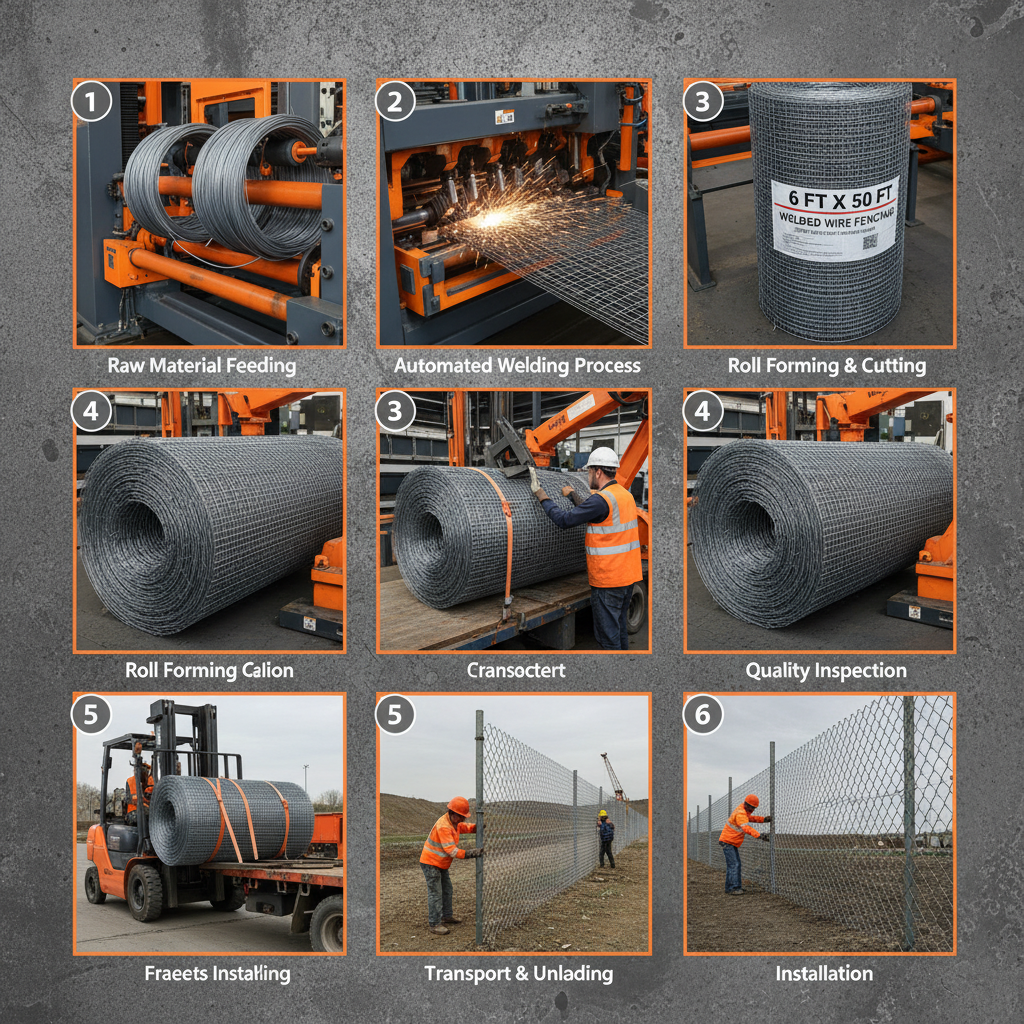 Durable 6 ft x 50 ft welded wire fencing for Security and GardensWhen it comes to securing a perimeter, whether for agricultural use, garden protection, or industrial boundaries, the dimensions and material of your fence matter. The 6 ft x 50 ft welded wire fencing offers an ideal balance of height and length, providing a robust barrier that is easy to install and maintain. Choosing a welded wire system ensures that the intersections are fused together, preventing the shifting and sagging often found in woven alternatives. In this guide, we will explore why this specific size is a preferred choice for property owners and how to maximize its effectiveness for your specific project.Read more >
Apr 09 2026
-
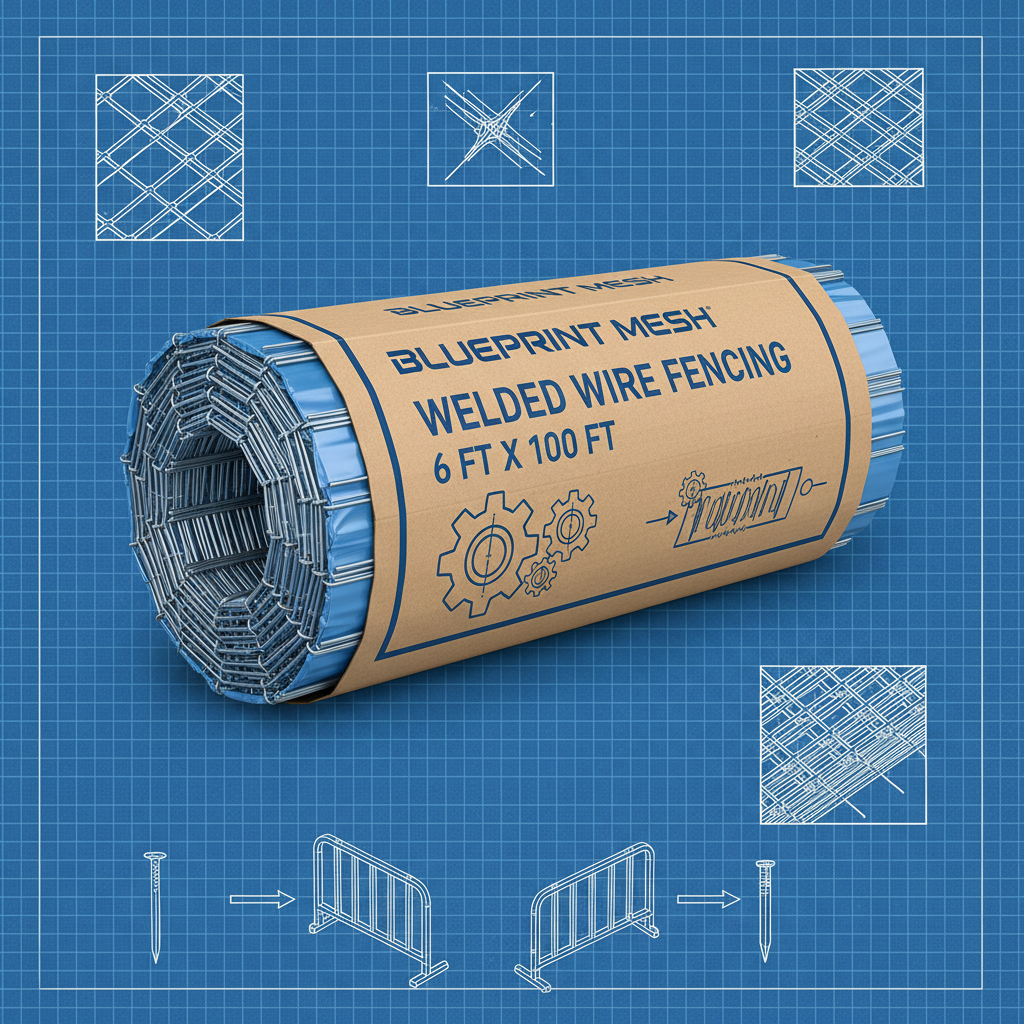 Comprehensive Guide to Choosing the Best 6 ft x 100 ft Welded Wire FencingWelded wire fencing is a versatile and cost-effective solution for a wide range of applications, from agricultural containment to residential security. Understanding the nuances of different types, especially when considering a size like 6 ft x 100 ft welded wire fencing, is crucial for making the right investment. This article will guide you through the essential factors to consider, helping you select the fencing that best suits your specific requirements.Read more >
Apr 07 2026
-
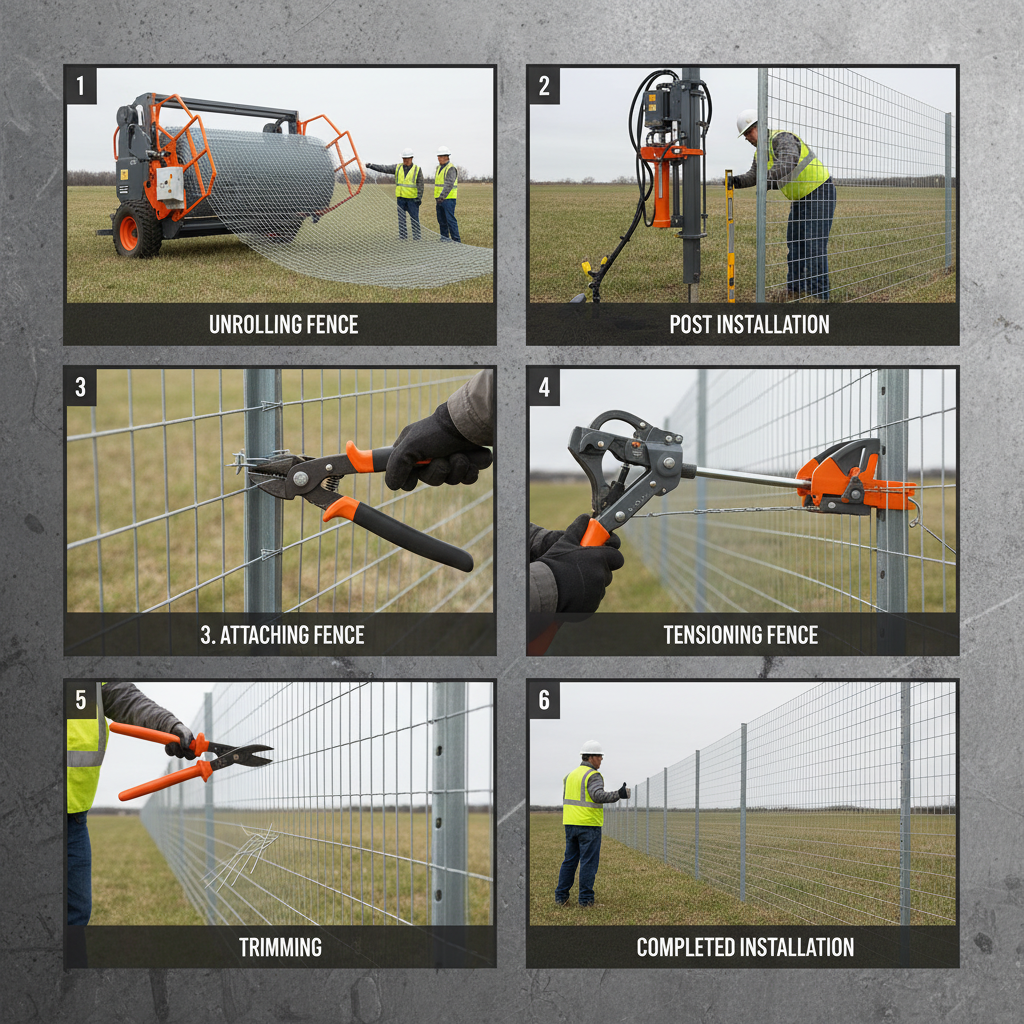 Comprehensive Guide to Choosing a 6 ft x 100 ft 12.5 Gauge Welded Wire FenceSelecting the appropriate fence for your property requires careful consideration. A 6 ft x 100 ft 12.5 gauge welded wire fence offers a robust and versatile solution for a variety of applications, from pet containment to garden protection and security. This guide will explore the benefits, applications, installation tips, and considerations when choosing this type of fencing. Understanding its construction and comparing it to other fencing options will help you make an informed decision.Read more >
Apr 04 2026
-
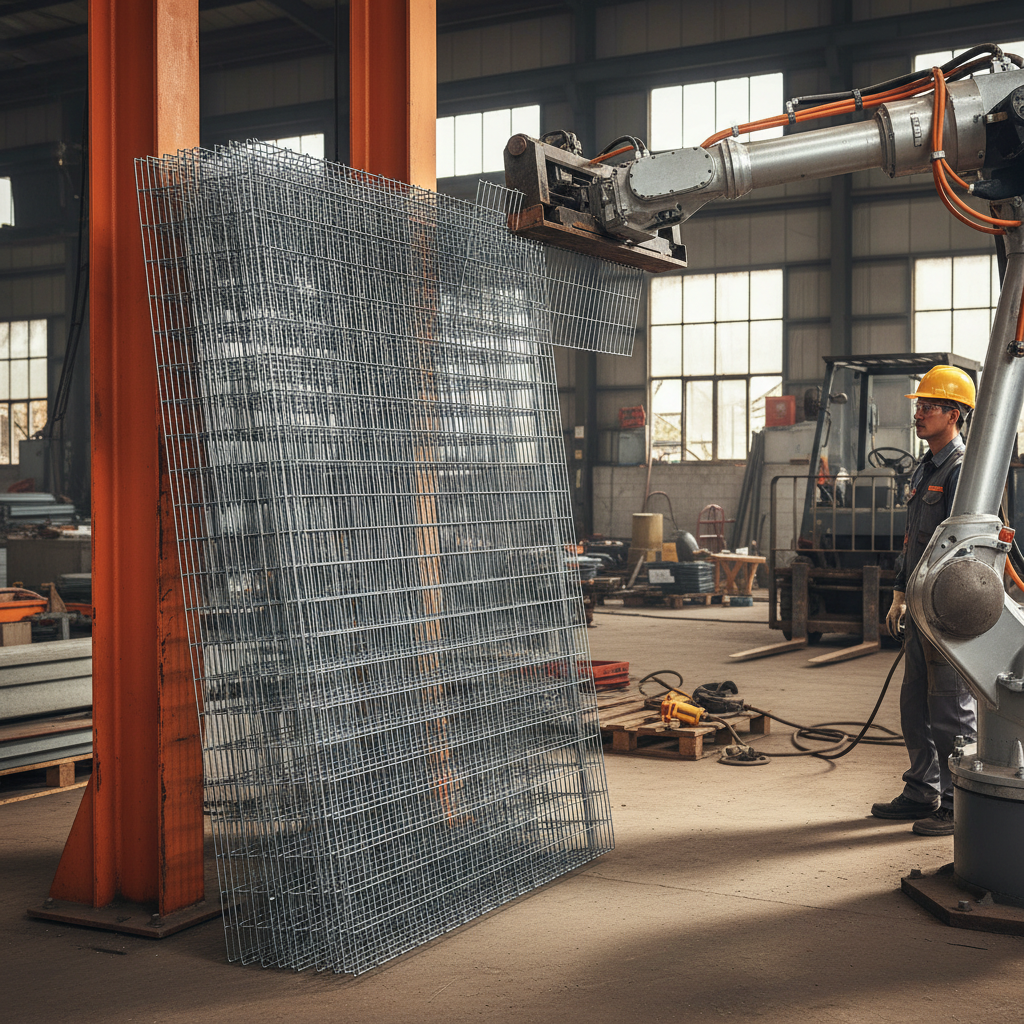 Comprehensive Guide to Durable 6 ft Welded Wire Fencing Panels and ApplicationsWhen selecting fencing for your property, 6 ft welded wire fencing panels offer a robust and versatile solution. These panels combine strength, security, and ease of installation, making them a popular choice for both residential and commercial applications. This article delves into the benefits, applications, installation, and maintenance of these panels, helping you make an informed decision.Read more >
Mar 31 2026