


What is Rectangular Wire Mesh? Uses, Benefits & Global Applications Explained
Understanding Rectangular Wire Mesh: A Global Industrial Essential
Imagine a versatile material at the intersection of durability, flexibility, and practicality — that’s rectangular wire mesh for you. While it might sound like a simple grid of wires, its impact stretches far beyond fences. Rectangular wire mesh plays pivotal roles in construction, agriculture, disaster relief, industrial filtration, and even humanitarian projects worldwide. It’s not just steel squares; it’s a key element knitting together safety, sustainability, and innovation on a global scale.
Why does this matter globally? Well, the demand for reliable, yet cost-effective materials to secure spaces or filter substances is surging in a world facing rapid urbanization, climate-related disasters, and resource constraints. Understanding rectangular wire mesh helps industries and organizations tackle challenges from safeguarding infrastructure to supporting post-disaster recovery efficiently.
Introduction: Rectangular Wire Mesh in Global Context
Globally, the industrial mesh market is projected to grow briskly, with reports from ISO indicating standards that streamline production and quality assurance. Particularly, rectangular wire mesh stands out due to its adaptability and relatively low-cost manufacturing. In regions like Southeast Asia and Africa, where infrastructure development meets budget constraints, the use of inexpensive yet durable materials is essential.
By 2023, the global fencing market, heavily reliant on wire meshes, was estimated to reach over $15 billion—a reflection of urban development and increased security needs according to recent World Bank infrastructure reports. However, one persistent challenge remains: the balance between durability and cost. Rectangular wire mesh steps into this space, offering a flexible solution that combines strength with affordability.
Defining Rectangular Wire Mesh in Practical Terms
At its core, rectangular wire mesh is a network of interwoven metal wires shaped in rectangular openings rather than the more common square or hexagonal configurations. This subtle difference, oddly enough, expands its versatility across different load-bearing and filtering applications. Typically made from galvanized steel, stainless steel, or sometimes coated alloys, rectangular wire mesh can be customized for specific pore sizes and thicknesses.
Industrially, it is the backbone of fencing for construction sites, animal enclosures, and warehouse security. But there’s more: humanitarian agencies use wire mesh in emergency shelters and soil retention walls, demonstrating its link to pressing global needs like disaster relief and sustainable agriculture.
Key Factors Behind Rectangular Wire Mesh’s Effectiveness
1. Durability and Corrosion Resistance
Most rectangular meshes undergo galvanization or stainless steel treatments to resist rust and weathering. This makes them ideal for harsh outdoor environments, from tropical climates to arid deserts. The investment in corrosion resistance extends product lifetime — a crucial factor in reducing waste and replacement costs.
2. Scalability and Customization
A big advantage comes from their modular nature. Whether it’s a fine mesh for filtration or a sturdy grid for heavy fencing, the production can scale from small batches to industrial quantities. Wire diameter, mesh opening size, and coating type offer plenty of customization, lending the product to an array of uses.
3. Cost Efficiency
Compared to alternatives like chain-link or welded steel plates, rectangular wire mesh balances performance with budget. Production methods like weaving or welding are relatively straightforward, keeping costs down. This appeals especially to developing economies and NGOs working under financial constraints.
4. Strength-to-Weight Ratio
It’s strong without being heavy — a critical feature for ease of transport and installation. For example, in remote locations with limited infrastructure, lightweight yet robust fencing is a game-changer.
Product Specification Table: Typical Rectangular Wire Mesh
| Specification | Typical Range | Notes |
|---|---|---|
| Wire Diameter | 0.8 mm – 5 mm | Depends on load requirements |
| Mesh Opening Size | 5 mm × 10 mm to 100 mm × 150 mm | Customizable per application |
| Material | Galvanized Steel, Stainless Steel | Galvanized popular for outdoor use |
| Coating | PVC, Zinc, Epoxy | For corrosion resistance and color |
| Length & Width | Up to 3 m × 50 m rolls | Flexible for large or custom projects |
Mini takeaway: Rectangular wire mesh’s material flexibility and customizable specs are what make it a go-to solution across industries.
Global Applications and Real-World Use Cases
The rectangular wire mesh finds life in many unexpected spots. In post-disaster relief efforts, NGOs often use it to quickly construct retaining walls that prevent landslides or erect temporary fencing to secure relief areas. Organizations like rectangular wire mesh suppliers have noted a surge in demand from regions prone to hurricanes and floods.
Within construction and infrastructure, the mesh is essential for reinforcing concrete or as protective barriers. In places like India and Brazil, where urban sprawl needs rapid yet sturdy solutions, it works as a cost-effective perimeter fencing. Interestingly, in the agricultural sector, farmers use it for animal enclosures and crop protection, especially in Africa, where its durability withstands both wildlife and weather.
Vendor Comparison Table: Rectangular Wire Mesh Suppliers
| Vendor | Material Options | Customization Level | Price Range | Lead Time |
|---|---|---|---|---|
| ChCh Fence Co. | Galvanized, PVC-coated | High (custom sizes & coatings) | $$$ | 2-4 weeks |
| Global Mesh Ltd. | Stainless Steel, Galvanized | Medium | $$ | 1-3 weeks |
| Industrial Wire Corp. | Galvanized only | Low (standard sizes) | $ | 1 week |
Mini takeaway: Selecting the right vendor hinges on your project's priority between customization, price, and delivery time.
Advantages and Long-Term Value of Rectangular Wire Mesh
There’s more to this mesh than meets the eye. First, the upfront cost savings translate into long-term budget control — fewer replacements, less maintenance. Environmentally, materials like galvanized steel are recyclable, supporting sustainability goals. Plus, it’s emotionally reassuring to know that such reliable fencing or filtration meshes preserve social dignity — for instance, in refugee camps where secure and humane boundaries matter.
On the innovation front, rectangular wire mesh enables modularity — panels can be configured, moved, or scaled as needed. This trust in tried-and-true materials is unwavering, yet it invites continuous incremental improvements.
Future Trends and Innovations in Rectangular Wire Mesh
Looking forward, manufacturers are experimenting with eco-friendly coatings, like biodegradable polymers, to further greenify the product life cycle. There’s even talk of integrating smart sensors into wire mesh for real-time damage or intruder detection — an intriguing fusion of automation and physical security.
Material science advances might allow for ultra-lightweight but stronger alloys, reducing transport emissions and installation labor. Meanwhile, the rising demand for resilient infrastructure due to climate change will likely boost this mesh’s prominence, especially in sustainable housing projects and renewables, where it can provide both protection and structural support.
Challenges and Solutions
Despite its many benefits, there are challenges. One is vulnerability to vandalism or cutting in high-crime areas. Some experts suggest combining rectangular wire mesh with surveillance tech or layered security to combat this. Another hurdle is corrosion in extremely harsh environments where even galvanized steel struggles — here, stainless steel or advanced coatings become vital, albeit costlier.
Innovative solutions include hybrid meshes combining different metals or integrating mesh panels into composite barriers for enhanced security and longevity.
FAQ: Frequently Asked Questions About Rectangular Wire Mesh
- Q: What makes rectangular wire mesh better than other mesh shapes for fencing?
A: Its rectangular grid can offer greater tensile strength in one direction, improving security for longer spans. The shape also simplifies customization for specific applications. - Q: How long can rectangular wire mesh last outdoors?
A: Properly galvanized or coated mesh can last 10-20 years or more, depending on environmental conditions and maintenance. - Q: Is rectangular wire mesh eco-friendly?
A: While made mostly of metal, it’s recyclable and can be reused. Manufacturers are also adopting greener coatings and sustainable production methods. - Q: Can rectangular wire mesh be used for filtration?
A: Yes, with smaller openings and finer wire gauges, it suits industrial and water filtration applications. Custom sizes accommodate various filtration needs. - Q: How can organizations source rectangular wire mesh internationally?
A: Trusted suppliers often provide export services, certification compliance, and technical support. Engaging vendors early to clarify specs and lead times facilitates smoother logistics.
Conclusion & Call to Action
In real terms, rectangular wire mesh is much more than a fencing material. It’s a global workhorse blending innovation, cost-effectiveness, and sustainability. It supports everything from high-tech industrial filters to life-saving barriers in disaster zones. If you’re looking to explore customized, dependable meshing solutions, why not start with a proven name? Visit https://www.chbarrier.com to discover how rectangular wire mesh can empower your next project.
Oh, and one last thing — the mesh is only as good as the plan and care behind it. Choose wisely, and it just might become your most trusted asset.
References:
Latest News About CHENG CHUANG
-
 Heavy Duty 6 gauge welded wire mesh for Security and StrengthWhen it comes to heavy-duty containment, security, and structural reinforcement, choosing the right material is critical. The 6 gauge welded wire mesh stands as a premier choice for those requiring a balance of extreme rigidity and precise spacing. Whether you are securing a commercial perimeter, building industrial livestock panels, or creating reinforced concrete structures, this specific thickness provides the structural integrity needed to withstand significant pressure and impact. In this comprehensive guide, we will explore the technical specifications, primary applications, and why this mesh is the gold standard for high-security fencing solutions.Read more >
Apr 16 2026
-
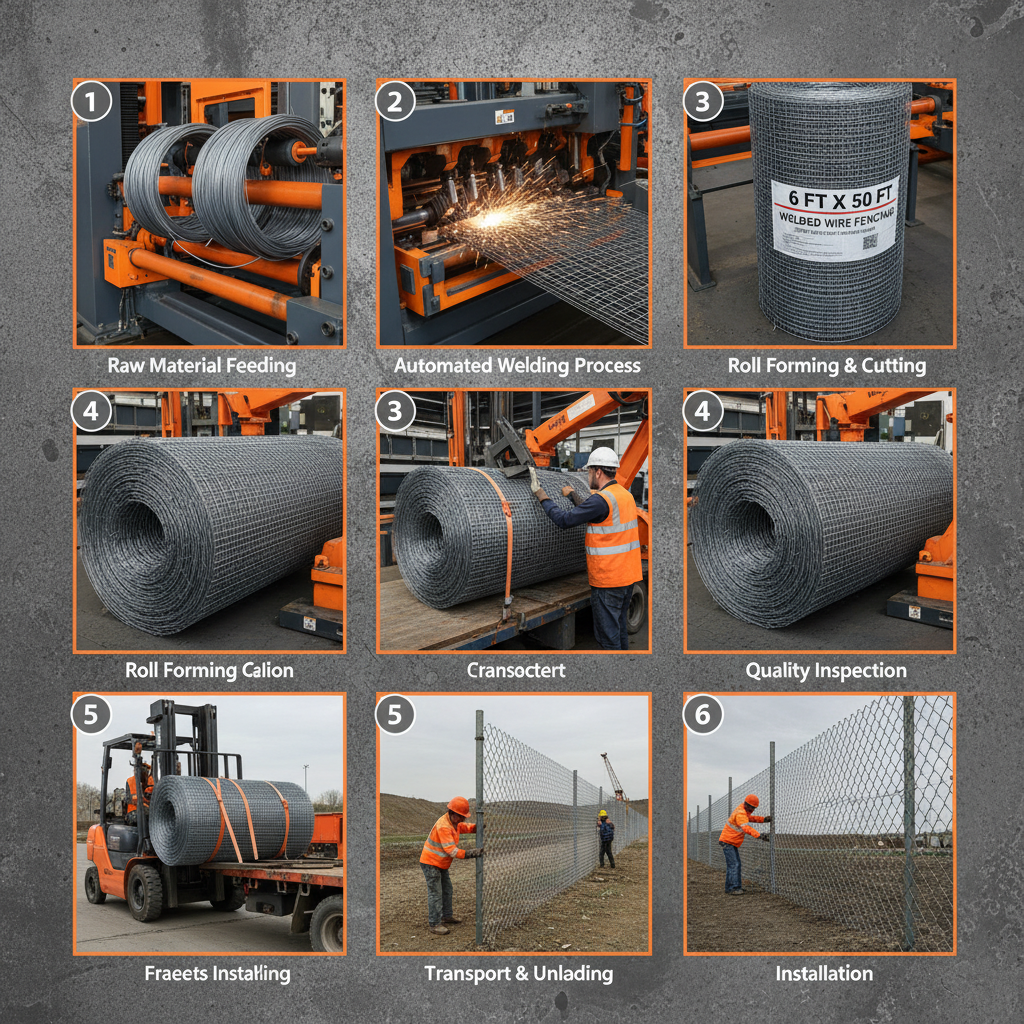 Durable 6 ft x 50 ft welded wire fencing for Security and GardensWhen it comes to securing a perimeter, whether for agricultural use, garden protection, or industrial boundaries, the dimensions and material of your fence matter. The 6 ft x 50 ft welded wire fencing offers an ideal balance of height and length, providing a robust barrier that is easy to install and maintain. Choosing a welded wire system ensures that the intersections are fused together, preventing the shifting and sagging often found in woven alternatives. In this guide, we will explore why this specific size is a preferred choice for property owners and how to maximize its effectiveness for your specific project.Read more >
Apr 09 2026
-
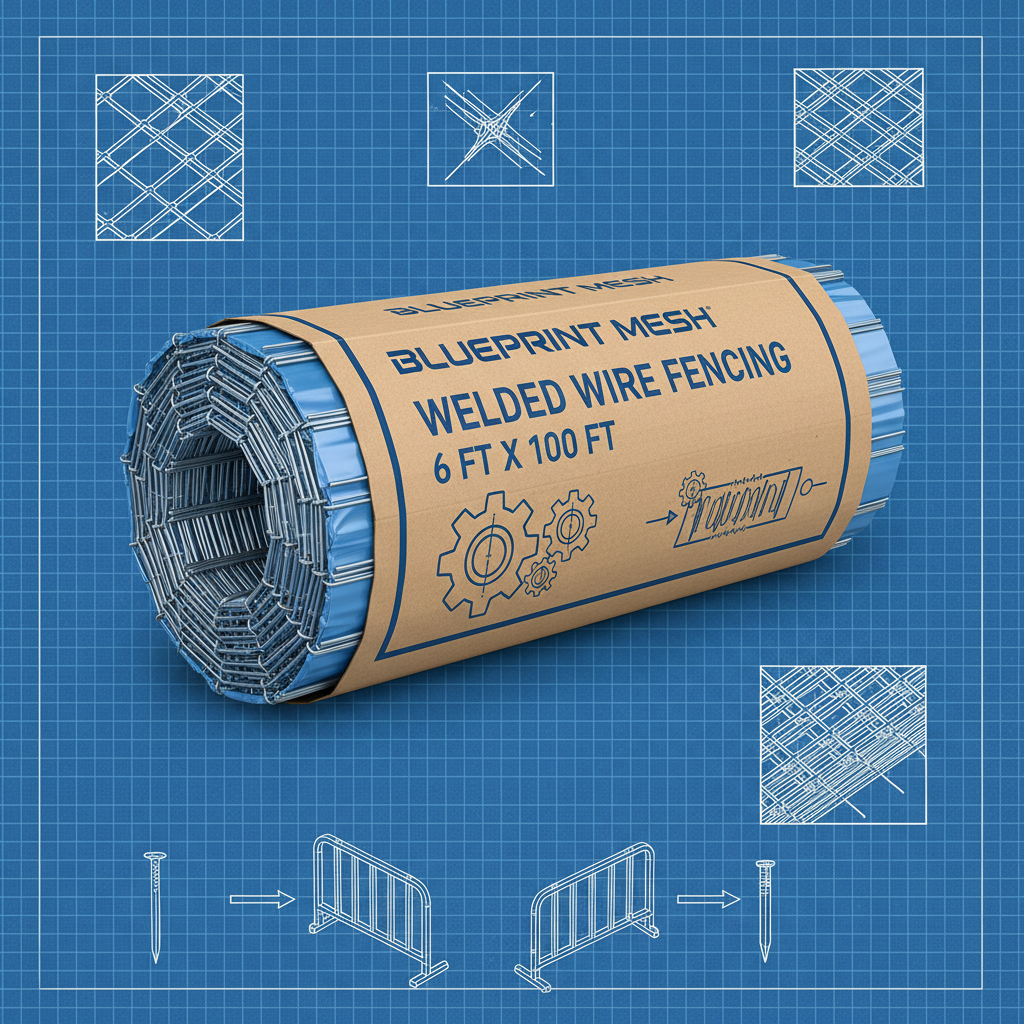 Comprehensive Guide to Choosing the Best 6 ft x 100 ft Welded Wire FencingWelded wire fencing is a versatile and cost-effective solution for a wide range of applications, from agricultural containment to residential security. Understanding the nuances of different types, especially when considering a size like 6 ft x 100 ft welded wire fencing, is crucial for making the right investment. This article will guide you through the essential factors to consider, helping you select the fencing that best suits your specific requirements.Read more >
Apr 07 2026
-
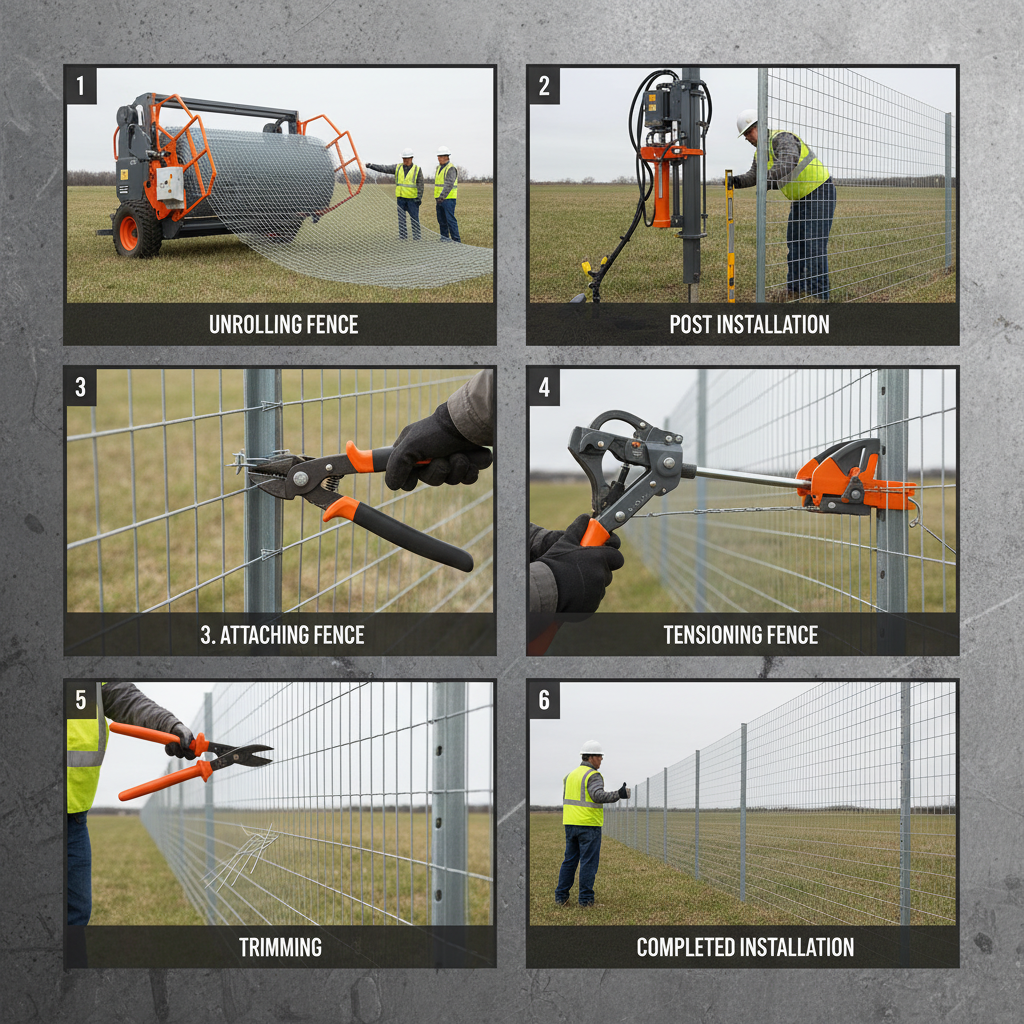 Comprehensive Guide to Choosing a 6 ft x 100 ft 12.5 Gauge Welded Wire FenceSelecting the appropriate fence for your property requires careful consideration. A 6 ft x 100 ft 12.5 gauge welded wire fence offers a robust and versatile solution for a variety of applications, from pet containment to garden protection and security. This guide will explore the benefits, applications, installation tips, and considerations when choosing this type of fencing. Understanding its construction and comparing it to other fencing options will help you make an informed decision.Read more >
Apr 04 2026
-
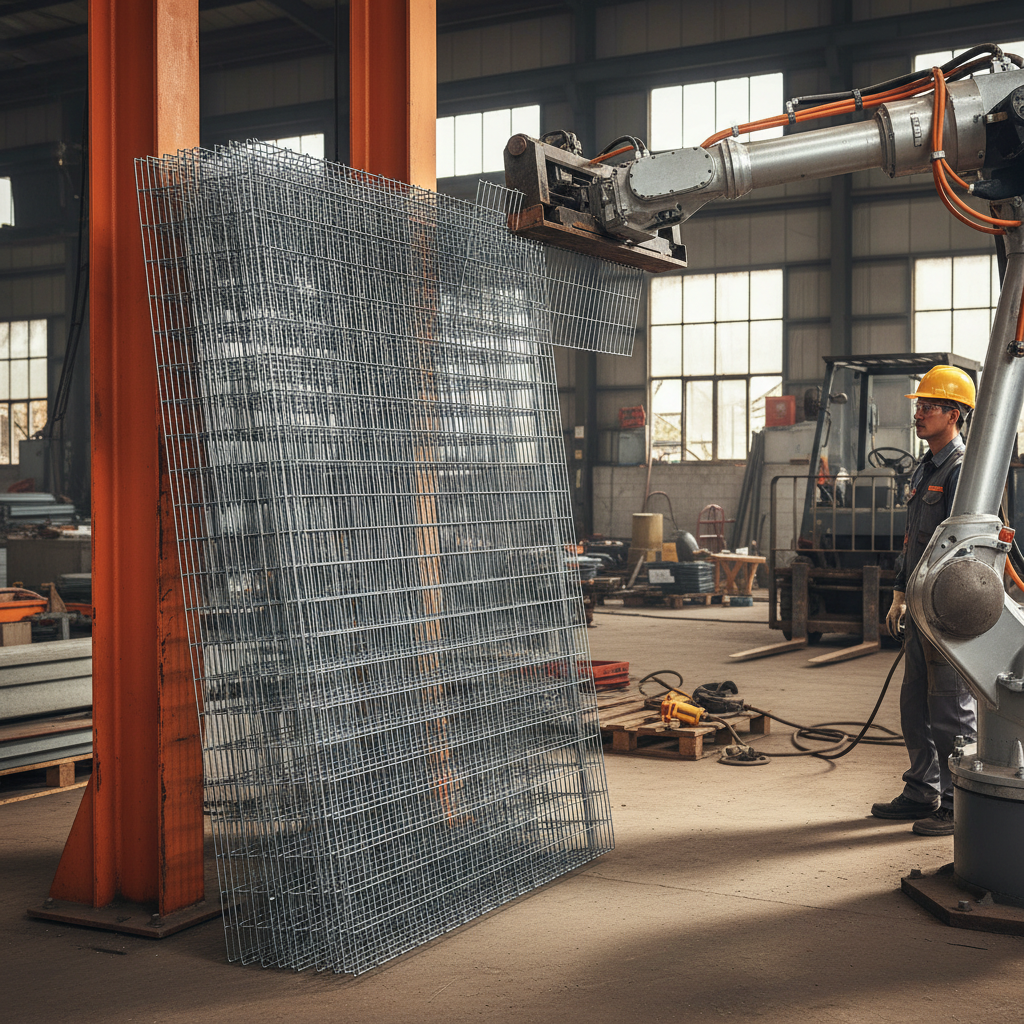 Comprehensive Guide to Durable 6 ft Welded Wire Fencing Panels and ApplicationsWhen selecting fencing for your property, 6 ft welded wire fencing panels offer a robust and versatile solution. These panels combine strength, security, and ease of installation, making them a popular choice for both residential and commercial applications. This article delves into the benefits, applications, installation, and maintenance of these panels, helping you make an informed decision.Read more >
Mar 31 2026