You know, lately everyone’s talking about pre-fabricated structures, modular builds. Seems like every other engineer is obsessed with BIM and off-site construction. Honestly, it’s a good thing, getting more done indoors, less weather headaches. But people forget, it’s still gotta work on site. A beautiful 3D model doesn't mean a thing if it doesn't bolt together properly in the mud.
And that’s where these temporary fence systems come in. They’re often overlooked, but they’re the first line of defense for a lot of projects. Securing the perimeter, keeping the curious (and the not-so-curious) out… it’s surprisingly important. You wouldn't believe the amount of stuff that walks off a site overnight.
Honestly, I’ve seen too many projects stumble because they skimped on the fencing. Thought they could save a few bucks with something flimsy. It always backfires.
The Current Landscape of Temporary Fence Manufacturing
To be honest, the temporary fence market has exploded. Not just more companies, but more types of fencing. You've got your standard chain link, of course. But now everyone’s got their fancy welded wire panels, plastic barriers… it's getting complicated. A lot of it's driven by the push for aesthetics – clients want something that doesn’t look like a prison yard around their projects. temporary fence manufacturer are really responding to that.
What I’ve noticed is a lot of manufacturers are moving towards lighter materials. Galvanized steel is still the workhorse, but you're seeing more aluminum frames, even some plastic composites. It makes transport easier, setup faster… but it also raises questions about durability. It's a trade-off, you know?
Common Design Pitfalls in Temporary Fencing
Have you noticed how many fences collapse in a good wind? Seriously. It’s almost comical. A lot of it comes down to inadequate bracing. People underestimate the wind load, or they don’t bother to properly anchor the panels. I encountered this at a solar farm installation in Nevada last time, and it was a mess. Panels flying everywhere, equipment damaged… all because someone thought they could get away with fewer stakes.
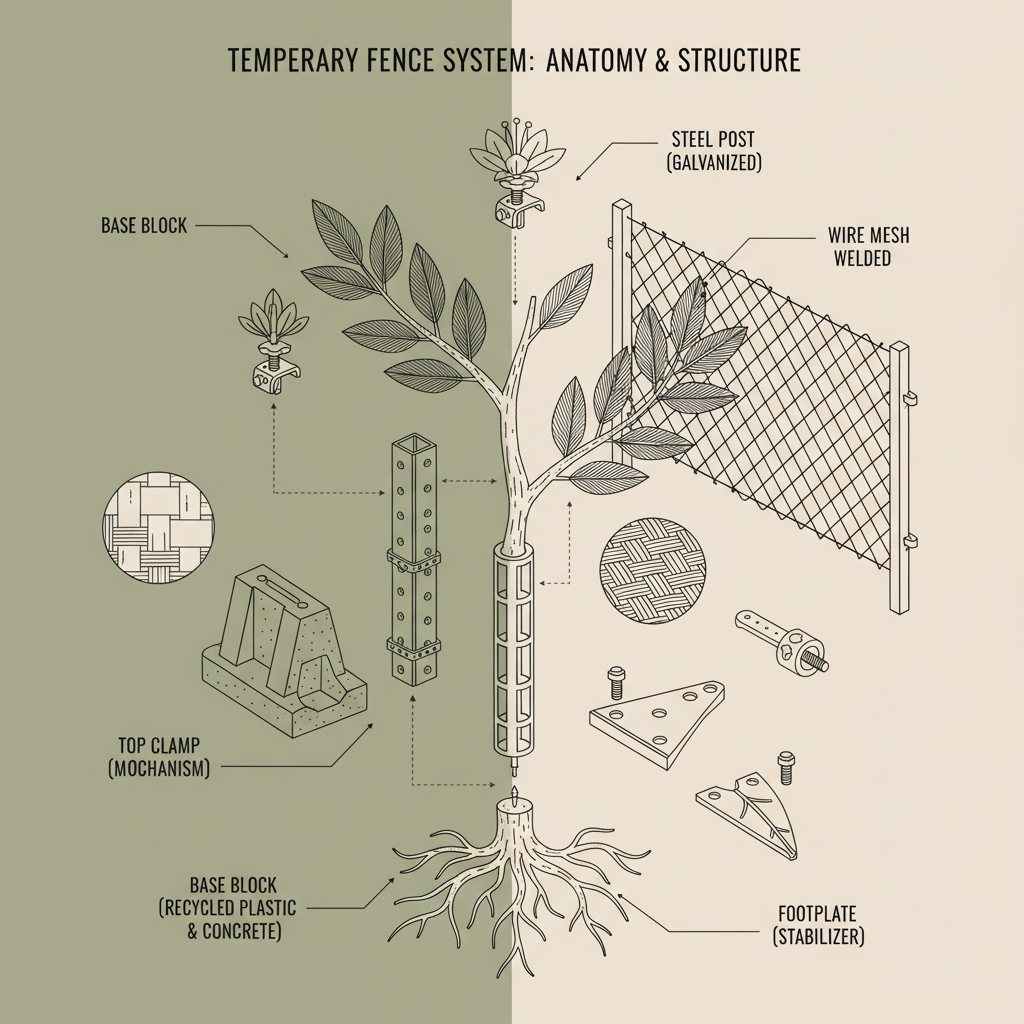
Another issue is the feet. Those little plastic or metal feet that hold the panels upright. They crack, they break, they sink into soft ground. You need something robust, especially if the site is uneven. And don’t even get me started on the clamps… the cheap ones are a nightmare. They strip, they rust, and they don’t hold the panels securely.
Strangely, I see a lot of designs that prioritize ease of installation over long-term stability. It’s like they’re designing for the first day, not for the entire duration of the project.
Material Matters: What We're Actually Using
Galvanized steel is still king. You can smell it, right? That metallic tang. It's a good smell. Means it's holding up. But the quality of the galvanization varies wildly. Cheap stuff rusts within months. You want a good, thick coating. You can tell by the weight – heavier is usually better. It feels… substantial in your hands.
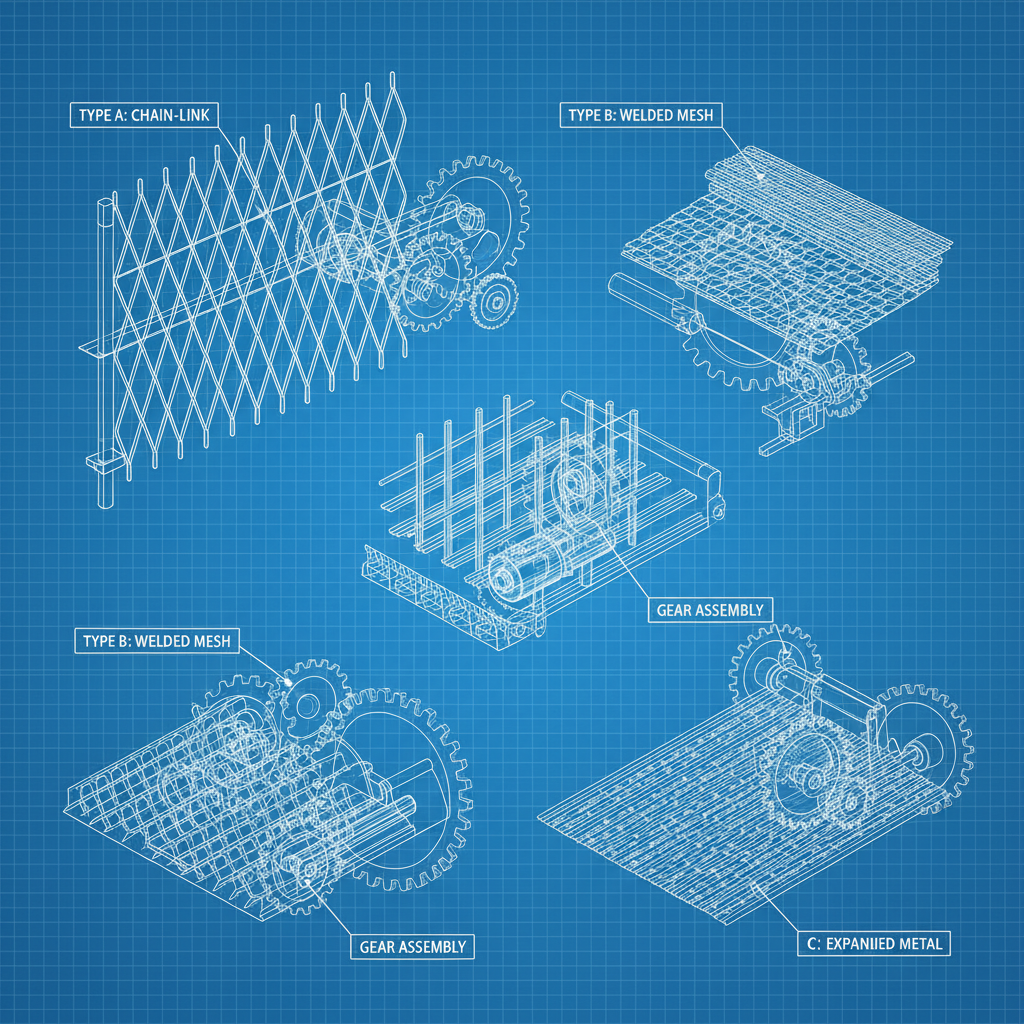
Welded wire mesh is becoming more popular. It’s lighter, easier to handle, and it provides a more secure barrier than chain link. But it’s also more susceptible to cutting. You need to consider the security requirements of the site. For high-security applications, chain link with security clips is still the way to go. I actually prefer the feel of the chain link – it’s more forgiving if you snag your gloves on it.
And then there's plastic. The plastic barriers are good for crowd control, directing traffic… but they’re not a substitute for a proper fence. They’re flimsy, they fade in the sun, and they get blown over in the slightest breeze. Useful for certain applications, but don’t expect miracles.
Real-World Testing and Performance
Forget the lab tests. I’m talking about what happens when a forklift accidentally backs into it. Or when a storm rolls through. Or when someone tries to climb over it. That’s the real test. temporary fence manufacturer who understand this are the ones I trust.
We’ve started doing our own informal testing on site. We’ll set up a section of fence and then just… abuse it. Lean on it, pull on it, try to bend it. Sounds crazy, I know, but it’s the only way to really know what it can handle.
Temporary Fence Performance Metrics
How Users Really Interact with Temporary Fences
You think they just stand there and look pretty? Nah. People lean on them. They try to climb them. They wrap things around them. I once saw a guy using it as a makeshift backstop for a horseshoe game. Seriously.
And the guys installing them? They're always looking for shortcuts. Trying to skip a stake here, use a weaker clamp there. You gotta watch them like a hawk. That's why training is so important, but honestly, experience is the best teacher.
Advantages, Disadvantages, and Customization Options
The biggest advantage, obviously, is the speed of deployment. You can get a perimeter secured in a fraction of the time it would take to build a permanent fence. It's also cost-effective, especially for short-term projects. But… it's temporary. It's not going to last forever. And it requires maintenance.
Customization? Absolutely. Last month, that small boss in Shenzhen who makes smart home devices insisted on changing the interface to for some reason. It was ridiculous, but we did it. He wanted the fence panels to have a specific color, a different mesh size, and custom branding. It cost him a fortune, but he was happy. That's the beauty of it – you can tailor it to your needs.
The Devil's in the Details: A Material Comparison
Anyway, I think a quick rundown of materials is useful, especially if you are comparing options. It’s not just about price. It’s about what's right for the job.
We have been seeing more demand for heavier gauge steel in areas prone to vandalism. It’s expensive, but worth it.
And don't forget to factor in the climate. Salt spray near the coast is brutal on galvanized steel. You need a higher grade coating, or consider aluminum.
Material Comparison for Temporary Fence Construction
| Material Type |
Cost (per 10ft section) |
Durability (1-10) |
Weight (lbs) |
| Galvanized Steel (Standard) |
$150 - $200 |
8 |
60 |
| Welded Wire Mesh |
$120 - $170 |
6 |
45 |
| Aluminum Frame (with mesh) |
$200 - $250 |
7 |
35 |
| Plastic Barrier (with base) |
$30 - $50 |
3 |
10 |
| Heavy-Duty Galvanized Steel |
$250 - $300 |
9 |
80 |
| Powder-Coated Steel (Color Options) |
$220 - $280 |
7 |
65 |
FAQS
Soft ground is a pain. You need to use larger feet, or even concrete blocks, to provide a stable base. Sometimes, we drive rebar through the feet and into the ground for extra hold. It's a bit of a pain, but it prevents the whole thing from tipping over in a breeze. And always check the local regulations - some sites require specific anchoring methods.
Honestly? Daily. At least a quick walk-around. Look for bent panels, loose clamps, damaged feet. Even if it looks okay, give it a good shake. People will try to lean on it, cut through it, or otherwise mess with it. Catching damage early prevents bigger problems later. We have a checklist we use, just to make sure we don’t miss anything.
Chain link is more durable overall, and harder to climb. It's good for high-security applications. Welded wire is lighter and offers better visibility, but it's easier to cut. I’d choose welded wire for perimeter fencing on a less sensitive site, and chain link for areas where security is a major concern. Cost is usually a factor too, welded wire is often cheaper.
Absolutely. Local building codes and safety regulations often dictate fence height, bracing requirements, and even the type of material you can use. You’ll also need to consider pedestrian and vehicle access points, and ensure they’re clearly marked. It varies from place to place, so always check with the local authorities before you start.
It’s a problem. Secure the materials when they're not in use. Store them in a locked container or a secure area. Mark the panels with your company logo or ID number. And consider installing security cameras to deter thieves. It's never foolproof, but it makes it harder for them.
Yes, absolutely. Many manufacturers offer custom printing or mesh inserts with logos or branding. It’s a great way to increase brand visibility and create a professional look. It adds to the cost, of course, but it can be worth it for certain projects. Just make sure the printing is durable and won't fade in the sun.
Conclusion
So, yeah. Temporary fencing. It’s not glamorous, but it’s essential. It’s about more than just keeping people out. It’s about safety, security, and protecting your investment. It’s about choosing the right materials, understanding the site conditions, and paying attention to the details. Honestly, it's a surprisingly complex thing when you really get into it.
Ultimately, whether this thing works or not, the worker will know the moment he tightens the screw. If it feels solid, if it looks right, then you're probably on the right track. And if you’re not sure, call a professional. It’s always cheaper to do it right the first time. For more information or to request a quote, visit our website: www.chbarrier.com.