


Comprehensive Guide to Durable 4x4 Welded Wire Fence Solutions and Applications
Understanding 4x4 Welded Wire Fence: A Comprehensive Guide
A 4x4 welded wire fence is a robust and versatile fencing solution popular for a wide array of applications, from agricultural containment to security perimeters. This guide delves into the specifics of this fencing type, covering its benefits, applications, installation considerations, and comparisons to other fencing options. We'll explore why a 4x4 welded wire fence is a practical and cost-effective choice for many property owners. Choosing the right fence is crucial for security, functionality, and aesthetics, and understanding the nuances of welded wire fencing is the first step to making an informed decision.
What is a 4x4 Welded Wire Fence?
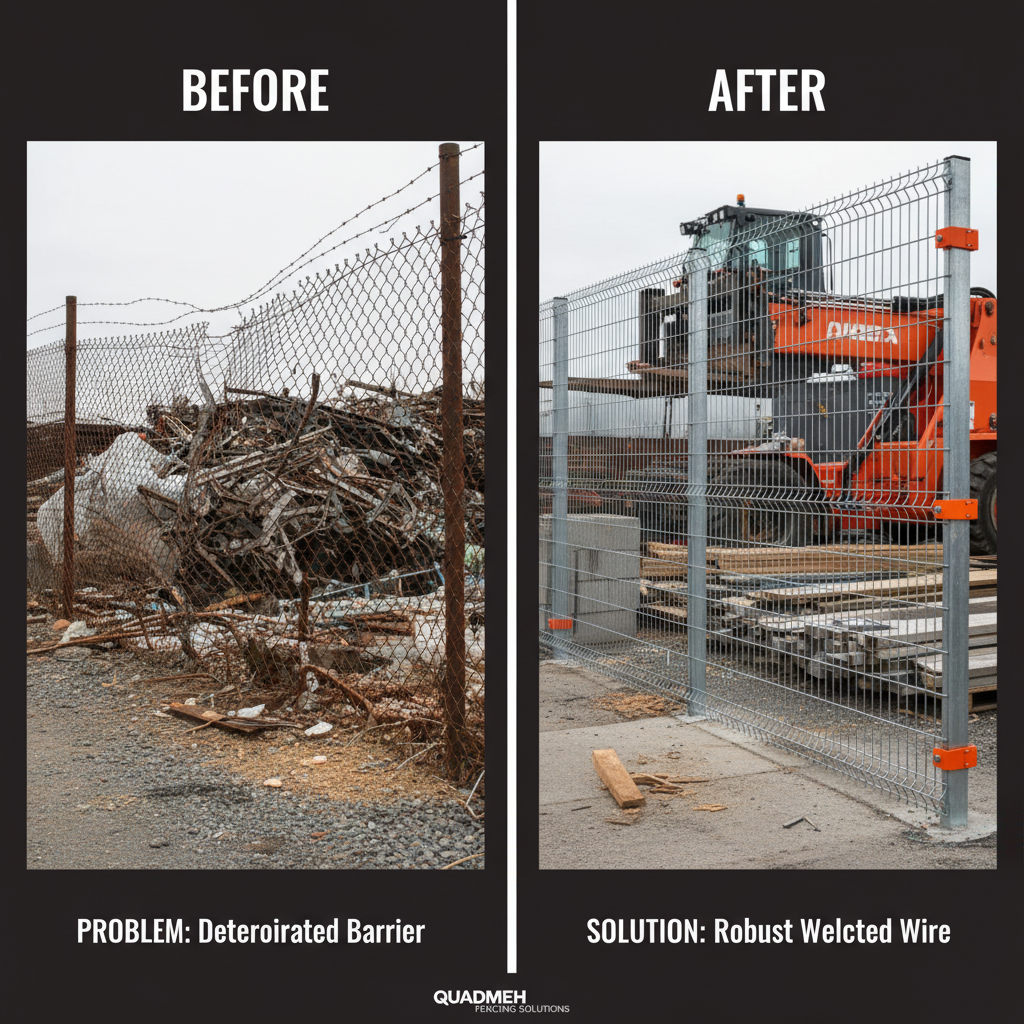
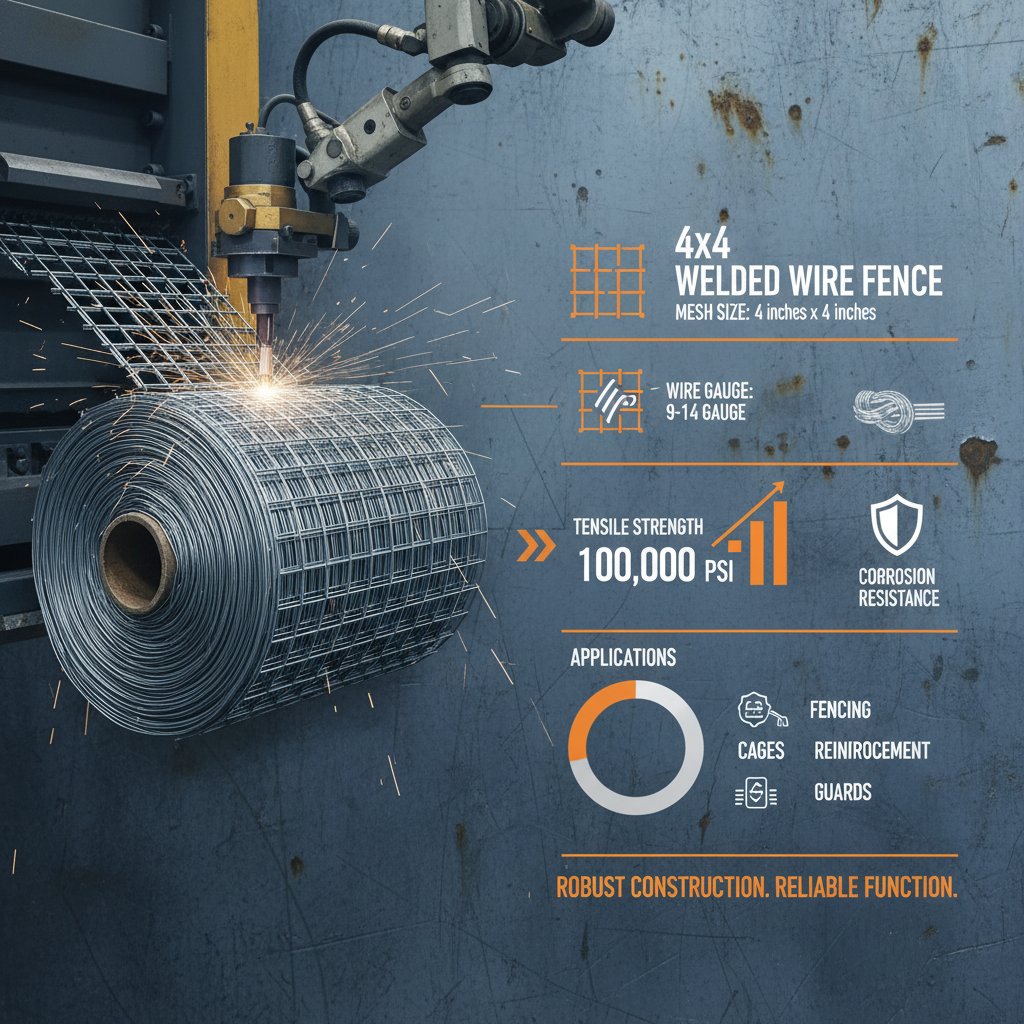
A 4x4 welded wire fence, also known as 100mm x 100mm welded wire mesh, gets its name from the size of the openings (4 inches by 4 inches) in the welded wire grid. The wires are typically galvanized before welding, providing excellent corrosion resistance. The gauge (thickness) of the wire can vary depending on the intended application – heavier gauges offer greater strength and durability. This type of fencing is known for its rigidity and ability to withstand pressure, making it ideal for containing animals or securing a property. It offers a more affordable and often more robust alternative to chain-link fencing in many scenarios. CHCH Fence provides a range of 4x4 welded wire options to suit various needs.
Key Highlights: Rigidity, corrosion resistance, and affordability make it a popular choice. Available in various wire gauges for different applications.
Common Applications of 4x4 Welded Wire Fencing
The versatility of a 4x4 welded wire fence makes it suitable for a broad range of applications. It’s commonly used for animal containment, particularly for livestock like cattle, sheep, goats, and pigs. Its rigidity prevents animals from easily bending or breaking through the fence. Beyond agriculture, it’s also popular for creating secure perimeters around properties, gardens, and kennels. The fence is often used as a base for climbing plants, creating attractive and functional green screens. Additionally, it can be used for erosion control and as a support structure in landscaping projects.
Application Benefits:
• Effective animal containment
• Secure property perimeters
• Support for climbing plants
• Erosion control solutions
4x4 Welded Wire Fence vs. Other Fencing Options
When choosing a fence, it's important to consider the alternatives. Compared to chain-link, a 4x4 welded wire fence generally offers greater rigidity and a cleaner aesthetic. While chain-link is often cheaper upfront, it's more prone to sagging and requires more maintenance. Compared to wood fencing, welded wire is less susceptible to rot and requires less frequent painting or staining. It’s also less attractive to pests that can damage wood. Woven wire fencing, while similar, often has smaller openings, making it less suitable for larger animals. The best choice depends on your specific needs and budget, but 4x4 welded wire offers an excellent balance of cost, durability, and functionality. You can find detailed comparisons and specifications at CHCH Fence’s product pages.
Installation Tips for 4x4 Welded Wire Fencing
Proper installation is key to the longevity and effectiveness of your fence. Start by carefully planning the fence line and marking the post locations. Use sturdy posts (wood or metal) spaced at regular intervals – typically 8 to 12 feet apart. Ensure the posts are set deep enough in the ground to provide adequate support. Attach the welded wire fencing to the posts using appropriate fasteners, such as hog rings or wire ties. Maintaining consistent tension is important to prevent sagging. Consider adding a top rail for extra stability, particularly for taller fences. For optimal results, consult with a professional fencing contractor.
Choosing the Right Gauge and Finish
The gauge of the wire determines its strength. Lower gauge numbers indicate thicker, stronger wire. For containing larger animals or requiring high security, opt for a heavier gauge. Galvanization is a standard coating that provides excellent corrosion resistance. For even greater protection, especially in coastal or harsh environments, consider a fence with a powder-coated finish. CHCH Fence offers various gauges and finishes to meet your specific requirements.
Conclusion: A Smart Fencing Investment
The 4x4 welded wire fence offers a compelling combination of strength, affordability, and versatility. It’s a practical solution for a wide range of applications, from agricultural containment to security fencing. By understanding the various options and installation considerations, you can make an informed decision and invest in a fencing solution that will provide years of reliable service.
Frequently Asked Questions (FAQs)
How much does a 4x4 welded wire fence typically cost?
The cost of a 4x4 welded wire fence can vary depending on the wire gauge, height, length, post material, and installation costs. Generally, you can expect to pay between $3 and $6 per linear foot for the materials alone. Installation costs can add another $2 to $5 per linear foot. Factors like terrain and accessibility can also affect the price. Contacting a local fencing supplier like CHCH Fence for a custom quote is the best way to get an accurate estimate.
What is the best post spacing for a 4x4 welded wire fence?
Post spacing typically ranges from 8 to 12 feet apart. The specific spacing depends on the height of the fence, the terrain, and the type of animal you're containing. For taller fences or areas with uneven ground, closer post spacing is recommended to provide greater stability. It's always better to err on the side of closer spacing, as it will result in a stronger and more durable fence.
Is 4x4 welded wire fence suitable for containing aggressive animals?
For aggressive animals, it’s crucial to choose a heavier gauge wire and closer post spacing. Consider using posts with a larger diameter and setting them deeper into the ground for added stability. A top rail can also help prevent animals from pushing against the fence. Consulting with a fencing professional experienced in animal containment is highly recommended to ensure you select the appropriate materials and installation techniques.
Latest News About CHENG CHUANG
-
 2x2 welded wire mesh price: specify the 3D fence panel before comparing quotesPrepare a comparable 2x2 welded wire mesh price request with mesh size, wire diameter, panel dimensions, bends and post arrangement.Read more >
Nov 10 2026
-
 How to estimate the cost of welded wire fabric for SL reinforcing mesh panelsEstimate the cost of welded wire fabric by comparing SL62 to SL102 wire diameters, mesh openings, panel sizes, sheet mass, and project use.Read more >
Nov 04 2026
-
 High Security 358 Fecne FAQ: Specifications, Ordering and Support QuestionsAnswers to common questions about High Security 358 Fecne — covering mesh aperture, panel sizes, wire diameter, surface treatment options, post specs and customization. Sourced from confirmed product documentation.Read more >
Oct 29 2026
-
 Choosing Triangle Bending Fence / Garden Fence Low Price / Fencing Panels: Opening Size, Wire Diameter and ApplicationA practical selection guide for triangle bending fence / garden fence low price / fencing panels: compare mesh opening sizes, wire diameters, panel heights, surface treatments, and post types to find the right specification for your project.Read more >
Oct 27 2026
-
 Choosing a Hesco Wall Barrier: Application Fit and Specification ChecksCompare hesco wall barrier models ST-1 through ST-10 by height, width, wire coating, geotextile weight and mesh opening. Match the right configuration to military, flood control or retaining wall applications.Read more >
Oct 27 2026