Wire mesh fence plays a critical role in a vast array of applications globally, from simple perimeter security to complex engineering projects. Its inherent versatility, coupled with its relatively low cost, makes it an essential material in both developed and developing nations. Understanding the properties, applications, and future trends of wire mesh fence is crucial for professionals in construction, security, agriculture, and disaster relief. wire mesh fence solutions are becoming increasingly sophisticated, adapting to meet evolving needs.
The global demand for wire mesh fence is driven by factors like increasing urbanization, heightened security concerns, and a growing need for efficient animal containment in agriculture. The industry is undergoing continuous innovation, with manufacturers developing specialized coatings, weaves, and installation techniques to enhance performance and longevity. This material isn’t merely a barrier; it represents safety, security, and efficient resource management in a variety of contexts.
Furthermore, advancements in material science are impacting the durability and sustainability of wire mesh fence. From galvanized steel to stainless steel and even polymer-coated options, the selection available allows for targeted performance based on environmental conditions and specific use cases. This adaptability is a key factor in its continued global relevance.
The Global Relevance of wire mesh fence
Globally, the need for secure boundaries and efficient containment drives the demand for wire mesh fence. According to the United Nations Refugee Agency (UNHCR), rapid deployment shelters often incorporate wire mesh components for stability and security. The World Bank estimates that agricultural investments, heavily reliant on fencing for livestock management, contribute significantly to economic growth in developing nations. wire mesh fence provides a cost-effective solution to these crucial needs.
The pervasive use of wire mesh fence highlights its adaptability across diverse environments. From securing critical infrastructure in urban centers to protecting agricultural lands in rural areas, its applications are widespread. However, challenges such as corrosion and material sustainability remain key areas of focus for ongoing innovation and improvement within the industry.
Defining wire mesh fence
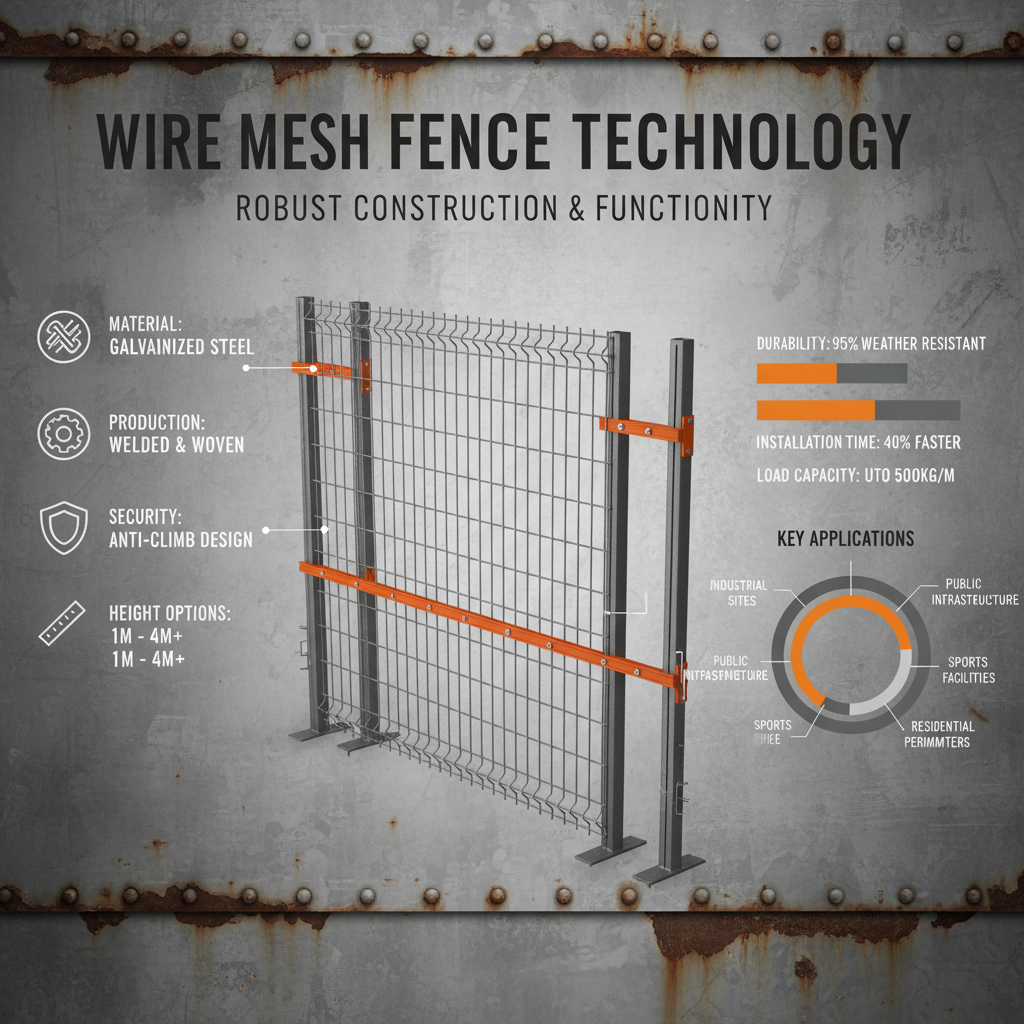
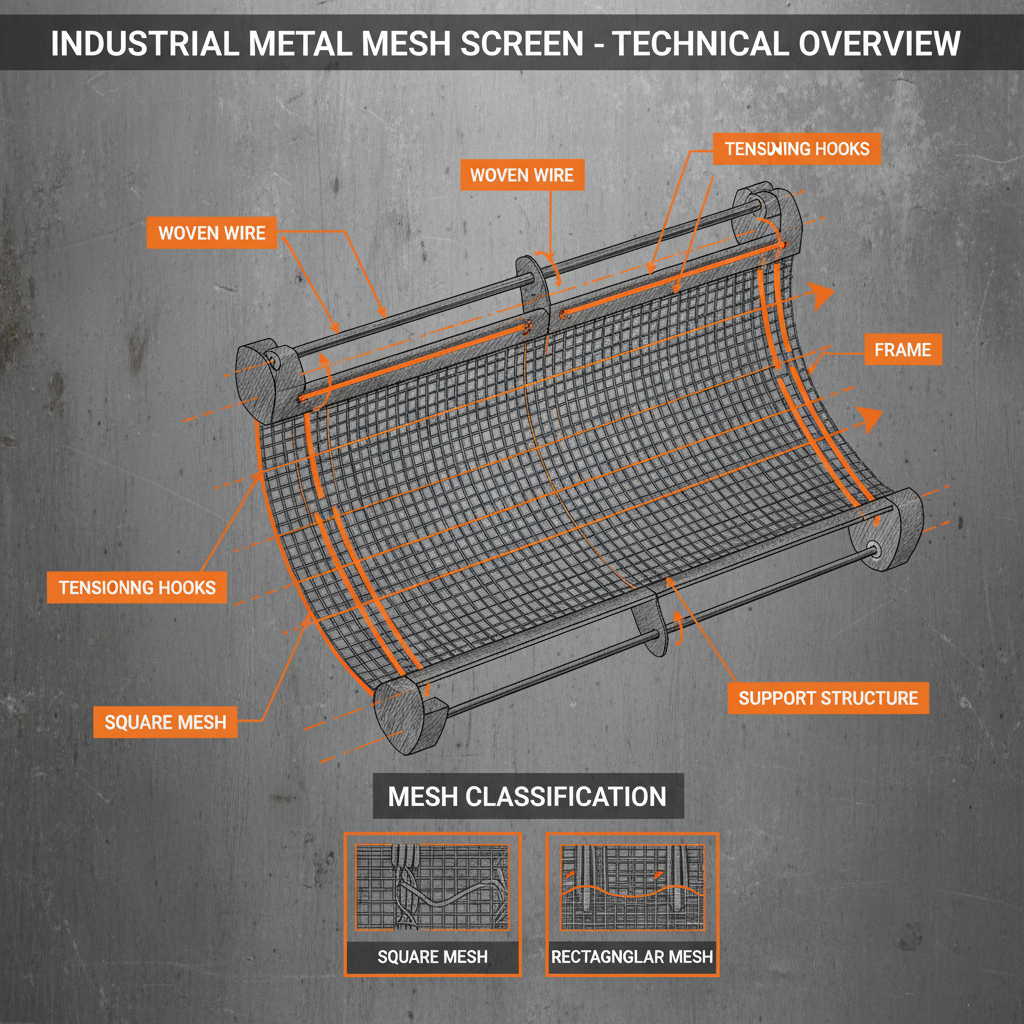
Wire mesh fence, at its core, is a woven or welded structure of metallic wires used to create a barrier. The materials commonly used include steel, stainless steel, and aluminum, each offering different properties in terms of strength, corrosion resistance, and cost. The mesh size, wire gauge, and overall construction determine the fence's suitability for specific applications.
This seemingly simple construction holds significant importance in modern industry and humanitarian efforts. Beyond physical security, it contributes to efficient resource management, animal welfare, and even disaster relief. For example, rapid deployment fencing provides temporary security and defines spaces in emergency situations.
wire mesh fence isn’t just about containment; it’s about creating defined spaces, protecting assets, and ensuring safety in a rapidly changing world. Its adaptability and cost-effectiveness make it a fundamental component of infrastructure across the globe.
Key Properties of wire mesh fence
Durability is a cornerstone of effective wire mesh fence. The selection of appropriate materials and coatings directly impacts its lifespan, particularly in harsh environments. Galvanization, PVC coating, and stainless steel construction are common methods used to enhance corrosion resistance and extend the fence’s operational life.
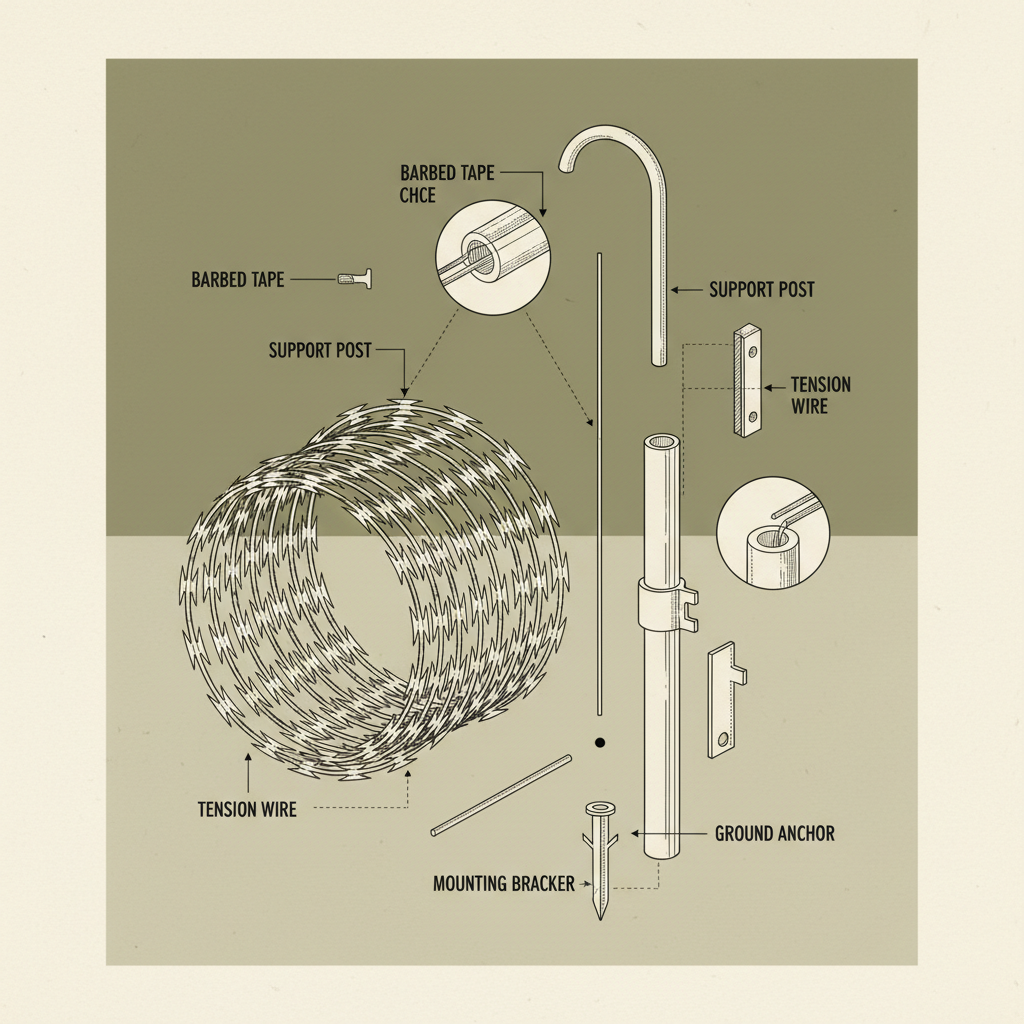
Scalability refers to the ability to adapt the fence to varying terrain and security needs. Wire mesh fence can be easily customized in height, length, and mesh size to accommodate diverse requirements. Furthermore, it can be combined with other security features, such as barbed wire or razor wire, to increase its protective capabilities.
Cost-efficiency is a major advantage of wire mesh fence. Compared to other fencing materials, such as concrete or wood, it generally offers a lower initial cost and requires less maintenance. This makes it an attractive option for large-scale projects and budget-conscious organizations.
Applications Across Industries
The agricultural sector utilizes wire mesh fence extensively for livestock containment and crop protection. Different mesh sizes and wire gauges are employed depending on the type of animal being contained or the pest being excluded. Efficient and reliable fencing is critical for minimizing livestock losses and maximizing crop yields.
In construction, wire mesh fence serves as temporary site security, preventing unauthorized access and protecting valuable materials. It's also used in erosion control applications, stabilizing slopes and preventing soil runoff. Its ease of installation and removal makes it ideal for dynamic construction environments.
Application Comparison of wire mesh fence
Advantages & Long-Term Benefits
The cost-effectiveness of wire mesh fence is a significant advantage, reducing initial investment and ongoing maintenance costs compared to alternative materials. This allows organizations to allocate resources more efficiently.
Long-term sustainability is increasingly important. Modern wire mesh fence often incorporates recyclable materials and durable coatings, minimizing environmental impact and extending its lifespan. Choosing sustainable options demonstrates a commitment to responsible resource management.
Future Trends & Innovation
The integration of smart technology into wire mesh fence is a growing trend. Sensors can be embedded within the fence structure to detect breaches, monitor environmental conditions, and provide real-time alerts. This enhances security and improves operational efficiency.
Furthermore, research into new materials and coatings is ongoing. Self-healing polymers and advanced anti-corrosion treatments promise to extend the lifespan of wire mesh fence even further, reducing the need for frequent replacements.
Automation in manufacturing processes is leading to more precise and efficient production of wire mesh fence, lowering costs and improving quality control.
Challenges & Potential Solutions
A common challenge is corrosion, particularly in harsh marine or industrial environments. Solutions include utilizing stainless steel, applying specialized coatings, and implementing regular inspection and maintenance programs.
Another challenge is the potential for unauthorized cutting or climbing. Reinforcing the fence with barbed wire, razor wire, or anti-climb paint can deter intruders. Combining wire mesh fence with electronic security systems provides a comprehensive security solution.
Addressing sustainability concerns requires exploring the use of recycled materials and developing environmentally friendly coatings. Promoting responsible disposal and recycling practices can minimize the environmental impact of wire mesh fence.
Analysis of Common Wire Mesh Fence Challenges & Solutions
| Challenge |
Severity (1-10) |
Potential Solution |
Implementation Cost (1-10) |
| Corrosion in Coastal Areas |
8 |
Stainless Steel Construction |
7 |
| Vandalism & Cutting |
7 |
Reinforcement with Razor Wire |
4 |
| Unauthorized Climbing |
6 |
Anti-Climb Paint & Extensions |
3 |
| Environmental Impact |
5 |
Recycled Materials & Coatings |
5 |
| Limited Aesthetic Appeal |
4 |
Vegetation Screening & Color Options |
2 |
| High Installation Costs (Remote Areas) |
6 |
Modular & Easy-to-Transport Designs |
6 |
FAQS
The most common materials are galvanized steel, which offers excellent corrosion resistance, and stainless steel, known for its superior durability and aesthetic appeal. Aluminum is also used in certain applications where lightweight properties are prioritized. The choice depends on the environment, budget, and required lifespan of the fence. We at wire mesh fence offer a range of materials to suit any need.
In saltwater environments, corrosion is a major concern. Using a 316 stainless steel wire mesh fence is highly recommended due to its superior resistance to chloride attack. Alternatively, a heavily galvanized steel fence with a durable PVC coating can provide adequate protection. Regular cleaning and inspection are also crucial for maintaining the fence's integrity.
For containing small animals like rabbits, a small mesh size is essential – typically 1 inch (25mm) or smaller. This prevents them from squeezing through the openings. The wire gauge should also be sufficient to prevent them from chewing or damaging the fence. wire mesh fence can be customized to meet these specific requirements.
Installing wire mesh fence on uneven terrain requires careful planning and adjustment. Using tension wires and properly spaced posts is crucial. Follow the contours of the land as closely as possible, and consider using a heavier gauge wire for increased stability. Professional installation is often recommended for complex terrain.
Galvanized steel wire mesh fence requires minimal maintenance, but regular inspection is recommended. Check for any signs of corrosion, damage, or loose wires. Cleaning the fence with a mild detergent and water can help remove dirt and debris. Re-coating any damaged areas can prolong the fence’s lifespan.
Yes, wire mesh fence can be painted, but proper surface preparation is critical. Clean the fence thoroughly to remove any dirt, oil, or rust. Use a rust-inhibiting primer specifically designed for metal, followed by a high-quality exterior paint. Acrylic latex paints are generally a good choice, offering good adhesion and durability.
Conclusion
In conclusion, wire mesh fence remains a vital material across diverse sectors, offering a blend of cost-effectiveness, durability, and scalability. From securing perimeters and containing livestock to providing critical support in disaster relief, its applications are far-reaching. Understanding its properties, benefits, and emerging trends is essential for professionals seeking reliable and efficient containment solutions.
Looking ahead, continued innovation in materials, smart technologies, and sustainable practices will further enhance the value and versatility of wire mesh fence. By embracing these advancements and addressing existing challenges, we can unlock its full potential and create more secure, efficient, and sustainable environments. For all your wire mesh fence needs, visit our website today!