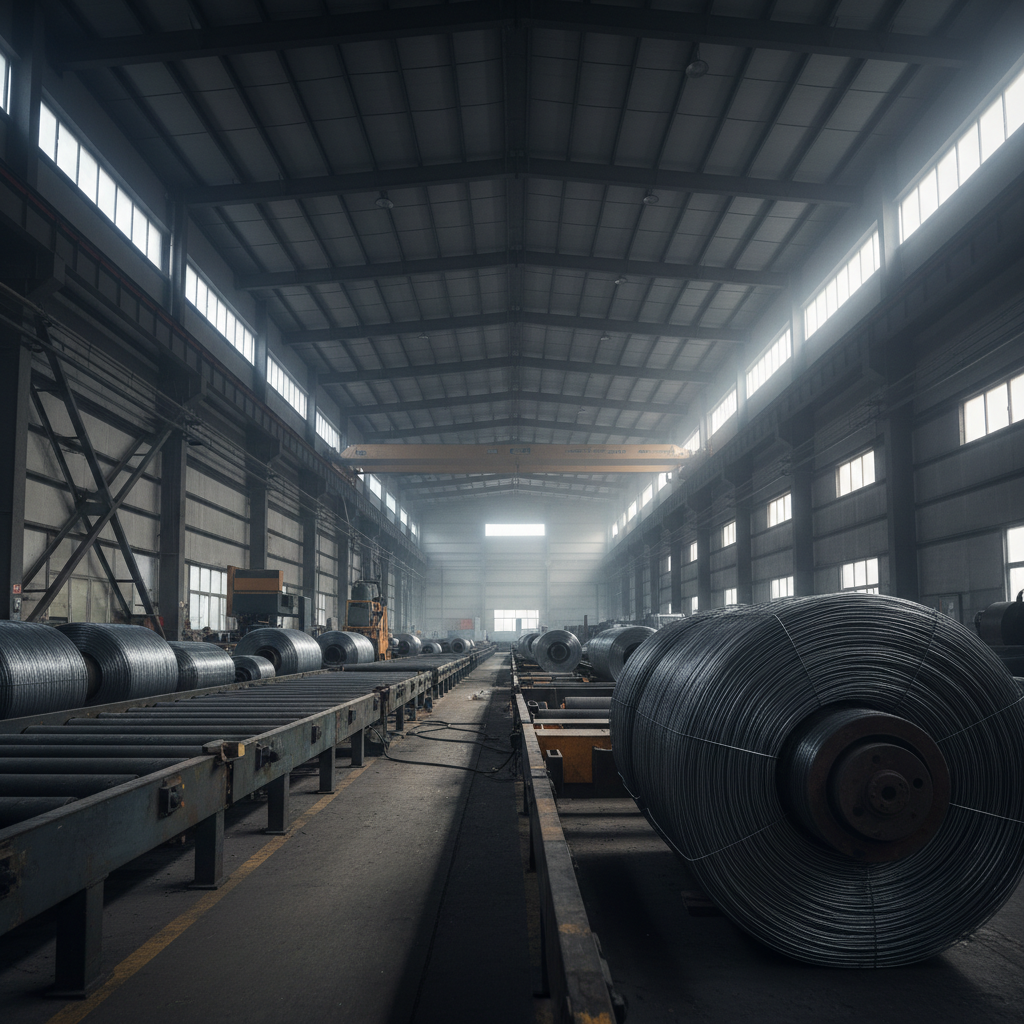
Stainless steel wire mesh is a versatile material finding increasing applications globally, driven by its unique combination of strength, corrosion resistance, and flexibility. Its ability to withstand harsh environments and provide durable solutions makes it crucial in various industries, from construction and agriculture to security and filtration. Understanding the properties and applications of stainless steel wire mesh is vital for engineers, architects, and procurement professionals seeking reliable and long-lasting materials.
The demand for stainless steel wire mesh is steadily rising, fueled by growing infrastructure projects, increasing safety regulations, and a need for sustainable materials. Globally, the market is experiencing expansion, particularly in emerging economies undergoing rapid urbanization and industrialization. This growth presents both opportunities and challenges for manufacturers and suppliers, requiring innovation in production techniques and a focus on meeting diverse customer needs.
This essential material isn't simply a commodity; it's a key component in safeguarding infrastructure, protecting assets, and improving quality of life. Its inherent properties allow for creative solutions in a wide range of applications, making a thorough understanding of stainless steel wire mesh invaluable.
The Significance of Stainless Steel Wire Mesh
Stainless steel wire mesh holds considerable significance due to its exceptional durability and resistance to corrosion. It's far more than a simple barrier; it's a crucial component in securing perimeters, protecting valuable assets, and ensuring safety in diverse environments. Its widespread adoption stems from its ability to provide long-lasting performance with minimal maintenance.
The growing need for robust and reliable materials is driving increased demand for stainless steel wire mesh across numerous sectors. Its applications extend beyond traditional fencing, encompassing areas like architectural facades, animal enclosures, filtration systems, and industrial screening, solidifying its role as a modern engineering material.
Defining Stainless Steel Wire Mesh
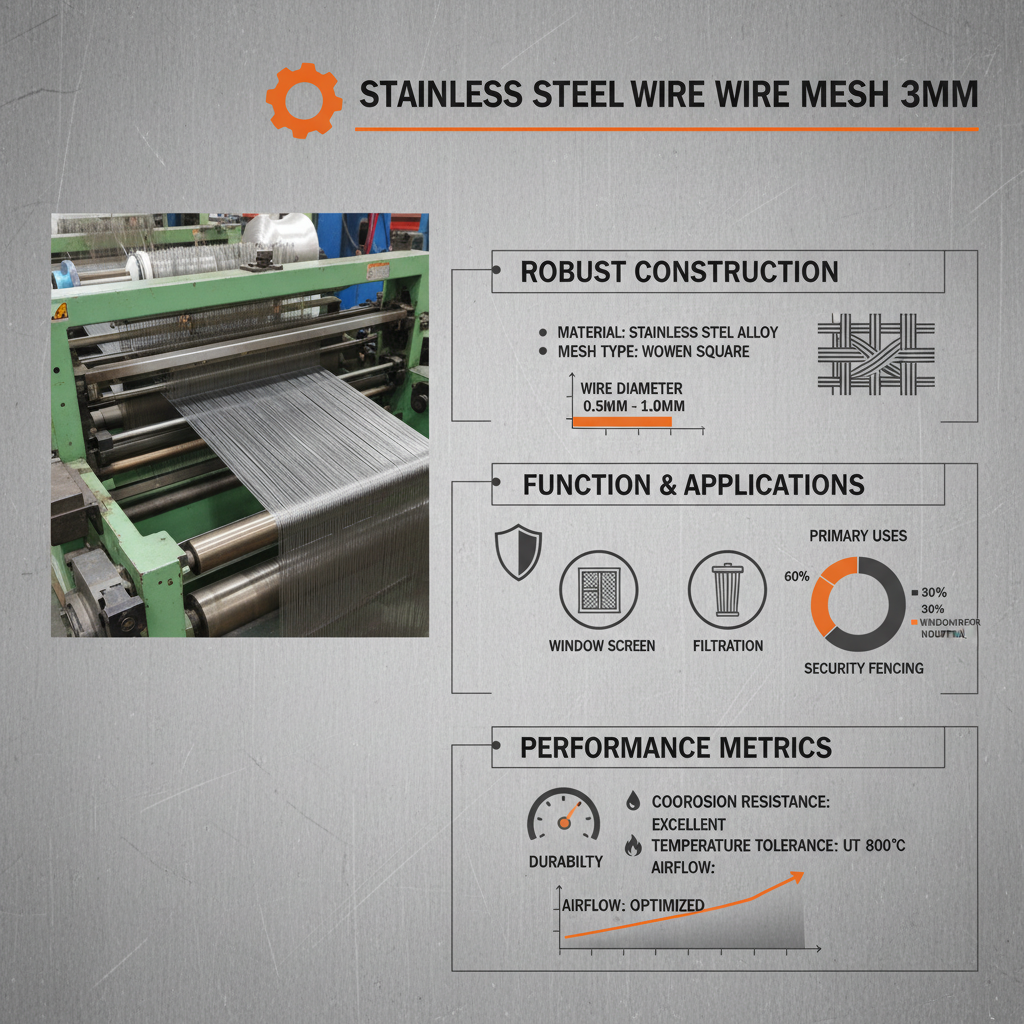
Stainless steel wire mesh is a woven or welded fabric created from stainless steel wires. The defining characteristic is the inclusion of chromium, typically at least 10.5%, which forms a passive layer of chromium oxide on the surface, protecting the steel from corrosion. This inherent resistance to rust and staining makes it ideally suited for applications where longevity and reliability are paramount.
Unlike other metals prone to degradation, stainless steel wire mesh maintains its structural integrity and appearance over extended periods, even when exposed to harsh weather conditions, corrosive chemicals, or saltwater environments. Different grades of stainless steel (like 304, 316, and 430) offer varying levels of corrosion resistance and mechanical strength, allowing for tailored solutions.
The connection to modern industry and humanitarian needs is profound. In critical infrastructure projects, stainless steel wire mesh ensures security and longevity. In disaster relief, it can quickly be deployed for temporary shelters and secure zones, offering a safe haven in times of crisis.
Key Properties of Stainless Steel Wire Mesh
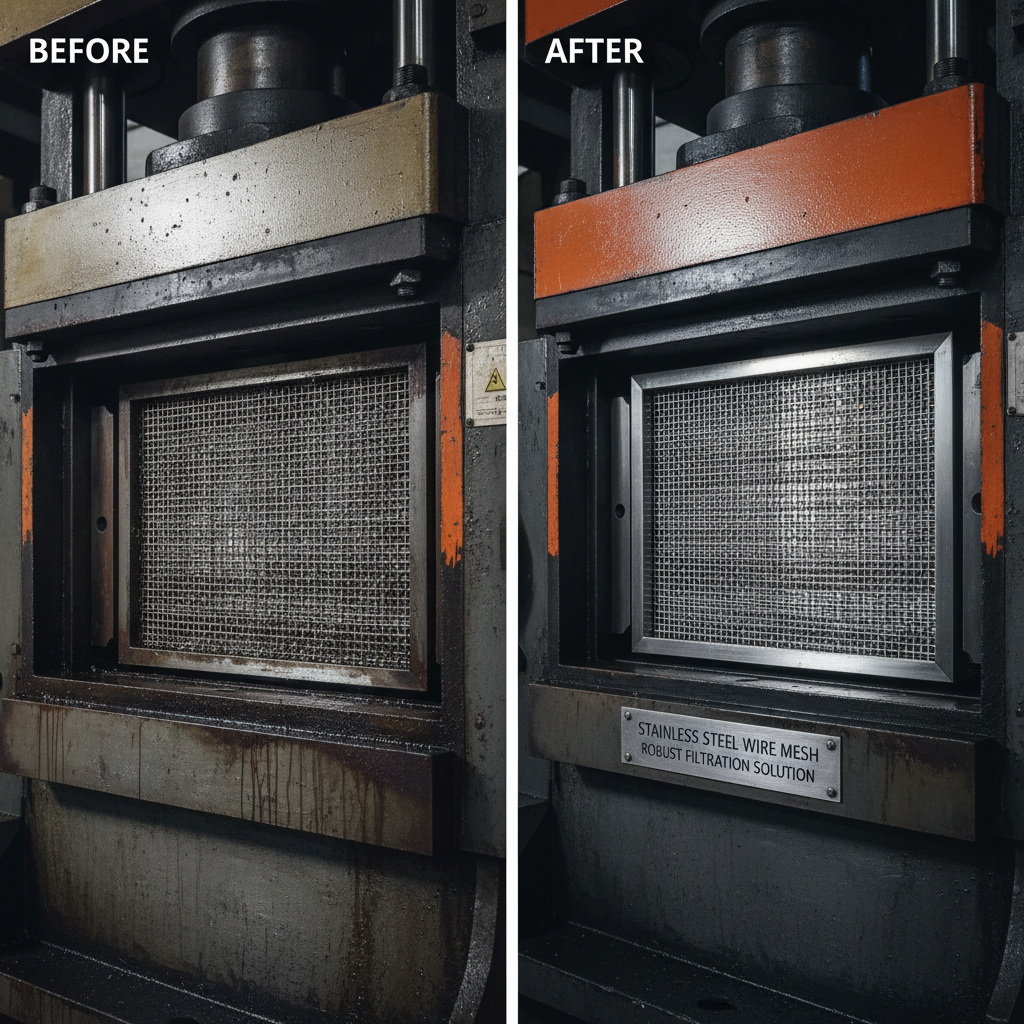
One of the most important properties of stainless steel wire mesh is its exceptional corrosion resistance. The chromium content forms a protective layer, preventing rust and staining, even in harsh environments. This translates to lower maintenance costs and a longer service life, making it a cost-effective solution in the long run.
Another critical property is its high tensile strength. Stainless steel wire mesh can withstand significant forces without deformation or breakage, making it ideal for security fencing, animal enclosures, and structural support applications. The specific strength depends on the grade of stainless steel used and the weaving or welding pattern.
Furthermore, stainless steel wire mesh exhibits excellent flexibility, allowing it to conform to various shapes and contours. This makes it suitable for applications requiring complex geometries, such as architectural designs and filtration systems. Its versatility in fabrication contributes to its widespread adoption.
Factors Influencing Performance
The grade of stainless steel significantly impacts performance. 304 stainless steel is a common choice for general-purpose applications, offering good corrosion resistance. However, 316 stainless steel, containing molybdenum, provides superior resistance to chlorides and is preferred for marine environments or applications involving corrosive chemicals.
The weave pattern – plain weave, twill weave, Dutch weave, and reverse Dutch weave – also affects the mesh's properties. A plain weave provides balanced strength, while a twill weave offers increased flexibility. Dutch and reverse Dutch weaves are designed for filtration, offering different pore sizes and flow rates.
Performance Comparison of Different Stainless Steel Wire Mesh Weaving Methods
Global Applications Across Industries
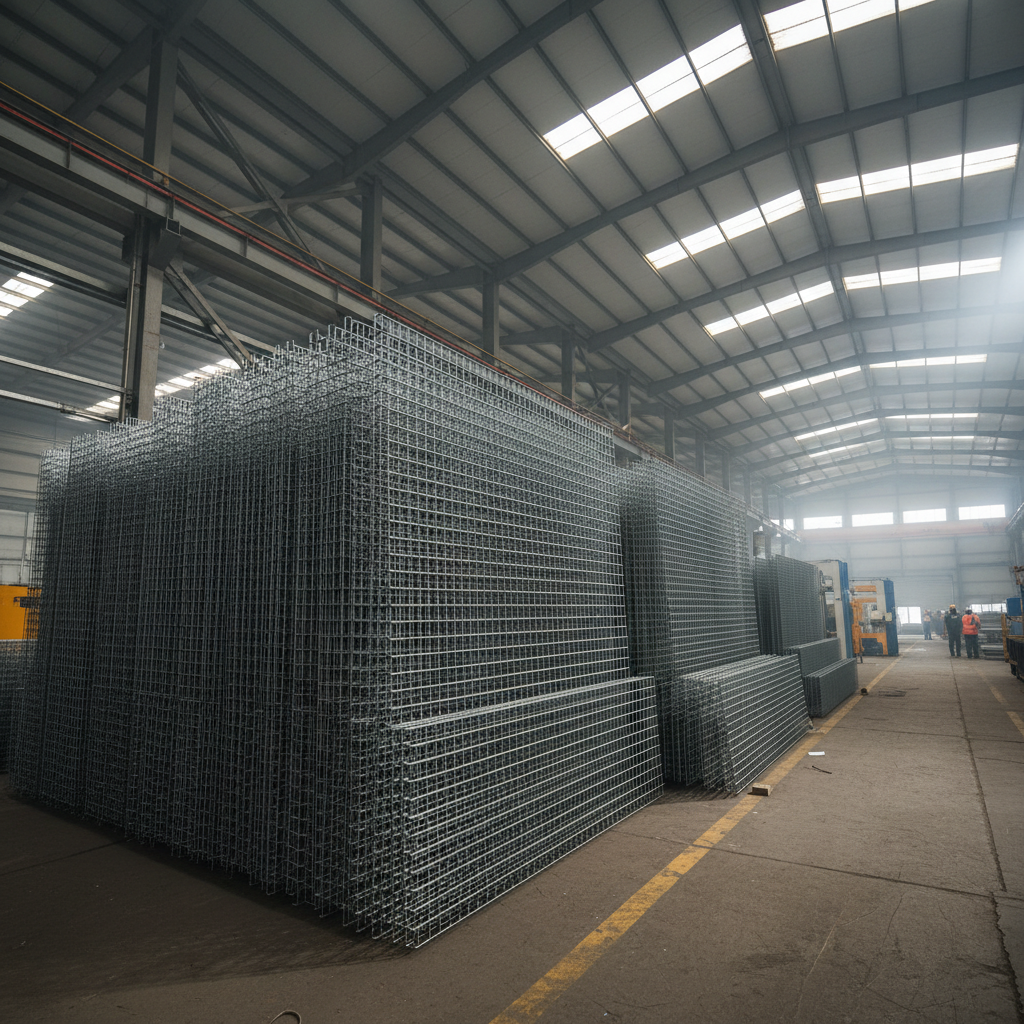
The applications of stainless steel wire mesh are remarkably diverse. In the construction industry, it’s used for reinforcing concrete, creating aesthetically pleasing facades, and providing security fencing. Agricultural applications include animal containment, crop protection, and greenhouse screening.
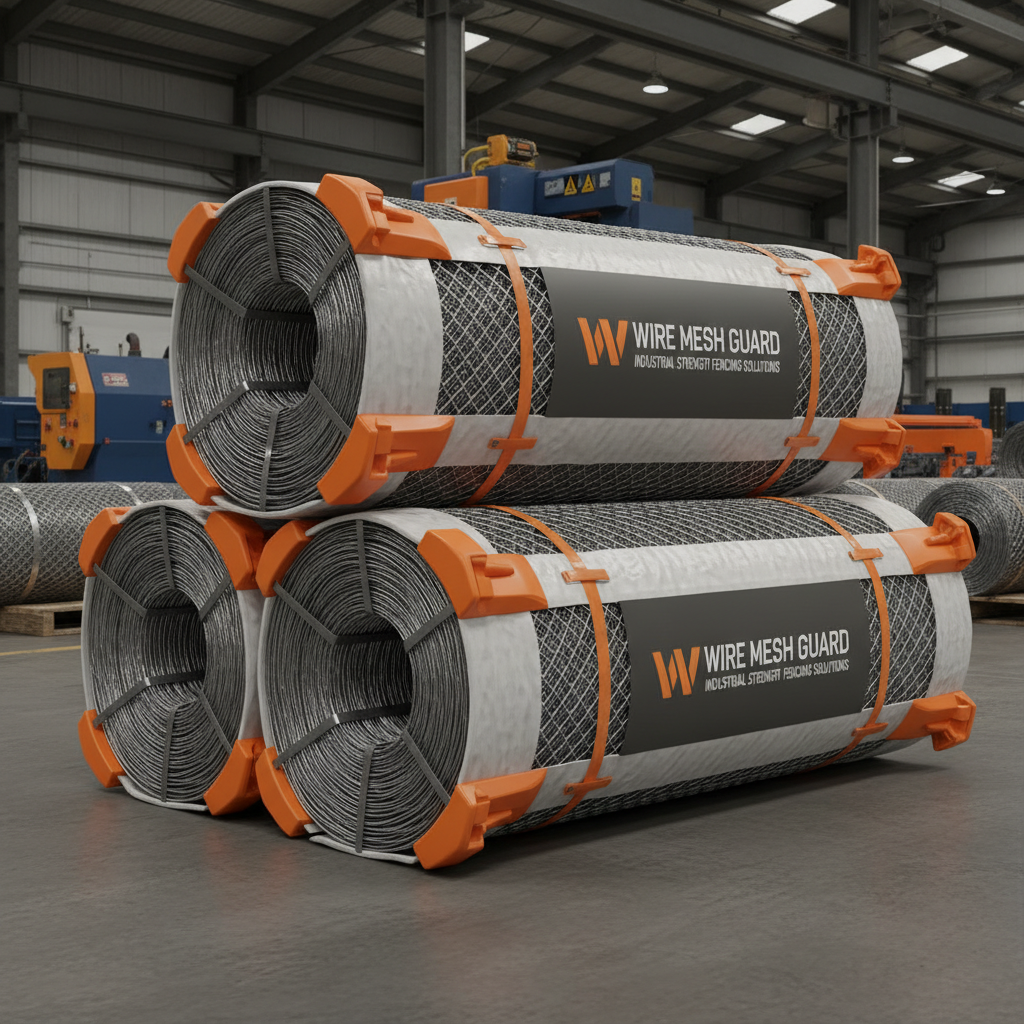
In the security sector, stainless steel wire mesh is vital for perimeter protection, high-security fencing, and prison enclosures. The material's resistance to cutting and climbing makes it an effective deterrent. Industrial applications include filtration, screening, and vibration control.
Advantages and Long-Term Value
The long-term value of stainless steel wire mesh is substantial, stemming from its durability and minimal maintenance requirements. While the initial cost may be higher than some alternative materials, the extended lifespan and reduced need for repairs or replacements result in significant cost savings over time.
Sustainability is another key advantage. Stainless steel is 100% recyclable, reducing environmental impact. Its longevity contributes to a reduced demand for new materials, further minimizing its carbon footprint. The inherent safety provided by robust security applications also adds significant value.
Future Trends and Innovations
Ongoing research and development are focused on enhancing the properties of stainless steel wire mesh. Innovations include new alloys with even greater corrosion resistance, improved weaving techniques for enhanced strength and flexibility, and the integration of smart technologies for monitoring and security purposes.
The increasing emphasis on sustainability is driving the development of eco-friendly manufacturing processes and the use of recycled stainless steel. Furthermore, the adoption of automation and digital technologies in production is leading to increased efficiency and reduced costs.
The integration of stainless steel wire mesh with green energy technologies, such as solar panel screening and wind turbine protection, presents exciting opportunities for future growth and innovation. The ability to withstand extreme conditions will make this material ever more important.
FAQS
The most frequently used grades are 304 and 316. 304 is a versatile general-purpose grade offering good corrosion resistance. 316, with the addition of molybdenum, provides superior resistance to chlorides and is ideal for marine or chemically corrosive environments. 430 is a lower-cost option, offering reasonable corrosion resistance for less demanding applications.
Mesh size (the number of openings per inch) is crucial. Finer meshes offer greater filtration or containment, while coarser meshes provide better airflow or visibility. Consider the size of the particles you need to filter or the size of the animals you need to contain. Consulting with a supplier can help ensure you select the appropriate mesh size for your specific needs.
Yes, but it requires specialized techniques. Standard welding can compromise the corrosion resistance of stainless steel. TIG (Tungsten Inert Gas) welding is often preferred, as it provides a cleaner, more controlled weld. Soldering requires using a flux specifically designed for stainless steel to avoid corrosion.
The lifespan depends on the grade of stainless steel and the environmental conditions. In general, properly maintained stainless steel wire mesh can last for decades, even in harsh outdoor environments. 316 stainless steel offers the longest lifespan in corrosive environments, potentially exceeding 50 years. Regular cleaning can further extend its service life.
Absolutely! Stainless steel is 100% recyclable, making it a sustainable material choice. Recycling stainless steel conserves natural resources, reduces energy consumption, and minimizes landfill waste. Many scrap metal dealers will accept stainless steel wire mesh for recycling.
Reverse Dutch weave is primarily used in filtration applications where high flow rates and good particle retention are needed. It's commonly found in chemical processing, pharmaceutical manufacturing, and food and beverage industries. It’s also useful in applications like loudspeaker grills, offering acoustic transparency while providing physical protection.
Conclusion
In conclusion, stainless steel wire mesh represents a critical material across a multitude of industries, offering a unique blend of durability, corrosion resistance, and versatility. From ensuring security and protecting infrastructure to enabling sustainable filtration solutions, its applications are vast and constantly evolving. Understanding its properties, choosing the appropriate grade and weave, and considering long-term maintenance are key to maximizing its value.
Looking ahead, continued innovation in alloys, manufacturing processes, and smart technologies will further expand the capabilities of stainless steel wire mesh. Embracing these advancements will be crucial for meeting the growing demands of a dynamic global landscape. To explore our range of stainless steel wire mesh products and find the perfect solution for your needs, visit our website today.