Woven wire fence plays a crucial role in a multitude of applications globally, from agricultural containment and livestock management to security perimeters and wildlife control. Its versatility and cost-effectiveness make it a favored choice across diverse terrains and economic landscapes. Understanding the nuances of woven wire fence – its construction, materials, and installation – is paramount for ensuring optimal performance and longevity. The importance of choosing the correct gauge, mesh size, and coating is often underestimated, leading to premature failure and increased maintenance costs.
The global demand for fencing solutions, particularly woven wire fence, is driven by factors like population growth, increasing agricultural needs, and a heightened emphasis on security. According to recent reports, the agricultural fencing market is projected to experience steady growth, driven largely by the need for efficient livestock management in developing nations. However, challenges remain, including the impact of material costs and the need for sustainable manufacturing practices.
Ultimately, a well-constructed and properly maintained woven wire fence provides not only physical security and containment but also contributes to economic stability and environmental responsibility, making its understanding essential for various stakeholders.
Introduction to Woven Wire Fence
Woven wire fence stands as a foundational element in a vast range of applications, spanning agricultural boundaries, perimeter security, and animal containment. Its inherent strength, derived from the interlaced vertical and horizontal wires, makes it a reliable and long-lasting solution for managing livestock and protecting property. The adaptability of woven wire fence – available in varying heights, mesh sizes, and wire gauges – allows for customized solutions tailored to specific needs.
Choosing the right woven wire fence isn't simply about cost; it's about selecting a product that effectively addresses the intended purpose. Factors like the type of animal being contained, the terrain, and local climate conditions all play a vital role in determining the optimal specifications. Understanding these nuances is key to maximizing the investment and ensuring the fence’s longevity.
Defining Woven Wire Fence
Woven wire fence, at its core, is a type of fencing constructed by interweaving vertical and horizontal wires. Unlike welded wire mesh, where wires are joined by welding, woven wire relies on a weaving pattern that provides greater flexibility and tensile strength. This construction allows the fence to conform to undulating ground and absorb impact without breaking. The ‘weave’ refers to how the vertical wires pass over and under the horizontal wires creating a secure, interconnected matrix.
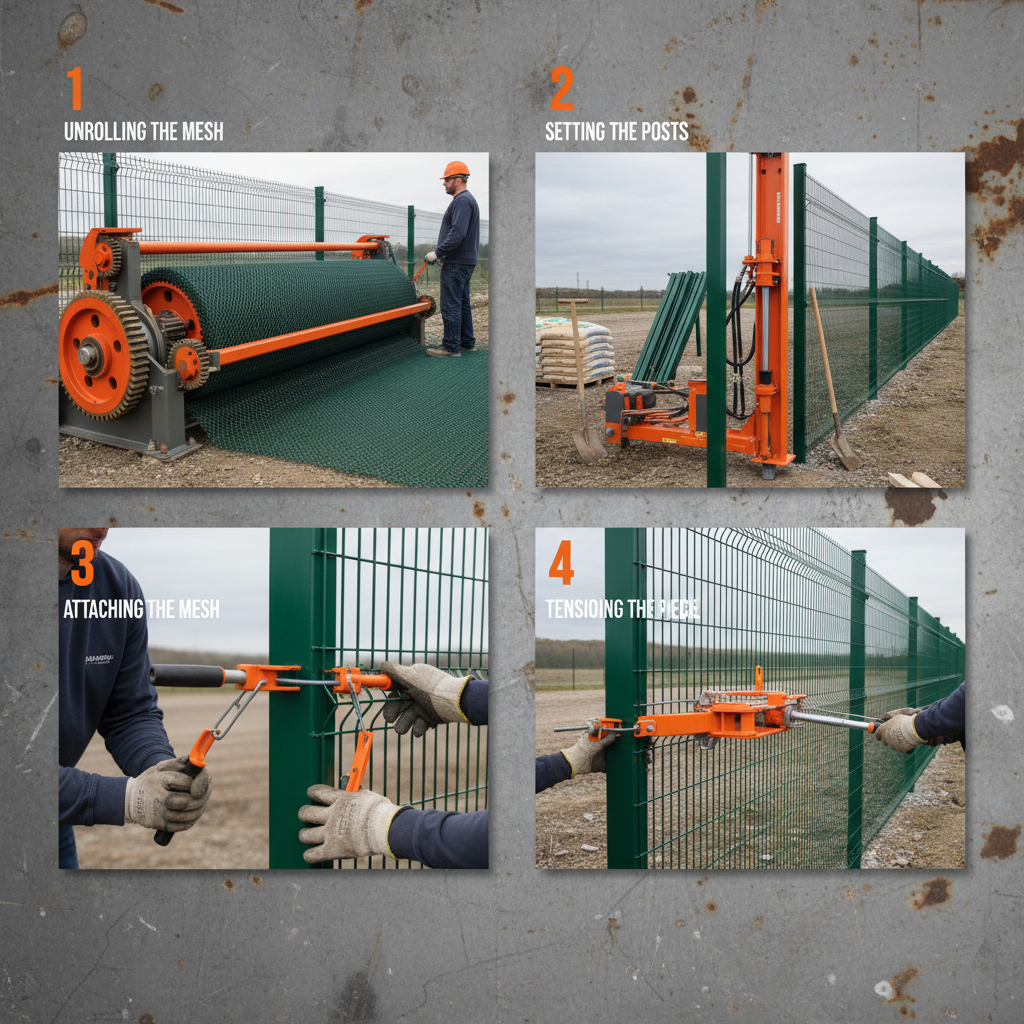
The connection to modern industry lies in its scalability and ability to provide cost-effective solutions for large-scale containment. From vast ranchlands to extensive agricultural fields, woven wire fence allows for efficient and reliable boundary demarcation. Its relatively simple installation process – although requiring specialized tools and knowledge – further contributes to its widespread adoption.
In humanitarian contexts, woven wire fence can offer a degree of security for temporary settlements or displaced populations, offering a basic perimeter and a sense of safety. While not intended for high-security applications, it can serve as a deterrent and provide a defined space.
Key Characteristics of Woven Wire Fence
Durability is a defining characteristic of woven wire fence. The interwoven construction, combined with galvanized or coated wires, provides resistance to corrosion and weathering. Proper installation and regular maintenance further enhance its lifespan, allowing it to withstand harsh environmental conditions for decades.
Scalability refers to the fence’s ability to be adapted to various terrain and containment needs. Woven wire can be easily cut and shaped to follow contours, and the mesh size and wire gauge can be customized to secure different types of animals or provide varying levels of security. This adaptability is a major advantage over rigid fencing materials.
Cost-efficiency is another key benefit. Compared to other fencing options like solid wood or chain-link, woven wire often presents a more affordable solution, especially for large-scale projects. While the initial cost can vary based on materials and installation, the long-term value—due to its durability and low maintenance requirements—makes it a financially sound investment.
Practical Applications of Woven Wire Fence
One of the most common applications of woven wire fence is in agriculture, specifically for livestock containment. Different mesh sizes are used depending on the animal; smaller meshes prevent sheep and goats from escaping, while larger meshes are suitable for cattle and horses. The fence protects livestock from predators and keeps them within designated grazing areas.
Beyond agriculture, woven wire fence is widely used for creating secure perimeters around properties, protecting gardens from deer and other wildlife, and even as a support structure for climbing plants. Its versatility makes it a practical solution for a diverse range of needs.
Woven Wire Fence Performance by Method
Global Uses and Industries Benefitting
In Australia, woven wire fence is extensively used in vast sheep and cattle stations to manage millions of acres of grazing land. The durability and resistance to harsh weather conditions make it ideal for this challenging environment. Similarly, in Argentina's Pampas region, large-scale cattle ranching relies heavily on woven wire fencing for efficient livestock control.
North American agriculture benefits from woven wire fence in both large-scale farming and smaller homesteads. It's common to see it used to protect crops from deer, contain livestock, and establish property boundaries. In post-disaster relief operations, woven wire fence can be rapidly deployed to create temporary enclosures for livestock or to secure critical infrastructure.
Advantages and Long-Term Value
The tangible benefits of woven wire fence extend beyond its initial cost-effectiveness. Reduced livestock losses due to predators or escapes translate directly into increased profitability for farmers. Lower maintenance requirements – primarily involving periodic inspection and repair – minimize ongoing operational expenses. A well-maintained woven wire fence can realistically last for 20-30 years or more.
From a sustainability perspective, the use of galvanized or coated wires prolongs the lifespan of the fence, reducing the need for frequent replacements. This minimizes waste and contributes to a more environmentally responsible approach to land management. The sense of security and control that a robust woven wire fence provides also delivers a significant psychological benefit to landowners.
Ultimately, woven wire fence represents a balanced approach – offering a reliable, cost-effective, and sustainable solution for a variety of containment and security needs.
Future Trends and Innovations
Innovations in wire coatings, such as polymer coatings, are extending the lifespan and corrosion resistance of woven wire fence even further. These new coatings offer superior protection against harsh weather and aggressive environmental factors. Research into alternative, more sustainable materials for fence posts – such as recycled plastics or composite materials – is also gaining momentum.
The integration of smart fencing technologies, including sensor-equipped wires that can detect breaches or animal movements, is a growing trend. These systems can provide real-time alerts to landowners, enhancing security and enabling proactive management. Automation in the installation process, utilizing specialized machinery to streamline the weaving and tensioning of wires, is also improving efficiency.
Furthermore, the focus on bio-security is driving demand for woven wire fence with smaller mesh sizes, capable of excluding invasive species and preventing the spread of diseases.
Summary of Woven Wire Fence Challenges & Solutions
| Challenge |
Impact Severity (1-10) |
Potential Solution |
Implementation Cost (USD) |
| Corrosion of Wire |
7 |
Utilize Polymer Coated Wires |
$5 - $10/meter |
| Animal Damage (Breaking/Digging) |
8 |
Increase Wire Gauge & Bury Lower Section |
$3 - $7/meter |
| Difficult Terrain Installation |
6 |
Employ Specialized Installation Equipment |
$15 - $30/meter |
| High Initial Labor Costs |
5 |
Contract with Experienced Fencing Crews |
$20 - $40/hour |
| Gate Installation & Maintenance |
4 |
Use High-Quality, Durable Gate Hardware |
$100 - $500/gate |
| Vegetation Growth & Obstruction |
7 |
Regular Vegetation Management & Trimming |
$50 - $200/year |
FAQS
The lifespan of a woven wire fence varies depending on several factors including the wire gauge, coating type, environmental conditions, and level of maintenance. However, a properly installed and maintained woven wire fence can realistically last between 20 and 30 years, and even longer with regular upkeep. Galvanized coatings offer good protection, but polymer coatings extend the lifespan even further.
Choosing the correct mesh size is crucial for effective containment. Smaller meshes are ideal for containing smaller animals like sheep, goats, and poultry, preventing them from squeezing through. Larger meshes are suitable for larger livestock such as cattle and horses. Consider the animal’s size and behavior when selecting the mesh size; it’s always better to err on the side of smaller.
Corrosion is a common issue with wire fencing. To prevent it, opt for galvanized or polymer-coated wires, which provide a protective barrier against rust. Regularly inspect the fence for any signs of corrosion and address them promptly. In particularly harsh environments, consider applying additional protective coatings.
The recommended post spacing typically ranges from 8 to 12 feet, depending on the terrain, wire gauge, and type of animal being contained. Closer spacing provides greater stability, especially in undulating terrain or when containing animals that tend to push against the fence. Consult with a fencing professional to determine the optimal spacing for your specific application.
While not as secure as chain-link or other high-security fencing, woven wire fence can provide a reasonable level of perimeter security, particularly as a deterrent. Using a smaller mesh size and a higher wire gauge can enhance its security capabilities. Combining it with other security measures, like motion sensors or security lighting, can further improve its effectiveness.
Proper tensioning is critical for preventing sagging and maintaining the fence's integrity. Use a fence stretcher to apply even tension across the entire length of the wire. Over-tensioning can damage the wire or posts, while under-tensioning will result in a saggy and ineffective fence. Regularly check and adjust the tension as needed, especially after initial installation and during seasonal temperature changes.
Conclusion
Woven wire fence remains a cornerstone of containment and security solutions across a vast range of applications, from agriculture and wildlife management to property protection and even humanitarian aid. Its inherent durability, scalability, and cost-effectiveness, combined with ongoing innovations in materials and installation techniques, ensure its continued relevance in the years to come. Understanding the nuances of woven wire fence construction and proper maintenance are vital for maximizing its lifespan and achieving the desired results.
Looking ahead, the integration of smart technologies and sustainable materials will further enhance the value proposition of woven wire fence. By embracing these advancements and adopting best practices, landowners and stakeholders can leverage the benefits of this versatile fencing solution for decades to come. For more information and to explore our range of woven wire fencing products, visit our website: www.chbarrier.com.