Look, I’ve spent the last fifteen years breathing concrete dust and getting to know steel firsthand. And let me tell you, when it comes to securing a site – whether it’s a sprawling agricultural operation, a construction zone, or a ranch – green wire fencing is a game changer. It’s not fancy, it's not high-tech, but it gets the job done, reliably and efficiently. It’s the workhorse of rural and industrial security, and a smart investment for anyone looking for a balance of cost and effectiveness.
We’re talking about a material that's seen everything. Extreme weather, curious livestock, even the occasional attempt at unwanted access. What I appreciate is its adaptability. It's surprisingly versatile - from creating temporary pens to establishing long-term perimeter control. You quickly learn what holds up, and green wire consistently proves its worth on demanding jobs. I've seen plenty of ‘innovative’ solutions fail spectacularly, but good old green wire fencing just keeps performing.
And the bottom line is this: time is money on a project. Trying to constantly repair and replace flimsy fencing eats into your schedule and budget. Green wire fencing minimizes downtime, providing a robust and lasting solution you can depend on. It’s a foundational element, not an afterthought, and that’s why I always recommend it to my clients.
The Core Qualities of green wire fencing
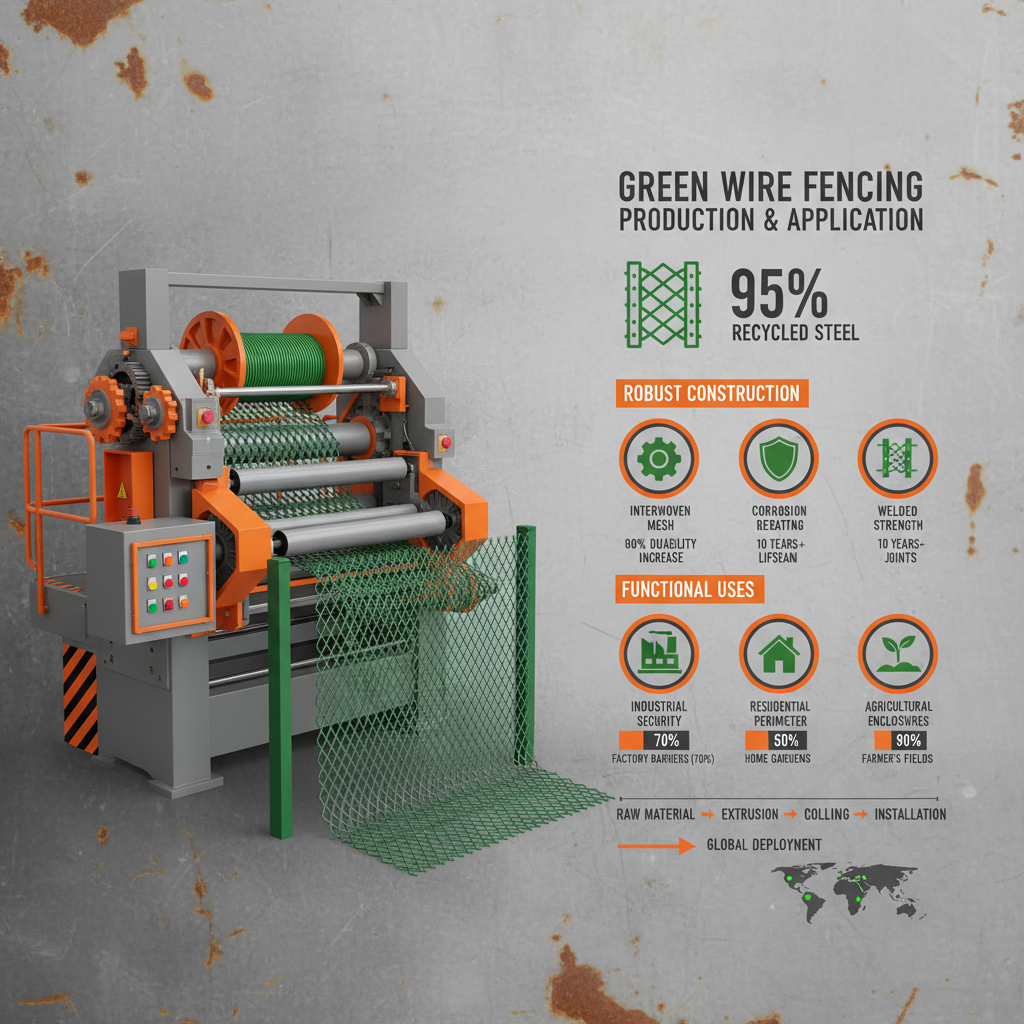
The strength of green wire fencing really comes down to its construction. The galvanization process is critical – it’s what gives the steel its corrosion resistance. I’ve seen fences that skipped this step rust through in a matter of months, especially in coastal areas. And the gauge of the wire itself matters. A heavier gauge means greater durability, able to withstand the pressure from livestock or harsh weather.
Beyond that, it’s the simplicity that makes it effective. There aren’t a lot of complicated parts to break down or maintain. That’s hugely important on sites where you don’t have dedicated maintenance crews. You put it up, and with proper installation and occasional checks, it'll last. It's a reliable, low-maintenance solution, and that’s something I value highly.
Global Relevance and Industry Standards
You see green wire fencing used all over the world. It's not a regional solution; it’s a global one. From vast ranchlands in Australia and Argentina to agricultural fields in Europe and North America, it’s a standard for perimeter control. The UN uses it in refugee camps for quick perimeter establishment. The World Bank often recommends it for agricultural development projects in developing countries because of its cost-effectiveness.
There are industry standards, although they can vary by region. The ISO standards related to galvanization and wire tensile strength are important benchmarks. Knowing those standards helps ensure you’re getting a quality product. We've seen increasing demand for fences meeting specific livestock containment requirements, especially with rising insurance costs and animal welfare concerns.
The biggest challenge right now is balancing the demand for affordable fencing with the need for sustainable practices. There’s a growing focus on responsible sourcing of materials and reducing the environmental impact of manufacturing. That’s something we’re actively looking at with our suppliers.
Defining green wire fencing: A Practical Perspective
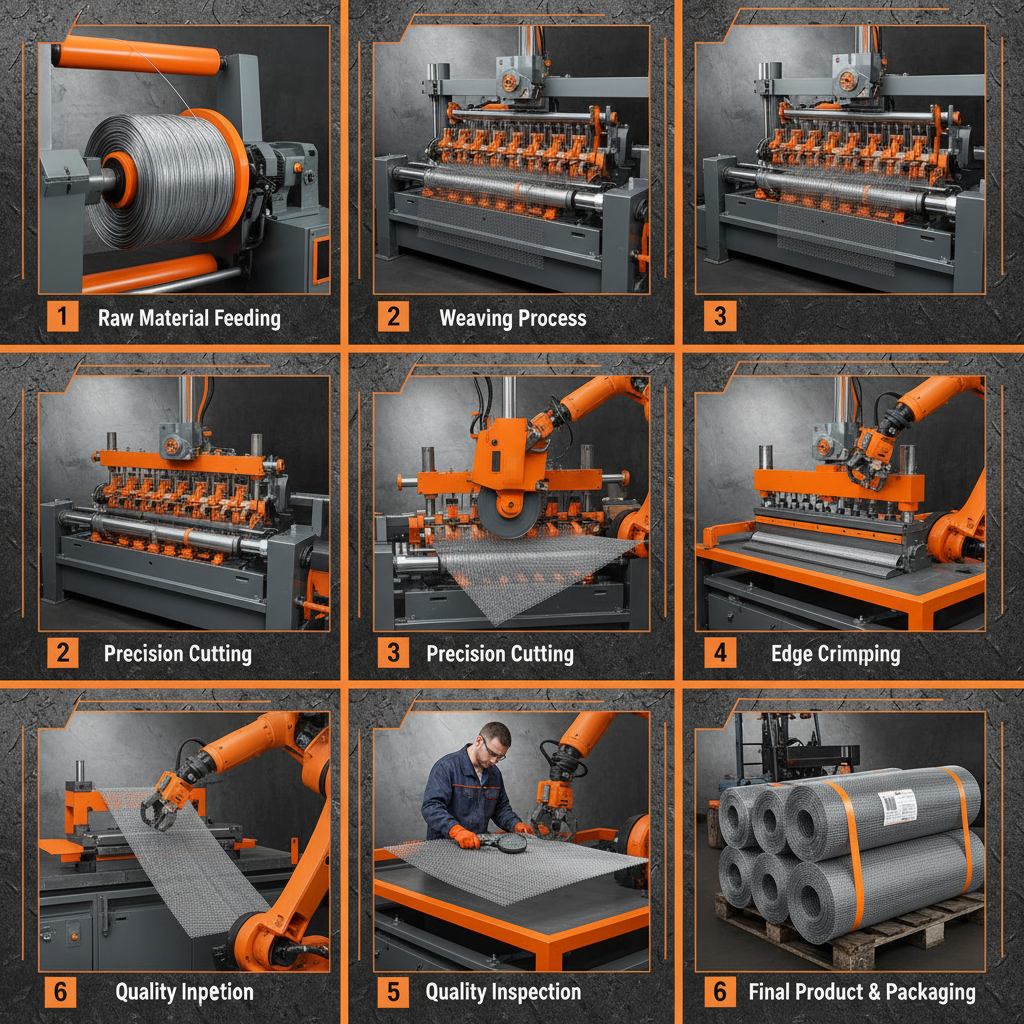
When I talk about green wire fencing, I’m referring to woven wire mesh typically coated with a protective layer of zinc – that’s the galvanization – and often a polymer coating for added durability and that distinctive green color. It’s the polymer coating that really sets it apart, providing resistance to UV degradation and further extending its lifespan.
It's a deceptively simple product, but the quality of the weave is crucial. A tightly woven mesh is much more resistant to stretching and damage. You’ll also see variations in the wire diameter and the size of the mesh openings, depending on the intended application – keeping in small animals versus larger livestock, for example.
Its connection to modern needs isn't just about containment. It's about providing security, defining property lines, and enabling efficient land management. In a world facing increasing challenges related to food security and resource management, reliable and affordable fencing like this is essential.
Key Factors Driving green wire fencing Effectiveness
Durability is paramount. The galvanization and polymer coating protect against corrosion, extending the fence's lifespan significantly. Scalability is also a big plus – you can easily add to or modify a green wire fencing system as your needs change.
Cost efficiency can’t be overstated. Compared to other fencing options, like wood or vinyl, it’s significantly more affordable, especially for large-scale projects. And finally, ease of installation is a major advantage. While proper installation is vital, it doesn’t require specialized equipment or highly skilled labor.
green wire fencing Performance Metrics
Real-World Applications of green wire fencing
In post-disaster relief operations, green wire fencing is often used to create temporary shelters and secure aid distribution points. It’s quick to deploy and provides a basic level of security in chaotic situations. I saw it used extensively after the hurricanes in Florida, creating temporary animal enclosures and protecting vulnerable supplies.
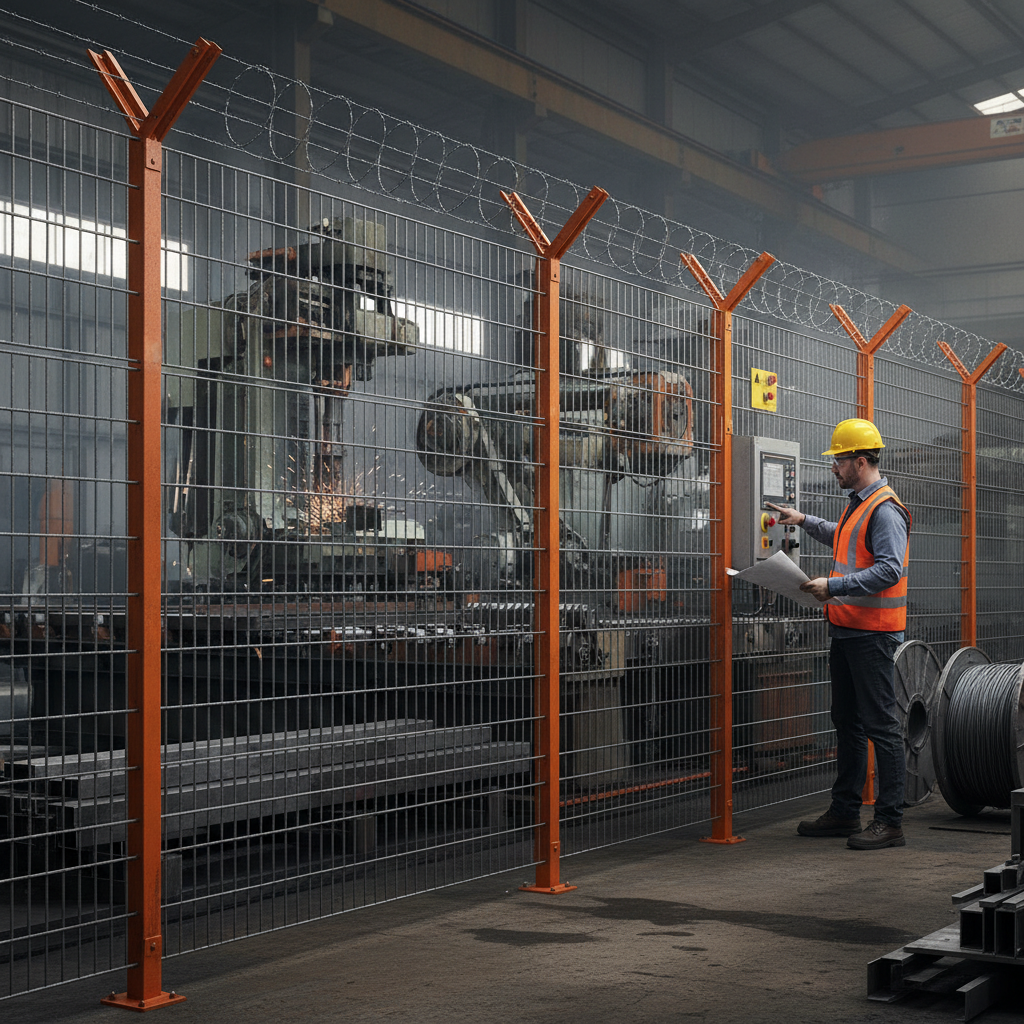
In remote industrial zones, it’s used to define property boundaries and secure valuable equipment. Mining operations, oil and gas facilities – places where security is paramount but infrastructure might be limited. It's a practical solution for protecting assets.
Long-Term Value and Advantages
The tangible benefits are clear: lower upfront costs, reduced maintenance, and a long service life. But there's also a social impact. Secure land means more stable agricultural operations, leading to food security and economic opportunity. That’s something I’m proud to be a part of.
Beyond that, there’s a sense of security and peace of mind that comes with a well-maintained fence. Whether it’s protecting livestock, safeguarding property, or simply defining boundaries, a robust fence creates a feeling of order and control. It’s a foundational element of a well-managed operation.
And let's not forget innovation. We’re seeing advancements in coating technologies that are further enhancing the durability and lifespan of green wire fencing, making it an even more attractive option for a wider range of applications.
Future Trends and Innovations in green wire fencing
We're seeing a move towards more sustainable manufacturing processes. Reducing the carbon footprint of steel production and using recycled materials are becoming increasingly important. There’s also research into bio-based polymer coatings that could further reduce the environmental impact.
Digital integration is another trend to watch. Smart fencing systems, incorporating sensors and monitoring technologies, could provide real-time alerts for breaches or damage. This is especially valuable in large-scale operations where manual inspection is impractical.
Automation in installation is also on the horizon. Robotic systems could potentially speed up the installation process and reduce labor costs. These advancements will only strengthen the position of green wire fencing as a vital component of infrastructure worldwide.
Key Comparative Analysis of green wire fencing Installation Methods
| Installation Method |
Labor Requirements |
Cost Effectiveness |
Long-Term Durability |
| Traditional Manual Installation |
High - Requires skilled laborers |
Moderate - Dependent on labor costs |
8/10 - Reliant on quality of workmanship |
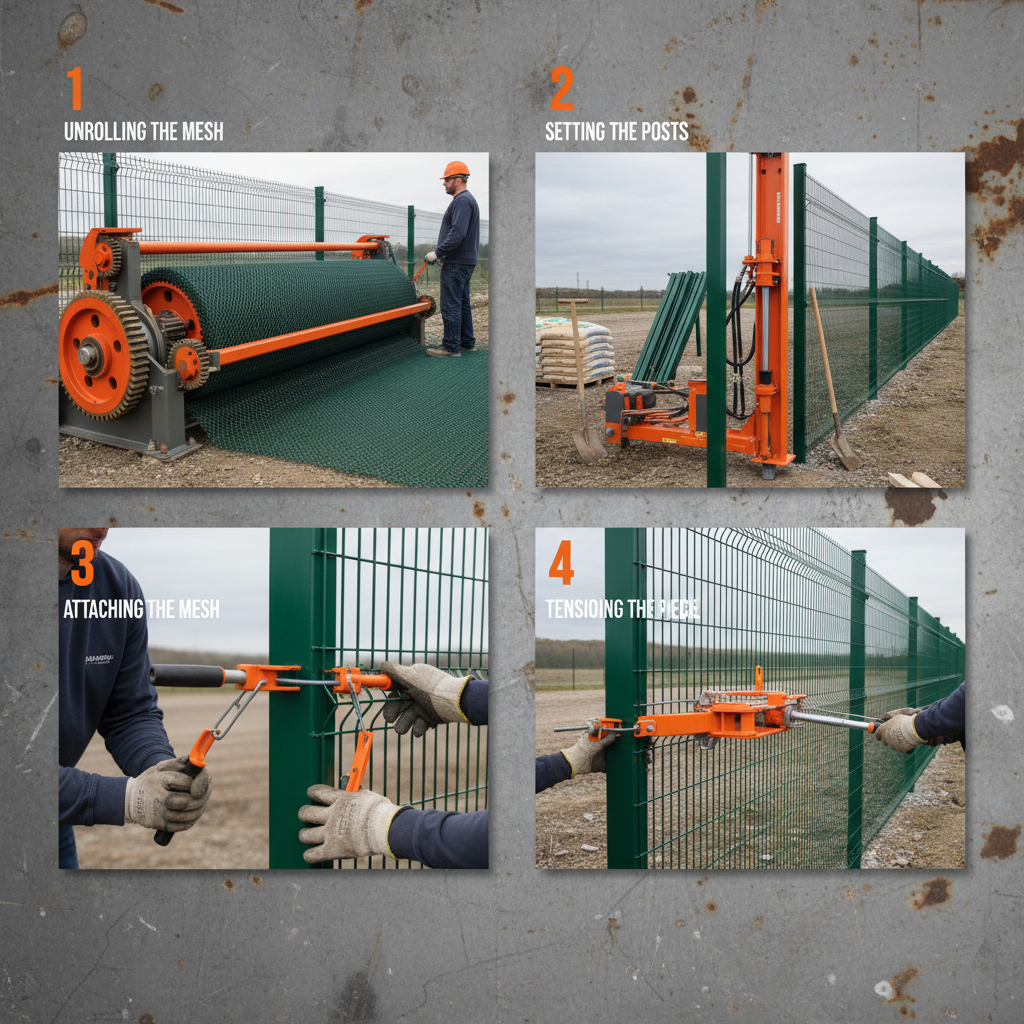
| Mechanized Post Driving |
Moderate - Reduced labor for post installation |
7/10 - Investment in machinery needed |
9/10 - Precise post placement enhances stability |
| Wire Tensioning with Winch |
Low - Simplifies wire tightening process |
8/10 - Efficient and minimizes wire slack |
8/10 - Consistent tension improves lifespan |
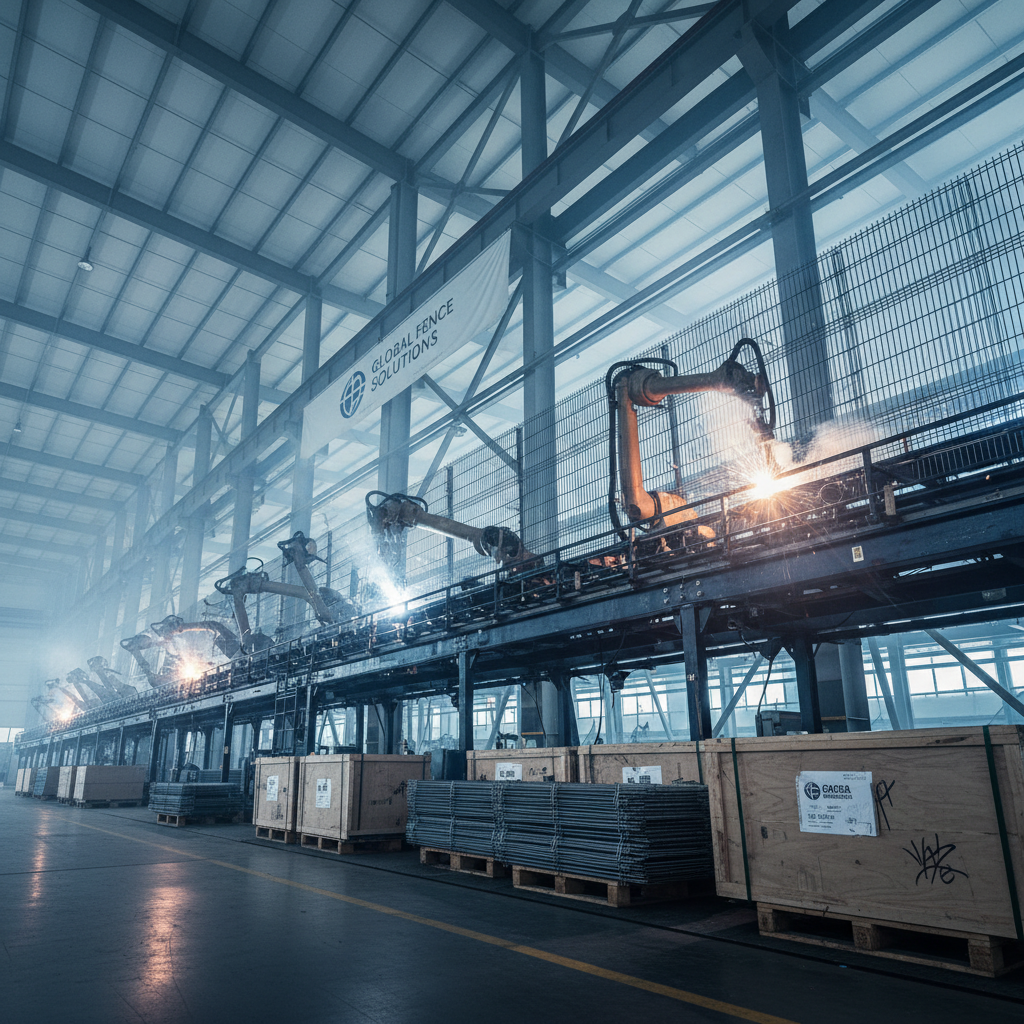
| Automated Wire Weaving Systems |
Very Low - Primarily machine-operated |
9/10 - High initial investment, but low long-term cost |
9/10 - Uniform weave increases strength |
| Hybrid Manual/Mechanized Approach |
Moderate - Combines efficiency with skilled labor |
7/10 - Balances cost and performance |
8/10 - Leverages benefits of both methods |
| Remote Monitoring & Adjustment |
Very Low - Continuous monitoring minimizes manual checks |
6/10 - Requires initial sensor investment |
9/10 - Proactive adjustments prevent failures |
FAQS
In a harsh coastal environment, the lifespan of green wire fencing can vary significantly depending on the quality of the galvanization and polymer coating. Generally, with a high-quality coating, you can expect 15-20 years, but regular inspections and maintenance – like cleaning off salt spray – are crucial. We’ve seen fences fail much sooner with minimal maintenance, and last longer with proactive care.
The gauge (thickness) of the wire directly impacts the fence’s strength. A heavier gauge wire is significantly more resistant to breaking or bending under pressure from livestock. For larger animals like cattle or horses, a lower gauge (thicker wire) is essential. For smaller animals, a higher gauge (thinner wire) may suffice, but it's always best to err on the side of caution and choose a wire gauge appropriate for the strongest animal you anticipate containing.
Green wire fencing can work well in snowy areas, but proper installation is critical. You need to ensure the fence is tall enough to prevent animals from jumping over the accumulated snow, and the posts are securely anchored to withstand the added weight. Consider using taller posts and additional bracing in regions with consistent heavy snowfall.
Corrosion is a major concern in humid environments. Choosing green wire fencing with a robust galvanization and polymer coating is the first step. Regularly cleaning the fence to remove moisture and debris can also help. You can also consider applying a corrosion inhibitor spray periodically, especially in areas prone to salt spray or acid rain.
Generally, green wire fencing is significantly more cost-effective than wood or vinyl, particularly for large-scale projects. While the initial cost of wood or vinyl might seem comparable, you need to factor in ongoing maintenance – painting, replacing rotten posts, etc. – which adds up over time. Green wire offers a lower lifecycle cost due to its durability and minimal maintenance requirements.
The environmental impact depends on the manufacturing process and materials used. Look for manufacturers who prioritize sustainable practices, such as using recycled steel and eco-friendly polymer coatings. Properly disposing of old fencing is also important – recycling is the preferred option whenever possible. We’re seeing more focus on minimizing the carbon footprint of the entire production chain.
Conclusion
In the end, green wire fencing isn’t about flashy innovation. It’s about proven reliability, cost-effectiveness, and adaptability. It’s a foundational material that continues to play a critical role in securing properties, managing land, and supporting communities around the globe. It’s a workhorse, plain and simple, and a smart choice for anyone seeking a durable and practical fencing solution.
As technology advances and sustainability becomes increasingly important, we’ll likely see improvements in manufacturing processes and materials used in green wire fencing. But the core principles – strength, durability, and affordability – will remain. If you're looking for a fencing solution that stands the test of time, I still recommend starting with good old green wire.