Look, I've spent the last fifteen years breathing concrete dust and wrestling with blueprints. When it comes to site security, you quickly learn what really works. And frankly, a solid, reliable metal wire fence is often the unsung hero. It’s not glamorous, it doesn't get talked about in boardrooms, but it’s the first line of defense against theft, vandalism, and just plain chaos on a job site. It's about protecting your investment, keeping people safe, and ultimately, keeping projects on schedule.
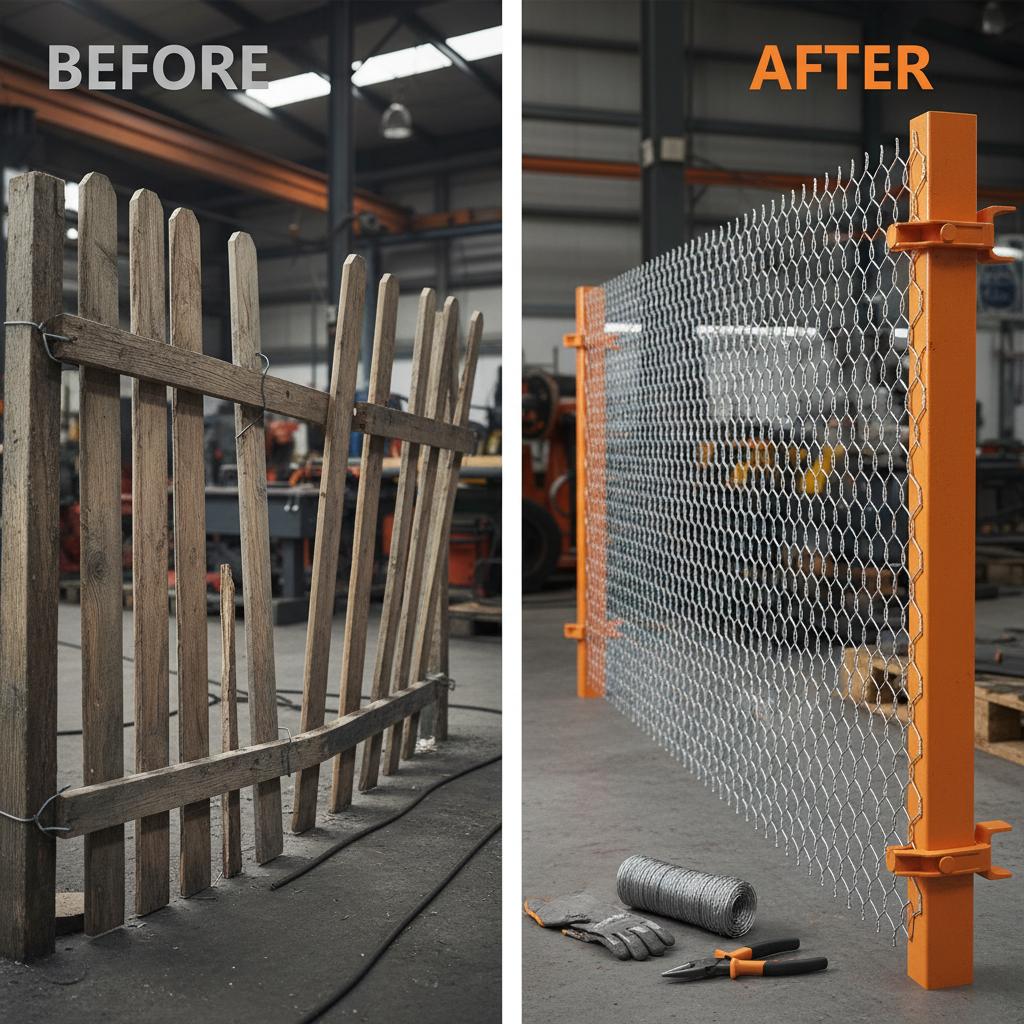
We've moved past the days of flimsy chain-link that bends at the first sign of trouble. Modern metal wire fence systems are engineered for serious durability, offering a cost-effective solution for securing everything from small residential builds to massive infrastructure projects. The key is finding a system that balances strength, ease of installation, and, crucially, long-term reliability in often brutal conditions.
I’ve seen too many projects delayed – and budgets blown – because security was an afterthought. A properly installed and maintained metal wire fence is a proactive solution, not a reactive one. It saves headaches down the line, and trust me, in this business, avoiding headaches is a win.
The Importance of Metal Wire Fence in Site Security
You've got millions of dollars worth of equipment and materials on site, and leaving it unsecured is just inviting trouble. Theft is a huge problem, and it's not just tools. Copper wiring, fuel, even entire sections of prefabricated structures can disappear overnight. A solid metal wire fence creates a physical barrier that significantly deters opportunistic thieves.
It’s also about liability. You're responsible for the safety of anyone on or near your site. A secure perimeter minimizes unauthorized access, reducing the risk of accidents and injuries. From a risk management perspective, it's a small investment that can save you a world of trouble.
Defining Metal Wire Fence: Beyond Chain Link
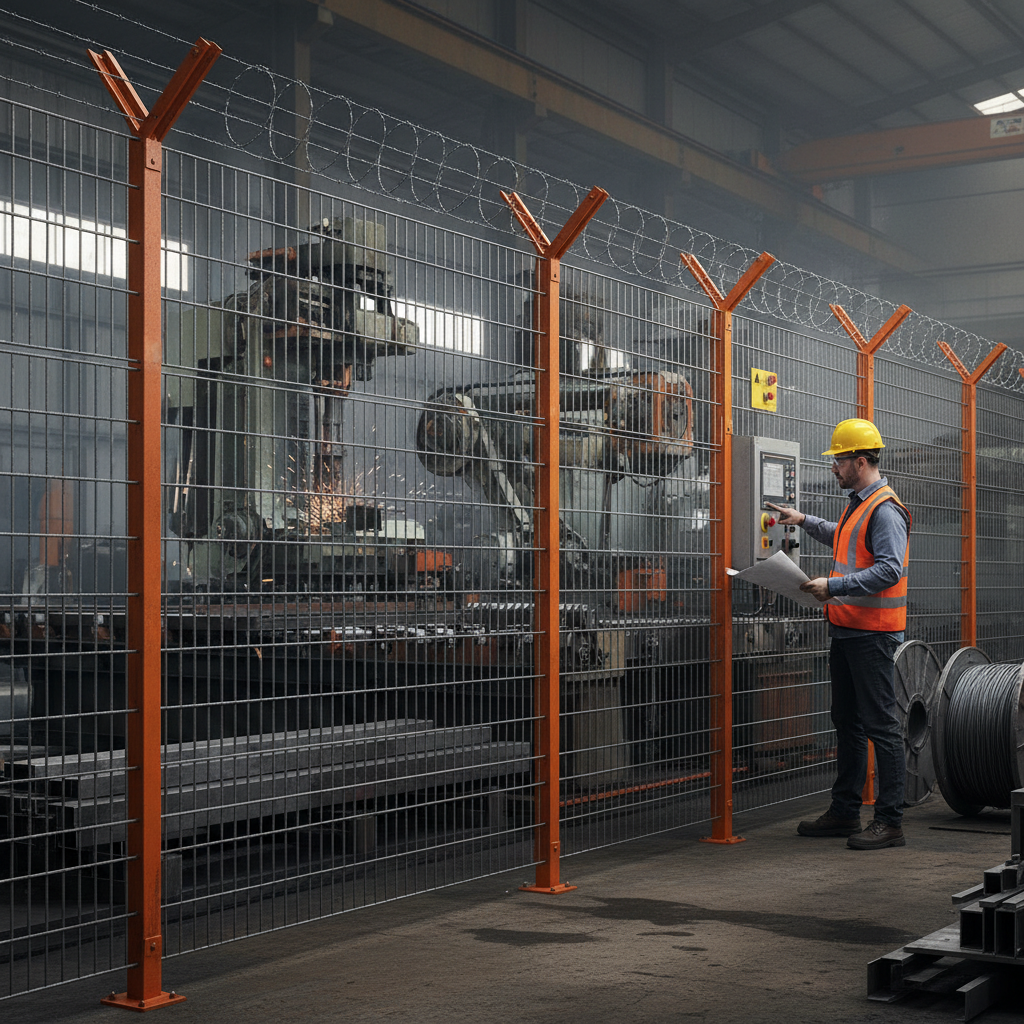
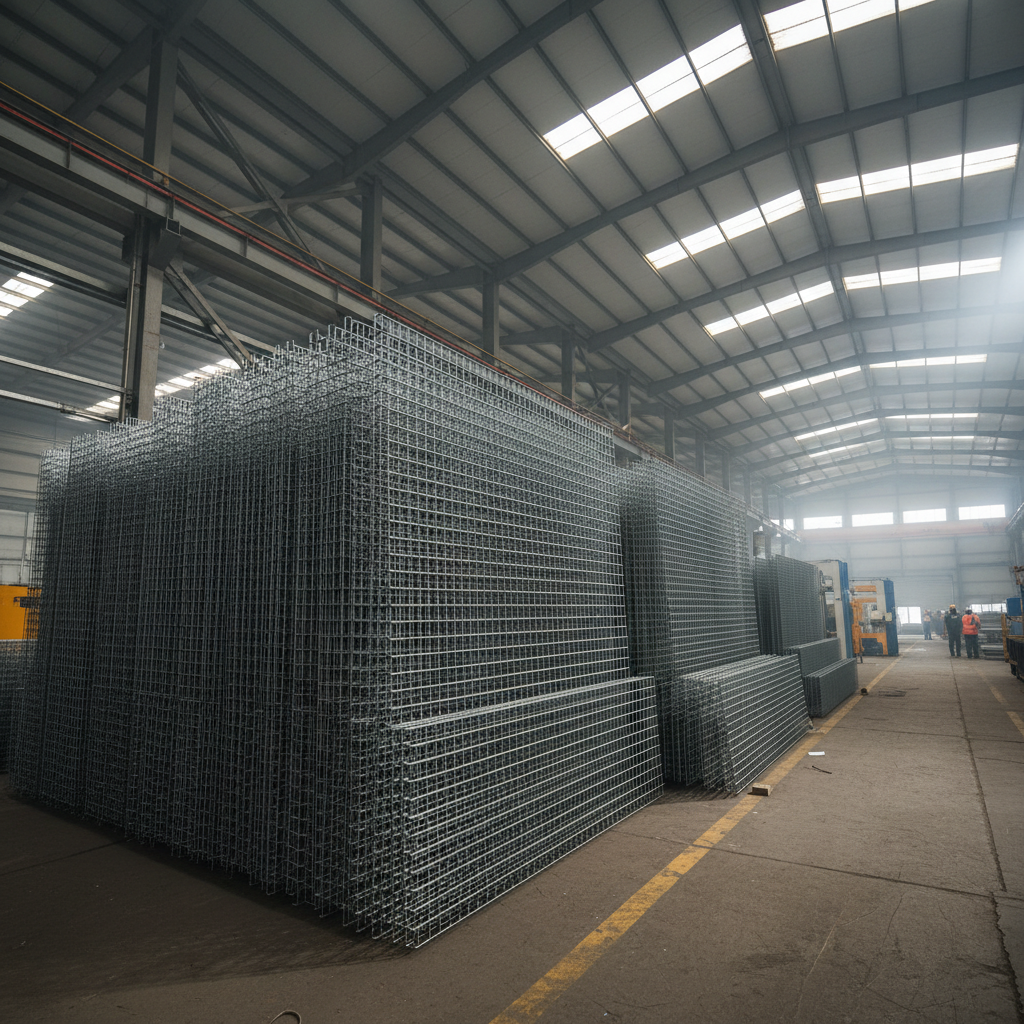
When people hear "metal wire fence," they often picture that flimsy chain-link stuff. But things have evolved. We're now talking about welded wire mesh panels, high-tensile wire fencing, and even specialized security fencing designed to withstand serious attempts at intrusion. These systems use heavier gauge wire, tighter mesh patterns, and robust post designs.
Think of it like this: chain-link is like a suggestion to stay out; modern metal wire fence is a clear statement. It’s about creating a secure perimeter that provides a tangible deterrent. And it's not just about keeping people out; it can also help contain materials and prevent debris from spreading.
Crucially, it’s about understanding the specific threats and choosing a system accordingly. A residential construction site has different security needs than a critical infrastructure project.
Key Attributes of Robust Metal Wire Fencing
Durability is paramount. You need a fence that can withstand the elements – wind, rain, snow, and the occasional impact from heavy equipment. Galvanized steel and powder coating are essential for preventing rust and corrosion. I’ve seen fences fail after just a year because they weren’t properly treated.
Installability is another big factor. Time is money on a construction site. Systems that are quick and easy to install – with minimal specialized tools – are a huge advantage. Pre-fabricated panels and post drivers can significantly speed up the process. I’ve been on sites where fence installation became a bottleneck; it's frustrating and costly.
Finally, scalability is key. You need a system that can be easily expanded or reconfigured as your project evolves. Modular fencing allows you to add or remove sections as needed, without having to start from scratch. This flexibility is invaluable on larger, more complex projects.
Practical Applications Across Industries
We use metal wire fence everywhere. From securing residential construction sites to protecting large-scale solar farms, it’s a versatile solution. I’ve put it up around oil and gas facilities, wastewater treatment plants, even temporary event spaces.
In post-disaster relief operations, it’s critical for establishing secure perimeters around aid distribution centers and temporary shelters. It provides a sense of safety and order in chaotic situations. And in remote industrial zones, it protects valuable assets from theft and vandalism.
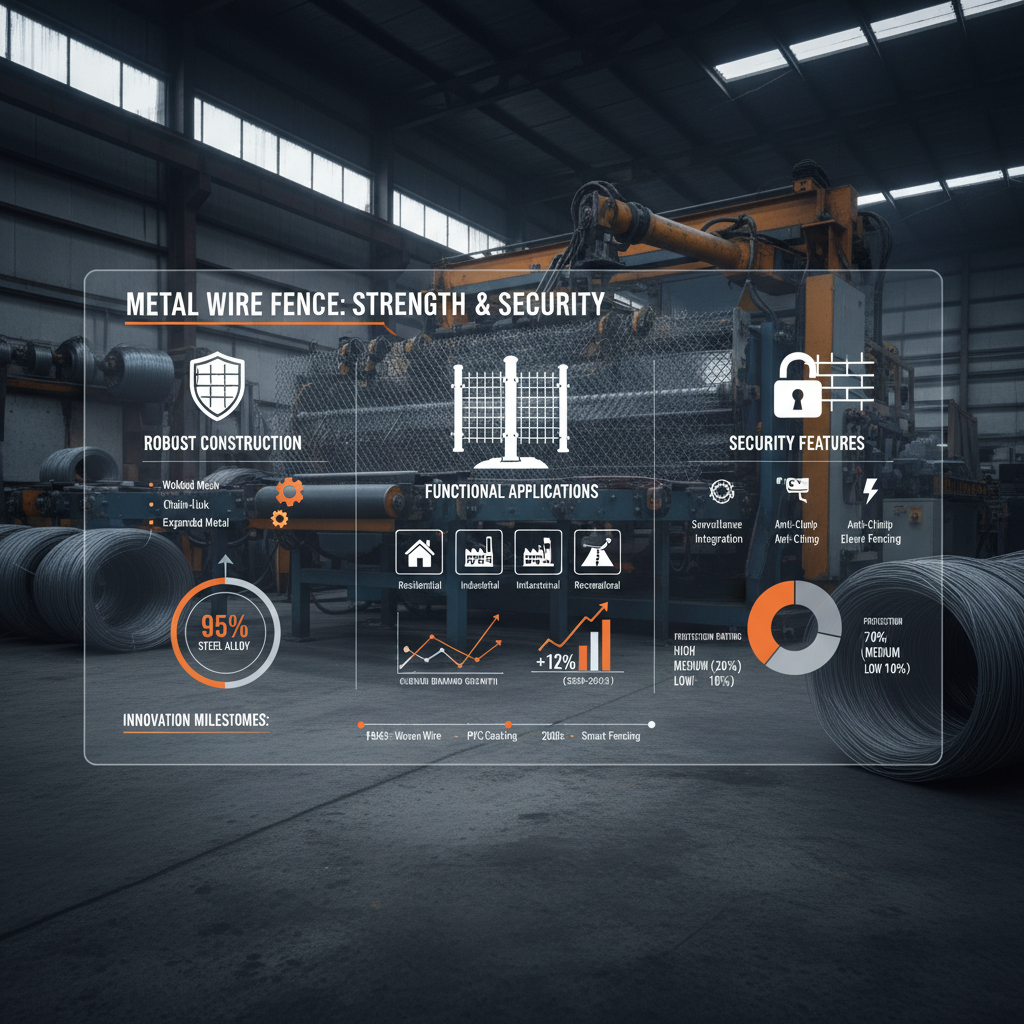
Metal Wire Fence Performance Metrics
Cost-Effectiveness and Long-Term Value
Let's be real, budget is always a concern. But cutting corners on security is a false economy. Metal wire fence provides a surprisingly cost-effective solution compared to more complex security systems like concrete walls or manned guard stations.
Consider the long-term value. A durable fence that lasts for years will ultimately save you money on replacements and repairs. And the peace of mind knowing your assets are protected is priceless. It's an investment in the success of your project.
Evolving Trends in Metal Wire Fence Technology
We're seeing a lot of innovation in this space. Systems with integrated security features – like anti-climb mesh and tamper-proof fasteners – are becoming more common. There's also a growing demand for more aesthetically pleasing fencing options, particularly for residential and commercial developments.
And with the rise of smart construction sites, we're starting to see fencing integrated with security cameras and alarm systems, creating a truly comprehensive security solution. The future is about combining physical barriers with digital technology.
There's even a push towards more sustainable fencing materials and manufacturing processes, which is good news for everyone.
Addressing Common Challenges and Solutions
One common challenge is dealing with uneven terrain. Proper post installation is crucial, and sometimes requires specialized equipment. We often use stepped footings or adjustable posts to ensure the fence line remains level and secure.
Another issue is dealing with determined intruders. For high-security applications, we recommend combining metal wire fence with additional security measures like barbed wire or razor wire. It’s about layering your defenses.
Finally, regular maintenance is essential. Inspecting the fence for damage and promptly repairing any issues will extend its lifespan and ensure its effectiveness. It's a small investment that can save you a lot of trouble down the road.
Summary of Common Metal Wire Fence Challenges and Solutions
| Challenge |
Severity Level (1-5) |
Recommended Solution |
Estimated Cost |
| Uneven Terrain |
3 |
Stepped Footings or Adjustable Posts |
$50 - $200 per post |
| Attempted Intrusion |
4 |
Anti-Climb Mesh or Barbed Wire |
$10 - $30 per linear foot |
| Corrosion |
2 |
Galvanized Steel and Powder Coating |
Included in initial fence cost |
| Fence Damage (Impact) |
3 |
Reinforced Posts and Heavy-Gauge Wire |
$20 - $50 per damaged section |
| Vandalism (Cutting) |
2 |
Weldmesh or Difficult-to-Cut Wire Types |
$3 - $7 per linear foot |
| Lack of Regular Maintenance |
1 |
Scheduled Inspections and Prompt Repairs |
$100 - $500 per year |
FAQS
Galvanization is a zinc coating that protects the steel from rust. It’s a good base layer of protection. Powder coating adds an additional layer of color and further enhances corrosion resistance, and it just looks better. On a long-term project, I always recommend both. It's worth the investment to avoid headaches later.
Crucially important. Too much space and the fence will sag or be easily breached. Too little and you're wasting materials and increasing labor costs. Follow the manufacturer's recommendations for your specific fence system. We typically aim for 8-10 feet spacing, but it depends on the terrain and anticipated stress.
It can offer some noise reduction, especially if you use a woven wire mesh with a tighter pattern. However, it’s not a substitute for dedicated soundproofing materials. It will deflect some sound waves, but don't expect it to eliminate noise completely. Think of it as a minor benefit, not a primary function.
You have a few options. You can bury the bottom of the fence several inches underground, but that’s labor-intensive. A more effective solution is to add a “footer” – a section of wire mesh that extends horizontally outwards from the base of the fence. This makes it much harder to dig under without being detected.
Yes, absolutely. Modular systems are designed for scalability. You can easily add sections to extend the fence line as your project grows. Just ensure the new sections are properly connected to the existing fence and that the posts are securely anchored. It's a much simpler process than installing a completely new fence.
Look for a supplier with a proven track record, good customer service, and a wide range of products to choose from. Check their certifications and ensure they use high-quality materials. Don’t just focus on price; consider the long-term value and reliability of the fence system.
Conclusion
From protecting valuable assets to ensuring site safety and maintaining project timelines, a well-chosen and properly installed metal wire fence is a fundamental element of any successful construction project. It’s not the most glamorous aspect of the job, but it’s a critical one. We've seen too many projects suffer because security was treated as an afterthought.
Don’t underestimate the power of a strong perimeter. Invest in quality materials, prioritize proper installation, and schedule regular maintenance. It's a small price to pay for peace of mind and a secure project. For reliable and durable metal wire fence solutions, visit our website at www.chbarrier.com.