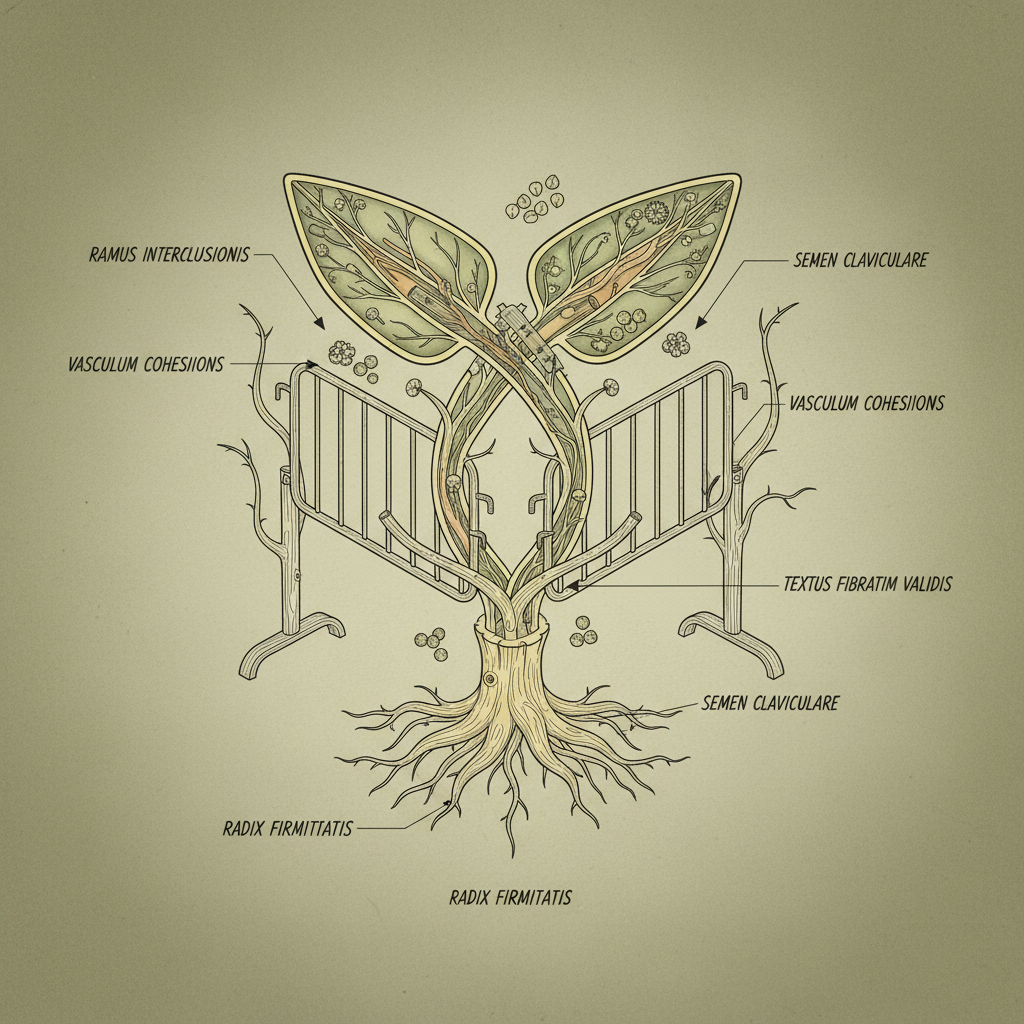
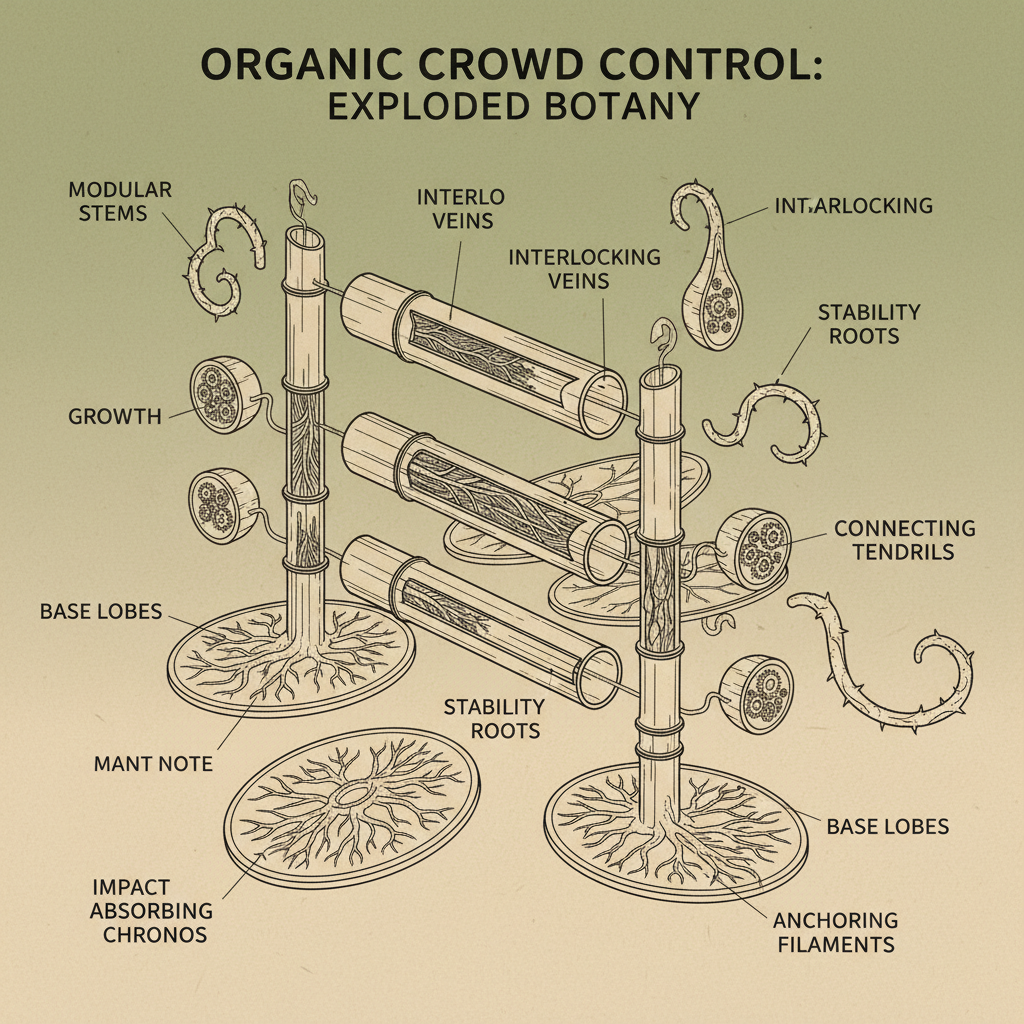
Honestly, the crowd control barrier industry… it’s been a wild ride lately. Everyone’s talking about modularity now. Not just bolting a few panels together, but real, adaptable systems. I was at a site in Singapore last month, and they were using barriers that could literally reconfigure overnight for different events. It's a game-changer when you're dealing with massive crowds, but it also adds complexity. You gotta think about stability, load distribution… it's not just sticking some metal posts in the ground anymore.
Have you noticed how many companies are jumping on the "heavy-duty" bandwagon? It's like everyone's competing to build the most indestructible barrier. Which, okay, is good. Safety first, right? But a lot of them completely over-engineer it. Add unnecessary weight. Makes them a nightmare to transport and set up. I encountered this at a factory in Tianjin last time; they were so proud of their 100kg base, but the guys on site were complaining they needed a forklift just to move one section. It defeats the purpose.
And the materials… that’s a whole other story. Everyone’s moving away from galvanized steel, which is good, because let’s be real, the smell of that stuff welding gives me a headache every time. Now it's all about aluminum alloys and composite plastics. The aluminum feels…lighter, obviously. But you gotta be careful with the grade. Cheap aluminum bends like a noodle. And the composites? Some of them get brittle in cold weather. Strangel,y, the best stuff I’ve seen lately uses a recycled polymer blend. It’s got a bit of give, doesn't rust, and it's surprisingly strong. It doesn’t smell like anything, which is a bonus, honestly.
The Changing Landscape of crowd control barrier manufacturer
The market's shifting, that's for sure. Used to be, a barrier was a barrier. Simple. Now, it's all about adaptability. Think concerts, festivals, sporting events – they need to quickly adjust to changing crowd dynamics. This is driving demand for lighter, more modular systems. We’re seeing a big push towards barriers that can be easily transported and assembled by smaller crews. The logistical costs alone are driving this change, to be honest. Companies are realizing that expensive, heavy barriers are just not sustainable in the long run.
I've been talking to several event organizers who are specifically looking for barriers with integrated lighting and signage options. Makes sense, right? One less thing to worry about during setup. But it also adds another layer of complexity – more points of failure. Anyway, I think the trend will continue towards more sophisticated, multi-functional barriers.
Design Pitfalls: Over-Engineering and Material Choices
Over-engineering. It's a classic mistake. Engineers get caught up in theoretical strength calculations and forget about the practicalities of on-site installation. A barrier that’s too heavy is a barrier that won't get used. Simple as that. And material choices… oh boy. There's a lot of marketing hype out there about "ultra-strong" materials, but often it's just a way to justify a higher price tag. You have to look beyond the specs and consider the real-world performance.
I’ve seen barriers made from flimsy plastics that buckle under minimal pressure. And then you see those ridiculously heavy steel barriers that require a crane to move. There’s a sweet spot, you know? You need something that's durable enough to withstand the forces it will encounter, but light enough to be manageable. Finding that balance is the key.
Don’t even get me started on the connectors. Those little plastic clips… they’re the weak link in most systems. I’ve seen entire sections of barriers collapse because a few connectors failed. It's embarrassing. A solid, metal interlocking system is always preferable, even if it costs a bit more.
Material Deep Dive: Aluminum, Composites, and Recycled Polymers
Aluminum, when done right, is a good choice. It's lightweight, corrosion-resistant, and relatively strong. But you need to use the right alloy. The 6061-T6 alloy is pretty standard. Feels solid in your hand. You can weld it (though it requires skill), and it doesn’t rust like steel. It’s got a slight metallic smell when you’re cutting it, which I don’t mind.
Composite materials are tricky. Some of them are amazing – super strong and lightweight. But they can be expensive, and their long-term durability is still a question mark. I've seen some composites that delaminate after just a few years of exposure to the elements. They also often have this… weird, plasticky smell that I can't stand. And good luck trying to repair them if they get damaged.
But recycled polymers are really gaining traction. A lot of companies are using blends of recycled plastic and rubber. It's surprisingly durable, weatherproof, and environmentally friendly. Plus, it’s got a bit of flex to it, which helps absorb impact. The downside? It's not as rigid as aluminum or steel. But for a lot of applications, that's not a deal-breaker.
Real-World Testing: Beyond the Lab
Lab tests are fine, I guess. But they don't tell you much about how a barrier will actually perform in the real world. I've seen barriers pass all the lab tests and then fall apart the first time they were used at a festival. You need to test these things under realistic conditions. Load them up, push them around, expose them to the weather.
We do a lot of our testing on-site. We set up barriers at construction sites, concerts, and sporting events and just see how they hold up. We’ve even used a forklift to simulate crowd pressure. It's not pretty, but it's effective. I remember one time we were testing a new barrier design at a music festival. A group of overenthusiastic fans started leaning on it, and it started to buckle. We immediately redesigned the support structure.
crowd control barrier manufacturer Performance Testing Metrics
User Behavior: It’s Not Always What You Expect
This is where things get interesting. You design a barrier for a specific purpose, but users always find new ways to use (or misuse) it. I’ve seen people using barriers as makeshift tables, climbing on them, even trying to hang things from them. You have to anticipate these kinds of behaviors when you're designing the system.
For example, we designed a barrier with a flat top surface, thinking people might use it as a seating area. We quickly realized it became a climbing hazard. Had to add some anti-climb features. It’s all about observation. Watching how people interact with the barriers in real-world scenarios.
Advantages, Disadvantages, and Customization Options
The biggest advantage of a good crowd control barrier system is peace of mind. Knowing that you can safely manage a large crowd is invaluable. But they’re not perfect. They can be expensive, they require storage space, and they can be a logistical nightmare to transport. It’s a trade-off.
And customization is key. A lot of customers want to add their own branding, lighting, or signage. We had a customer last month, a small boss in Shenzhen who makes smart home devices, insisted on changing the interface to . The result? It took them a week to figure out the power supply issue. It’s important to strike a balance between customization and standardization. Too much customization adds complexity and cost.
A Customer Story and the True Test of Quality
I was talking to a security manager at a stadium in Dallas last year. They were using our barriers for a major concert. He told me that during the show, a section of the crowd started pushing against the barriers. He was worried they were going to collapse. But they held. He said the system saved him a lot of headaches, and potentially prevented a serious incident.
That’s the kind of feedback that makes it all worthwhile. Because, ultimately, whether this thing works or not, the worker will know the moment he tightens the screw. And if it feels solid, if it feels reliable, that’s a good sign.
I’ve been doing this for a while now, traveling from factory to factory, and the best advice I can give is, don’t overthink it. Keep it simple, use good materials, and test it thoroughly.
Here is a table summarizing the key material properties for crowd control barrier manufacturers.
| Material Type |
Strength (Scale 1-10) |
Weight (kg/meter) |
Cost (Relative) |
| Galvanized Steel |
9 |
25 |
Low |
| Aluminum Alloy (6061-T6) |
8 |
10 |
Medium |
| High-Density Polyethylene (HDPE) |
6 |
8 |
Low |
| Recycled Polymer Blend |
7 |
9 |
Medium |
| Fiberglass Composite |
7.5 |
7 |
High |
| Carbon Fiber Composite |
9.5 |
6 |
Very High |
FAQS
Honestly, it varies a lot. Galvanized steel, if properly maintained, can last 10-15 years. Aluminum is similar. But the composite materials are the wild card. We’ve seen some start to degrade after just 5 years, especially if they’re constantly exposed to UV radiation. The key is proper storage and cleaning. And regular inspections, of course. Ignoring a small crack can lead to a bigger problem down the road.
Absolutely. There are a lot of local regulations regarding crowd control, especially for large events. Things like barrier height, spacing, and load-bearing capacity are often strictly enforced. You also need to consider fire safety regulations. Some materials are more fire-resistant than others. It's always best to check with the local authorities before setting up any barriers. It's a pain, I know, but it’s better to be safe than sorry.
Depends on the damage and the material. A dent in a steel barrier can sometimes be hammered out. Aluminum can be welded, but it requires a skilled welder. Composite materials are much harder to repair. Often, you're better off just replacing the section. We carry a range of spare parts for our barriers, so customers can easily make minor repairs themselves.
Too many to list! But a big one is not using enough barriers. You need to create a clear and defined pathway for the crowd. Another mistake is not securing the barriers properly. They need to be stable and able to withstand pressure. And don’t forget about access points for emergency vehicles. You need to leave enough space for them to get through. To be honest, it's all about common sense.
Yes, absolutely. We offer a range of customization options, including powder coating in different colors, and the ability to add logos or branding. The minimum order quantity for custom colors is usually around 100 barriers. We can also create custom signage to attach to the barriers. It’s a great way to promote your event or brand. But remember, customization adds to the cost and lead time.
Transporting can be tricky. Ideally, you want to use a dedicated vehicle with tie-down points. Don't just throw them in the back of a pickup truck. For storage, keep them in a dry, well-ventilated area. Protect them from direct sunlight and extreme temperatures. And stack them properly to prevent damage. A good storage rack is a worthwhile investment.
Conclusion
Ultimately, crowd control barriers are a vital component of event safety and security. From the materials they’re made of to the way they’re designed and deployed, every detail matters. The industry is constantly evolving, with a growing focus on modularity, sustainability, and customization. Choosing the right barrier system requires careful consideration of your specific needs and the conditions in which it will be used.
Looking ahead, I think we’ll see even more innovation in this space. Smart barriers with integrated sensors and communication capabilities are already starting to emerge. And I expect to see a greater emphasis on circular economy principles, with more barriers being made from recycled materials. But at the end of the day, whether this thing works or not, the worker will know the moment he tightens the screw.