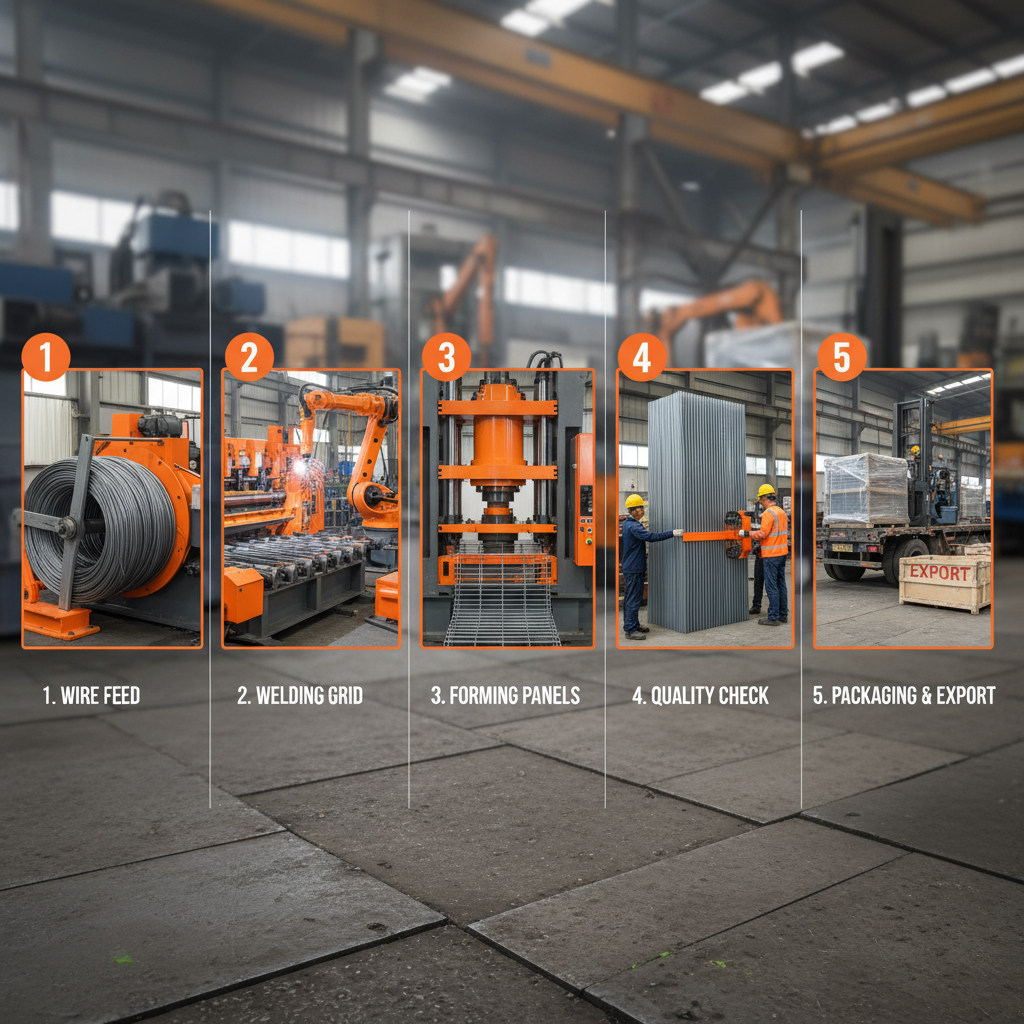
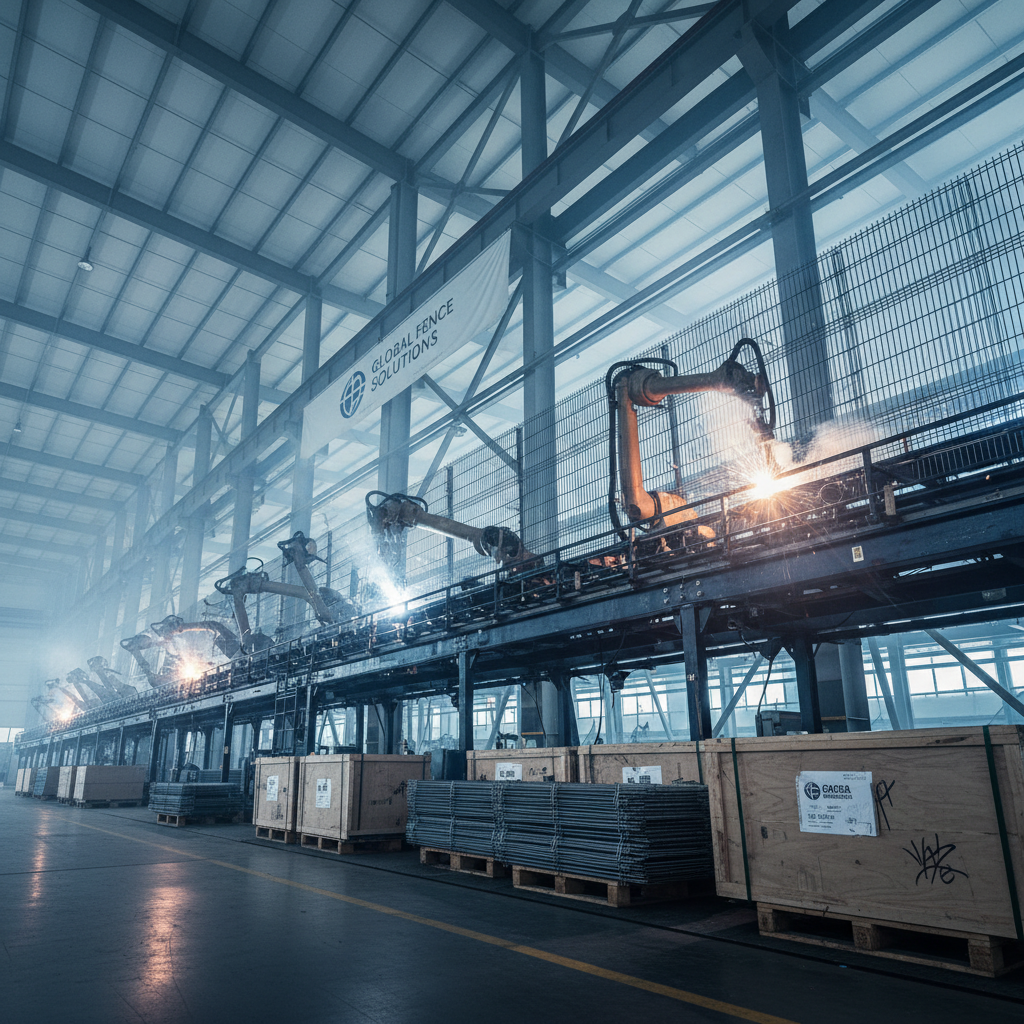
Wire mesh wholesale plays a critical role in modern infrastructure, construction, and security. From large-scale agricultural applications to intricate industrial filters, the demand for high-quality, cost-effective wire mesh is consistently growing. Understanding the nuances of wholesale sourcing – material types, weave patterns, coating options, and logistical considerations – is vital for businesses aiming to optimize their supply chains and ensure project success. The global wire mesh wholesale market is a multi-billion dollar industry, demonstrating its fundamental importance across diverse sectors.
The increasing focus on safety standards, environmental concerns, and the demand for durable materials are all driving the evolution of the wire mesh wholesale landscape. Efficient sourcing through wholesale channels is particularly crucial for mitigating costs in projects with substantial material requirements. Furthermore, the availability of specialized mesh types tailored for specific applications, such as security fencing or animal containment, adds complexity and necessitates informed purchasing decisions. Reliable suppliers offering consistent quality and timely delivery are paramount in this competitive market.
Ultimately, proficiency in navigating the wire mesh wholesale market empowers businesses to control costs, ensure quality, and maintain project timelines. The benefits extend beyond immediate financial gains, fostering long-term sustainability and customer satisfaction. Exploring the latest advancements in wire mesh technology and establishing strategic partnerships with reputable wholesalers are key to unlocking maximum value.
The Global Significance of wire mesh wholesale
The global wire mesh wholesale market is a substantial component of international trade, estimated to be worth billions of dollars annually. According to UN Comtrade data, the trade in woven wire fabrics has seen consistent growth, driven by demands from emerging economies investing in infrastructure development. Organizations like the ISO (International Organization for Standardization) play a vital role in setting quality standards for wire mesh production, influencing trade practices worldwide. The scale of the market reflects its pervasive use in numerous industries.
A significant challenge within the wire mesh wholesale sector is ensuring consistent quality control across a fragmented supply chain. The rise of counterfeit or substandard products poses risks to project integrity and safety. Furthermore, geopolitical instability and fluctuating raw material prices can disrupt supply chains, leading to price volatility. Effective sourcing strategies and robust supplier vetting are therefore crucial for mitigating these risks.
Defining Wire Mesh Wholesale
Wire mesh wholesale refers to the practice of purchasing wire mesh products in bulk directly from manufacturers or large distributors, rather than in smaller quantities from retail outlets. This typically involves significantly lower per-unit costs, making it an attractive option for businesses with substantial material requirements. The products encompass a wide range of materials – including steel, stainless steel, aluminum, and copper – and are manufactured in various weave patterns to suit diverse applications.
This process is integral to modern industry, enabling the efficient construction of buildings, the production of filters for various systems, the creation of security barriers, and countless other applications. It’s also a vital resource in humanitarian contexts. For instance, wire mesh is used in water purification systems, temporary shelters, and mosquito netting, particularly crucial in disaster relief and developing regions.
The distinction between wholesale and retail is based on quantity and pricing. Wholesale transactions prioritize volume and offer discounted rates, while retail focuses on individual sales to end-users. The wholesale market requires strong logistical capabilities to manage large orders and deliver products efficiently to customers worldwide.
Core Components of Effective wire mesh wholesale
Durability is paramount. Wire mesh, especially for industrial applications, must withstand harsh environments, corrosive substances, and significant physical stress. The choice of material – stainless steel offering superior corrosion resistance compared to galvanized steel, for instance – directly impacts longevity and overall cost-effectiveness.
Scalability ensures the ability to readily adjust order quantities based on evolving project needs. Reliable wholesalers should accommodate both small and large orders efficiently, providing flexibility for businesses operating in dynamic environments. A strong supplier network allows wholesalers to maintain consistent inventory levels and avoid supply disruptions.
Cost efficiency is a primary driver for engaging in wholesale purchasing. Lower per-unit costs, coupled with streamlined logistics and reduced administrative overhead, translate into significant savings for businesses. However, it's essential to consider total cost of ownership, including shipping, handling, and potential maintenance expenses.
Key Factors Influencing wire mesh wholesale Selection
Mesh aperture size is a critical factor, dictated by the specific application. Finer meshes are suitable for filtration and security, while coarser meshes are used for structural support and ventilation. Different weave patterns – plain weave, twill weave, Dutch weave – offer varying levels of strength, flexibility, and permeability.
Material grade is another essential consideration. Stainless steel (304, 316) provides superior corrosion resistance, while carbon steel offers a cost-effective alternative for less demanding environments. Aluminum is lightweight and non-corrosive, making it ideal for aerospace and architectural applications. Proper material selection ensures long-term performance and minimizes maintenance costs.
Wire Mesh Wholesale Quality Rating by Material
Global Applications and Industry Use Cases
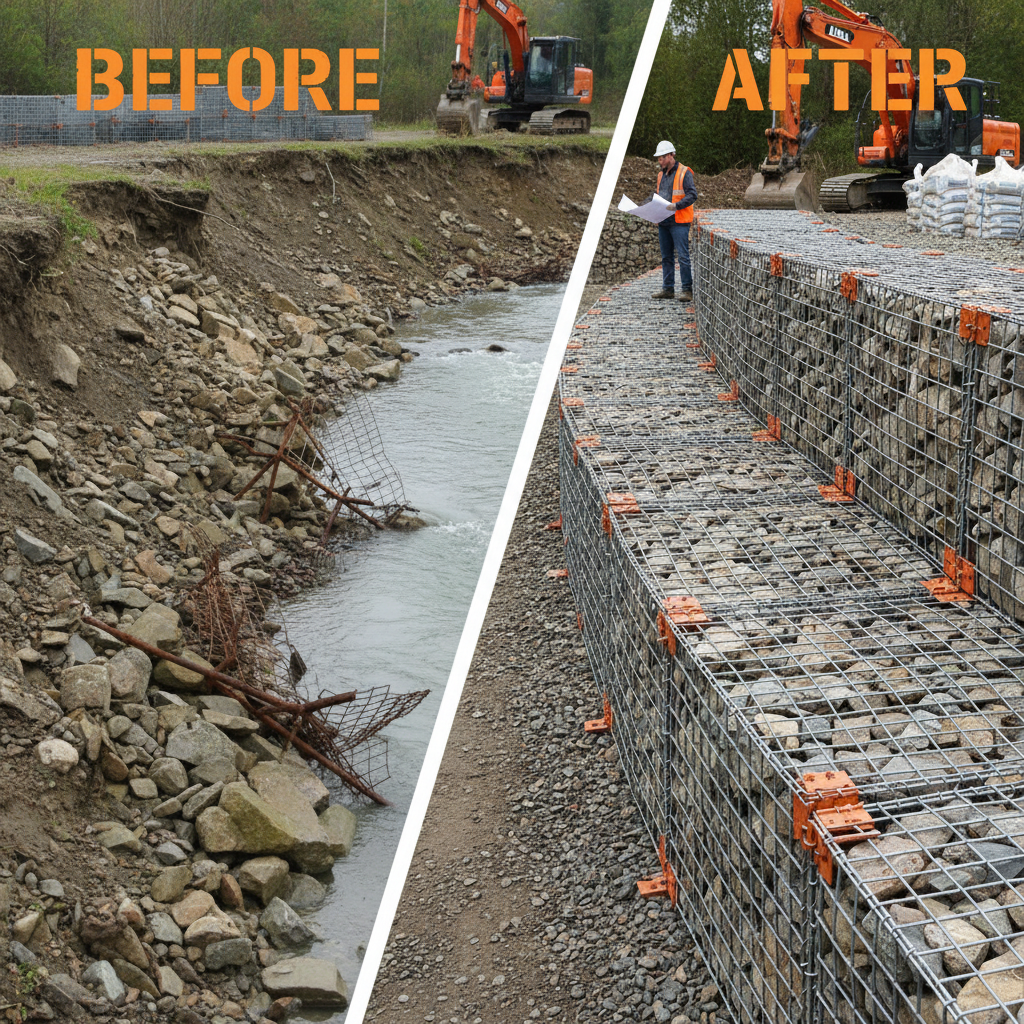
In agriculture, wire mesh is widely used for constructing animal enclosures, protecting crops from pests, and creating greenhouse structures. In remote industrial zones, it’s a critical component of safety barriers, ventilation systems, and filtration units. The construction industry relies heavily on wire mesh for reinforcement of concrete, plastering, and facade cladding.
In post-disaster relief operations, wire mesh is rapidly deployed for creating temporary shelters, water purification systems, and security perimeters. Security agencies and governments utilize it for constructing high-security fences, barriers, and protective structures. The mining industry employs wire mesh for screening, separating, and supporting underground excavations.
Advantages and Long-Term Value Proposition
The primary advantage of wire mesh wholesale is cost reduction. Bulk purchasing significantly lowers per-unit costs compared to retail channels, offering substantial savings for large-scale projects. The inherent durability of wire mesh, particularly stainless steel options, ensures a long service life, minimizing replacement costs and downtime.
Beyond financial benefits, wire mesh contributes to sustainability by reducing material waste and enabling the construction of durable, long-lasting structures. Its versatility and adaptability promote innovation in various industries, and the assurance of quality fosters trust between suppliers and clients. The material offers an element of security and reliability crucial in countless applications.
Future Trends and Innovations in wire mesh wholesale
The integration of smart technologies, such as sensors embedded within wire mesh structures, is emerging as a significant trend, allowing for real-time monitoring of structural integrity and environmental conditions. The development of eco-friendly wire mesh materials, utilizing recycled content and biodegradable polymers, is gaining traction in response to growing environmental concerns.
Digital transformation is streamlining the wholesale process, with online platforms facilitating easy ordering, inventory management, and transparent pricing. Automation in manufacturing processes is increasing efficiency and reducing production costs. The increasing demand for specialized mesh types, tailored to specific applications (e.g., electromagnetic shielding, architectural facades), will drive further innovation in the sector.
Challenges and Solutions
A persistent challenge is maintaining consistent quality across diverse suppliers and geographical locations. Solutions include implementing rigorous quality control procedures, conducting regular supplier audits, and utilizing independent testing laboratories. Another issue is navigating complex international trade regulations and tariffs, which can impact pricing and delivery times.
Developing strong relationships with reliable logistics providers and utilizing advanced supply chain management software can mitigate these risks. Addressing the sustainability concerns associated with traditional wire mesh production requires investing in eco-friendly materials and manufacturing processes. Furthermore, improving traceability and transparency throughout the supply chain builds trust and accountability.
The table below summarizes key challenges and corresponding solutions within the wire mesh wholesale landscape.
Summary of Challenges and Solutions in Wire Mesh Wholesale
| Challenge |
Impact Area |
Severity (1-10) |
Potential Solution |
| Inconsistent Quality |
Project Integrity |
8 |
Rigorous Supplier Audits |
| Supply Chain Disruptions |
Project Timelines |
7 |
Diversify Supplier Base |
| Fluctuating Raw Material Costs |
Project Budget |
9 |
Long-Term Contracts |
| Complex Trade Regulations |
Logistics & Compliance |
6 |
Expert Logistics Partnerships |
| Environmental Sustainability |
Corporate Responsibility |
7 |
Eco-Friendly Material Sourcing |
| Lack of Traceability |
Trust & Accountability |
5 |
Blockchain Technology Implementation |
FAQS
Selecting the right supplier requires careful evaluation. Consider factors like product quality, pricing, lead times, minimum order quantities, and the supplier’s ability to meet your specific requirements. Look for suppliers with strong quality control processes, reliable logistics, and a proven track record of customer satisfaction. Certifications and adherence to industry standards are also important indicators of reliability.
Quality assurance starts with selecting a reputable supplier. Request samples for testing before placing a large order. Inquire about the supplier’s quality control procedures and certifications. Consider conducting independent testing of materials to verify compliance with specifications. A clear return policy is also crucial in case of defects. Thorough documentation and communication are key.
Lead times vary depending on the product type, quantity, and supplier’s location. Standard mesh types are typically available with shorter lead times, while custom-made meshes may require several weeks or even months. It’s essential to communicate your project timeline to the supplier upfront and obtain a firm delivery schedule. Consider factors like shipping distance and potential customs delays.
Stainless steel wire mesh is used in numerous applications demanding corrosion resistance and durability. These include filtration systems, chemical processing, food and beverage production, architectural facades, security fencing, and medical devices. Its strength and resistance to harsh environments make it ideal for both indoor and outdoor applications.
The weave pattern significantly influences the mesh's characteristics. Plain weave is versatile and cost-effective. Twill weave offers increased strength and density. Dutch weave provides high filtration rates. Square weave is ideal for uniform filtration. Selecting the appropriate weave pattern is crucial for achieving the desired performance in specific applications.
Yes, increasing emphasis is being placed on sustainable sourcing. Consider suppliers who utilize recycled materials, employ eco-friendly manufacturing processes, and adhere to responsible waste management practices. Look for certifications demonstrating environmental commitment. Choosing durable materials reduces the need for frequent replacements, minimizing environmental impact.
Conclusion
In conclusion, understanding the intricacies of wire mesh wholesale is crucial for businesses seeking cost-effective, high-quality materials for a wide range of applications. From selecting the appropriate material and weave pattern to navigating the complexities of global supply chains, a strategic approach to sourcing is essential. By prioritizing quality, reliability, and sustainability, organizations can maximize the value of their investments.
Looking ahead, the wire mesh wholesale market will continue to evolve, driven by innovation in materials, manufacturing processes, and digital technologies. Embracing these advancements will be key to maintaining a competitive edge and meeting the evolving needs of diverse industries. For superior wire mesh solutions and expert wholesale services, visit our website today: www.chbarrier.com.