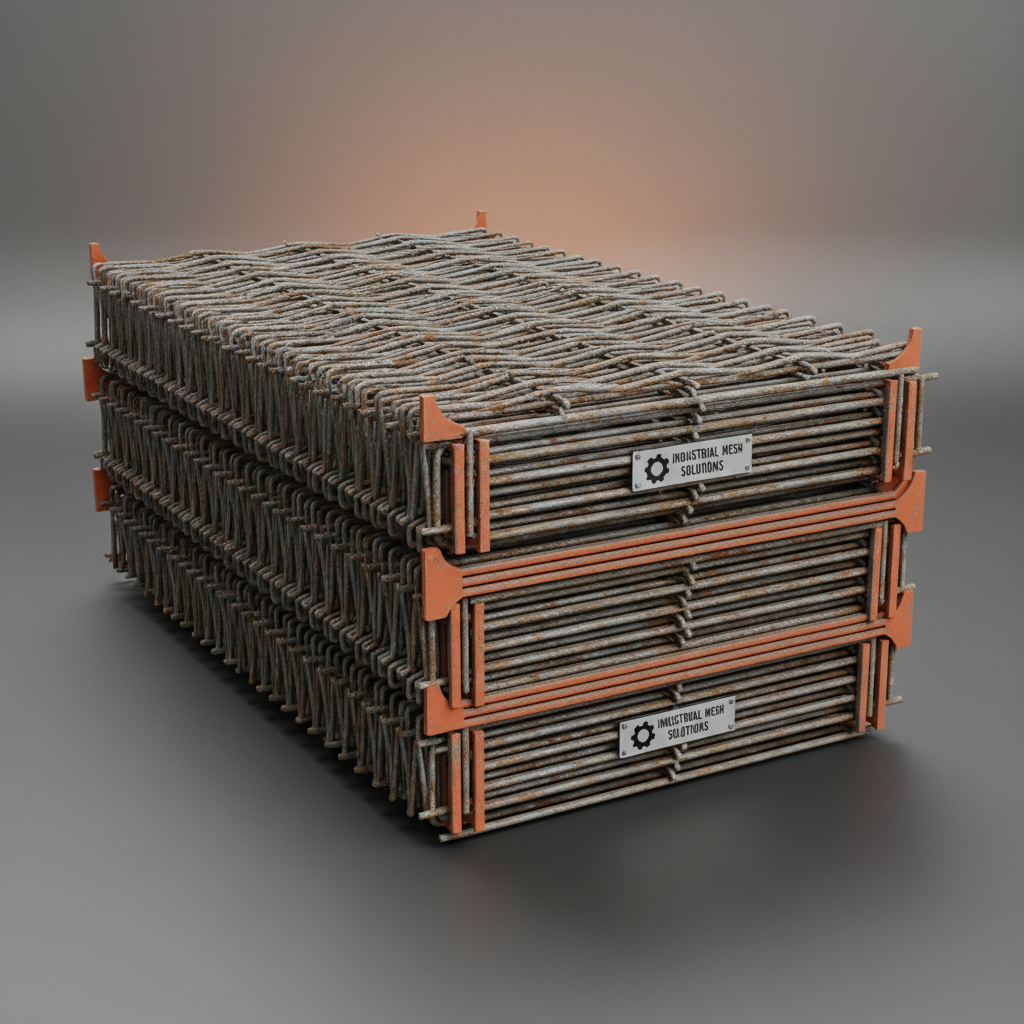
Metal grating sheets are versatile structural elements widely used across numerous industries. Their open grid design provides exceptional strength-to-weight ratios, making them ideal for applications requiring both load-bearing capacity and efficient material usage. Understanding their properties, applications, and evolving technologies is crucial for engineers, architects, and procurement specialists seeking reliable and cost-effective solutions.
Globally, the demand for metal grating sheets is driven by infrastructure development, industrial expansion, and safety regulations. From oil and gas platforms to pedestrian walkways and wastewater treatment plants, these sheets play a critical role in ensuring safety, accessibility, and operational efficiency. The increasing focus on sustainability is also influencing material choices and manufacturing processes within the industry.
The benefits of utilizing metal grating sheets extend beyond simple structural support. They offer superior ventilation, light transmission, and resistance to corrosion, contributing to a safer and more comfortable working environment. As industries continue to prioritize safety and efficiency, the demand for high-quality metal grating sheets will continue to grow, presenting opportunities for innovation and advanced material applications.
Introduction to Metal Grating Sheets
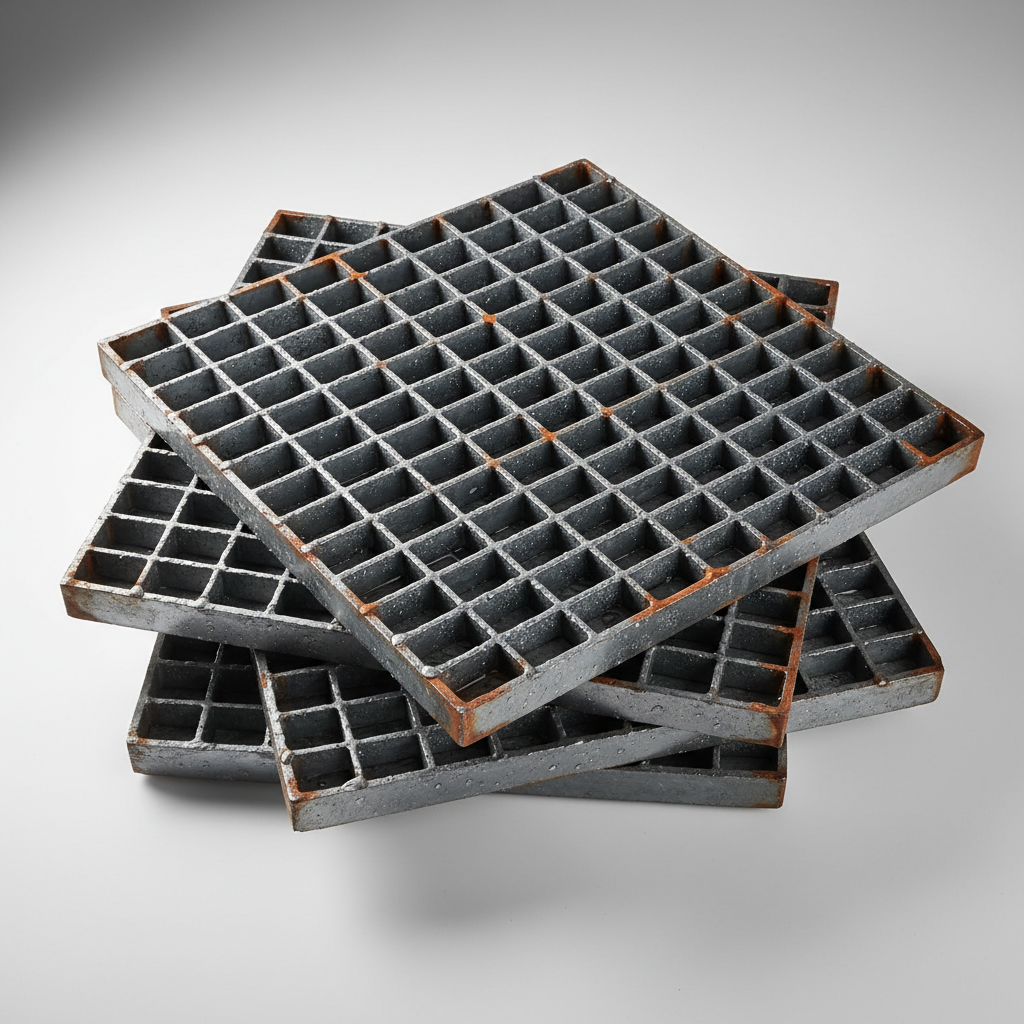
Metal grating sheets represent a cornerstone of modern industrial construction. Their unique design – typically consisting of interwoven metal bars or rods – creates a robust surface with significant open space. This construction method offers a compelling combination of strength, weight reduction, and functionality, making them a preferable alternative to solid materials in many applications.
The versatility of metal grating sheets extends to a wide range of materials including carbon steel, stainless steel, and aluminum, allowing for selection based on specific project requirements and environmental conditions. Understanding the nuances of each material and their respective properties is vital for optimizing performance and longevity.
Global Relevance and Industry Context
The global metal grating sheets market is experiencing sustained growth, driven by continuous infrastructure development in emerging economies and the ongoing need for robust industrial flooring and safety solutions. According to a report by Market Research Future, the global grating market is projected to reach USD 7.8 billion by 2027, exhibiting a CAGR of approximately 4.5% during the forecast period.
This growth is particularly pronounced in sectors like oil & gas, power generation, chemical processing, and wastewater treatment, where stringent safety regulations and harsh operating environments demand durable and reliable grating solutions. Furthermore, increased investment in transportation infrastructure, including bridges, railways, and airports, is fueling demand for high-performance metal grating sheets.
A significant challenge facing the industry is the need to balance cost-effectiveness with sustainability. Growing awareness of environmental impact is driving the demand for recyclable materials and energy-efficient manufacturing processes, pushing manufacturers to innovate and adopt more eco-friendly practices.
Defining Metal Grating Sheets
Metal grating sheets, at their core, are prefabricated structural components made from intersecting metal bars or rods, forming an open grid pattern. These sheets are engineered to provide a strong, stable surface while allowing for the passage of light, air, and liquids. They are commonly used as flooring, walkways, stairs, drainage covers, and safety barriers.
Their connection to modern industry is undeniable, offering a safe and efficient alternative to traditional solid surfaces, especially in environments requiring ventilation, visibility, or slip resistance. Moreover, their use directly contributes to humanitarian needs in disaster relief efforts, providing quick and stable temporary walkways and platforms.
The specific design and material composition of metal grating sheets vary depending on the intended application, but the fundamental principle of an open grid structure remains constant, offering a compelling balance of strength, durability, and functionality.
Key Factors and Core Components
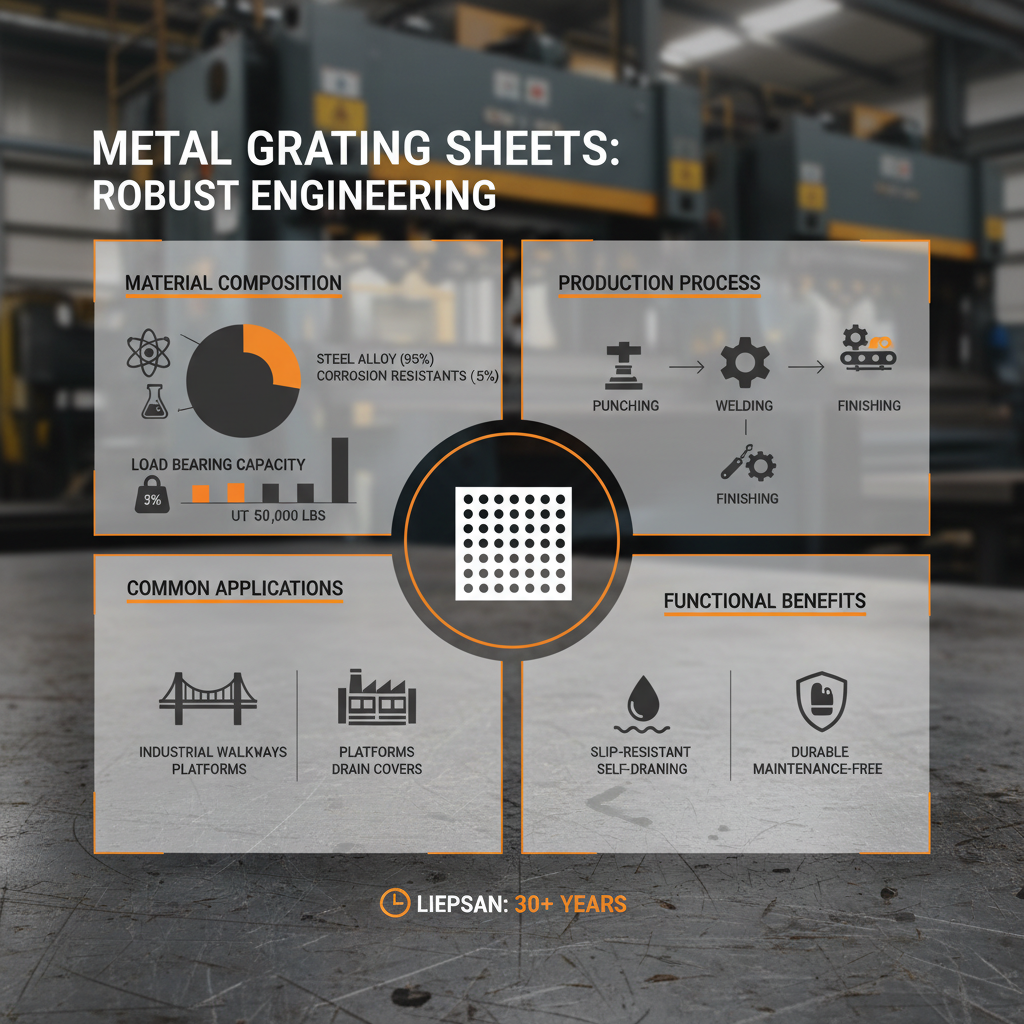
Several key factors contribute to the performance and applicability of metal grating sheets. Durability is paramount, with high-quality materials and robust construction ensuring long-term resistance to corrosion, impact, and fatigue. The choice of material – carbon steel, stainless steel, or aluminum – directly impacts durability in different environments.
Load-bearing capacity is another critical consideration, dictated by the grating’s bar spacing, thickness, and support structure. Engineers carefully calculate these parameters to ensure the grating can safely withstand anticipated loads. Corrosion resistance is vital in harsh environments, leading to the frequent use of galvanized or stainless steel options. Slip resistance is essential for safety, often achieved through surface treatments or specialized grating patterns. Finally, Ease of installation and maintenance contribute to overall cost-effectiveness.
Metal Grating Sheets Performance Metrics
Global Applications & Use Cases
The applications of metal grating sheets are incredibly diverse. In the oil and gas industry, they’re essential for constructing safe and durable walkways on offshore platforms and refinery facilities. In wastewater treatment plants, they provide secure and well-ventilated flooring over tanks and channels. Furthermore, they are increasingly used in architectural applications, such as pedestrian bridges and building facades, providing a modern and aesthetically pleasing appearance.
In post-disaster relief operations, metal grating sheets offer a rapid and effective solution for creating temporary roadways and staging areas, providing access for emergency vehicles and aid deliveries. In remote industrial zones, their lightweight nature and ease of transportation make them a practical choice for constructing essential infrastructure.
Several regions are witnessing particularly high demand. North America and Europe are driven by infrastructure upgrades and stringent safety regulations. Asia-Pacific, with its rapid industrialization, represents the fastest-growing market, particularly in China and India. Organizations like the ISO actively contribute to standardization and quality control, ensuring safe and reliable applications of these sheets worldwide.
Advantages and Long-Term Value
The advantages of metal grating sheets are numerous. Cost-effectiveness is a key benefit, as their lightweight design reduces material usage and transportation costs. Sustainability is enhanced through the use of recyclable materials like steel and aluminum. Reliability is assured by their inherent strength and durability, minimizing maintenance requirements and downtime.
Beyond the tangible benefits, metal grating sheets offer significant emotional and logical value. They promote workplace safety, enhancing employee well-being and reducing the risk of accidents. Their aesthetic appeal contributes to a positive and professional image. By choosing high-quality metal grating sheets, businesses demonstrate a commitment to innovation, responsibility, and trust with their stakeholders.
Future Trends & Innovations
The future of metal grating sheets is poised for innovation. The development of advanced materials, such as fiber-reinforced polymers (FRP) combined with metal alloys, promises even greater strength-to-weight ratios and corrosion resistance. Digital transformation is enabling the use of Building Information Modeling (BIM) to optimize grating design and integration into larger construction projects.
Automation in manufacturing processes is increasing efficiency and reducing production costs. Furthermore, a growing emphasis on sustainability is driving the development of environmentally friendly coatings and manufacturing techniques. The integration of smart sensors into metal grating sheets is also being explored, allowing for real-time monitoring of load distribution and structural integrity.
Challenges and Solutions
Despite their many advantages, several challenges remain in the metal grating sheets industry. One common limitation is the potential for corrosion in harsh environments, even with protective coatings. A solution lies in utilizing advanced corrosion-resistant alloys and implementing rigorous quality control measures during manufacturing.
Another challenge is the high initial cost of specialized grating designs, such as those requiring custom bar spacing or load-bearing capacities. Utilizing parametric modeling and automation in the design phase can reduce engineering time and overall costs. Finally, ensuring proper installation is crucial for maximizing performance, which necessitates comprehensive training programs for installers.
Expert insights suggest a move towards modular grating systems, which can be pre-fabricated and easily assembled on-site, reducing installation time and labor costs, and improving overall project efficiency.
Core Considerations for Selecting Metal Grating Sheets
| Material Type |
Load Capacity (tons/m²) |
Corrosion Resistance (1-10) |
Cost Index (1-10) |
| Carbon Steel (Galvanized) |
2.5 |
6 |
3 |
| Stainless Steel (304) |
3.0 |
9 |
7 |
| Aluminum (6061-T6) |
2.0 |
7 |
5 |
| Carbon Steel (Epoxy Coated) |
2.7 |
7 |
4 |
| Stainless Steel (316) |
3.2 |
10 |
9 |
| FRP (Fiber Reinforced Polymer) |
2.2 |
10 |
8 |
FAQS
The lifespan of metal grating sheets varies significantly depending on the material, environmental conditions, and maintenance. Galvanized steel grating can last 20-30 years with proper maintenance, while stainless steel and FRP offer lifespans exceeding 50 years. Regular inspection and recoating (for steel) are essential for maximizing longevity. Selecting the right material for the specific environment is crucial for ensuring a long service life.
Metal grating sheets generally have a lower upfront material cost compared to concrete for comparable load-bearing applications. Installation is typically much faster and requires less specialized equipment, reducing labor costs. The lightweight nature of metal grating also simplifies transportation and handling. However, concrete might be preferable in applications requiring extremely high impact resistance or sound dampening.
Yes, but material selection is critical. Standard carbon steel is highly susceptible to corrosion in saltwater environments. Stainless steel (particularly 316 grade) and FRP are excellent choices for coastal applications due to their superior corrosion resistance. Proper surface treatment, such as hot-dip galvanizing or epoxy coating, can also extend the lifespan of carbon steel grating in less severe coastal conditions.
Load-bearing capacities vary based on the grating’s design, material, and span. Typically, carbon steel grating can handle loads of 2-3 tons per square meter, while stainless steel and aluminum options can support similar loads with optimized designs. FRP grating offers comparable load capacities with added benefits like non-conductivity and corrosion resistance. Always consult engineering specifications for specific load calculations.
Mesh size (the spacing between the grating bars) is determined by several factors, including the size of objects that need to pass through the grating, safety requirements (to prevent heels from falling through), and the desired load-bearing capacity. Smaller mesh sizes provide greater support but may restrict drainage or ventilation. Consult with a grating supplier or engineer to determine the optimal mesh size for your specific application.
Look for grating sheets that comply with relevant industry standards such as ASTM E832 (Standard Test Method for Deflection Testing of Grating) and OSHA regulations. Certifications like ISO 9001 indicate adherence to quality management systems. Ensure the grating is properly labeled with load-bearing capacities and other relevant specifications. A reputable supplier will readily provide documentation verifying compliance with these standards.
Conclusion
Metal grating sheets represent a vital component in a wide array of industries, offering a compelling combination of strength, durability, cost-effectiveness, and safety. From industrial flooring and safety walkways to architectural elements and disaster relief applications, their versatility is undeniable. Understanding the nuances of material selection, load-bearing capacities, and environmental considerations is crucial for optimizing performance and longevity.
Looking ahead, innovation in materials science and manufacturing processes will continue to drive the evolution of metal grating sheets, leading to even more sustainable, efficient, and reliable solutions. By embracing these advancements and prioritizing quality and safety, businesses can unlock the full potential of metal grating sheets, contributing to safer workplaces, more resilient infrastructure, and a more sustainable future. For high-quality metal grating sheets, visit our website today.