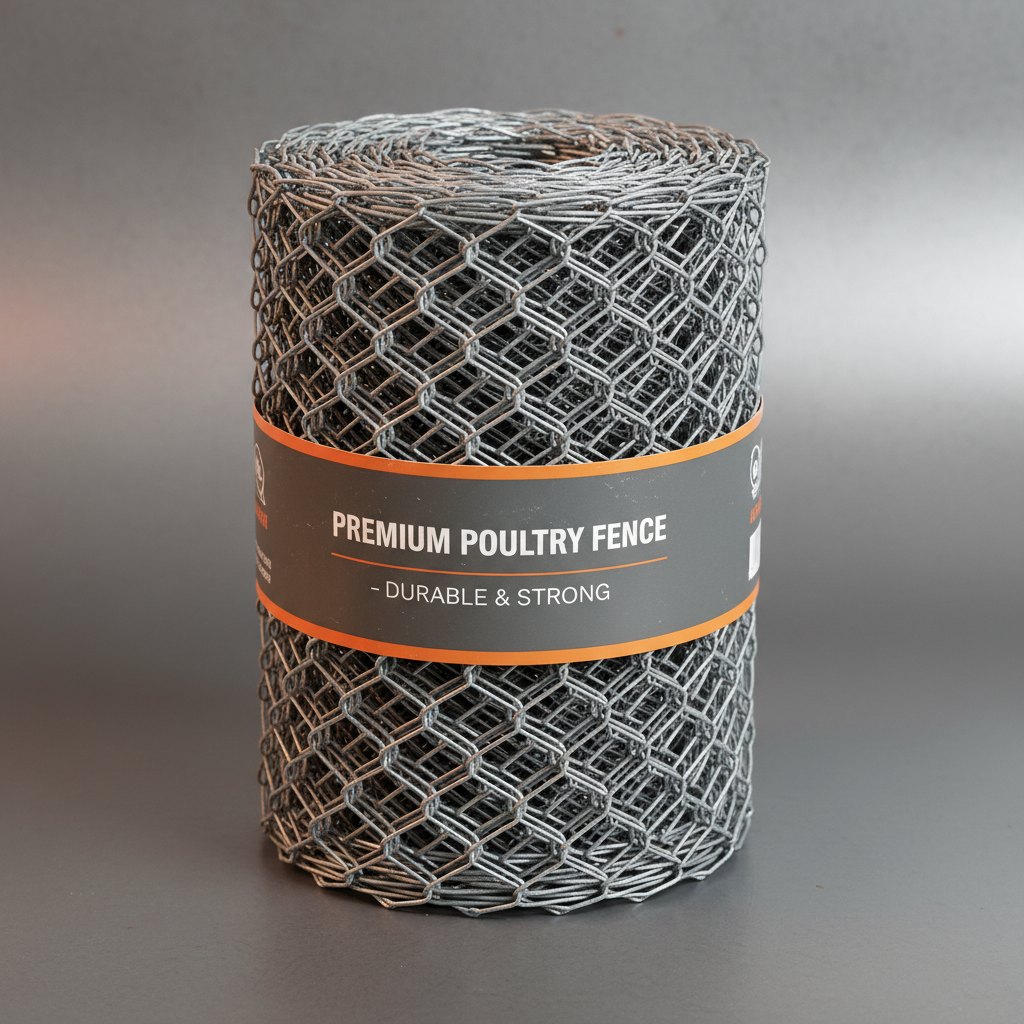
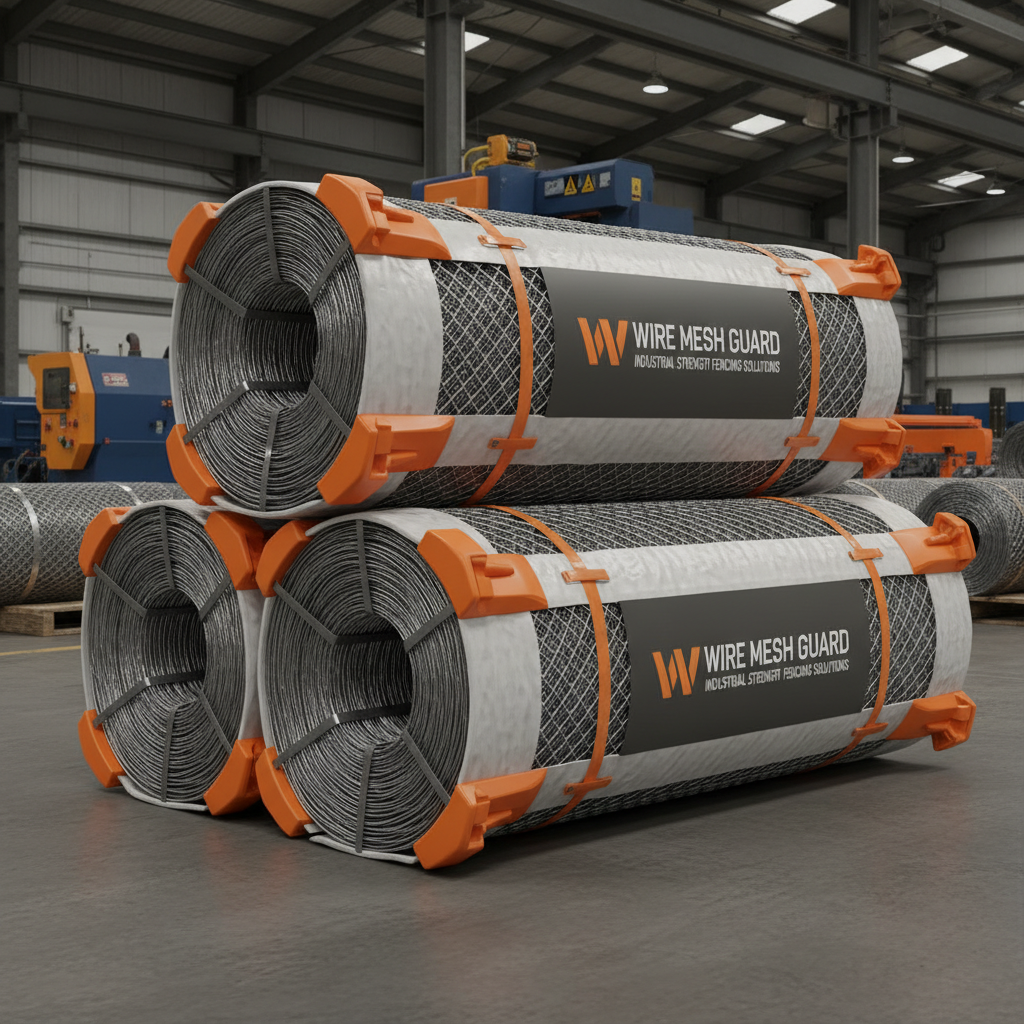
Wire mesh, a ubiquitous material in modern infrastructure and countless applications, represents a cornerstone of safety, security, and efficiency. From reinforcing concrete in monumental structures to providing protective enclosures for sensitive equipment, its versatility is unmatched. Understanding the nuances of wire mesh—its production, properties, and applications—is crucial for engineers, architects, manufacturers, and anyone involved in building, protecting, or containing. This knowledge empowers informed decision-making, leading to more durable, cost-effective, and sustainable solutions.
Globally, the demand for wire mesh is steadily increasing, driven by rapid urbanization, infrastructure development in emerging economies, and a growing emphasis on security measures. The United Nations estimates that over half the world’s population now lives in urban areas, creating a relentless need for robust construction materials. Furthermore, international standards organizations like ISO are continually refining wire mesh specifications to ensure consistent quality and performance. The challenges of providing safe and reliable infrastructure in rapidly changing environments demand a deep understanding of this essential material.
The beauty of wire mesh lies in its simplicity and adaptability. It's a fundamental building block for countless products and systems, proving to be a cost-effective and reliable solution across a diverse range of industries. Its importance extends beyond merely physical construction, playing a vital role in sectors like agriculture, healthcare, and environmental protection.
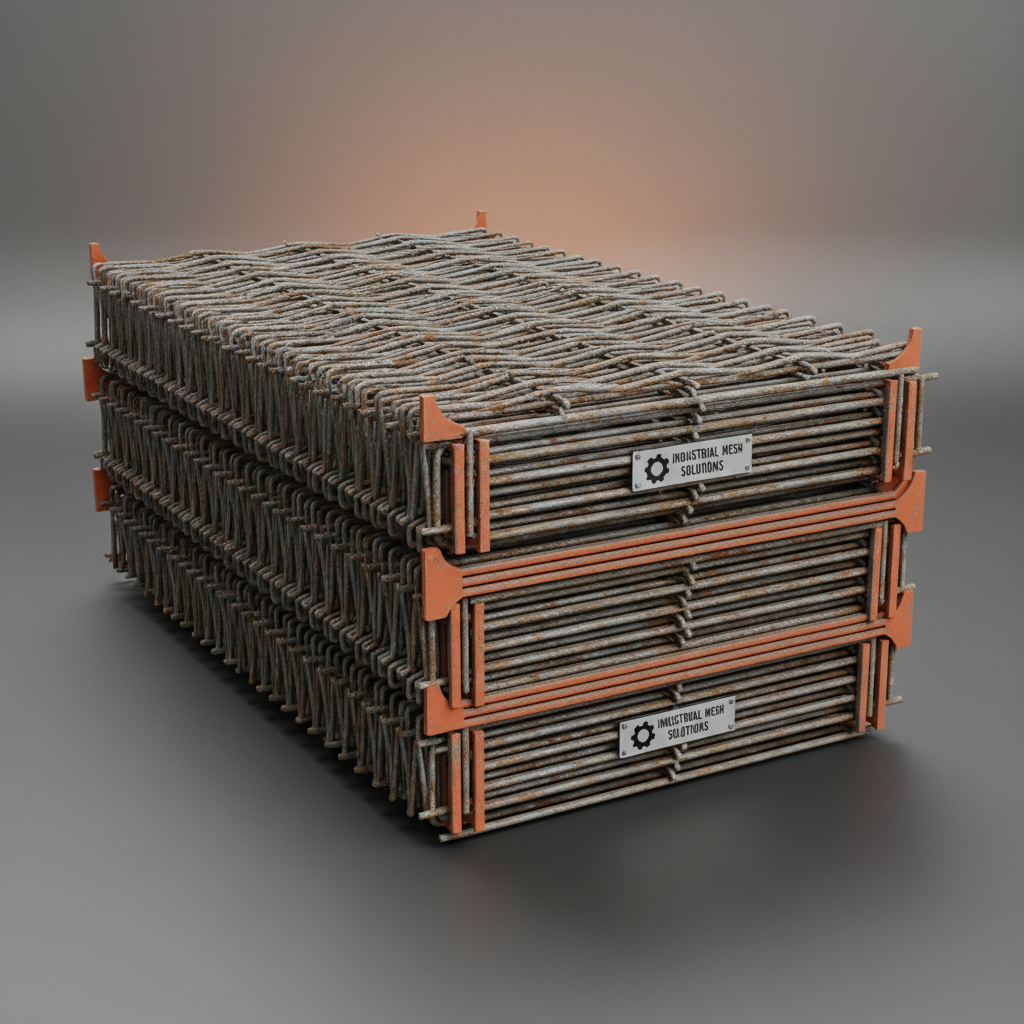
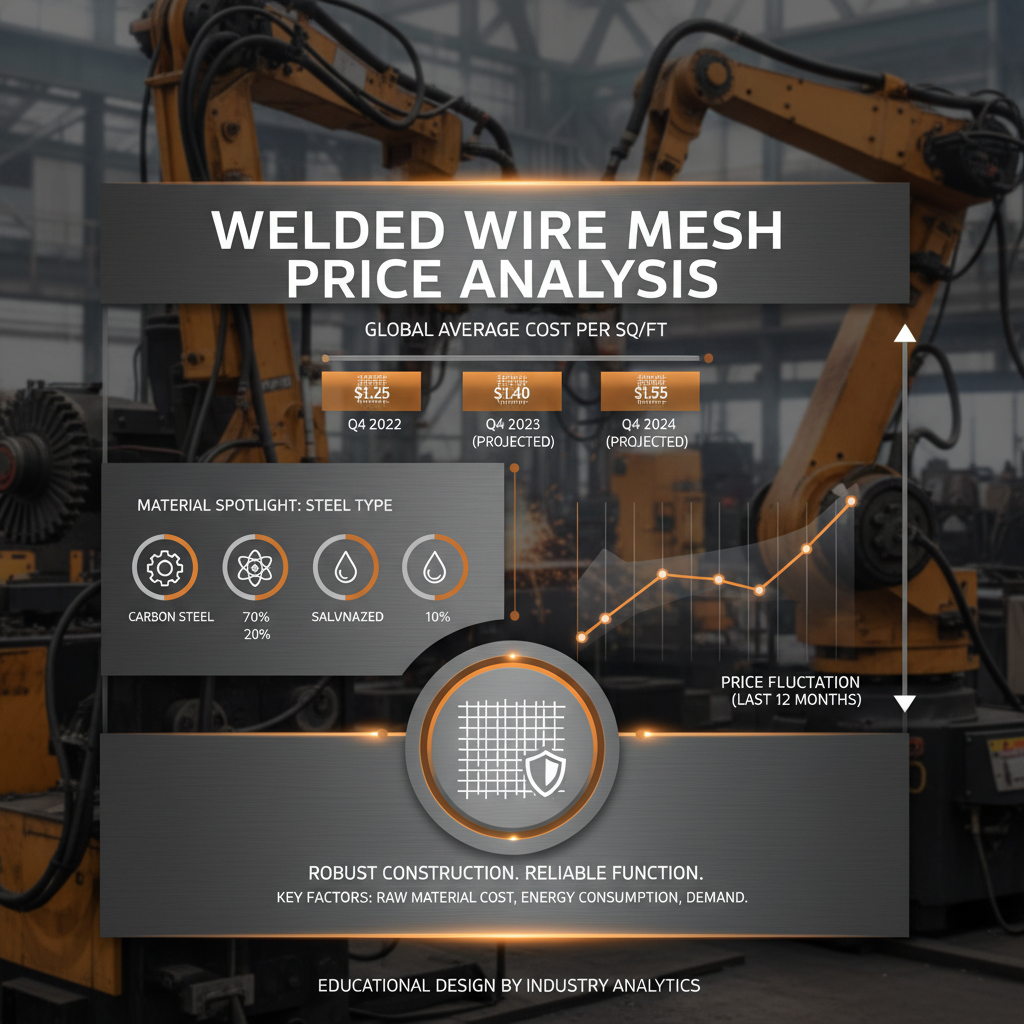
The widespread adoption of wire mesh isn't accidental. It's a testament to its inherent properties and its ability to address fundamental needs across numerous sectors. Consider the agricultural industry: wire mesh protects crops from pests, improves ventilation in greenhouses, and supports climbing plants. This translates to higher yields and improved food security. Beyond agriculture, in industrial settings, wire mesh plays a crucial role in machine guarding, ensuring worker safety and preventing costly equipment damage.
The versatility of wire mesh also makes it a critical component in sustainable practices. Its recyclability and relatively low environmental impact compared to other materials contribute to more eco-friendly construction and manufacturing processes. As demand for sustainable solutions continues to grow, the importance of wire mesh as a responsible material choice will only increase.
Wire mesh is commonly manufactured from a variety of materials including carbon steel, stainless steel (grades 304 and 316 are popular), aluminum, copper, and galvanized steel. The choice of material depends on the application's requirements for strength, corrosion resistance, cost, and weight. Stainless steel offers exceptional corrosion resistance, making it ideal for outdoor and harsh environments. Carbon steel is often used for applications where strength is paramount, while aluminum provides a lightweight and corrosion-resistant option.
The weave pattern is crucial as it affects the mesh's properties. Plain weave is common for general-purpose applications, offering good stability. Twilled weave provides increased flexibility and a tighter mesh, ideal for filtration. Dutch weave has varying wire diameters, creating a more open yet strong mesh used in screening and filter applications. The chosen pattern is dictated by the required strength, permeability, and the size of particles to be contained or filtered.
Several coatings are used to extend the life of wire mesh. Galvanization (zinc coating) provides excellent corrosion resistance at a relatively low cost. Powder coating offers a durable, colorful finish and improved resistance to abrasion and chemicals. PVC coating is used for electrical insulation and increased corrosion protection. Epoxy coatings offer high chemical resistance. The selection of a coating depends on the specific environmental conditions and intended use of the mesh.
Wire mesh opening size is typically measured as the clear space between wires. It’s commonly expressed in inches or millimeters. For woven wire mesh, the mesh count refers to the number of wires per inch. To calculate the approximate opening size, use the formula: Opening Size ≈ 1 / Mesh Count. It's crucial to specify the correct opening size to ensure the mesh effectively performs its intended function, such as filtration or screening.
Working with wire mesh can present safety hazards. Wear appropriate personal protective equipment (PPE) such as gloves, safety glasses, and long sleeves to prevent cuts and abrasions. Be cautious when cutting or bending the mesh, as sharp edges can be created. Ensure proper ventilation when welding or using heat treatments on the mesh. Follow manufacturer's safety guidelines and industry best practices to minimize risks.
The lifespan of wire mesh in outdoor applications depends heavily on the material, coating, and environmental conditions. Galvanized steel mesh can last 10-20 years, while stainless steel can easily exceed 50 years. Regular inspection and maintenance, such as cleaning and re-coating, can extend the lifespan. Exposure to saltwater, industrial pollutants, or harsh weather will accelerate corrosion and reduce the mesh's longevity.
Throughout this exploration, we’ve seen that wire mesh is far more than a simple material; it's a foundational component of countless industries and applications. Its inherent properties – strength, durability, permeability, and cost-effectiveness – make it a versatile and indispensable tool for engineers, architects, manufacturers, and humanitarian organizations alike. Understanding these properties and the factors influencing performance is crucial for maximizing its value and ensuring its long-term reliability.
Looking ahead, the continued innovation in materials science and manufacturing promises to unlock even greater potential for wire mesh. By embracing sustainable practices, exploring new applications, and investing in research and development, we can harness the power of this remarkable material to build a safer, more resilient, and more sustainable future. Visit our website at www.chbarrier.com to learn more about our comprehensive range of wire mesh products and solutions.