Metal mesh, in its diverse forms, is a foundational material underpinning countless industries and increasingly vital in addressing global challenges. From robust construction and intricate filtration systems to innovative agricultural applications and even rapidly deployable shelter solutions, its versatility is remarkable. Understanding the properties, applications, and future potential of metal mesh is critical for engineers, designers, aid organizations, and policymakers alike. Its inherent strength, coupled with its adaptability in form and function, positions it as a key component in building a more resilient and sustainable future.
The global demand for metal mesh is steadily increasing, driven by factors like population growth, infrastructure development, and the growing need for efficient resource management. According to reports from the World Bank, investment in infrastructure across developing nations is projected to reach trillions of dollars in the coming decades, with a significant portion allocated to materials like metal mesh for various applications. ISO standards continually evolve to ensure quality and safety, reflecting the importance of reliable metal mesh in critical applications. This growth underscores the need for continued innovation in materials science and manufacturing techniques.
At its core, metal mesh is a network of interwoven wires, strands, or ribbons, typically made from materials like stainless steel, aluminum, or copper. It’s a remarkably simple concept, yet it enables complex solutions. In the modern world, metal mesh isn’t just about simple screening; it’s about providing structural integrity, precise filtration, and innovative architectural elements – often addressing crucial humanitarian needs in crisis situations.
Introduction to Metal Mesh
Metal mesh offers a unique combination of strength and flexibility, making it an ideal material for a vast array of applications. Its open structure allows for ventilation, filtration, and visibility, while its inherent durability provides long-lasting performance. The ability to customize mesh size, material composition, and weave patterns allows for tailored solutions to specific engineering and design challenges.
The increasing adoption of metal mesh is linked to a broader trend towards lightweight, sustainable, and high-performance materials. As industries strive to reduce their environmental footprint and improve product efficiency, metal mesh provides a viable alternative to heavier, more resource-intensive materials like solid metal sheets or plastics. We see this particularly in emerging markets where cost-effectiveness and ease of installation are paramount.
Defining Metal Mesh: Properties & Uses
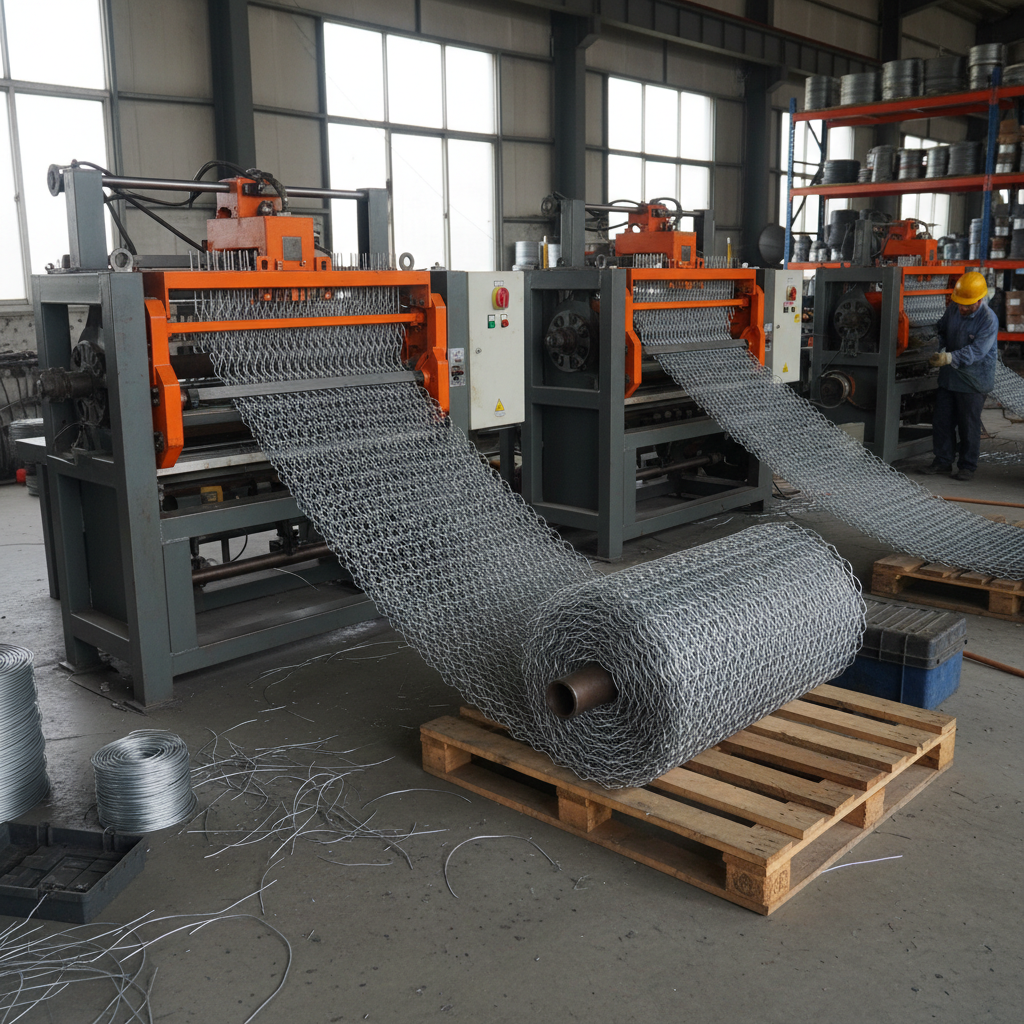
Metal mesh is essentially an interconnected network created from metallic materials, formed through weaving, welding, or expanding processes. The resulting structure offers a high strength-to-weight ratio and unique permeability characteristics. Common materials include stainless steel (renowned for corrosion resistance), aluminum (lightweight and cost-effective), and copper (excellent conductivity). Its applications are incredibly diverse, spanning from industrial filters and security screens to architectural facades and even medical implants.
Its connection to modern industry stems from its ability to perform functions that solid materials cannot. For instance, a solid sheet of metal would block airflow completely, whereas metal mesh allows for controlled ventilation. In humanitarian contexts, rapidly deployable shelters often utilize metal mesh frameworks for their lightweight portability and structural stability. The ability to create customized apertures within the mesh allows for precise filtering of particles or fluids, making it crucial in water purification systems and air filtration technologies.
The fundamental benefit lies in its adaptability. Different weaving patterns and material choices allow engineers to fine-tune the mesh’s properties – from tensile strength and flexibility to pore size and resistance to corrosion. This tailored approach makes metal mesh an essential component in countless applications, bridging the gap between functionality and cost-effectiveness.
Key Characteristics of Metal Mesh
Durability stands as a cornerstone of metal mesh’s appeal. High-quality metal meshes, particularly those constructed from stainless steel, exhibit exceptional resistance to corrosion, abrasion, and extreme temperatures. This longevity translates to reduced maintenance costs and increased lifespan, making it a cost-effective solution in the long run. Another key factor is Scalability – metal mesh can be manufactured in virtually any size and shape, accommodating diverse project requirements.
Cost Efficiency is also a significant advantage. Compared to solid metal alternatives, metal mesh often requires less material, resulting in lower manufacturing costs. Furthermore, its lightweight nature reduces transportation expenses and simplifies installation processes. The relative ease of fabrication also contributes to its affordability. Finally, Versatility allows metal mesh to perform multiple functions simultaneously – providing structural support, filtration, ventilation, and security, eliminating the need for separate components.
Permeability is a defining feature. The open structure of metal mesh allows for the passage of fluids, air, or light, making it indispensable in filtration systems, ventilation systems, and architectural applications where natural light is desired. Adaptability refers to the ability to customize the mesh’s properties – material, weave pattern, aperture size – to meet specific performance requirements.
Global Applications of Metal Mesh
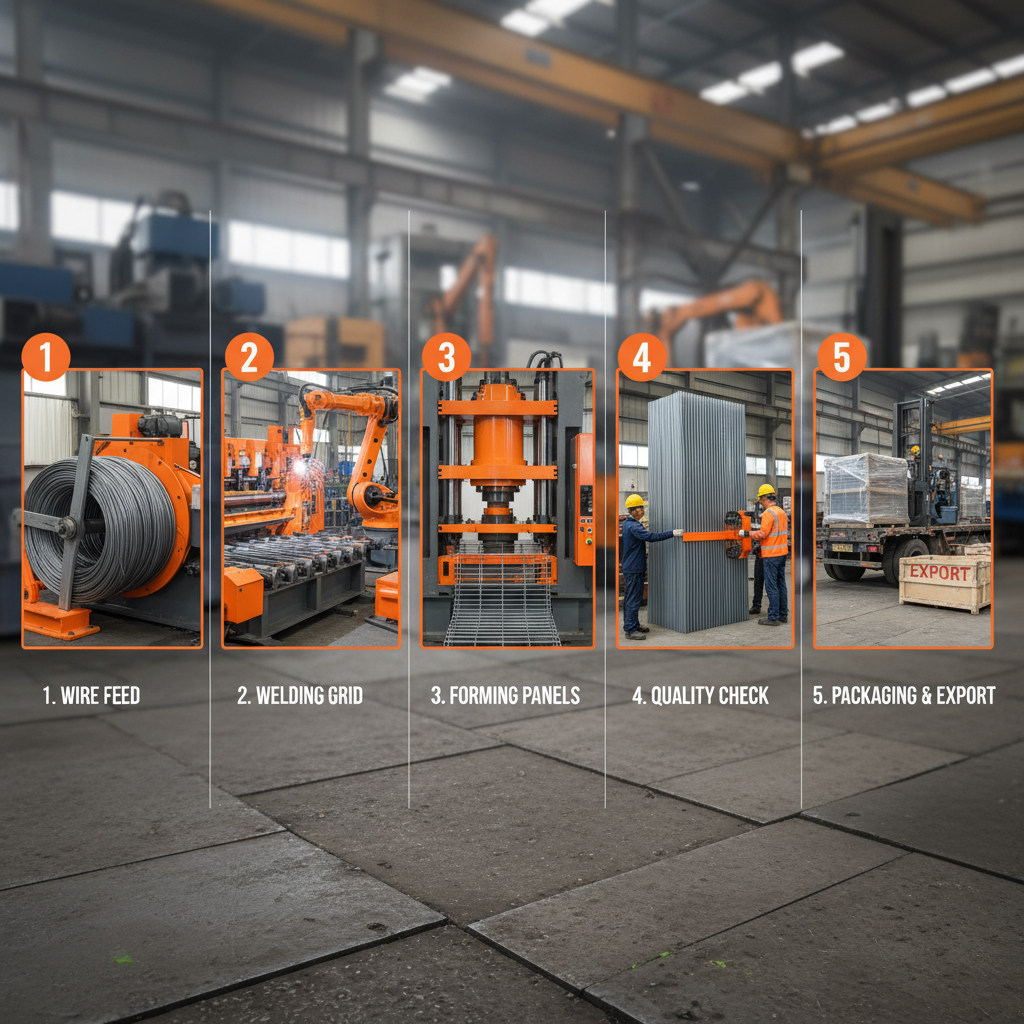
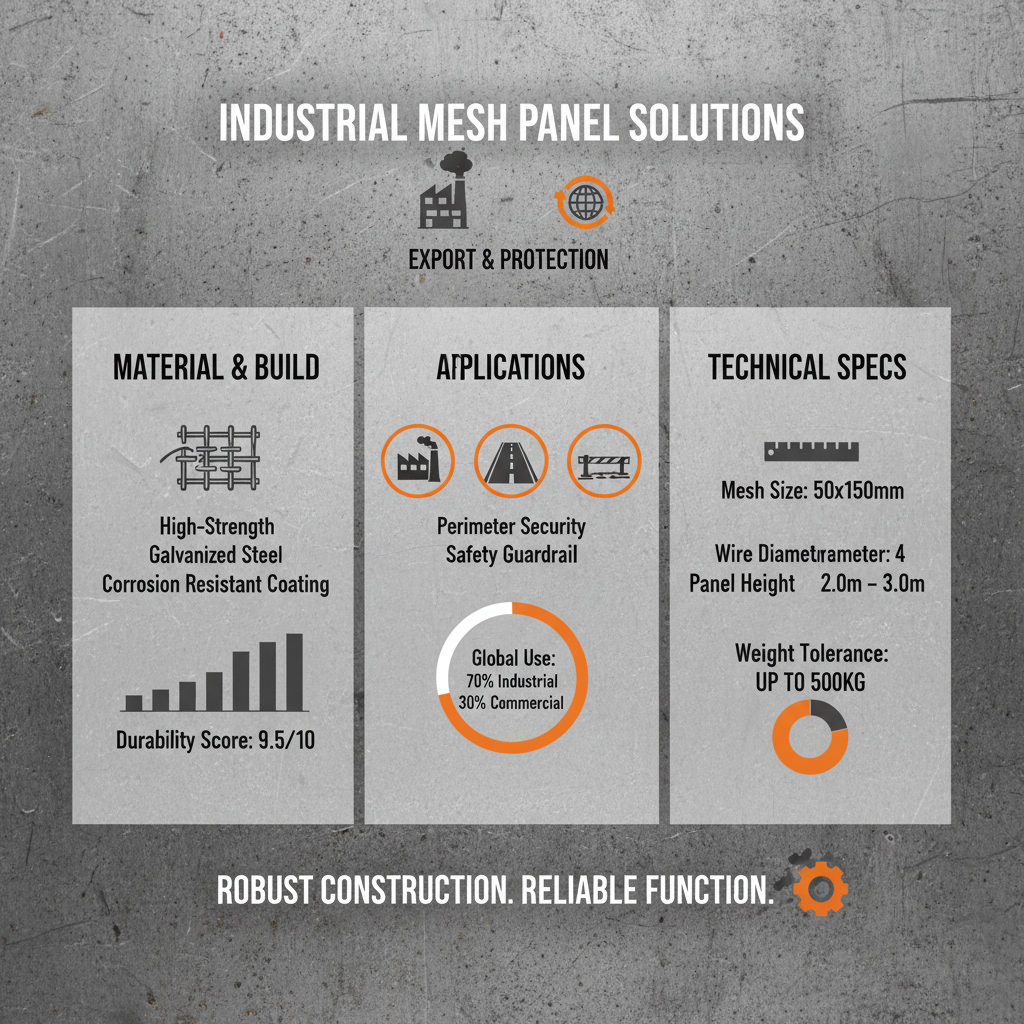
Metal mesh finds widespread use in the construction industry, providing reinforcement for concrete, creating protective barriers, and forming architectural facades. It’s essential in industrial settings for filtration processes, screening materials, and providing safety guards on machinery. In agriculture, metal mesh is used for crop protection, livestock containment, and greenhouse construction.
In post-disaster relief operations, rapidly deployable shelters utilizing metal mesh frameworks are providing vital housing solutions in regions affected by earthquakes, floods, and other natural calamities. In remote industrial zones, metal mesh fencing provides secure perimeters for critical infrastructure. Moreover, in countries facing water scarcity, metal mesh filters are being deployed to provide clean drinking water to communities in need.
Specifically, Europe leads in utilizing metal mesh in advanced filtration systems for industrial wastewater treatment, while North America relies heavily on it for security fencing and architectural applications. Across Asia, its use in agricultural applications is growing rapidly to address food security concerns. NGOs frequently employ metal mesh in humanitarian aid projects for creating temporary shelters and water purification systems.
Metal Mesh Application Ratings (1-10)
Advantages and Long-Term Value
The tangible benefits of using metal mesh are substantial. Lower lifecycle costs result from its durability and minimal maintenance requirements. Sustainability is enhanced through its recyclability and potential for utilizing recycled materials in its production. Social impact is realized through applications like providing safe shelters and clean water. Reliability stems from its consistent performance under diverse conditions.
Beyond these practical advantages, metal mesh fosters safety and security, providing robust barriers and protective enclosures. It empowers innovation by enabling the creation of novel designs and functionalities. It builds trust due to its consistent performance and adherence to stringent quality standards. Investing in metal mesh solutions is an investment in resilience, sustainability, and long-term value.
Future Trends in Metal Mesh Technology
The future of metal mesh is closely tied to advancements in materials science and manufacturing technologies. Researchers are exploring new alloys with enhanced corrosion resistance, higher tensile strength, and improved formability. Additive manufacturing (3D printing) techniques are enabling the creation of complex metal mesh structures with tailored properties. Smart metal meshes incorporating sensors and actuators are emerging, opening up possibilities for real-time monitoring and adaptive functionality.
The integration of metal mesh with green energy technologies is also a key trend. For example, metal mesh is being investigated as a component in fuel cells and hydrogen storage systems. Digital transformation, through the use of AI and machine learning, is optimizing manufacturing processes and enabling predictive maintenance of metal mesh structures. These innovations are poised to unlock even greater potential for this versatile material.
Challenges and Innovative Solutions
Despite its numerous advantages, challenges remain in the widespread adoption of metal mesh. One key limitation is the potential for clogging in filtration applications, particularly when dealing with highly viscous or particulate-laden fluids. Another challenge is the cost of specialized manufacturing techniques for creating complex mesh geometries. Corrosion can also be an issue in harsh environments if the appropriate materials are not selected.
Innovative solutions are emerging to address these challenges. Self-cleaning metal meshes with anti-fouling coatings are being developed to mitigate clogging issues. Advanced manufacturing processes, such as laser cutting and waterjet cutting, are reducing the cost of creating intricate mesh designs. The development of new alloys with enhanced corrosion resistance is also crucial. Researchers are exploring bio-inspired designs for metal mesh structures that mimic natural filtering systems.
Further exploration of sustainable manufacturing practices, including the use of recycled materials and energy-efficient processes, is essential. Collaboration between researchers, manufacturers, and end-users is key to overcoming these challenges and realizing the full potential of metal mesh as a sustainable and versatile material.
Overview of Key Challenges and Solutions Regarding Metal Mesh Implementation
| Challenge Category |
Specific Challenge |
Potential Solution |
Implementation Cost (1-10) |
| Material Performance |
Corrosion in Saline Environments |
Utilizing Superalloys & Protective Coatings |
7 |
| Manufacturing |
High Cost of Complex Geometries |
Implementing Additive Manufacturing Techniques |
8 |
| Operational Issues |
Clogging in Filtration Systems |
Self-Cleaning Mesh Designs with Coatings |
6 |
| Sustainability |
Limited Recyclability of Certain Alloys |
Developing Closed-Loop Recycling Processes |
5 |
| Design & Integration |
Ensuring Structural Integrity in Complex Applications |
Advanced Simulation and Finite Element Analysis |
7 |
| Scaling Production |
Meeting Increasing Global Demand |
Automating Manufacturing Processes |
9 |
FAQS
Stainless steel offers superior corrosion resistance and higher tensile strength, making it ideal for harsh environments and load-bearing applications. Aluminum, on the other hand, is significantly lighter and more cost-effective, suitable for applications where weight is a concern and corrosion is less of an issue. The choice depends on the specific requirements of the project, balancing performance with budget.
Filtration rates are primarily controlled by adjusting the mesh aperture size – the diameter of the openings in the mesh. Smaller apertures result in finer filtration, removing smaller particles. Furthermore, the weave pattern (e.g., plain weave, twill weave, Dutch weave) influences filtration efficiency and flow rate. Careful selection of these parameters allows for tailoring the mesh to specific filtration needs.
Generally, metal mesh requires minimal maintenance. Regular cleaning to remove debris and buildup is usually sufficient. For installations in corrosive environments, periodic inspection for signs of corrosion is recommended. Applying protective coatings can further extend the lifespan of the mesh. Proper installation is also crucial for preventing premature failure.
Metal mesh is typically more cost-effective than solid metal sheets for many applications. It requires less material, reducing manufacturing costs. Its lighter weight lowers transportation expenses. However, for applications requiring complete opacity or high rigidity, solid metal sheets may be necessary, potentially increasing costs. The overall cost comparison depends on the specific application requirements.
Metal mesh is generally considered a sustainable material, particularly when manufactured from recycled metals. Metals like stainless steel and aluminum are highly recyclable, reducing the environmental impact of production. The durability and long lifespan of metal mesh also contribute to its sustainability by minimizing the need for replacements. Efforts are increasing to establish closed-loop recycling systems for metal mesh.
Metal mesh is increasingly used in architectural design for facades, sun shading, balconies, and decorative elements. Its versatility allows for creating visually striking and functional designs. It provides natural ventilation, controls sunlight, and enhances building security. It can also be used as a support structure for green walls and climbing plants, adding aesthetic appeal and environmental benefits.
Conclusion
Metal mesh stands as a remarkably versatile and adaptable material with a growing impact across diverse industries. Its inherent durability, coupled with its customizability and cost-effectiveness, positions it as a crucial component in building a more sustainable and resilient future. From critical infrastructure and industrial processes to humanitarian aid and architectural innovation, metal mesh consistently demonstrates its value.
Looking ahead, continued advancements in materials science, manufacturing techniques, and sustainable practices will further unlock the potential of metal mesh. Investing in research and development, promoting circular economy principles, and fostering collaboration between stakeholders are essential steps in maximizing its benefits and addressing global challenges. To explore the possibilities for your next project, visit our website: metal mesh.