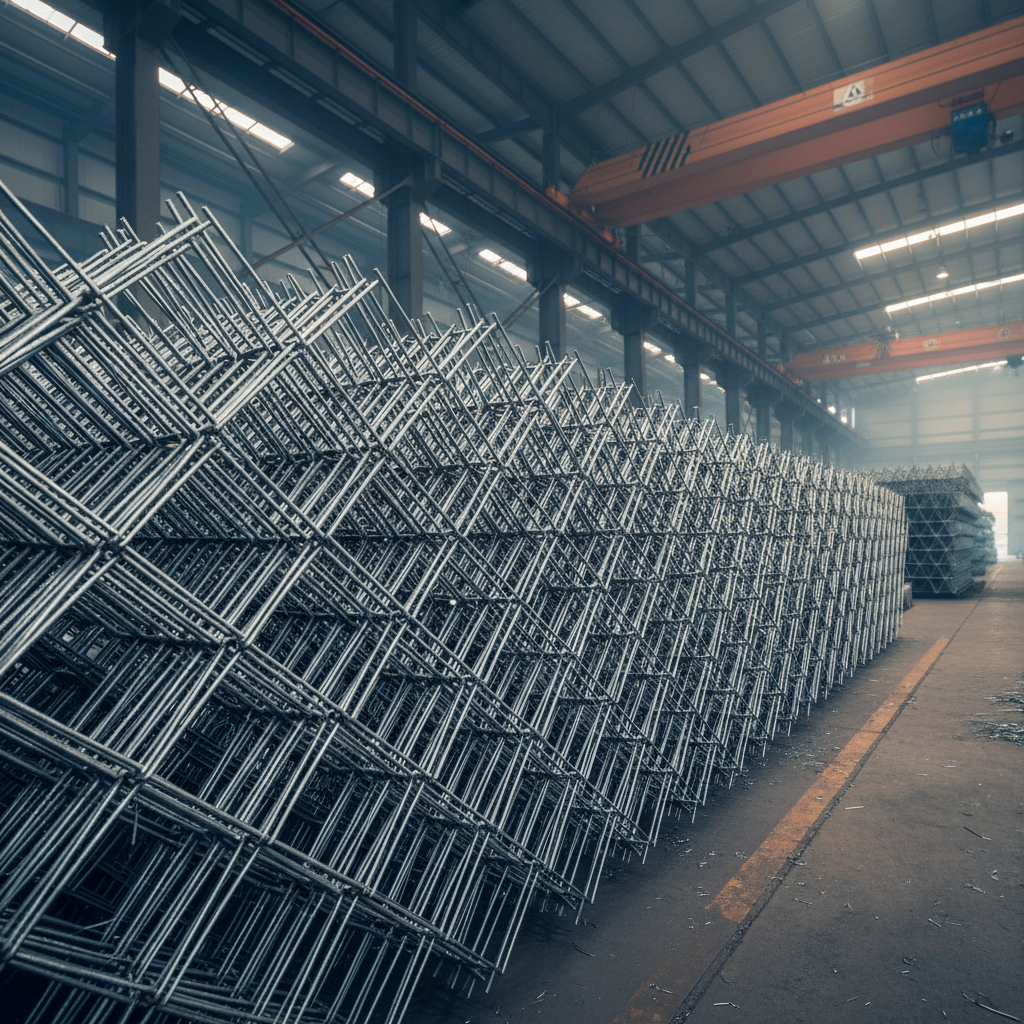
Wire mesh panels are increasingly vital components in modern infrastructure, humanitarian aid, and a variety of industrial applications. Their unique combination of strength, versatility, and cost-effectiveness makes them a preferred solution for fencing, security, filtration, reinforcement, and even innovative construction techniques. Understanding their properties and applications is crucial for architects, engineers, project managers, and organizations responding to global challenges.
The global demand for wire mesh panels is driven by factors such as rapid urbanization, increasing security concerns, and a growing need for sustainable building materials. According to reports from the World Bank, infrastructure investment in developing nations is projected to reach trillions of dollars in the coming decades, significantly boosting the demand for wire mesh products. ISO standards further ensure consistent quality and performance, bolstering confidence in these versatile materials.
Addressing challenges like disaster relief, border security, and sustainable construction requires adaptable and readily deployable solutions. Wire mesh panels offer this adaptability, playing a critical role in rapid response scenarios and long-term infrastructure development. Their lightweight nature and ease of installation make them especially valuable in situations where time and resources are limited.
Introduction to wire mesh panels
Wire mesh panels are fabricated from a network of interwoven wires, typically steel, stainless steel, or aluminum, creating a robust and versatile material. The manufacturing process involves welding, crimping, or interlocking wires to form a rigid structure, offering a diverse range of aperture sizes and wire gauges. These panels are fundamental in providing both physical security and functional solutions across numerous industries.
The application of wire mesh panels spans a wide spectrum, ranging from simple fencing and animal enclosures to sophisticated architectural features and high-security barriers. They’re designed to be durable, corrosion-resistant, and adaptable to various environmental conditions, making them a suitable choice for both indoor and outdoor use. The evolving manufacturing techniques are constantly enhancing the performance and versatility of wire mesh panels.
Defining Wire Mesh Panels
At its core, a wire mesh panel is a prefabricated structure composed of interconnected wires forming a grid-like pattern. This pattern, defined by the aperture size and wire gauge, determines the panel's strength, permeability, and overall functionality. The materials used – typically galvanized steel, stainless steel, or aluminum – contribute to its resistance to corrosion and environmental degradation.
The concept of wire mesh is deeply rooted in the evolution of modern industry. From early applications in mining and filtration, it has transitioned into a critical component of modern infrastructure. Today, wire mesh panels are integral to building safety, security, and sustainable development. They bridge the gap between form and function, offering both aesthetic appeal and practical solutions.
The rise of wire mesh panel technology is directly connected to humanitarian needs, particularly in rapid response situations such as disaster relief and refugee crises. Lightweight, easily transportable, and quickly deployable, these panels provide immediate security and shelter where traditional construction methods are impractical or too slow.
Core Characteristics of wire mesh panels
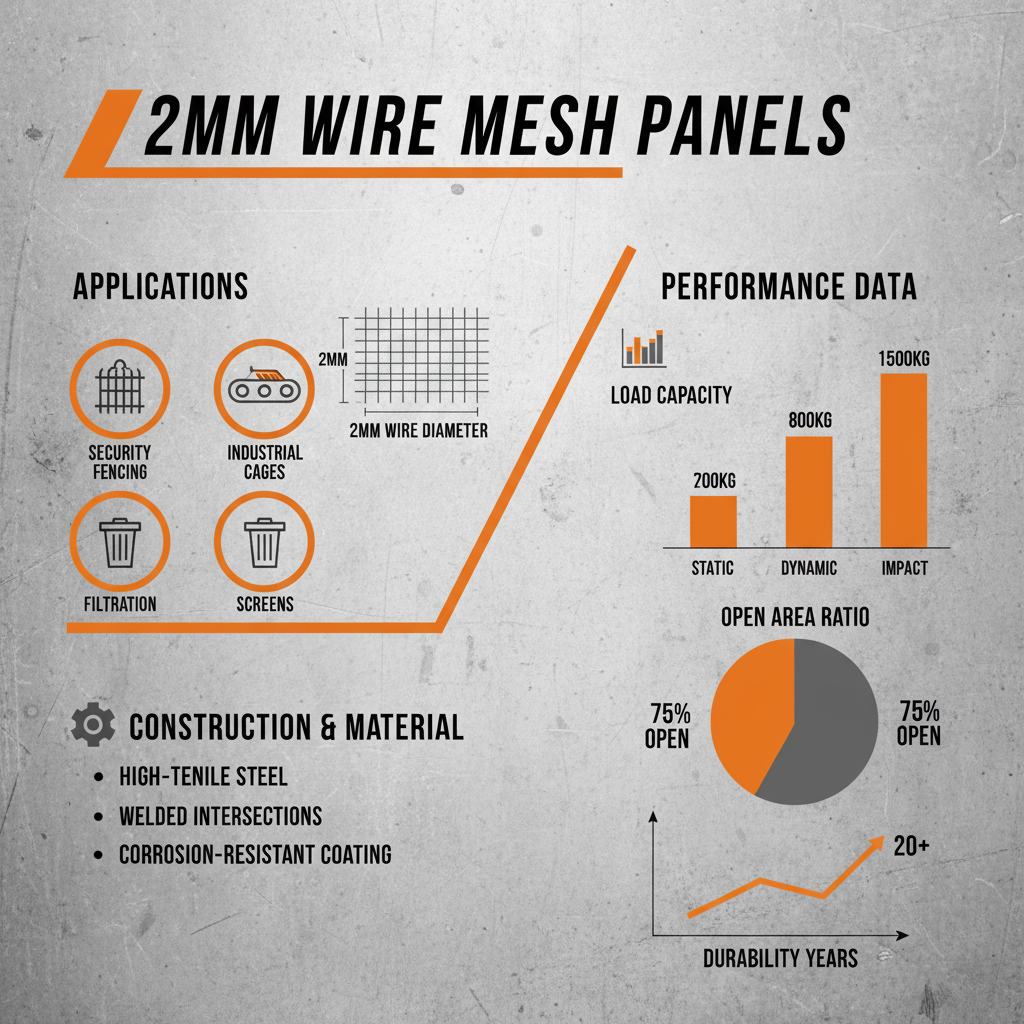
One of the defining features of wire mesh panels is their inherent strength-to-weight ratio. This characteristic makes them ideal for applications where structural integrity is paramount, yet minimizing weight is crucial for ease of handling and installation. They offer excellent resistance to impact and stress, ensuring long-term durability.
Furthermore, wire mesh panels exhibit exceptional versatility in terms of customization. Aperture sizes, wire gauges, and materials can be tailored to meet specific requirements, allowing for a wide range of applications. This adaptability makes them a practical choice for diverse projects, from high-security fencing to intricate architectural designs.
Corrosion resistance is another key characteristic. Galvanization, powder coating, or the use of stainless steel ensures longevity even in harsh environments. This minimizes maintenance costs and extends the service life of the panels, making them a sustainable choice for long-term infrastructure projects.
Key Benefits of Utilizing wire mesh panels
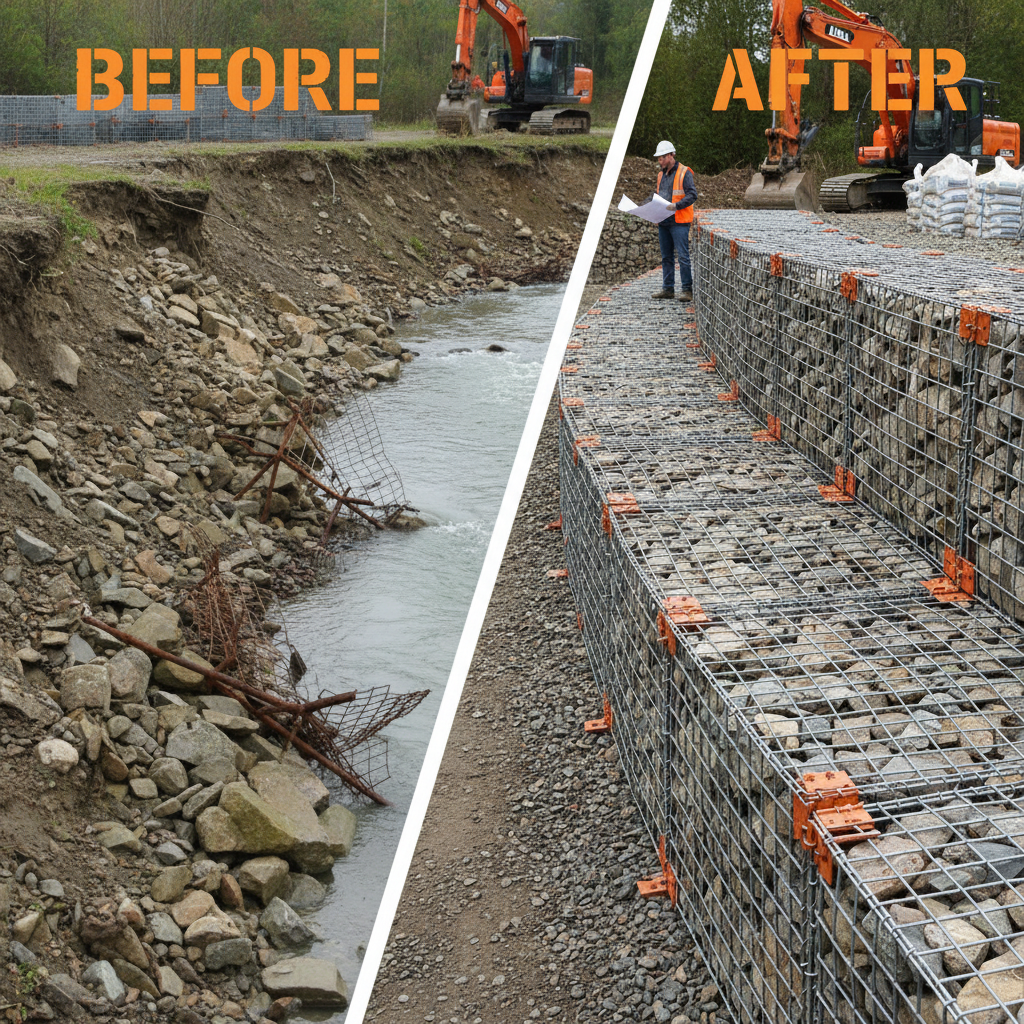
The deployment of wire mesh panels offers significant cost efficiencies when compared to traditional construction materials like concrete or brick. The relatively low material cost, combined with simplified installation procedures, reduces overall project expenses, making them accessible for a wider range of applications.
Scalability is a paramount advantage. Wire mesh panels can be easily expanded or reconfigured to adapt to changing needs. This makes them ideal for temporary structures, perimeter security, or situations where flexibility is essential. The modular nature of the system enables quick modifications and additions.
wire mesh panels Performance Comparison
Global Applications of wire mesh panels
Wire mesh panels are extensively used in perimeter security, protecting critical infrastructure, commercial properties, and residential areas. From high-security fencing around airports and power plants to decorative screens enhancing the aesthetics of urban landscapes, the applications are diverse.
In post-disaster relief operations, wire mesh panels serve as temporary shelters, field hospitals, and security barriers, providing rapid and effective solutions in crisis situations. Organizations like the Red Cross and UNHCR frequently utilize these panels for establishing secure and habitable environments in affected areas.
Long-Term Value and Advantages
The long-term cost savings associated with wire mesh panels are substantial. Reduced maintenance requirements, coupled with their extended lifespan, minimize the total cost of ownership. The durability and corrosion resistance contribute to a reliable and sustainable solution over decades.
From a sustainability standpoint, wire mesh panels often utilize recycled materials and are themselves recyclable at the end of their service life. This contributes to a circular economy and reduces the environmental impact associated with construction and infrastructure projects.
Future Trends in wire mesh panels Technology
Advancements in materials science are leading to the development of even more robust and lightweight wire mesh panels. The integration of smart technologies, such as embedded sensors and monitoring systems, will enhance security and enable proactive maintenance.
The increasing focus on sustainable construction is driving demand for eco-friendly wire mesh panels manufactured from recycled materials and designed for disassembly and reuse. This aligns with the principles of circular economy and contributes to reducing the carbon footprint of infrastructure projects.
Automation in manufacturing processes will further reduce production costs and improve the consistency and quality of wire mesh panels. This will expand their accessibility and make them a more attractive solution for a wider range of applications.
Summary of Future Trends and Challenges in wire mesh panels
| Trend/Challenge |
Impact on wire mesh panels |
Severity (1-10) |
Potential Solutions |
| Material Costs |
Fluctuating steel prices affect overall panel costs. |
7 |
Explore alternative materials and optimize manufacturing processes. |
| Corrosion in Harsh Environments |
Saltwater or chemical exposure accelerates corrosion. |
8 |
Utilize corrosion-resistant coatings and materials like stainless steel. |
| Sustainability Concerns |
Demand for eco-friendly production methods is increasing. |
6 |
Increase the use of recycled materials and implement sustainable manufacturing practices. |
| Integration with Smart Technologies |
Need for seamless integration of sensors and monitoring systems. |
5 |
Develop standardized interfaces and communication protocols for smart panels. |
| Labor Costs for Installation |
Installation can be labor-intensive in certain applications. |
4 |
Design panels for easier and faster installation; explore automated installation methods. |
| Meeting Evolving Security Standards |
Security threats are constantly evolving, requiring higher security levels. |
9 |
Continuously improve panel design and materials to meet the latest security standards. |
FAQS
The most prevalent materials include carbon steel (often galvanized for corrosion resistance), stainless steel (offering superior durability and corrosion protection), and aluminum (lightweight and suitable for specific applications). The choice depends heavily on the intended environment and the required level of performance. Galvanized steel offers a cost-effective solution for general use, while stainless steel is preferred for harsh or corrosive environments. wire mesh panels can be customized to various material specifications.
The ideal mesh size depends on the application. Smaller mesh sizes provide increased security and containment, while larger mesh sizes allow for greater airflow or visibility. Consider the size of objects needing to be contained, the level of security required, and any aesthetic preferences. For security fencing, smaller apertures are preferred; for ventilation, larger apertures are more suitable. It’s recommended to consult with a wire mesh panel supplier to determine the optimal size for your needs.
The lifespan varies depending on the material, coating, and environmental conditions. Galvanized steel panels typically last 15-20 years with minimal maintenance. Stainless steel panels can last for several decades, often exceeding 50 years. Regular inspections and maintenance, such as cleaning and reapplying coatings, can extend the lifespan significantly. Proper installation is also crucial for longevity.
Wire mesh panels are highly customizable. Options include varying aperture sizes, wire gauges, material types, and coatings. Panels can be bent, welded, or cut to fit specific shapes and dimensions. Powder coating allows for a wide range of colors and finishes. Custom fabrication services can create unique designs tailored to architectural or functional needs.
Proper installation is crucial for ensuring the longevity and performance of wire mesh panels. Use appropriate fasteners and supports designed for the panel's weight and intended load. Ensure the posts are securely anchored in the ground and properly spaced. Follow manufacturer's instructions for cutting and bending the panels. Consider professional installation for complex projects.
Many wire mesh panels are made from recyclable materials, promoting sustainability. The relatively low energy consumption during manufacturing compared to alternatives like concrete contributes to a smaller carbon footprint. Choosing durable panels reduces the need for frequent replacements, minimizing waste. Furthermore, utilizing recycled content in the manufacturing process enhances their environmental profile.
Conclusion
Wire mesh panels represent a versatile and cost-effective solution for a broad spectrum of applications, from security and infrastructure to disaster relief and architectural design. Their inherent strength, durability, and scalability make them an increasingly popular choice for projects worldwide. Understanding their core characteristics and potential benefits is crucial for informed decision-making in a variety of industries.
Looking ahead, innovation in materials and manufacturing techniques will further enhance the performance and sustainability of wire mesh panels. Embracing these advancements will unlock new possibilities for their application and contribute to more resilient and sustainable infrastructure. To explore the possibilities for your specific project, visit our website today: www.chbarrier.com.